For years, the 3 months’ salary rule quietly shaped how people felt about engagement rings. It suggested that love should be proven through spending. The higher the cost, the stronger the commitment.
But where did this rule come from, and does it really make sense today? In a time when couples share finances, plan long-term goals together, and think more critically about spending, the idea that love should be measured by a fixed formula deserves a closer look. Before you let a number dictate your budget, it’s worth understanding how this guideline took hold—and how to decide what truly works for you.

The Origin of the 3 Months’ Salary Rule
The Origin Story: More Marketing Than Tradition The notion of spending three months’ salary on an engagement ring isn’t an ancient custom passed down through generations; it’s a marketing creation. In the 1930s, diamond producer De Beers launched one of the most successful ad campaigns in modern history. Their slogan—“A Diamond Is Forever”—positioned diamonds as the ultimate symbol of enduring love. To reinforce the idea that diamonds were a necessity for engagement, De Beers promoted the idea that men should allocate a certain percentage of their annual income to the ring. Over time, that figure settled at around three months’ salary in the U.S.
Why Three Months’ Salary?
The three-month rule has a certain appeal because it’s simple and easy to remember. Instead of calculating 10 or 15 percent of your annual income, you can just multiply a month’s pay by three, and suddenly you have a concrete number to work with. It also feels substantial—earning $5,000 a month, for example, would put the ring around $15,000, which sounds impressive and meaningful. Linking the cost to income gives it a sense of logic too, as if you’re spending what you can reasonably afford.
Of course, this reasoning glosses over many important considerations. For instance, someone earning $2,000 a month would be looking at a $6,000 ring—still a hefty sum for many households. And yet, there’s nothing magical about three months versus two or four. It’s simply a marketing yardstick.
Pros & Cons: Should You Follow the Rule?
The three-month guideline can be helpful, but it isn’t perfect. If you’re not sure where to start, it gives you a concrete number to work with and can even make you feel like you’re keeping a tradition alive, especially if your friends or family care about it. With a bigger budget, you might also be able to choose a higher-quality stone or a more detailed setting that really suits your style.
At the same time, it’s not something you have to follow exactly. Trying to match it perfectly could put a strain on your finances, lead to overspending, or force you to put other plans on hold, like saving for a house or taking a trip. Every couple values different things, and some care more about experiences than an expensive ring. Since the rule was created by marketers, it’s best treated as a flexible guideline rather than a strict rule.

How to Determine Your Engagement Ring Budget
Rather than tying your budget to a rigid formula, a more thoughtful approach considers the following factors:
Financial Health:Look beyond income. Consider savings, existing debt, monthly expenses, and upcoming financial goals.
Lifestyle & Priorities:Is the ring your top priority, or are you also planning for a home, travel, or future family expenses? A ring should enhance your life—not restrict it.
Partner Preferences:Some people value understated elegance; others love bold, statement designs. Price alone doesn’t define satisfaction.
Long-Term Perspective:An engagement ring is worn daily for decades. Durability, comfort, and quality matter far more than hitting a specific price point.
Beyond Price: Quality, Style, and Ethics
Whatever budget you settle on, you’ll also need to make decisions about the engagement ring’s attributes. Price alone won’t guarantee sparkle, durability, or ethical sourcing. As you shop, keep these factors in mind:
- The 4Cs: Cut, Color, Clarity, and Carat weight are the classic metrics for diamond quality. A slightly lower grade in one category can significantly reduce cost without compromising appearance.
- Lab-grown diamonds: These stones can cost 30–50% less than mined diamonds and have a smaller environmental footprint.
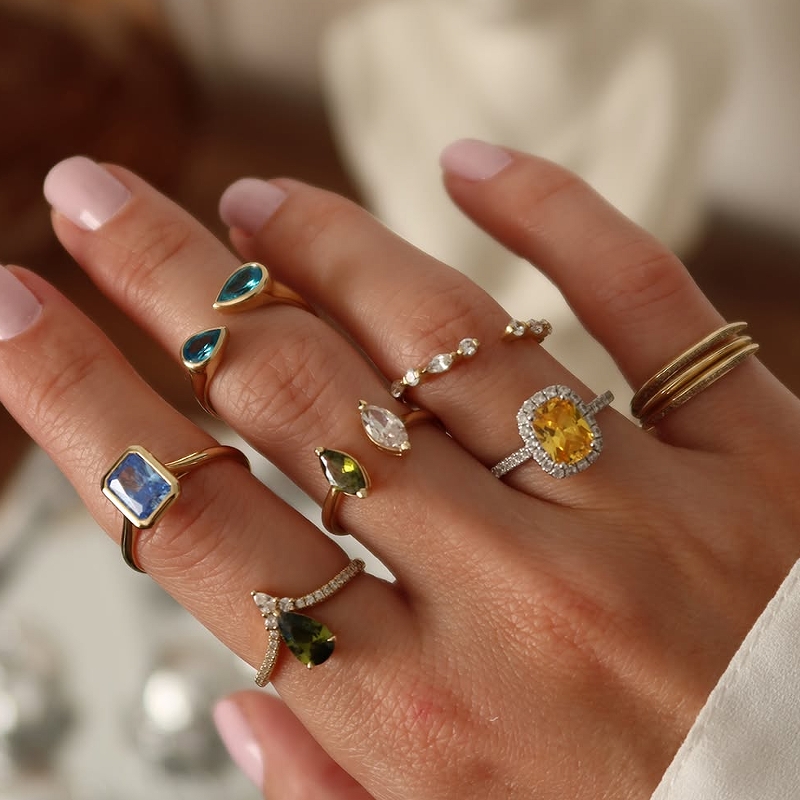
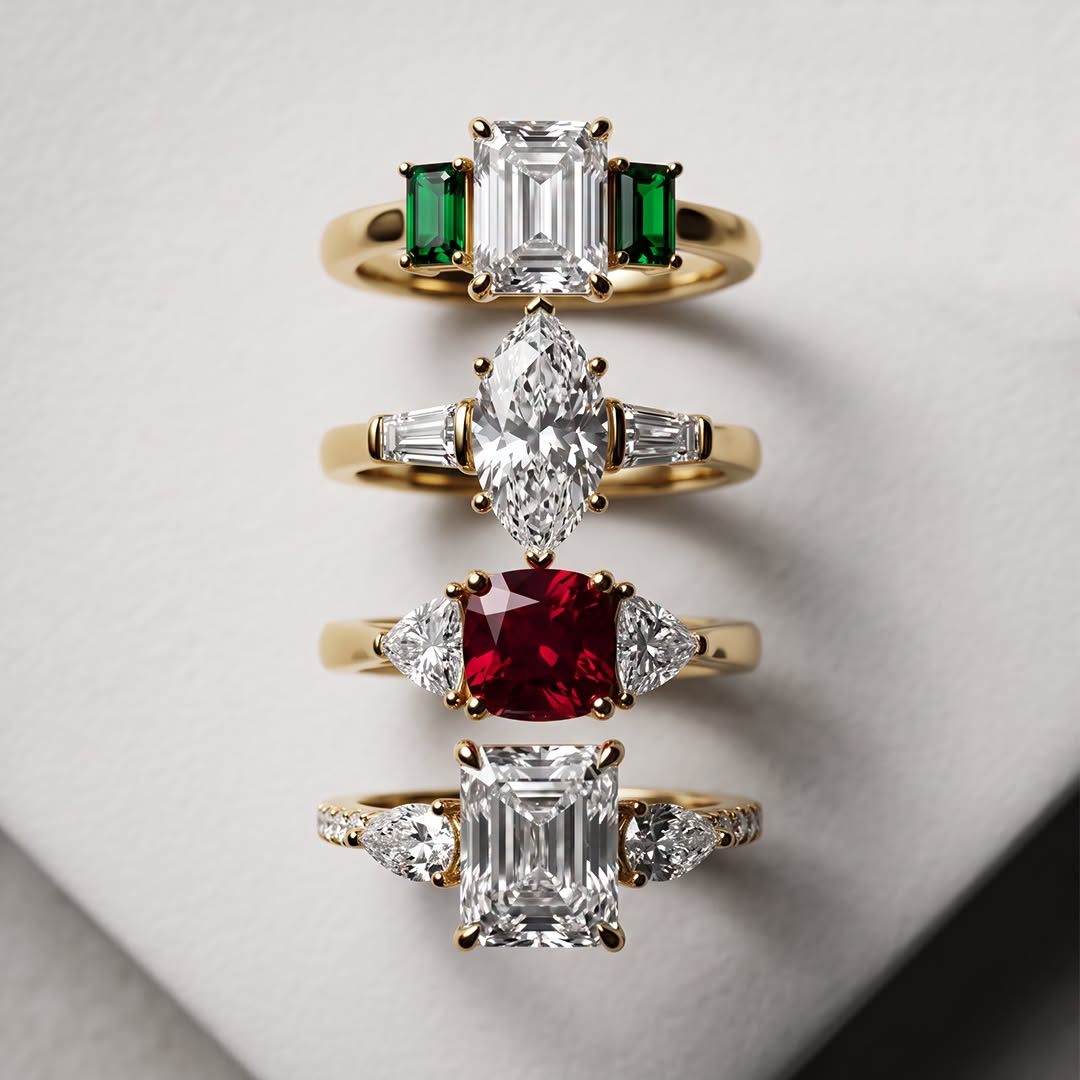
- Non-diamond alternatives: Sapphires, emeralds, morganites, and moissanite all make stunning centerpieces at lower prices.
Real Talk: What Really Matters to You?
Engagement ring shopping is exciting, but it can also be overwhelming when you’re bombarded with every possible upgrade and add-on. To stay focused:
- List your priorities. Is carat weight essential? Or would you rather have a ring designed by an artisan jeweler? Maybe ethical sourcing is non-negotiable for you.
- Talk it through. If you want a surprise, your partner can still give input by showing you a few Pinterest boards or taking you on casual jewelry-shopping outings.
- Remember the symbolism. The ring is a token of your relationship. Its value comes less from its price tag and more from what it represents—the promise you’re making to one another.
Make the Rule Work for You
At the end, The three months’ salary engagement ring rule may feel like a handy shortcut—but it’s not an unbreakable commandment. By understanding its origin as an effective marketing ploy, weighing the pros and cons, and customizing your approach, you can arrive at a ring purchase that honors both your financial reality and the significance of the commitment you’re making. Whether you choose to spend a week’s salary or four months’ salary, what ultimately matters is the love you’re celebrating—and that money alone can never quantify.