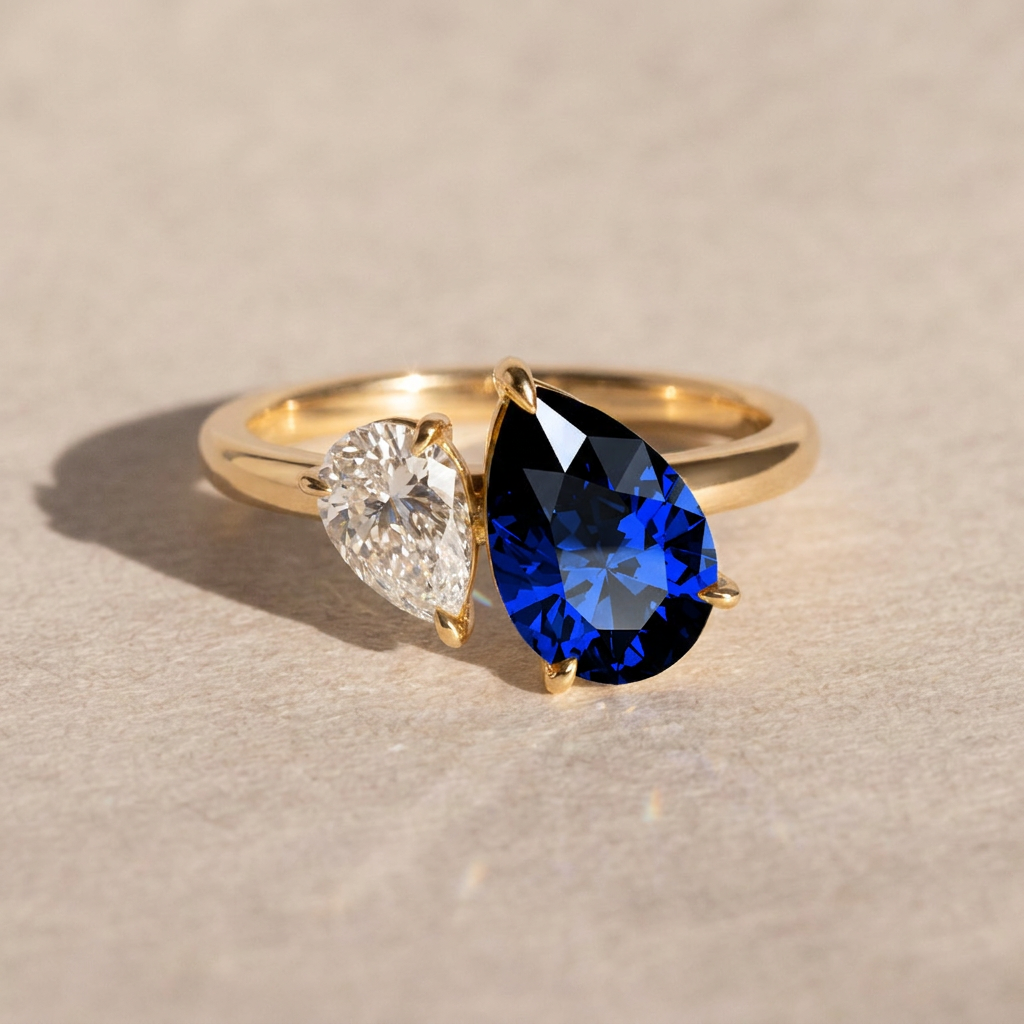
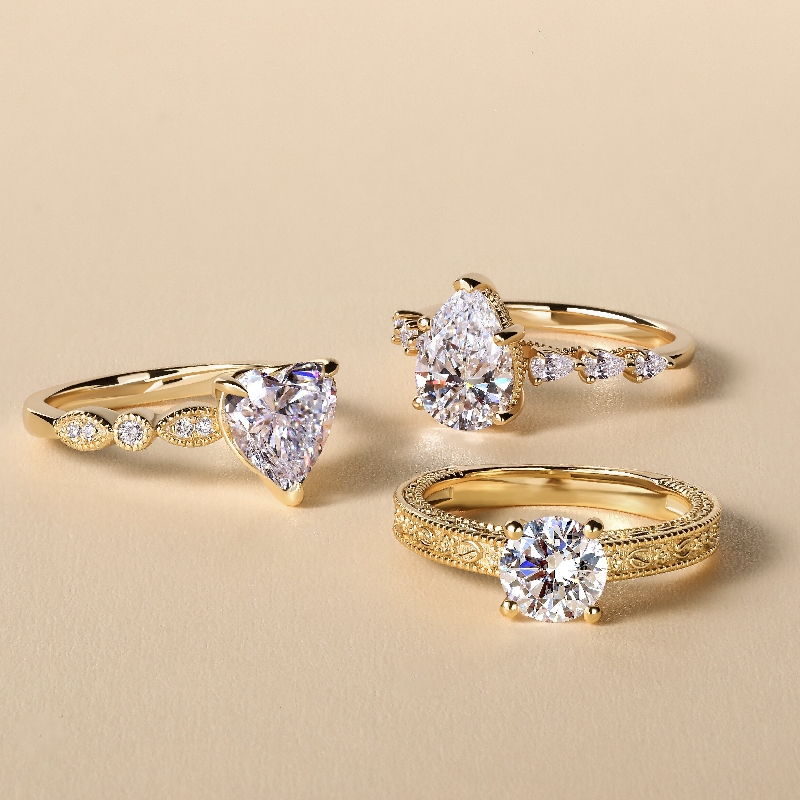
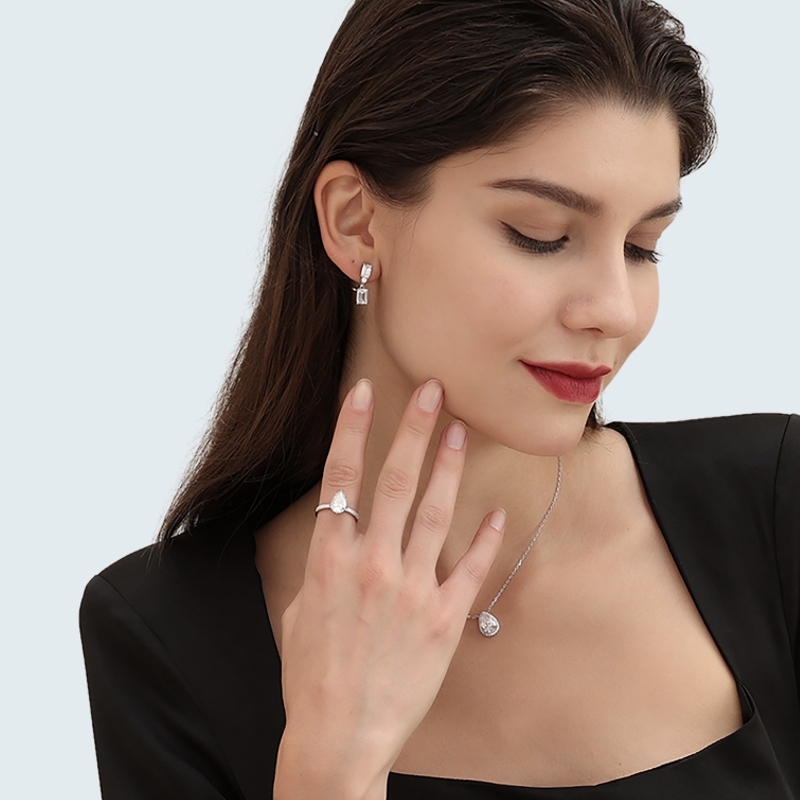
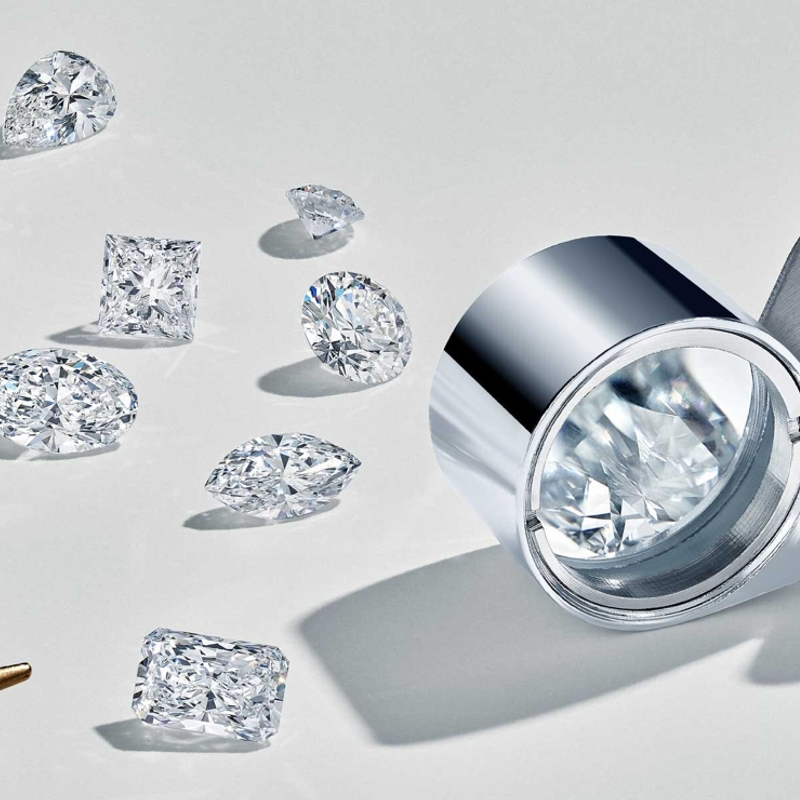
Picking an engagement ring is exciting, but it can also feel heavy. Moissanite or Diamond: which is more ethical for engagement rings? You want it to shine and look stunning, but more importantly, you want it to feel right in your heart and align with your values.
More and more people are thinking about whether a moissanite or diamond engagement ring is the more ethical choice. This isn’t about following a trend. It’s about choosing something you can feel good about every day. Let’s talk through what that really means.
Why Ethics Matter in Engagement Rings
An engagement ring isn’t just jewelry. It’s a symbol you’ll wear every day. It reflects your love, your commitment, and for many, your values.
Today, more couples care about how a ring is made, what impact it has on the planet, and how the people who made it were treated. Ethics have become part of the decision, not an afterthought.
This isn’t about making the perfect choice. It’s about making a choice that feels honest. That fits with who you are. That gives you peace of mind.
Diamonds and Their Ethical Challenges
Diamonds have a long history as symbols of love, but the industry has some complications. Mining can damage the environment, involve unsafe labor, and in some cases fund conflict.
Even with programs to make diamond sourcing more responsible, it’s still tricky. Ethical diamonds exist, but you have to look closely, trust the supplier, and sometimes spend more.
Lab-Grown Diamonds
Lab-grown diamonds are a good option if you love diamonds but want a clearer ethical path. They are real diamonds, grown in a lab. No mining is involved, which means fewer environmental concerns and no risk of conflict diamonds.
They also cost less than mined diamonds, which can free up budget for design, setting, or even other parts of your life. Lab diamonds give the look and symbolism of a diamond without some of the complicated issues.
Responsibly Sourced Natural Diamonds
Some natural diamonds come from verified ethical channels. These are great if you love the tradition of mined diamonds or want a vintage look.
The catch is you need to do research and trust the supplier. They are usually more expensive, and transparency can vary. Ethical natural diamonds exist, but they take effort to find.
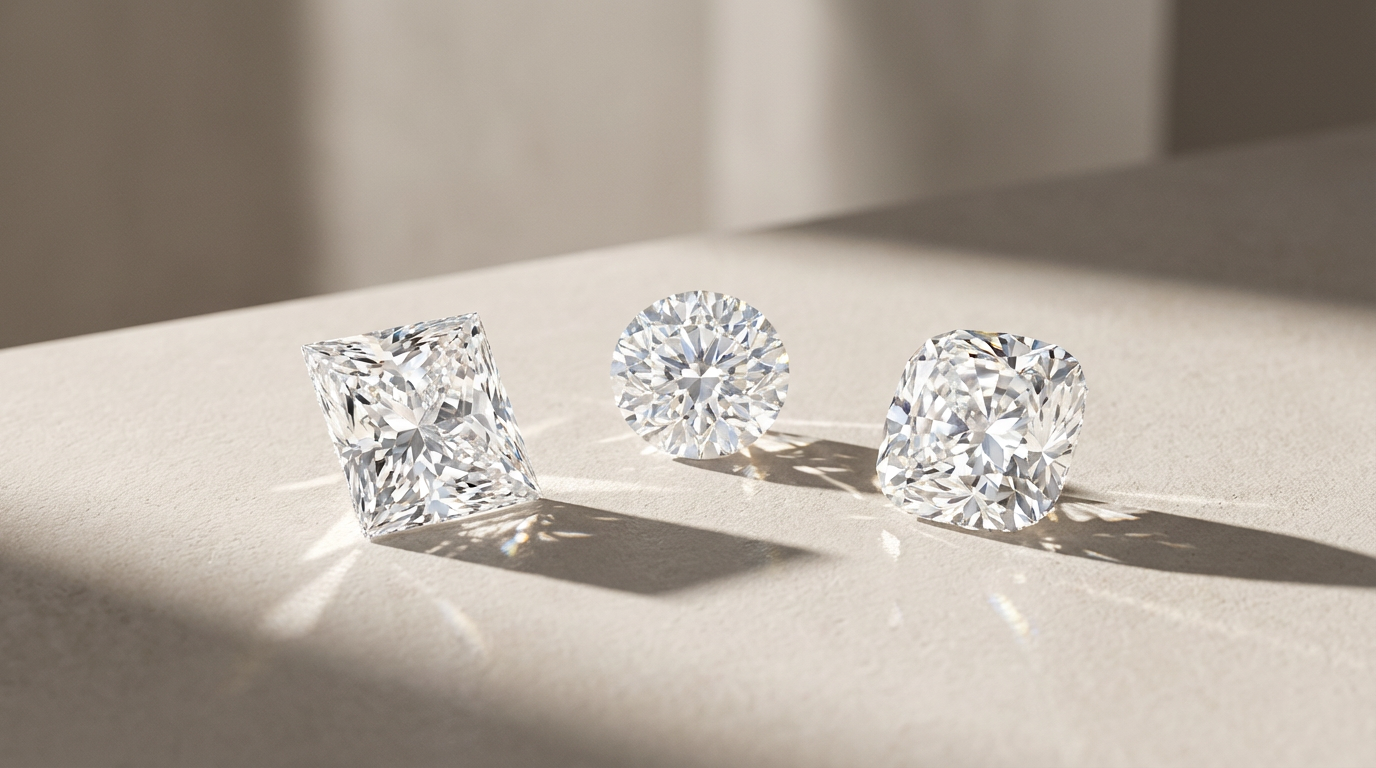
Why Moissanite Feels Like the Ethical Choice
Moissanite is simpler. It’s lab-grown, so there’s no mining and no environmental or labor concerns.
There’s no gray area to worry about. You know exactly where it comes from. For many people, that clarity brings a lot of relief. You can wear it knowing your choice is clean, responsible, and aligns with your values.
The Environmental Angle
Mining diamonds can affect land, water, and energy in a big way. Lab-grown stones like moissanite and lab diamonds cut down on that impact.
Pair a lab-grown stone with recycled gold or responsibly sourced metals, and you have a ring that’s beautiful and sustainable. Your ring can tell a story about love and care, not just style.
Ethics and Emotions
Ethics aren’t just a rational choice. They affect how you feel about your ring.
Some people feel relief choosing moissanite. Others feel grounded choosing a diamond responsibly. Both are valid.
A ring should feel easy to wear. If it brings doubt or guilt, it changes how you experience it every day. Choosing with both values and emotion in mind makes a ring feel natural and joyful.
Beauty and Durability
Some worry that being ethical means sacrificing beauty or strength. That’s not true.
Moissanite is durable enough for daily wear and has amazing sparkle. Lab diamonds are just as hard as mined ones. A ring lasts because of its design, setting, and metal choice, not the type of stone. Focus on craftsmanship, and your ring will stand the test of time.
Why Custom Design Helps
Designing a custom ring gives you control. You get to ask questions about metals, stones, and sourcing. You can make sure every choice reflects your values.
Custom design removes guesswork. You end up with a ring that is personal, meaningful, and intentional. That connection makes the ring even more special.
Common Questions About Ethical Rings
- Is moissanite always ethical? Yes. Lab-grown, no mining involved.
- Are lab diamonds ethical? They can be, especially from transparent, responsible suppliers.
- Is choosing a diamond unethical? Not automatically. Sourcing and transparency matter more than the stone itself.
- Does ethics affect heirloom value? A ring becomes an heirloom because of its story, not resale value or stone type.
Choosing With Confidence
Your choice is personal. You don’t have to explain it to anyone. Ethical decisions are for you, not to prove anything.
Ethical choices add depth. They make a ring feel timeless because it reflects who you are and what you care about.
Whether you choose moissanite or diamond, the ring should feel like you. It should bring joy, comfort, and confidence every time you look at it.
Moving Forward Thoughtfully
It’s okay if you’re still deciding. Clarity takes time. Choosing moissanite, lab-grown diamonds, or mined diamonds isn’t about perfection. It’s about picking a ring that looks great and feels perfectly you.
A ring chosen with care will carry meaning every time you see it. Ethical engagement rings are more than responsible choices. They are choices that feel right, feel personal, and feel joyful.
At the end of the day, your ring should reflect your story. Its sparkle is just the start. What matters is how it feels when you wear it, and how it fits with your life and values.