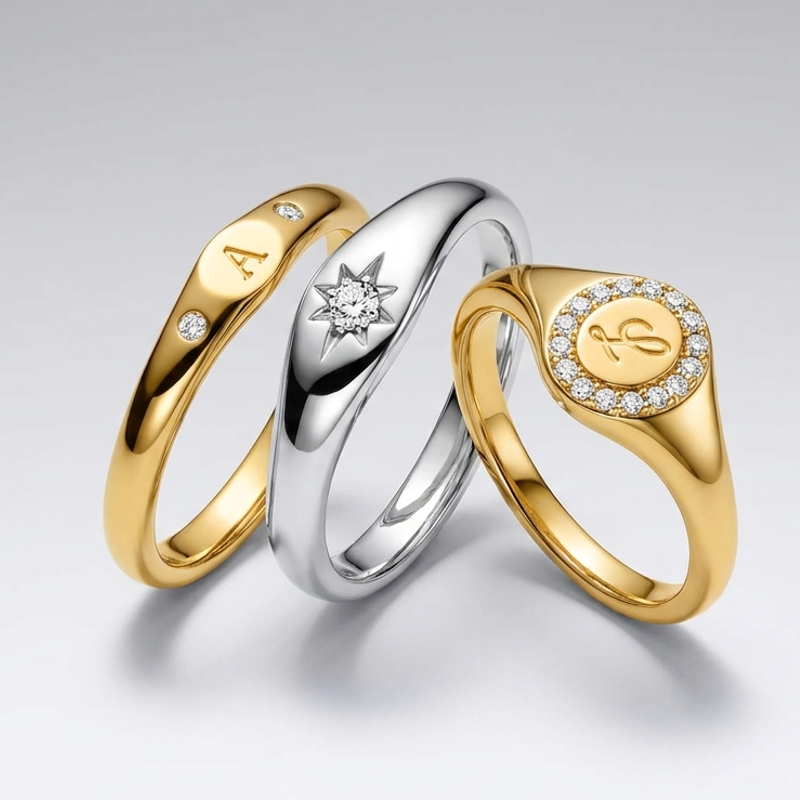
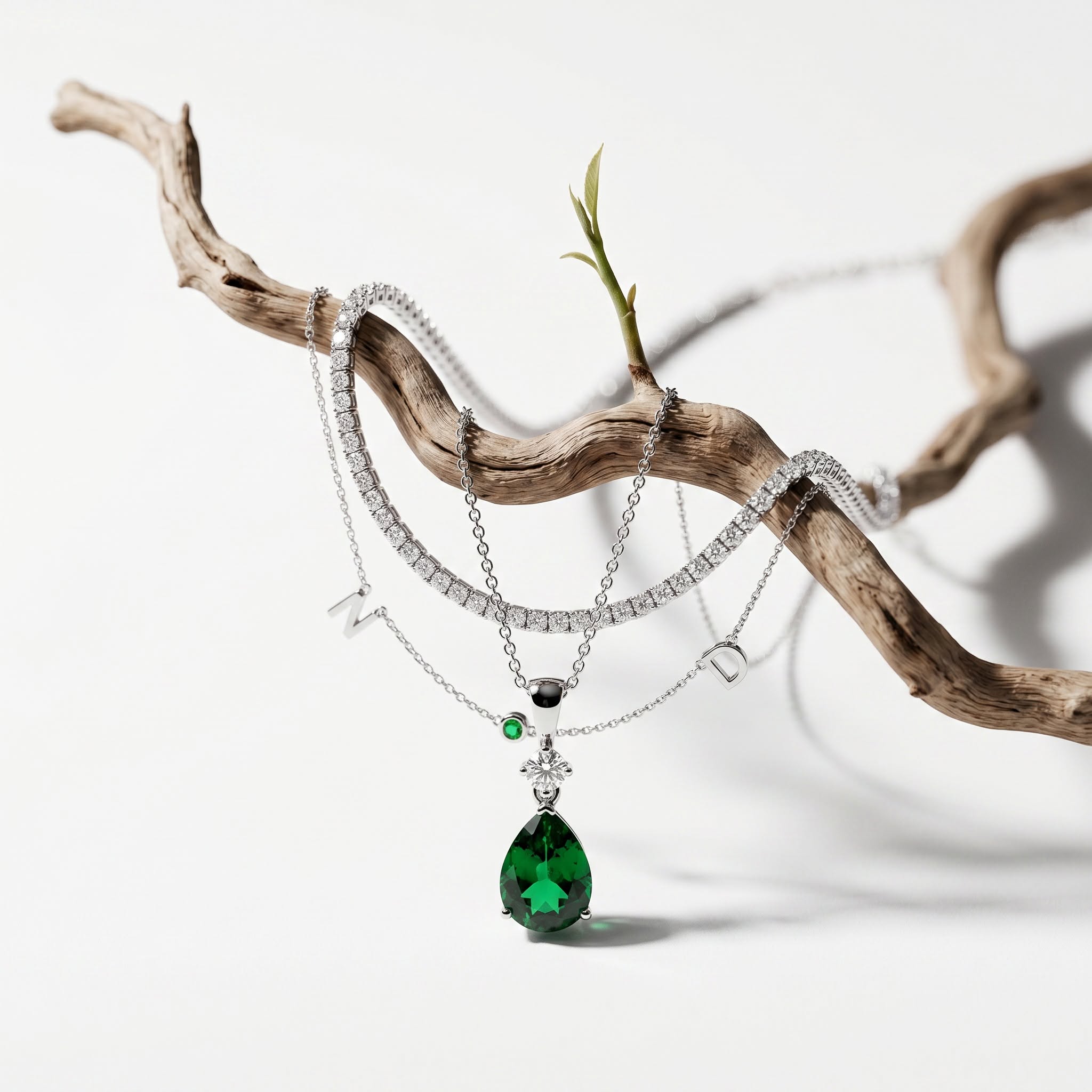
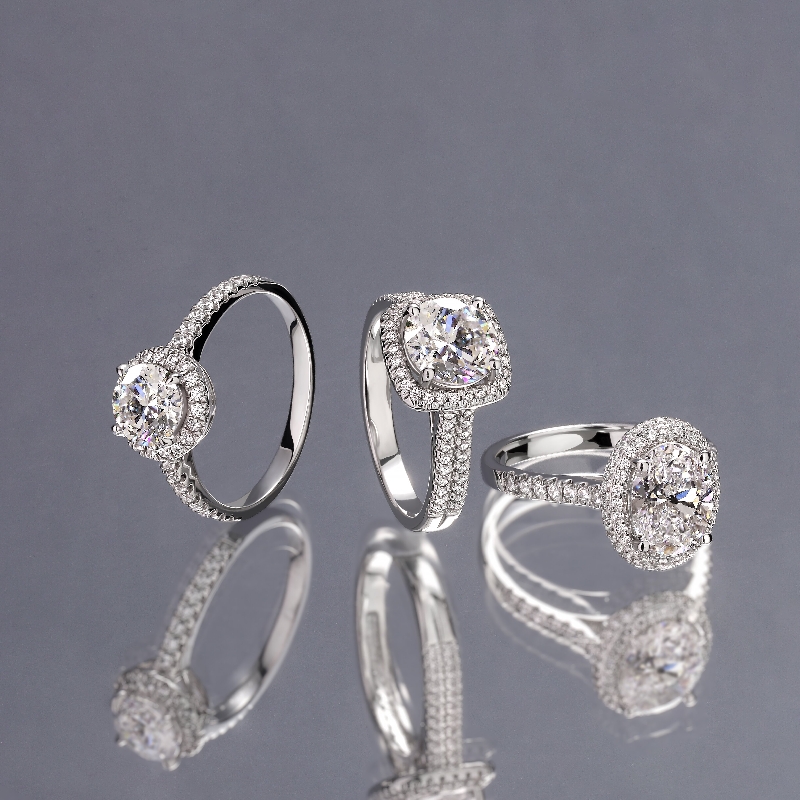
Silver jewelry is everywhere. But not everything that looks like silver actually is. Some pieces are only thinly plated. Some are stainless steel dressed up to look like silver. Others are convincing costume jewelry stamped with “925,” even though the mark means nothing.
So how to tell if silver jewelry is real? Here are six simple at-home tests you can do in about five minutes. You’ll also learn what each test actually proves, where its limitations are, and when it’s worth skipping the DIY methods and having your jewelry evaluated by a professional jeweler.
First: What “Real Silver” Actually Means
Before you start testing your jewelry, it helps to know what “real silver” actually means.
Most silver jewelry isn’t made from pure silver, and that’s intentional. Pure silver (99.9%, often marked 999 or fine silver) is beautiful, but it’s also very soft. It bends easily, scratches quickly, and doesn’t hold up well to everyday wear.
That’s why most silver jewelry is made from sterling silver instead.
Sterling silver (925)
Sterling silver contains 92.5% pure silver and 7.5% other metals, usually copper, to make it stronger and more durable. The familiar 925 stamp simply tells you the piece meets that standard. When people talk about real silver jewelry, sterling silver is usually what they mean.
Fine silver, plated silver, and fake silver
These three are easy to confuse, but knowing the difference makes it much easier to judge what you’re buying.
- Fine silver (.999): Almost pure silver. Soft, easy to scratch, and less common in everyday jewelry.
- Silver plated: A thin layer of real silver over a less expensive metal, such as brass, copper, or nickel. It looks like silver at first, but the coating can wear away over time.
- Fake silver: Contains little or no real silver. Some pieces are made from stainless steel or other alloys and even carry a fake 925 stamp.
The six tests below will help you figure out whether your jewelry is solid sterling silver, silver plated, or not silver at all.
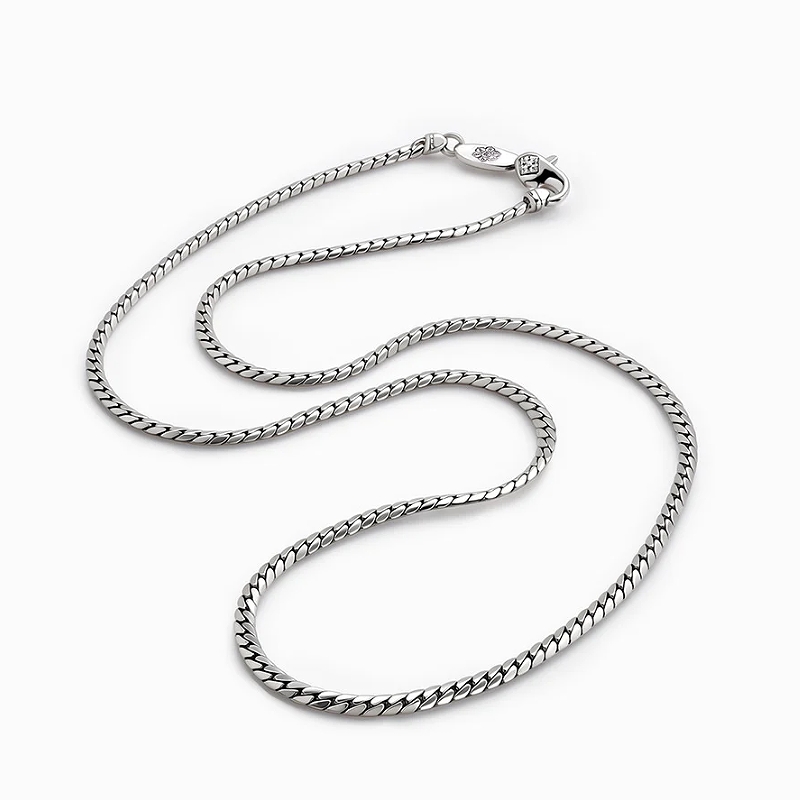
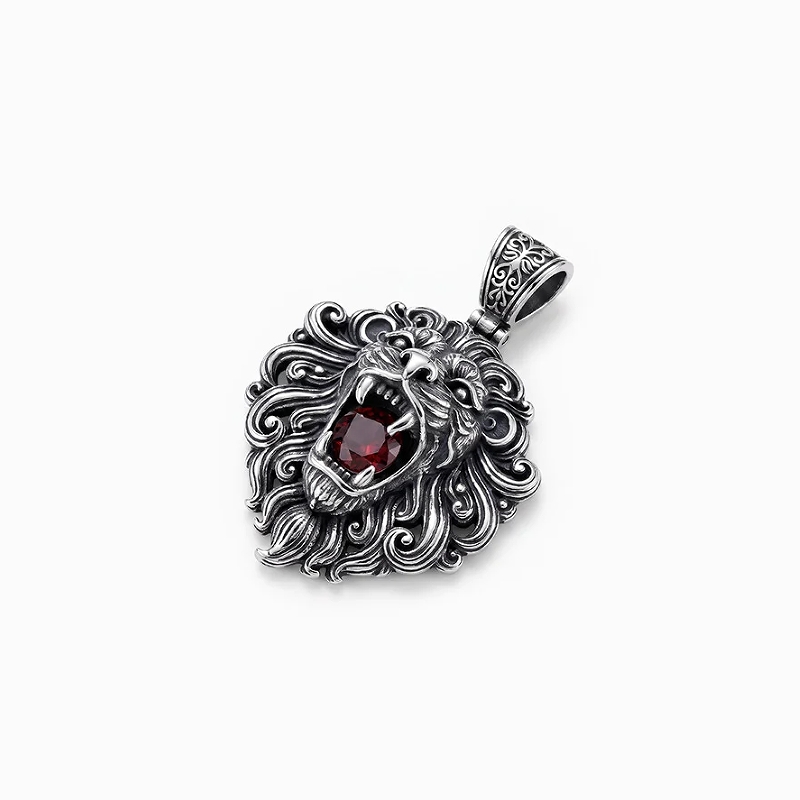
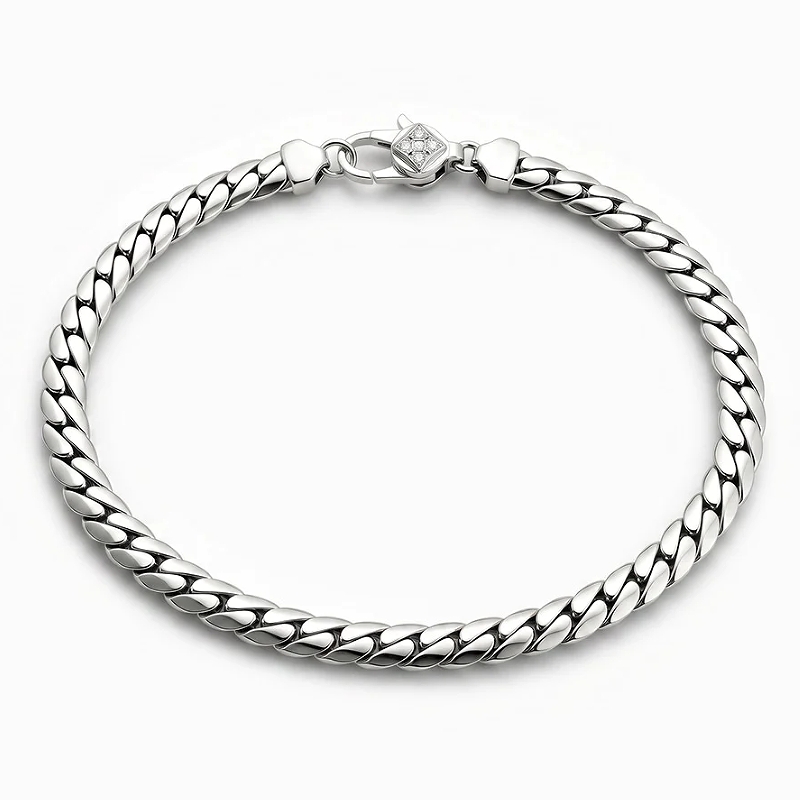
How to Tell if Silver Is Real: 6 Tests You Can Run at Home
Don’t rely on just one test. Each one checks something different, whether it’s magnetism, heat, or surface wear, so no single method can give you a definitive answer. Try two or three tests instead. If they all point to the same conclusion, you can feel much more confident. If the results don’t match, it’s time to let a jeweler take a closer look.
1. Check the Hallmark First
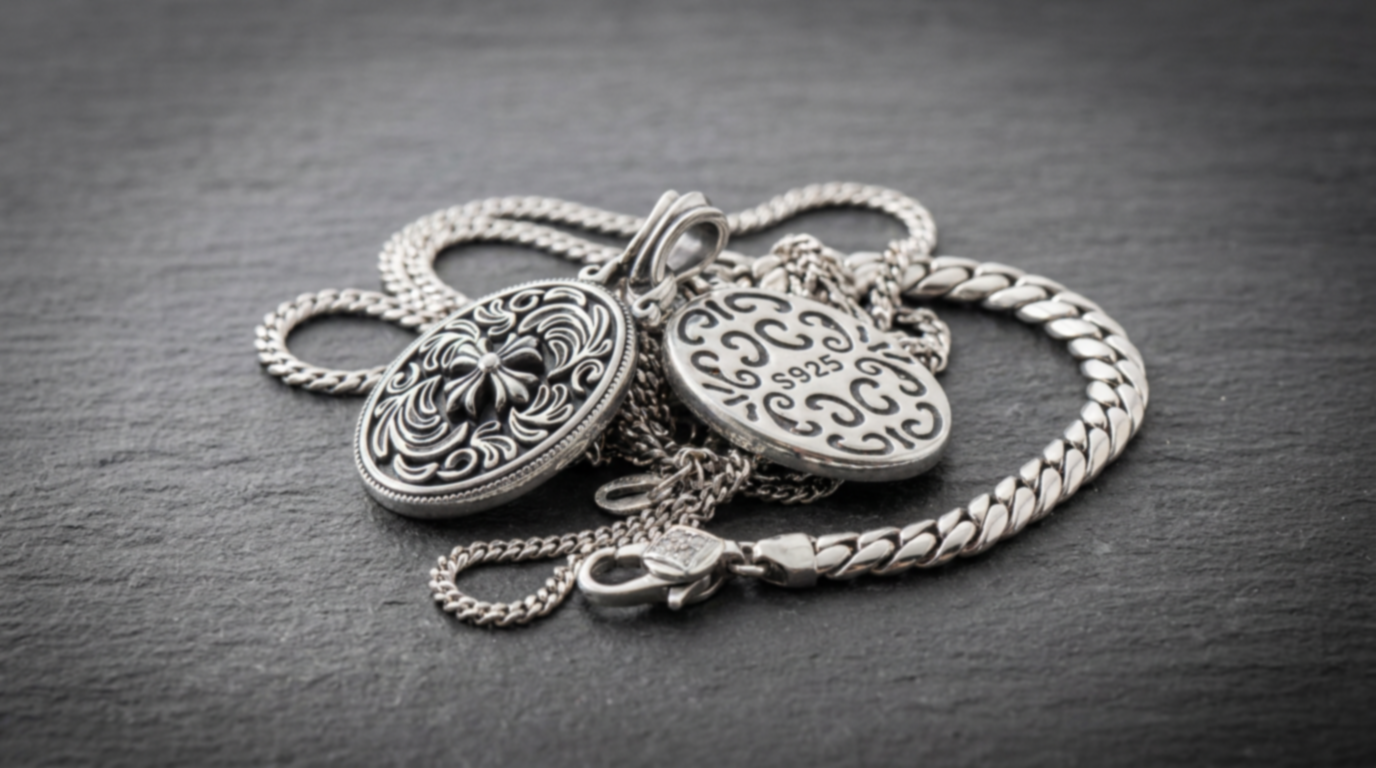
Start with the easiest check. Genuine sterling silver usually carries a purity mark such as:
- 925
- .925
- S925
- Sterling
- Ster
- 925 Italy (common on chains)
Look inside a ring band, on the back of a pendant, beside a chain clasp, or on an earring post. A phone camera and flashlight make tiny stamps much easier to read.
A hallmark is a good sign, but it isn’t proof. Counterfeit jewelry often carries fake 925 stamps.
Quick tip: A crisp, evenly stamped mark is more reassuring than one that’s blurry, uneven, or unusually shallow.
2. Try the Magnet Test
Silver isn’t magnetic. Grab a strong neodymium magnet and hold it against the main part of the jewelry, not just the clasp.
If the metal snaps firmly to the magnet, it isn’t solid sterling silver. It likely contains steel or another magnetic metal.
If nothing happens, that’s encouraging, but it still doesn’t prove the piece is silver. Copper, brass, and aluminum aren’t magnetic either.
Quick tip: Many sterling chains contain a tiny steel spring inside the clasp. If only the clasp reacts, test the chain itself before drawing any conclusions.
3. See How It Handles Ice
Silver transfers heat better than any other metal, which means it pulls warmth away from an ice cube surprisingly quickly.
Let the jewelry reach room temperature, then place an ice cube on it. Put another ice cube on a nearby glass plate or cutting board for comparison. On real silver, the ice usually starts melting noticeably faster within about 30 to 60 seconds.
This works best as supporting evidence rather than a final answer. Copper conducts heat almost as well, and thick silver plating can produce a similar result. You’ll also see a clearer difference on larger pieces than on thin rings.
4. Rub It with a White Cloth
Sterling silver naturally develops a thin layer of tarnish over time. When you rub the surface with a clean white cloth, a small amount of that tarnish may transfer as a gray or black mark.
Rub the metal firmly for about 20 to 30 seconds.
A faint dark streak is actually a good sign. It shows the silver has started to tarnish naturally.
No mark doesn’t automatically mean the piece is fake. Freshly polished sterling or rhodium-plated sterling may leave little or no residue.
5. Listen to the Sound
This test works best on rings, bangles, and other heavier pieces.
Tap the jewelry gently with a coin or key. Solid silver usually produces a bright, clear tone that lingers for a moment. Many plated or base-metal pieces sound shorter and duller.
It takes a little practice, so don’t rely on this test alone. Think of it as one more clue rather than a final verdict.
6. Check the Wear Points
If a piece is silver plated, everyday wear usually gives it away.
Look closely at places that rub the most — the bottom of a ring, the inside of a bracelet, chain links near the clasp, or the back of a pendant.
If you notice copper, brass, or another colored metal showing through, the silver coating has worn away and the piece isn’t solid sterling silver.
On the other hand, if the color stays consistent across the entire piece and you only see a soft gray patina, that’s completely normal for genuine silver.
When to Hand It to a Jeweler
If the piece has real value — sentimental or financial — and the home tests leave you unsure, it’s worth a professional check. Two methods remove all doubt:
Acid test: A tiny scratch is made on an inconspicuous spot (or on a jeweler’s touchstone), and a drop of testing acid is applied. Genuine sterling turns a creamy white; base metals usually turn green. It leaves a small mark, so save it for pieces you own.
XRF scan: A handheld X-ray fluorescence analyzer reads the exact metal composition in seconds without damaging the piece. It’s the gold standard — many jewelers and bullion dealers run one for a small fee.
For anything you’re about to spend real money on, asking the seller for an XRF scan or a written purity guarantee is a perfectly reasonable request.
Quick-Reference: How the Tests Stack Up
Run two or three of these together. If they agree, you’ve got your answer; if they conflict, get a professional opinion.
| Test | Real sterling usually… | Fake or plated tends to… | This test alone can’t… |
| Hallmark | Show a clean 925 / Sterling mark | Omit it, blur it, or stamp a fake 925 | Confirm the mark is genuine (stamps get copied) |
| Magnet | Show no attraction to the main body | Snap firmly to a strong magnet | Rule out non-magnetic fakes like brass or copper |
| Ice | Melt the cube visibly faster | Melt at a normal rate | Distinguish silver from copper (both conduct heat) |
| White-cloth rub | Leave faint gray/black residue | Leave little or no mark | Catch rhodium-plated sterling (it leaves less) |
| Sound | Ring clear and long | Sound dull, flat, or short | Work well on thin or gem-set pieces |
| Wear points | Wear evenly, same color throughout | Reveal a different metal underneath | Tell you anything on a brand-new, unworn piece |
How to Avoid Fake Silver Before You Spend
Testing is useful, but the easiest way to dodge fake silver is to buy it right the first place.
Buy from sellers who name their metal. A listing that says “solid sterling silver, 925” and stands behind it is a better bet than one that vaguely says “silver tone” or “silver color.” Vague wording is usually telling you something.
Be skeptical of a deal that’s too good. Sterling has a floor price tied to the silver in it. A chunky “sterling” chain for the price of lunch almost certainly isn’t solid.
Ask for a guarantee or certificate. Reputable jewelers will tell you the purity in writing and accept returns if a piece tests otherwise. If a seller won’t put the metal in writing, that’s your answer.
Store and care for it like silver. Real sterling tarnishes — that darkening is normal and polishes back. Keep pieces in airtight bags or anti-tarnish cloth when you’re not wearing them, and give them a quick polish now and then. (If a “silver” piece never tarnishes after years, that’s actually a reason to look twice.)
Frequently Asked Questions
Is sterling silver real silver?
Yes. Sterling silver contains 92.5% pure silver and 7.5% other metals, usually copper, to improve strength and durability.
Does sterling silver tarnish?
Yes. Sterling silver naturally reacts with sulfur in the air, so it can develop a darker surface over time. Tarnish is completely normal and doesn’t mean your jewelry is poor quality. A quick polish usually restores its shine.
Can you wear sterling silver every day?
Absolutely. Sterling silver is made for everyday wear. In fact, wearing it regularly can help slow tarnish because natural contact removes some surface buildup.
Does sterling silver turn your skin green?
Quality sterling silver usually won’t turn your skin green. If discoloration happens, it’s often caused by the copper in the alloy reacting with moisture, lotions, or your skin’s chemistry. The stain is harmless and washes off easily.
Is 925 silver worth buying?
Yes. Sterling silver offers an excellent balance of beauty, durability, and price. It’s more affordable than gold or platinum while still giving you genuine precious metal jewelry that can last for years.
Is sterling silver hypoallergenic?
For most people, yes. Sterling silver is generally safe for sensitive skin because it contains very little nickel, if any. If you have a severe metal allergy, look for nickel-free sterling silver or choose fine silver instead.
If you’re comparing sterling silver with other precious metals before your next purchase, explore our guides to gold jewelry and platinum jewelry to find the material that best suits your style, budget, and everyday wear.