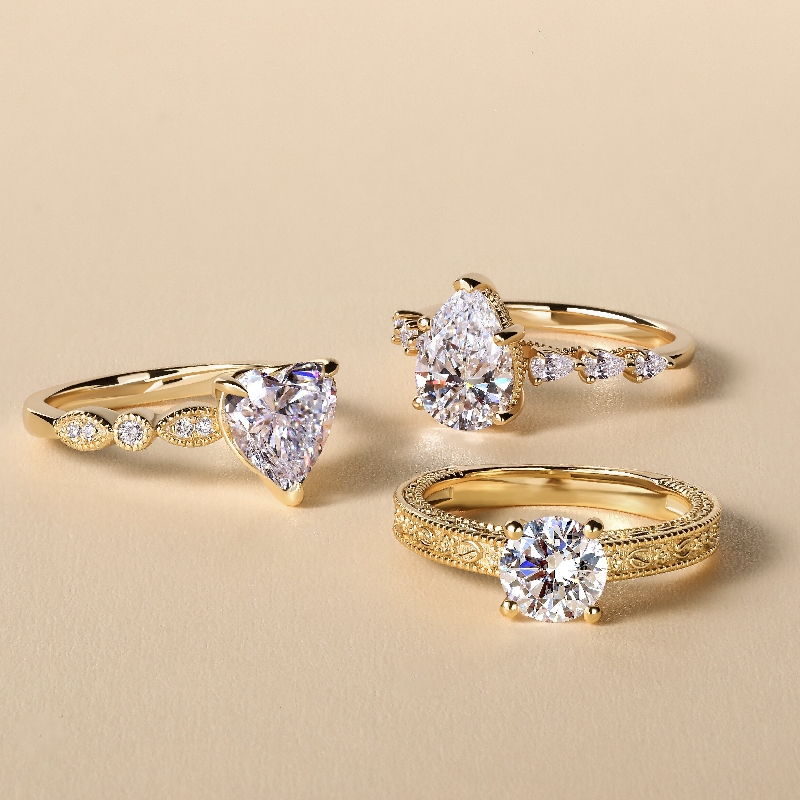
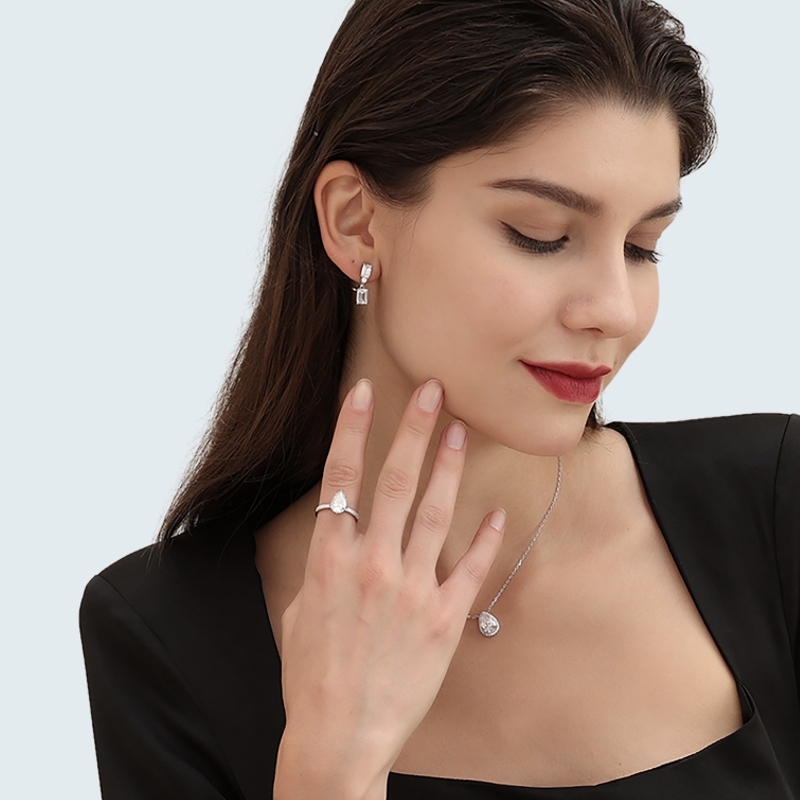
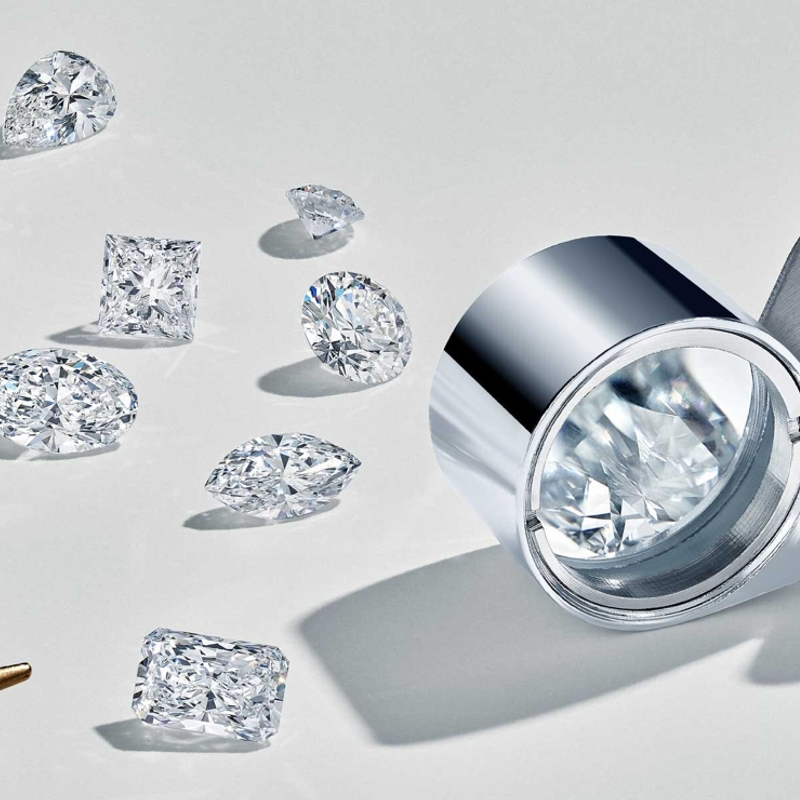
A birthstone engagement ring swaps the default diamond for the gem tied to the month you were born — or the month you got engaged, or simply a color you can’t stop thinking about. It’s a way to make the ring feel like yours instead of like everyone else’s. This guide walks through all twelve months, which stones actually survive daily wear, and how to choose a setting that protects them.
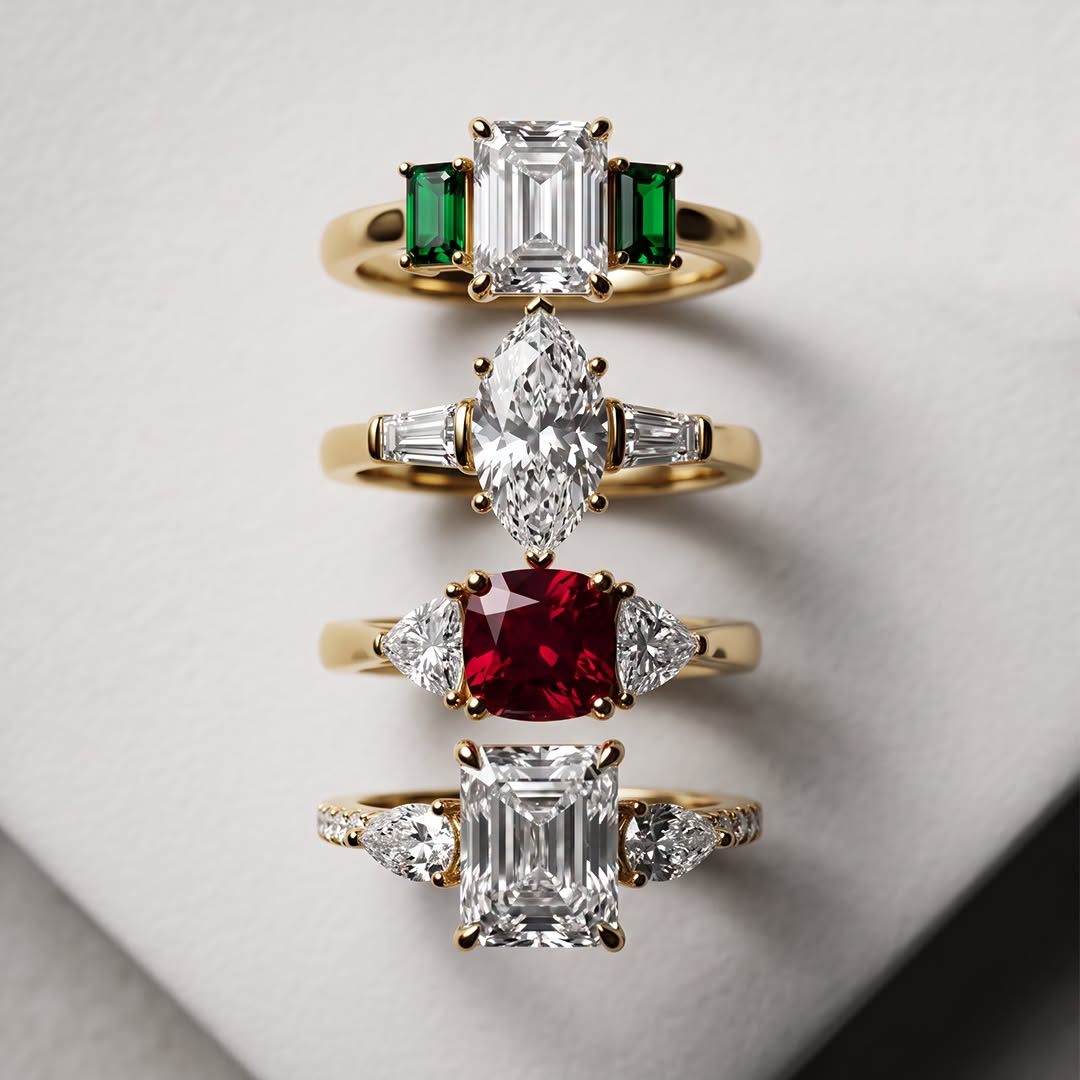
Why Choose a Birthstone Engagement Ring?
Color says something a diamond can’t. A deep blue sapphire feels calm and classic. An amethyst feels creative. If she’s worn amethyst earrings since college, an amethyst engagement ring will make more sense to her than a solitaire ever would.
Birthstones can be a budget-friendly choice, too. Birthstone rings often cost meaningfully less than a diamond of the same visual size — amethyst, citrine, and aquamarine sit at the affordable end. Fine ruby and alexandrite can rival diamond prices, but you’re choosing them for the color, and lab-grown versions can close much of that gap.
Deeply personal. Every birthstone has its own history, folklore, and symbolism, often tied to love, loyalty, protection, and good fortune.
The 12 Birthstones at a Glance
Here’s the full modern list with the two things that matter most for an engagement ring: color and hardness. Mohs ratings measure scratch resistance on a scale of 1 to 10, and anything below 7 needs a protective setting and more careful daily habits.
| Month | Birthstone | Color | Mohs Hardness | Daily-Wear Verdict |
| January | Garnet | Deep red | 6.5–7.5 | Good, with a protective setting |
| February | Amethyst | Purple | 7 | Fine for everyday wear |
| March | Aquamarine | Light blue | 7.5–8 | Very good |
| April | Diamond | Colorless | 10 | Excellent |
| May | Emerald | Green | 7.5–8 | Beautiful but brittle; needs care |
| June | Pearl / Alexandrite / Moonstone | White / color-change / milky | 2.5–4.5 / 8.5 / 6–6.5 | Alexandrite yes; pearl no |
| July | Ruby | Red | 9 | Excellent |
| August | Peridot / Spinel | Olive green / many colors | 6.5–7 / 8 | Spinel is the stronger pick |
| September | Sapphire | Blue, plus many others | 9 | Excellent |
| October | Opal / Tourmaline | Play-of-color / many colors | 5.5–6.5 / 7–7.5 | Tourmaline yes; opal needs care |
| November | Topaz / Citrine | Golden / yellow | 8 / 7 | Both hold up well |
| December | Turquoise / Zircon / Tanzanite | Blue-green / blue / violet-blue | 5–6 / 6.5–7.5 / 6.5–7 | Zircon, borderline |
Which Birthstones Survive Daily Wear?
An engagement ring is on your hand for everything — dishes, gym, doorknobs, sanitizer. The birthstones that handle this best are sapphire and ruby. Both are corundum, rated 9 on the Mohs scale, one step below diamond. Here’s something most people don’t know: sapphire isn’t only blue. It comes in pink, yellow, peach, and teal, so September’s stone covers a surprisingly wide taste range. Alexandrite (June) at 8.5 and spinel (August) at 8 sit close behind — spinel was mistaken for ruby for centuries, and the famous “Black Prince’s Ruby” in the British Crown Jewels is actually a spinel.
Aquamarine (March), topaz (November), and tourmaline (October) sit in the 7-to-8 range. They hold up well with a bezel or halo setting and a habit of taking the ring off for rough work. Amethyst and citrine, both forms of quartz at 7, are the same — fine for daily wear with basic care.
Three stones need honest talk. Emerald rates 7.5–8 but almost always carries inclusions that make it prone to cracking under a hard knock — stunning, but it belongs in a protective setting and gentler hands. Opals contain water and can crack when they dry out or take a hit. Pearls, at 2.5–4.5, are simply too soft for a ring you never take off.
None of this means no. It means softer stones trade convenience for character, and the setting has to do the protecting.
How to Choose a Birthstone Engagement Ring
Once you’ve picked a stone — or a month has picked you — four decisions shape whether the ring lasts decades or disappoints in year two. Work through them in this order.
Start With Hardness and Lifestyle
If she works a desk job and takes jewelry off at night, a 7 Mohs stone is perfectly reasonable. If she’s a nurse who can’t remove rings mid-shift, gardens on weekends, or lifts weights, stay at 8 or above. Match the stone to the actual hand, not the imagined one.
Pick a Setting That Protects the Stone
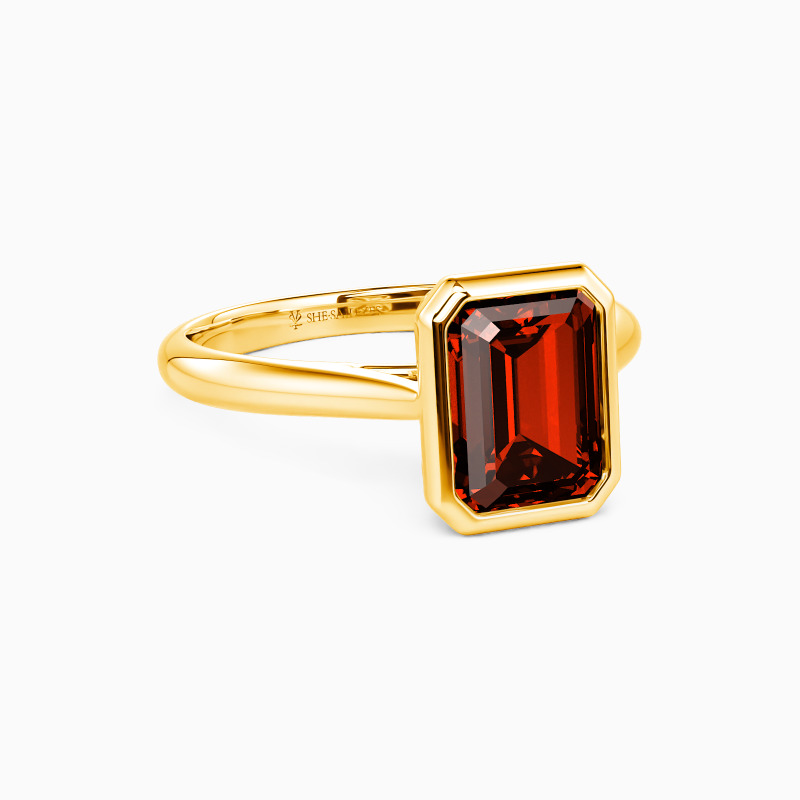
A bezel setting wraps metal around the stone’s edge and is the single most protective choice for softer gems. A halo adds a buffer ring of diamonds or moissanite around the center. Lower profiles catch less on pockets and gloves than tall prong settings. For opal, emerald, or moonstone, we usually steer customers toward a bezel without hesitation.
Consider a Lab-Grown Birthstone
Lab-grown sapphires, rubies, and alexandrites have the same chemical composition and crystal structure as mined ones — GIA (gia.edu) and IGI (igi.org) both grade lab-grown stones, and telling them apart takes lab equipment. The price difference is real: lab alexandrite makes June’s color-change stone accessible, while mined alexandrite can outprice a diamond. If the meaning is in the stone rather than where it formed, this is the practical route.
Match the Metal to the Color
Warm stones — ruby, garnet, citrine, yellow sapphire — tend to glow against yellow gold. Cool stones like aquamarine, tanzanite, and blue sapphire usually read crisper against white gold or platinum. Rose gold flatters peach and pink tones like pink sapphire and rose tourmaline. Hold the stone against the metal before deciding; undertones do most of the work.
How to Care for a Birthstone Engagement Ring
Basic care is the same across the board: clean with mild soap and lukewarm water, a soft brush, and a pat dry. Skip ultrasonic cleaners unless you know your stone can take them — the vibration can damage emeralds, opals, pearls, and tanzanite.
Store the ring separately from other jewelry, because a diamond or sapphire will scratch anything softer it rubs against overnight. And take the ring off for sports, cleaning products, and gardening. Not because birthstones are fragile by nature — because hands find edges.
Where the Stone Comes From
Origin questions matter more with colored stones than most shoppers expect. Rubies and sapphires have documented supply-chain issues in some mining regions, and treatment levels vary widely from stone to stone. Ask any seller to name their sourcing: conflict-free stones aligned with the Kimberley Process, openly disclosed treatments, and lab-grown alternatives offered without apology.
At She Said Yes, our lab-grown diamonds produce about 0.025 kg of CO₂ per carat versus roughly 125 kg for a mined one, and every ring is cast in 100% recycled gold. The same standards apply however you combine months, stones, and settings.
Popular Brithstone Engagement Styles
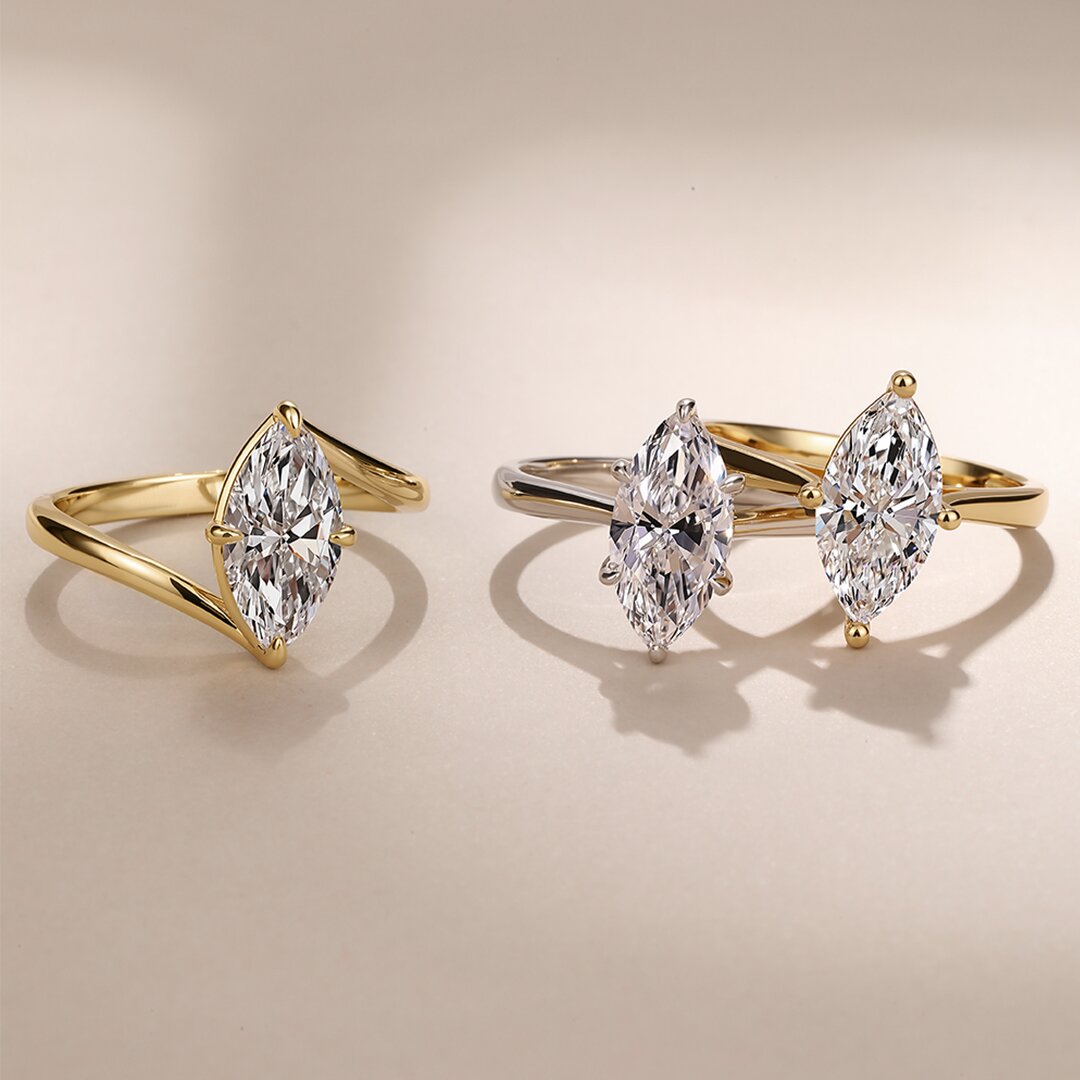
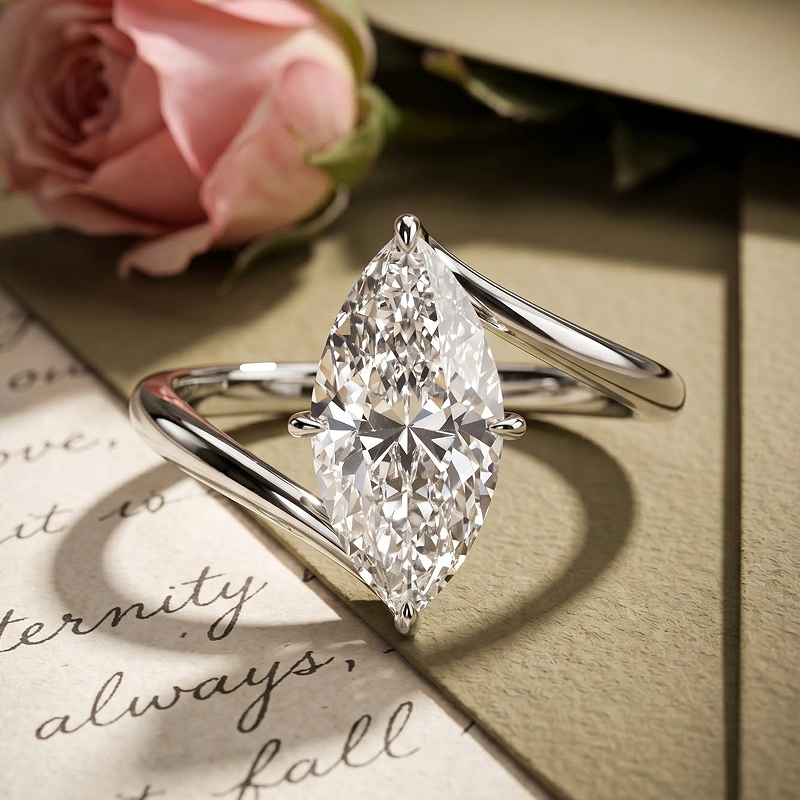
Solitaires and Minimalist Settings: Clean, classic bands with bezel or prong settings that let the birthstone’s color take center stage.
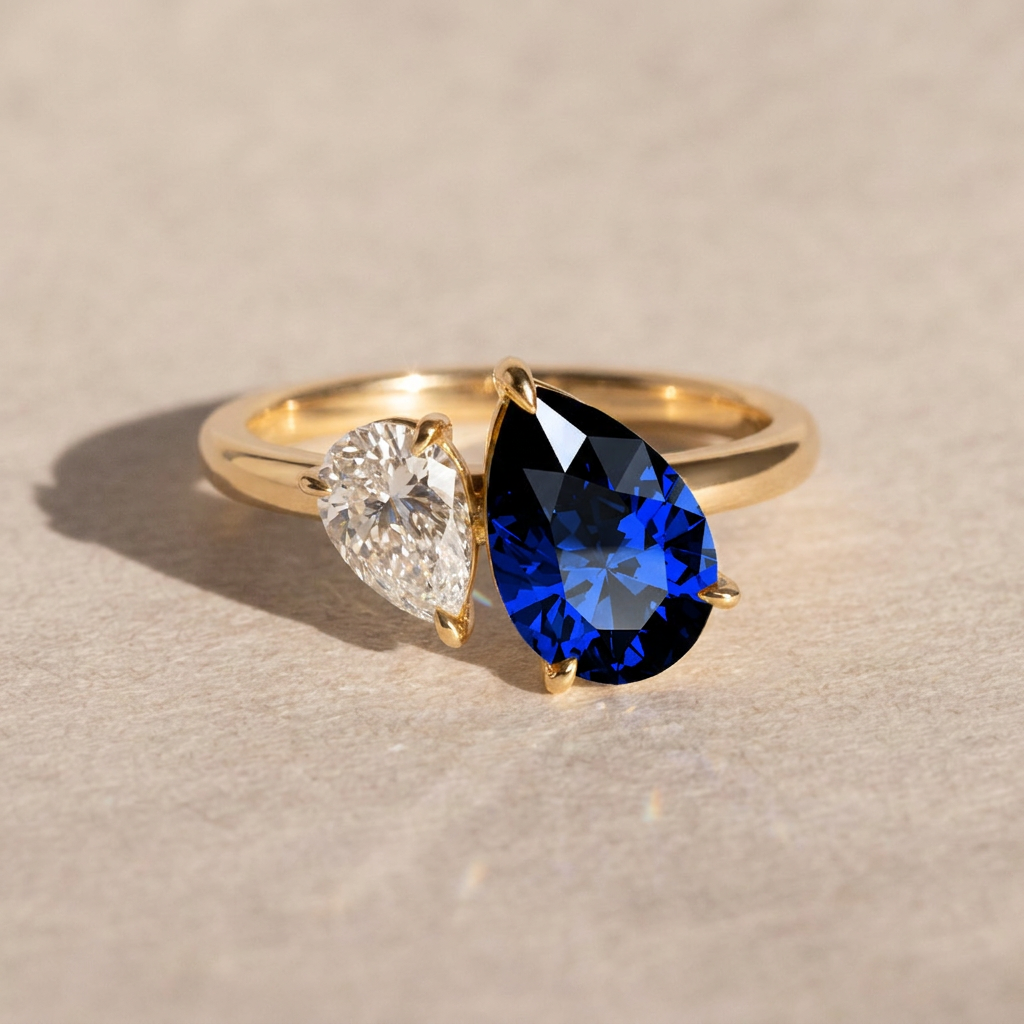
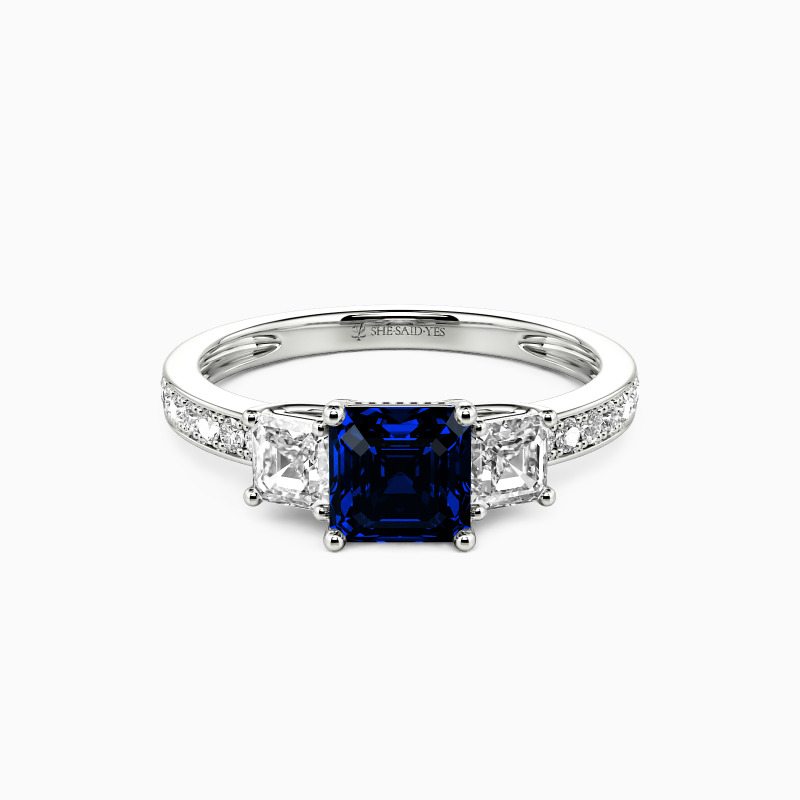
Three-Stone and Side-Stone Settings: A center birthstone paired with smaller diamonds, accent stones, or a partner’s matching birthstone for a more personal design.
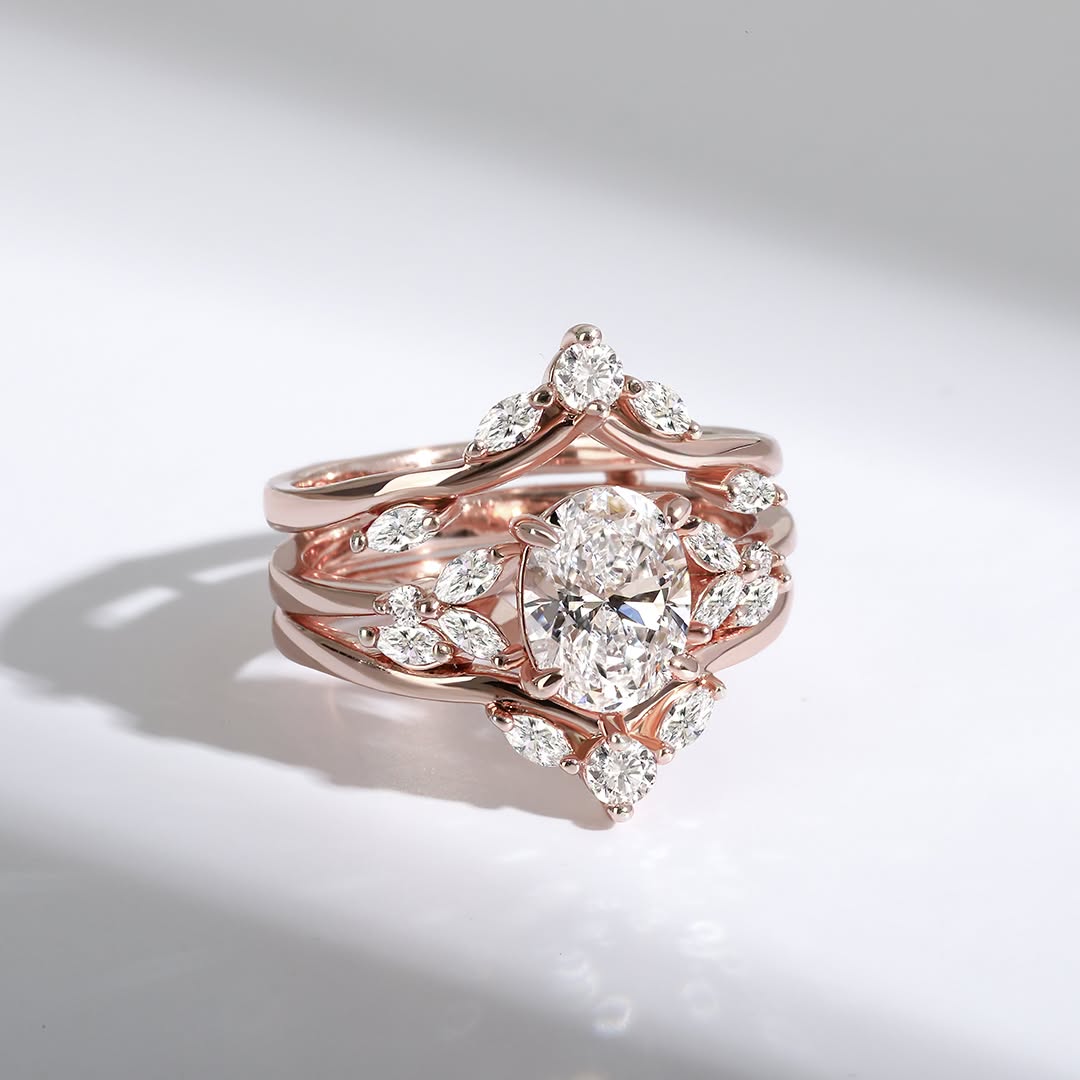
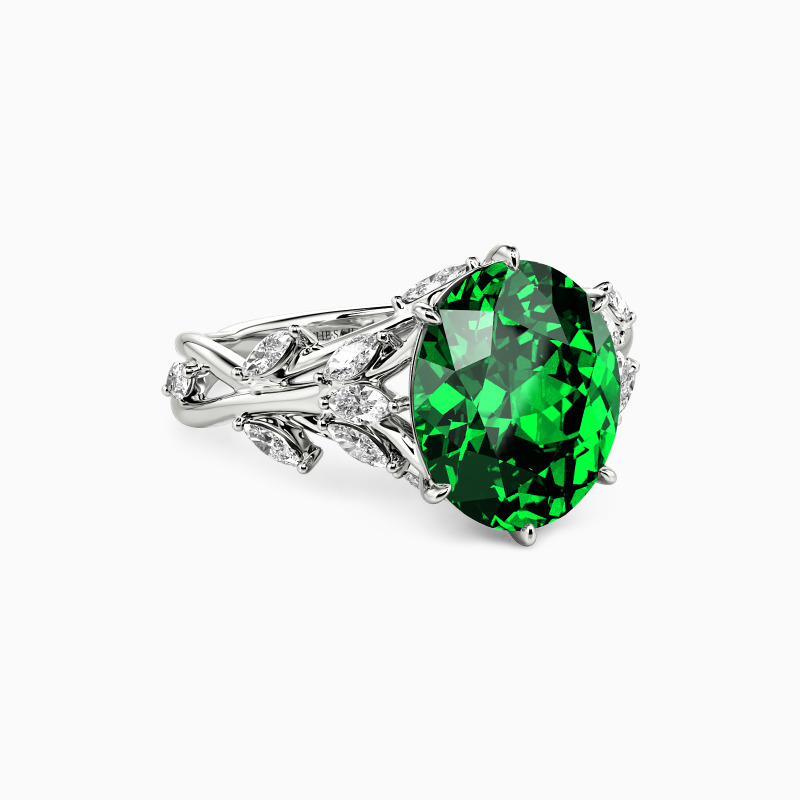
Nature-Inspired and Vine Settings: Leaf and vine details add a romantic touch to yellow, white, or rose gold bands, often paired with oval or round center stones.
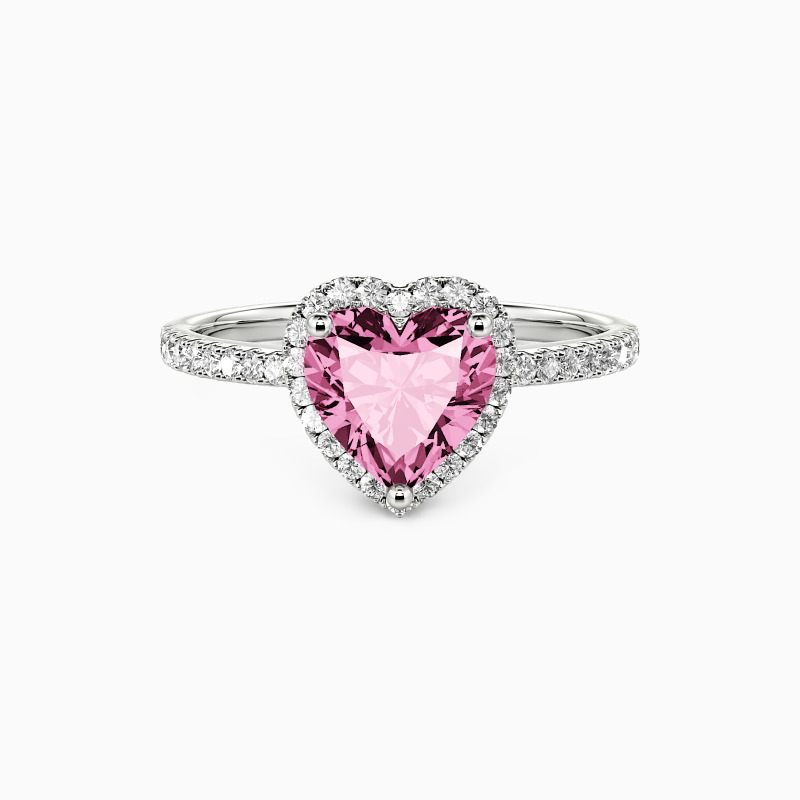
Halo and Cluster Settings: Smaller lab-grown diamonds or accent stones surround the birthstone, adding extra brilliance and making its color stand out.
A birthstone engagement ring works when the stone, the setting, and the hand all agree. Choose hardness first, color second, and let the setting do the heavy lifting. Browse our engagement rings collection to see how months become rings.
FAQs
1.Which birthstone is best for an engagement ring?
For most people, sapphire. It rates 9 on the Mohs scale, comes in far more colors than blue, and tolerates daily wear almost like a diamond. Ruby is the equally durable red alternative.
2.Are birthstone engagement rings cheaper than diamond rings?
Often, yes. Amethyst, citrine, and aquamarine cost well below a comparable diamond. Fine ruby, emerald, and alexandrite can match or exceed diamond prices — lab-grown versions narrow that gap fast.
3.Can I use a birthstone that isn’t my birth month?
Absolutely — there’s no rule. Plenty of rings use the engagement month, a mother’s birthstone, or simply a color she already wears every day. The meaning is yours to assign.
4.Is an emerald okay for daily wear?
With care, yes. Emeralds rate 7.5–8 on the Mohs scale, but their natural inclusions make them brittle. Choose a bezel setting, skip ultrasonic cleaning, and remove the ring for rough activities.
5.Are lab-grown birthstones real stones?
Yes. They share the same chemical makeup and crystal structure as mined gems — gem labs need instruments to tell them apart. You’re getting the same stone, grown above ground.
6.What’s the most durable birthstone after diamond?
Ruby and sapphire — both corundum at 9 Mohs, the hardest colored gemstones. Alexandrite (8.5) and spinel (8) round out the top tier.