Choosing an engagement ring involves a series of decisions, from the diamond’s shape and carat weight to the metal and overall setting. By the time you’ve settled on these details, the number of prongs holding the center stone might seem like a minor consideration. Yet those small metal claws do more than keep the diamond in place. They also influence how the stone looks and how well it’s protected over time.
Four-prong and six-prong settings are among the most familiar choices, and each has its advantages. The differences are worth understanding before making your final decision, especially if you plan to wear the ring every day.
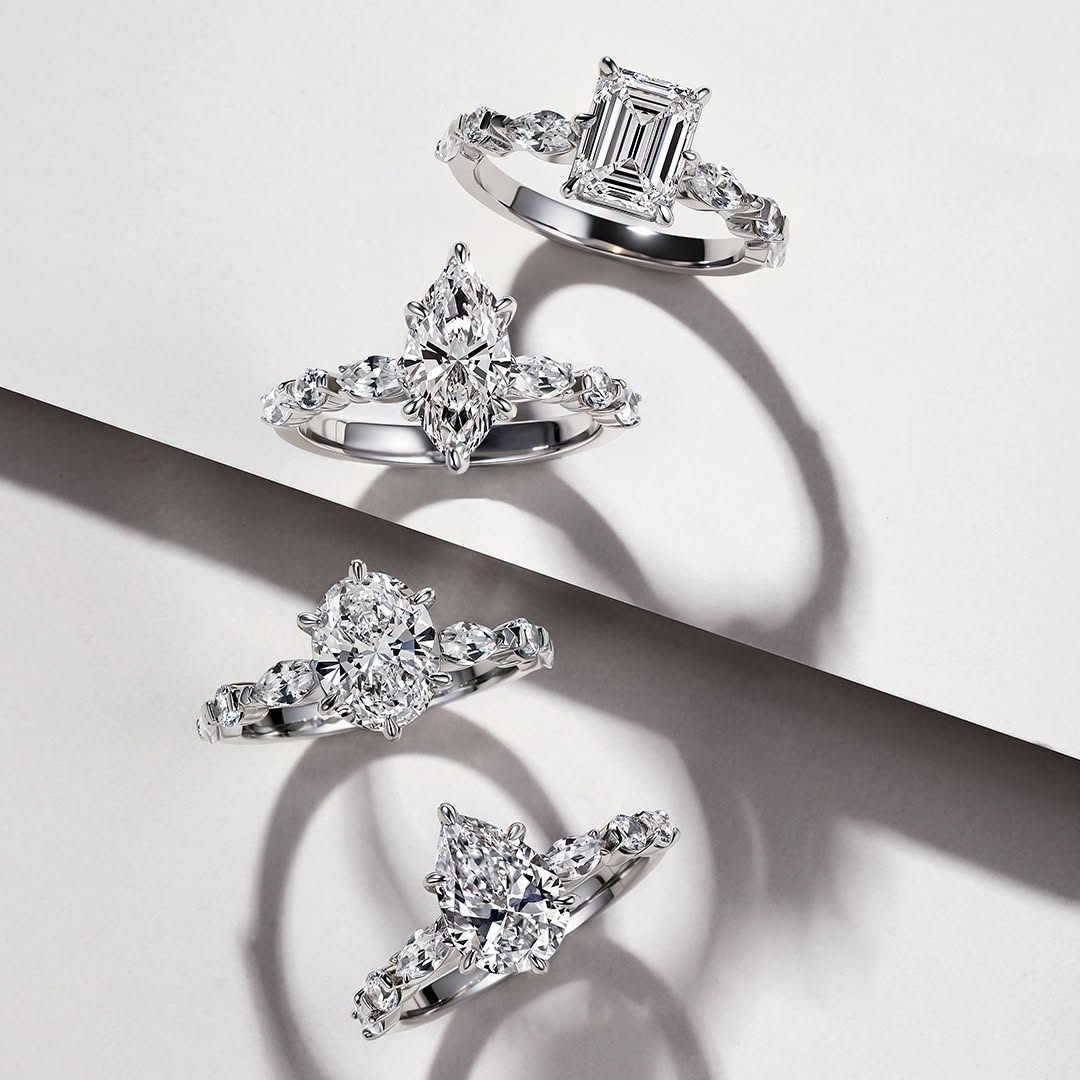
What Is a Prong Setting?
Prongs are small metal claws that extend from a ring’s setting to hold the center stone securely in place. Their tips curve over the diamond’s edge, keeping it in position while leaving most of the stone visible. Prong settings are commonly found in solitaire engagement rings, though they are also used in halo, three-stone, and other designs.
Four-prong and six-prong settings are among the most common choices. Both allow the diamond to take center stage, but they differ in appearance, security, and how much of the stone remains exposed.
Four-Prong Settings
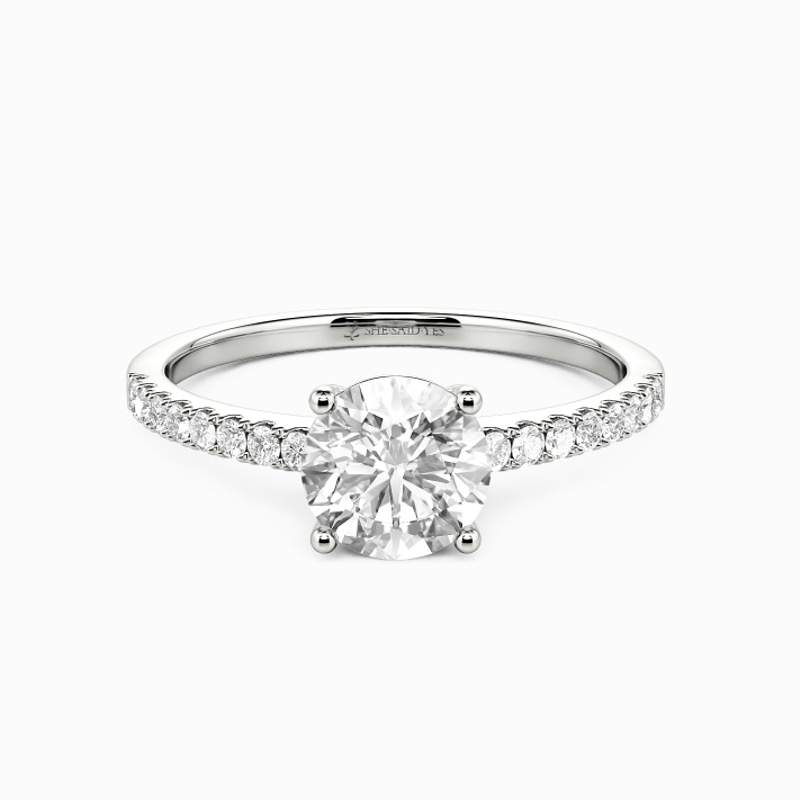
A four-prong setting uses four metal claws to secure the diamond, typically spaced evenly around the stone. Its open design reveals more of the diamond’s outline and gives the ring a simple, understated appearance.
Pros
- With less metal covering the diamond, four prongs leave more of the center stone visible.
- Four prongs can give a round diamond a slightly squarer appearance, while also complementing square and rectangular diamond shapes.
- For smaller diamonds, particularly those under half a carat, four prongs can help prevent the setting from overwhelming the stone.
Cons
- With fewer holding points, damage to one prong may have a greater effect on the diamond’s security.
- Four prongs generally provide less coverage and protection around the diamond’s girdle than six prongs.
Six-Prong Settings
A six-prong setting uses six metal claws arranged around the diamond to hold it securely in place. This design is particularly common in classic round solitaire engagement rings, where the evenly spaced prongs help maintain the stone’s circular appearance.
Pros
- Six prongs provide additional holding points, offering greater security if one prong becomes damaged or loose.
- The extra prongs provide more coverage around the diamond’s girdle, helping protect it from accidental impacts.
- Six evenly spaced prongs can emphasize the round outline of a diamond, creating a balanced, classic appearance.
Cons
- Six prongs cover more of the diamond’s edges, which may make smaller stones appear less prominent.
- More prongs mean additional areas that require inspection and occasional maintenance.
- Depending on their thickness and design, six prongs can create a more noticeable metal presence around the center stone.
Does a Four-Prong Setting Make a Diamond Sparkle More?
It’s easy to assume that fewer prongs allow more light to enter a diamond, making it sparkle more. However, the number of prongs has relatively little influence on a diamond’s brilliance.
A diamond’s sparkle depends primarily on its cut quality, including how its proportions and facets interact with light. Four prongs may leave more of the stone visible, but that doesn’t necessarily make it brighter than a diamond held by six prongs. A well-cut diamond can display excellent brilliance in either setting.
4-Prong vs. 6-Prong: Diamond Appearance
The number and placement of prongs can subtly change how a diamond looks, especially when viewed from above. A four-prong setting leaves more of the diamond’s edges exposed, creating a cleaner, more open appearance. On a round diamond, the four holding points can sometimes make the stone appear slightly square. Six prongs, on the other hand, are distributed more evenly around the diamond’s perimeter, helping emphasize its natural round shape and giving the ring a more traditional look.
4-Prong vs. 6-Prong Settings for Different Diamond Shapes and Sizes
Not all diamond shapes play well with both settings. Your choice should heavily depend on the cut and carat weight of your stone.
Round Brilliant Diamonds: Round diamonds work well with both 4-prong and 6-prong settings. For diamonds of 1 carat or more, we recommend considering a 6-prong setting for added security. For smaller diamonds, a 4-prong setting covers less of the stone, allowing more of the diamond to remain visible.
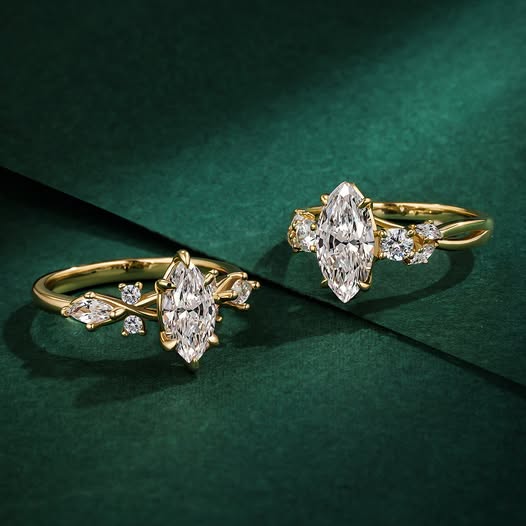
Fancy Shapes (Oval, Pear, Marquise, Heart): These shapes almost always require a 4-prong setting (or even 5/6 prongs strategically placed, like the V-tip prongs on a pear or marquise). Putting six equal prongs on an oval diamond, for instance, would disrupt its elongated silhouette and make it look awkward.
Square and Rectangular Shapes (Princess, Asscher, Cushion): These cuts naturally utilize 4 corner prongs to accentuate their geometric angles.
Which Should You Choose: 4 Prongs or 6 Prongs?
If you’re still deciding, think about what matters most to you: a simple appearance, additional security, or the way the setting complements your diamond.
A four-prong engagement ring may be the better choice if you prefer a minimalist design and want more of the diamond’s outline to remain visible. It can be especially appealing for smaller stones or for anyone who likes a clean, understated solitaire.
A six-prong engagement ring may suit you better if you prefer a classic appearance or want additional holding points around the center stone. It is particularly worth considering for larger round diamonds, where the extra prongs can provide support without dominating the overall design.
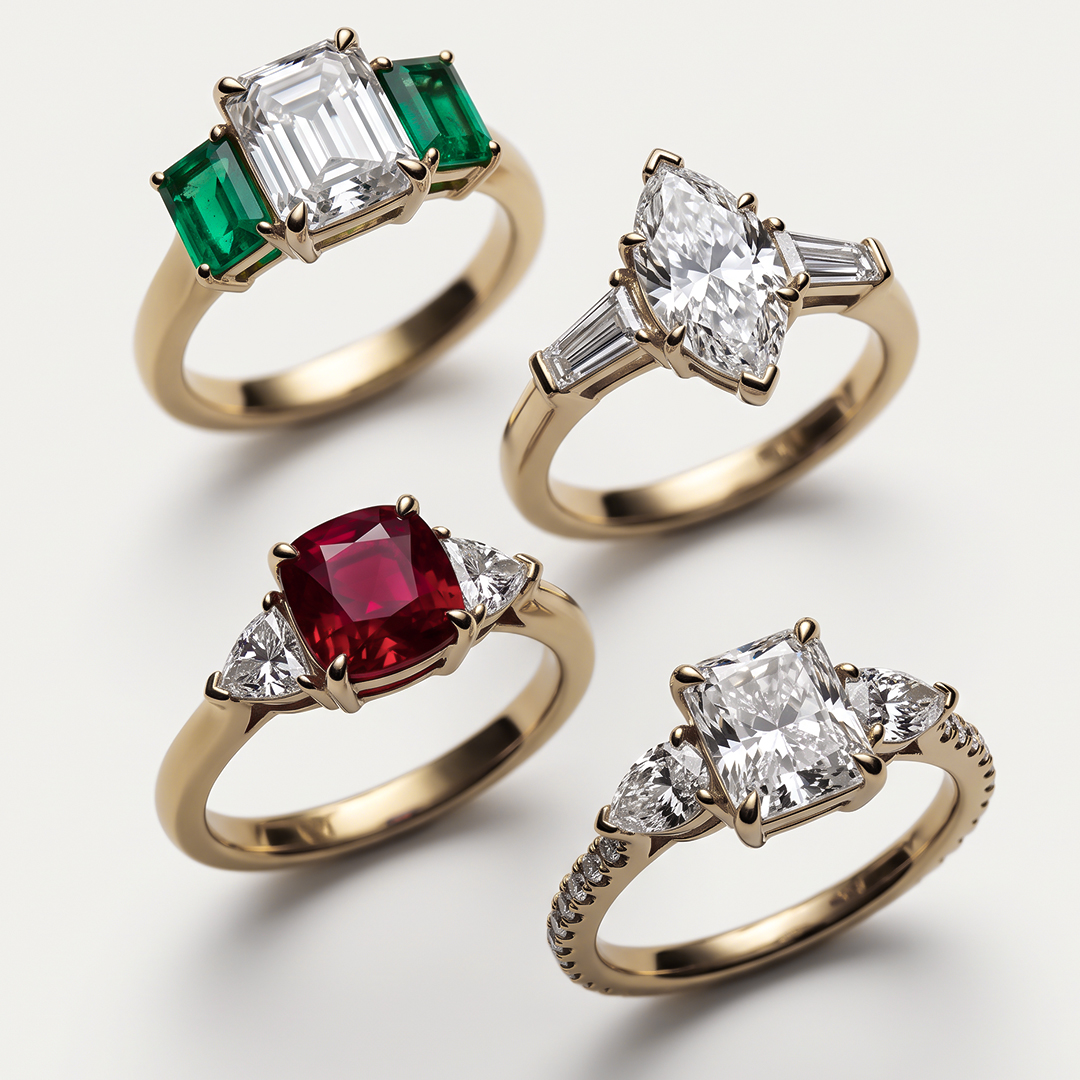
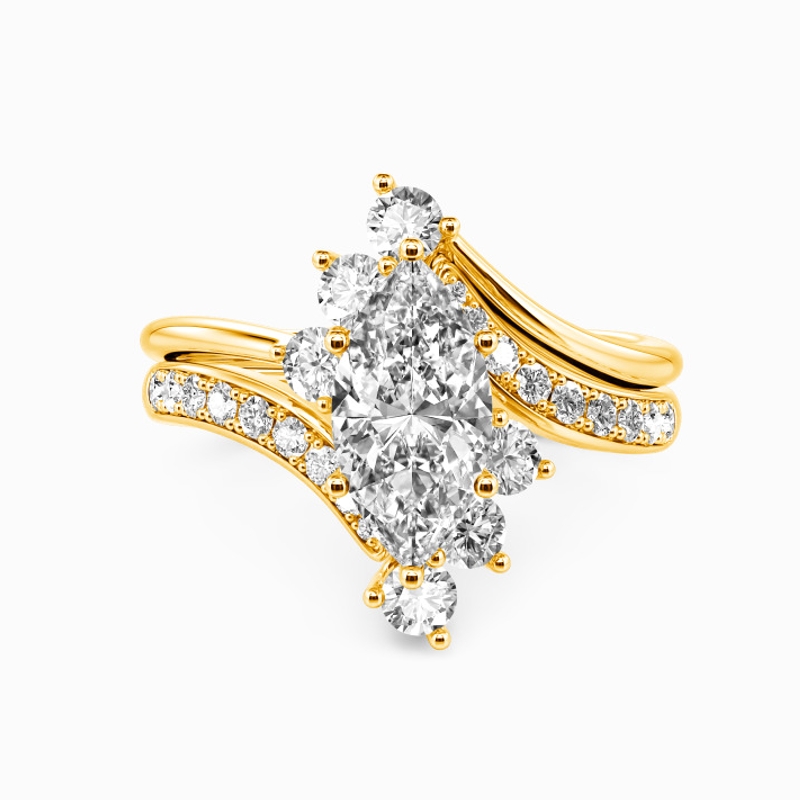
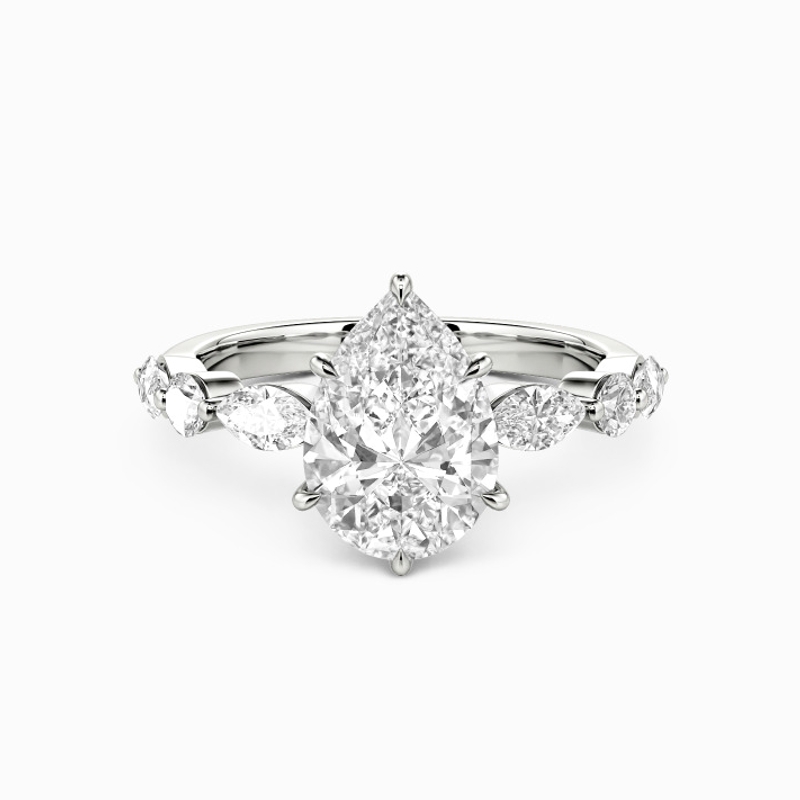
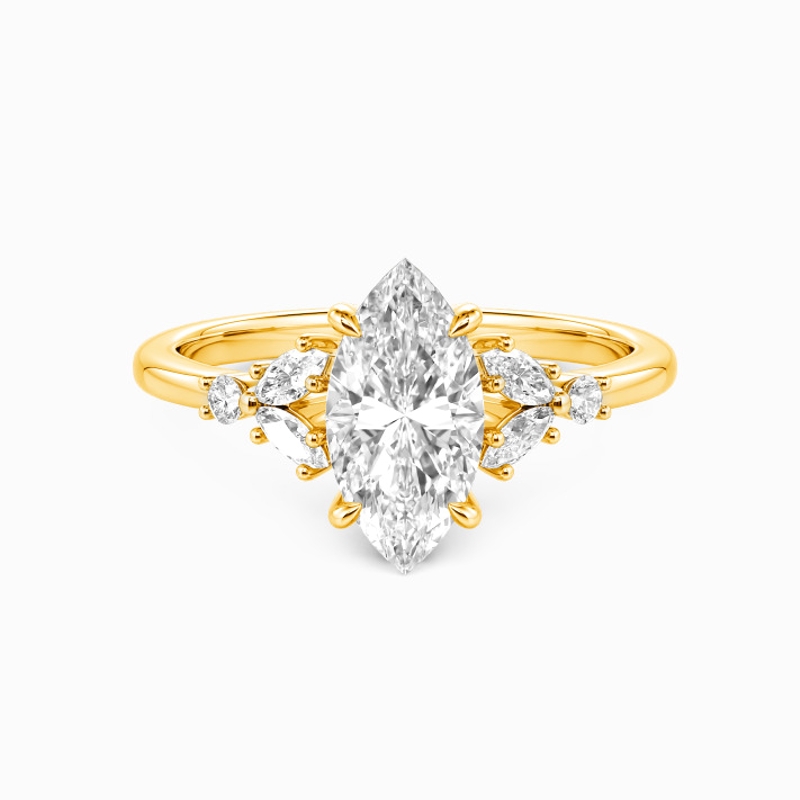
Before making your decision, consider the diamond’s shape and size, the thickness and placement of the prongs, and the quality of the setting. Below are some popular four-prong and six-prong engagement ring designs from She Said Yes. Take a look at how each setting complements different diamond shapes and find inspiration for your own ring.
Prong Care and Maintenance
Whether your engagement ring has four or six prongs, proper care is essential to keeping the center stone secure. Prongs can gradually wear down, bend, or loosen from everyday activities, especially when they catch on clothing or come into contact with hard surfaces. Regular maintenance can help prevent these small problems from becoming more serious.
Here are a few practical tips for caring for your ring’s prongs:
- Check the prongs regularly. Look for signs of bending, wear, or looseness. If the diamond moves or a prong appears damaged, stop wearing the ring and have it inspected by a jeweler.
- Schedule professional inspections. Have a jeweler check your ring at least once a year to identify loose or worn prongs and make necessary repairs.
- Clean your ring gently. Use warm water, mild dish soap, and a soft-bristled brush to remove dirt around the prongs, provided the ring’s materials and gemstones are suitable for this cleaning method.
- Avoid harsh chemicals. Remove your ring before using household cleaners or coming into contact with substances that could damage the metal or other gemstones.
- Remove your ring during strenuous activities. Weightlifting, gardening, and contact sports can expose the prongs to impacts or snagging.
- Store your ring separately. Keep it in a soft pouch or a lined jewelry box compartment to prevent scratches and accidental damage.
In the end, the choice between four and six prongs is about finding the right balance between appearance and security. Both can make beautiful engagement rings when the setting is properly designed and cared for.