When you start choosing an engagement ring and a wedding ring, most of your concerns are practical rather than romantic. Questions like “How much should I actually spend on a ring?” or “Who pays for the rings?” or even “What truly matters when i choosing a ring?” come up all the time. We’re here to help by answering the most common questions couples have before getting married.
Engagement Rings vs. Wedding Rings: Understanding the Difference
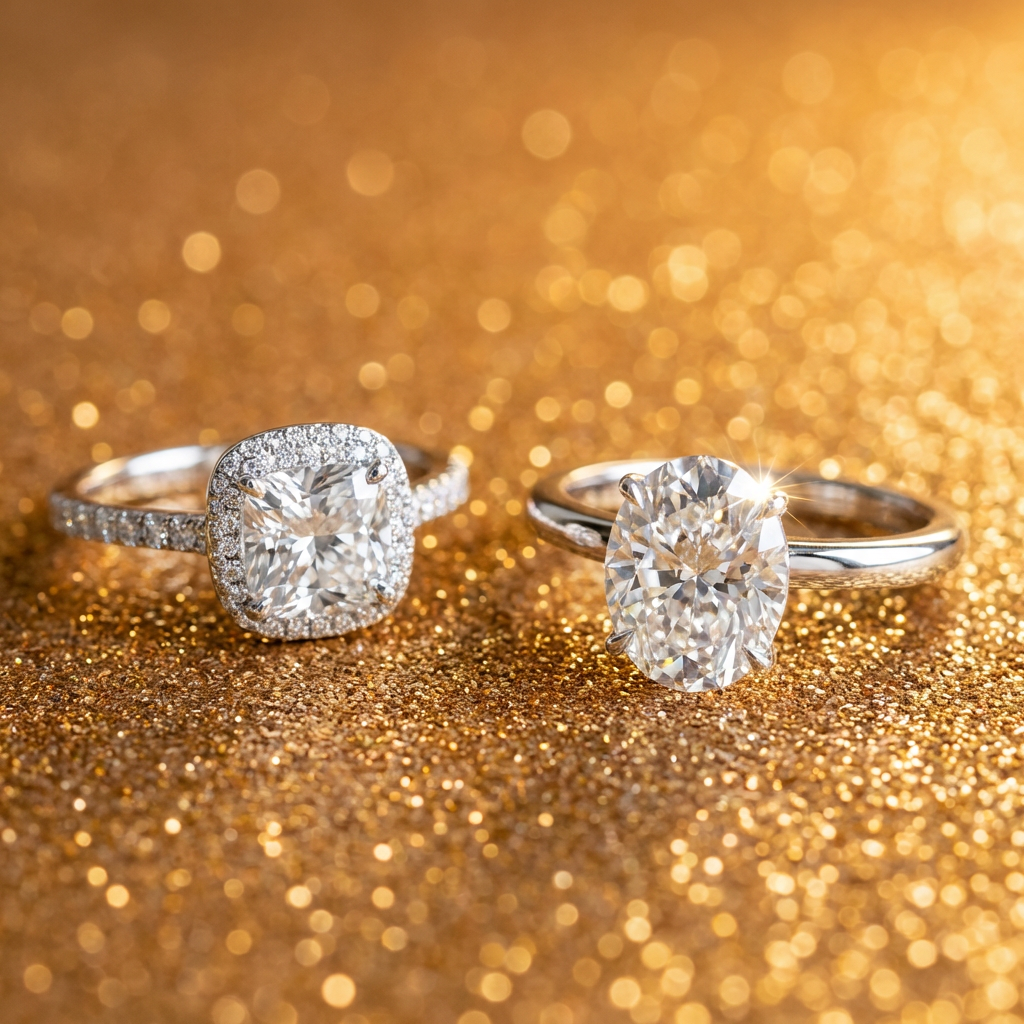
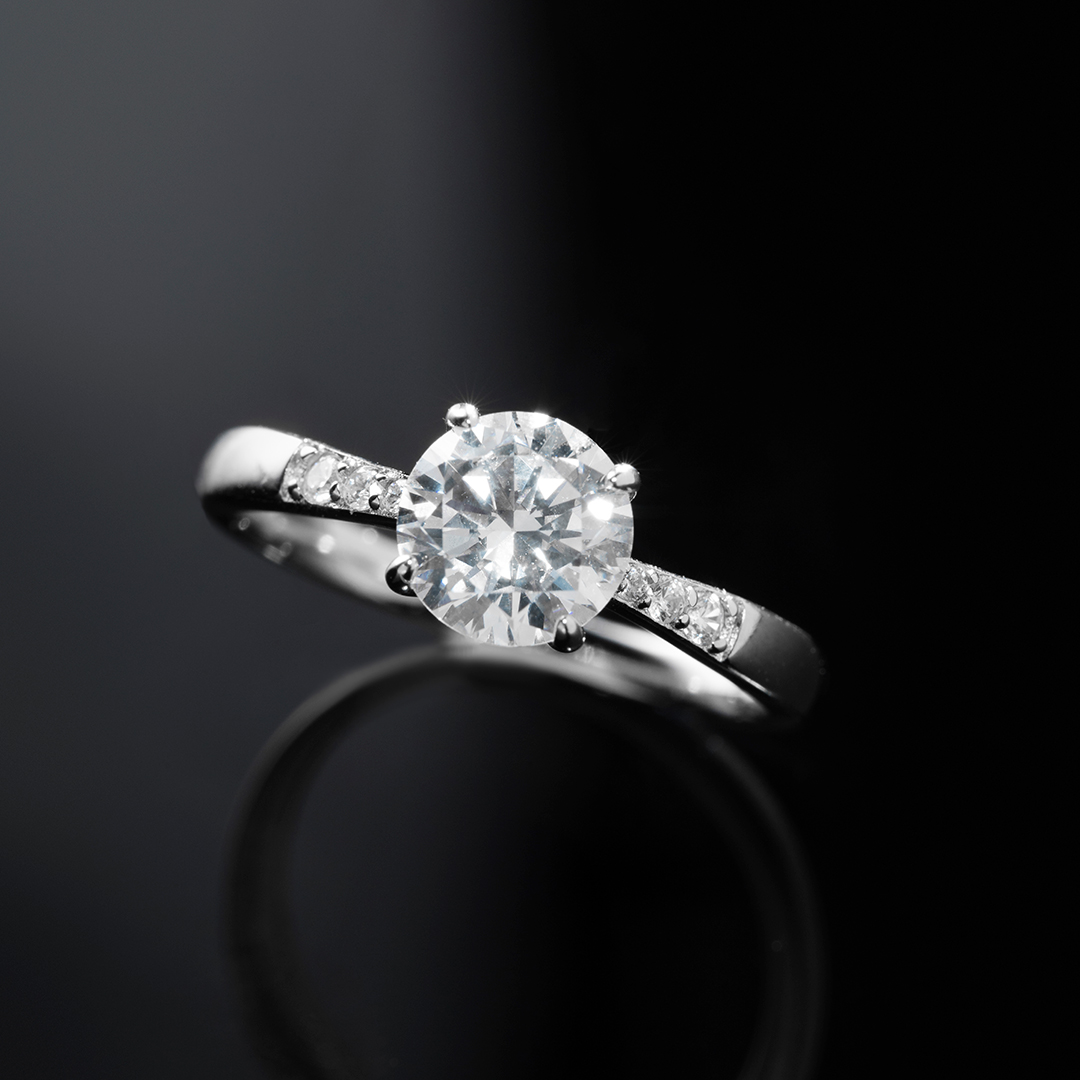
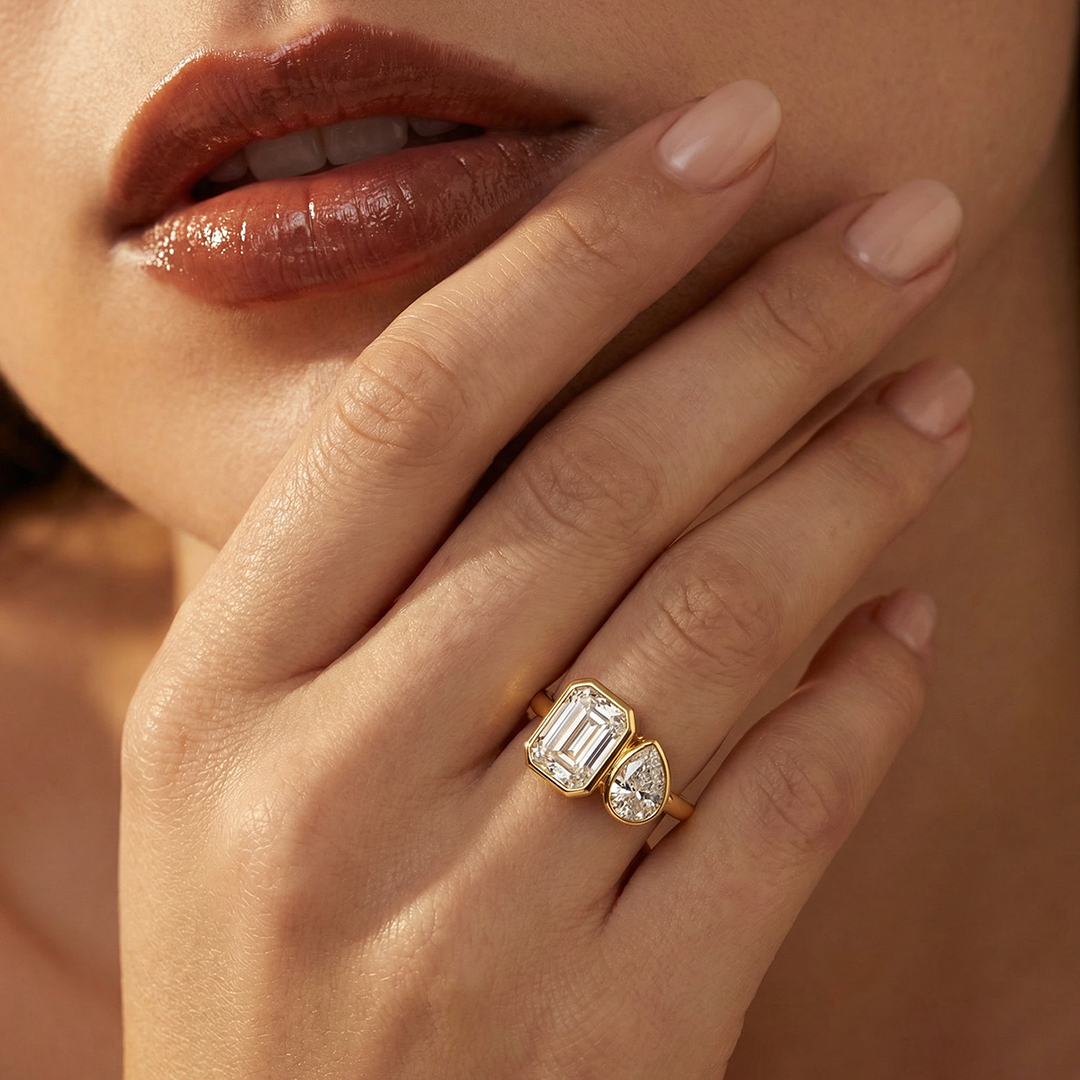
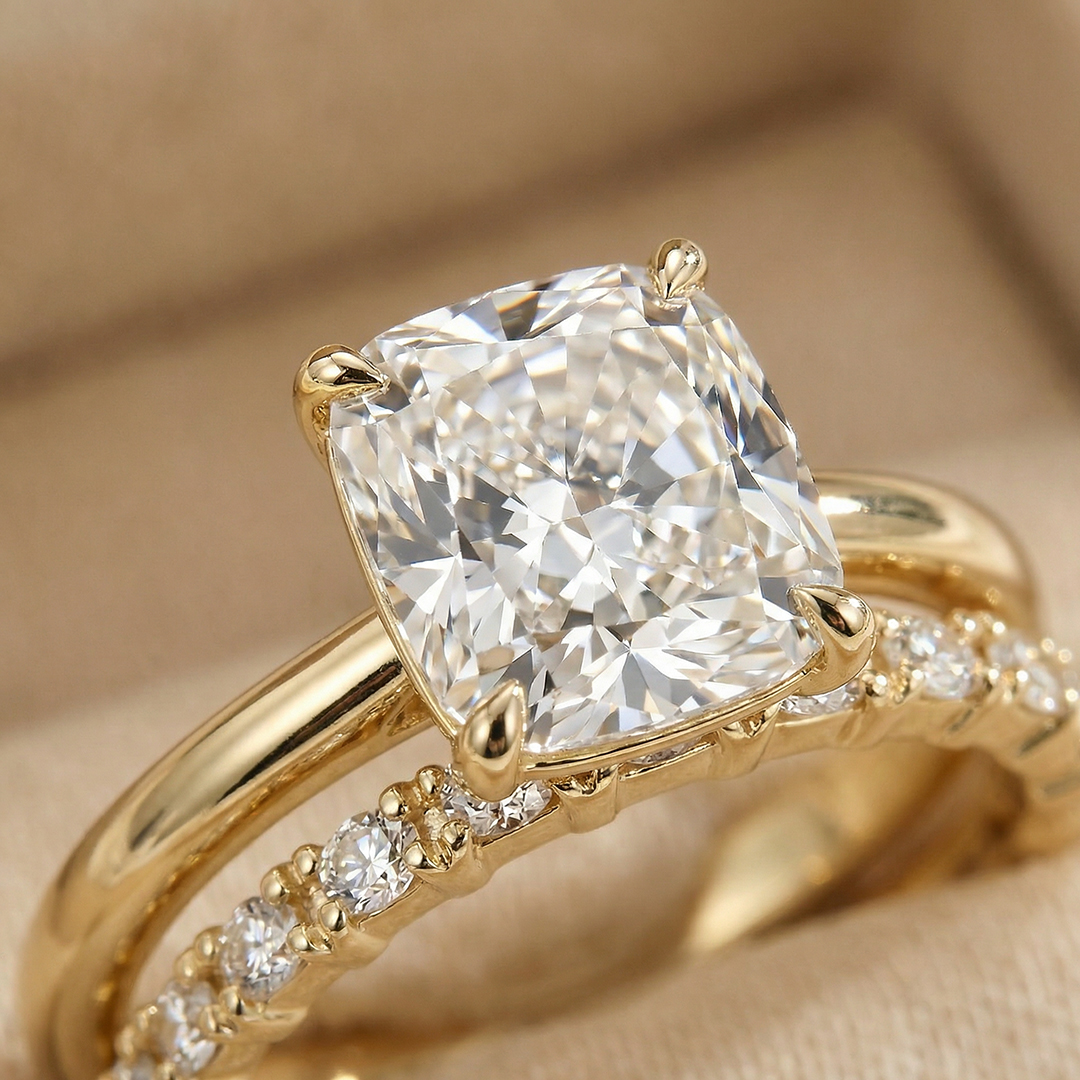
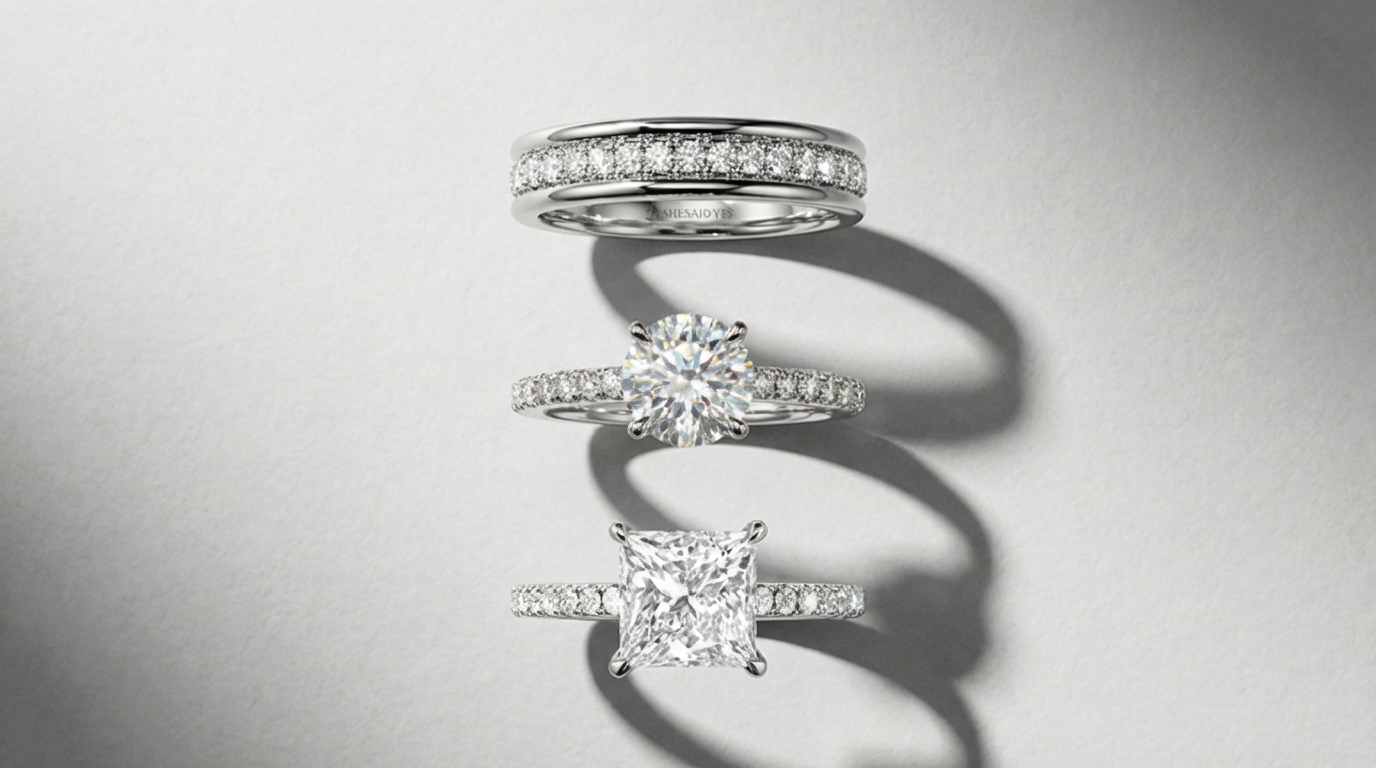
An engagement ring is a symbol of a promise and is usually given at the proposal. It often has a center stone or a special detail that makes it stand out, celebrating that special moment and the commitment you are making publicly.
A wedding ring is exchanged during the ceremony and represents the ongoing commitment. It is generally simpler, sometimes just a plain band, so you can wear it every day without any trouble. Because it is simpler than an engagement ring, it is usually much more affordable.
One celebrates a moment. The other supports a lifetime. When you look at them this way, their different designs and purposes start to make sense.
The Budget Rule: How Much Should You Really Spend?
Ignore this “rule” once and for all. The “two months’ salary” guideline was a brilliant marketing campaign created by De Beers in the 1930s. It is not a financial rule. The Real Rule: Spend what you can comfortably afford without going into debt. Full stop.
The Payment Rule: Who Pays for the Rings?
The old rule was that the proposer paid for the engagement ring alone. Today, many couples see the engagement ring as a shared decision, shaped by open conversations and mutual priorities rather than tradition alone.
For wedding rings, The traditional rule is that each partner buys the other’s band. However, the most modern and practical approach is to treat it as a shared expense from your joint wedding fund. The name on the credit card receipt matters far less than the promise the ring symbolizes.
The Four Cs Rule: What Truly Matters When Choosing a Ring
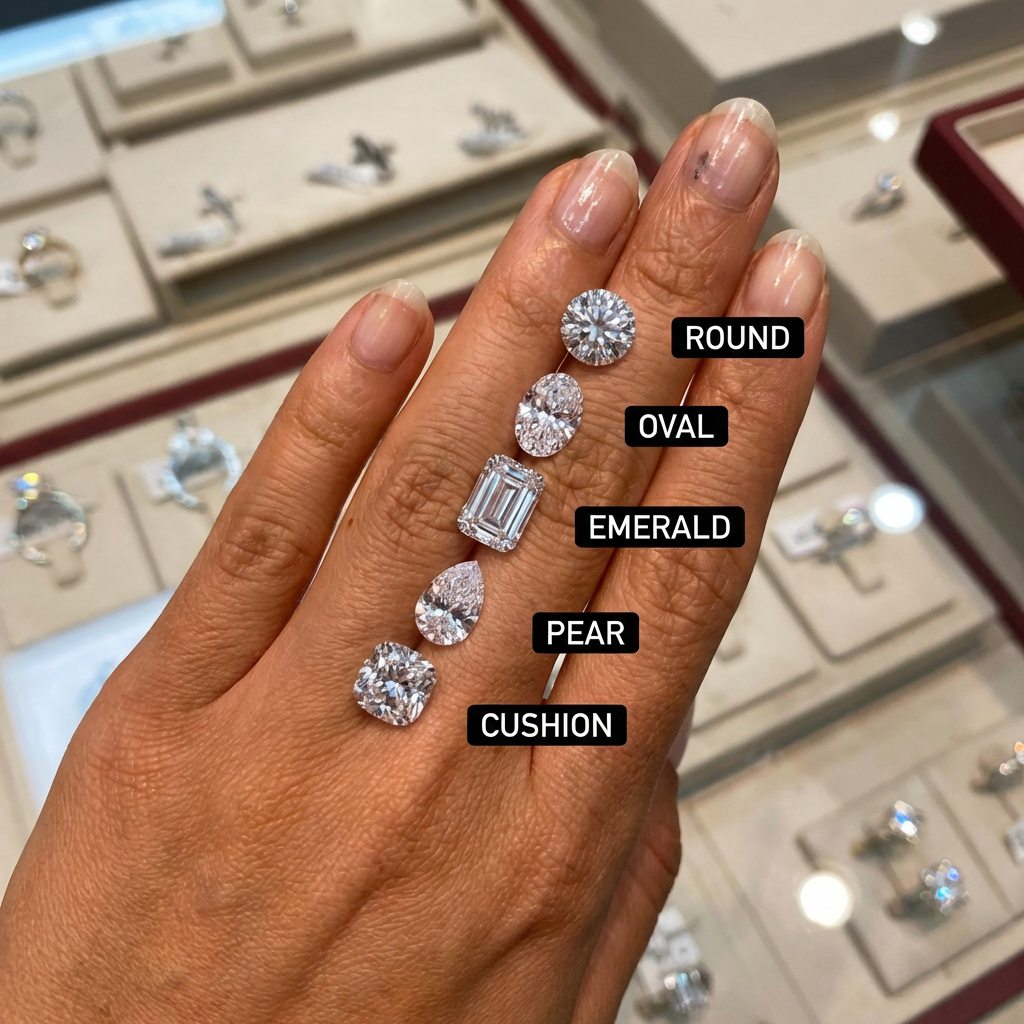
When you are in the process of selecting a ring, you’ll encounter the “Four Cs”: Cut, Color, Clarity, and Carat. While these are technical standards, the “rule” here is about balance.
You don’t necessarily need the highest grade in every category. For example, if you prioritize a large Carat weight, you might be willing to go slightly lower on Color (choosing a stone that looks white to the naked eye but is technically graded lower). If you want maximum sparkle, focus your budget on the Cut, as this determines how light reflects through the stone.
Modern Etiquette: The Rise of the “Man-gagement” Ring
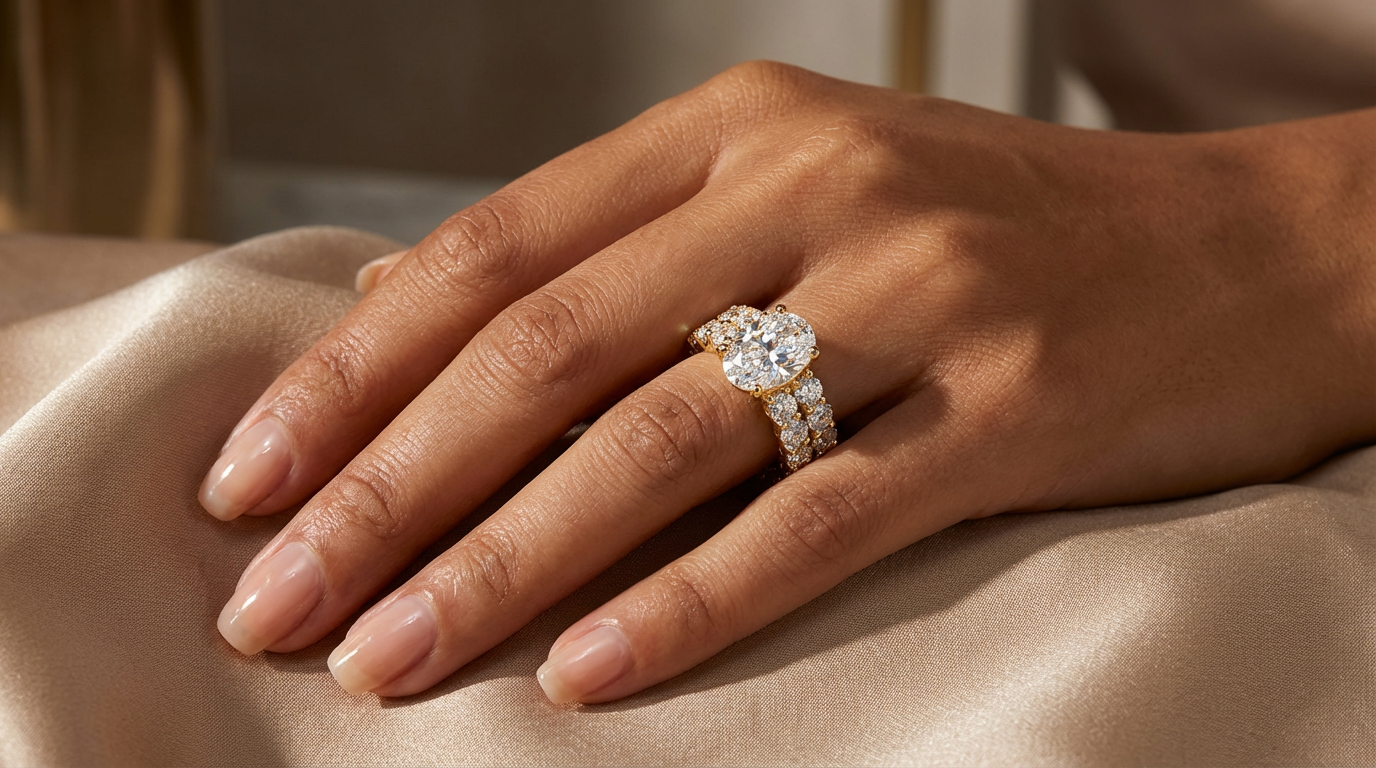
The traditional rule was that only the woman received an engagement ring. However, times are changing. Many men are opting to wear engagement rings to signal their committed status before the wedding.
There are no strict rules here. Some men wear a simple band on their left hand and move it to the right after the wedding, while others replace it with a formal wedding band on the big day. If you want to celebrate your commitment with two rings, go for it!
The Style Rule: Should Rings Match or Not?
Gone are the days when you were “required” to buy a perfectly symmetrical bridal set. Today, your rings are an extension of your personal style.
Do Your Engagement & Wedding Rings Have to Match?
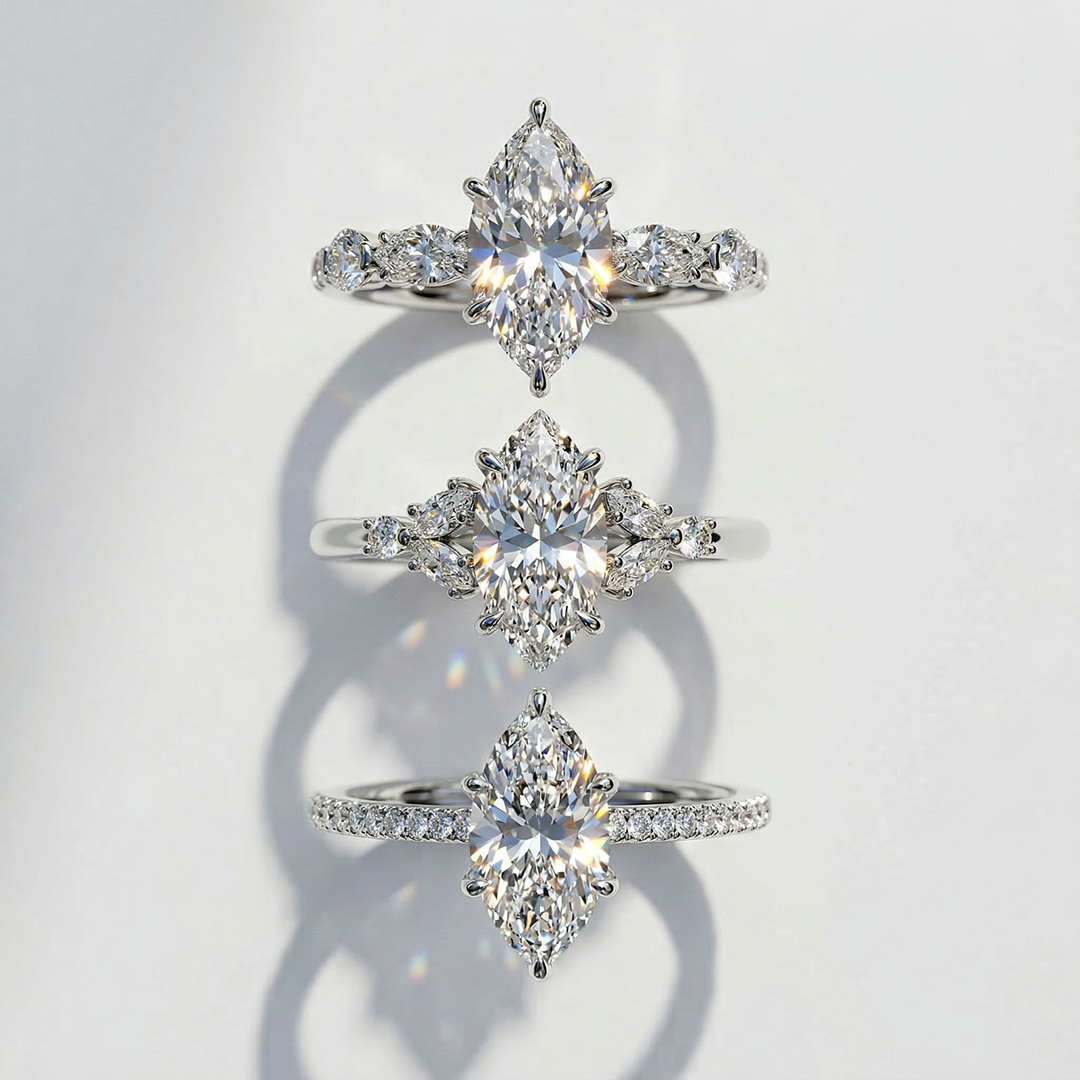
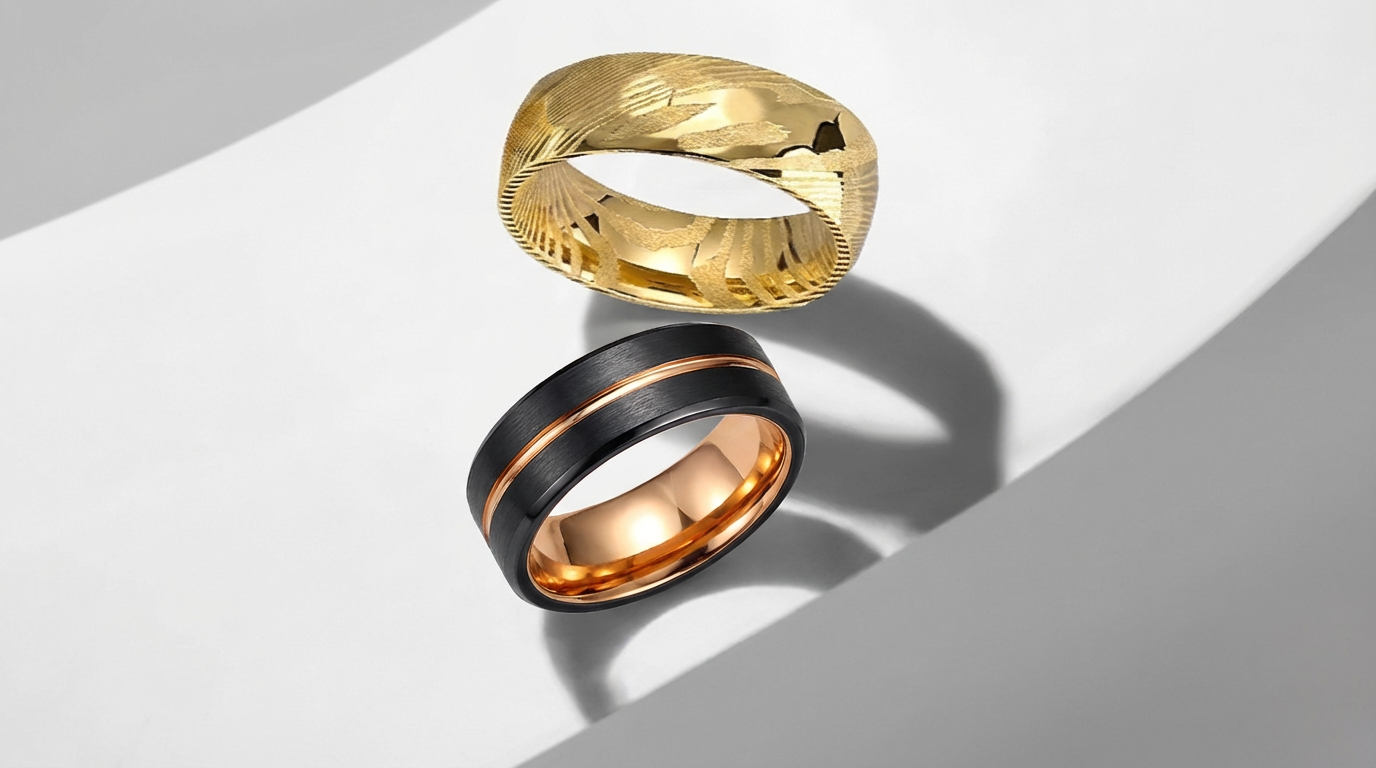
In short: No. While many people love the cohesive look of a matching set (where the band contours around the engagement stone), “mismatched” stacks are incredibly popular. You might pair a vintage-style gold engagement ring with a modern, thin platinum eternity band. As long as you love the aesthetic, there are no rules against mixing metals or styles.
Do You and Your Partner Have to Match?
Historically, couples chose identical plain gold bands. Today, it is increasingly common for partners to choose rings that reflect their individual tastes. You might want a diamond-encrusted band, while your partner prefers a matte black tungsten ring. Your rings symbolize your union, but they don’t have to be carbon copies of one another.
The Hand Rule: Which Hand Should You Wear Your Ring On?
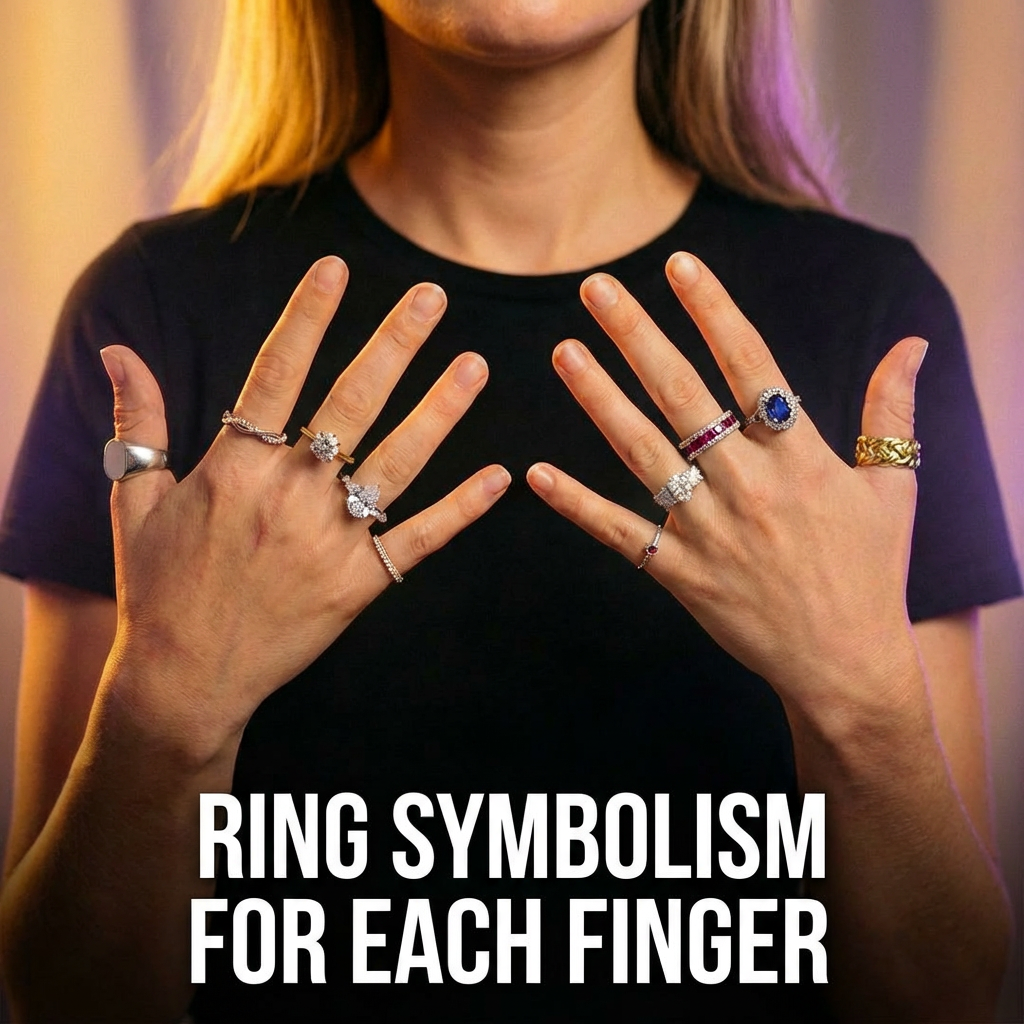
In the United States, Canada, and the United Kingdom, you’ve likely grown up believing that the left hand is the only place for an engagement or wedding ring. However, as you look closer at different cultures, you’ll realize that the “correct” hand is entirely subjective.
The Left Hand Tradition
The Western tradition of wearing rings on the fourth finger of the left hand dates back to the ancient Romans. They believed in the Vena Amoris, or the “Vein of Love,” which was thought to run directly from that finger to the heart. While modern anatomy has debunked this romantic notion, the sentiment remains powerful. You wear your ring on the left hand to symbolize that your partner has a direct line to your heart.
The Right Hand Tradition
If you travel to countries like Germany, Greece, Russia, or India, you’ll notice many couples wearing their wedding bands on their right hands. In some cultures, the right hand is associated with “virtue” and “authority,” making it the traditional choice for a sacred vow.
The Rule for You: Follow the tradition that resonates with your heritage or your location. If you’re a bicultural couple, you might even choose to mix it up!
The Order Rule: Which Ring Goes On First?
Once you are married, you will have two rings (or more, if you’re a fan of the “stacking” trend). This leads to the most common etiquette question: In what order should you wear them?
The “Closest to the Heart” Rule
Tradition dictates that your wedding band should be placed on your finger first, followed by your engagement ring on the outside. The logic is simple and romantic: the wedding band is the “permanent” seal of your vows and should be physically closer to your heart.
The Ceremony Swap Tradition
On your wedding morning, move your engagement ring to your right hand. Once the ceremony is over and the “I dos” are said, you can slip the engagement ring back onto your left hand, on top of your new wedding band.
The Care Rule: When Should You Take Your Rings Off?
You might feel like you never want to take your rings off, but the “rule of longevity” suggests otherwise. Engagement rings, particularly those with raised stones and delicate prongs, are susceptible to damage.
The “No-Ring” Zones:
The Gym: Weightlifting can “out-of-round” your band, and sweat can make your finger swell.
Cleaning: Harsh chemicals like bleach can damage the metal and dull the stones.
Swimming: Cold water shrinks your fingers, which is how many rings end up at the bottom of the ocean or a pool. Chlorine can also erode the alloys in gold.
Skincare Routine: Lotions, hairsprays, and oils create a film on your diamonds, stealing their brilliance.
The Rule: If you are doing something that involves heavy lifting, harsh chemicals, or “messy” work, leave your rings in a safe, designated spot at home.
The Rule of Three: Maintenance, Cleaning & Insurance
To keep your rings looking as breathtaking as the day you got them, follow the Rule of Three:
Professional Inspection: Every six months, take your rings to a jeweler. They will check the prongs to ensure no stones are loose. It’s much cheaper to tighten a prong than to replace a lost diamond.
Home Cleaning: Once a week, soak your rings in warm water with a few drops of mild dish soap. Use a soft-bristled toothbrush to gently scrub away debris.
Insurance: This is perhaps the most important rule of all. As soon as you have the ring, get it insured. Whether it’s through your homeowner’s insurance or a specialized jewelry insurer, you’ll have peace of mind knowing you’re covered against loss, theft, or damage.
Beyond the Rules: Making Your Rings Meaningful
In the end, engagement and wedding rings are not about following every tradition or spending a certain amount of money. They are about the meaning you give them.
Whether your rings are simple or detailed, traditional or modern, what matters most is that they reflect your relationship and the commitment you are making. The way you choose them, wear them, and care for them should feel comfortable and personal, not pressured.
Let the guidelines help you make informed choices, but trust your own preferences. When you choose engagement rings or wedding ring, feel right for your life and your partnership, they become more than jewelry. They become a quiet, lasting reminder of the promise you share every day.