Selecting the perfect ring involves more than just picking a diamond; it requires a thoughtful look at the architecture of the piece. When weighing the benefits of high-set vs. low-set engagement rings, many find themselves torn between dramatic brilliance and everyday practicality. This guide explores the intricate details of high-set vs. low-set engagement rings to help you determine which profile best aligns with your personal style and daily life.
What Is a “Setting” in an Engagement Ring?
In the world of high-end jewelry, the mounting—frequently referred to as the setting—represents the complete physical structure of the ring. It is composed of two main architectural elements: the shank, which is the metal band that wraps around the finger, and the head, which is the intricate structure designed specifically to house and protect the center gemstone.
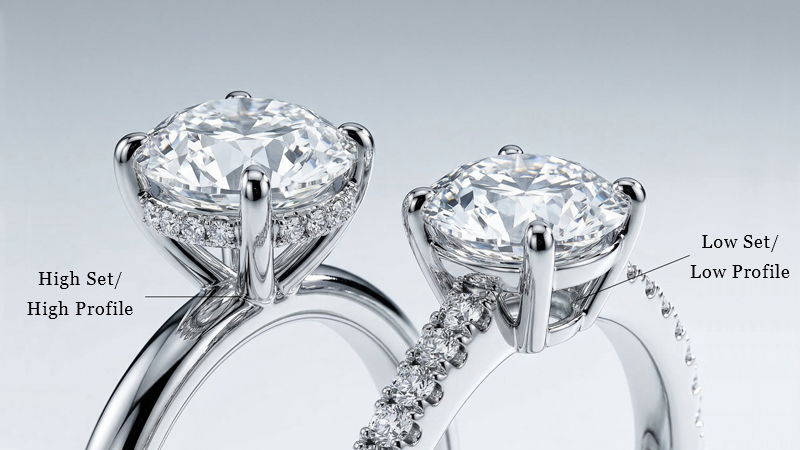
While the shank provides the foundation, the head determines the stone’s elevation. When we talk about a ring’s “profile,” we are simply talking about height. A high profile lifts the stone up to catch the light, while a low profile keeps it tucked in close to your hand. This simple choice changes how the ring looks, how much it sparkles, and most importantly, how it feels to wear every single day.
What is a High-Set Engagement Ring?
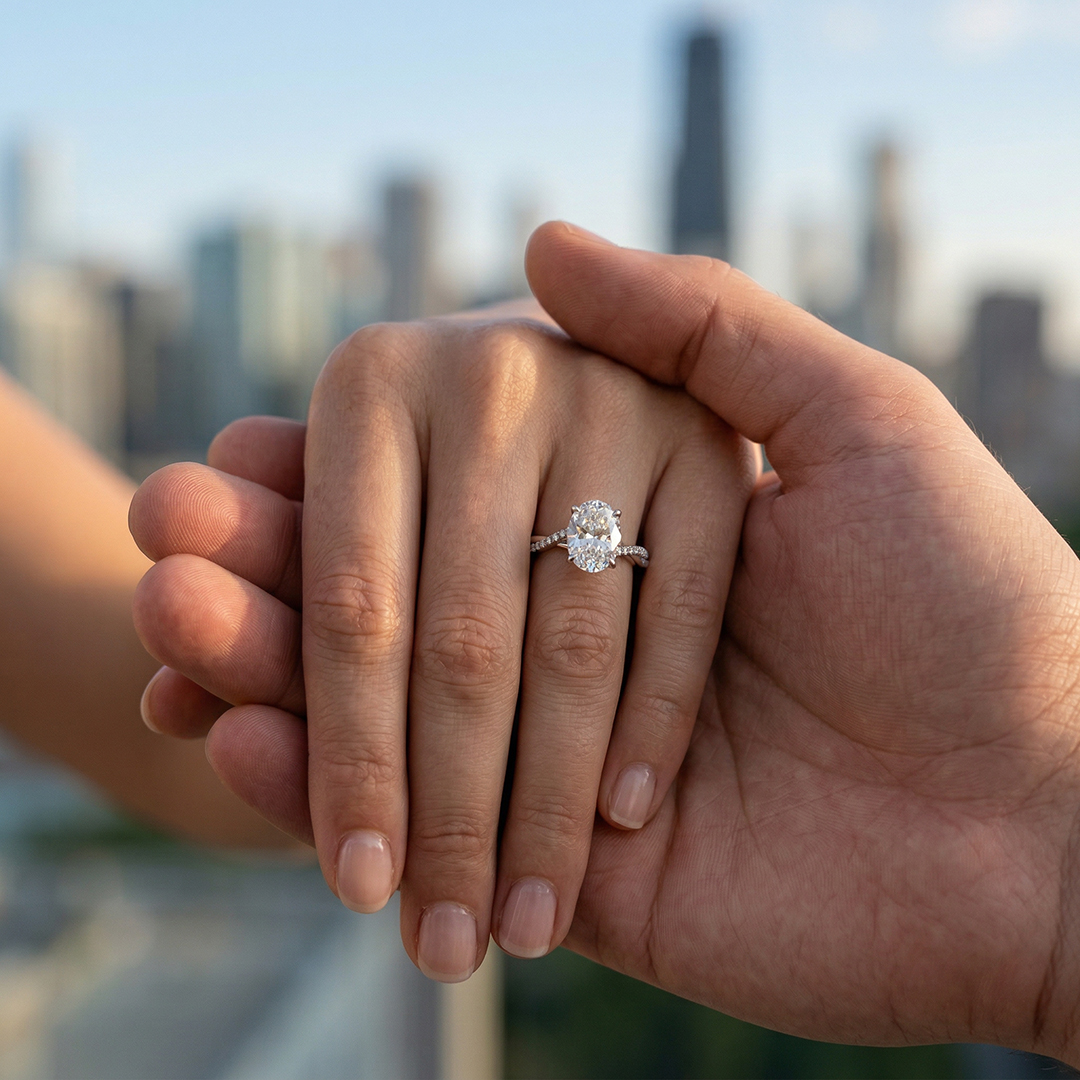
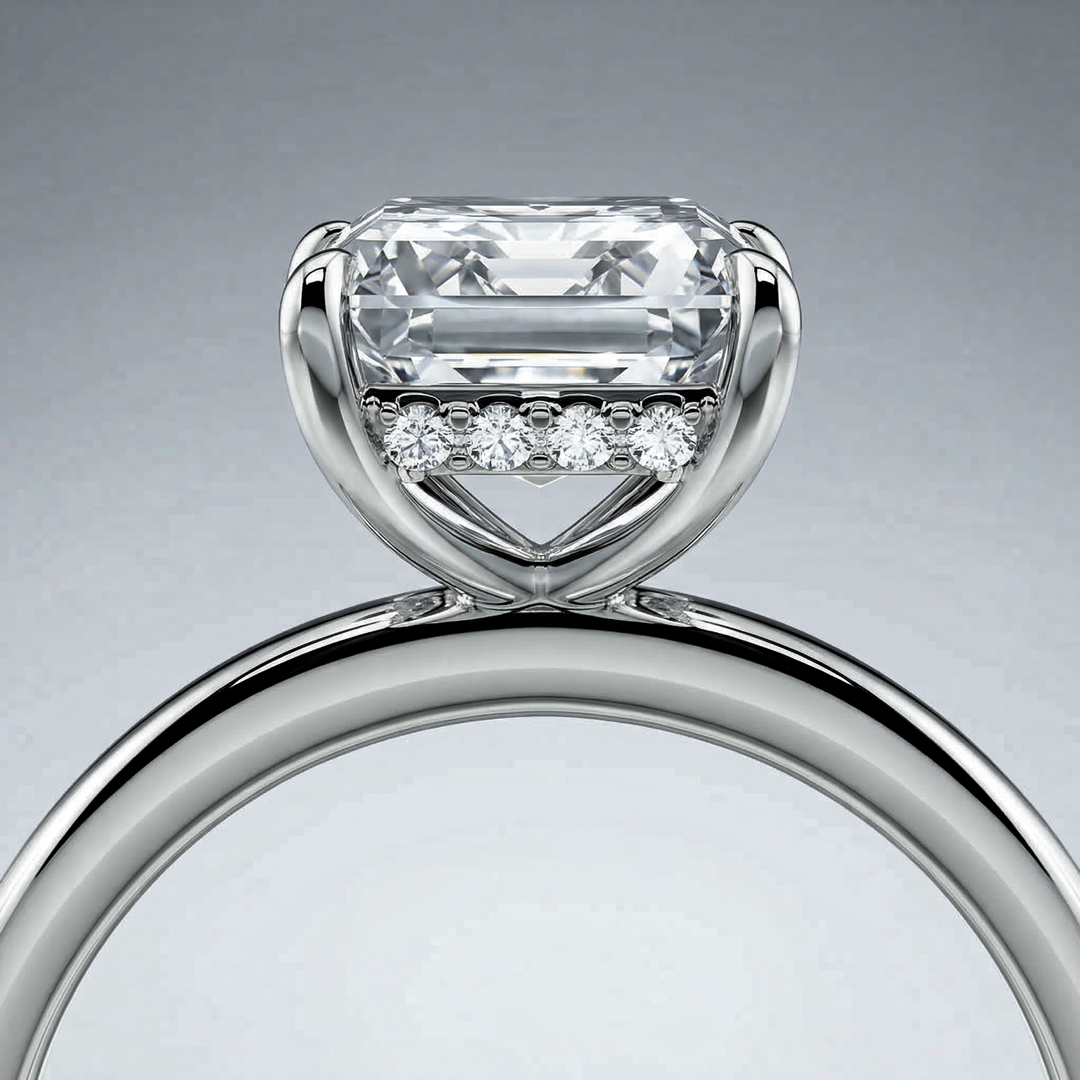
A high-set ring features a center stone held aloft by elongated prongs or a tall, architectural basket. This style is the classic choice for those who want their diamond to be the undisputed centerpiece of the hand.
.jpg)
Advantages
- Superior Light Performance: By elevating the stone, more light enters through the sides and bottom. This extra light increases “fire” and brilliance, making the center stone appear more vibrant.
- Grand Visual Presence: Height creates an optical illusion of size. A high-profile mount makes even a modest-sized diamond look significantly more impactful and prominent.
- Effortless Band Pairing: High settings usually allow a wedding band to sit completely flush against the engagement ring. This creates a seamless, gap-free look for your bridal stack.
Considerations
- Snagging and Catching: Because the stone sits high, it is more likely to catch on knit sweaters, hair, or pockets. This can be a minor daily nuisance for some wearers.
- Impact Sensitivity: A higher profile is more exposed. Accidental knocks against hard surfaces are more common, so these rings may require more frequent professional prong inspections.
What is a Low-Set Engagement Ring?
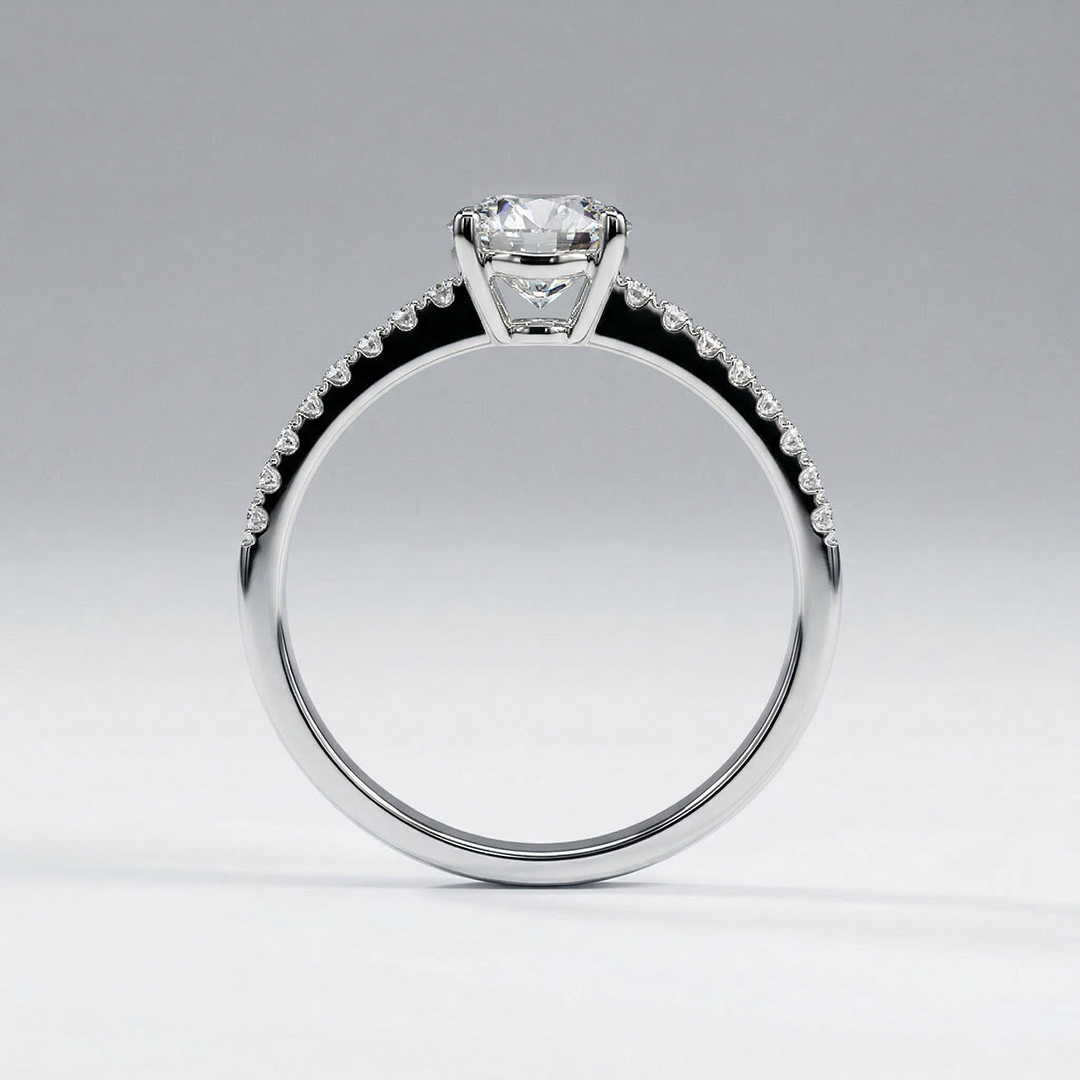
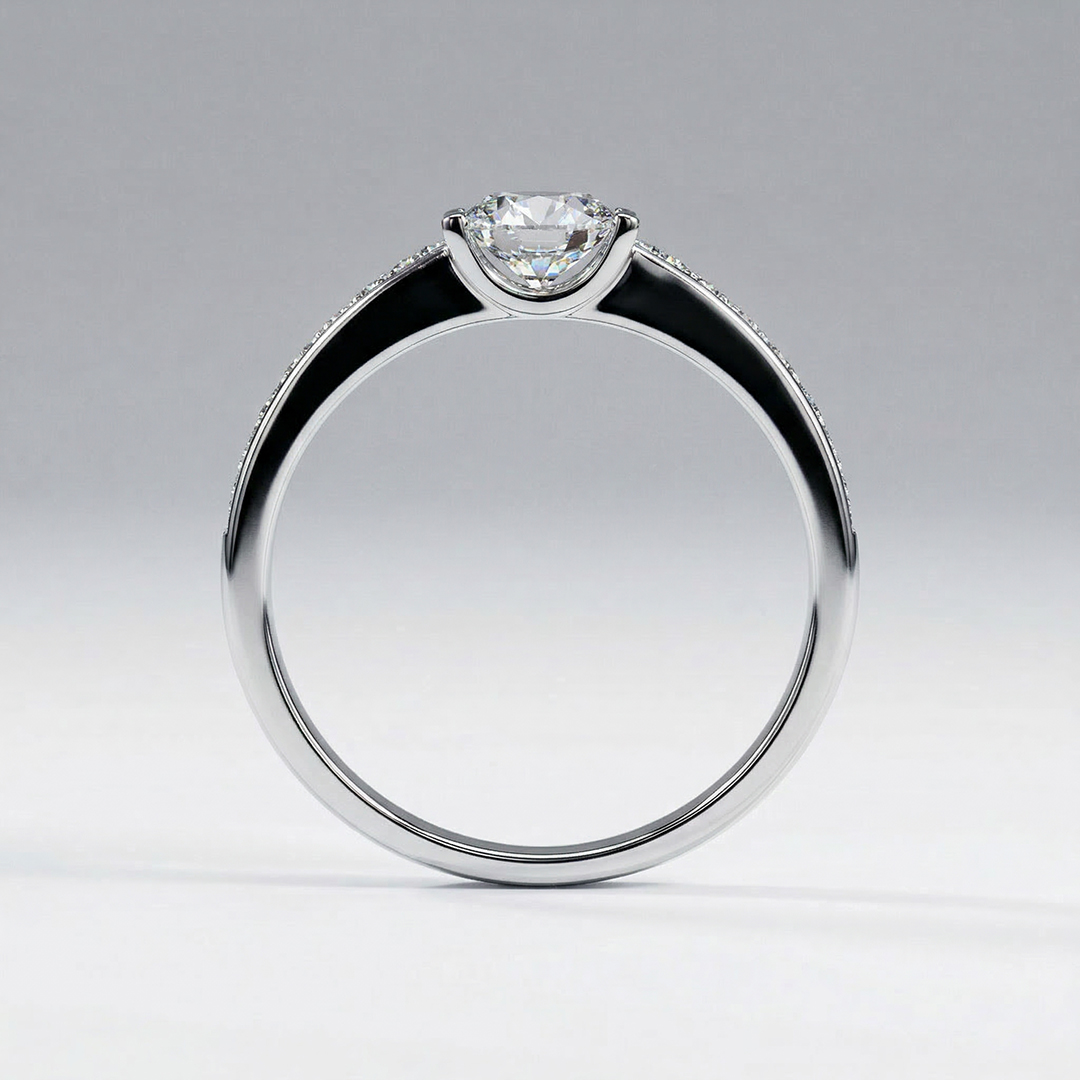
Low-set engagement rings keep the center stone as close to the finger as possible. In many designs, the bottom tip of the diamond sits just a fraction of a millimeter above the band, creating a streamlined and integrated silhouette.
.jpg)
.jpg)
Advantages
- Maximum Durability: The lower the stone sits, the more protected it is from the rigors of daily life. This makes low-set rings the gold standard for anyone with an active lifestyle or a hands-on profession.
- Exceptional Comfort: Low-set rings have a lower center of gravity, so they are less likely to spin on the finger. They also slide effortlessly into gloves and pockets without resistance.
- Understated Elegance: For those who prefer a modern or minimalist aesthetic, the low-profile look offers a sleek, sophisticated vibe that feels sophisticated rather than ornate.
Considerations
- Subdued Brilliance: Because metal or the finger itself encloses the stone more, less light enters from the sides. While still beautiful, it may have slightly less “fire” than a high-set ring.
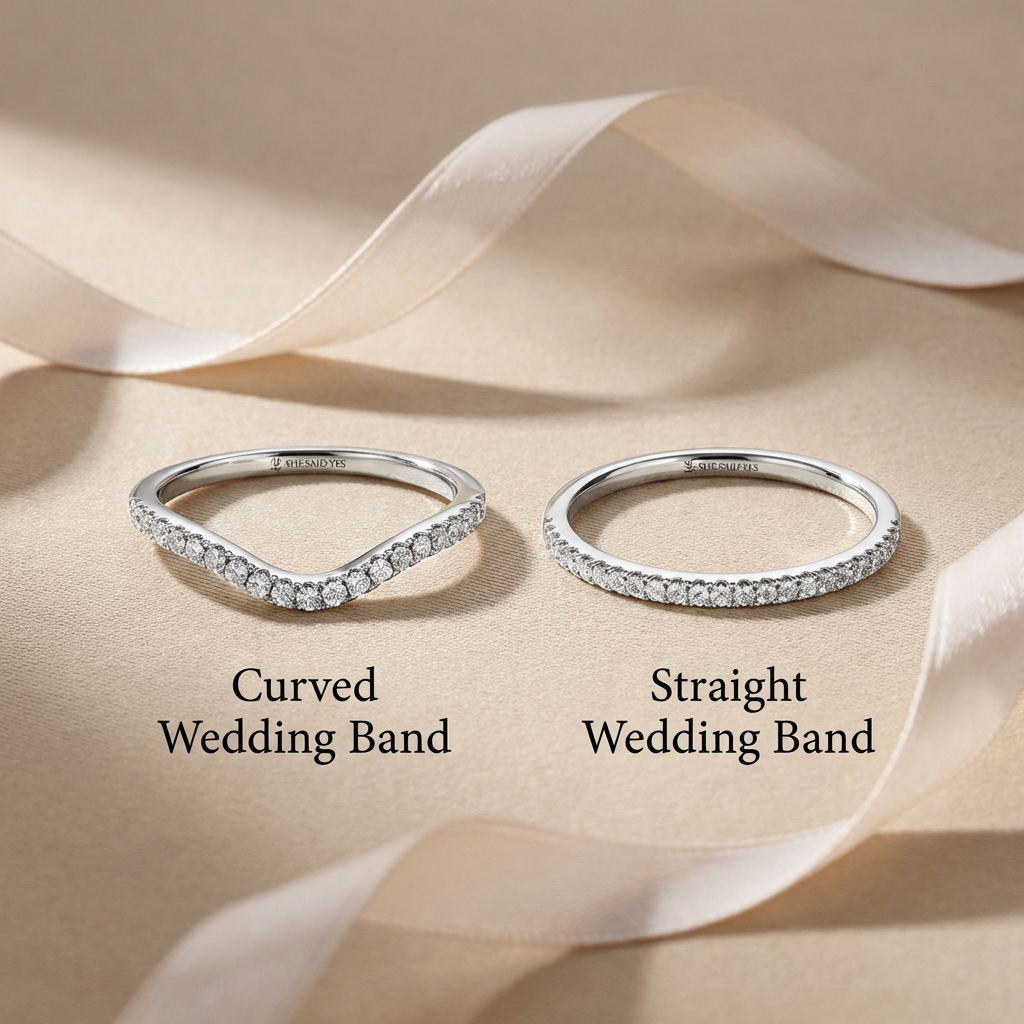
- The Wedding Band Gap: Low settings often block a straight wedding band from sitting flush. You may need a curved or “chevron” band to accommodate the low profile.
Key Differences at a Glance
| Feature | High-Set Profile | Low-Set Profile |
|---|---|---|
| Visual Emphasis | Dramatic, Bold, and Iconic | Discreet, Sleek, and Modern |
| Light Return | Maximum Refraction & Fire | Subtle, Elegant Sparkle |
| Daily Practicality | Best for low-impact environments | Best for active or hands-on lives |
| Band Pairing | Usually fits flush with straight bands | Often requires contoured bands |
| Safety | More exposed to surface knocks | Highly protected and secure |
The Best Setting Styles for Each Profile
Choosing a profile often goes hand-in-hand with choosing a specific setting style. Here are the designs that excel in each category:
Top High-Profile Settings
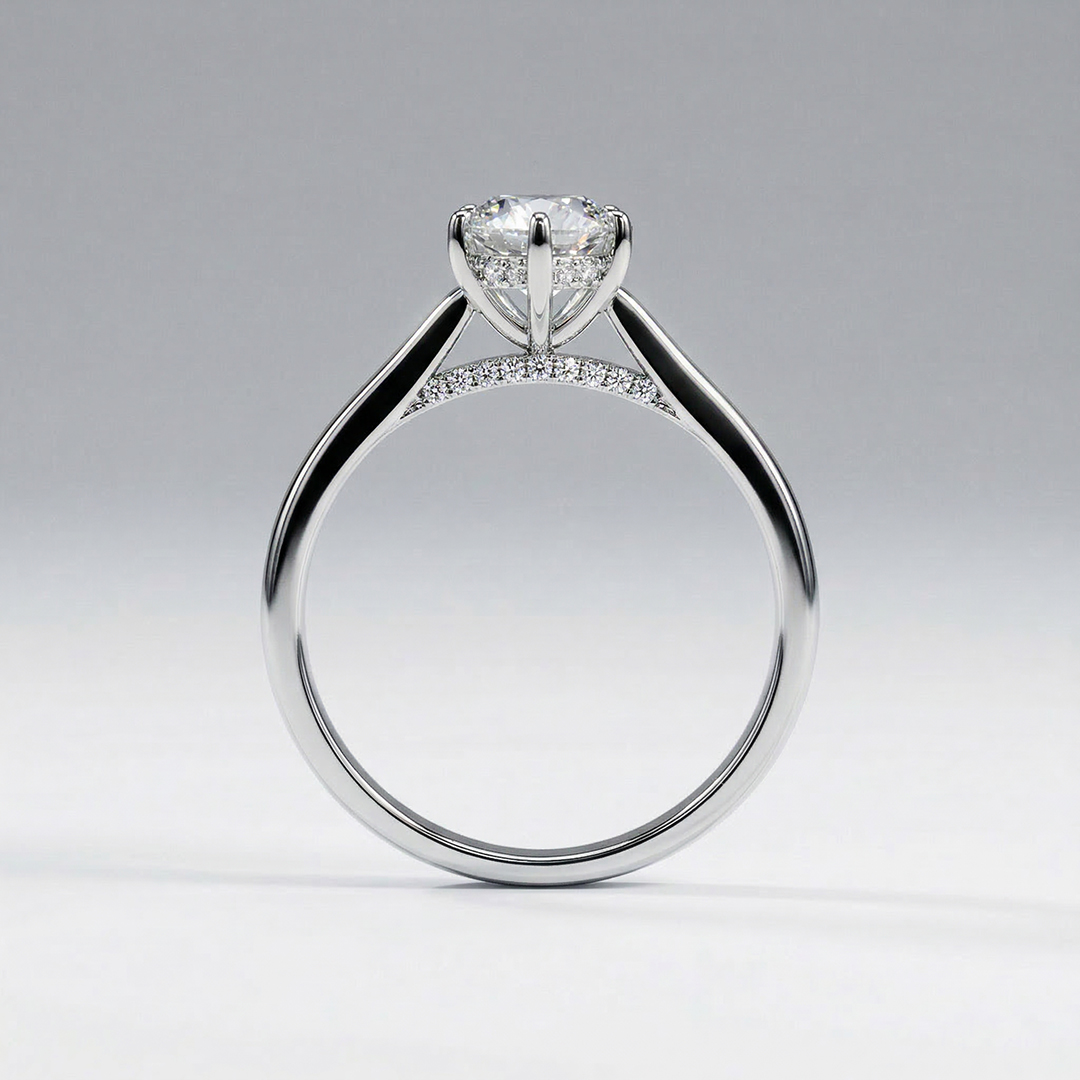
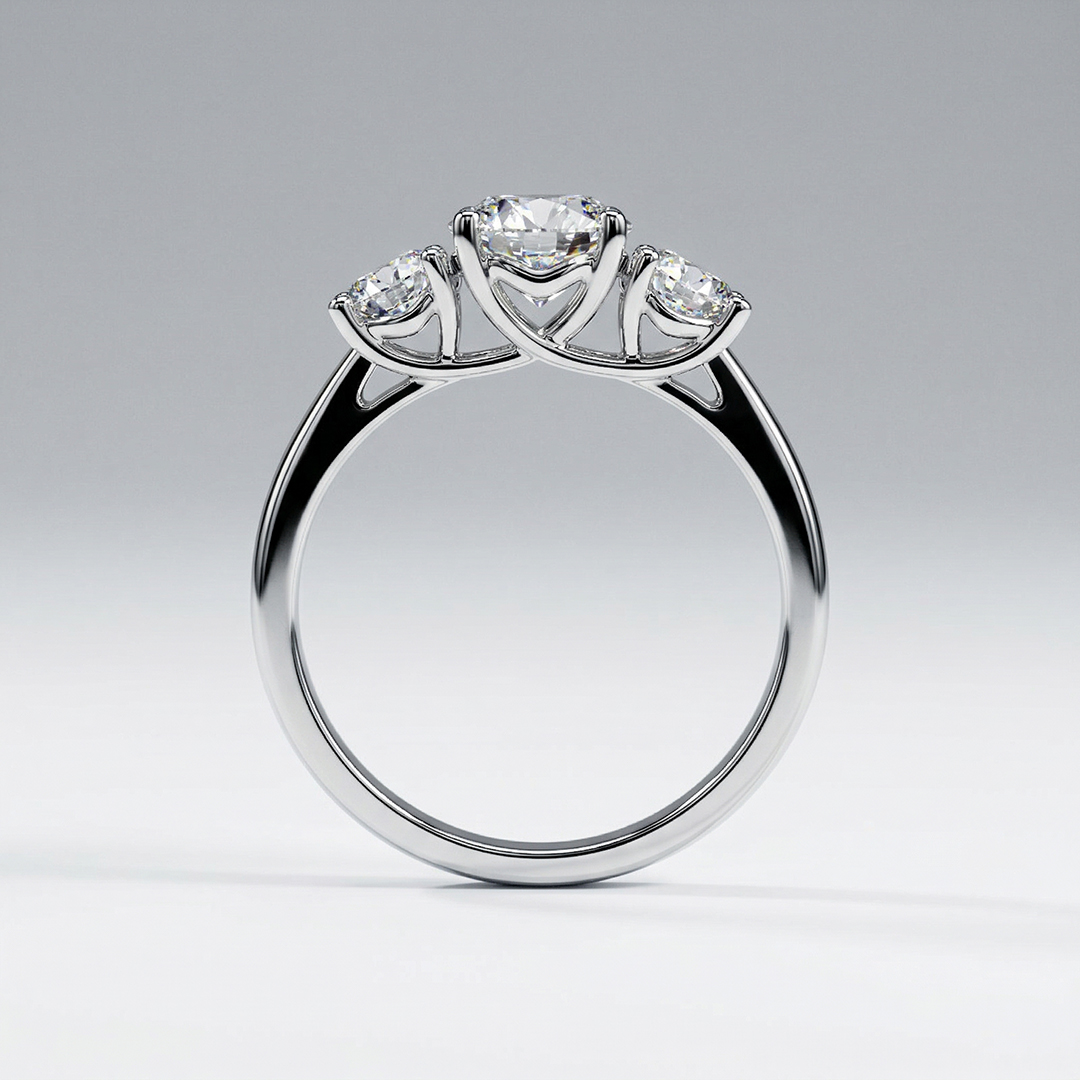
- Cathedral Settings: These use graceful metal arches to sweep up from the shank and support the stone. They offer breathtaking height while providing the structural integrity of the arches to protect the head.
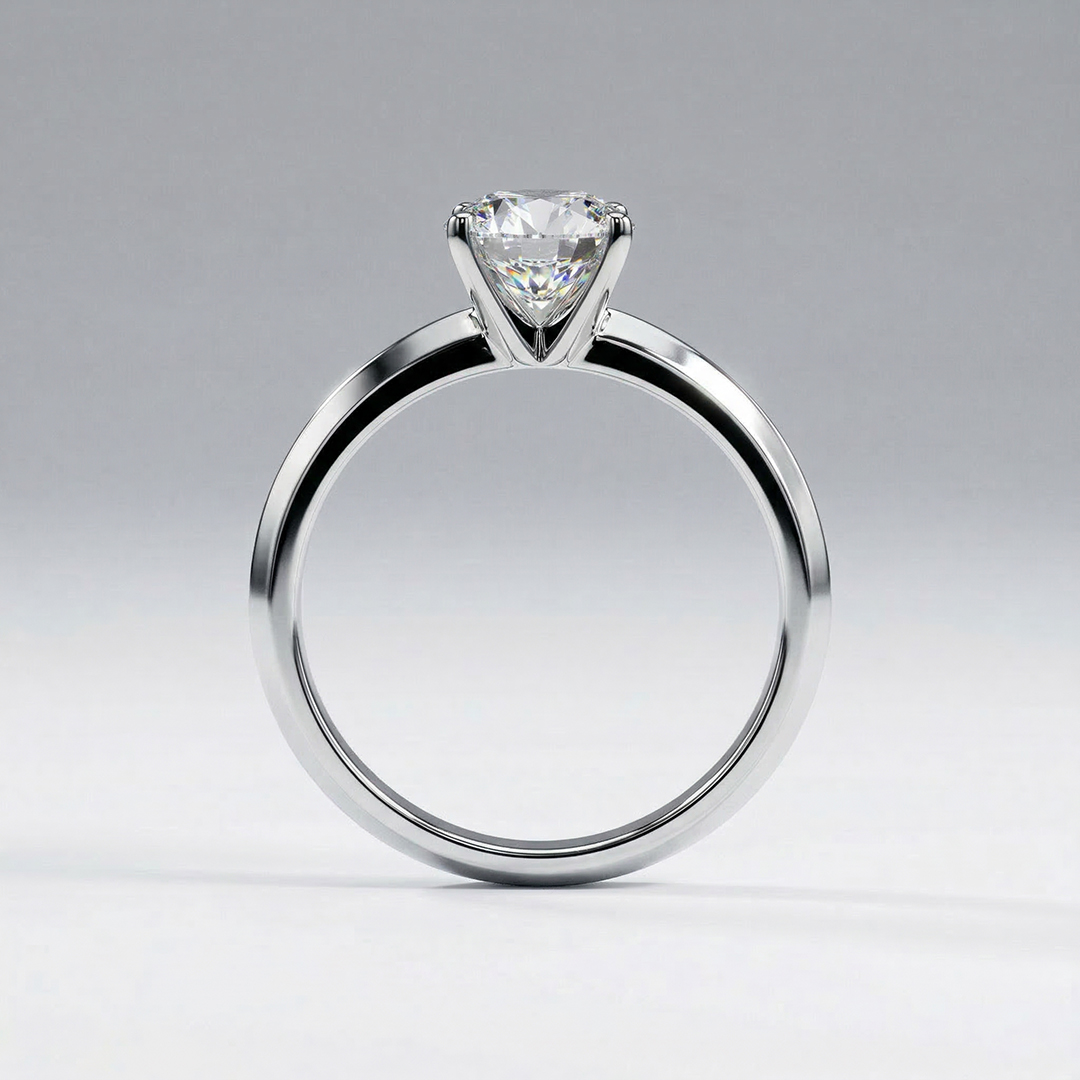
- Classic Tiffany-Style Solitaires: The most iconic high-profile look, featuring long, slender prongs that lift the diamond high, allowing it to “float” above the band.
- Trellis Settings: These feature interwoven prongs that create a beautiful lattice pattern when viewed from the side, giving the stone plenty of elevation while adding a romantic, vintage touch.
Top Low-Profile Settings
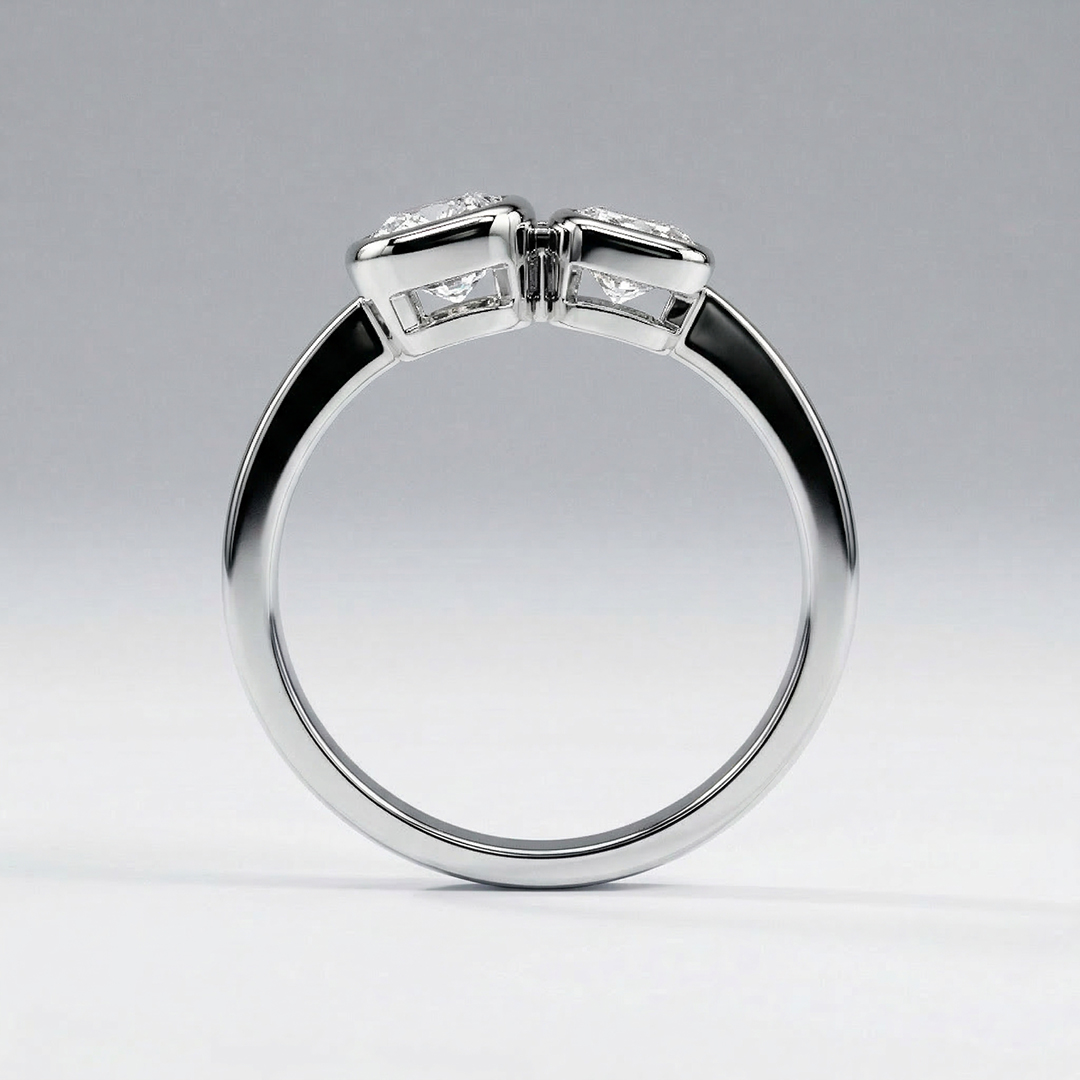
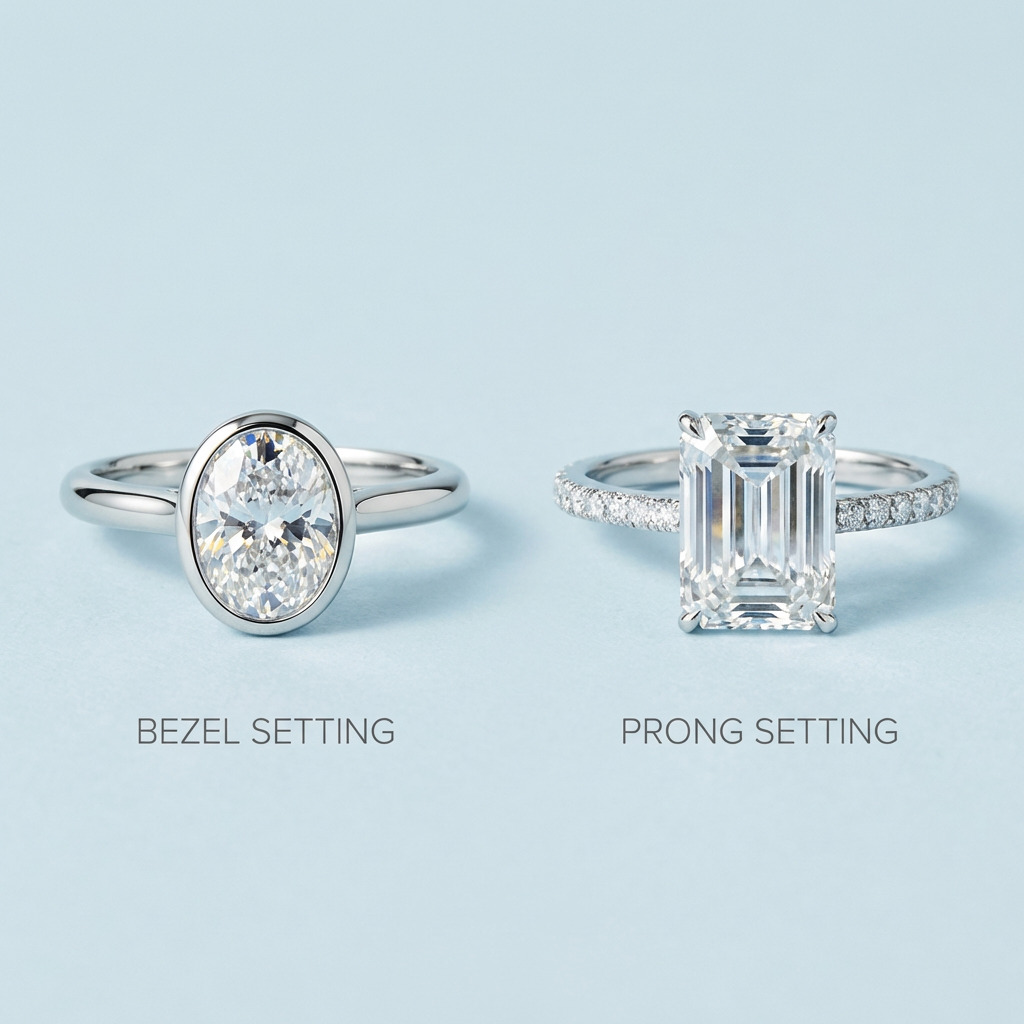
- Bezel Settings: A modern favorite where a thin rim of metal completely encircles the stone’s edge. This is the most secure setting available and ensures the ring sits perfectly flat against your hand.
- Integrated Basket Settings: Instead of sitting on top of the band, the basket is “dropped” into the shank itself. This keeps the stone secure and close to the skin while still allowing a peek of the stone’s profile.
- Tension-Style Settings: These hold the stone between the two ends of the band using physical pressure. They offer a unique, “floating” look but are usually engineered to be very low and ergonomic.
How to Choose the Right Setting for You
Choosing between these profiles is a personal decision that should balance your aesthetic dreams with your physical reality. Ask yourself these three questions to find your perfect match:
1. What does your typical day look like?
If your day involves constant hand-on tasks, heavy lifting, or frequent glove-wearing, a low-set ring will offer the peace of mind you need. If your lifestyle is more office-based or low-impact, a high-set ring is a beautiful way to add a touch of daily glamour.
2. How do you envision your wedding stack?
If you have your heart set on a perfectly straight wedding band that sits tight against your engagement ring, a high-set ring is the easiest way to achieve that look. If you love the look of nested or V-shaped bands, a low-set ring is a gorgeous anchor for a more creative stack.
3. Is “maximum sparkle” your top priority?
If you want your diamond to catch the light from across the room and showcase its full brilliance, the high-set profile is specifically designed to maximize that light return.
Final Thoughts
There is no “right” or “wrong” choice when it comes to the architecture of your ring; there is only the choice that feels right for your hand and your life. High settings offer timeless glamour and brilliance, while low settings provide a modern, sleek, and worry-free experience. Ultimately, the choice between high-set vs. low-set engagement rings comes down to your personal style and daily routine, ensuring your ring remains a beautiful, wearable symbol of your commitment for decades to come.