When shopping for diamond jewelry—whether it’s an engagement ring, a pendant, or a pair of earrings—one of the most important questions you’ll ask is how to tell if a diamond is real. With so many imitation stones on the market, from cubic zirconia to moissanite, knowing how to tell if a diamond is real can save you time, money, and disappointment. You don’t need to be a gemologist to distinguish a genuine diamond from a fake; with basic knowledge, you can confidently verify any diamond you’re considering.
Below, we’ve compiled reliable, easy-to-follow methods to help you determine if a diamond is real, no matter your experience level. We’ve split these into two clear categories: simple at-home tests you can do yourself with everyday items, and professional verification techniques for definitive, foolproof proof of authenticity.
At-Home Diamond Tests
These simple, accessible tests leverage a diamond’s unique physical properties—like thermal conductivity, density, and light refraction—to help you spot fakes without any professional equipment. They’re perfect for preliminary checks and ruling out obvious imitations, and most use items you already have at home.
1. The Sunlight Brilliance Test
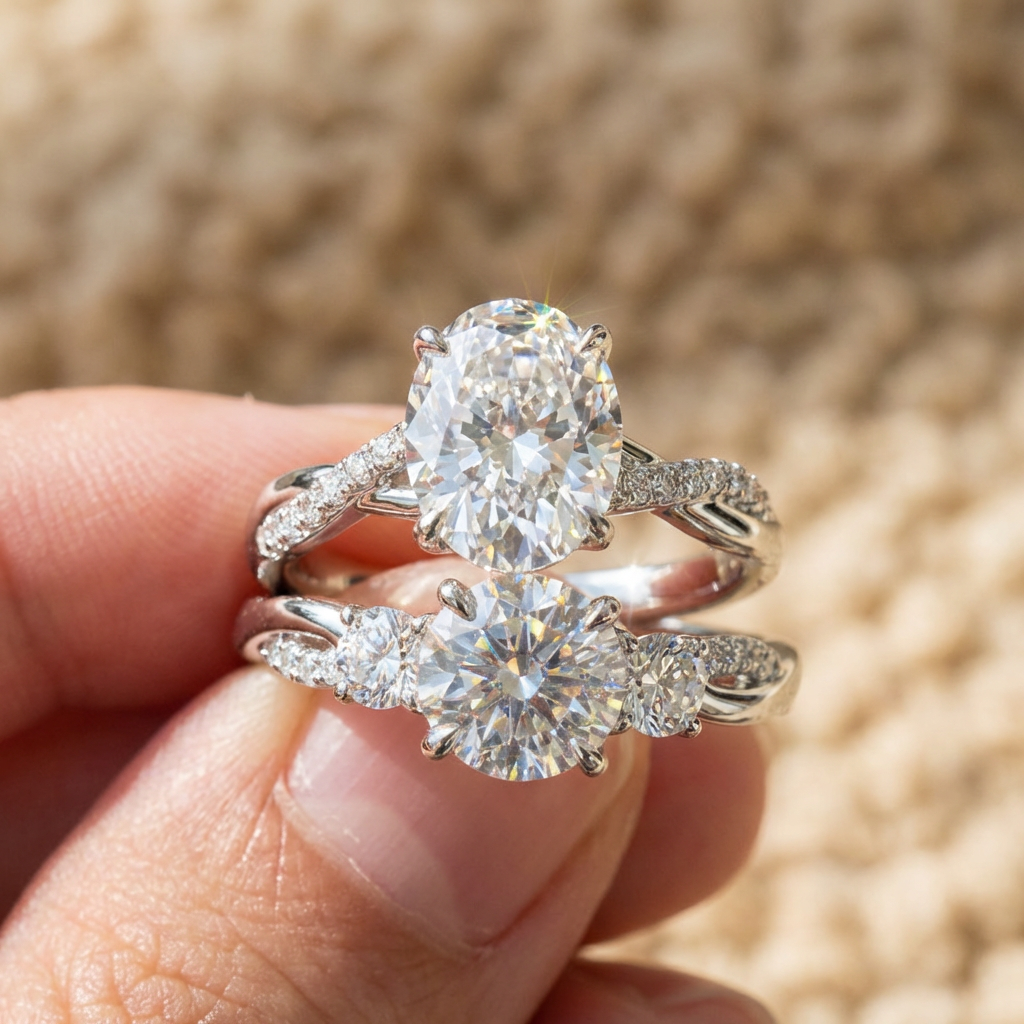
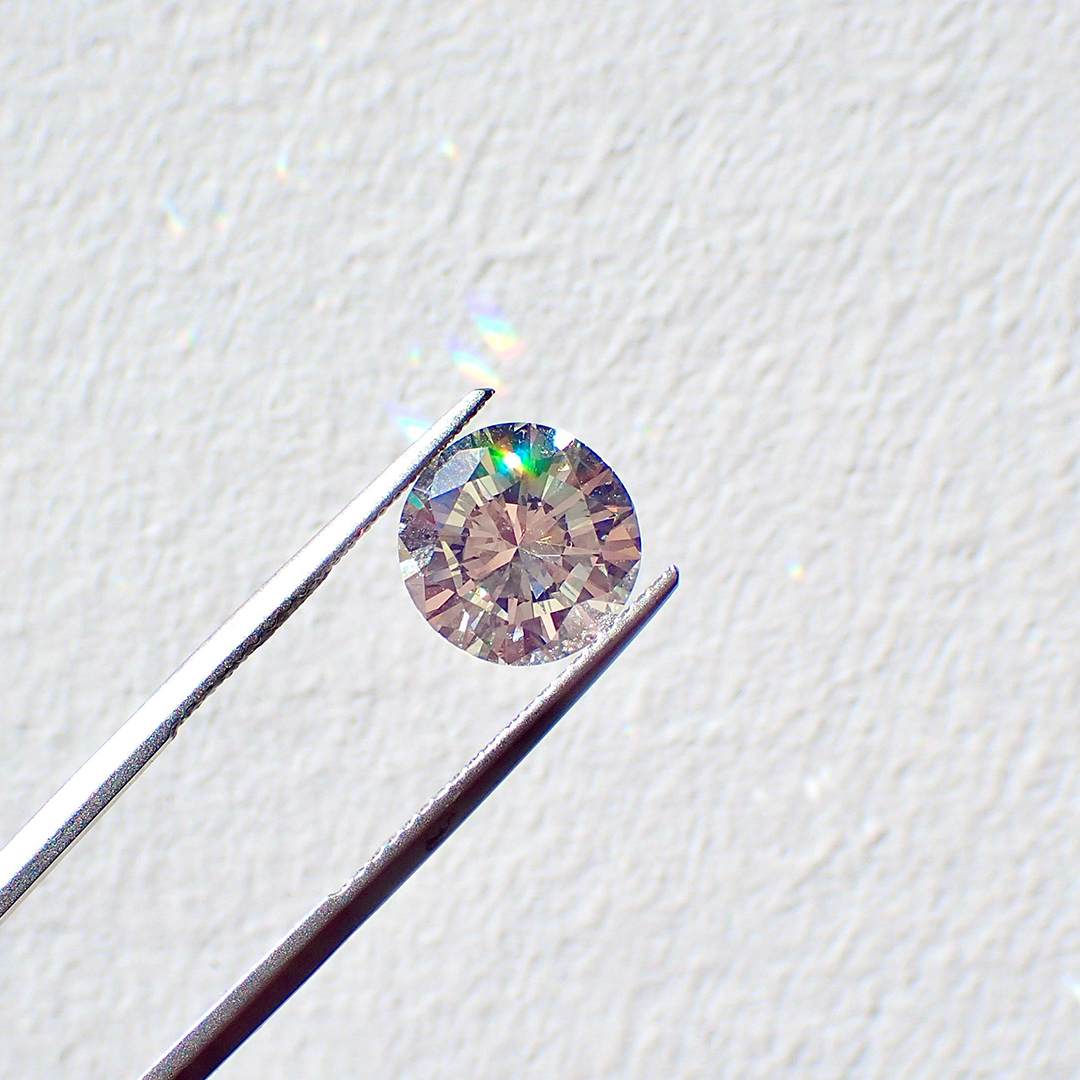
A diamond’s unique brilliance is a key trait, and the sunlight test is one of the easiest ways to spot fakes. Genuine diamonds interact with sunlight distinctly, emitting sharp gray shades, bright white sparkle, and subtle colored fire. Imitation stones lack this balance: moissanite has exaggerated rainbow flashes that overwhelm white sparkle, while glass or cubic zirconia may look dull or glassy. To perform it, hold the diamond up to sunlight and move it gently—real diamonds have dynamic, shifting sparkle with dominant white brilliance, while fakes show overly colorful or flat glows. It works well for side-by-side comparisons to spot light dispersion differences.
2. The Flashlight Test
The flashlight test is quick and accessible, focusing on a diamond’s ability to bend and scatter light. A genuine diamond’s precisely cut facets break light into countless directions, creating crisp white reflections and delicate colored fire that dances with movement. Shine a flashlight through the diamond or on its top, moving both slowly: simulants like glass let light pass straight through for a hazy glow, with no distinct sparkle. A real diamond never looks see-through, instead scattering light into sharp, shifting reflections. This test isn’t definitive alone, but it’s a great quick cue to gauge light performance and rule out obvious fakes.
3. The Dot Test
The dot test uses a diamond’s exceptional refractivity to separate genuine stones from fakes, working best with unmounted diamonds. Diamonds have an extremely high refraction index, bending light so drastically you can barely see through them—far more than most imitations. To conduct it, draw a small dark dot on white paper, place the diamond flat side down over it, and look straight down. A real diamond will obscure or heavily blur the dot, while imitations like glass, cubic zirconia, or white sapphire let you see it clearly. Less-ideal cuts may show a slight dot, but a clear view means it’s likely fake.
4. The Mirror Test
The mirror test is another simple light-based check that examines how a diamond’s facets interact with reflected light. Real diamonds have facets designed to bounce light in multiple directions (not straight through), creating their iconic sparkle. Place the diamond flat side down on a clean, reflective mirror: a genuine diamond produces bright, scattered light flashes with no single focused reflection on the mirror. Simulants like glass or cubic zirconia let light pass through, creating a dull reflection or a single bright spot without dynamic sparkle. This test is most effective as a supplementary check, paired with other at-home methods to build a more complete picture of the stone’s authenticity.
5. The Water Test
The water test is a classic preliminary check that relies on a diamond’s high density. Diamonds are far denser than most imitations, so they behave differently in water. Fill a clear glass with room-temperature water and drop the diamond in (hold mounted jewelry to avoid loss). A real diamond sinks straight to the bottom instantly, while low-density fakes like glass or plastic float or sink slowly. It’s not foolproof—high-density fakes like cubic zirconia or moissanite also sink—so use it as an initial check, not a final verdict.
6. The Fog Test
One of the most popular and reliable at-home diamond tests, the fog test uses a diamond’s exceptional thermal conductivity to distinguish it from fakes. Diamonds conduct heat faster than most gemstones, dispersing breath condensation instantly—something imitations can’t replicate. Hold the diamond (or its setting) and breathe heavily on it, like fogging a mirror. A real diamond clears fog in 2-3 seconds, while fakes retain it for several seconds. This test is most effective when the diamond is at room temperature; if the stone is too cold or too warm, the results may be inaccurate, so let it sit for a few minutes first if needed.
7. The Scratch Test (Use with Caution)
Diamonds are the hardest natural mineral (10 on the Mohs scale), so they can scratch almost any material, including glass. Most fakes lack this hardness, making the test reliable—but use caution. Find a piece of uncoated glass, gently drag the diamond’s flat side across it with light pressure. A real diamond leaves a clear scratch; fakes like cubic zirconia (8) or white sapphire (9) do not. Note: This can damage imitations or settings, so only perform it if you’re comfortable ruining the stone, and avoid scratching the diamond itself.
8. The Setting Observance Check
You don’t need to test the stone itself—its setting reveals authenticity clues. Genuine diamonds are set in high-quality precious metals (matching their value), so examine the metal closely for stamps: 10k/14k/18k (gold), PT/PLT (platinum), or high-quality rhodium-plated white gold. Settings of silver, brass, tin, or thin unmarked gold plating are red flags, likely holding simulants. This doesn’t apply to custom/vintage jewelry (unique pairings), so follow up with a stone test for these pieces.
9. The Black Light Test
Also known as the UV test, this uses fluorescence from trace elements in natural diamonds. Not all real diamonds fluoresce, but it’s a useful supplementary check. Turn off lights, hold the diamond under a black light/UV flashlight: many natural diamonds glow soft faint blue, while lab-grown ones may have weak or no glow. Simulants typically glow yellowish, greenish, orange, or not at all. Some fakes mimic blue glow, so this test should never be used as the only indicator of whether a diamond is real.
10. Using a Loupe to Check for Inclusions
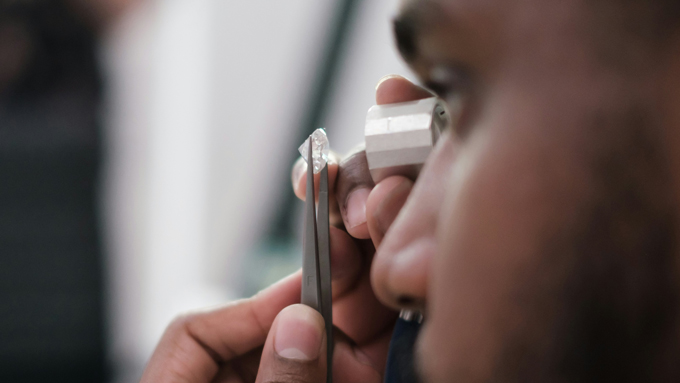
A 10x magnifying loupe (a basic jeweler’s tool) spots subtle details that separate real diamonds from fakes. Most real diamonds have small natural inclusions—tiny crystals, clouds, or feather-like cracks—unique to each stone (like a fingerprint). Hold the diamond under bright light, examine it closely with the loupe, and check facet edges: real diamonds have sharp, crisp edges, while simulants have soft, rounded ones. Fakes are often perfectly clear or have artificial, uniform flaws. Lab-grown diamonds may have inclusions too (different from natural ones), so pair this with other tests.
Professional Diamond Verification
While at-home tests are great for preliminary checks, the only way to get 100% definitive proof of a diamond’s authenticity is to consult a professional gemologist or reputable jeweler. Professionals use specialized tools and precise tests that go far beyond what’s possible at home, ensuring accurate results even for the most convincing simulants.
1. Key Professional Testing Tools
Gemologists rely on calibrated, specialized equipment to measure a diamond’s unique physical properties, eliminating guesswork. The most common tools include:
- Diamond Verification Pen: A handheld device that measures thermal and electrical conductivity—traits unique to diamonds. A real diamond will trigger a positive reading by quickly dissipating heat and conducting electricity, while simulants will not. Advanced models can even distinguish between natural and lab-grown diamonds.
- High-Precision Scale: Uses a diamond’s density to verify authenticity. Two stones of the same visual size will have different weights: a real diamond is less dense than simulants like cubic zirconia, so it weighs slightly less. This test requires expert knowledge of size-to-weight ratios.
- Digital Refractometer: Measures how light bends through the stone, producing a numerical reading unique to diamonds. No simulant or other gemstone can match a diamond’s refractive index, making this one of the most accurate tests.
2. The Importance of a Diamond Certificate
An independent gemological certificate protects you from fakes when buying. Look for trusted labs (GIA, IGI, AGS)—their third-party reports confirm authenticity, document the 4Cs (cut, color, clarity, carat), and include a verifiable unique ID matching the stone. Red flags: sellers who refuse a certificate, offer only non-independent in-house reports, or can’t verify the certificate online. Reputable jewelers always provide verifiable certificates for genuine diamonds.
Identifying Common Diamond Simulants
Knowing the key traits of popular diamond simulants helps you spot fakes quickly. Each imitation has distinct flaws that set it apart from genuine diamonds:
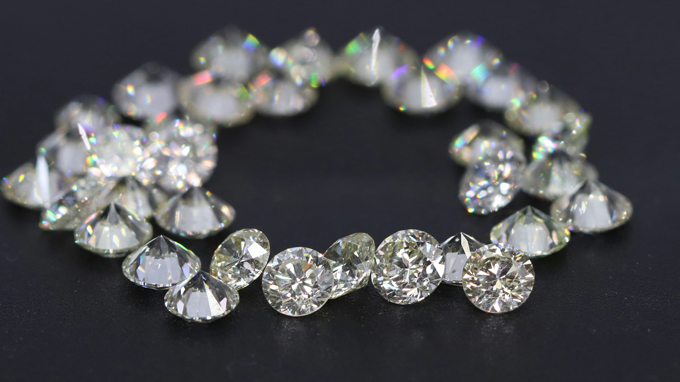
- Cubic Zirconia (CZ): Softer (8 on the Mohs scale) and denser than diamonds, feeling heavier for its size. Produces artificial rainbow flashes with little white brilliance, and facet edges are rounded under magnification. Scratches and dulls over time.
- Moissanite: High brilliance but exaggerated, constant rainbow fire that overshadows white sparkle. Shows double refraction under a loupe and conducts electricity differently than diamonds, detectable by advanced testers.
- White Sapphire: Dull, glassy appearance with minimal fire. Harder than most simulants (9 on the Mohs scale) but still scratches easier than diamonds, and looks hazy in sunlight.
- Glass/Crystal: Flat, lifeless glow with no real sparkle. Extremely soft (5-6 on the Mohs scale), scratches easily, and fails most at-home tests.
- Spinel/Topaz: Hazy, muted glow with little fire. Scratches easily, has lower density, and is easy to spot with basic tests like the water test.
Final Thoughts
Knowing how to tell if a diamond is real is essential for anyone shopping for diamond jewelry—new pieces, heirlooms, or pre-loved gems. Combine simple at-home tests (fog, flashlight, dot) with loupe checks of sparkle, setting, and inclusions to separate real diamonds from simulants and avoid costly mistakes. For ultimate peace of mind, consult a professional or choose a certified diamond for significant purchases. A genuine diamond is a timeless investment, and verifying its authenticity ensures you get the real thing—with these tips, you’ll shop confidently.