Choosing an engagement ring is an exciting journey, and the shape of the diamond you pick sets the tone for the entire piece. Among the many options, round and oval diamonds are two of the most popular choices.
These two shapes are essentially cousins. They are both members of the “brilliant cut” family, meaning they are designed to maximize sparkle. Yet, they offer vastly different aesthetics and wearing experiences.
If you are torn between the timeless perfection of a circle and the elongated elegance of an oval, this guide is for you. Let’s explore the nuances of each to help you decide which diamond shape truly speaks to you.
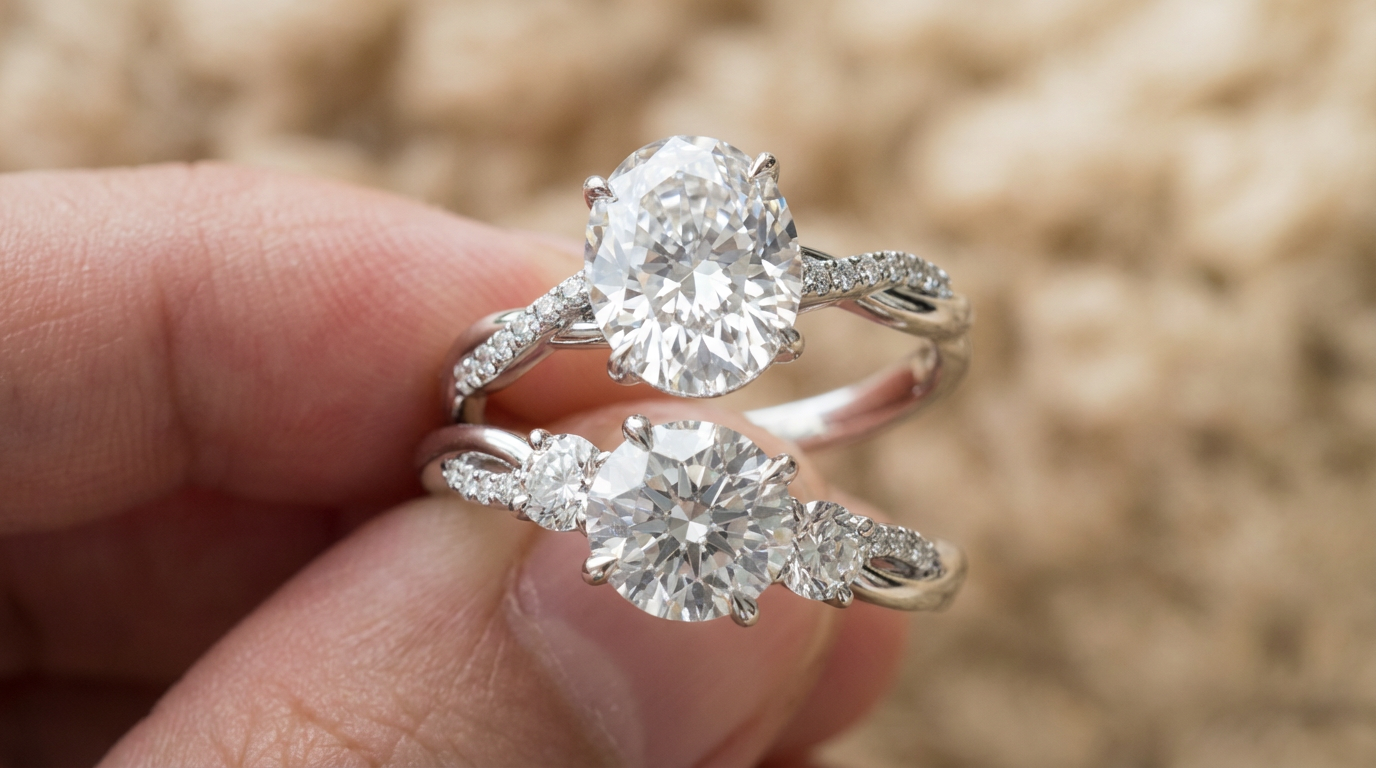
The Round Brilliant: The Gold Standard
When you think of a diamond, the image that immediately pops into your mind is likely the Round Brilliant. It is the most popular diamond shape, accounting for more than 75% of all diamonds sold.
The Visual Appeal
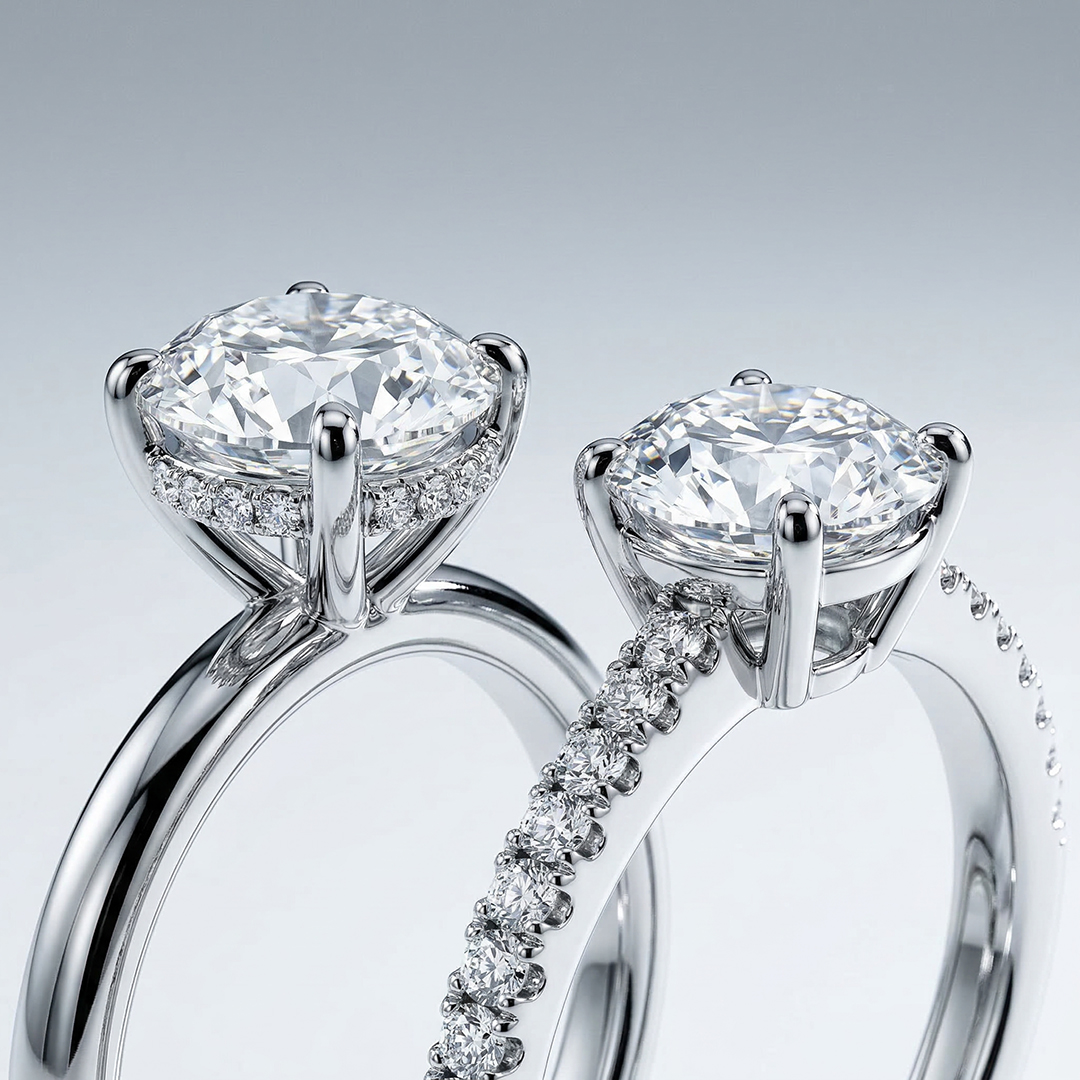
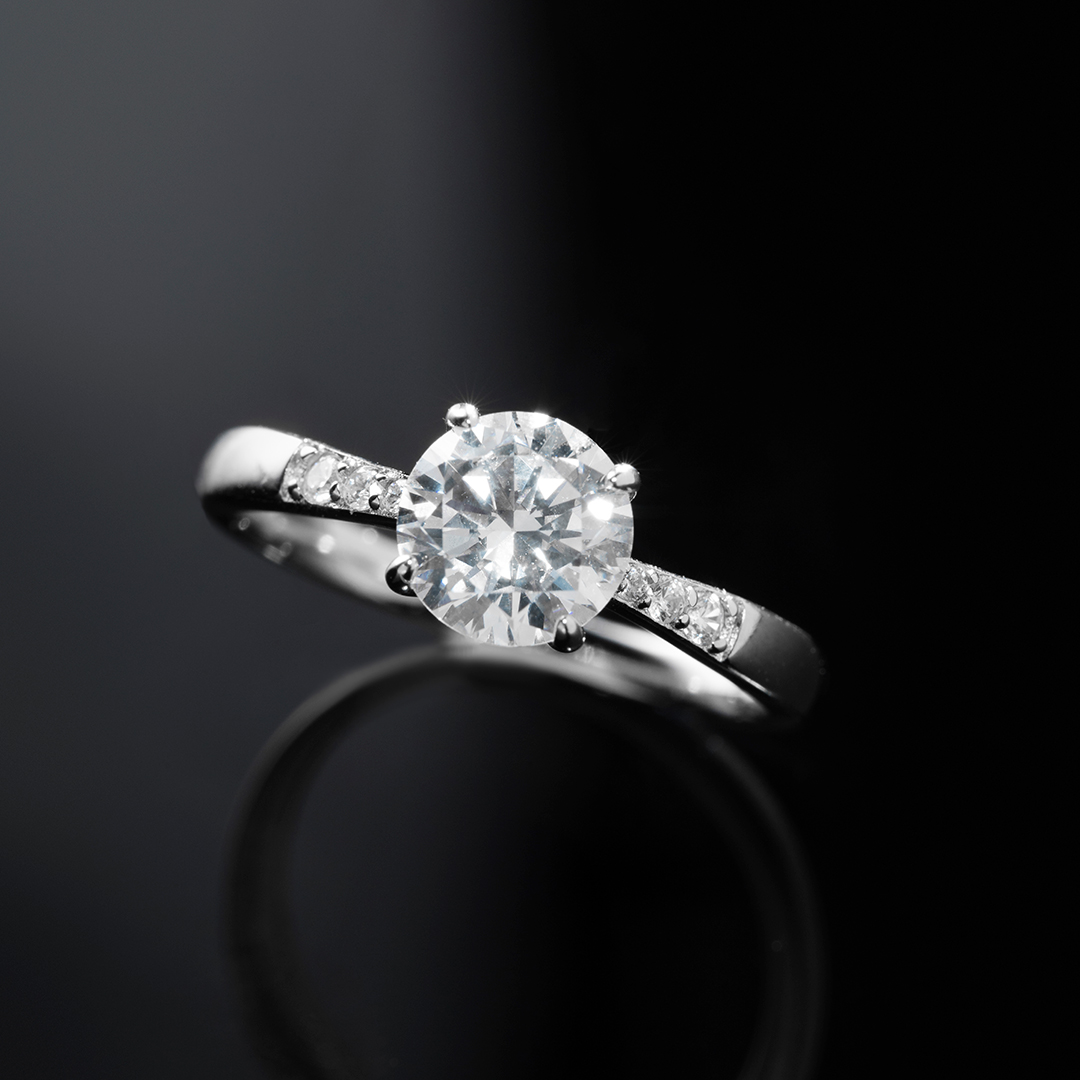
The Round Brilliant cut is a marvel of optical physics. It features 58 facets (including the culet) cut to precise angles and proportions. This geometry is designed to direct light through the crown, reflect it off the pavilion, and return it directly to your eye.
Because of this engineering, the round cut creates the highest amount of “fire” (flashes of colored light) and “scintillation” (flashes of white light). It is the benchmark for sparkle. When you hold a well-cut round diamond under a light, it doesn’t just shine; it explodes with brightness.
The Pros of Choosing Round
- Timelessness: A round diamond never goes out of style. It is traditional, classic, and safe. If you are worried about your ring looking dated in 20 years, a round is the surest bet.
- Versatility: This shape fits virtually any setting. Whether you want a delicate solitaire, a vintage halo, or a modern bezel, the round diamond adapts beautifully.
- Hiding Flaws: The intense sparkle of a round diamond is excellent at masking inclusions (internal flaws) and color tints. This means you can potentially drop the clarity or color grades slightly (to VS2 or SI1 and H or I color) and still get a stone that looks flawless to the naked eye, saving you money.
- Maximum Sparkle: If your priority is pure light performance, nothing beats a well-cut round diamond.
The Cons to Consider
- Price: Because of its popularity and the amount of rough diamond rough that is wasted when cutting a round (it requires cutting away a significant portion of the raw stone), round diamonds command the highest price per carat.
- Familiarity: While classic can be a pro, it can also be a con if you are looking for something unique. Round diamonds are ubiquitous; they are the “standard” look.
The Oval Diamond: The Modern Elongator
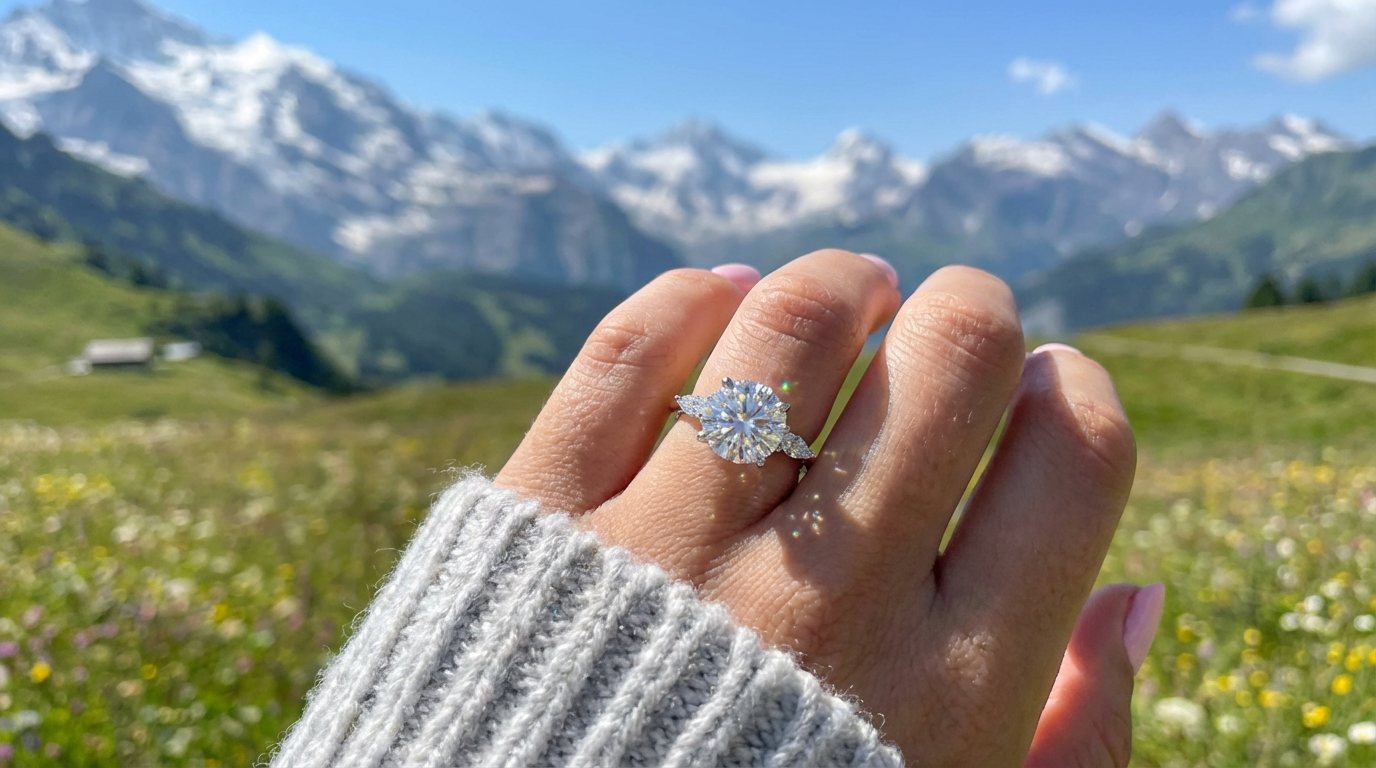
The oval diamond has surged in popularity over the last decade, offering a fresh take on the classic round. It shares the same faceting pattern as the round brilliant but is stretched into an elongated circle.
The Visual Appeal
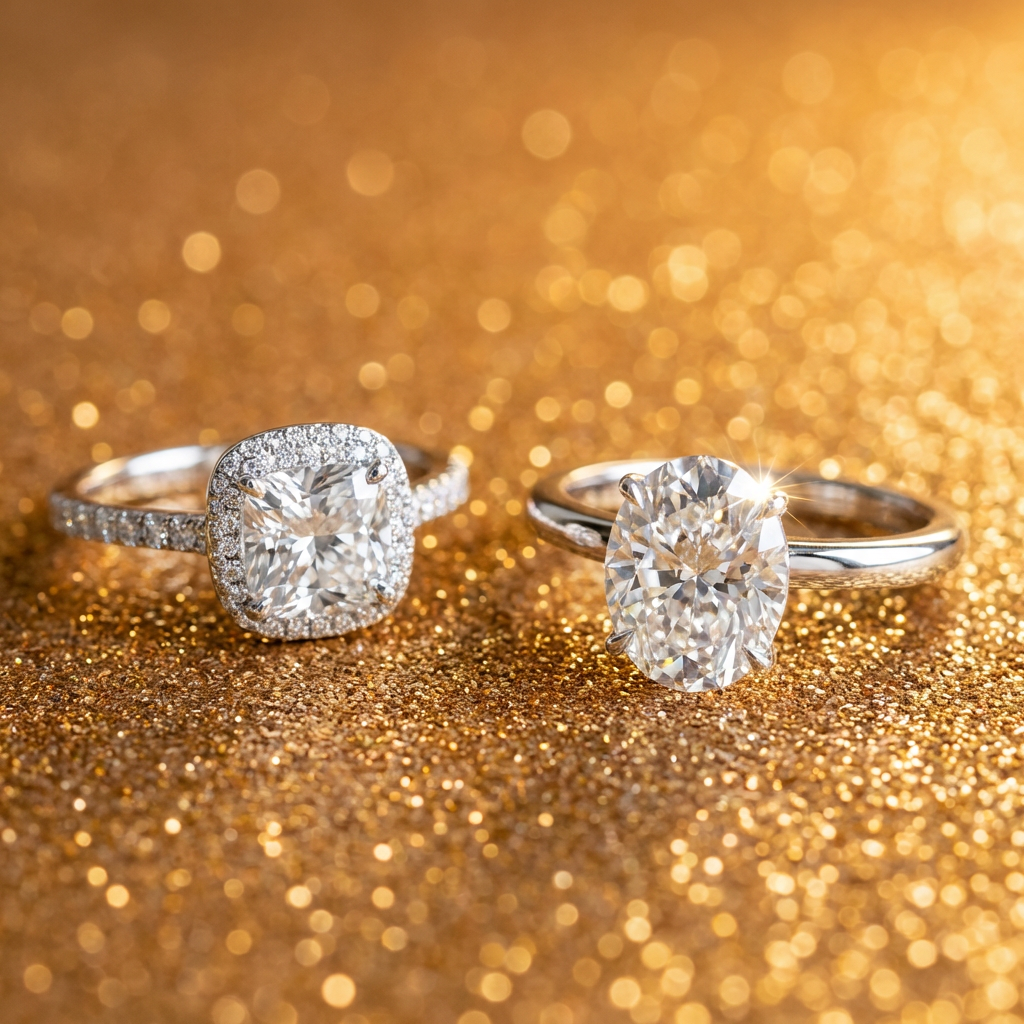
The oval cut retains the brilliance and fire of the round diamond but adds a unique dimension: length. This shape creates an optical illusion that makes the stone appear larger than a round diamond of the same carat weight.
Furthermore, the oval shape is known for its “bowtie effect.” This is a dark area that runs across the center of the stone, caused by the way light is blocked in the elongated facets. While every oval has a bowtie to some degree, a well-cut oval will have a faint bowtie that adds depth rather than a dark, lifeless patch.
The Pros of Choosing Oval
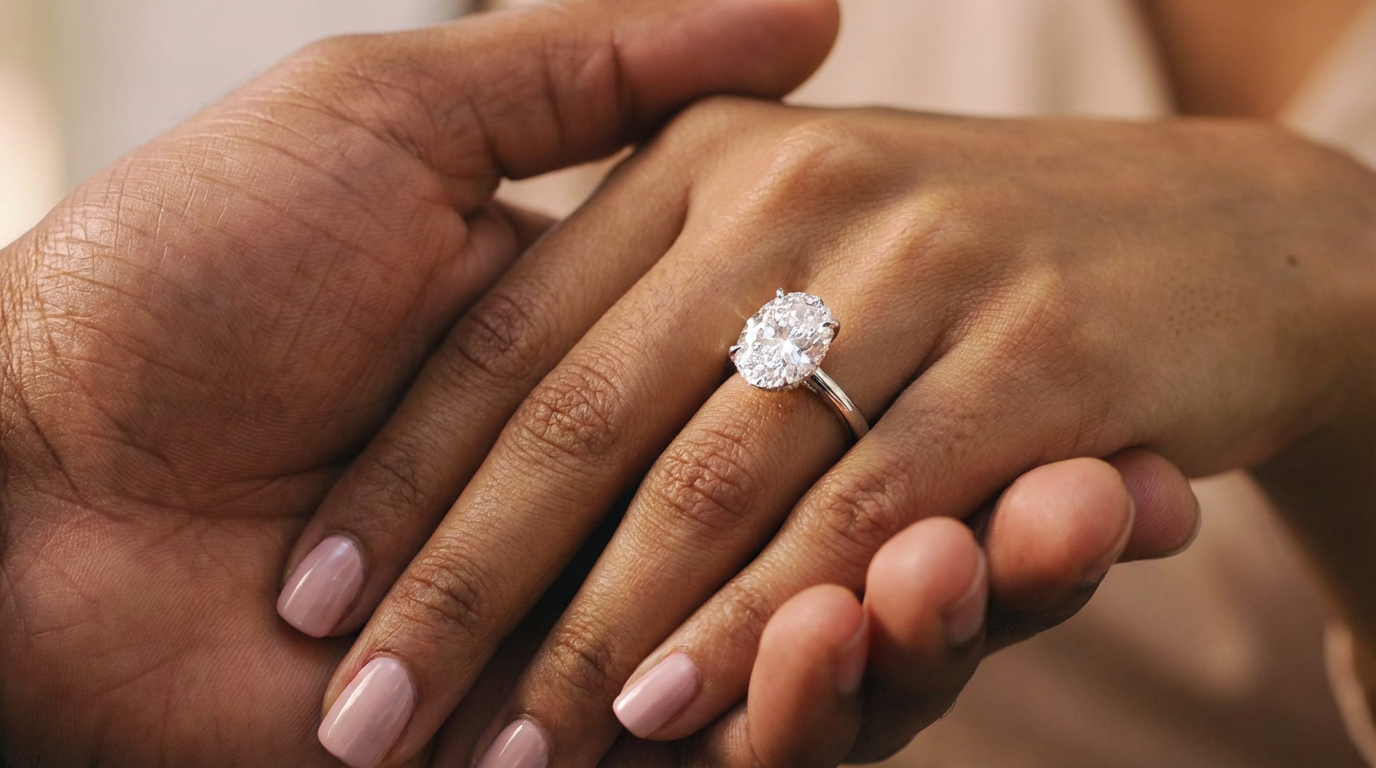
- The Size Illusion: This is the oval’s biggest selling point. Because the surface area is spread out, a 1-carat oval diamond can look like a 1.25-carat round diamond when viewed from the top. You get more visual bang for your buck.
- Flattering to the Finger: The elongated shape draws the eye up and down the length of the finger, making it appear longer and more slender. It is an incredibly flattering shape for almost every hand type.
- Unique Yet Familiar: If you want something that stands out from the crowd but isn’t as risky as a pear or marquise, the oval is the perfect middle ground. It feels modern and fashion-forward.
- Durability: Unlike pointed shapes like marquise or pear, an oval has no sharp corners. This makes it more durable and less prone to chipping, which is ideal for daily wear.
The Cons to Consider
- The Bowtie: As mentioned, the bowtie can be an issue. In some ovals, the center can appear dark or dull if the cut is poor. You must inspect the stone in person (or via high-res video) to ensure the bowtie isn’t overpowering the sparkle.
- Color Concentration: Because oval diamonds are deeper than rounds, color can sometimes be more visible at the edges or the tips. You may need to stick to a slightly higher color grade (G or higher) to ensure the stone looks icy white.
- Symmetry: Finding a perfectly symmetrical oval can be tricky. Slight unevenness in the curves or a misaligned axis can be noticeable to a keen eye.
Head-to-Head: How to Decide
Now that you know the basics, how do you actually choose? Let’s break it down by the factors that matter most to you.
1. Budget
If you are working with a strict budget but want the largest stone possible, the oval wins. You can afford a higher carat weight with an oval than you can with a round diamond. However, if you have a flexible budget and prioritize the absolute highest quality of light performance regardless of size, the round is the winner.
2. Style and Personality
Your jewelry is an extension of your personality.
- Choose Round if: You are a traditionalist. You appreciate the classics, you want a ring that will never look dated, and you value symmetry and perfection. You prefer a “safe” choice that guarantees sparkle.
- Choose Oval if: You are a modernist with an edge. You want something that feels fresh and fashion-forward but still elegant. You appreciate the art of illusion and want a stone that looks larger than it is.
3. Hand and Finger Shape
While personal preference rules all, certain shapes flatter different hands.
- Round: Because of its symmetry, the round diamond is a “safe” flatterer. It doesn’t elongate, but it provides a balanced, centered look that suits shorter fingers or wider hands by providing a focal point.
- Oval: The oval is the great elongator. If you have shorter fingers, an oval can make them appear longer and more elegant. If you have long fingers, an oval adds width and balance. However, if you have very wide fingers, a narrow oval might look too thin; in this case, a round might offer better proportion.
4. Setting Style
The setting you have in mind plays a huge role.
- Round: Works with everything. It is the chameleon of diamond shapes. It looks stunning in a classic six-prong Tiffany setting, a channel set eternity band, or an intricate vintage art deco setting.
- Oval: Pairs exceptionally well with halo settings (which can make the stone look even larger) and east-west settings (where the stone is set horizontally across the finger). However, because of its elongation, it can look awkward in very narrow settings or on very thin bands, where it might overhang the edges.
5. The “Bowtie” Factor
This is the biggest variable with ovals. When you look at a round diamond, you generally know what you’re getting: consistent brilliance. When you look at an oval, you have to evaluate the bowtie.
If you are a perfectionist who wants consistency in light return without having to scrutinize every angle, the round is less stressful. If you enjoy the process of selecting a stone and finding one with a “lively” center, the oval offers a rewarding challenge.
A Final Tip Before You Buy
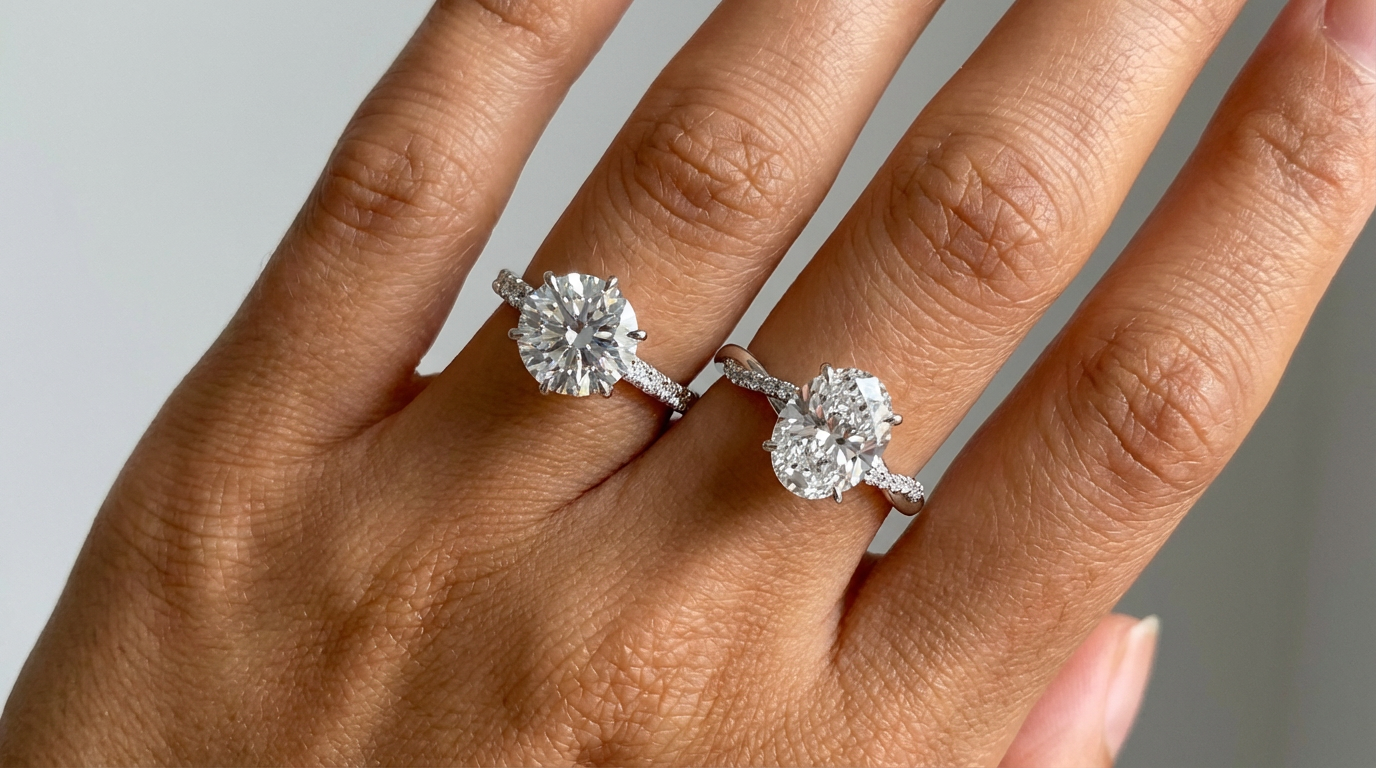
Don’t rely solely on specs on paper. I highly recommend viewing both shapes in person or through high-definition 360-degree videos. See how the light dances in the round, and see how the length of the oval speaks to your personal aesthetic. Whether it’s a round or an oval engagement rings, it represents a circle of love that has no end.