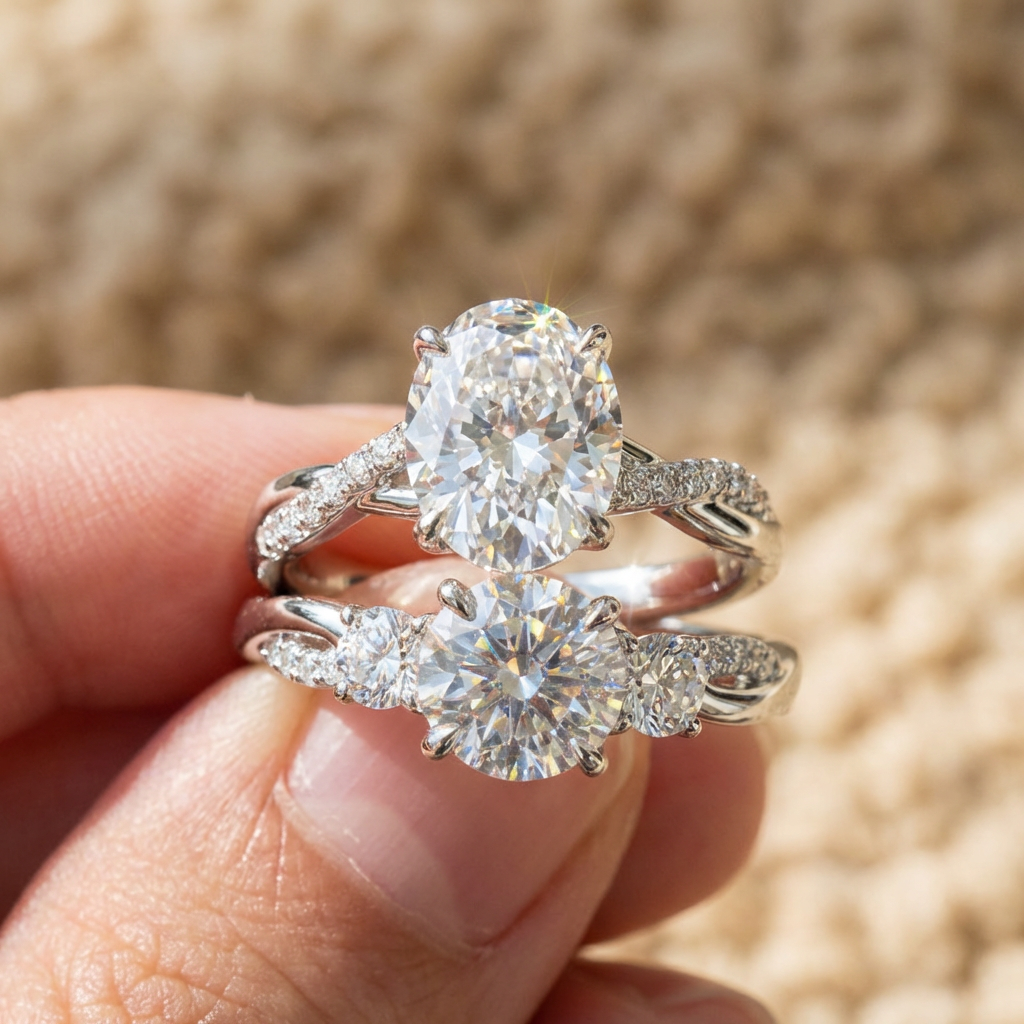
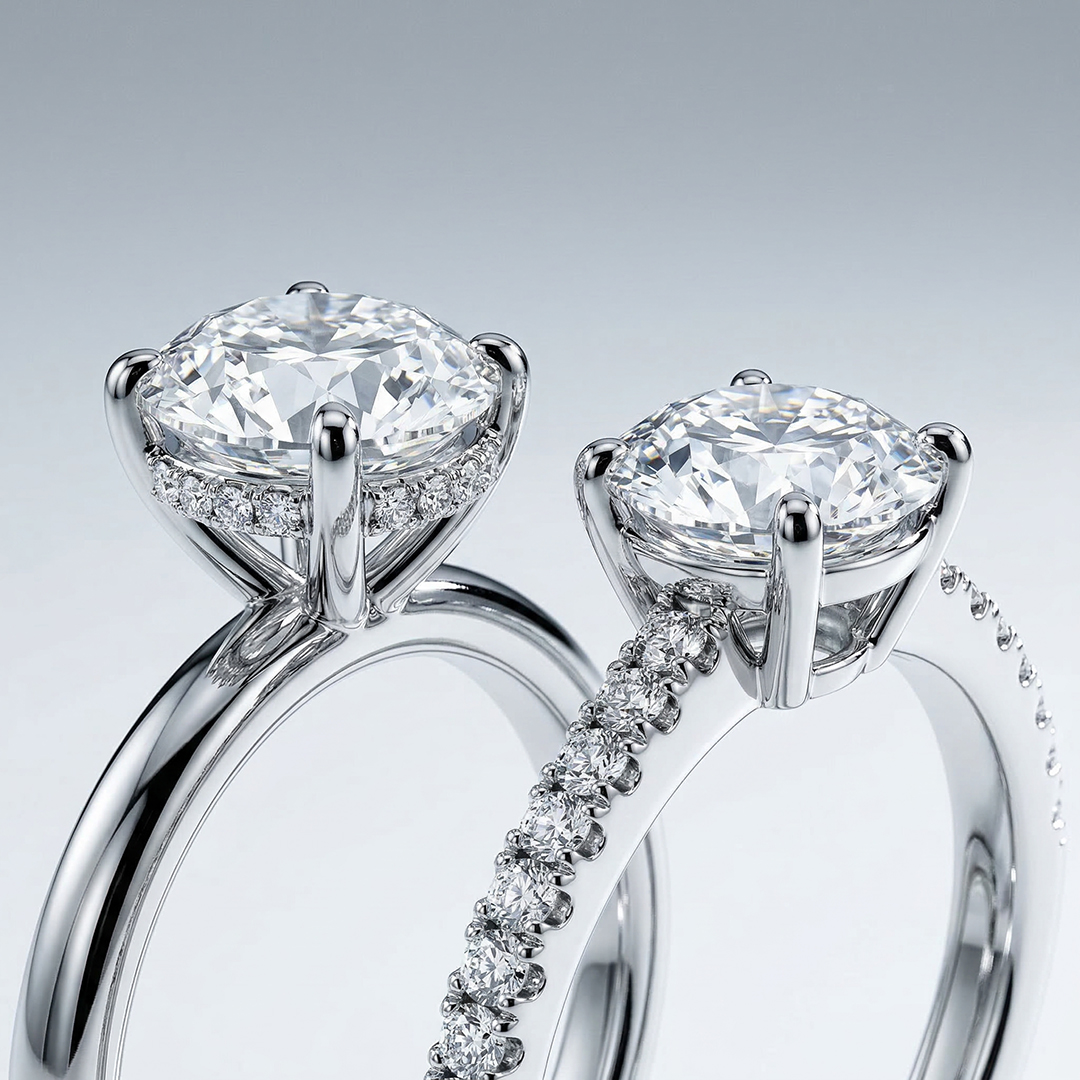
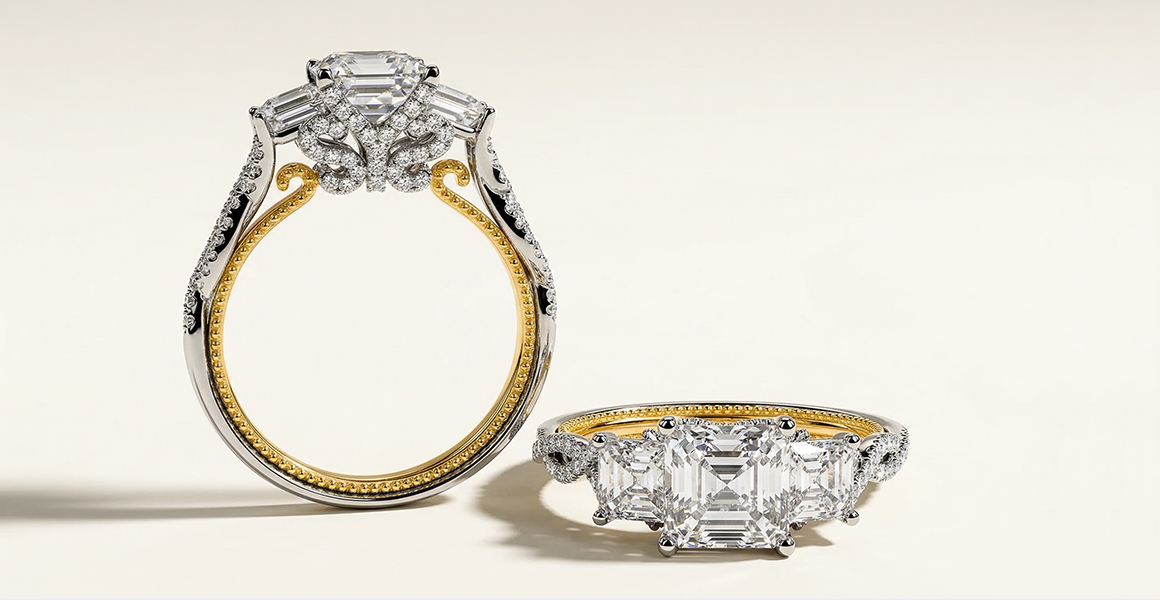
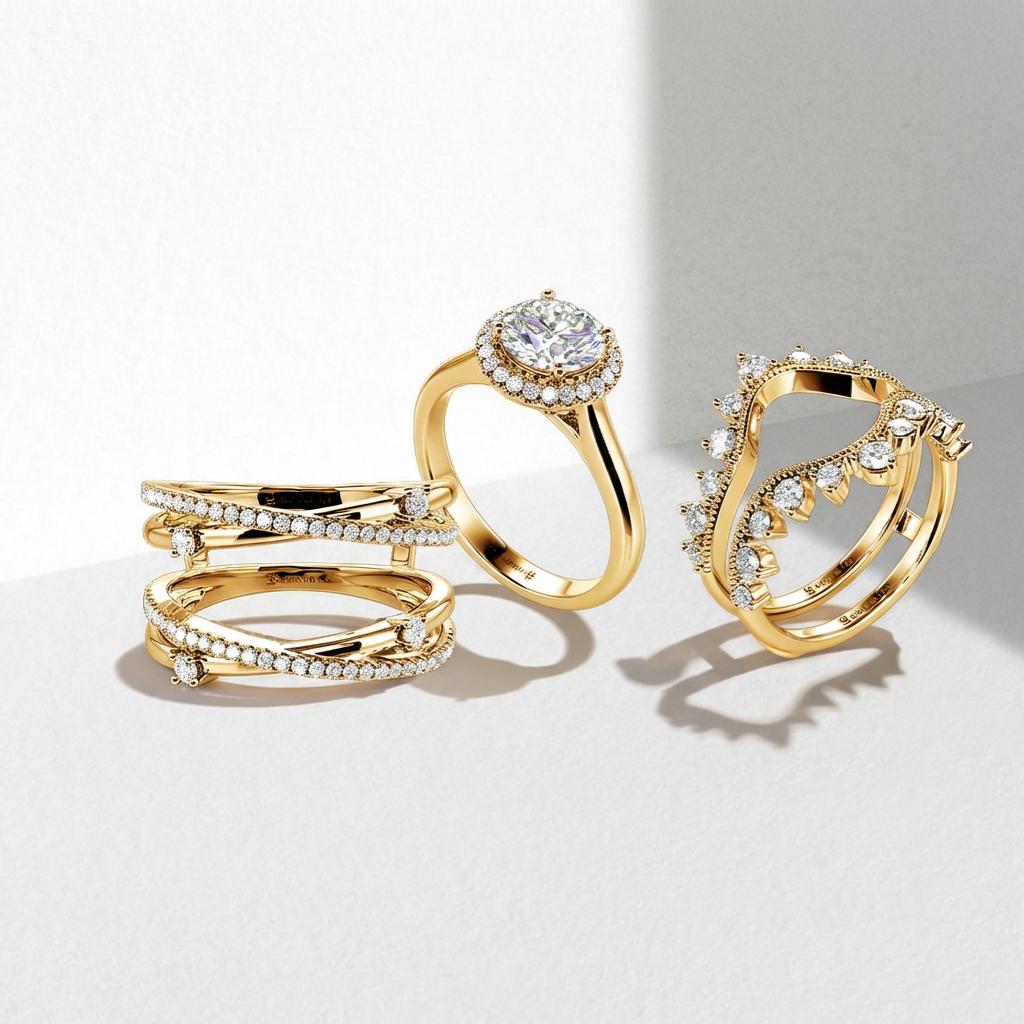
Long before diamonds and gold became standard, couples around the world found ways to mark their promises with simple bands, each circle carrying a story of love, hope, and commitment. Wedding ring traditions have grown from these small gestures, shaped by centuries of culture, faith, and human imagination, yet their meaning remains as personal and enduring as ever.
Ancient Beginnings: Symbols of Eternity
In ancient Egypt, the first known wedding rings were simple, unadorned bands crafted from reeds or leather. These circles held deep symbolic meaning: with no beginning and no end, they represented eternity—a concept mirrored in the bonds of marriage. Over time, Egyptians began exchanging rings as part of formal betrothal rituals, planting the seeds for the customs that would spread across the globe.
As history marched into the Roman Empire, wedding ring traditions took on a more legal and social dimension. Roman men often presented iron rings to their brides, symbolizing strength and permanence. It was not just a token of love, but also a binding agreement recognized by society. This blend of emotional and legal significance laid the groundwork for centuries of marital symbolism.
The Medieval Transformation: Gold, Gems, and Romance
By the Middle Ages, wedding rings had shifted from practical iron bands to luxurious gold, valued for its beauty and durability. During this era, rings became intricately designed, sometimes featuring engraved patterns, inscriptions, or gemstones. Diamonds, introduced in Europe in the 15th century, added a new layer of meaning—they were considered unbreakable, much like the vows couples exchanged.
This period also saw the intertwining of romance and social status in wedding ring traditions. Rings became a public declaration of commitment and family alliance, with their design and material signaling wealth, taste, and devotion. The medieval transformation of wedding rings elevated them from simple tokens to symbolic masterpieces, weaving artistry into ritual.
Religious Influence: Rings as Sacred Symbols
Religious traditions have played a crucial role in shaping wedding ring customs. In Christian ceremonies, the wedding ring symbolizes Christ-like devotion, an unbroken circle representing eternal love. Jewish couples historically place the ring on the right index finger, reflecting scriptural interpretations of marital fidelity. Across cultures, these sacred customs elevated wedding rings from ornamental objects to spiritual artifacts, blending divine symbolism with personal commitment.
Industrial Age and Mass Production: Accessibility Meets Personalization
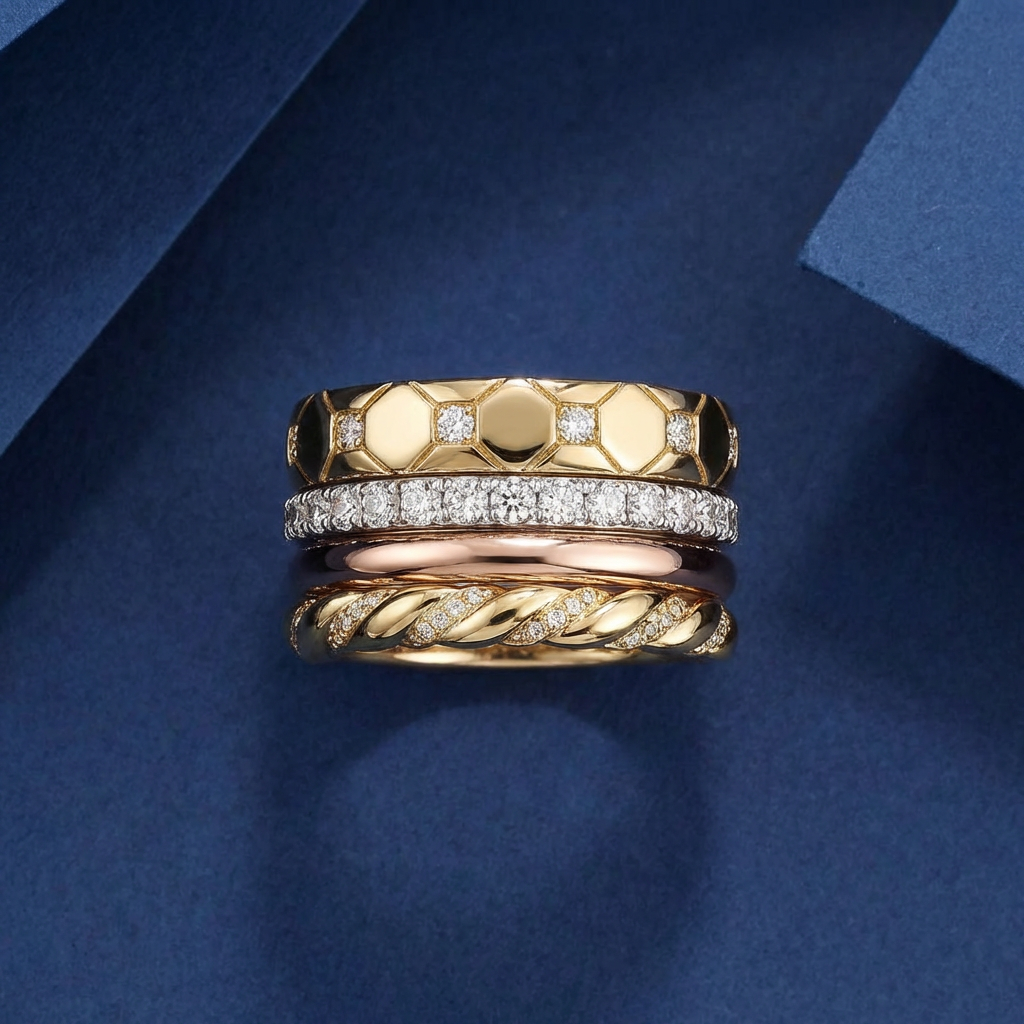
The Industrial Revolution marked a turning point in wedding ring traditions. Advancements in metallurgy and mass production made rings more accessible to the general public. Platinum and white gold entered the scene, offering new possibilities for durability and design. Couples could now personalize rings through engravings, unique cuts, or mixed-metal designs, reflecting both individuality and shared values.
This era underscored a critical evolution: wedding rings were no longer just symbols of wealth or societal status—they became deeply personal tokens, celebrating the unique narrative of each couple.
Modern-Day Trends: Sustainability and Individual Expression
In the 21st century, wedding ring traditions continue to evolve, shaped by modern values and aesthetic preferences. Minimalist bands, ethically sourced gemstones, and custom designs allow couples to express personality while honoring heritage. Non-traditional materials like wood, titanium, and recycled metals are increasingly popular, reflecting contemporary concerns for sustainability and social responsibility.
Despite these innovations, the essence of wedding ring traditions remains constant: a circle that signifies love, commitment, and shared life. Modern couples may adapt style and material, but the symbolism rooted in centuries of cultural evolution endures.
The Timeless Appeal of Wedding Ring Traditions
Looking back across the centuries, it is clear that wedding ring traditions are much more than decorative accessories. They are reflections of history, culture, emotion, and devotion. From the reeds of ancient Egypt to ethically sourced diamonds today, every ring tells a story—a narrative of human connection, resilience, and the enduring desire to celebrate love.
As couples place rings on each other’s fingers today, they participate in a centuries-old ritual, linking the past with the present. Wedding ring traditions, ever-evolving yet timeless, remind us that love, like the circle itself, is infinite.