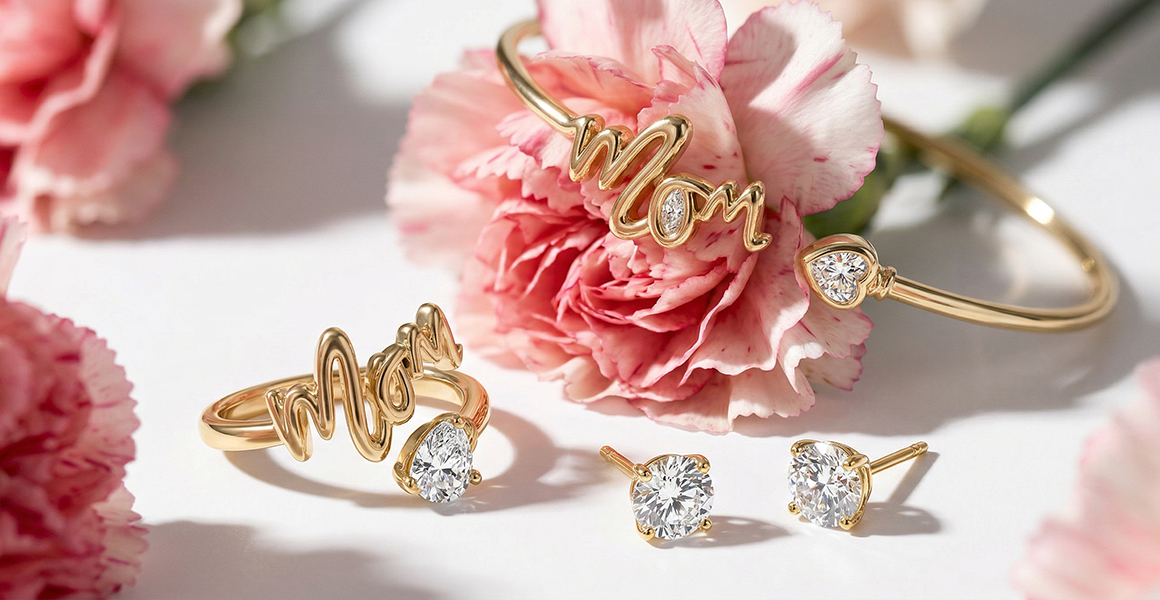
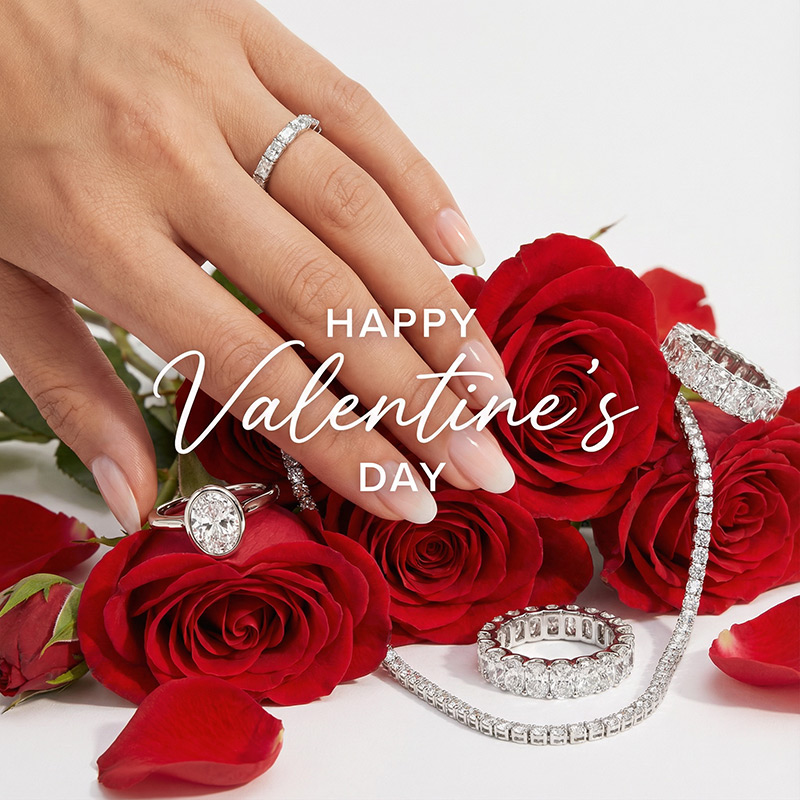
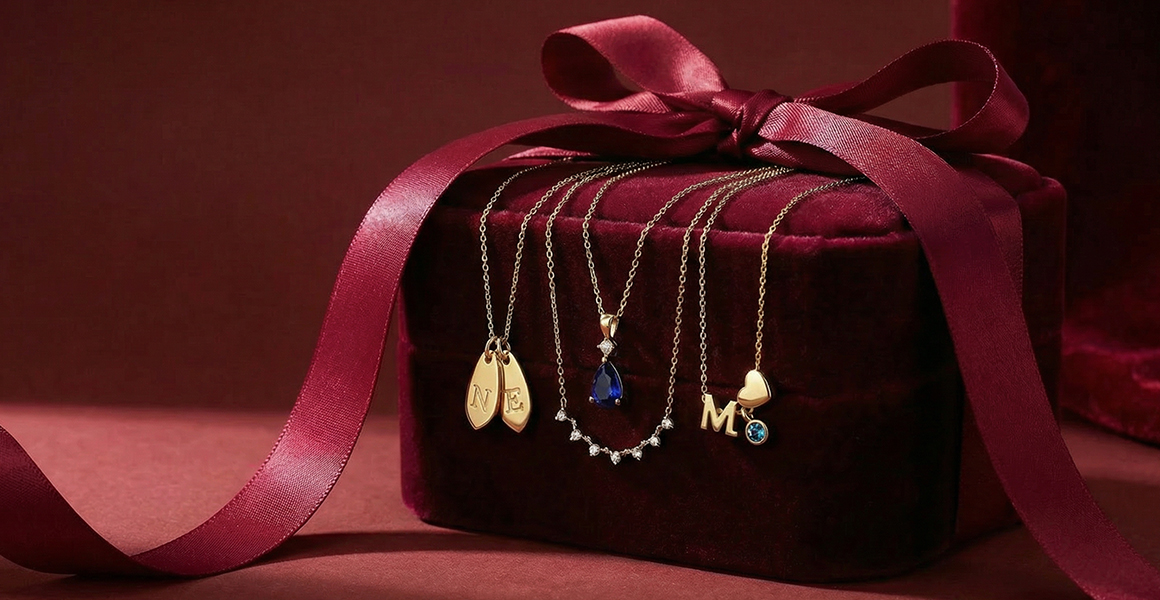
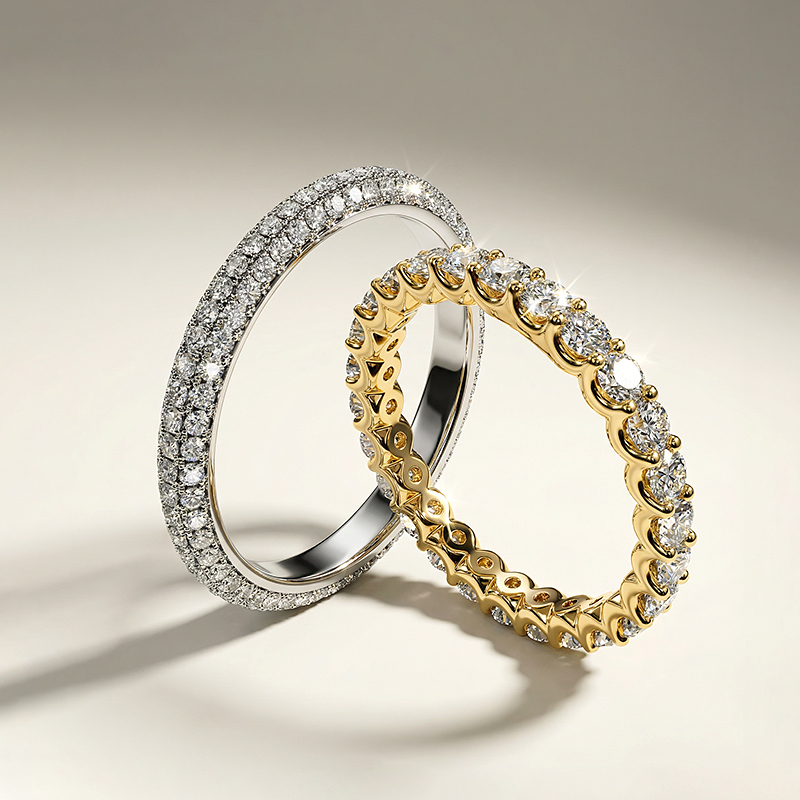
Birthstones are gemstones traditionally linked to specific months of the year. The modern birthstone list assigns one or more gemstones to each month, creating a system often referred to as birthstones by month. These stones are widely recognized in jewelry traditions and are commonly used in rings, necklaces, bracelets, and other personal accessories.
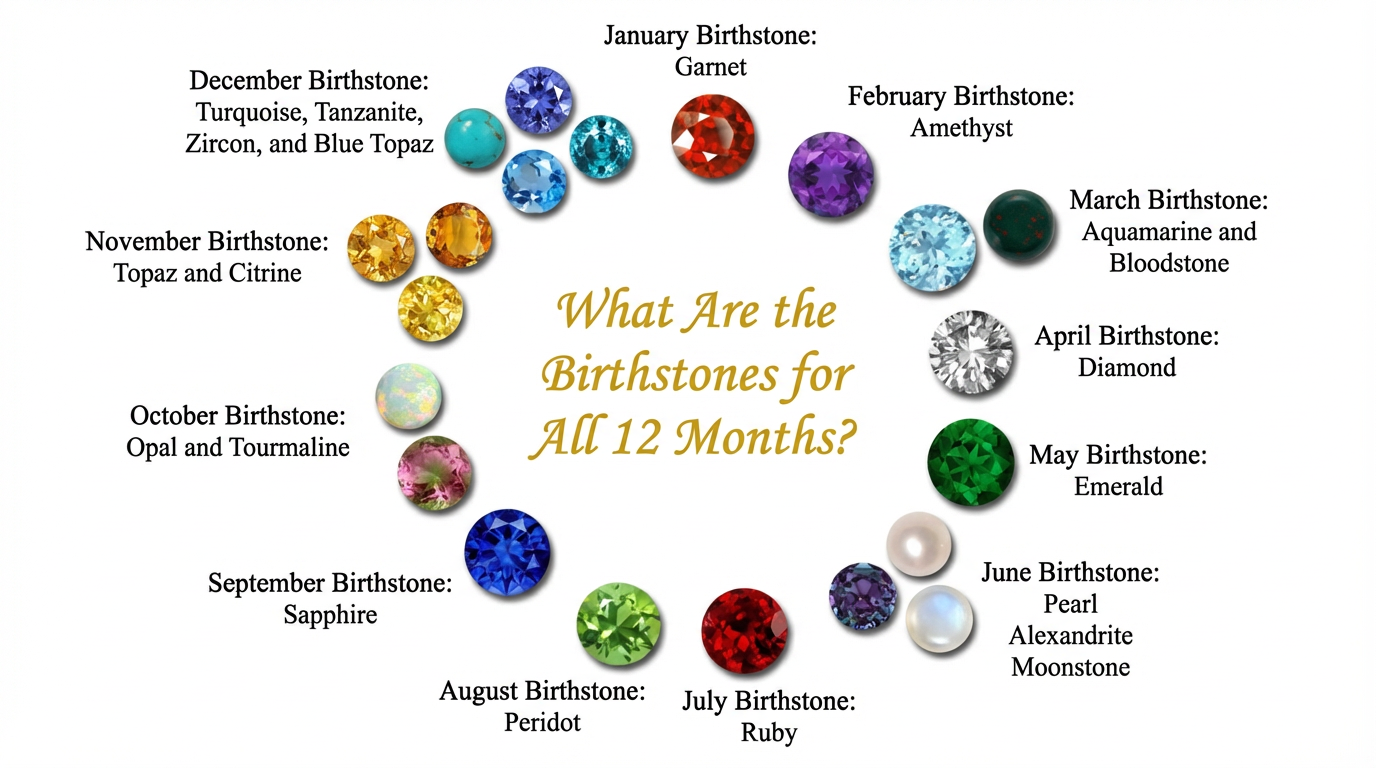
12-Month Birthstone List
1. January Birthstone: Garnet
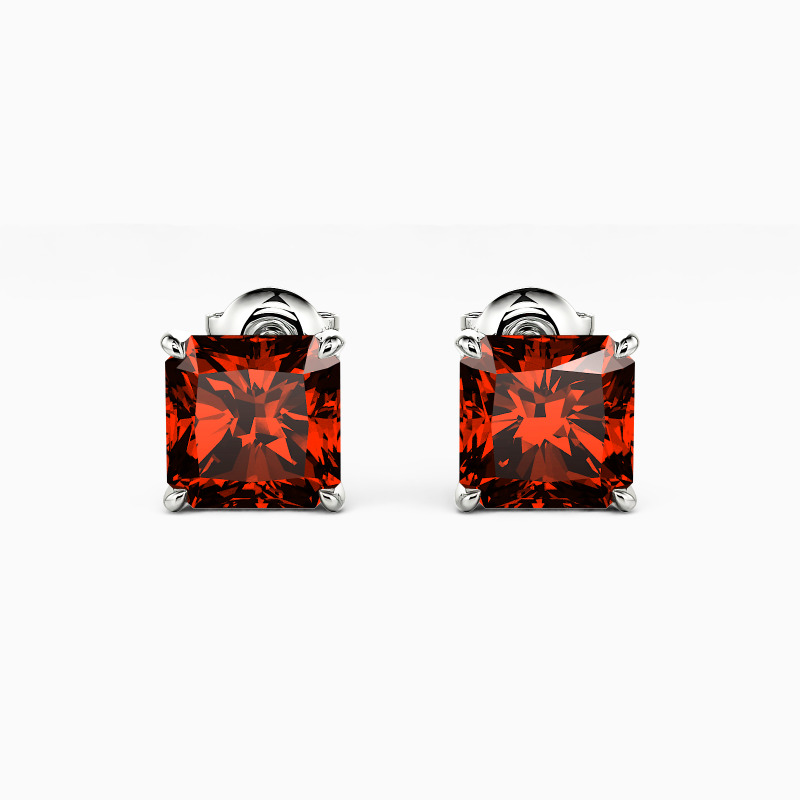
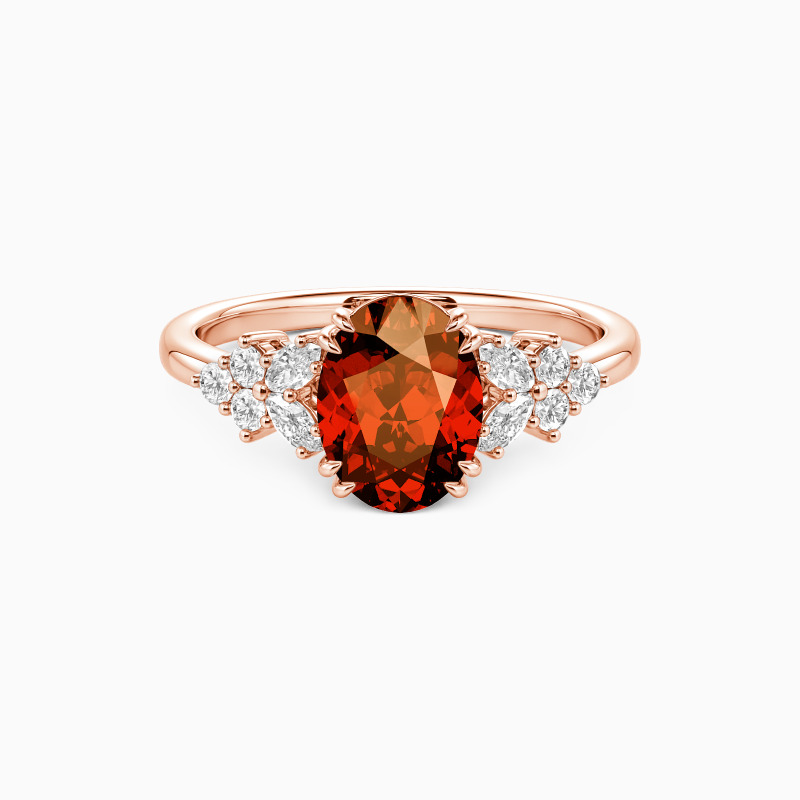
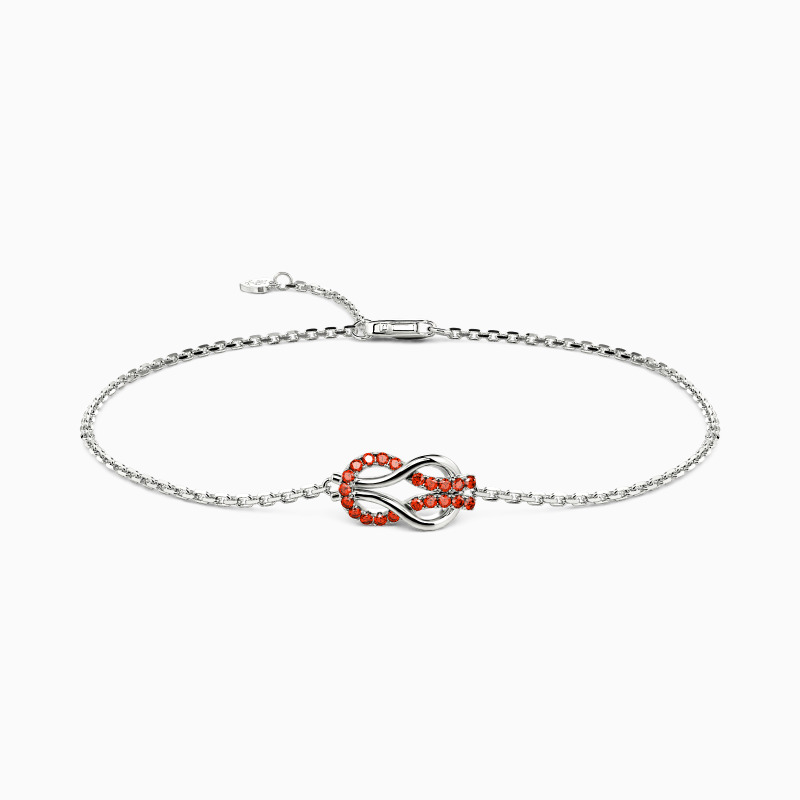
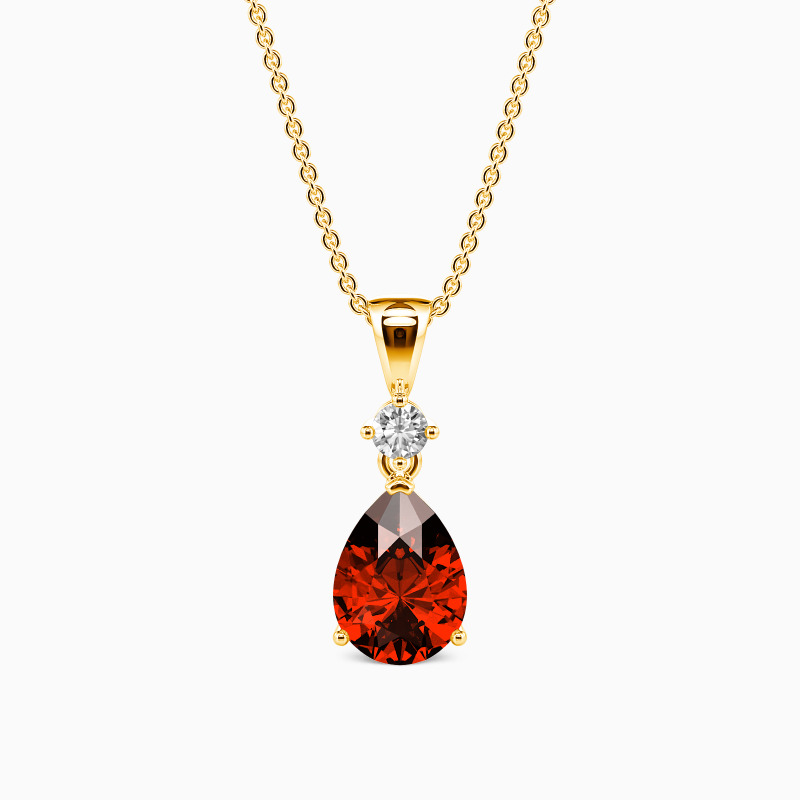
Garnet is the traditional gemstone for January, recognized primarily for its deep, pomegranate-red color. However, garnets are not limited to red; they can appear in green, orange, and even purple varieties, although these are less common. The name itself derives from the Latin granatum, a reference to pomegranate seeds, highlighting the stone’s rich, jewel-toned appearance.
Historically, garnet has been associated with protection and safe travel. Archaeological evidence shows that garnets were used in ancient Egypt and Rome as talismans, sometimes set into signet rings or carried as small stones to guard travelers. Moreover, its durability made it a practical choice for jewelry long before modern cutting techniques existed.
Garnet also symbolizes loyalty and friendship. In fact, in some traditions, the stone was given to strengthen bonds or signify lasting relationships. Therefore, its vivid color and historical significance make it an attractive and culturally rich gemstone for January-born individuals.
2. February Birthstone: Amethyst
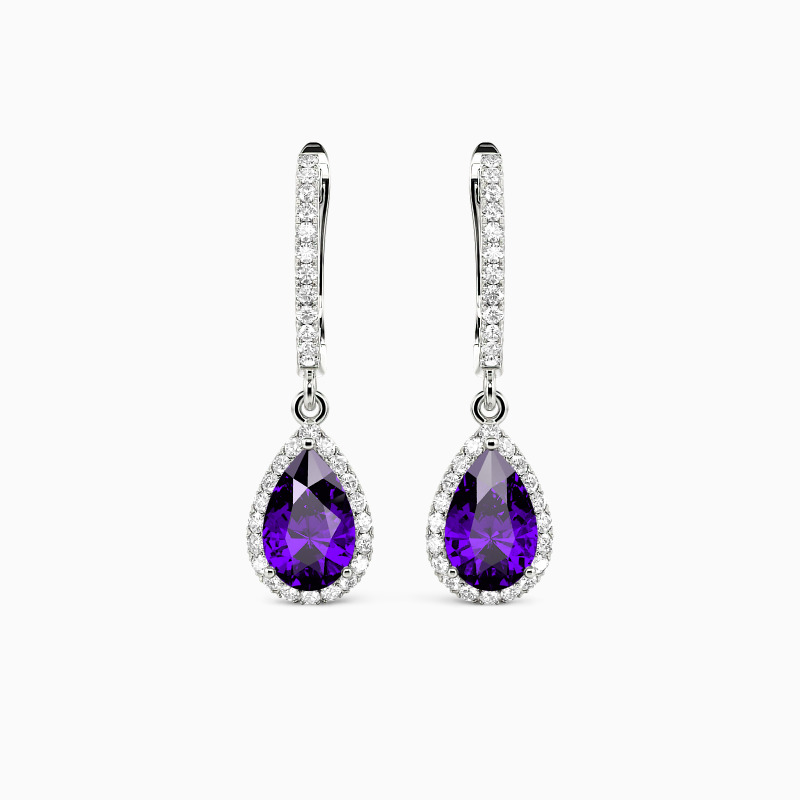
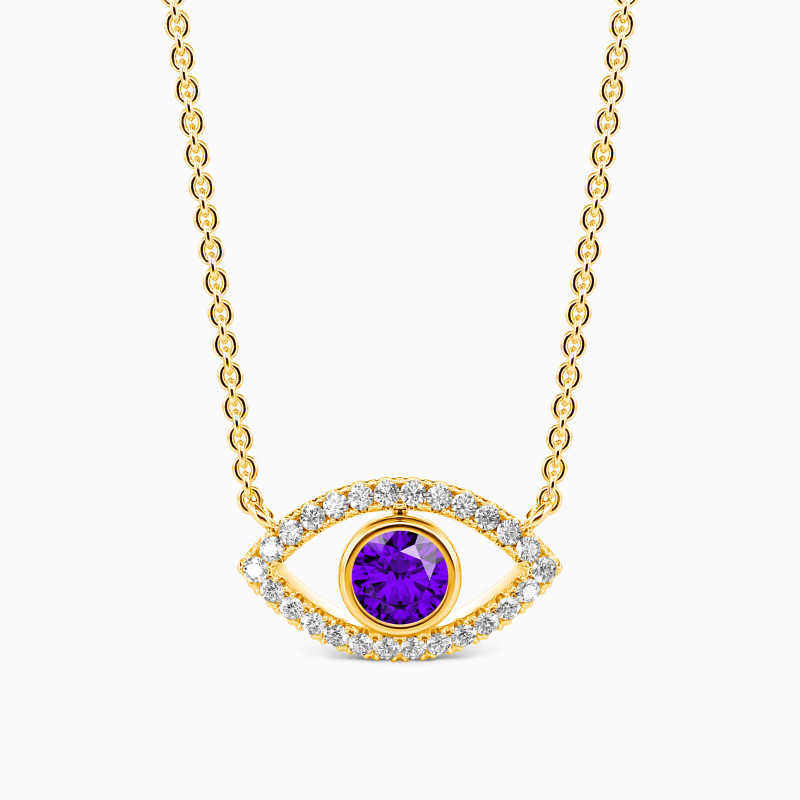
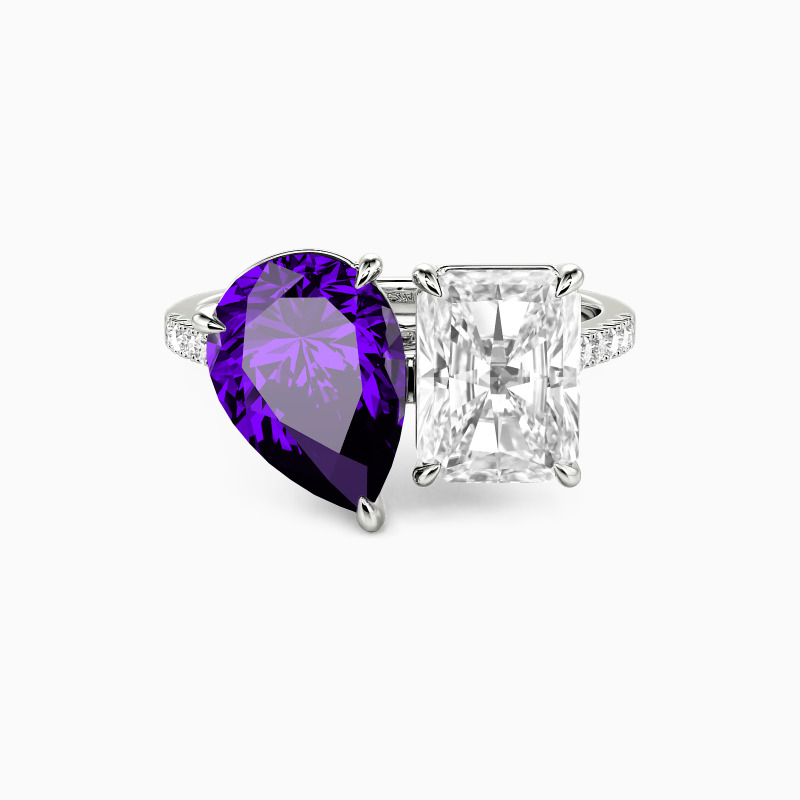
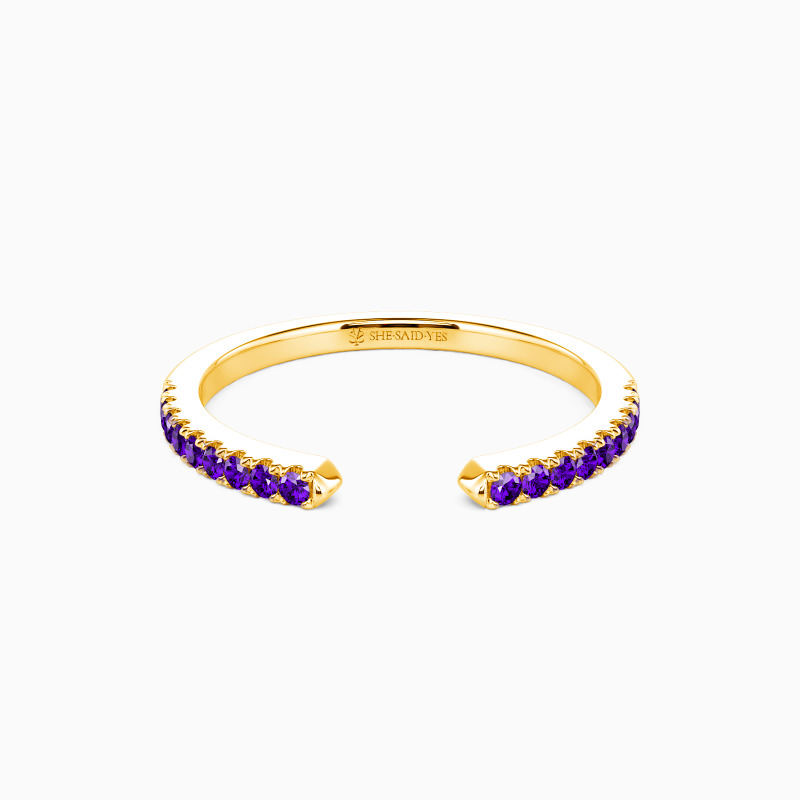
Following January’s garnet, February brings us amethyst, a gemstone celebrated for its range of purple tones, from pale lavender to deep violet. Interestingly, the stone’s name originates from the Greek word amethystos, meaning “not intoxicated,” because ancient Greeks believed it could prevent drunkenness and promote mental clarity. As a result, amethyst has been favored for centuries in decorative and ceremonial jewelry.
During the Middle Ages, amethyst was considered a symbol of royalty and spirituality. Bishops often wore amethyst rings, and the gemstone was incorporated into religious artifacts. Even today, its association with calmness and clarity continues, with many valuing amethyst for its perceived ability to balance emotion and focus the mind.
In contemporary jewelry, amethyst is frequently used in rings, earrings, and pendants. Consequently, its affordability, combined with historical prestige, ensures that it remains a popular choice for February-born individuals.
3. March Birthstone: Aquamarine and Bloodstone
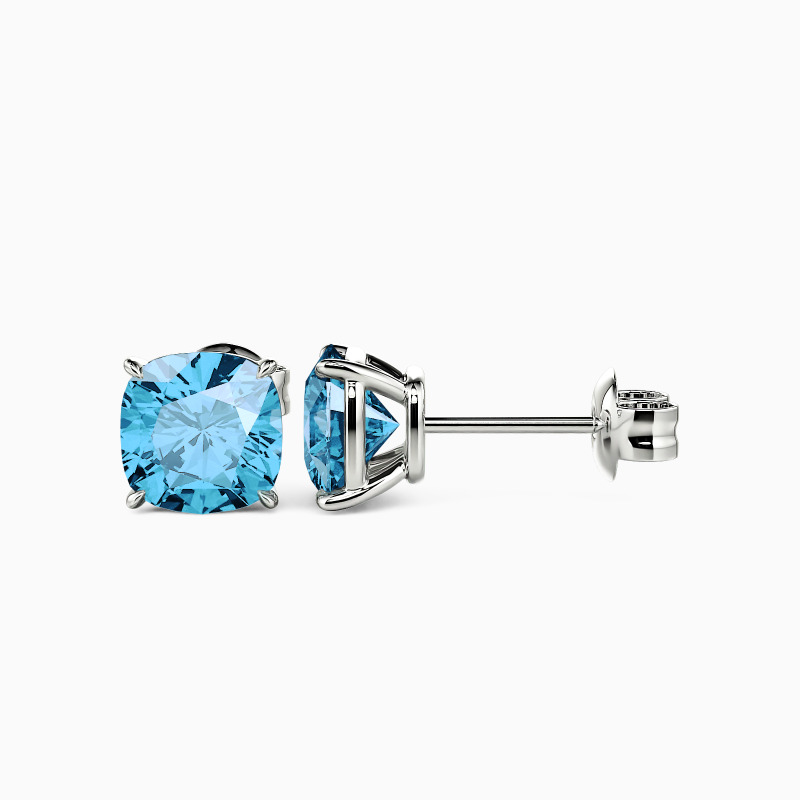
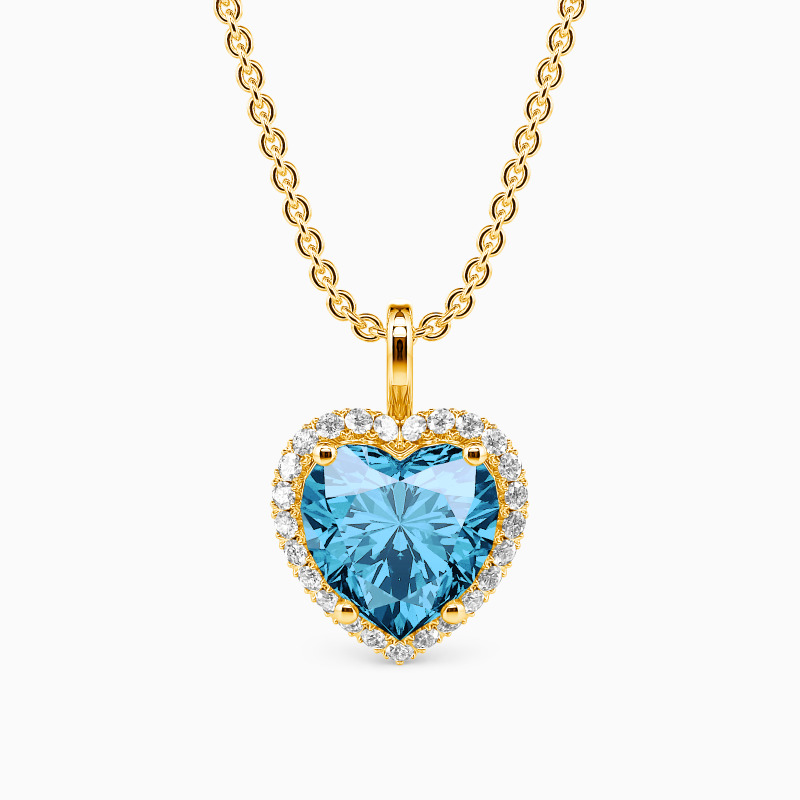
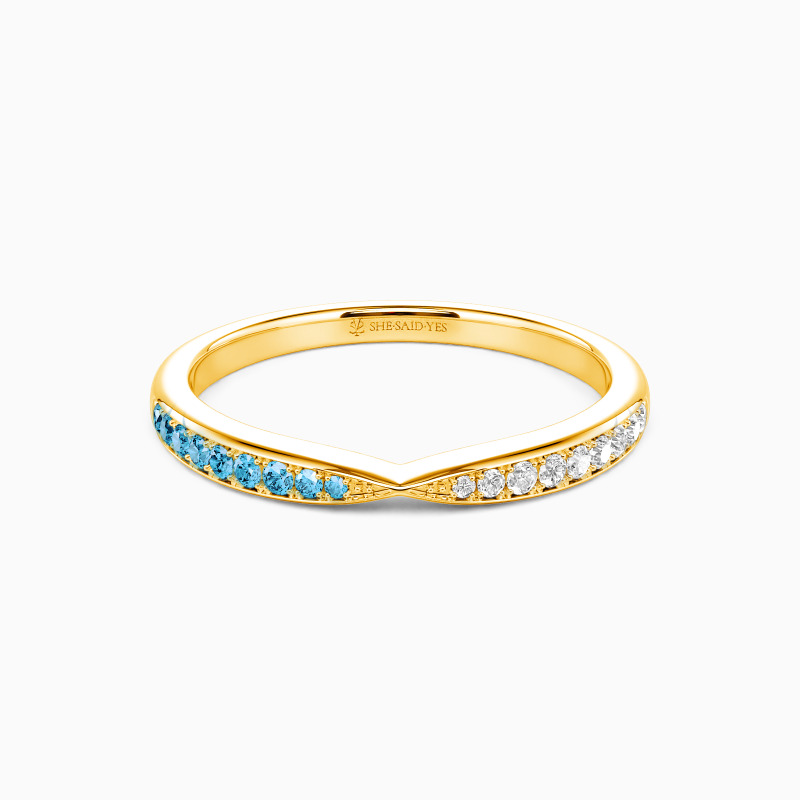
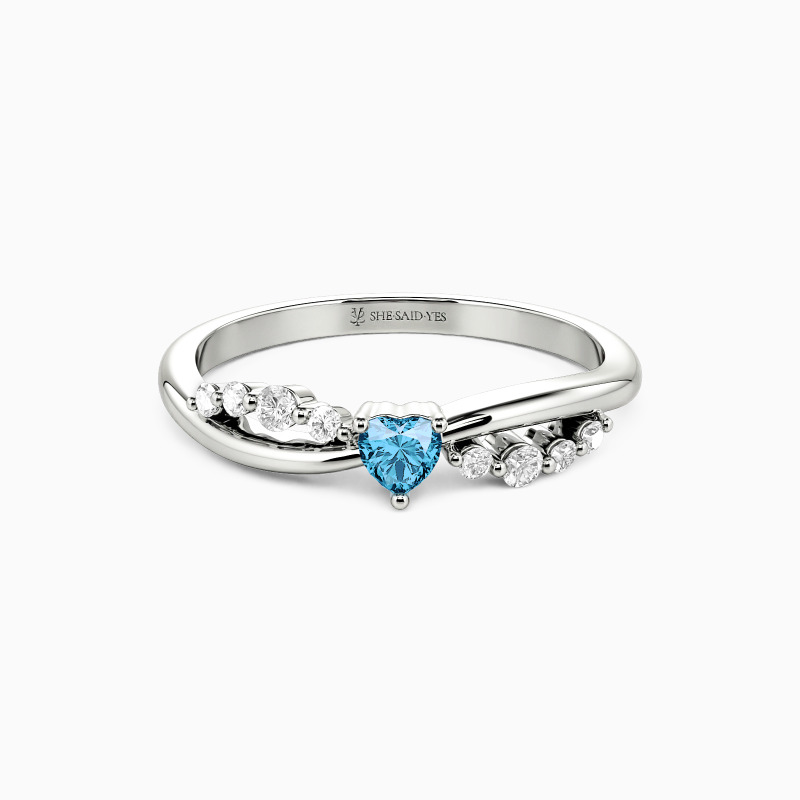
March offers two distinctive birthstones: aquamarine and bloodstone, each with its own story and charm. Aquamarine, whose name comes from the Latin aqua marina meaning “water of the sea,” displays shades from pale sky blue to deeper ocean tones. Its calm, translucent hue has long symbolized clarity, serenity, and courage, and in history, sailors carried it as a protective talisman on treacherous voyages.
Part of the beryl family, alongside emeralds, aquamarine is celebrated not for bold color but for its purity and elegance. Ancient cultures often used it in amulets to inspire courage and clear thinking. Today, aquamarine’s soft blue lends itself beautifully to modern jewelry, from simple solitaire rings to delicate pendants, appealing to anyone who favors refined and understated sophistication.
In contrast, bloodstone makes a strong visual statement with its deep green chalcedony and dramatic red flecks. Historically, it symbolized strength and protection and was carved into amulets, seals, and talismans. Though less common in contemporary jewelry, bloodstone continues to draw collectors and enthusiasts who value its unique, earthy patterns. Rings, pendants, and beads showcase its bold character, offering a striking alternative for those seeking a meaningful and distinctive gemstone.
4. April Birthstone: Diamond
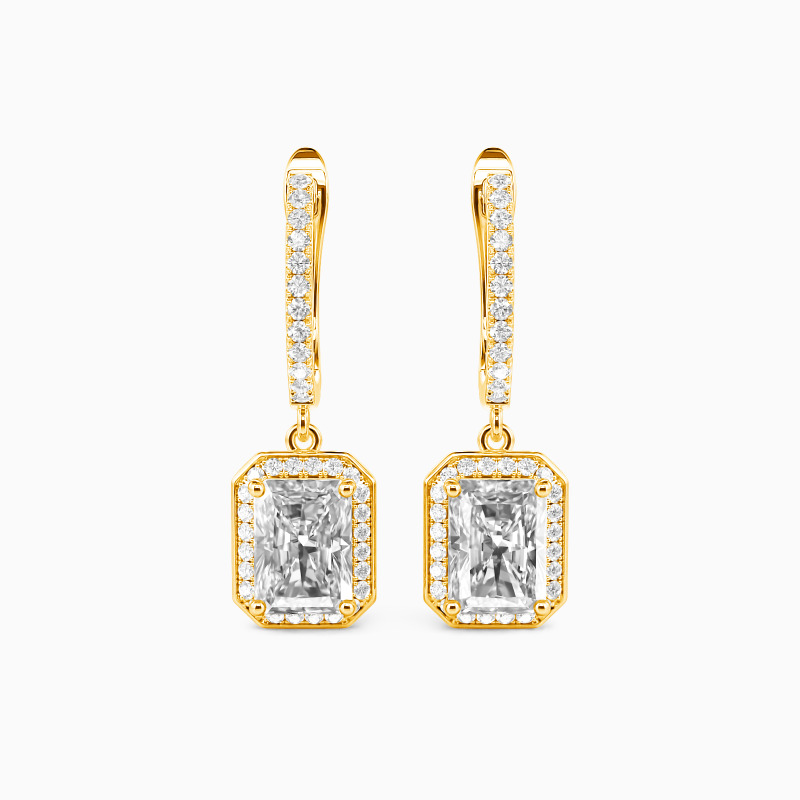
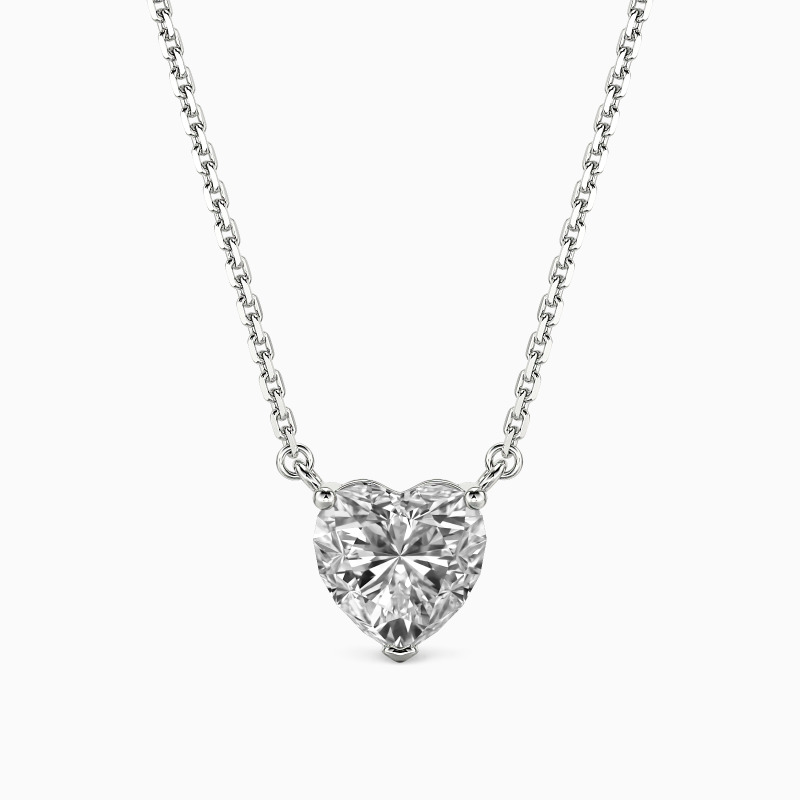
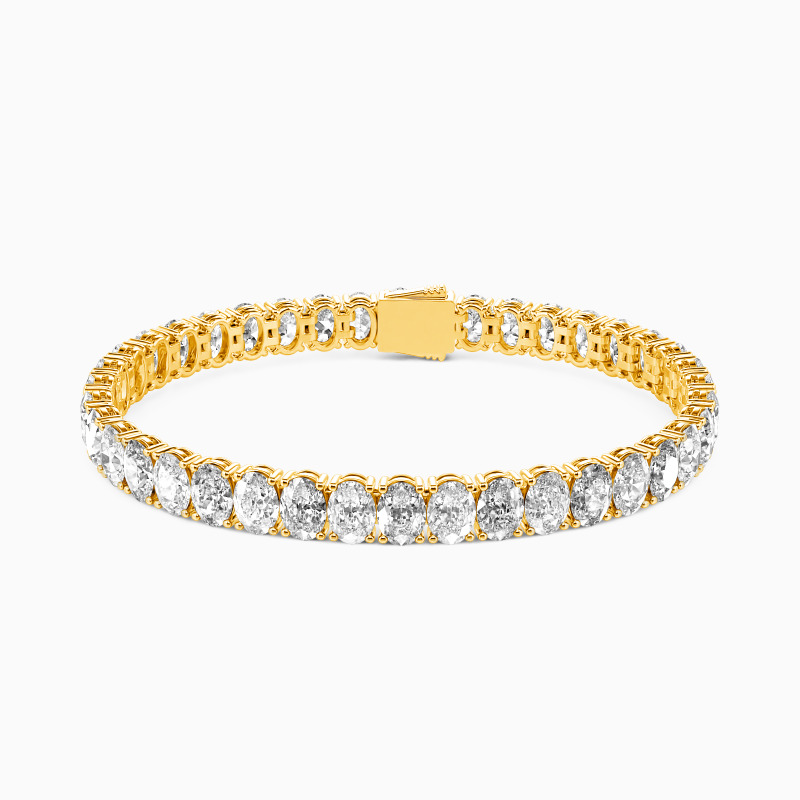
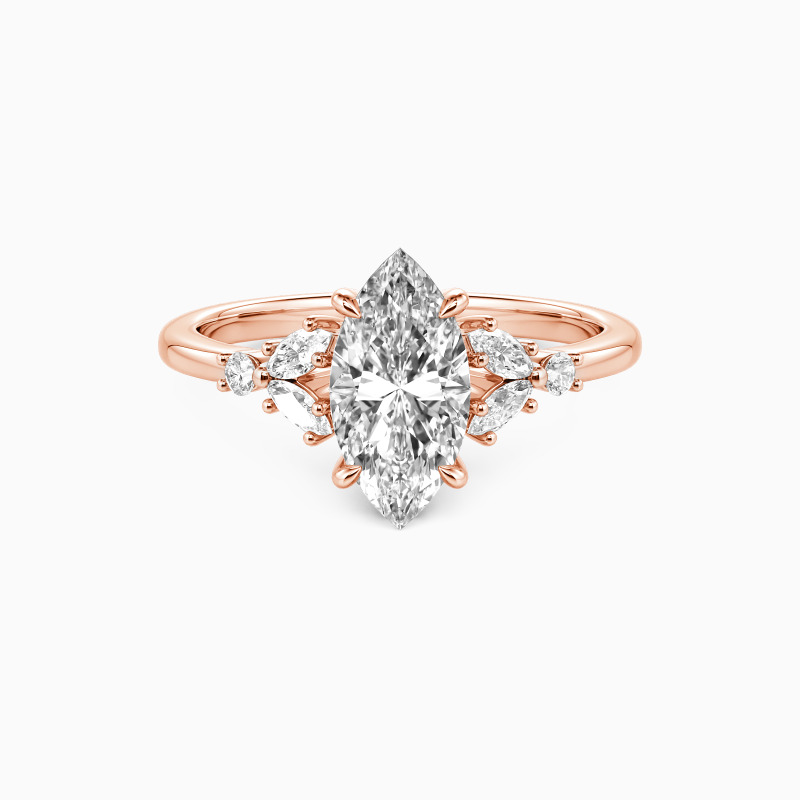
Diamond, April’s birthstone, is renowned for its exceptional hardness and brilliance. Formed deep within the Earth under extreme pressure and temperature, diamonds can appear in colorless form as well as yellow, pink, blue, and black shades. Interestingly, colored diamonds, though rare, have a rich history of royal and ceremonial use.
The durability of diamond has made it a symbol of strength and endurance across cultures. Beyond engagement rings, diamonds historically adorned crowns, ceremonial scepters, and religious artifacts. As a result, the stone’s ability to maintain clarity under pressure contributed to its long-standing association with resilience.
Diamonds continue to dominate fine jewelry due to their brilliance and long-lasting appeal. Indeed, professional gemologists emphasize cut, clarity, and color, noting that even small variations can dramatically affect the gemstone’s optical performance.
5. May Birthstone: Emerald
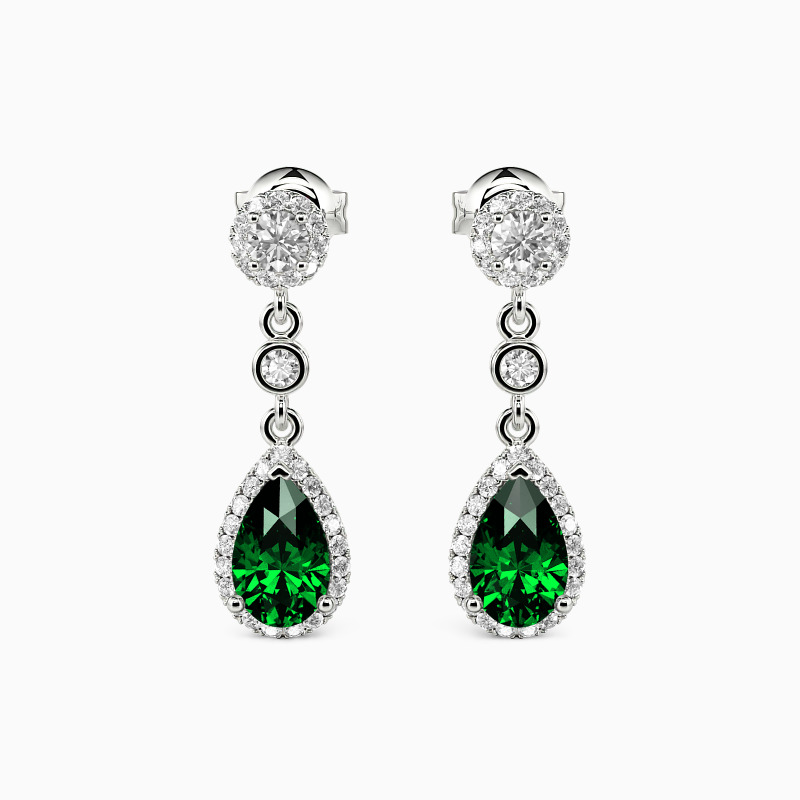
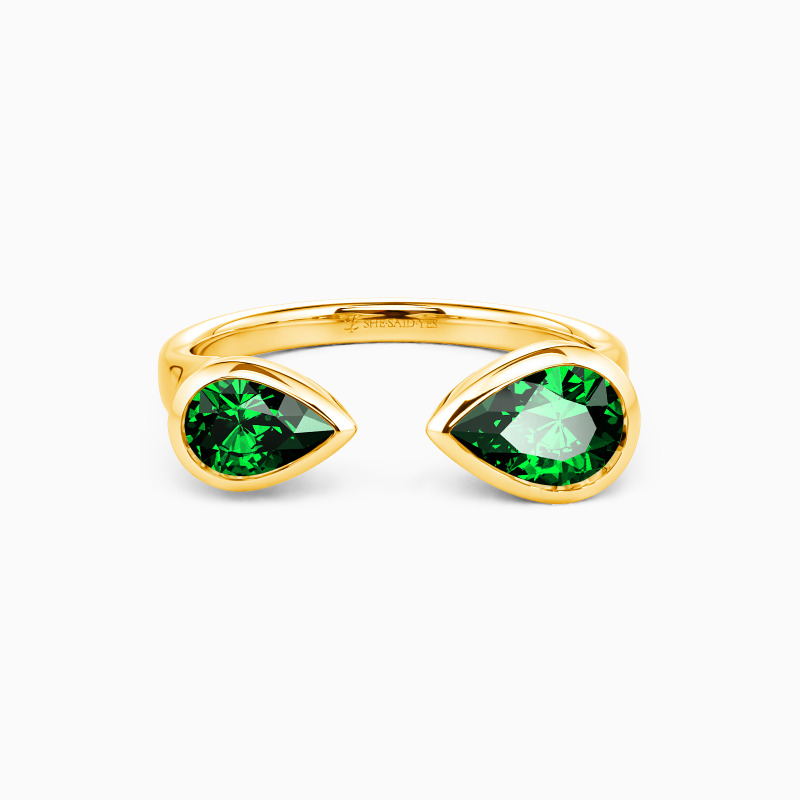
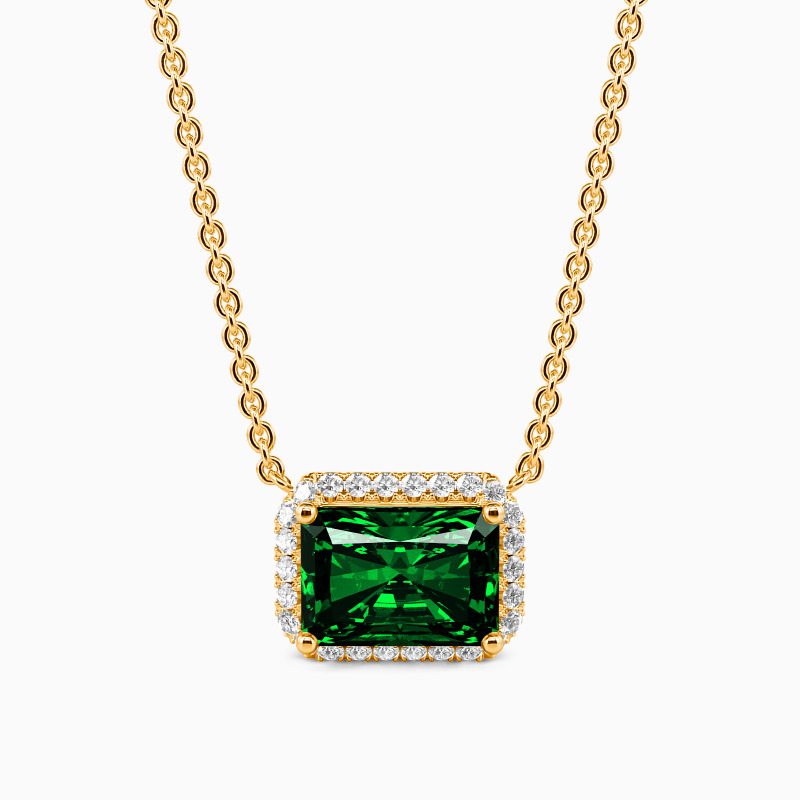
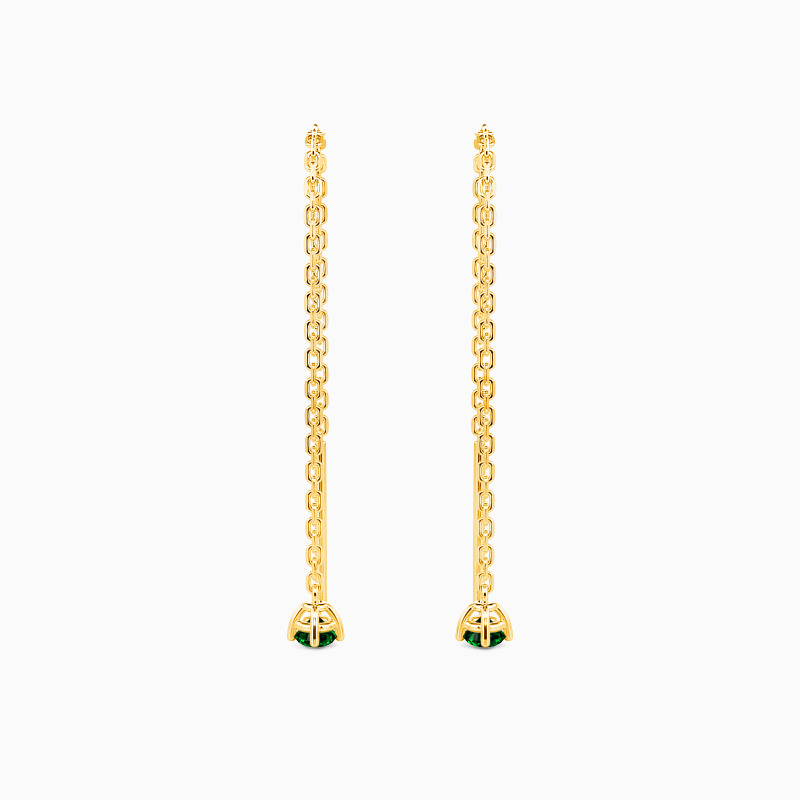
Emerald, May’s birthstone, is celebrated for its signature vibrant green, caused by trace amounts of chromium or vanadium in the beryl mineral family. Surprisingly, emeralds often contain inclusions, sometimes called the stone’s “garden,” which add character rather than diminish value.
Emeralds have been prized throughout history. Ancient Egyptians mined emeralds as early as 1500 BCE, and Cleopatra’s passion for them is well documented. Across cultures, emeralds symbolize growth, renewal, and foresight.
In jewelry, emeralds require careful handling due to their natural inclusions. Nevertheless, their vivid color and historical importance make them among the most recognizable and celebrated gemstones worldwide.
6. June Birthstone: Pearl, Alexandrite, and Moonstone
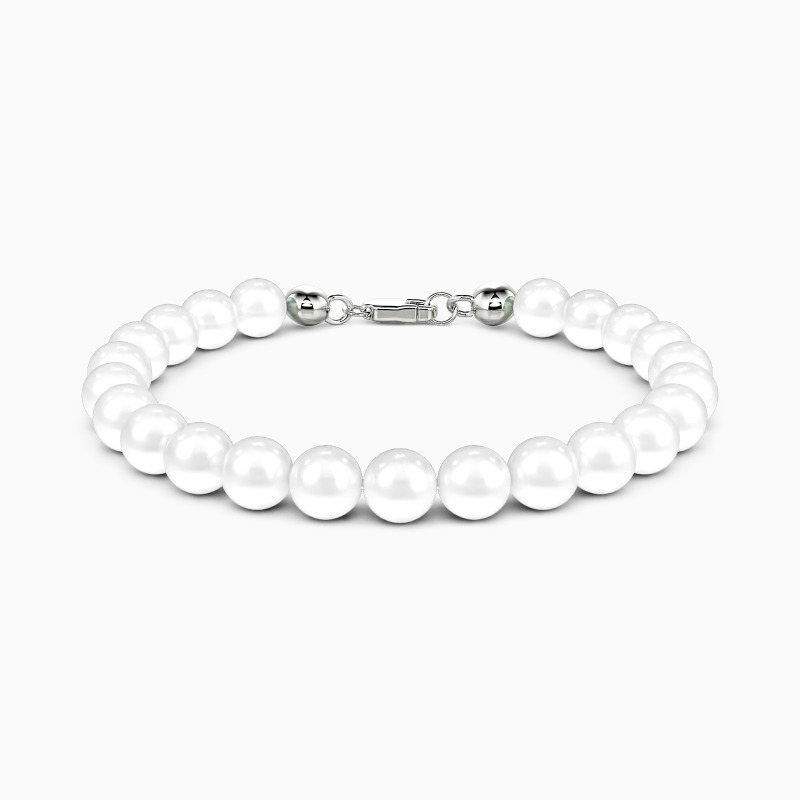
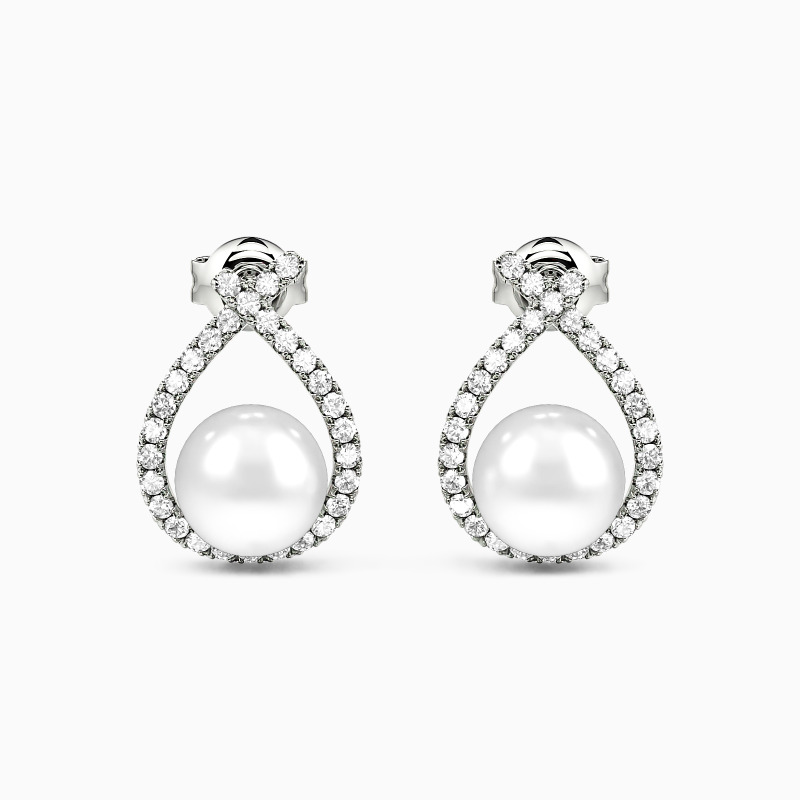
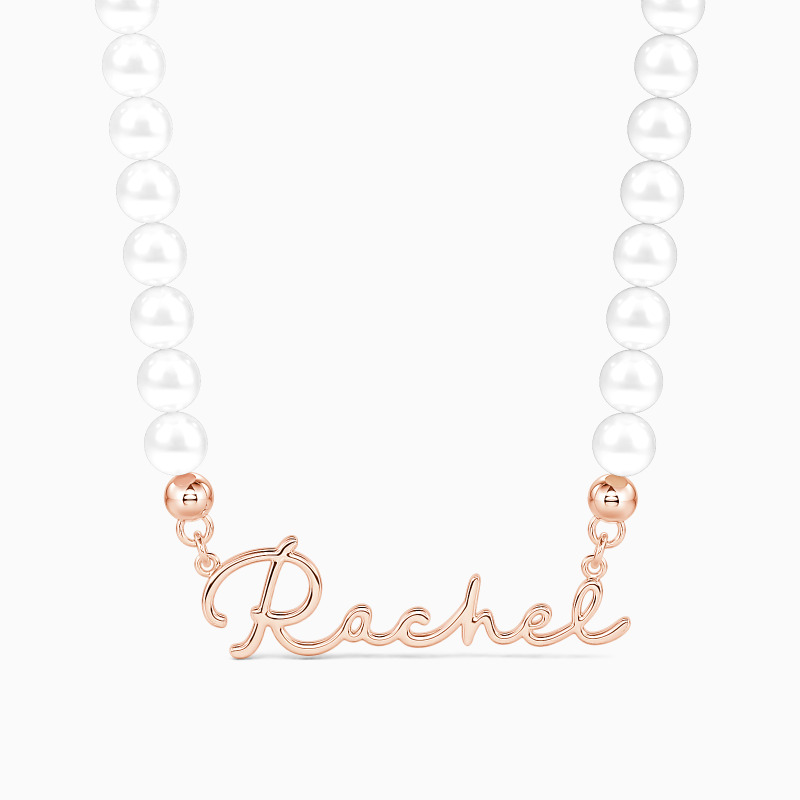
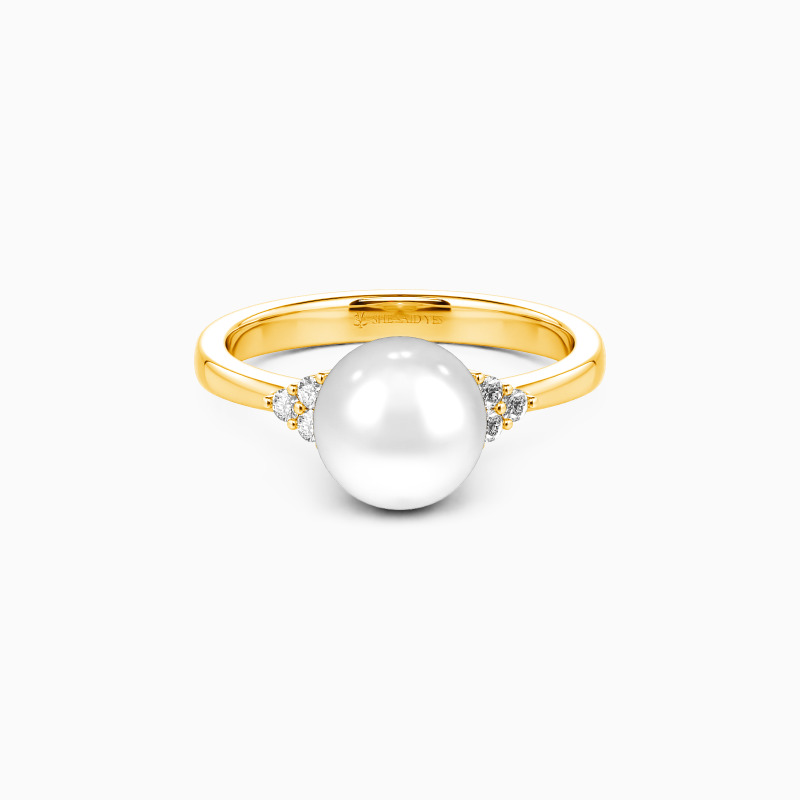
June is unique because it has three recognized birthstones. pearls are formed biologically within oysters and mollusks, producing a smooth, luminous surface. Interestingly, natural pearls were once rarer than diamonds and highly valued in royal collections.
Alexandrite is known for its remarkable color-changing property. Depending on the light, it may appear green in daylight and shift to reddish-purple indoors. This unusual characteristic has fascinated collectors since its discovery in the 19th century.
Finally, moonstone exhibits adularescence—a soft, floating glow that seems to move as the stone is turned. Historically, moonstone has been associated with intuition and mystery. Together, these three stones provide June-born individuals with options ranging from classic elegance to rare, mystical qualities.
7. July Birthstone: Ruby
Ruby is July’s iconic gemstone, famous for its deep red color caused by chromium in corundum. Historically, rubies were symbols of power and protection, with warriors sometimes carrying them as talismans.
Interestingly, sapphire is the same mineral as ruby, with color being the only difference. While sapphires occur in multiple hues, rubies are exclusively red, enhancing their rarity and value.
Consequently, the intense red of rubies has long drawn attention from jewelers and collectors, reflecting their historical prestige and modern market demand.
8. August Birthstone: Peridot
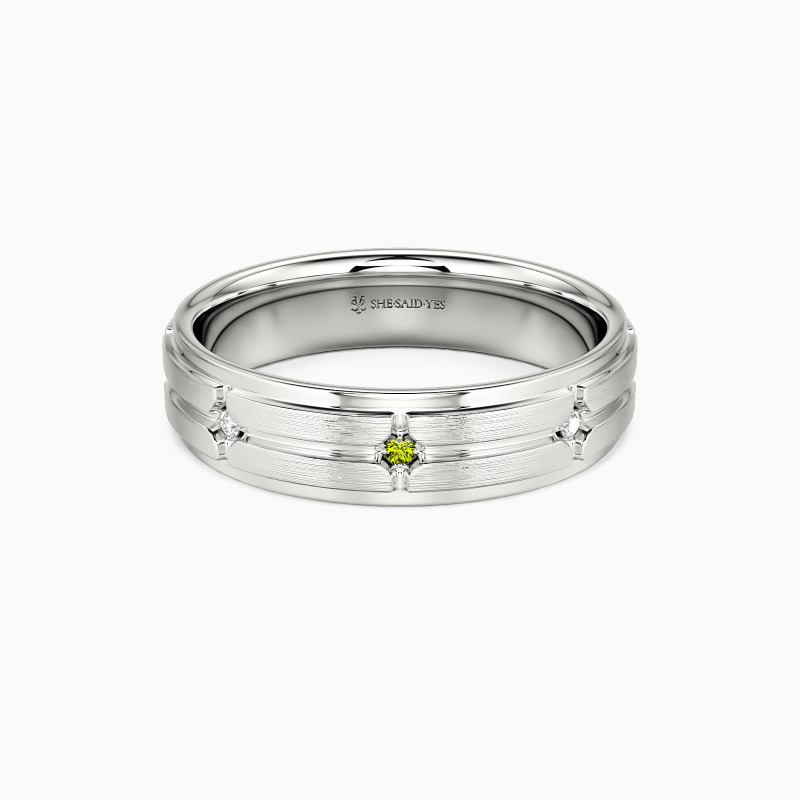
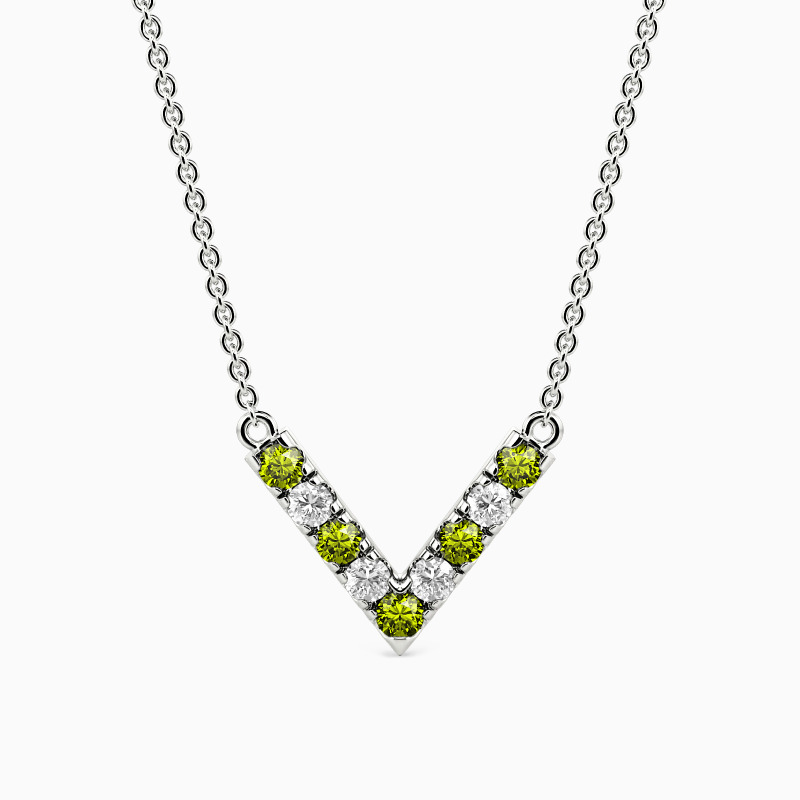
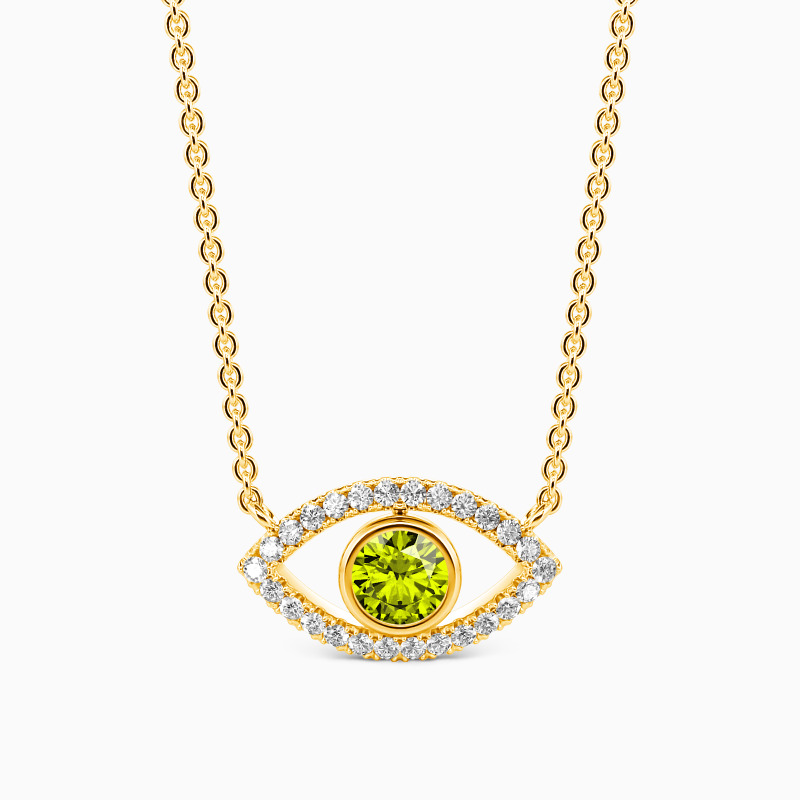
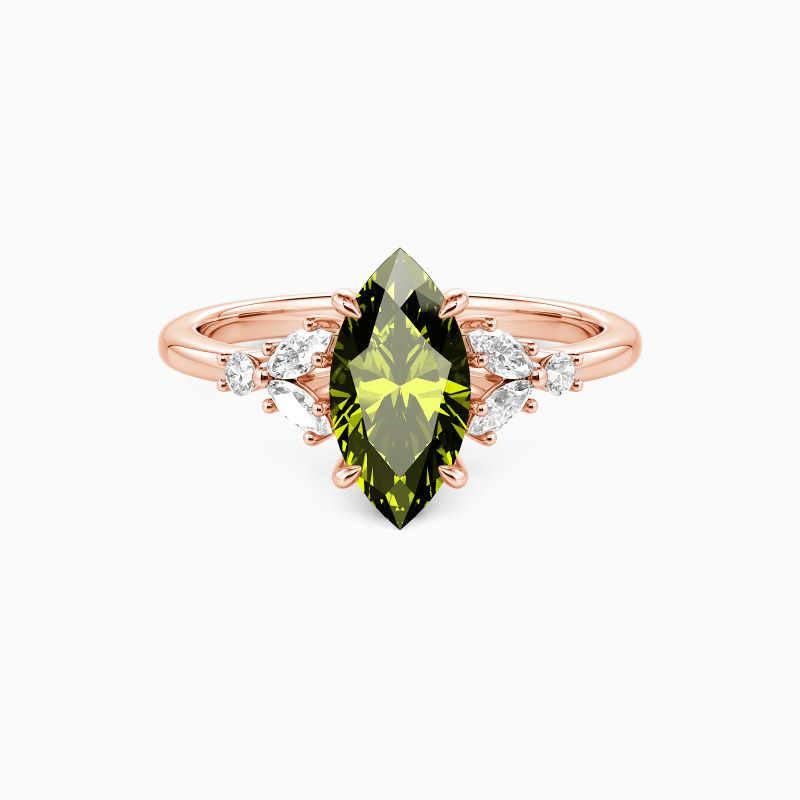
Peridot is instantly recognizable for its vibrant green, ranging from soft olive to lively lime. Formed deep within the Earth’s mantle, it sometimes reaches the surface through volcanic activity, and remarkably, traces of peridot have even been discovered in meteorites, hinting at a cosmic connection. In ancient Egypt, it was celebrated as the “gem of the sun,” symbolizing warmth, protection, and vitality. Today, its bright, cheerful hue makes it a favorite for summer-inspired jewelry, from rings to earrings, while its clarity and durability ensure it can be enjoyed every day.
Spinel and sardonyx offer a striking contrast to peridot’s green. Spinel appears in rich reds, pinks, and blues, and for centuries it was often mistaken for ruby, prized for its brilliance and vivid color. Sardonyx, with its layered bands of warm browns, reds, and whites, brings a classic elegance and has been used in carved ornaments and signet rings for generations. Together, these stones give August birthdays a diverse palette—bright, bold, and timeless—appealing to anyone who appreciates both beauty and history in gemstones.
9. September Birthstone: Sapphire
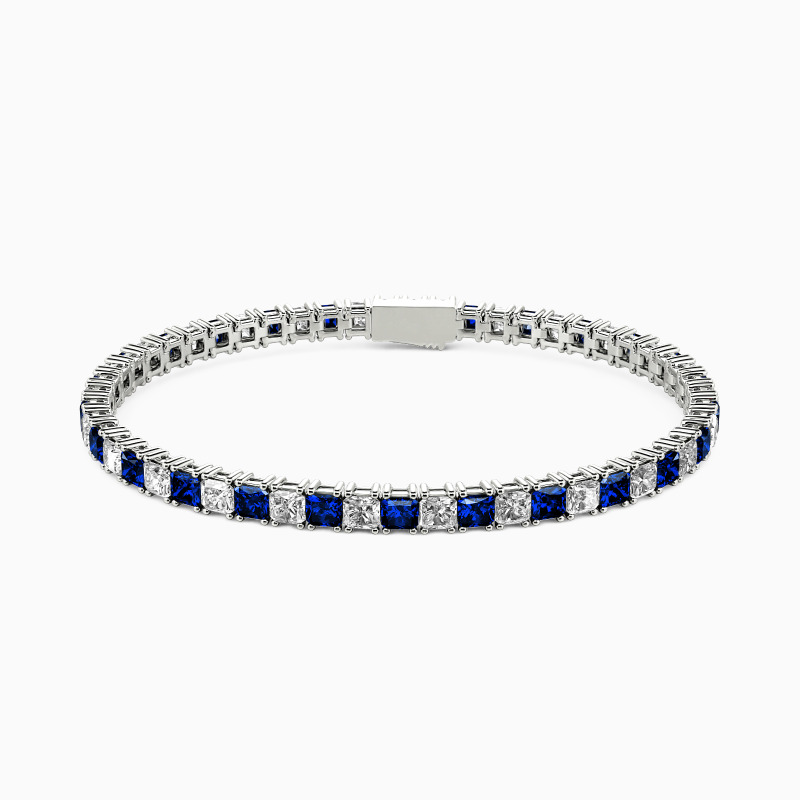
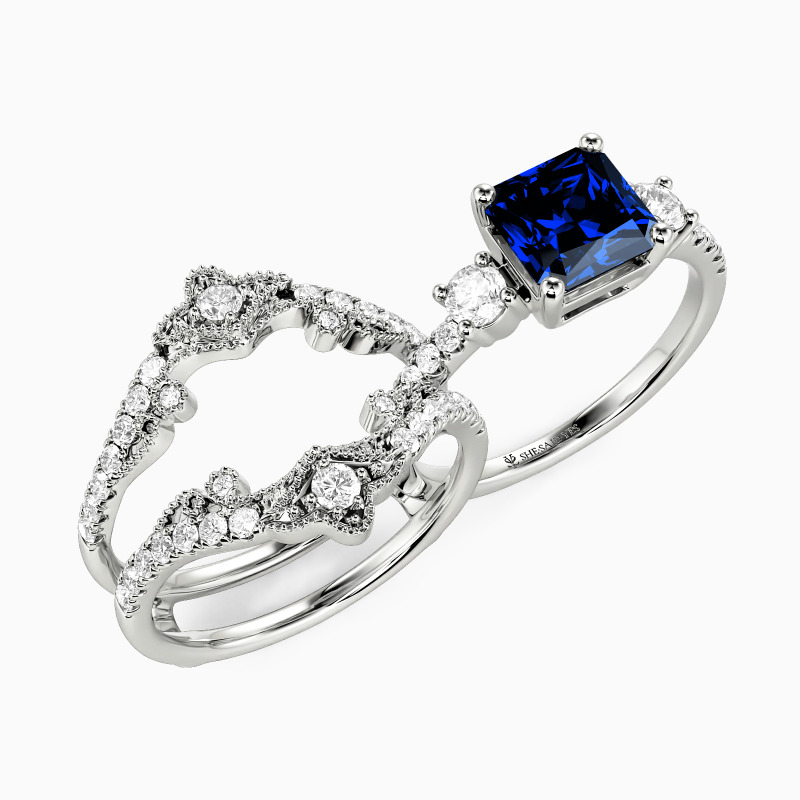
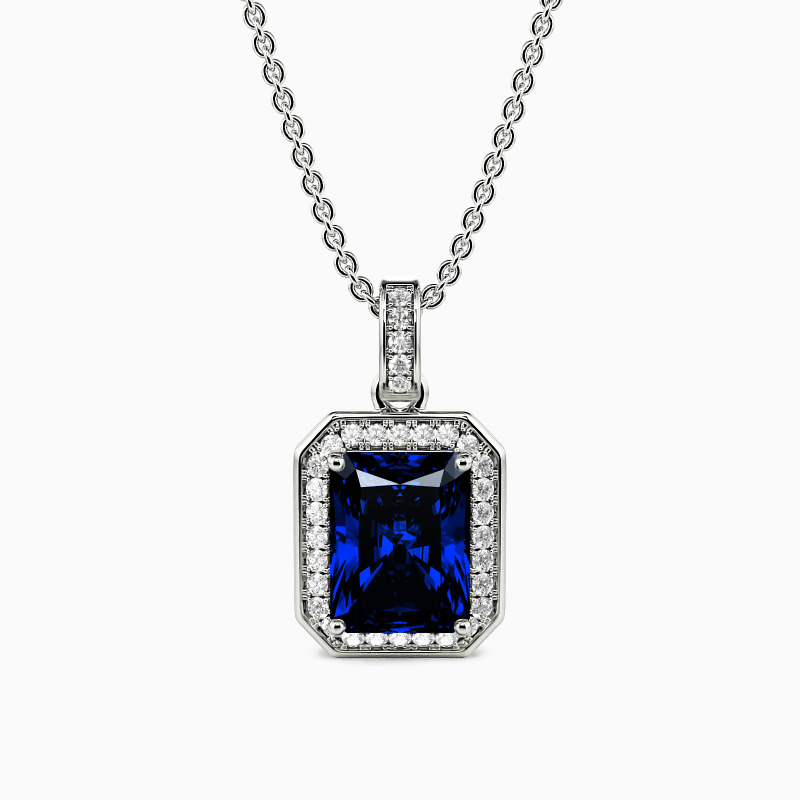
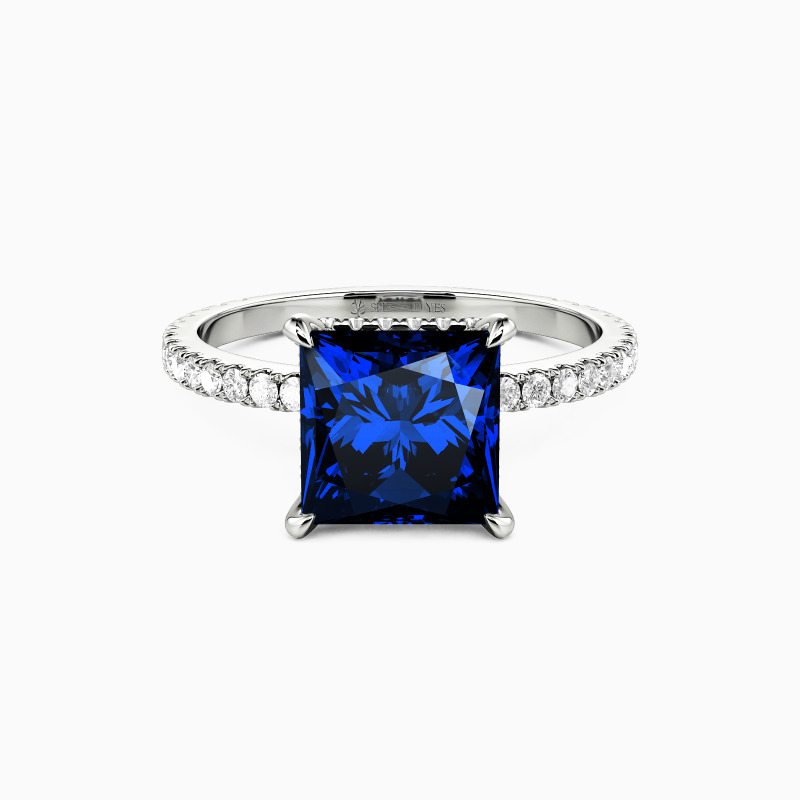
Sapphire, primarily recognized for deep blue hues, is September’s birthstone. Its name comes from the Greek sappheiros, historically applied to blue stones of various mineral types. Blue sapphires were worn by royalty and clergy to symbolize wisdom, loyalty, and protection.
However, sapphire also occurs in pink, yellow, and green, though blue remains the most popular. Its durability—second only to diamond on the Mohs scale—makes it suitable for everyday jewelry.
In addition, sapphires were historically believed to protect against envy and negative influences, further reinforcing their cultural significance.
10. October Birthstone: Opal and Tourmaline
October has two distinctive birthstones. opal is celebrated for its play-of-color: internal flashes of red, green, blue, and other hues appear as light interacts with its structure. Each opal is unique, making it highly prized for personal and ceremonial jewelry.
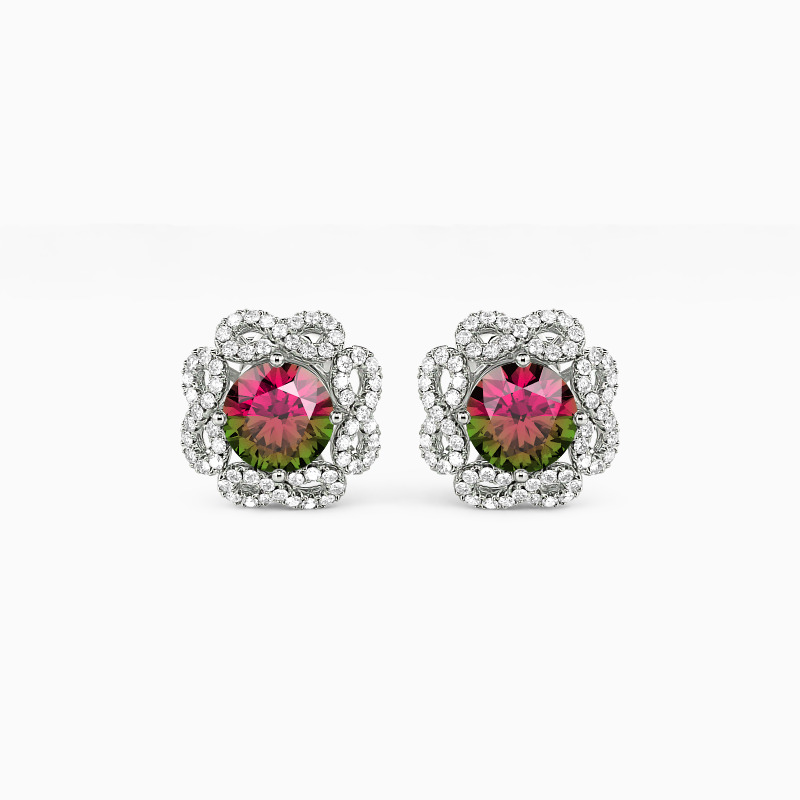
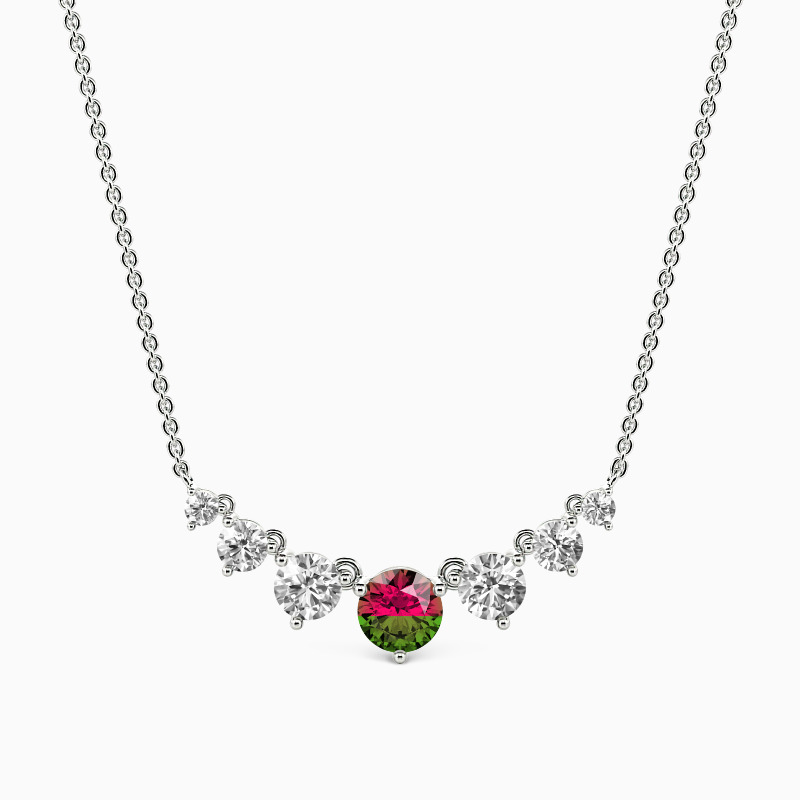
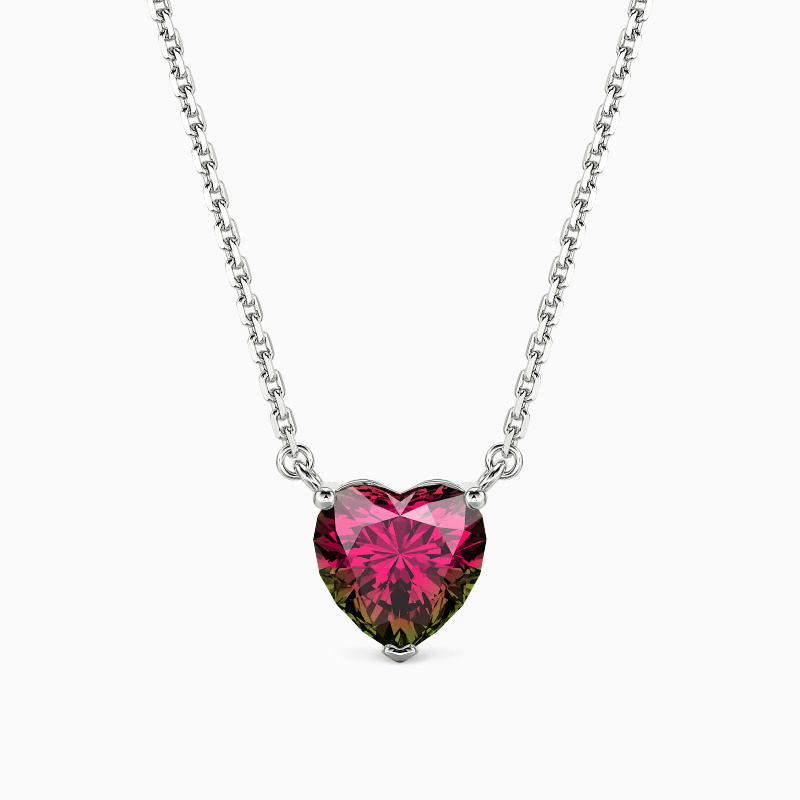
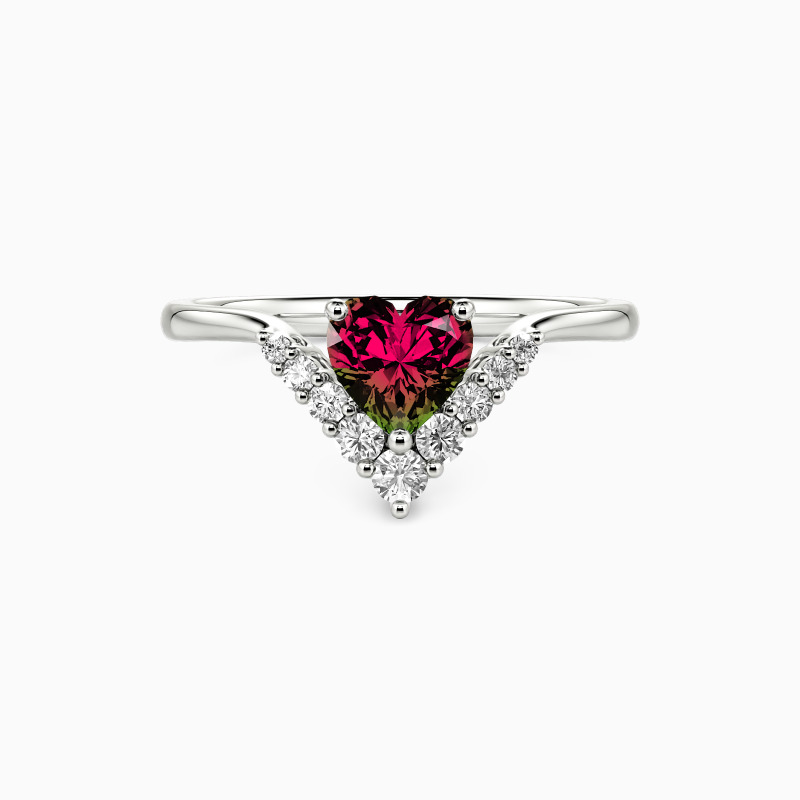
Tourmaline occurs in almost every color of the spectrum, with some crystals displaying multiple colors within a single stone. Historically, tourmaline has been associated with creative energy and emotional expression.
Together, these stones provide October-born individuals with visually striking and culturally meaningful options.
11. November Birthstone: Topaz and Citrine
November’s birthstones are topaz and citrine, both celebrated for warm, golden tones. Citrine’s yellow-orange hue is associated with clarity and energy, making it popular in decorative jewelry.
Topaz comes in a variety of colors, including blue, pink, and yellow. Interestingly, blue topaz, though popular today, is often enhanced through heat treatment to improve its natural color.
Consequently, both gemstones reflect autumnal palettes and historical symbolism of abundance and strength, appealing to November-born individuals aesthetically and culturally.
12. December Birthstone: Turquoise, Tanzanite, Zircon, and Blue Topaz
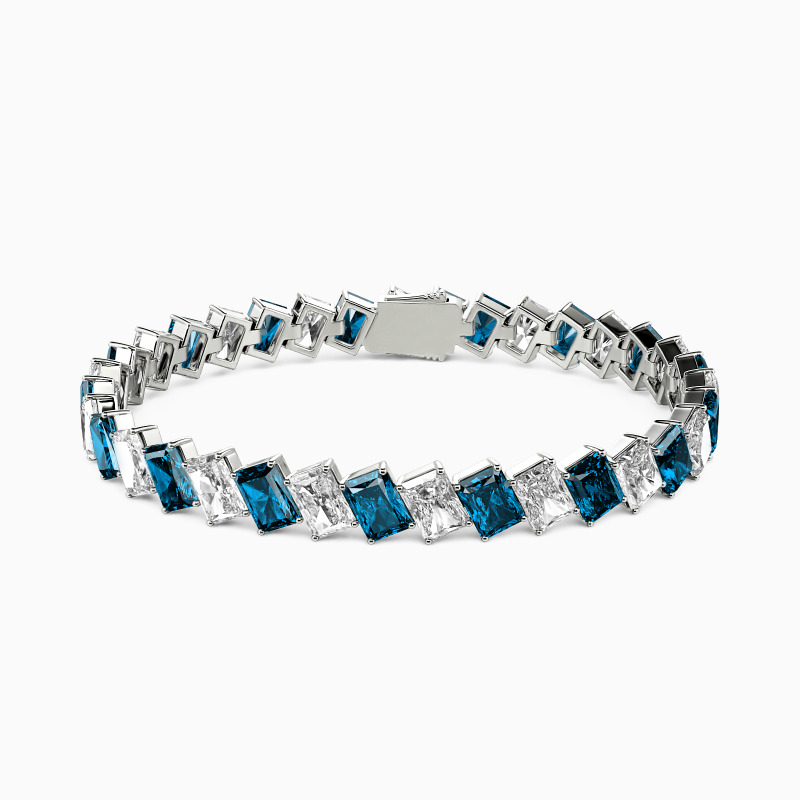
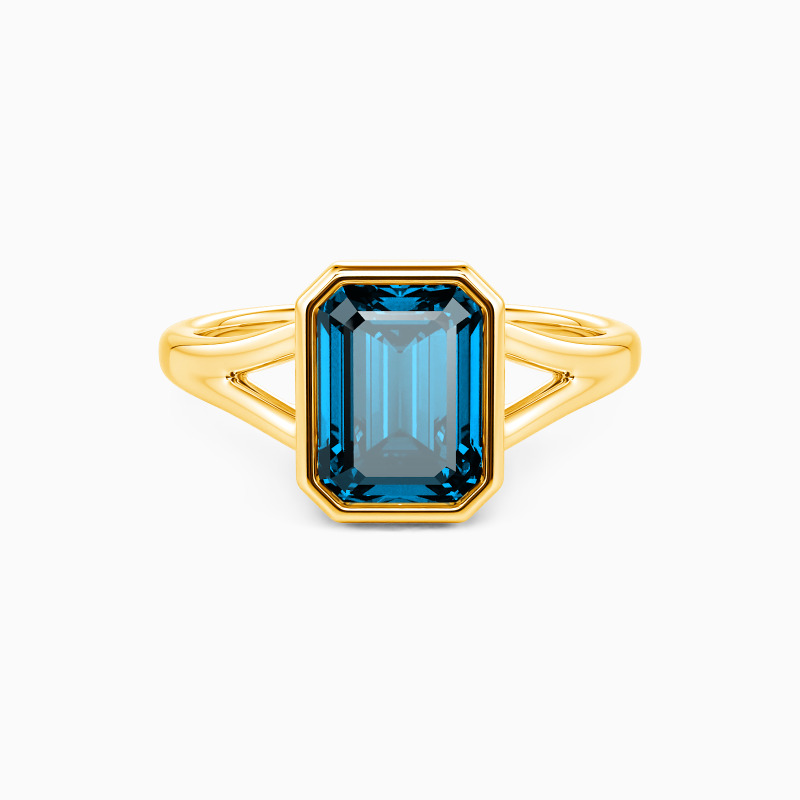
December has four well-known birthstones: tanzanite, turquoise, zircon, and blue topaz. Among them, tanzanite stands out for its rarity and striking violet-blue color. Found only in Tanzania near Mount Kilimanjaro, it quickly became a favorite for its deep, shifting hues and elegant appeal. Its unique origin makes it one of the most coveted gemstones in the world.
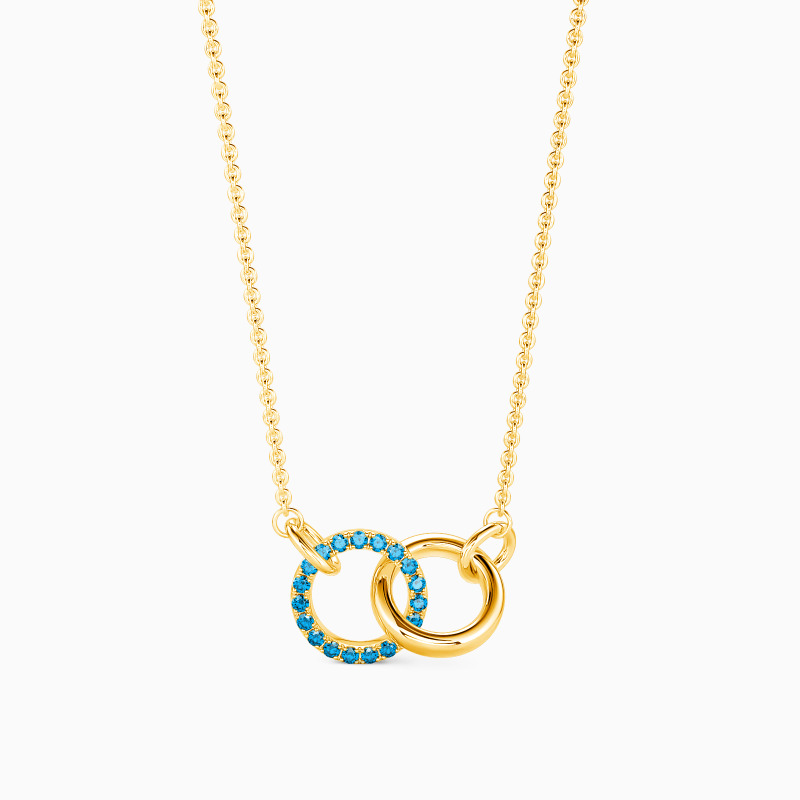
The other three stones are charming as well. Turquoise shines with a vibrant blue-green that has fascinated cultures for thousands of years. Zircon sparkles with icy clarity, giving a crisp, wintry feel. Blue topaz offers a clear, soothing blue that works beautifully in all kinds of jewelry.
Choosing and Wearing Your Birthstone
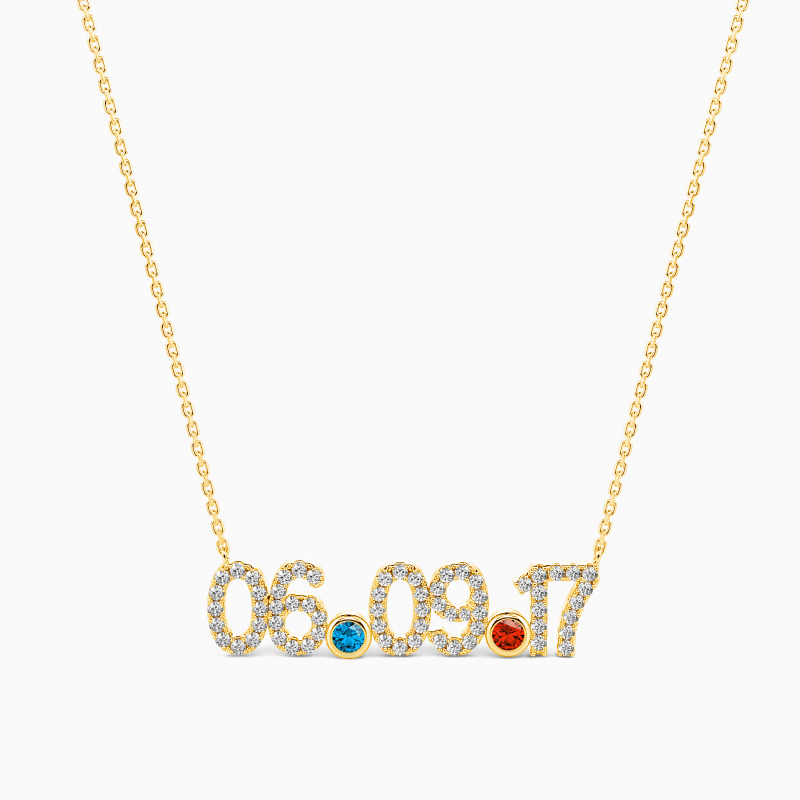
Birthstones offer a meaningful way to celebrate your birth month. Some people wear their birthstone daily as a ring or pendant, while others choose it for special occasions.
Birthstone jewelry is also a popular gift idea because it feels personal and thoughtful. Whether you prefer a classic gemstone like diamond or a colorful one like opal, your birthstone can become a small but meaningful symbol of who you are.