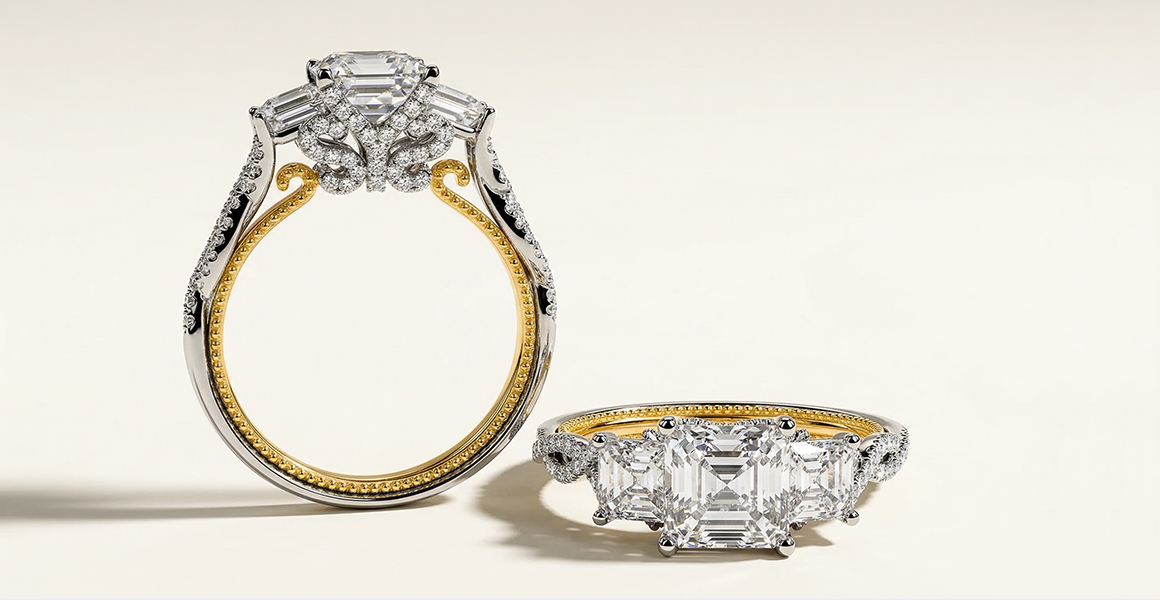
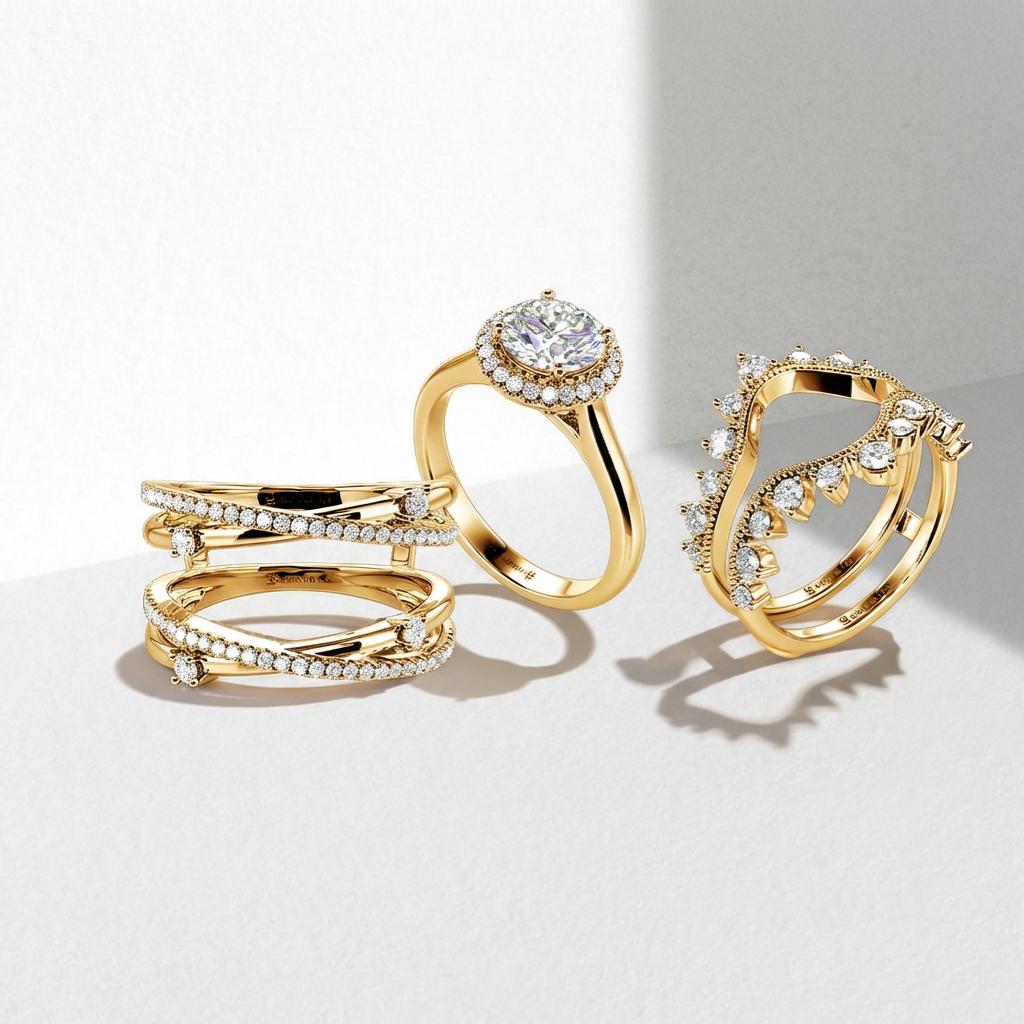
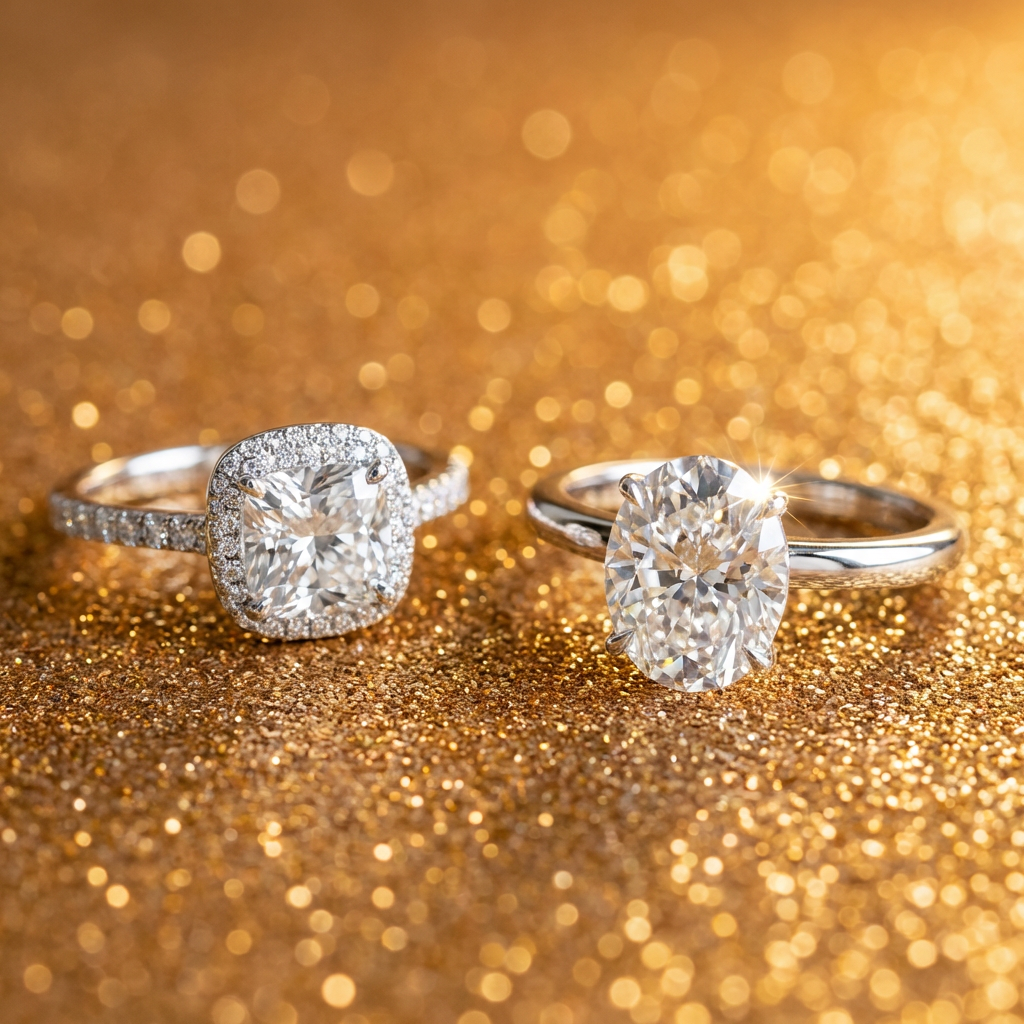
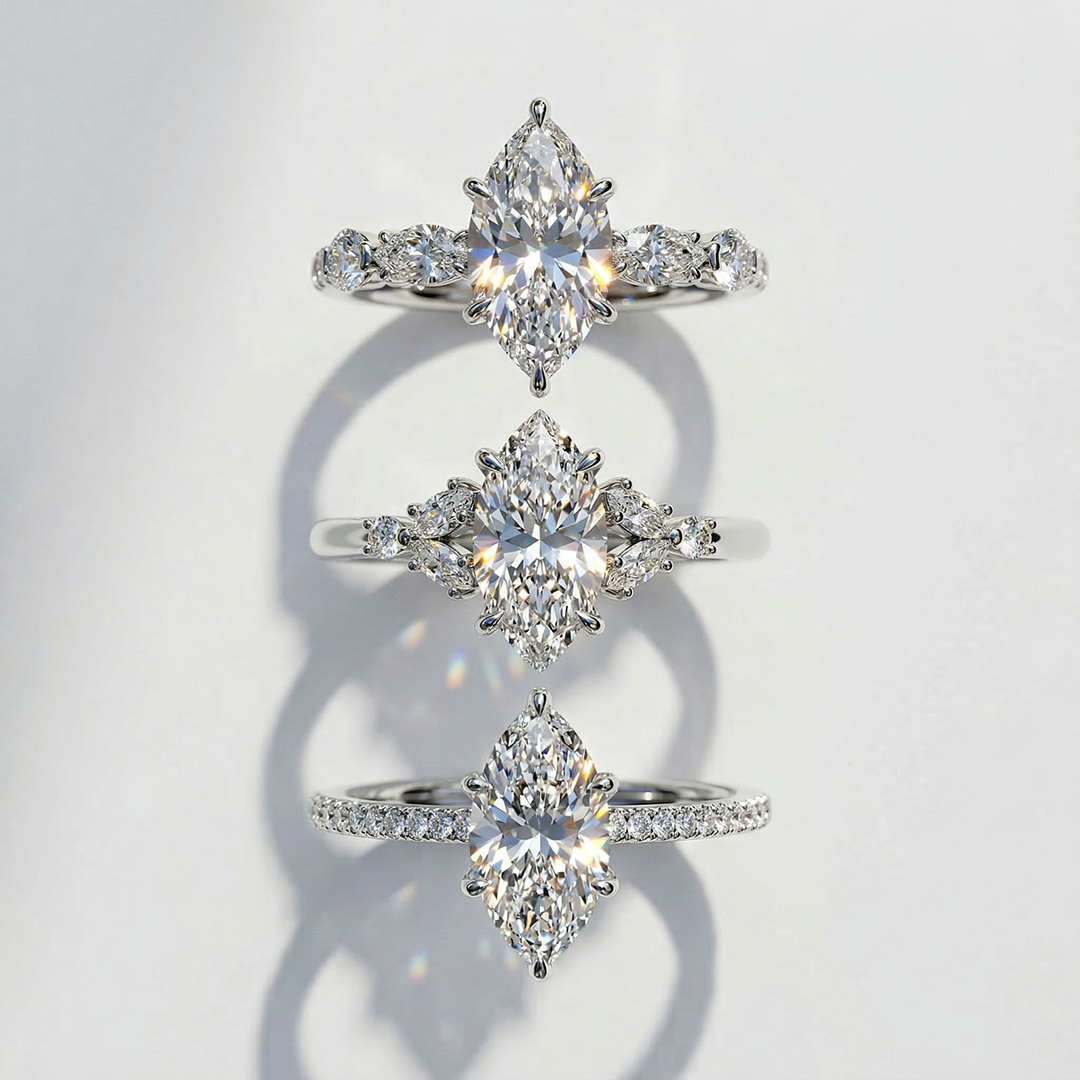
The best ring for everyday wear is a harmonious fusion of resilient materials, ergonomic design, and timeless style. It must withstand the constant micro-impacts of daily life while remaining supremely comfortable and aesthetically versatile. Ultimately, the best everyday wear ring is one that aligns so seamlessly with your personal lifestyle and taste that it becomes an effortless, lasting extension of yourself.
Choosing a ring for daily life is a different consideration than selecting a piece for special occasions. It’s a companion through commutes, keyboard typing, workouts, and chores. This guide will explore the essential elements—from metal properties and gemstone durability to design principles and care—to help you find a ring that offers both unwavering resilience and enduring elegance.
The Essential Qualities of a Daily-Wear Ring
An everyday ring must excel in three interconnected areas: durability, comfort, and versatile design. Durability begins with the choice of metal but is also influenced by the ring’s construction. A well-made ring features a band with adequate thickness (often 1.8mm or more), secure settings, and robust soldering. This ensures it can resist the scratches, knocks, and gradual wear that come from constant exposure.
Comfort is equally critical and is achieved through thoughtful design. A low-profile setting that sits close to the finger minimizes snagging on clothing and hair. The interior of the band should be “comfort-fit”, meaning it’s gently rounded rather than flat, distributing pressure evenly. The overall weight and balance of the ring should feel natural, not cumbersome. Finally, the style must possess a timeless quality that transitions effortlessly from casual daytime activities to formal evening settings. The most successful everyday rings avoid overly ornate or trendy details in favor of clean, classic lines that remain stylish for decades.
A Detailed Guide to Metal Choices
The metal forms the foundation of your ring’s longevity.
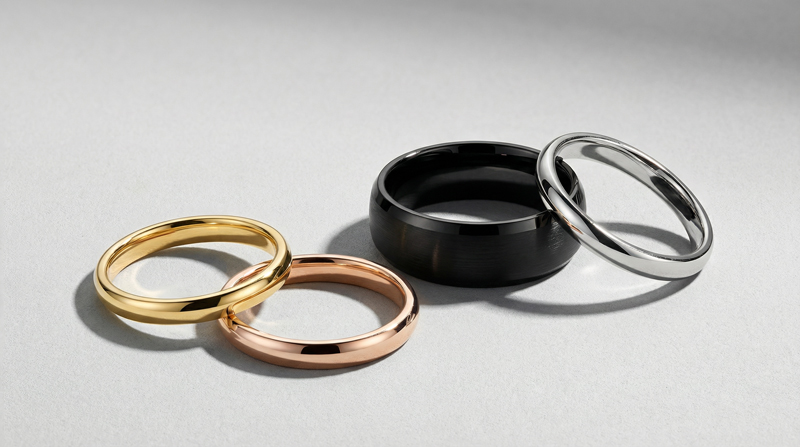
- Platinum: The premium choice for durability. It is naturally white, hypoallergenic, and incredibly dense, making it highly resistant to wear. A key characteristic is that it develops a soft, lustrous patina over time—a surface sheen that many cherish as a mark of personalized wear. It can be professionally polished to restore a high shine. Its weight and heft convey a sense of substantial quality.
- 10K, 14K, and 18K Gold: The “Karat” indicates the purity of gold, mixed with alloys for strength. 10K gold (41.7% pure gold) is the most durable and affordable option, its higher alloy content making it highly resistant to scratches—ideal for extremely active lifestyles. 14K gold (58.3% pure gold) offers the perfect balance for most wearers, providing excellent strength, rich color, and good tarnish resistance. 18K gold (75% pure gold) boasts a deeper, richer hue and higher purity. While still suitable for daily wear, it is slightly softer than 14K and may show fine scratches more easily. All are available in white, yellow, and rose gold variations.
- Palladium: A member of the platinum family, it shares many virtues: a naturally white color, hypoallergenic properties, and remarkable durability. It is lighter in weight than platinum and will not tarnish, maintaining its bright white finish with minimal care.
- Alternative Metals (Titanium & Tungsten Carbide): These are ultra-modern, extremely scratch-resistant, and budget-friendly options. They are ideal for those with active lifestyles or in trades where hands are heavily used. However, their extreme hardness means they cannot be resized using traditional methods, making a perfect, lifelong fit essential.
Selecting Gemstones and Settings for Daily Life
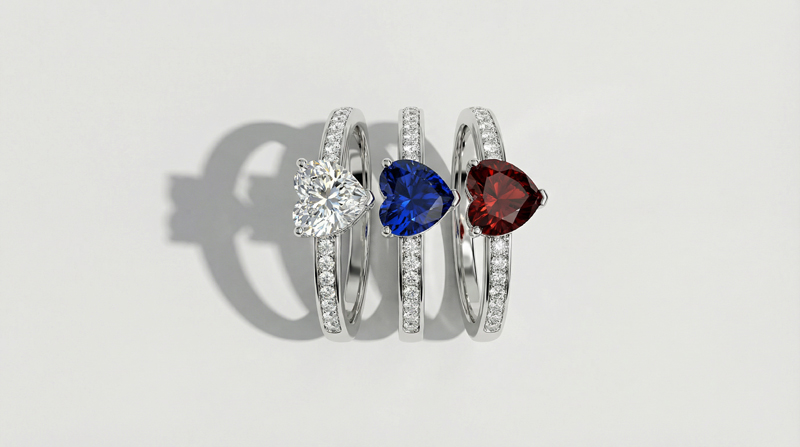
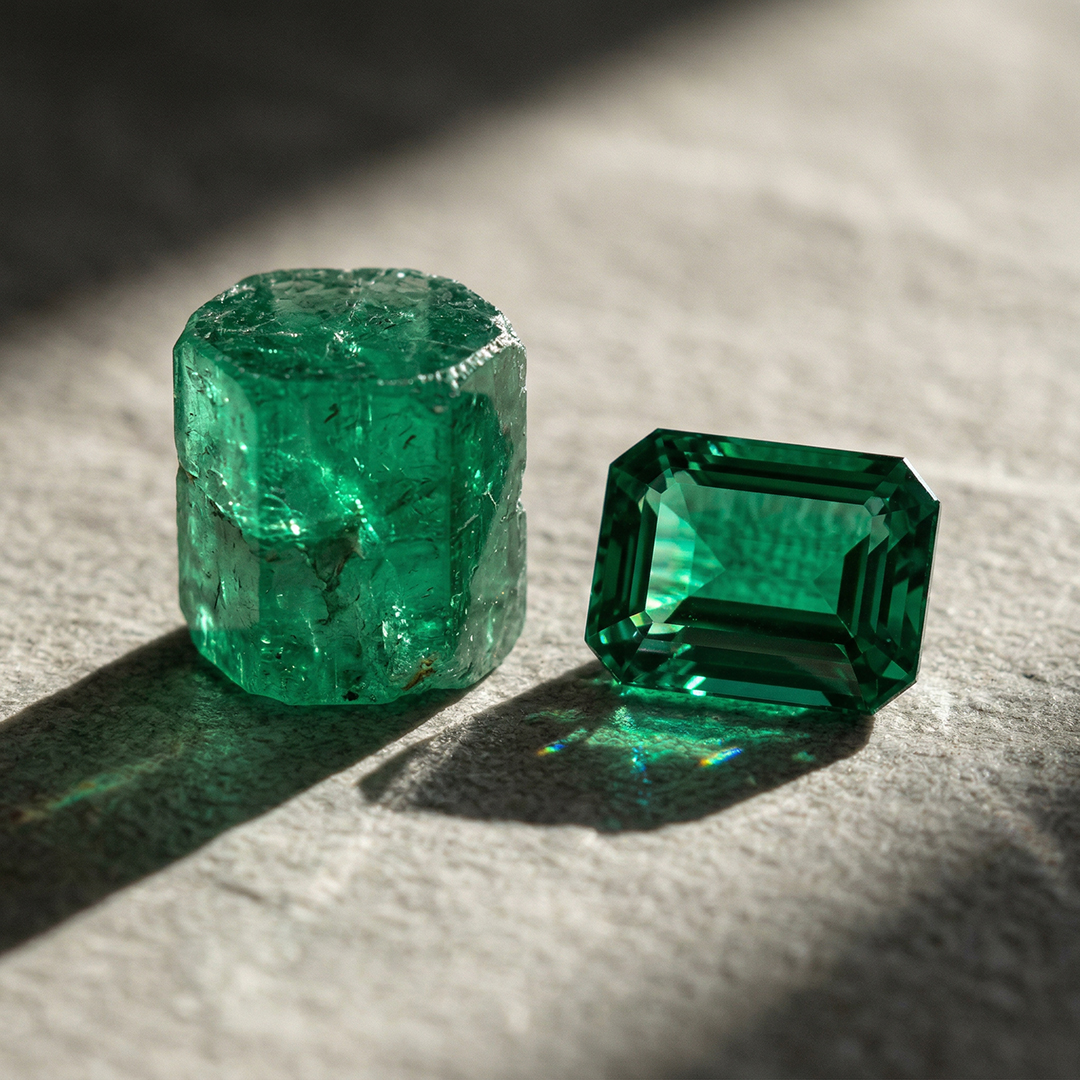
If your everyday ring includes gemstones, selection and setting are paramount for protection. Refer to the Mohs scale of mineral hardness: only stones rated 8 or higher are generally recommended for constant, unprotected wear. Diamonds (10) are the ultimate choice for their unparalleled scratch resistance. Sapphires and rubies (9), both forms of corundum, are exceptionally tough and offer a spectrum of colors. More delicate stones like emeralds, opals, or pearls, while beautiful, are better reserved for occasional wear.
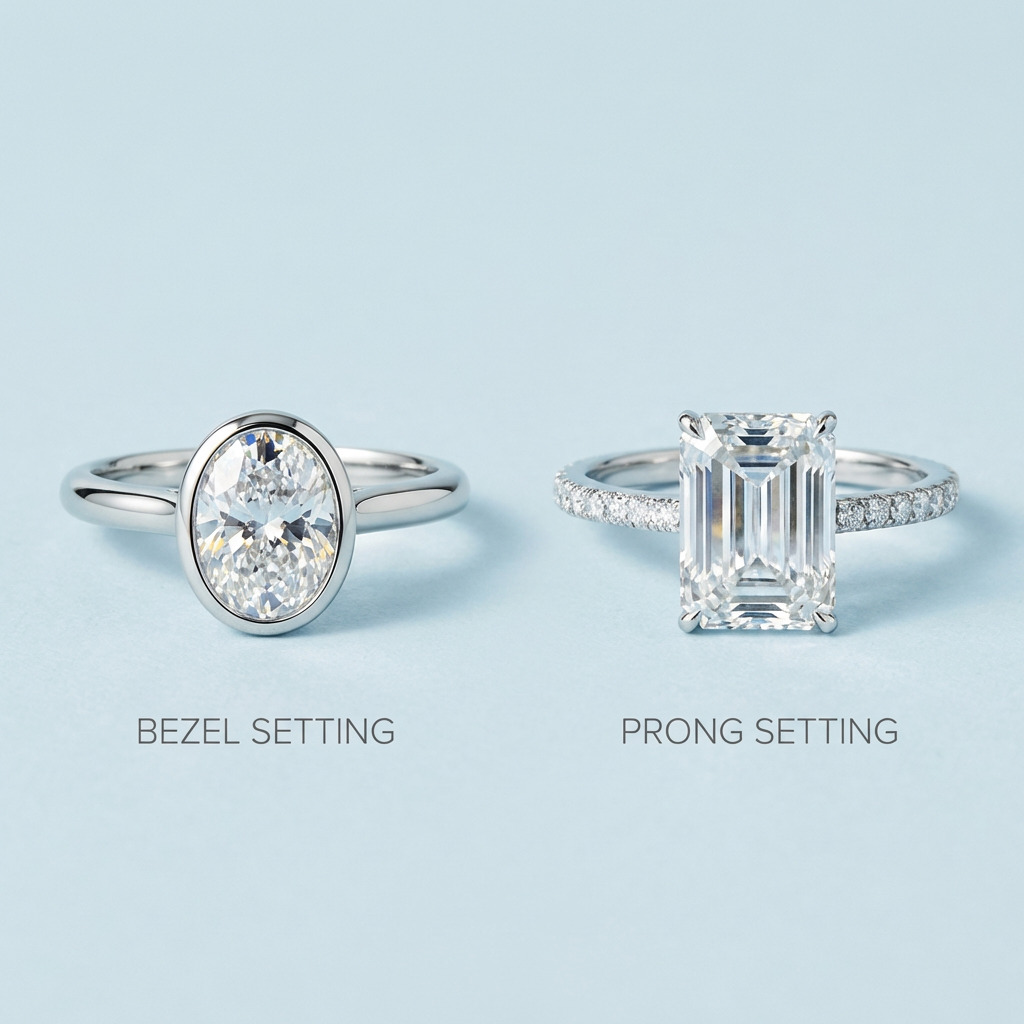
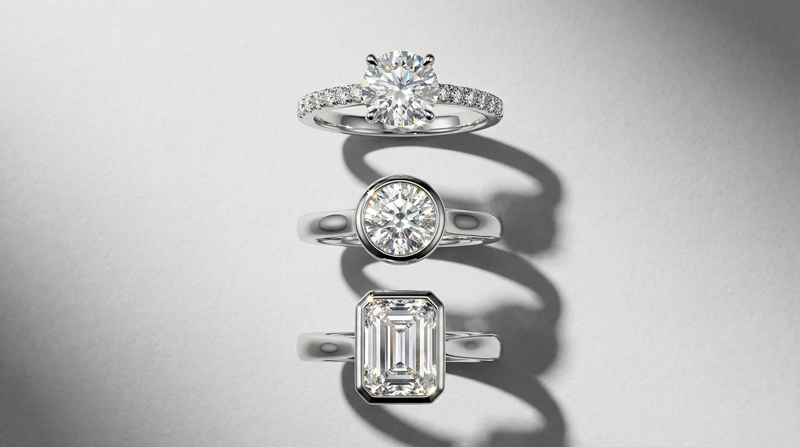
The setting must act as a secure fortress for the stone. A bezel setting, where a metal rim fully encircles the gem, offers superior protection and a sleek, modern look. A flush (gypsy) setting, where the stone is embedded into the band with its top level with the metal, is virtually snag-proof. While classic, prong settings should be chosen with thicker, more robust prongs and require regular professional check-ups to ensure security.
Classic and Enduring Styles for Everyday Wear
From minimalist to sparkling, certain jewelry styles are timeless and made for daily life. The first is the Simple Band. This classic design comes in various widths and finishes—high polish, brushed matte, or hammered texture—and offers understated elegance. Its solid metal structure ensures durability and a substantial feel. With no protruding parts, it’s exceptionally comfortable, ideal for active hands or a clean, modern look. An engraved band adds personal meaning without losing versatility.
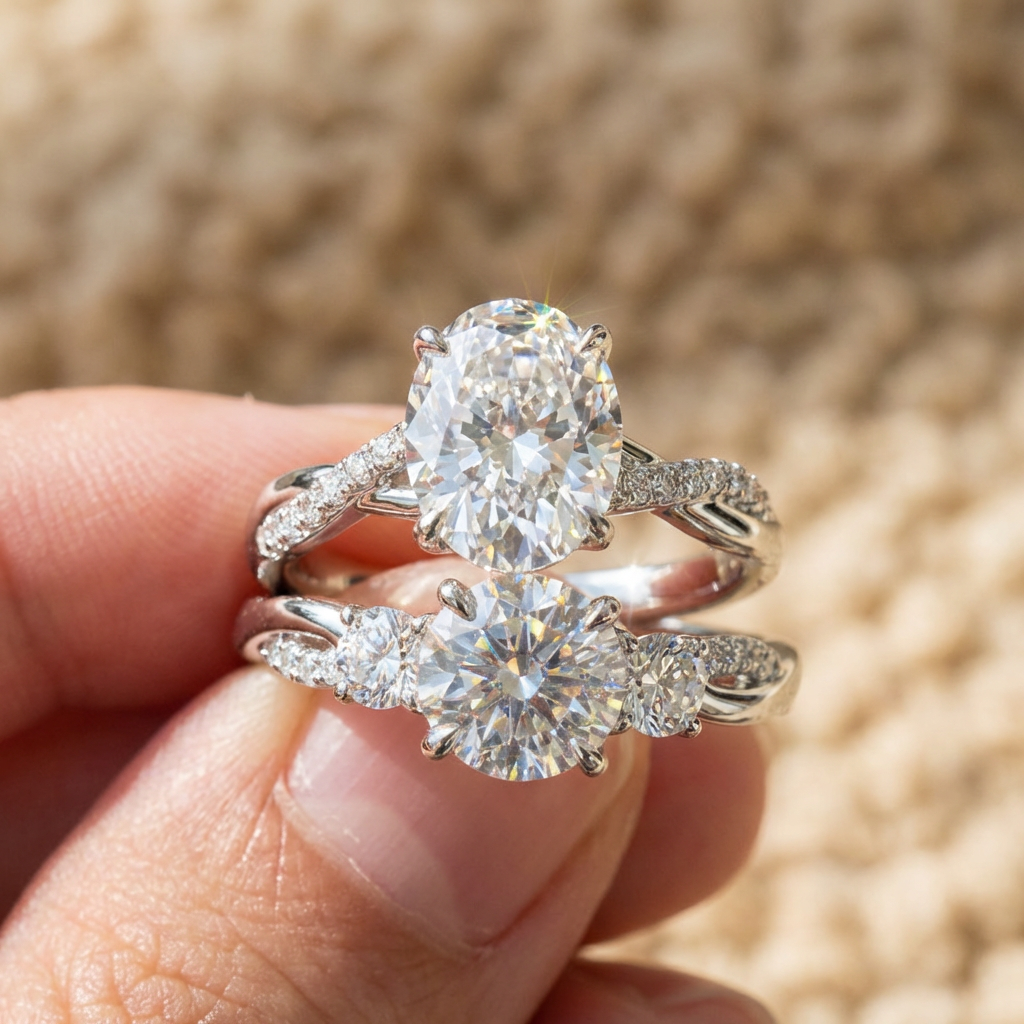
For constant sparkle, the Eternity Band is a top choice. Featuring a full or partial circle of gemstones set into the band, it reflects light beautifully from every angle. Its daily-wear strength lies in secure channel or bezel settings, which protect the stones and create a smooth, snag-free surface. This design delivers consistent brilliance that pairs effortlessly with any outfit, from casual to formal.
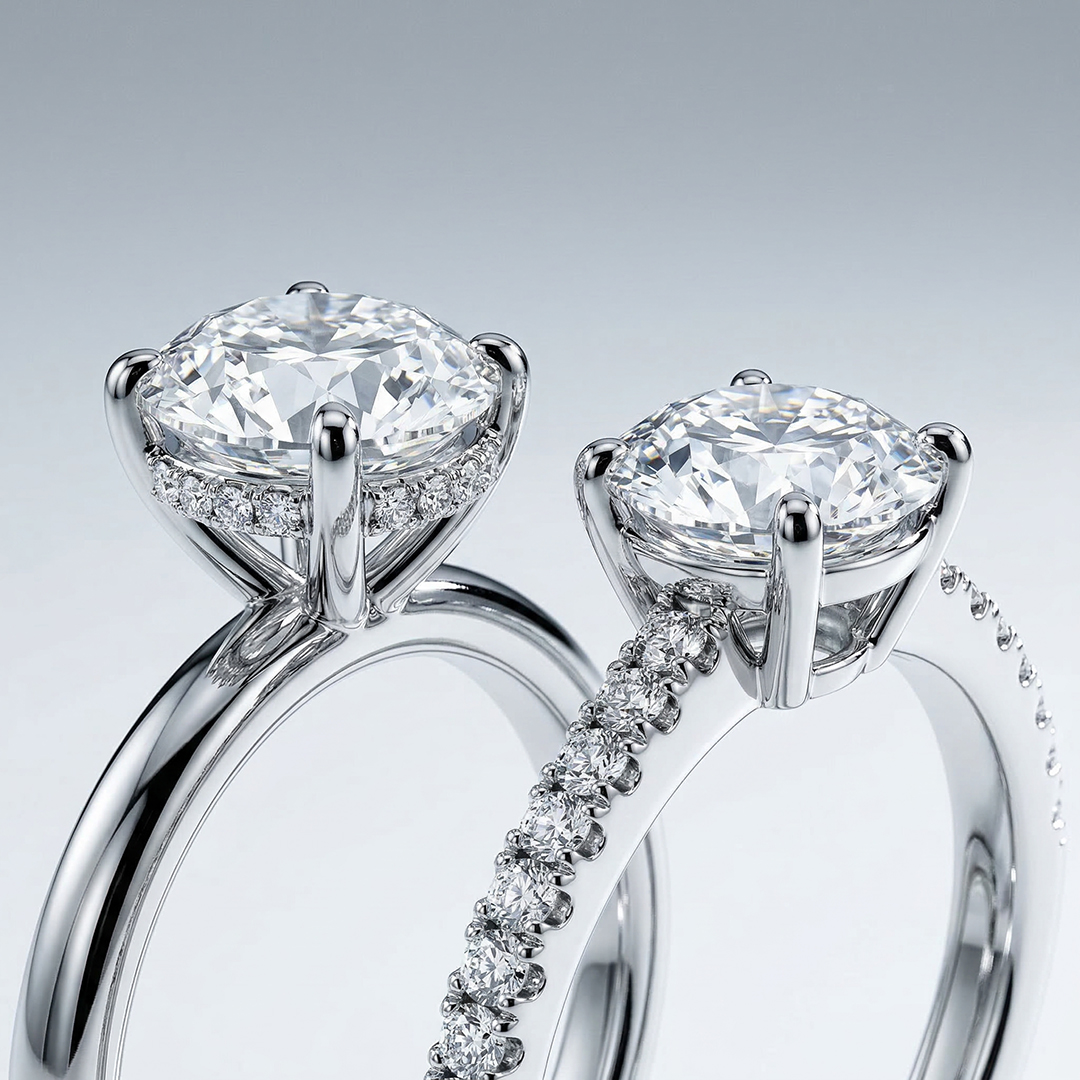
Another practical yet stunning option is the Low-Profile Solitaire. This style reinterprets the classic single-stone ring by lowering its height. Instead of high prongs, the gem is set in a secure basket or bezel, sitting closer to the finger. This reduces catching and feels more integrated with your hand. It offers focused sparkle in a sleek, contemporary shape—both a statement and an everyday companion.
Finally, Pavé or Micropavé Bands deliver maximum sparkle securely. These rings feature many small diamonds set closely together, creating a “paved with light” effect. The stones are held by tiny metal beads, distributing impact across multiple points. The design lies flat on the finger, offering dazzling brilliance with a lightweight feel and strong stone security—glamorous yet sensible for daily wear.
Essential Care & Maintenance Regimen
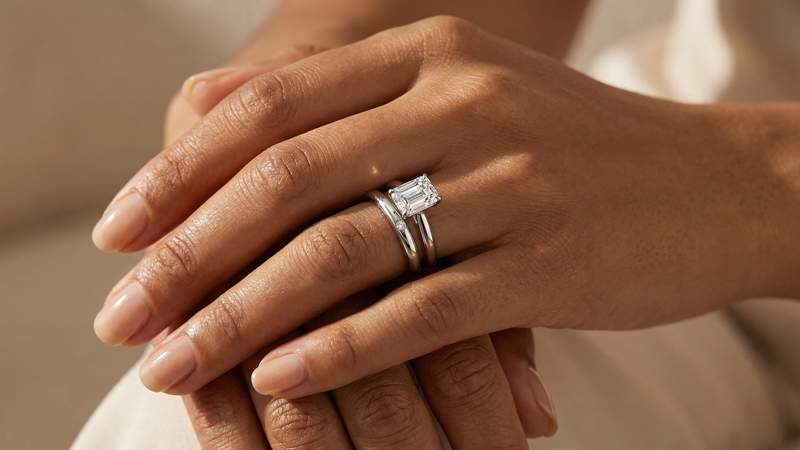
To keep your everyday jewelry looking its best, consistent and gentle care is key. Start with regular home cleaning. Every few weeks, soak your ring in lukewarm water with a drop of mild, phosphate-free dish soap for 15–20 minutes. Gently scrub with a soft-bristled brush (like a baby toothbrush), especially around the setting and under the band. Rinse under lukewarm water and dry thoroughly with a soft cloth. Avoid harsh chemicals or ultrasonic cleaners unless advised by your jeweler.
Professional maintenance is also essential. Even well-crafted rings endure stress from daily wear. Have a professional jeweler inspect your ring every 6–12 months. They’ll check for loose stones, worn settings, thinning areas, and perform a deep cleaning and polish. This helps prevent small issues from becoming costly repairs.
Finally, mindful wearing habits will preserve your ring’s beauty. Remove it during high-risk activities: exercise, gardening, cleaning with chemicals, swimming, or applying lotions and sprays. When not wearing it, store your ring separately in a soft-lined box or pouch to avoid scratches. With these simple practices, your everyday ring can remain a beautiful, lifelong companion.
Conclusion
Finding the best everyday wear ring is an investment in a piece that will share in your daily life’s story. By prioritizing resilient metals like platinum or 10K/14K gold, opting for secure settings and hard-wearing gemstones, and choosing a design that offers both comfort and timeless appeal, you select a piece built to last. Let your everyday ring be a testament to both thoughtful craftsmanship and your personal journey—a small, constant symbol of beauty and resilience.