While aquamarine and blue topaz share a stunning blue hue, their unique traits in color, rarity, price, and symbolism set them apart. The aquamarine vs blue topaz choice comes down to style and budget: aquamarine offers a soft, natural watery blue and is rarer, while blue topaz delivers bold vibrancy at a more affordable cost.
Beyond their similar shade, these two gems boast distinct visual charms—aquamarine’s subtle greenish glow contrasts with blue topaz’s crisp, treated hues. This blog breaks down the key differences between aquamarine and blue topaz to help you choose the perfect blue gem.
What Are Aquamarine and Blue Topaz?
1. Aquamarine – The “Sea Gem”
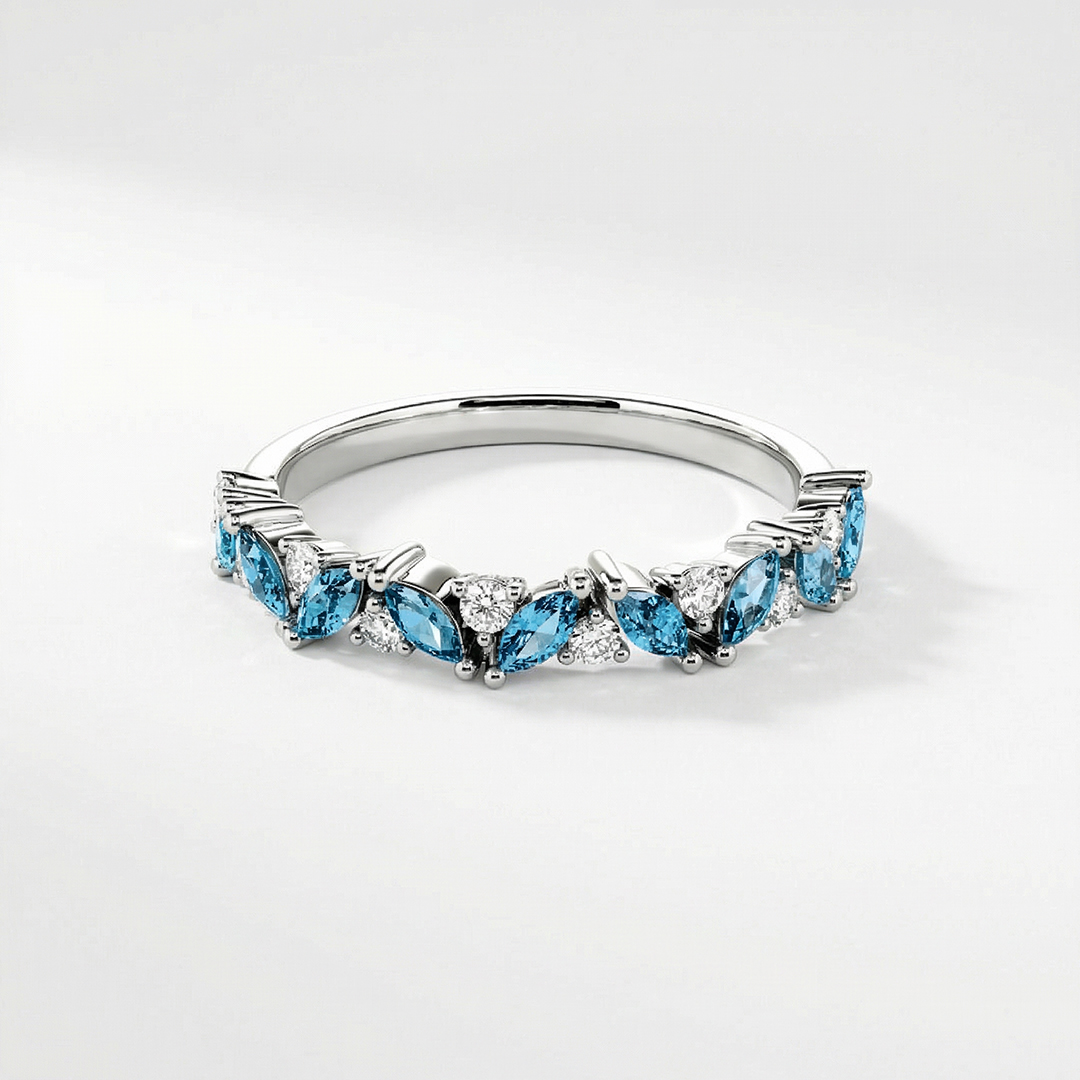
Aquamarine gets its name from the Latin “aqua marina,” meaning “sea water”—a fitting title for a gem that mirrors the soft blues and greens of the ocean. It is a member of the beryl family (the same family as emeralds and morganites). Natural aquamarine ranges from pale sky blue to deep sea blue, with the rare “Santa Maria blue” being the most prized for its rich, vivid tone. Unlike some blue gems, aquamarine is typically found in its natural blue hue, no treatment needed, adding to its appeal for those who love natural gemstones.
2. Blue Topaz – The “Wisdom Gem”
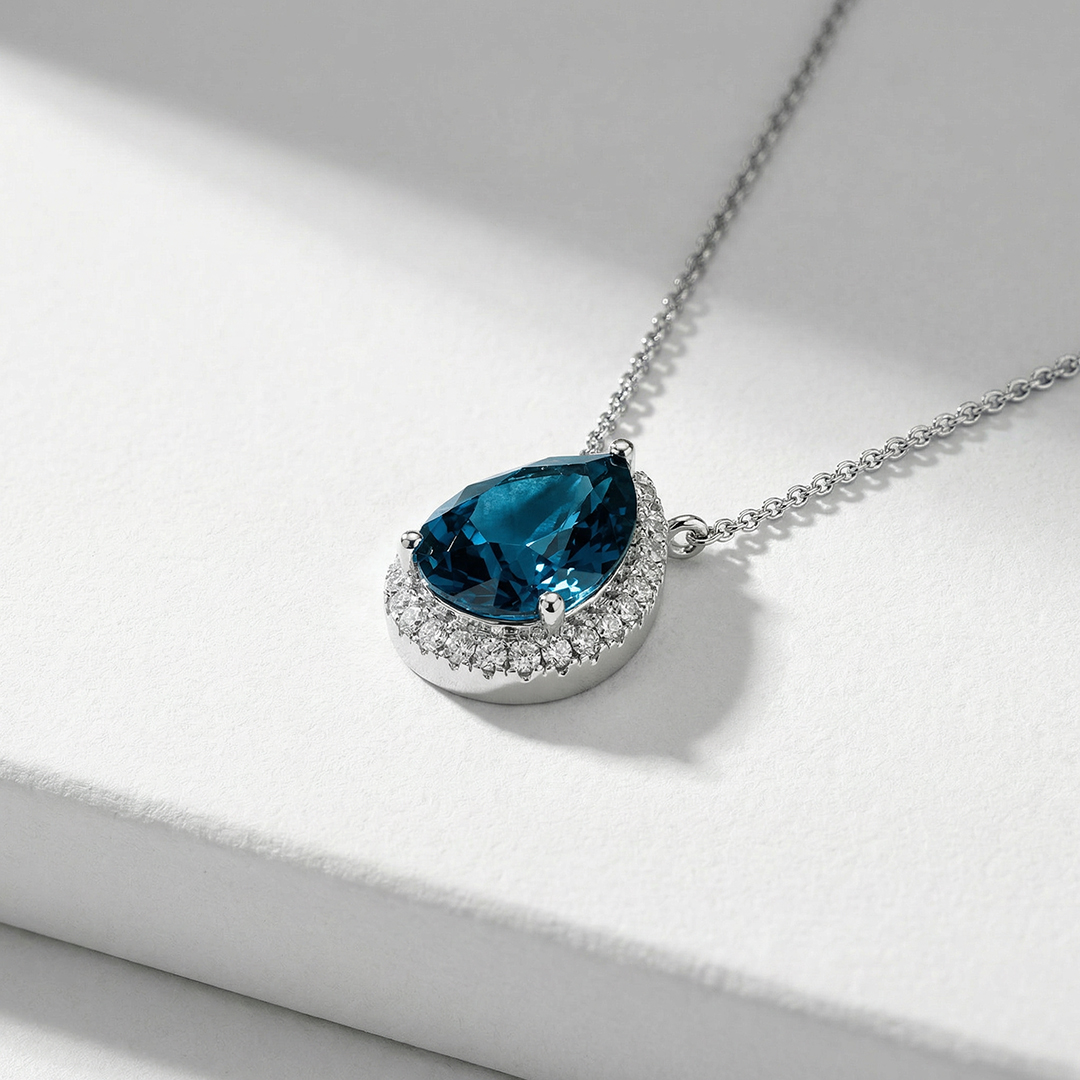
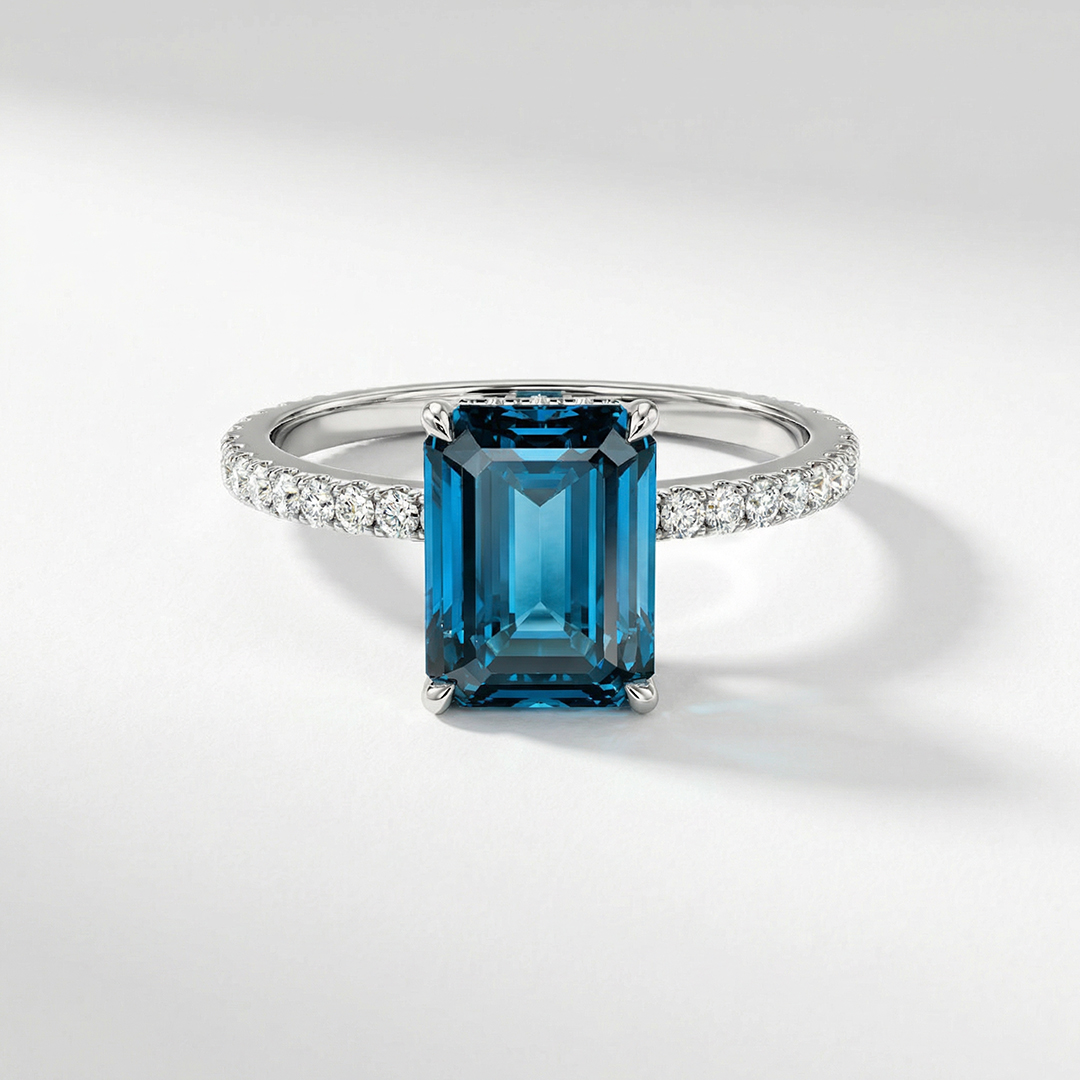
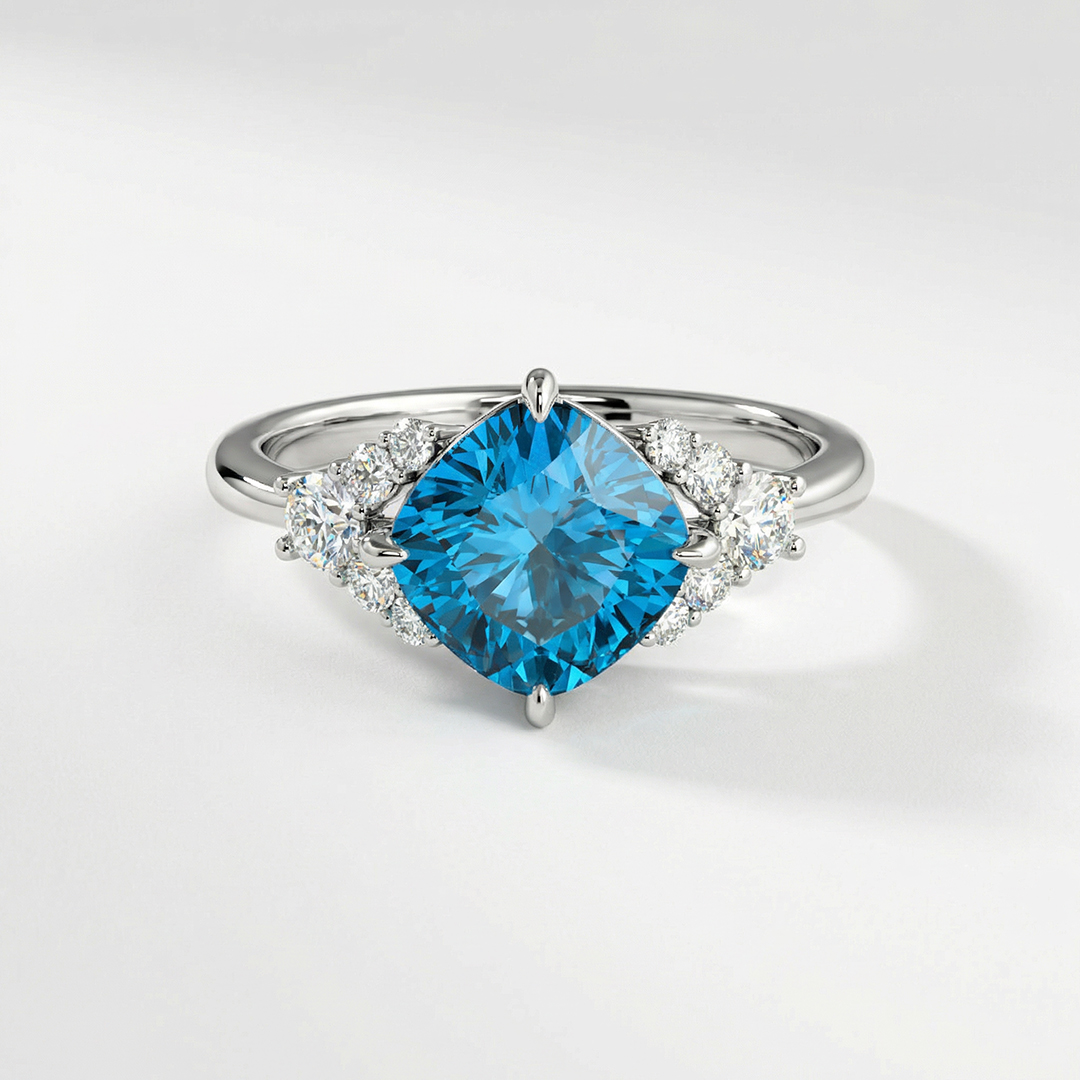
Blue topaz takes its name from Greek roots, with historical associations to wisdom and clarity—traits that still resonate with modern jewelry wearers. One key distinction: most blue topaz on the market is treated (via heat or irradiation) to achieve its vibrant blue color, as natural blue topaz is extremely rare and pale. Treated blue topaz comes in a range of shades, from bright Swiss blue to deep, dark London blue. This offers versatility for those who want a bold blue gem without the higher cost of rarer stones. Major origins include Brazil, Pakistan, and Sri Lanka, where colorless topaz is abundant before treatment.
Key Differences: Aquamarine vs Blue Topaz
1. Color & Appearance
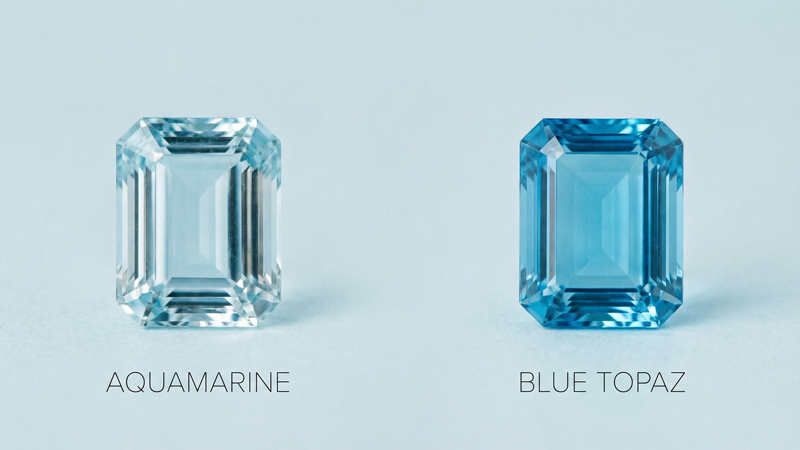
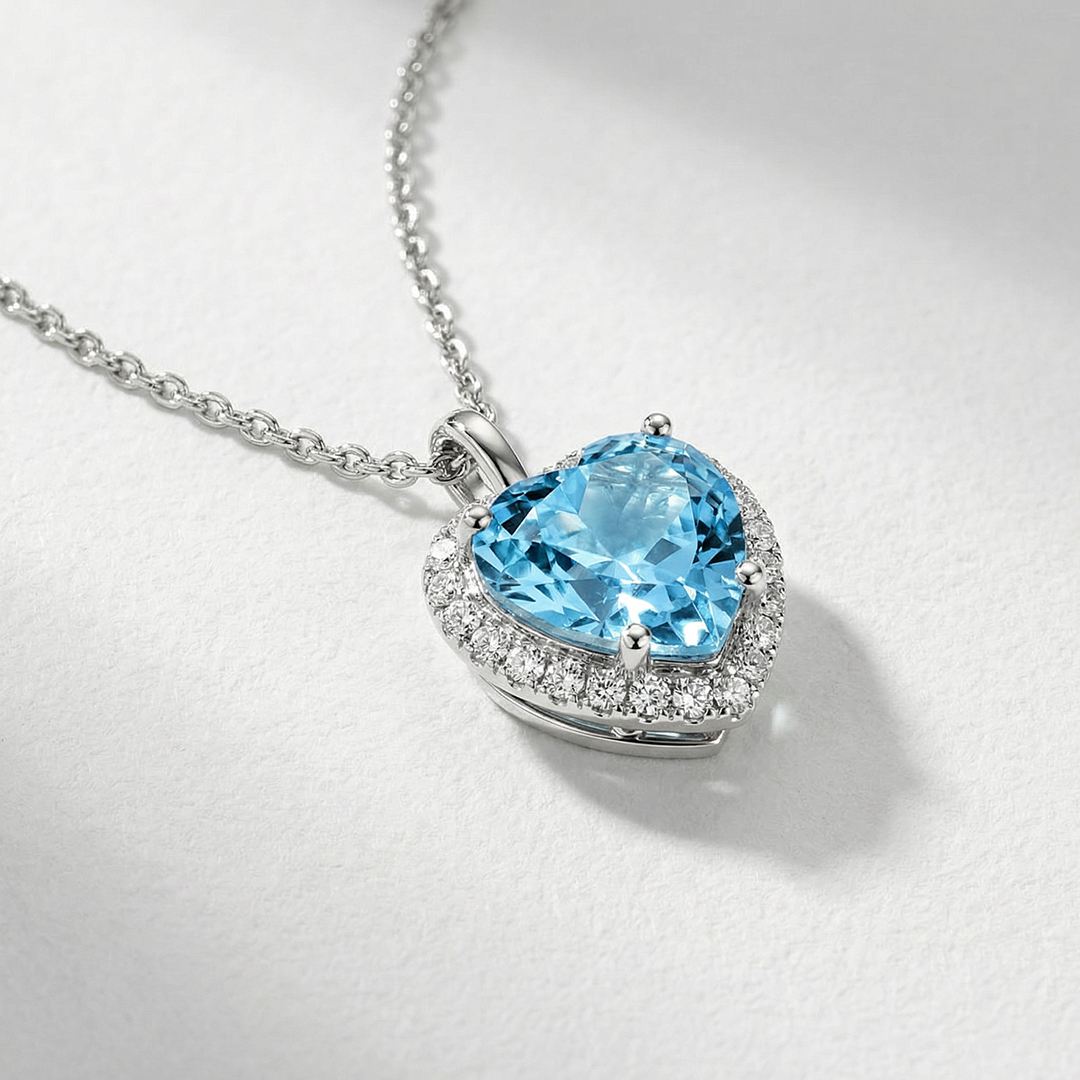
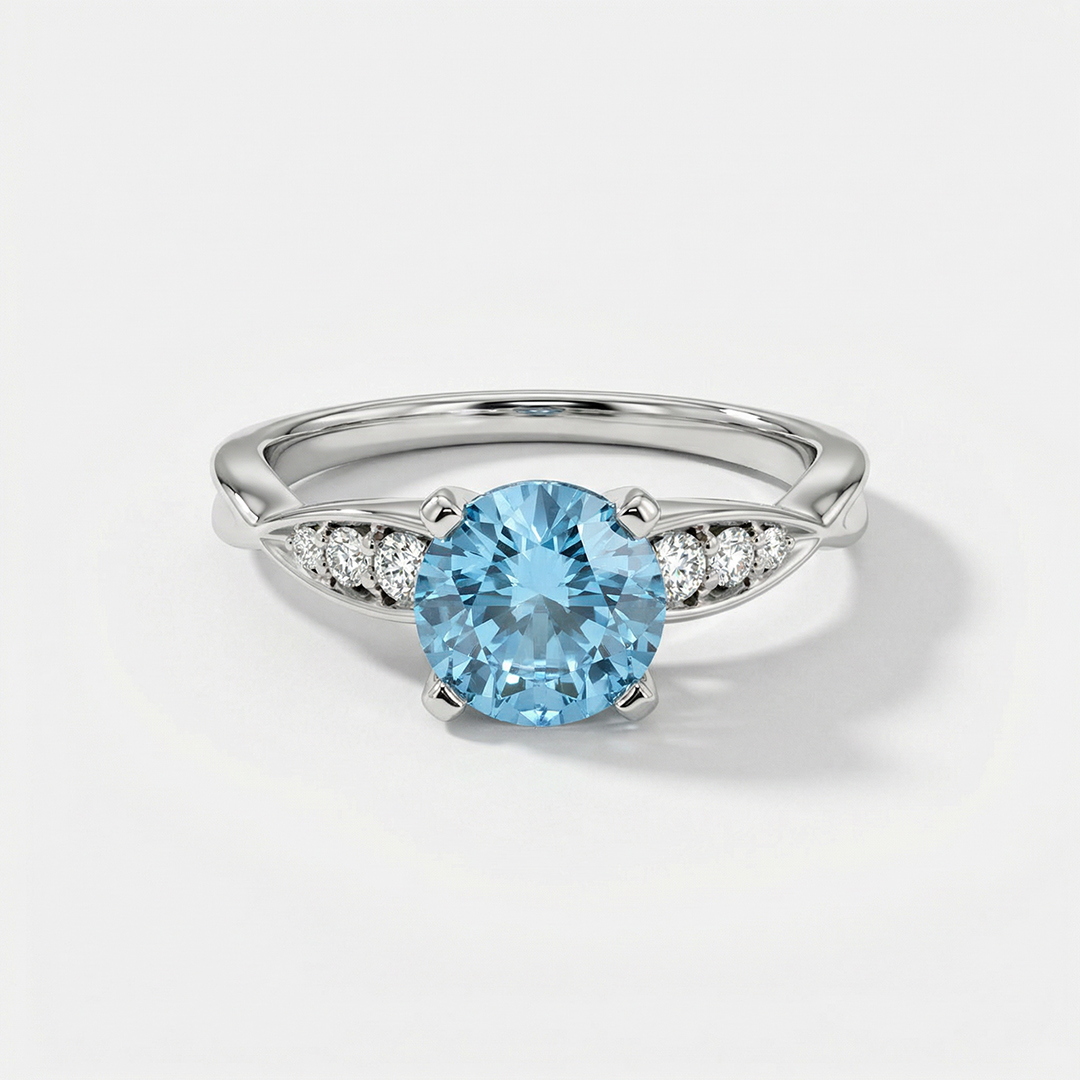
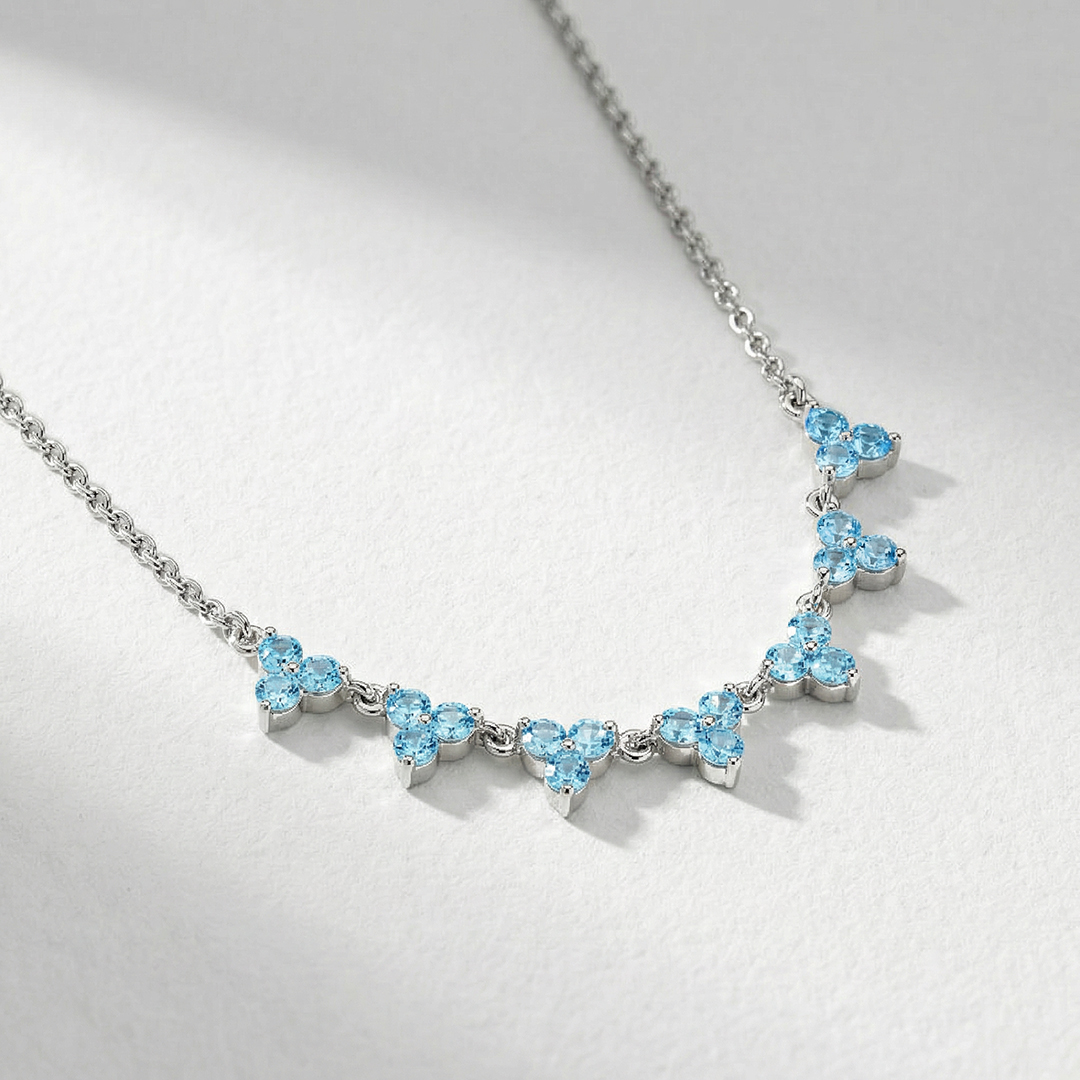
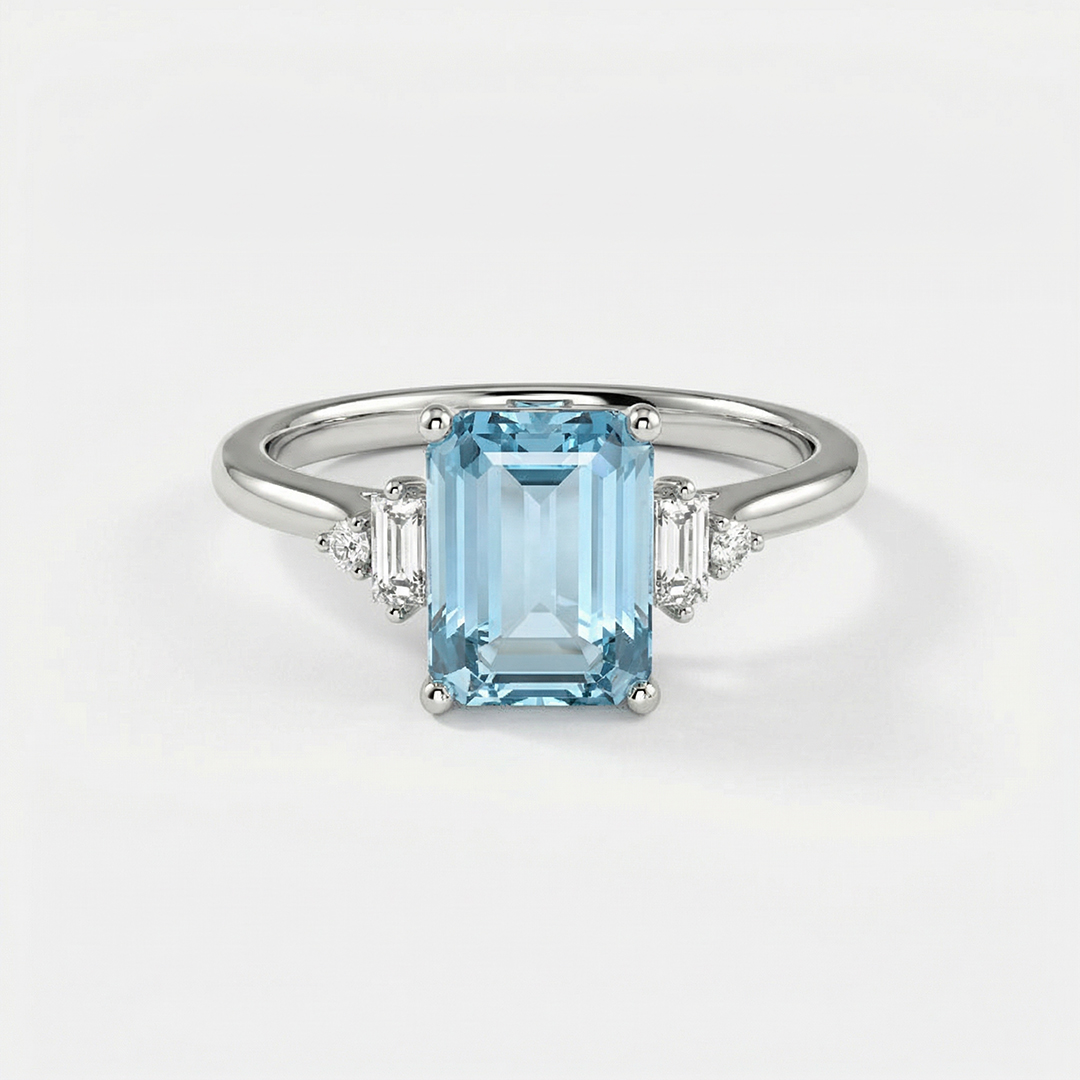
The most noticeable difference between aquamarine and blue topaz is their color and finish. Aquamarine boasts a cool, watery blue with subtle greenish undertones, giving it a soft, glowing appearance—like sunlight filtering through clear ocean water. It’s transparent, with a gentle luster that feels elegant and understated. Blue topaz, on the other hand, has a more vibrant, bold blue (depending on treatment): London blue topaz is deep and dark, almost navy, while Swiss blue is bright and lively. It often has a crisp, glassy shine that makes it stand out, perfect for those who love statement jewelry.
2. Hardness & Durability
Both gems are durable enough for everyday wear, but there’s a slight difference in their hardness. Aquamarine has a Mohs hardness of 7.5-8. This makes it scratch-resistant and suitable for rings, necklaces, and earrings—just be sure to avoid harsh chemicals that can dull its shine. Blue topaz is slightly harder, with a Mohs hardness of 8, making it equally durable, but it’s prone to chipping if dropped on hard surfaces. The takeaway? Both are great for daily jewelry, but aquamarine may need a little extra care to keep its soft glow intact.
3. Origin & Rarity
Aquamarine is primarily mined in Brazil, Madagascar, and Nigeria, with natural, untreated stones being relatively rare—especially those with deep, rich blue hues like Santa Maria blue. This rarity contributes to its higher value and appeal for collectors or those who prioritize natural gemstones. Blue topaz, meanwhile, is more abundant. While natural blue topaz is rare, colorless topaz (the base for treated blue topaz) is widely mined around the world. This abundance makes treated blue topaz more common and affordable, making it a popular choice for everyday jewelry.
4. Price
Price is another key difference between aquamarine and blue topaz, driven largely by their rarity. Aquamarine is more expensive, with prices increasing as the color depth and clarity improve—deep Santa Maria blue aquamarines are the priciest. Blue topaz, on the other hand, is much more affordable, thanks to its abundance and the availability of treated stones. This makes blue topaz a great option for those who want a bold blue gem without breaking the bank, while aquamarine is ideal for those willing to invest in a rarer, natural stone.
Symbolism & Meaning
Beyond their appearance, aquamarine and blue topaz have distinct symbolic meanings that add depth to their beauty. Aquamarine is the birthstone for March, symbolizing calm, courage, and clarity. Historically, sailors wore aquamarine as a talisman for safe travels, believing it would protect them from storms and guide them home. Blue topaz, the birthstone for November, represents wisdom, truth, and emotional balance. In modern times, it’s often associated with calming energy, making it a popular choice for those seeking mindfulness and clarity in their daily lives. Both gems carry timeless, relatable meanings that make them perfect for gifts or personal wear.
Which One Should You Choose?
Choosing between aquamarine and blue topaz ultimately comes down to your personal style preferences, budget constraints, and individual needs. Both work beautifully in engagement rings, necklaces, and earrings—there is no “better” gem, only the one that aligns most closely with what you value in jewelry.
- Opt for aquamarine if you prefer a soft, natural blue hue, want a rarer gemstone, or love elegant, understated jewelry. Its watery glow is perfect for both everyday wear and special occasions. Besides, it’s also an ideal choice if you’re a March baby or need a thoughtful March birthstone gift.
- Choose blue topaz if you want a bold, vibrant blue, are working with a budget, or prefer eye-catching statement pieces. Its varied shades—from bright Swiss blue to deep London blue—offer great versatility, and it makes a wonderful gift or personal accessory for November birthdays.



Care Tips for Both Gemstones
Caring for your aquamarine or blue topaz jewelry is simple with these quick tips. First, remove your jewelry before applying perfume, lotion, or cleaning products—harsh chemicals can dull their shine. Clean them regularly with warm, soapy water and a soft cloth to remove dirt and oils. Finally, store them separately in a soft pouch or jewelry box to avoid scratches from other gemstones or metals. With a little care, both gems will retain their beauty for years to come.
Conclusion
Aquamarine and blue topaz are both stunning blue gemstones, but their unique traits—from aquamarine’s soft, natural glow and rarity to blue topaz’s bold hues and affordability—set them apart. When it comes to aquamarine vs blue topaz, the difference isn’t about which is “better”, but which aligns with your style, budget, and what you love most. Whether you choose the sea-inspired elegance of aquamarine or the vibrant charm of blue topaz, you’ll have a beautiful gem that adds joy to your jewelry collection.