When you’re shopping for an engagement ring, lab-grown diamonds are bound to catch your eye. That’s when the questions start: What exactly is a lab-grown diamond? Is it a real diamond? Will it last? And most importantly, should you choose one for your engagement ring? This guide breaks down the pros, the cons, and what you’re really getting for your money, so you can make a choice that feels right for you.
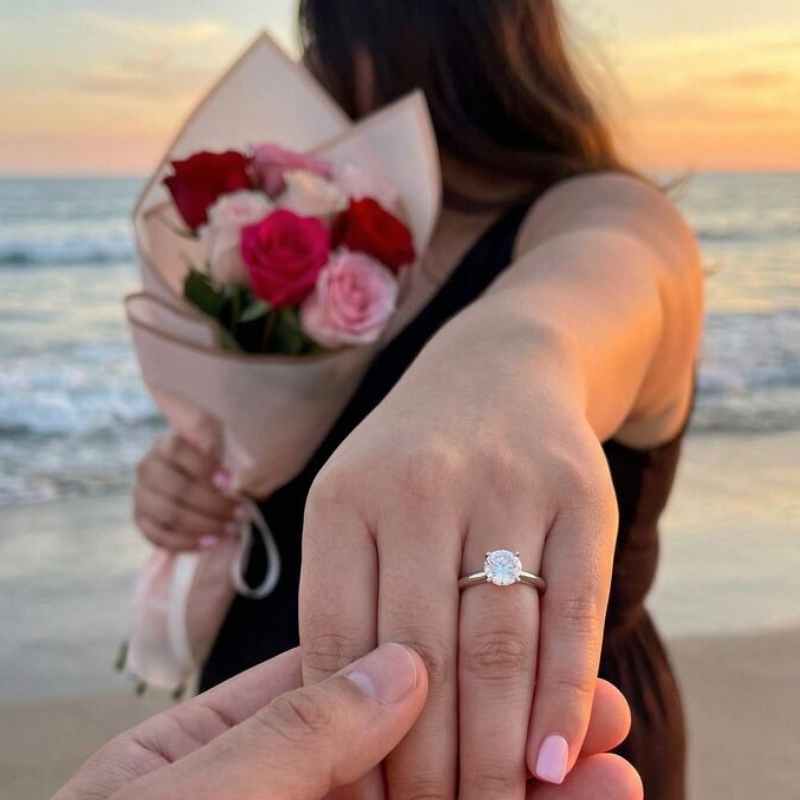
What a Lab-Grown Diamond Actually Is
A lab-grown diamond isn’t a simulant — it’s not cubic zirconia, and it’s not glass. It’s the same material as a mined diamond: carbon atoms locked into the same crystal structure, with the same hardness (10 on the Mohs scale) and the same sparkle. The Federal Trade Commission recognizes lab-grown stones as diamonds, provided the origin is disclosed.
The difference is where the stone forms. Mined diamonds crystallize deep in the earth over millions of years. Lab-grown diamonds crystallize in a chamber over a few weeks, using high-pressure, high-temperature (HPHT) or chemical vapor deposition (CVD) methods.
Place two diamonds under a loupe — one lab-grown, the other mined — and even a trained eye may struggle to tell them apart without specialized equipment. One key difference appears in their grading reports: IGI and GCAL assess lab-grown diamonds using the same 4Cs — cut, color, clarity, and carat weight — used to evaluate natural diamonds.
Durability follows the chemistry. Lab-grown stones wear like mined ones — same 10 on the Mohs scale, same care rules. Clean it the same way, insure it the same way, worry about it the same amount.
The Pros: Why You Should Consider a Lab-Grown Diamond
You get more ring for the same money. Lab-grown diamonds typically cost 70–90% less than mined stones of comparable quality. A one-carat lab-grown diamond often runs around $1,000, where a similar mined stone might list anywhere from $4,000 to $10,000 depending on specs. For most couples, that gap isn’t a coupon — it’s a different budget entirely.
Run the math on your own number. Say you’ve saved $5,000. In mined diamonds, that often lands around a 0.8–0.9 carat stone with mid-range grades. In lab-grown, the same $5,000 can usually reach 1.5 carats or more, with an excellent cut and near-colorless color — sometimes both. That’s not a discount. It’s a different shopping list.
The savings usually go into a better stone, not just a cheaper one. Same budget, three directions: bigger carat, higher cut grade, or a more detailed setting. Cut is the one that pays off daily — a well-cut stone outsparkles a larger, duller one. This is the “value” in the title: lab-grown changes what your money can actually buy.
Origin clarity. Lab-Grown Diamond No mining, no origin questions. For couples who think about where their jewelry comes from, a stone that went from chamber to setting with a documented trail is a simpler story to tell.
Ethical Sourcing and a Greener Choice. For many conscious consumers, the diamond industry has historically raised ethical concerns regarding human rights, unsafe labor conditions, and environmental degradation. While organizations like the Kimberley Process have worked to address conflict diamonds, supply chain transparency can still be a concern. Lab-grown diamonds eliminate the need for diamond mining, offering an alternative for buyers who want to avoid some of the social and environmental issues associated with extraction.
They’re graded to the same standards. IGI and GCAL reports cover the same 4Cs as mined stones, so you can compare lab-grown diamonds the same way you’d compare mined ones — stone against stone, on the numbers.
Popular Lab-Grown Diamond Engagement Ring Styles
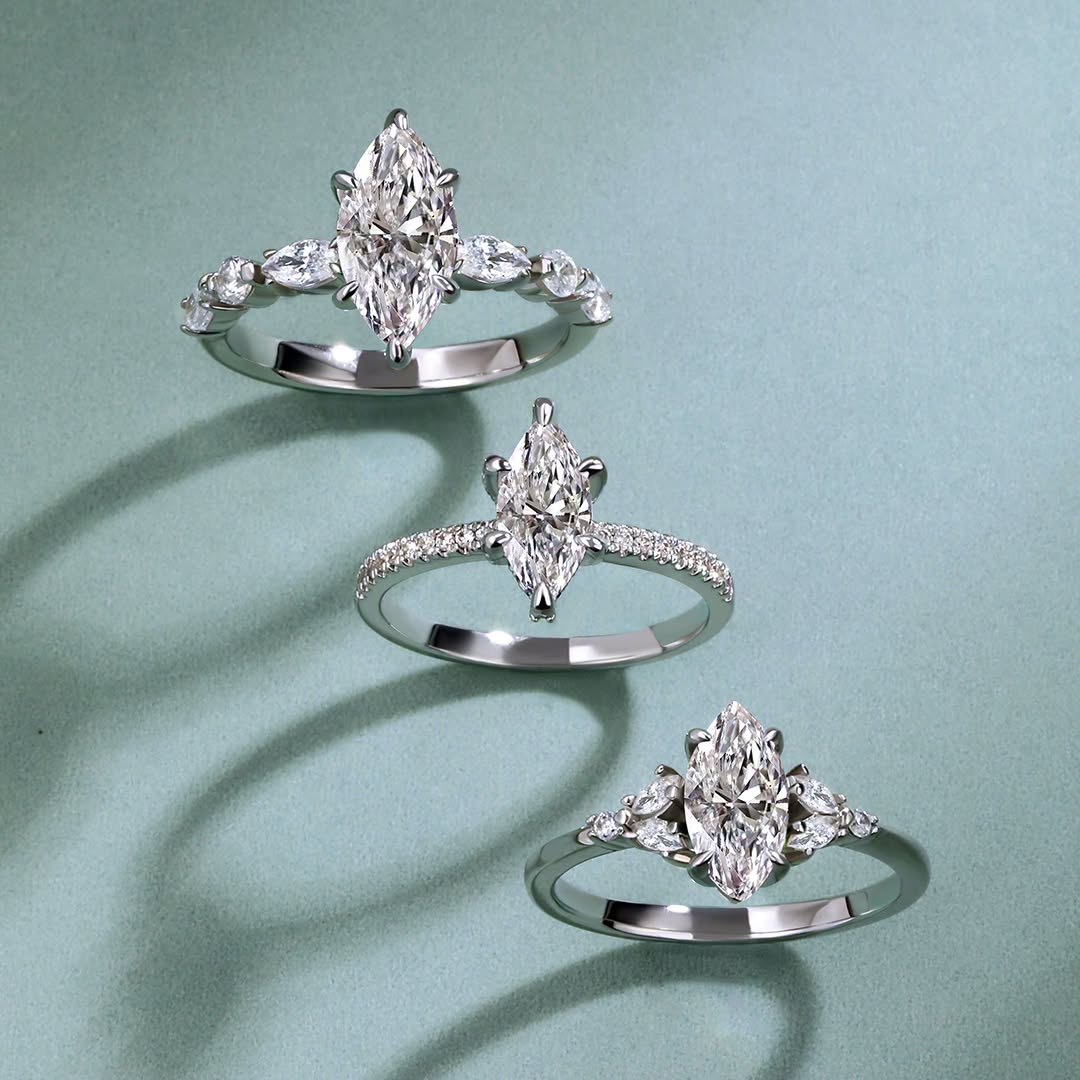
Choosing a lab-grown diamond is only half the fun. The setting shapes how your ring looks, feels, and fits into everyday life. Whether you love something simple or a design with a little more personality, these six popular engagement ring styles are worth exploring.
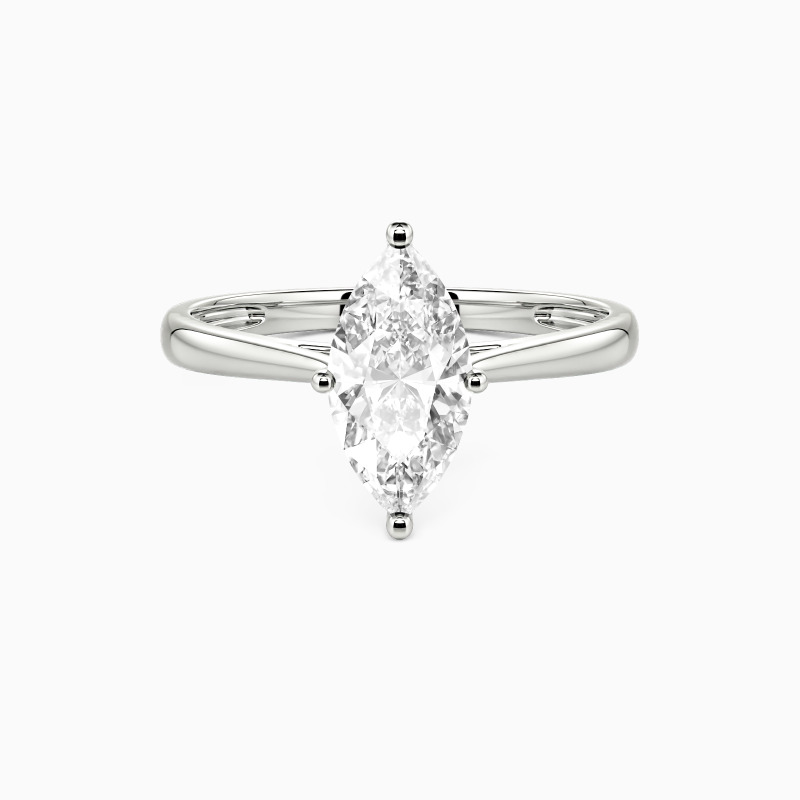
Solitaire Engagement Rings
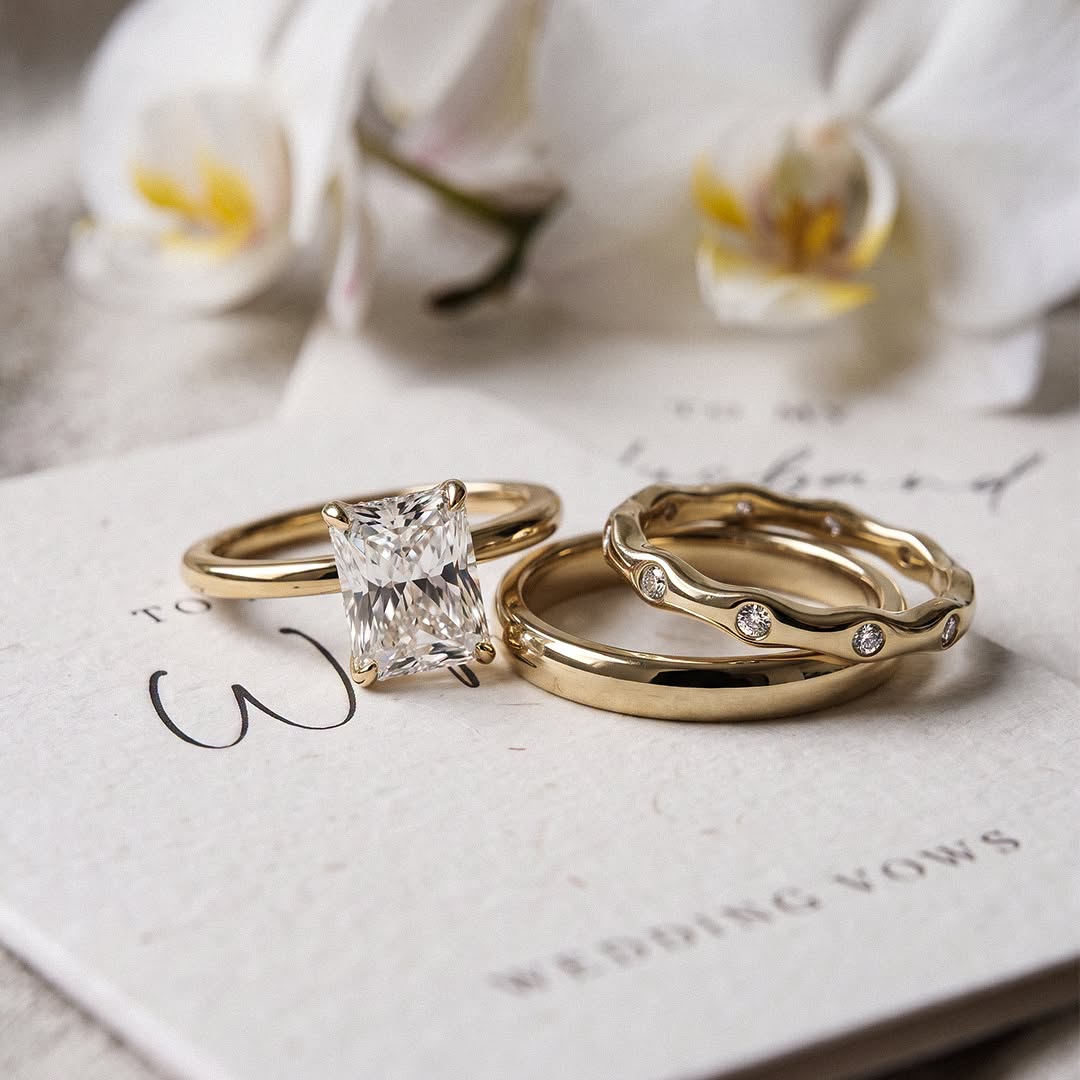
Sometimes, one diamond is all you need. A solitaire features a single center stone on a simple band, letting its shape and sparkle take center stage. Round and oval-cut lab-grown diamonds are especially beautiful in this setting. It’s a timeless choice for someone who prefers understated elegance.
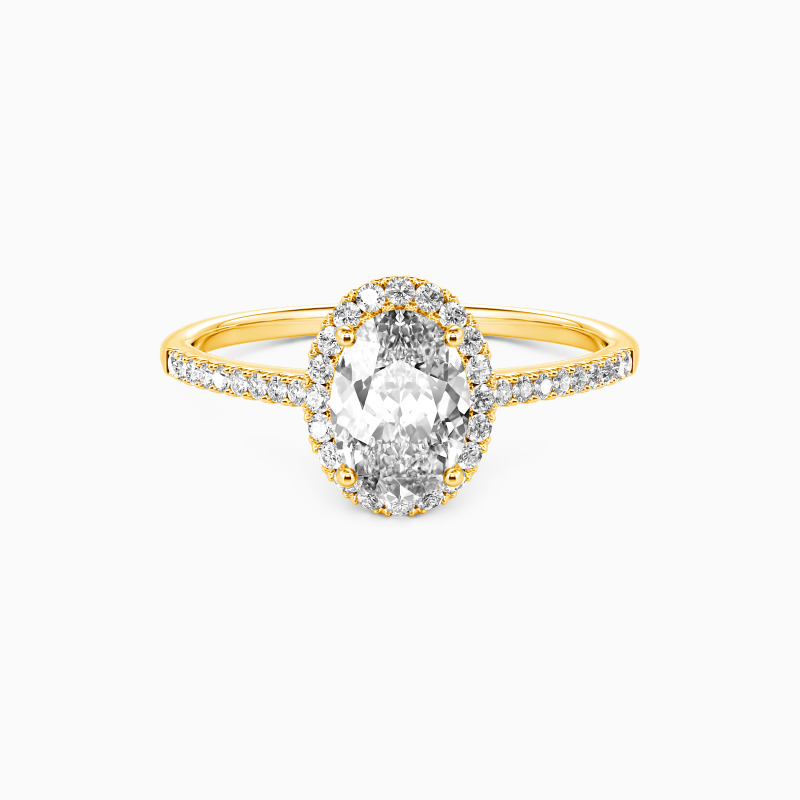
Halo & Hidden Halo Engagement Rings
Love a little extra sparkle? A traditional halo surrounds the center diamond with smaller stones, making it appear larger and more brilliant. A hidden halo adds that sparkle beneath the center stone instead, creating a subtle detail that’s best seen from the side. Both offer a beautiful balance of elegance and shine.
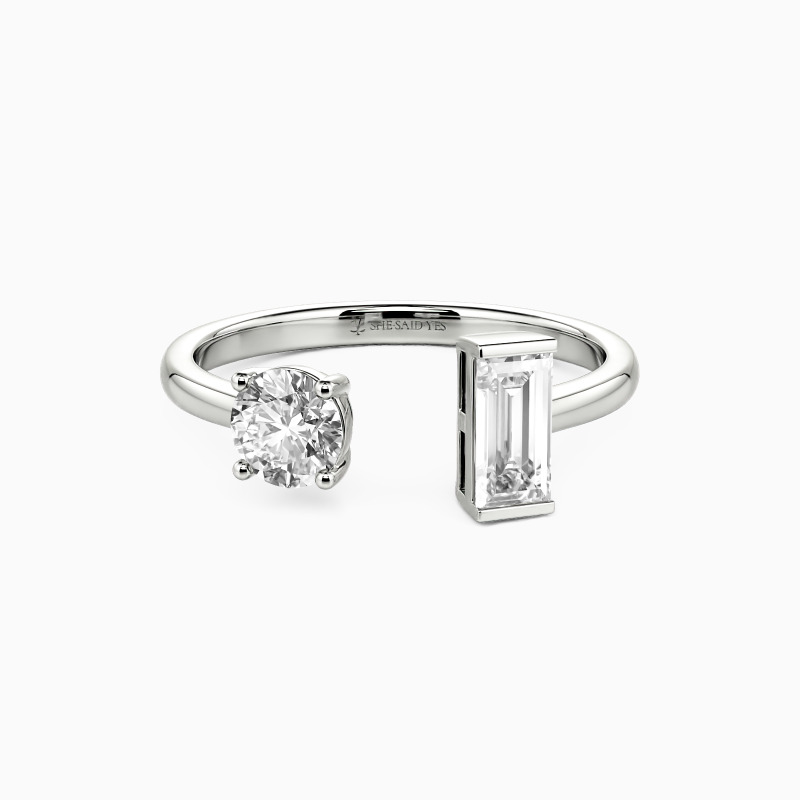
Toi Et Moi Engagement Rings
Why choose one diamond shape when you can have two? Meaning “you and me” in French, this romantic design places two stones side by side, often pairing contrasting shapes like pear and round cuts. Each stone represents one person, making it a meaningful choice for couples who love something a little different.
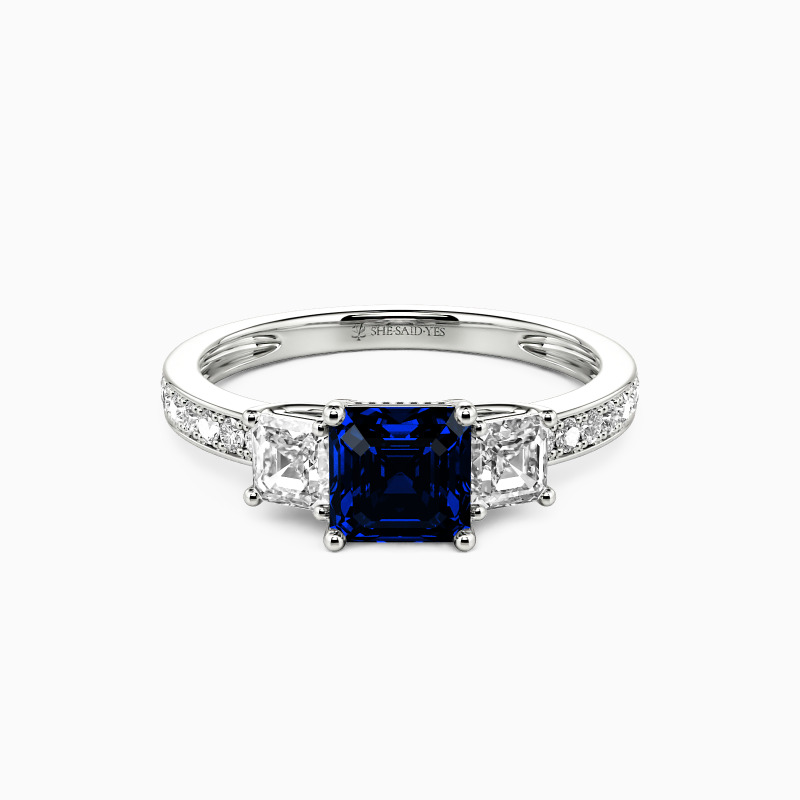
Three-Stone Engagement Rings
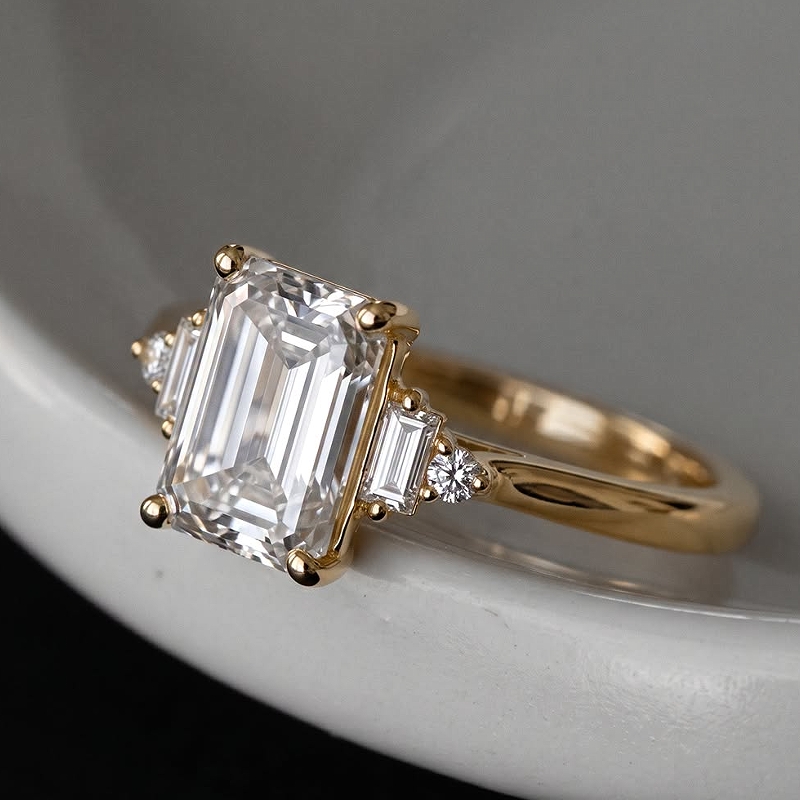
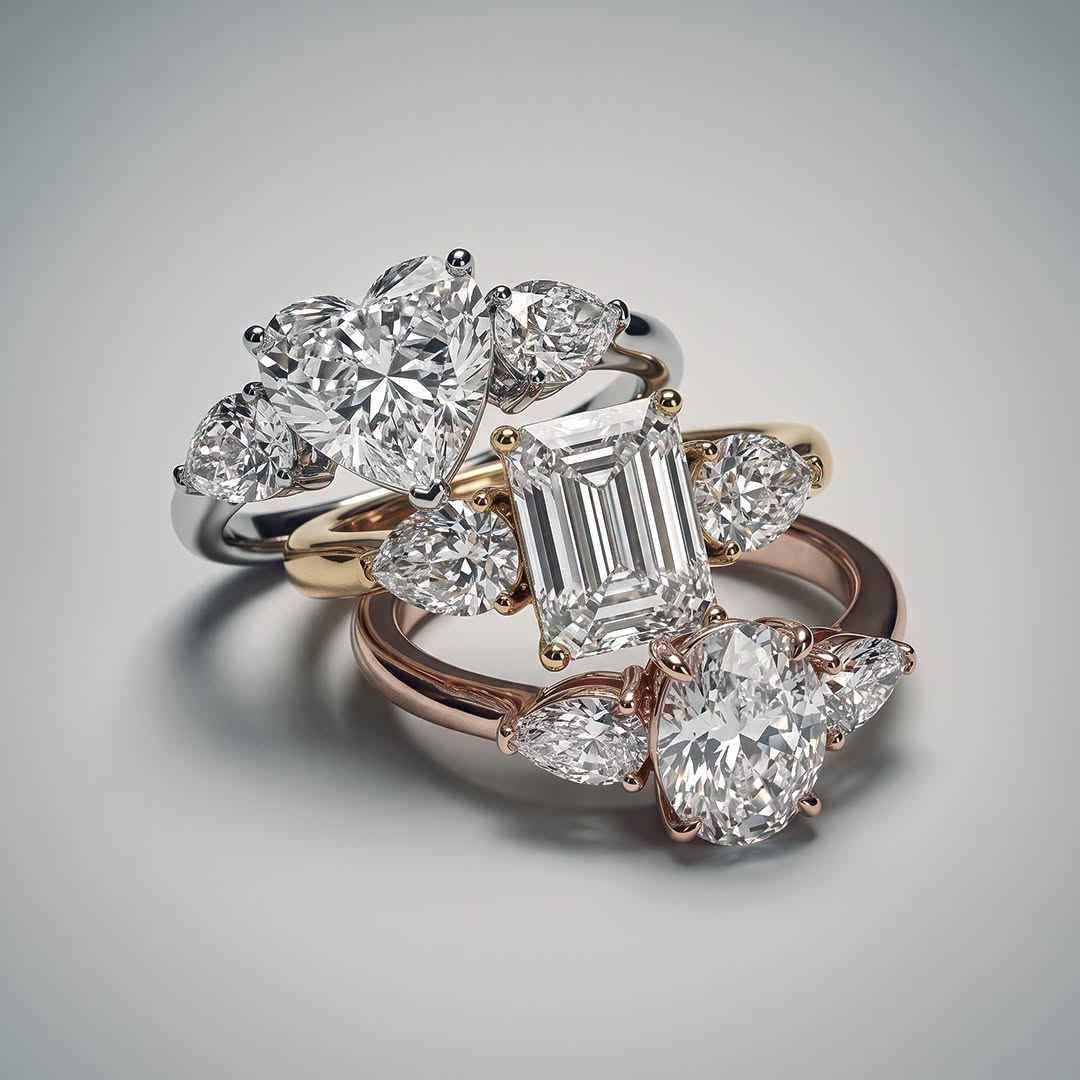
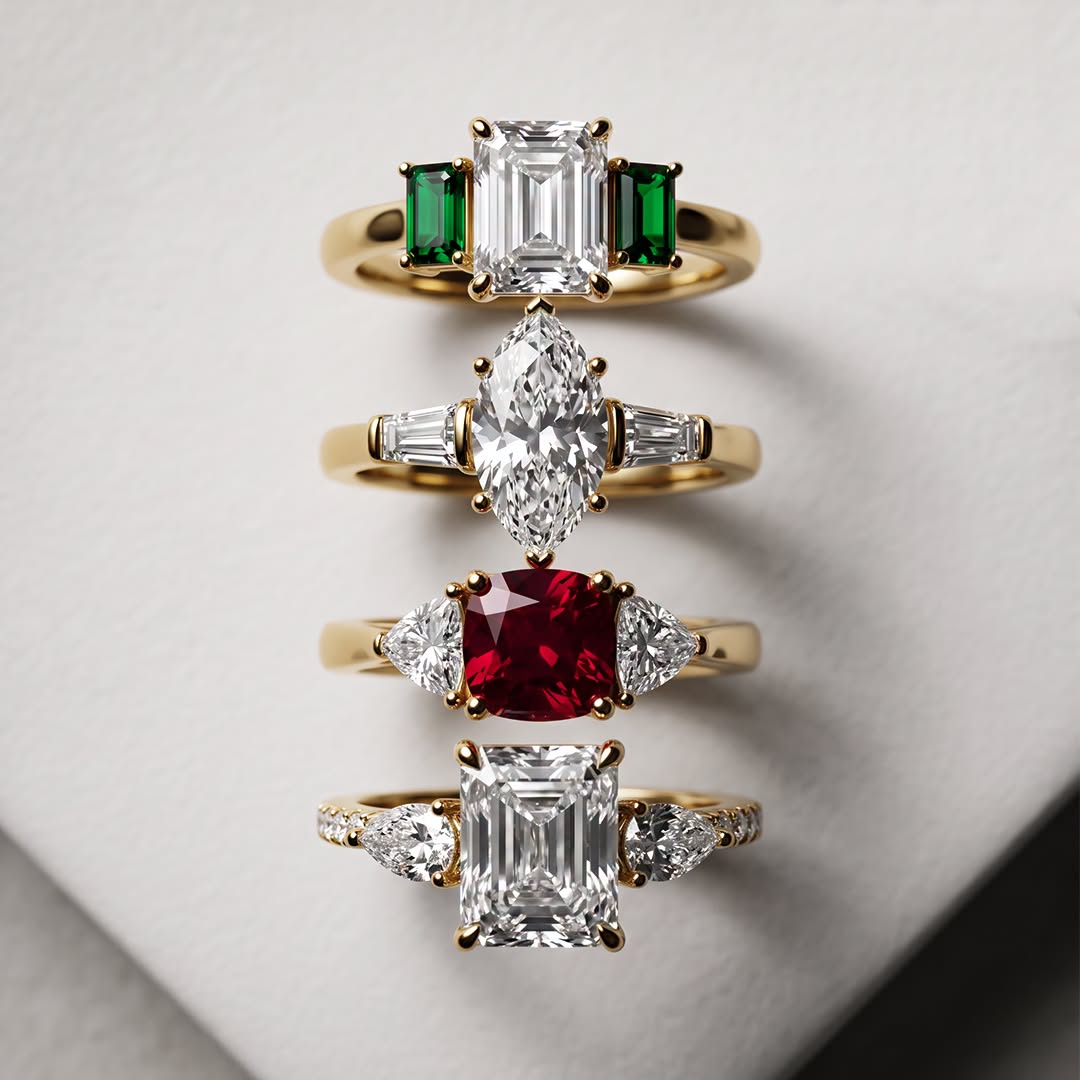
Three diamonds, one love story. Traditionally symbolizing the past, present, and future, this setting features a larger center diamond framed by two side stones. You can keep the look classic with matching shapes or add personality by mixing cuts. Either way, it’s a beautiful way to give your ring a deeper meaning.
Pavé Engagement Rings
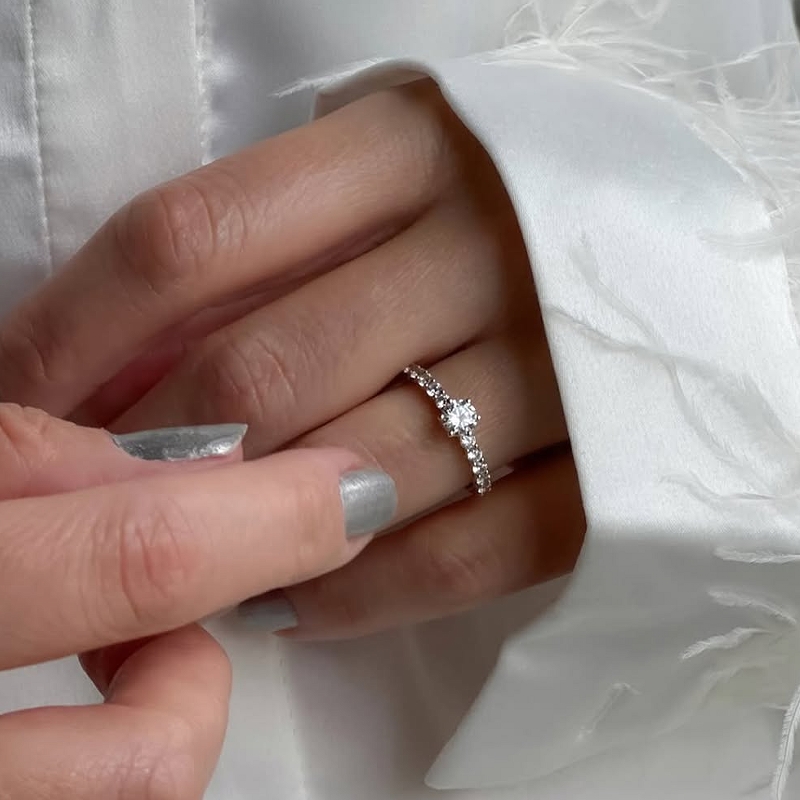
If you want sparkle beyond the center stone, a pavé setting delivers. Tiny diamonds line part or all of the band, catching the light with every movement. Paired with a lab-grown center diamond, this style creates a brilliant look without requiring an elaborate setting.
Vintage-Inspired Engagement Rings
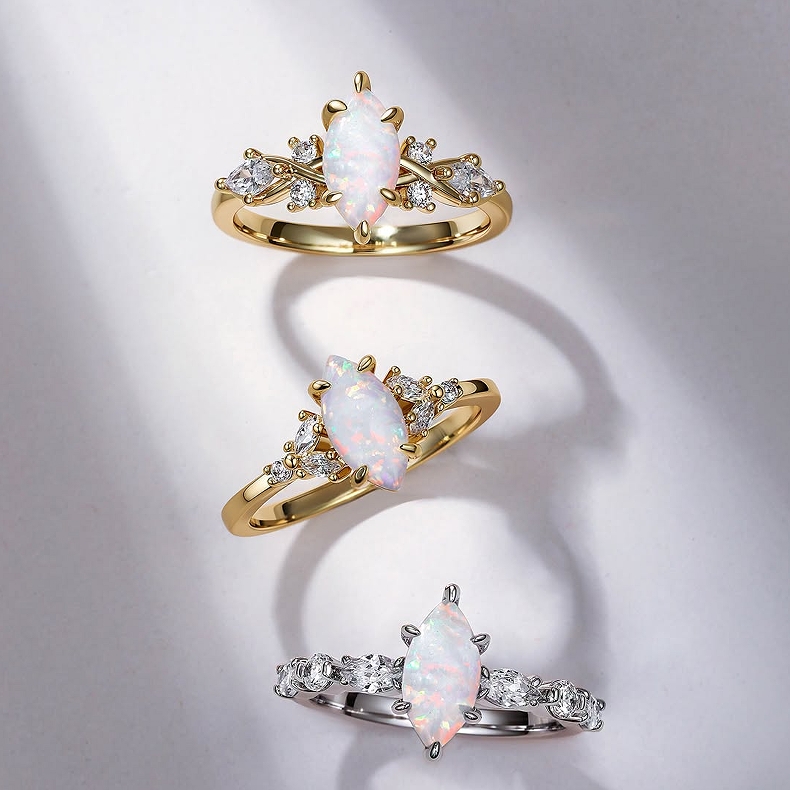
Some designs never lose their charm. Vintage-inspired rings feature romantic details like milgrain edges, delicate filigree, and geometric side stones. Whether you prefer Art Deco lines or softer antique-inspired touches, a lab-grown diamond brings a modern element to a ring that feels full of history.
The Cons (Honest Version)
Resale value is lower. Lab-grown diamonds generally have a weaker resale market than natural diamonds, and you may recover only a small portion of what you originally paid. Natural diamonds also tend to resell below their retail prices, so neither is a guaranteed investment. If you’re choosing an engagement ring to wear and enjoy rather than resell, the lower upfront cost of a lab-grown diamond may matter more than its future resale value.
They don’t have the same rarity or geological history. Natural diamonds form deep within the earth over millions or even billions of years, giving them a history that some people find meaningful. Lab-grown diamonds share the same physical and optical properties, but their origins are different. If the rarity and natural formation of a diamond carry special significance for you or your partner, that’s a valid reason to prefer a mined stone.
Some people still see them differently. Despite being real diamonds, lab-grown stones are sometimes viewed as less special or less valuable than natural diamonds. Attitudes are changing as lab-grown diamonds become more common in engagement rings, particularly among younger couples. Still, personal preferences and cultural expectations can influence how a ring is perceived. It’s worth understanding what matters most to your partner before making a decision.
How to Buy Lab-Grown Engagement Rings
Ask for the grading report. For stones over roughly half a carat, an IGI or GCAL report is the standard. It’s the single most useful piece of paper in the purchase.
Put cut first. Brilliance comes from cut before anything else. A well-cut 0.9-carat stone usually outsparkles a mediocre 1.0.
Know the new grading landscape. In late 2025, GIA moved lab-grown grading to a simplified Premium/Standard scale, while IGI continues with traditional 4Cs. If two reports seem to describe the same stone differently, that’s likely why — compare within one grading system, not across two.
Hunt the sweet spots. G–H color and VS clarity are widely considered the value zone for lab-grown: near-colorless to the eye without the top-tier premium.
Check the energy story if you care. Renewable-powered labs exist, and they’re worth a moment of research if the footprint is part of your decision.
Read the return policy and resizing terms. The boring questions are the ones that protect you — especially for a ring that may need sizing after the proposal.
Is Lab-Grown Engagement Rings Right for You?
Lab-grown tends to fit when: budget is the constraint and you want the most beautiful stone it can buy; sustainability and origin questions matter to you; you two plan to keep the ring forever, so resale rarely enters the conversation.
Mined tends to fit when: the earth-formed origin carries personal meaning; resale or heirloom tradition is part of the family story; the budget comfortably covers the stone you want.
Moissanite fits when: she’s drawn to rainbow fire, or the goal is maximum size for minimum spend.
A quick reality check across three budgets:
- Around $1,000–$1,500 — a 0.75–1 carat lab-grown solitaire in 14k gold, or a visibly larger moissanite.
- Around $2,500–$4,000 — 1–1.5 carats of lab-grown with an excellent cut in 14k or 18k gold; halo and three-stone settings enter the picture.
- Around $5,000 and up — 1.5 carats or more, near-colorless grades, platinum or recycled gold settings, and room for customization.
None of these are wrong answers. The ring that’s right is the one she’ll still smile at in ten years — the label inside the band is a much smaller detail than people think.
Conclusion
In the end, choosing an engagement ring isn’t just about carat weight, price, or where the diamond comes from. It’s about finding something that reflects your relationship and feels right for the person wearing it. Whether you choose a natural or lab-grown diamond engagement rings, what matters most is the meaning behind the ring — and the story you’ll build together.