You’ll probably notice that amethyst has a way of drawing the eye with its calming purple. Centuries ago, it was so rare that it could rival sapphires and rubies in value—quite the celebrity of the gemstone world. These days, it’s much more approachable and pops up in jewelry at all sorts of price points.So how do you make sense of what an amethyst is really worth? Let’s take a closer look.
What Is Amethyst
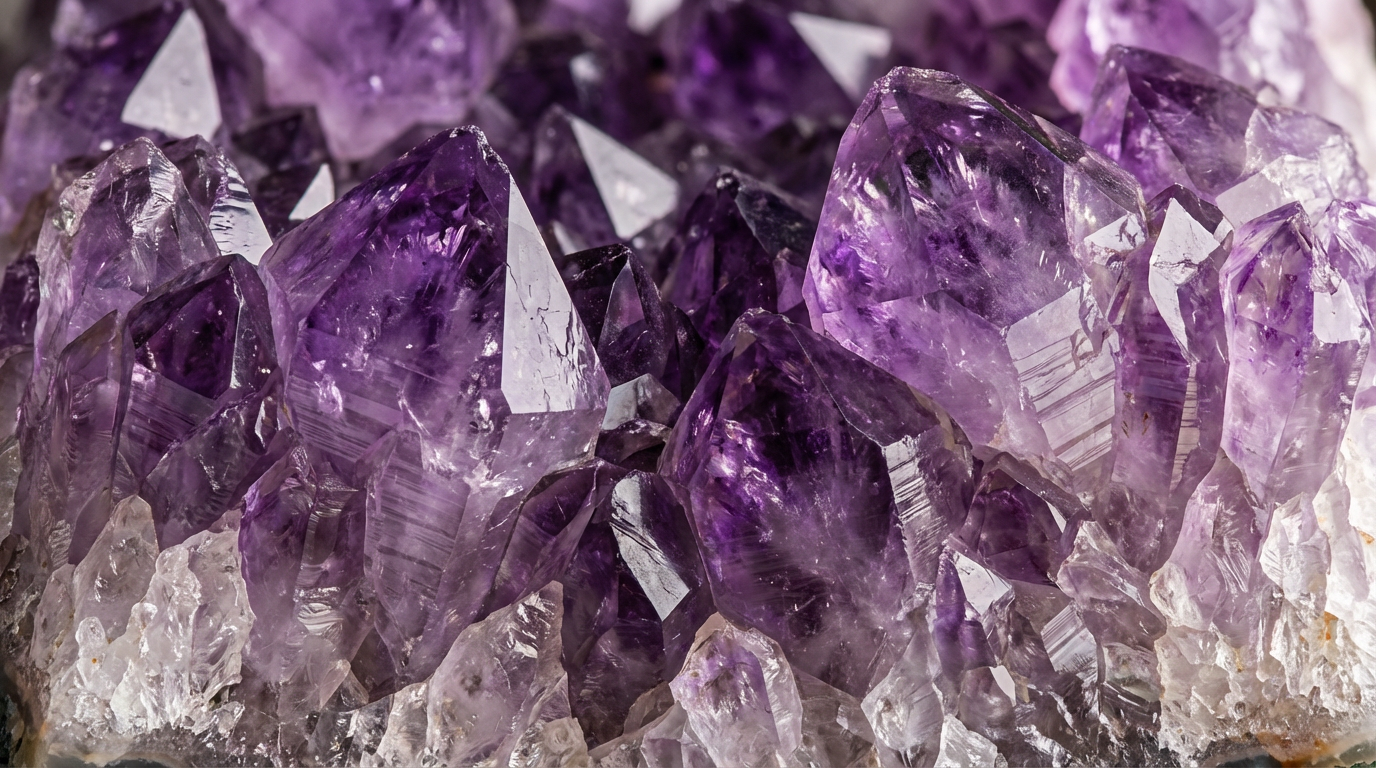
Amethyst is a purple variety of quartz. Its color forms naturally through trace amounts of iron and long-term exposure to radiation underground. That may sound technical, but visually it’s simple. Purple, ranging from pale lilac to deep violet.
Historically, amethyst wasn’t considered an affordable gemstone. In ancient Greece and Rome, people believed it protected against intoxication. Its name comes from amethystos, meaning “not drunk.” For centuries, it held status similar to sapphire or ruby.
Everything changed in the 19th century when large deposits were discovered in Brazil. Supply increased, prices adjusted, and amethyst became more accessible. What didn’t change was its appeal.
Today, amethyst remains well respected. It simply offers more flexibility for buyers.
What Really Influences the Price of Amethyst
You’ve probably heard about the “4 Cs.” They’re a handy way to think about gemstones, but in real life, a few factors really drive amethyst prices.
Color
Color has the biggest impact on value. Nothing else comes close.Deep, saturated purple stones tend to command higher prices, especially when the color shows subtle red or blue tones. Lighter lavender stones usually cost less.
Evenness matters as well. Stones that appear consistently purple across the surface generally sell for more than stones with visible light and dark areas. Color zoning is natural, but it affects how the stone looks once set in jewelry. If you focus on one factor, make it color.
Clarity
Most buyers want a stone that looks clean at a glance. The market agrees.High-quality amethyst used in fine jewelry is typically eye-clean, meaning you don’t see inclusions without magnification. Stones with visible internal features often go into beads or decorative items instead.
That doesn’t mean inclusions automatically ruin a stone. Many amethysts have small internal features that don’t affect beauty or wearability.
Cut
Cut refers less to shape and more to execution.A well-cut amethyst reflects light evenly and looks bright in everyday lighting. A poorly cut one can appear dark or lifeless, even with good color.
Some cuts waste more rough material, which raises cost. Classic round cuts tend to be pricier for that reason. Elongated or custom cuts often offer strong visual impact with better value.
Carat
Carat weight Isn’t the deciding factor, Amethyst doesn’t behave like diamonds when it comes to size.Large crystals are relatively common, so price per carat doesn’t rise dramatically as size increases. A five-carat amethyst isn’t automatically more valuable per carat than a two-carat stone unless the color and clarity stand out. Size matters, but it rarely determines price on its own.
How Much Does Amethyst Cost?
The price of amethyst ultimately depends on how it is used.
Natural amethyst crystals and clusters can be quite affordable. Decorative pieces often sell for tens of dollars per kilogram, especially lighter-colored material. Deeply colored, large clusters are rarer and priced higher, but they remain accessible compared to most precious gemstones.
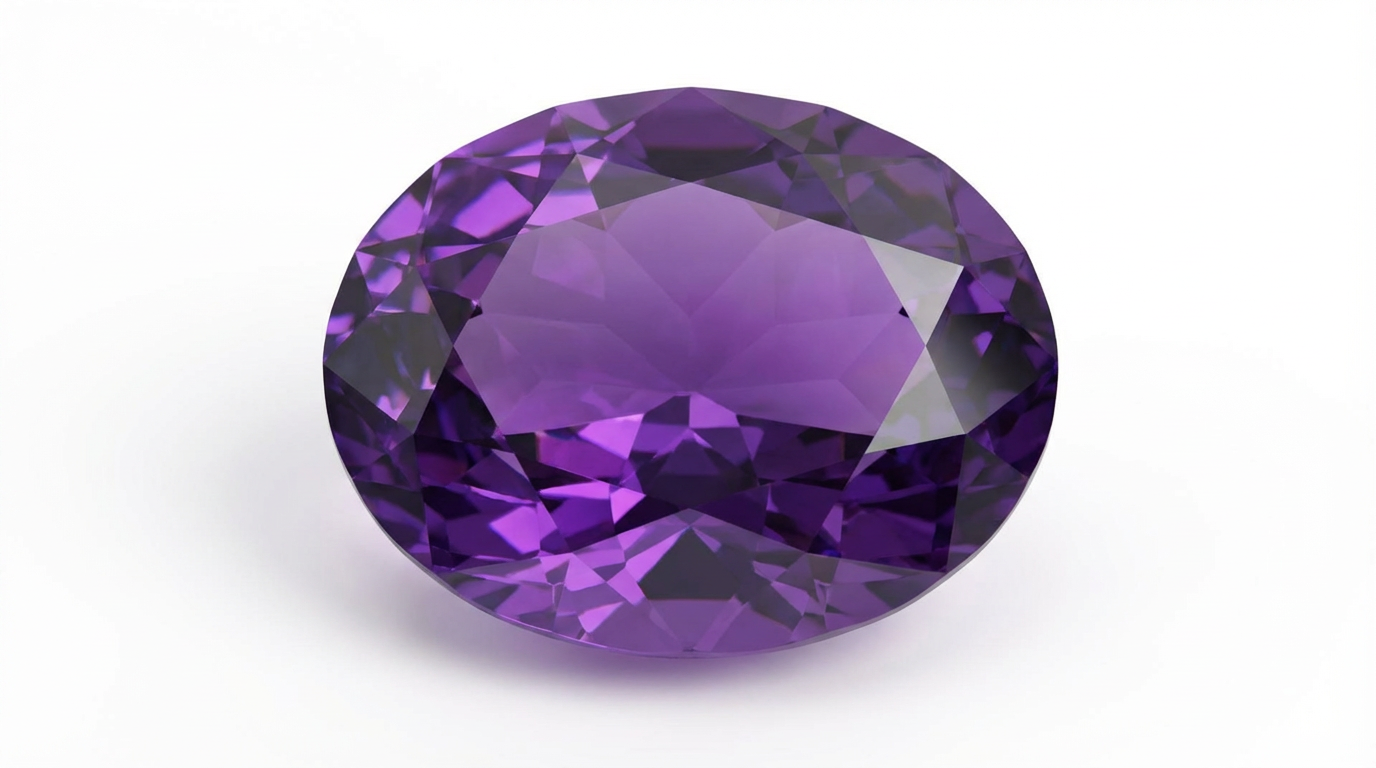
Cut amethyst gemstones used in jewelry typically fall into a mid-range category. Commercial-quality stones often sell around $20 to $50 per carat. Stones with exceptional color or cut can go higher.
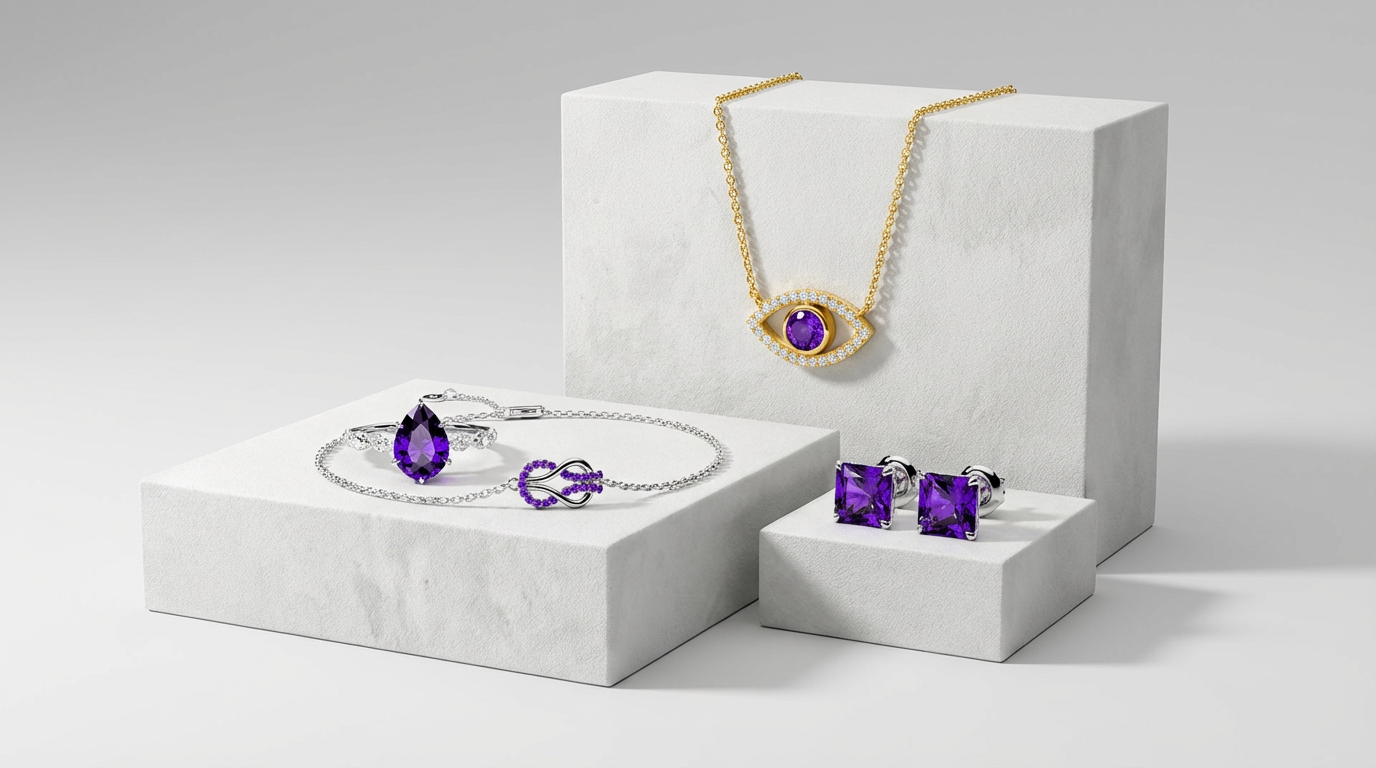
Once amethyst is set into jewelry, more variables come into play. Metal choice, craftsmanship, design, and brand positioning all affect the final price. It’s common to see amethyst rings priced anywhere from a few hundred dollars to several thousand. That difference reflects more than just the stone itself.
How to Choose Amethyst Jewelry
When you choose amethyst jewelry, the goal isn’t to find the most expensive piece. It’s to find the right one for you. Amethyst isn’t just a pretty stone. You might notice its soft purple glow seems to bring a sense of calm and balance. Wearing it or having it nearby can be a simple way to add a touch of peace and focus to your day.
Start with color. Look at the stone in normal lighting. If the purple feels vibrant and balanced, you’re on solid ground. Next, check clarity. If the stone looks clean to your eye, that’s usually enough.
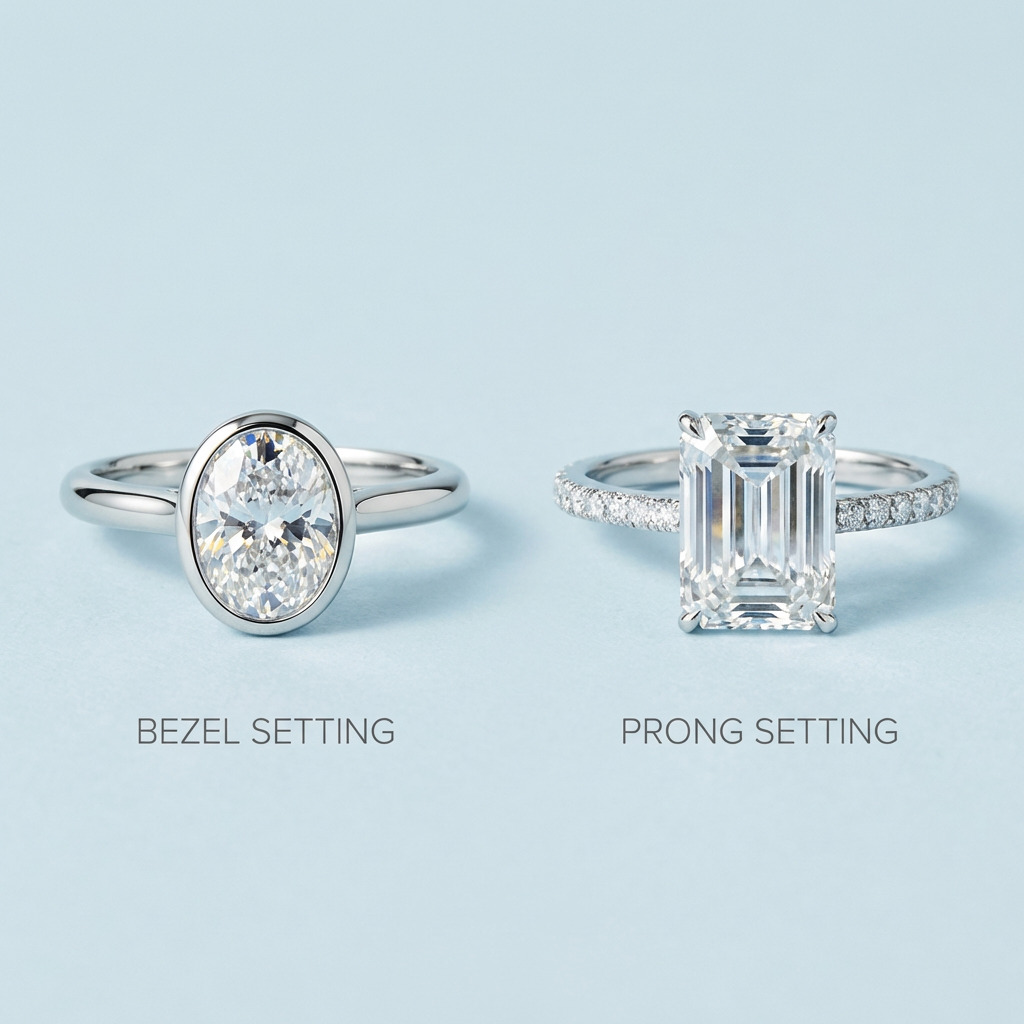
Pay attention to the setting. Good design and solid craftsmanship can elevate a modest stone. Poor construction can do the opposite.
If you’re spending more, ask questions. Sellers with nothing to hide are usually happy to talk about sourcing, treatments, or certification.
Where Beauty Meets Practical Value
Amethyst falls in a comfortable middle price range. It’s beautiful, meaningful, and appreciated by many, yet still within reach. Some stones cost less because they’re lighter in color or more common. Others cost more thanks to rich color and careful cutting. Neither choice is inherently better.
If you’re drawn to amethyst for more than its look, you might also enjoy exploring its deeper symbolism, especially as a February birthstone. The contrast between amethyst’s quiet wisdom and jasper’s grounded strength offers an interesting perspective on why February has two birthstones.
Once you understand what drives the price, you can choose with confidence and enjoy the amethyst jewelry for what it truly is.