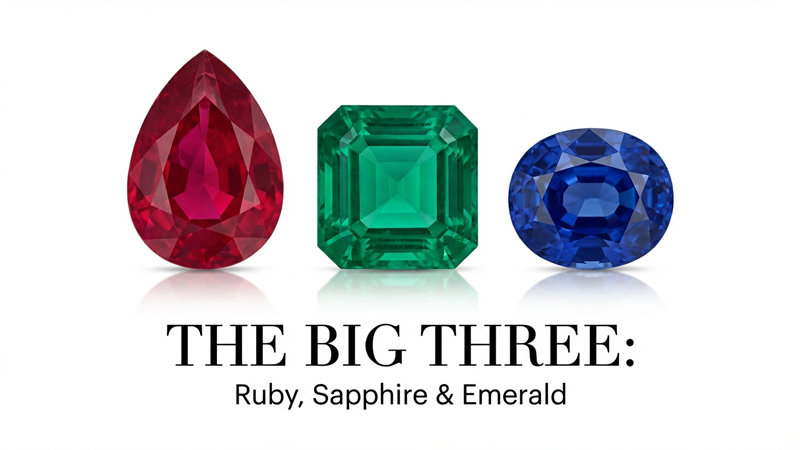
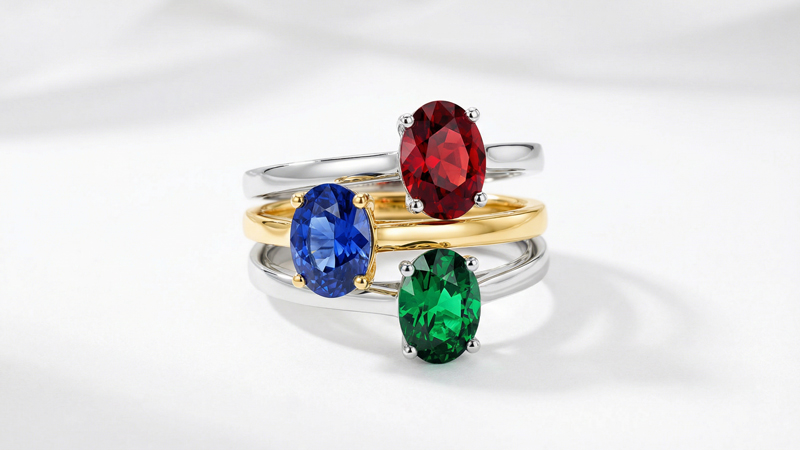
For centuries, a trio of legendary stones has reigned supreme in the world of fine jewelry, captivating hearts with their extraordinary color, rarity, and timeless symbolism. These are The Big Three Gemstones: Ruby, Sapphire, and Emerald. More than just beautiful minerals, they are emblems of passion, wisdom, and eternal growth, chosen to mark life’s most profound moments. This guide delves into the unique allure of each, helping you understand why they remain the ultimate choice for heirloom-quality jewelry.
What Are The Big Three Gemstones?
The designation of ruby, sapphire, and emerald as the “Big Three” is a narrative woven through history, from ancient Sanskrit texts to modern auction houses. Their preeminence is no accident—royalty, clergy, and collectors have coveted them for centuries. These gems possess three defining traits: an unmatched saturation of color, remarkable hardness that ensures they endure across generations, and a cultural weight that gives them deep significance. As the original precious colored stones, they remain the benchmark for all others.
Ruby — The King of Passion
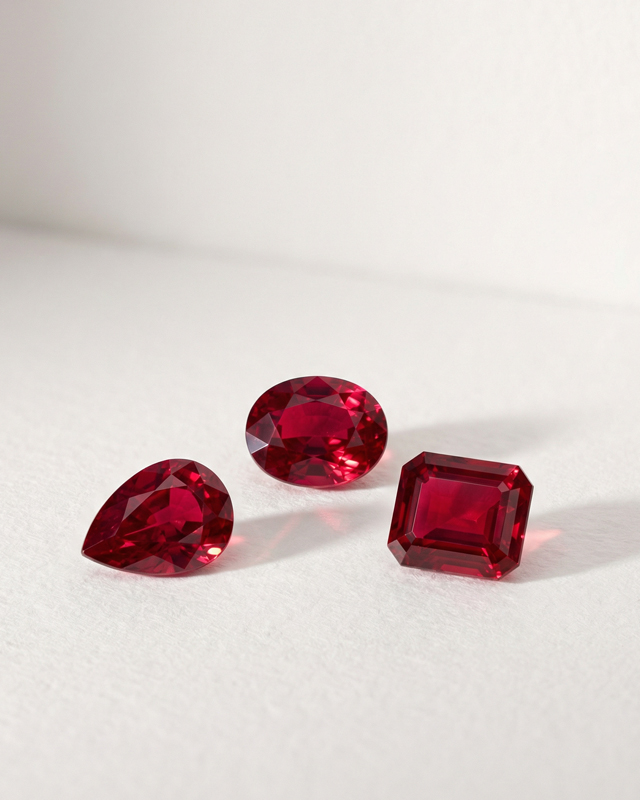
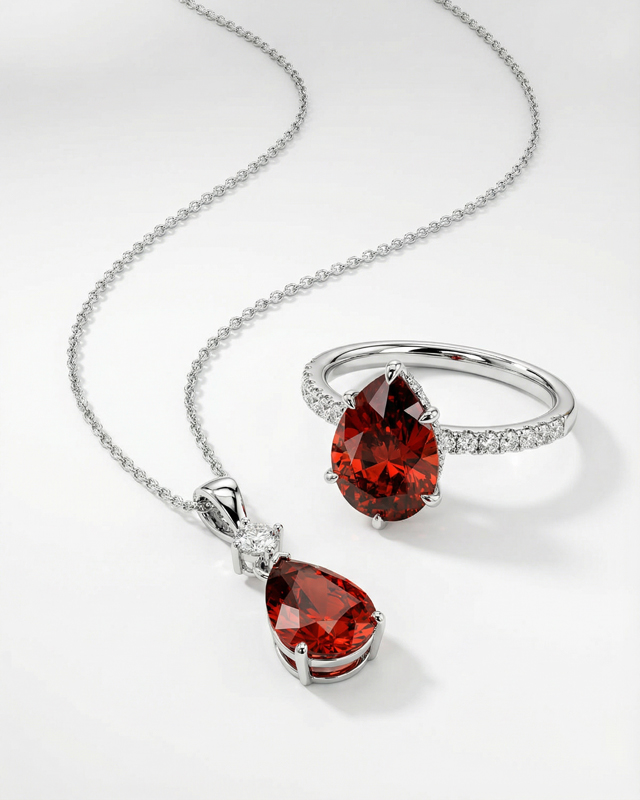
Ruby’s fiery red, with its most prized “pigeon’s blood” hue, has symbolized intense love, courage, and vitality throughout history. This profound symbolism makes it a powerful centerpiece for jewelry meant to convey deep commitment.
In terms of physical properties, ruby is exceptionally durable. With a hardness of 9 on the Mohs scale, it is second only to diamond, making it perfectly suited for everyday wear in engagement rings and other frequently worn pieces.
When evaluating a ruby, color is the most critical factor. The finest stones exhibit a vivid, saturated red with minimal secondary tones. While inclusions are common, they should not detract from the stone’s overall brilliance and transparency. A well-executed cut is essential to release its captivating inner fire.
Sapphire — The Stone of Wisdom & Loyalty
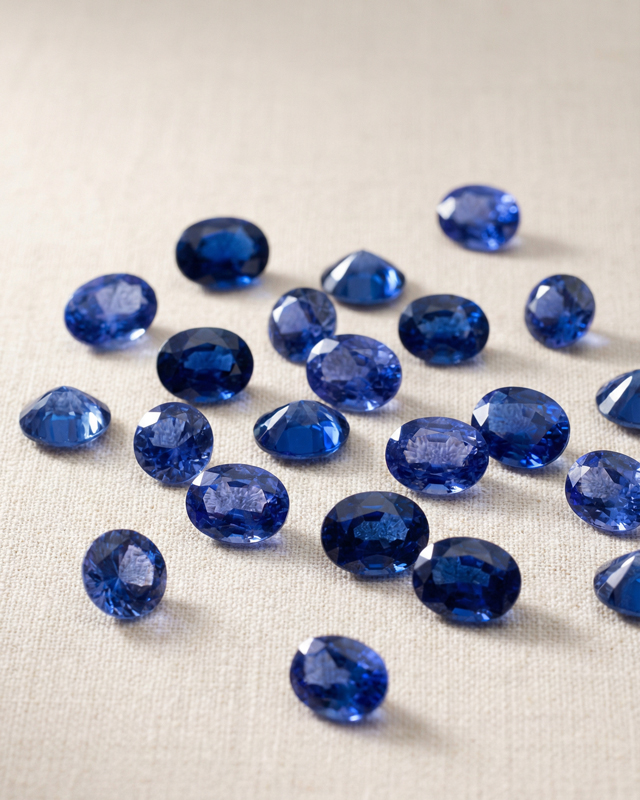
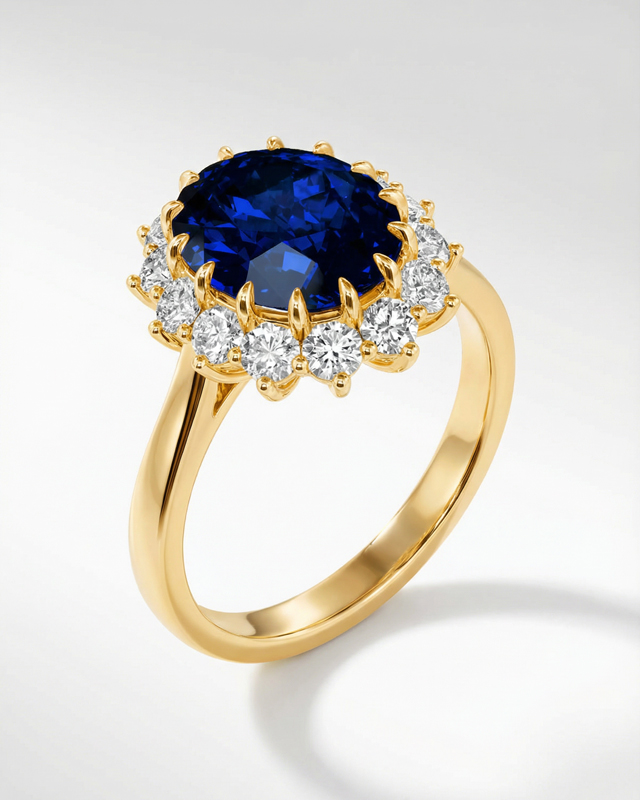
The classic blue sapphire embodies loyalty, wisdom, and serene nobility. Its deep, velvety blue has been a staple in royal collections for centuries, representing a love built on trust and integrity. (It’s worth noting that sapphires also present in other colors, such as romantic pink, offering versatile options for personal expression.)
Sharing ruby’s exceptional hardness of 9, sapphire is equally robust and ideal for heirloom jewelry that stands the test of time. This durability pairs with its timeless elegance.
The value of a blue sapphire is primarily driven by its color. Look for a rich, intense blue that is neither too dark nor too pale. High clarity is common, and a precise cut enhances its brilliant, vitreous luster, allowing the stone to showcase its classic beauty from every angle.
Emerald — The Jewel of Rebirth
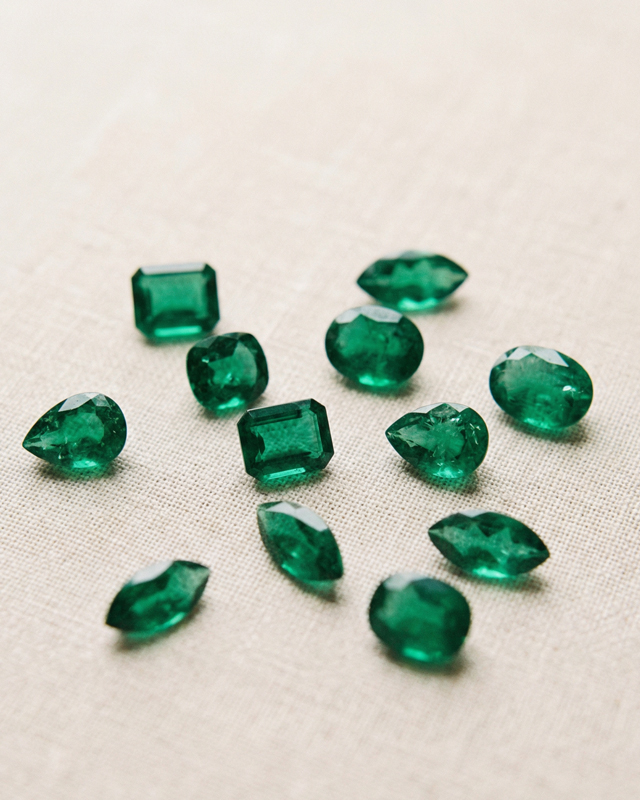
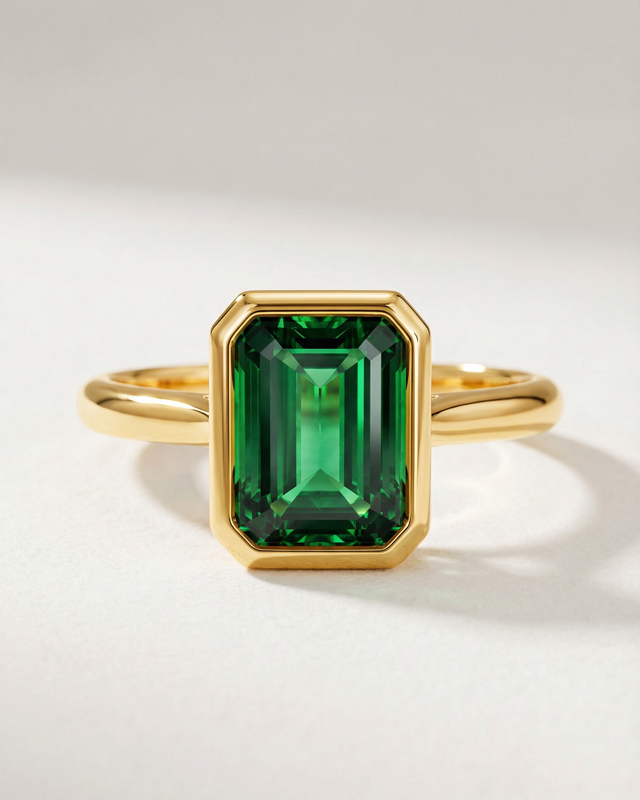
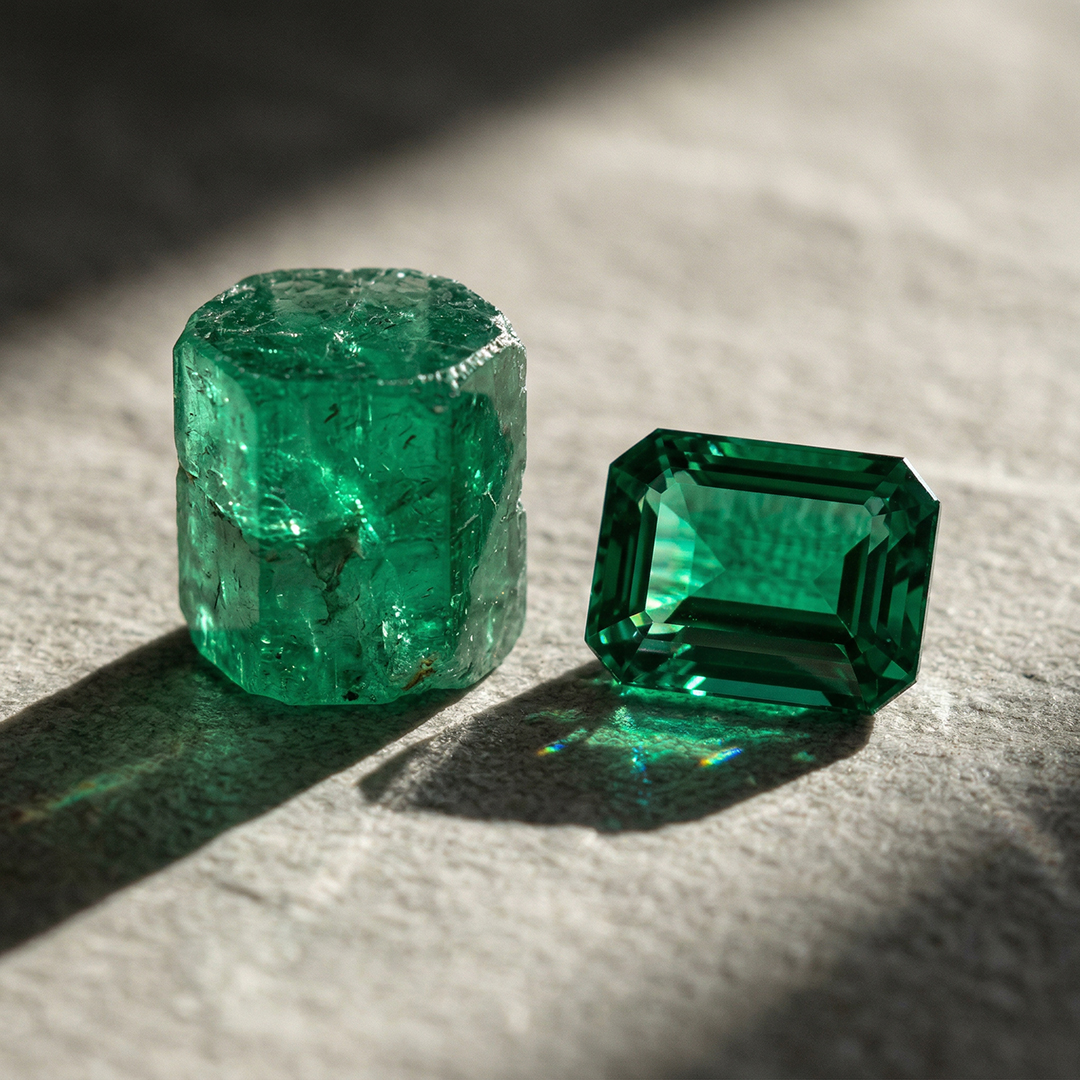
Emerald’s lush green is universally synonymous with renewal, hope, and the harmony of nature. It represents a love that grows and flourishes, offering a deeply meaningful alternative for significant jewelry. Cleopatra cherished emeralds, and they have adorned crowns and sacred artifacts throughout history.
Emeralds possess a unique character. With a hardness of 7.5 to 8, they require more mindful care than corundum gems. Their beauty is often defined by distinctive inclusions, known as the jardin (garden), which are accepted as a hallmark of natural origin rather than a flaw.
Selecting an emerald involves a different set of priorities. Color is paramount—a vivid, grassy green is most desired. Clarity should be judged with an understanding that some inclusions are expected. Due to their fragility, emeralds are often cut into shapes with stepped facets, like the iconic emerald cut, and benefit from protective settings to ensure their longevity.
Choosing Your Big Three Gemstone: A Quick Guide
| Gemstone | Signature Hue | Hardness (Mohs) | Key Symbolism | Style Vibe |
|---|---|---|---|---|
| Ruby | Vivid Red | 9 | Passion, Courage, Vitality | Bold, Romantic, Dramatic |
| Sapphire | Royal Blue | 9 | Wisdom, Loyalty, Nobility | Classic, Regal, Timeless |
| Emerald | Lush Green | 7.5-8 | Growth, Hope, Fidelity | Vintage, Refined, Elegant |
Your choice among these timeless classics is a personal journey. Let the stone’s inherent symbolism guide you: choose Ruby for bold passion, Sapphire for loyal tranquility, or Emerald for hopeful renewal.
Consider your lifestyle—the supreme durability of ruby and sapphire makes them worry-free for active wear, while the exquisite emerald asks for a little more care in exchange for its unique vintage charm. Ultimately, the right stone is the one whose color and story resonate most deeply with you.
FAQs: The Big Three Gemstones
Q1: Which is the most expensive of the Big Three?
A: Among natural stones, fine rubies typically command the highest price per carat, followed by sapphires and emeralds, with value driven by rarity, color, and clarity. Lab-grown versions of all three offer identical physical and optical properties at a more accessible price point due to a controlled supply chain.
Q2: Are sapphires only blue?
A: No. The term “sapphire” encompasses all gem-quality corundum except for red (which is ruby). This includes pink, yellow, and Padparadscha (salmon-pink) sapphires.
Q3: Which is best for an everyday engagement ring?
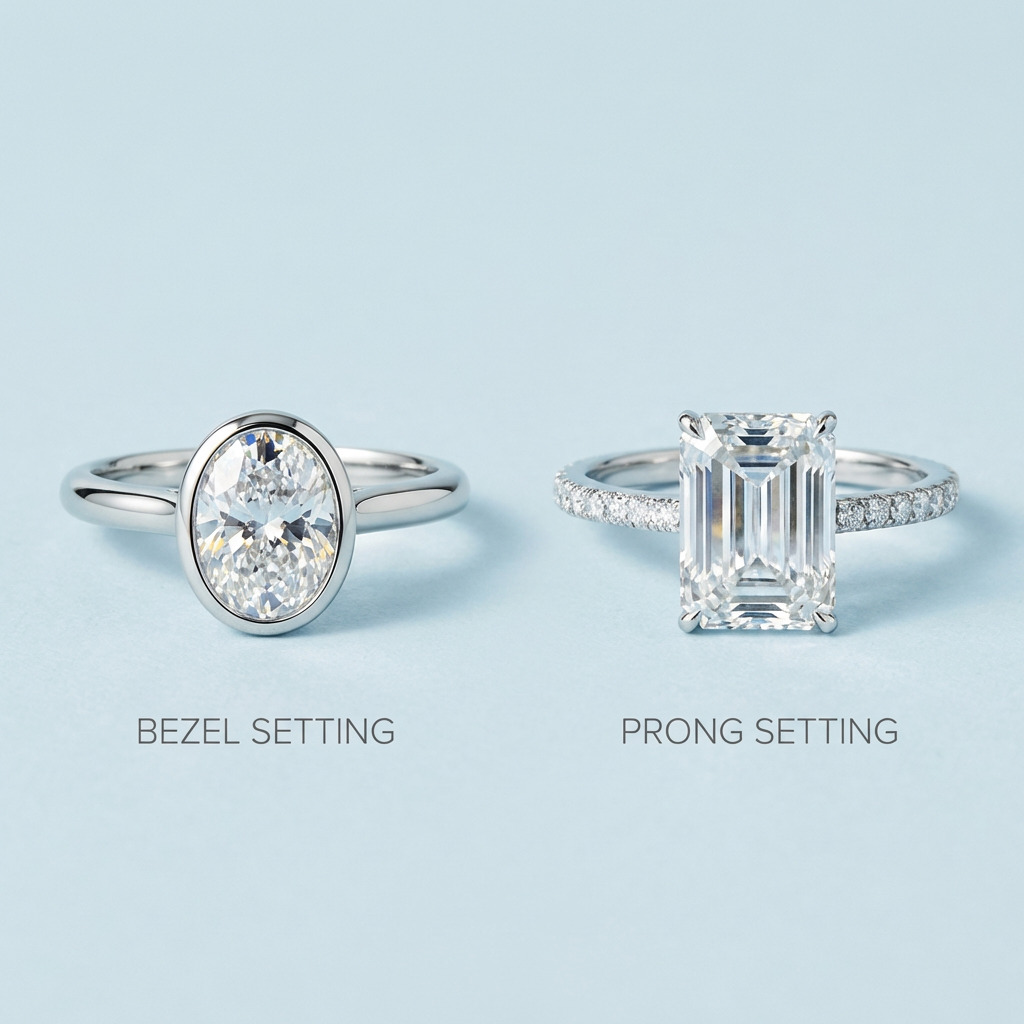
A: Rubies and sapphires (Mohs 9) offer superior durability for daily wear. Emeralds (7.5-8) are more delicate; a protective setting (like a bezel) is recommended.
Q4: Are lab-grown rubies, sapphires, and emeralds considered “real” gemstones?
A: Yes, they are genuine gemstones. They are chemically, physically, and optically identical to their natural counterparts. The sole difference is their origin: one is formed in the earth over millennia, the other in a laboratory that replicates those natural conditions.
Q5: How can you tell if a gemstone is natural or lab-grown?
A: It is impossible to distinguish with the naked eye. Identification requires analysis by a professional gemological laboratory (e.g., GIA, IGI) to detect subtle differences in growth patterns or trace elements. Reputable sellers should provide full disclosure and a report stating the stone’s origin.
Q6: Why choose a lab-grown version of these gemstones?
A: Choosing a lab-grown gemstone is often motivated by several factors: obtaining a larger or higher-color stone for one’s budget, ensuring a guaranteed ethical and conflict-free origin, and selecting an option with a generally lower environmental impact than mining.
Q7: Do natural gemstones always undergo treatments?
A: Most natural rubies and sapphires are heat-treated to enhance color, and the vast majority of emeralds are oiled to improve clarity. These are standard, accepted practices but must be disclosed.
Q8: Do lab-grown gemstones hold value?
A: Lab-grown gemstones hold significant aesthetic, sentimental, and craftsmanship value. They are a permanent heirloom-quality material. Their primary value proposition is providing access to luxury color and quality at an exceptional price point, rather than acting as a speculative financial investment.