How many carats should an engagement ring be? It is one of the first questions couples ask, and one of the hardest to answer with a single number — because the right carat weight is ultimately personal. Understanding what carat truly means, and how it shapes the look, quality, and meaning of a ring, lets you choose with intention rather than anxiety. Here is what to know before you choose the one.
What Is the Average Carat Size for an Engagement Ring?
Here’s a look at the average engagement ring carat size across the United States, the United Kingdom, and worldwide. While every preference is different, these regional averages can serve as a helpful guide when choosing the diamond size that best fits your style and budget.
United States: 1.0–1.2 ct. Larger stones are common here, shaped by culture and decades of marketing.
United Kingdom: 0.6–0.8 ct. Tastes lean understated and minimal.
Canada, Australia, and much of Europe: 0.7–0.9 ct.
Japan and China: typically under 0.5 ct, prized for elegance and ease.
What Does Carat Weight Actually Mean?
A carat is a unit of weight, not size. One carat equals 200 milligrams, or 0.2 grams, measured to the hundredth decimal. That precision matters because two diamonds of the exact same carat weight can look strikingly different on the hand. Shape and cut decide how that weight spreads across the stone’s face, which is why a 1-carat oval often looks larger than a 1-carat round.
How Carat Size Looks on Your Hand
A diamond reveals its true presence only when it rests on a finger. The same stone can feel bold on one hand and barely there on another, and the reason is almost always proportion.
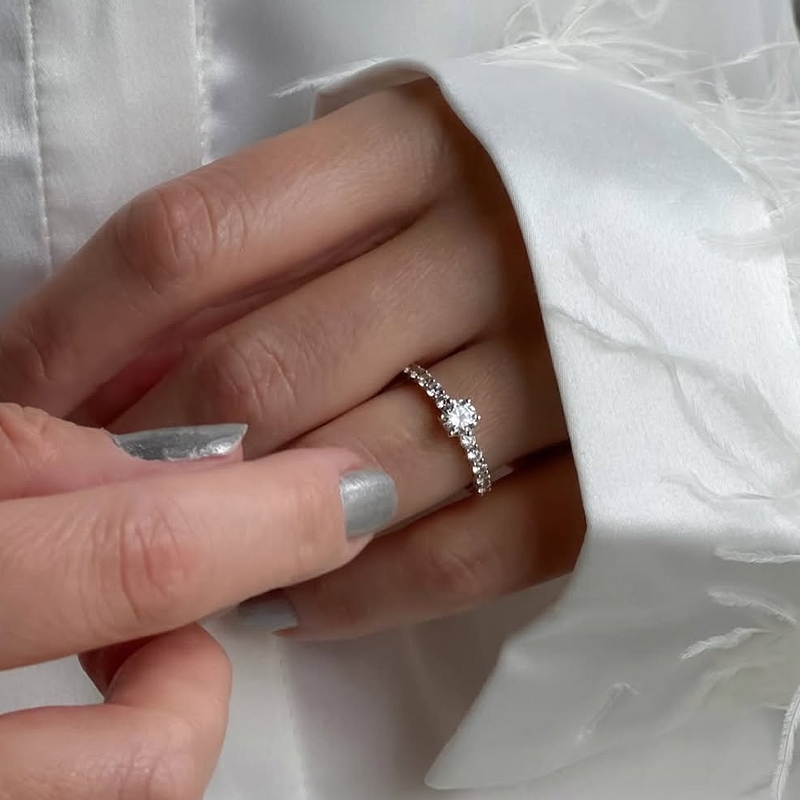
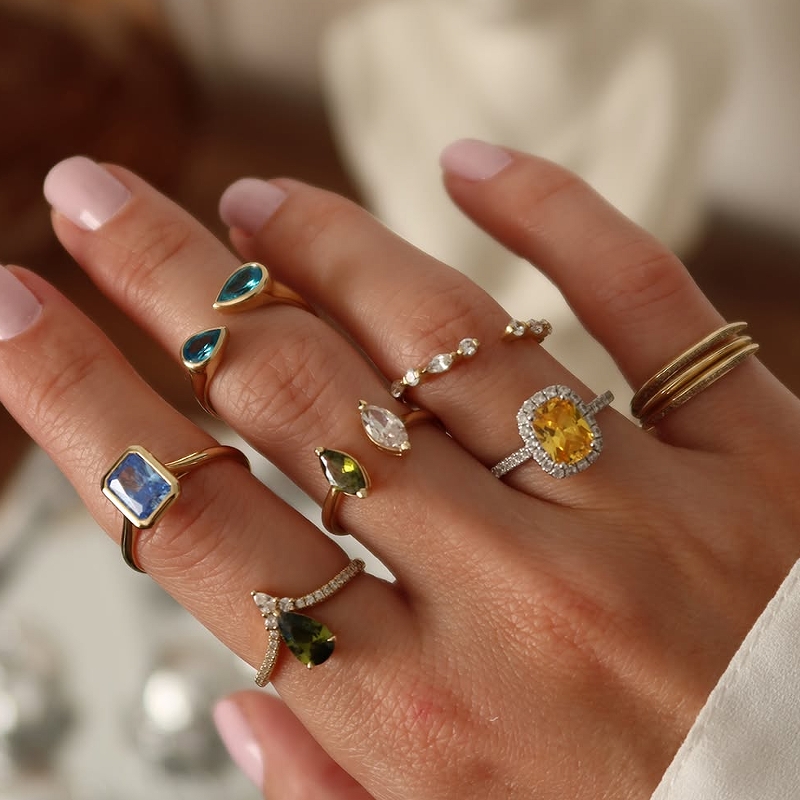
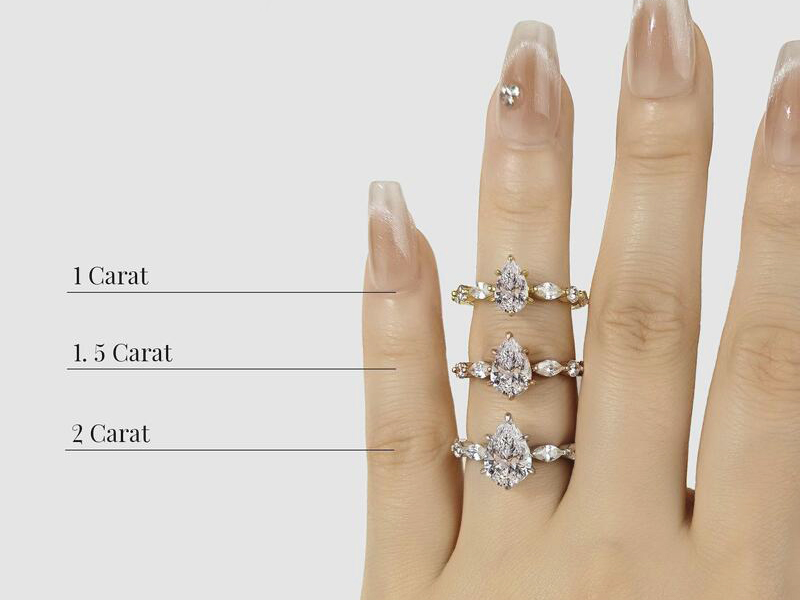
On a size 4 finger, a 0.70-carat diamond carries the presence of a full carat. On a size 8 finger, that same stone reads as dainty. Smaller hands amplify carat weight; larger hands soften it. Hand proportions shape perception more than most buyers realize.
| Finger Size | Recommended Carat | Visual Effect |
| Small (US 4–5) | 0.50–1.00 ct | Modest stones look generous |
| Medium (US 5.5–6.5) | 1.00–1.50 ct | Balanced, refined, versatile |
| Larger (US 7 and up) | 1.50 ct and up | Keeps presence on a broader hand |
Diamond Shapes That Look Bigger
Not all carats wear the same. Elongated shapes spread their weight across more surface area, so they appear larger face-up, while deeper cuts tuck weight beneath the surface and read smaller for the same carat. The shape you choose can shift perceived size by a noticeable margin.
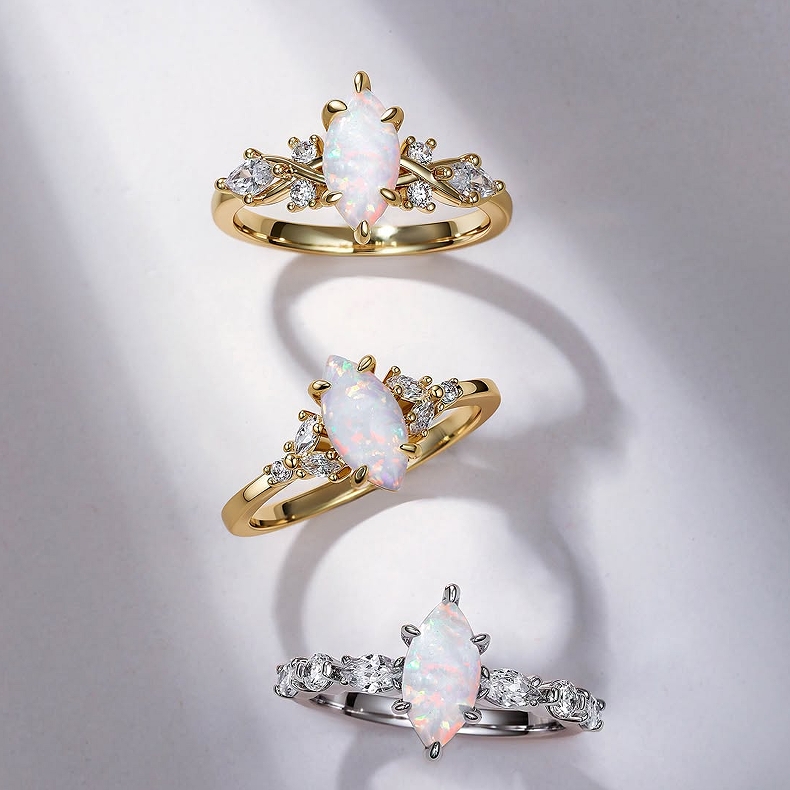
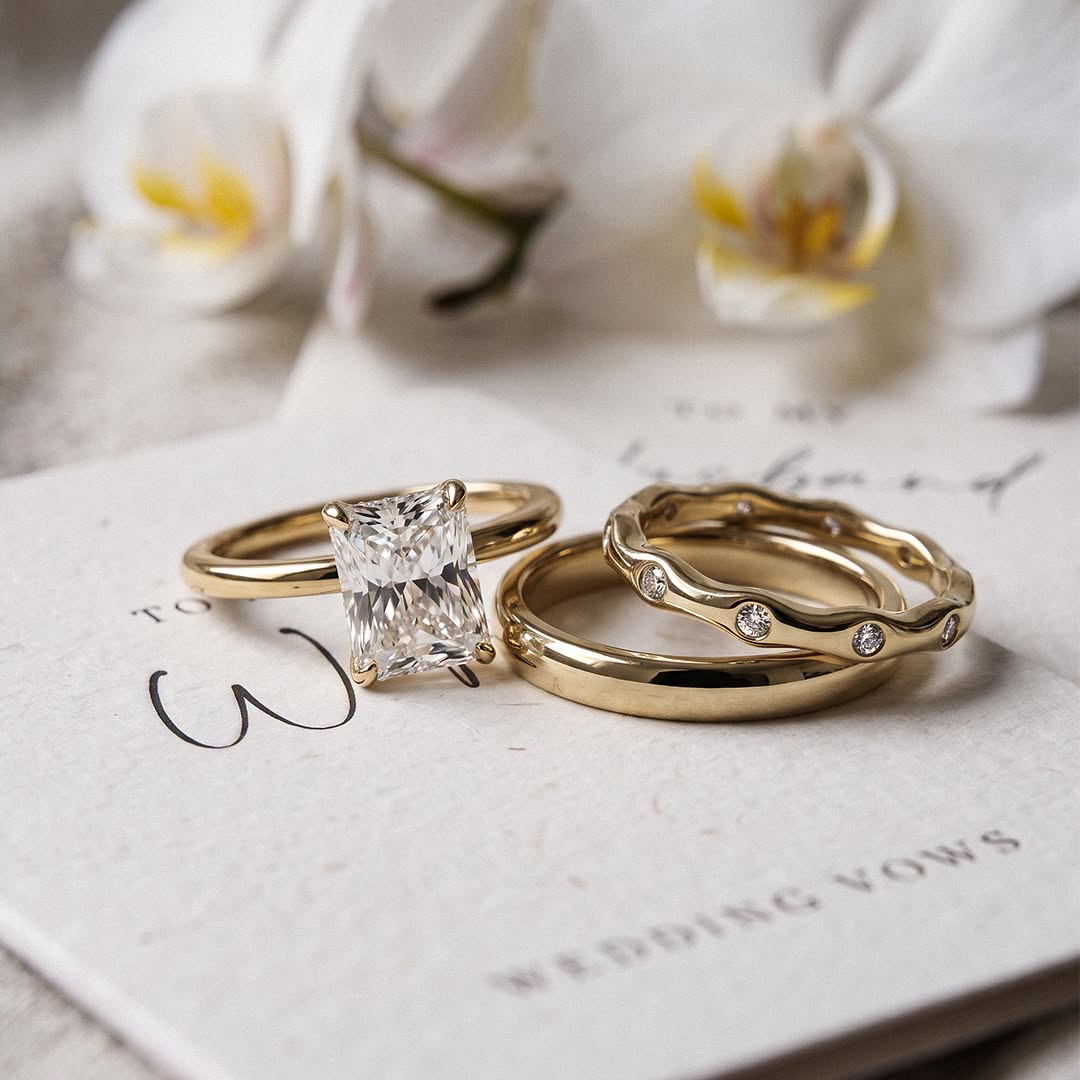
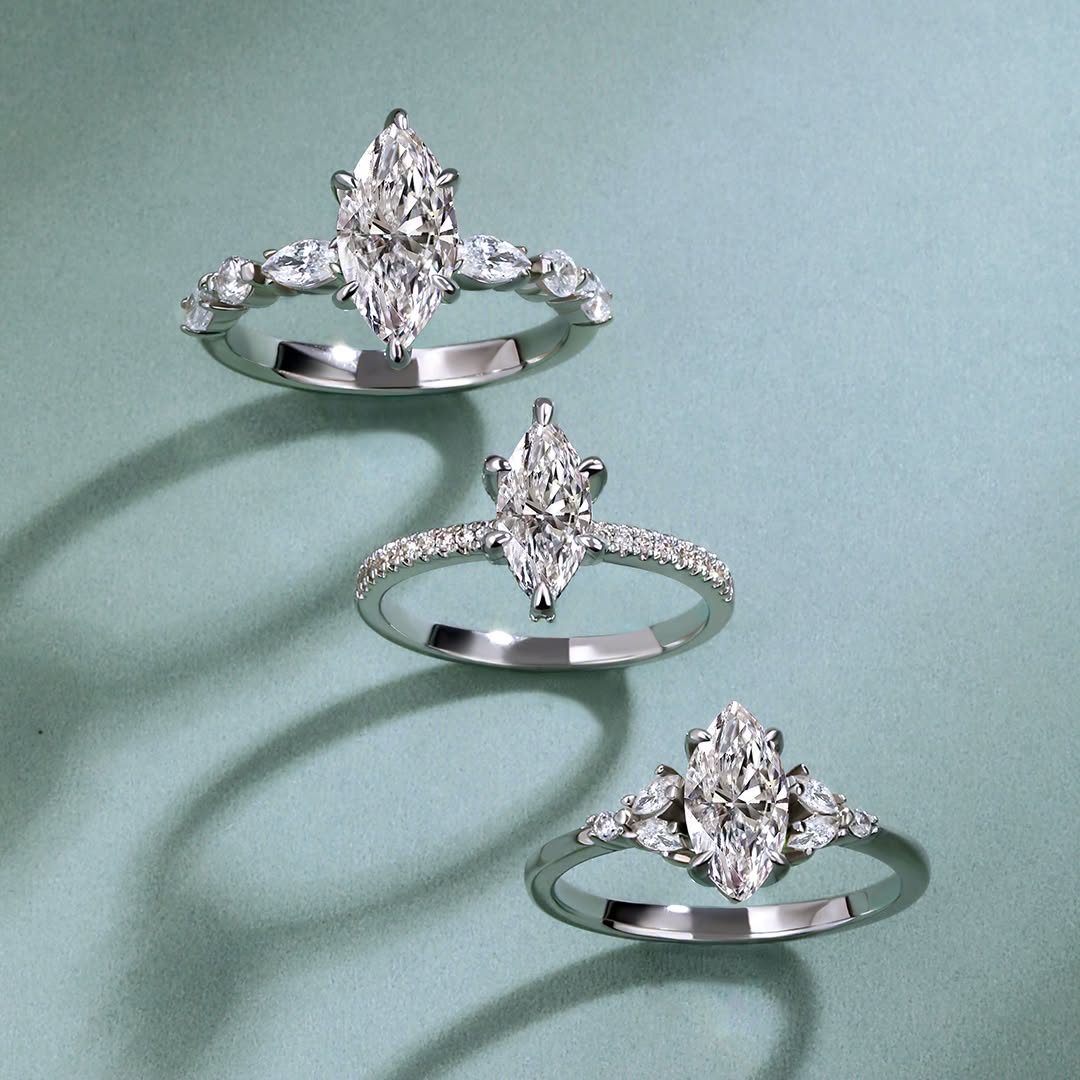
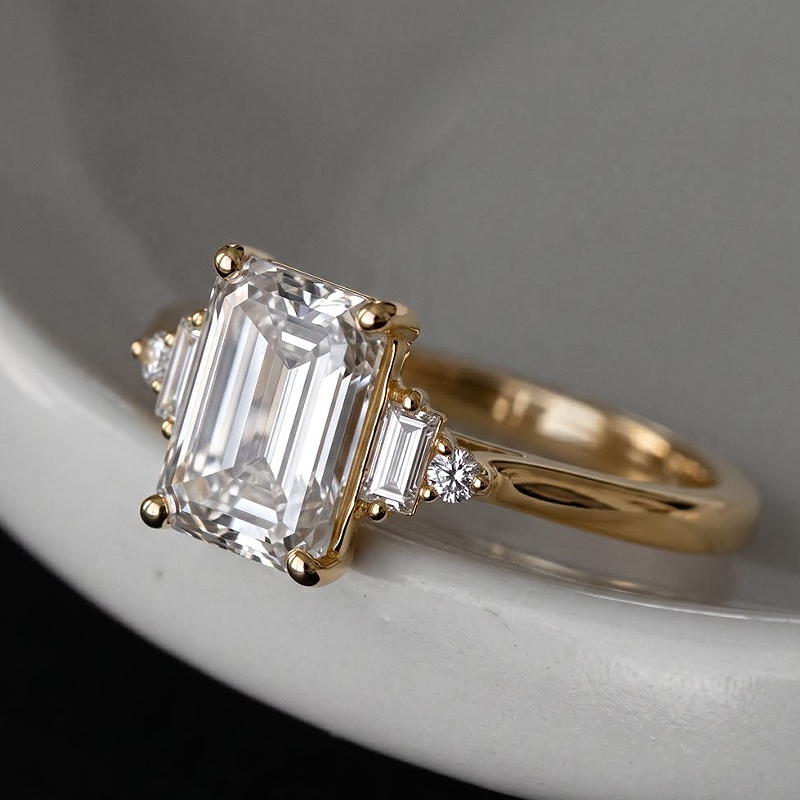
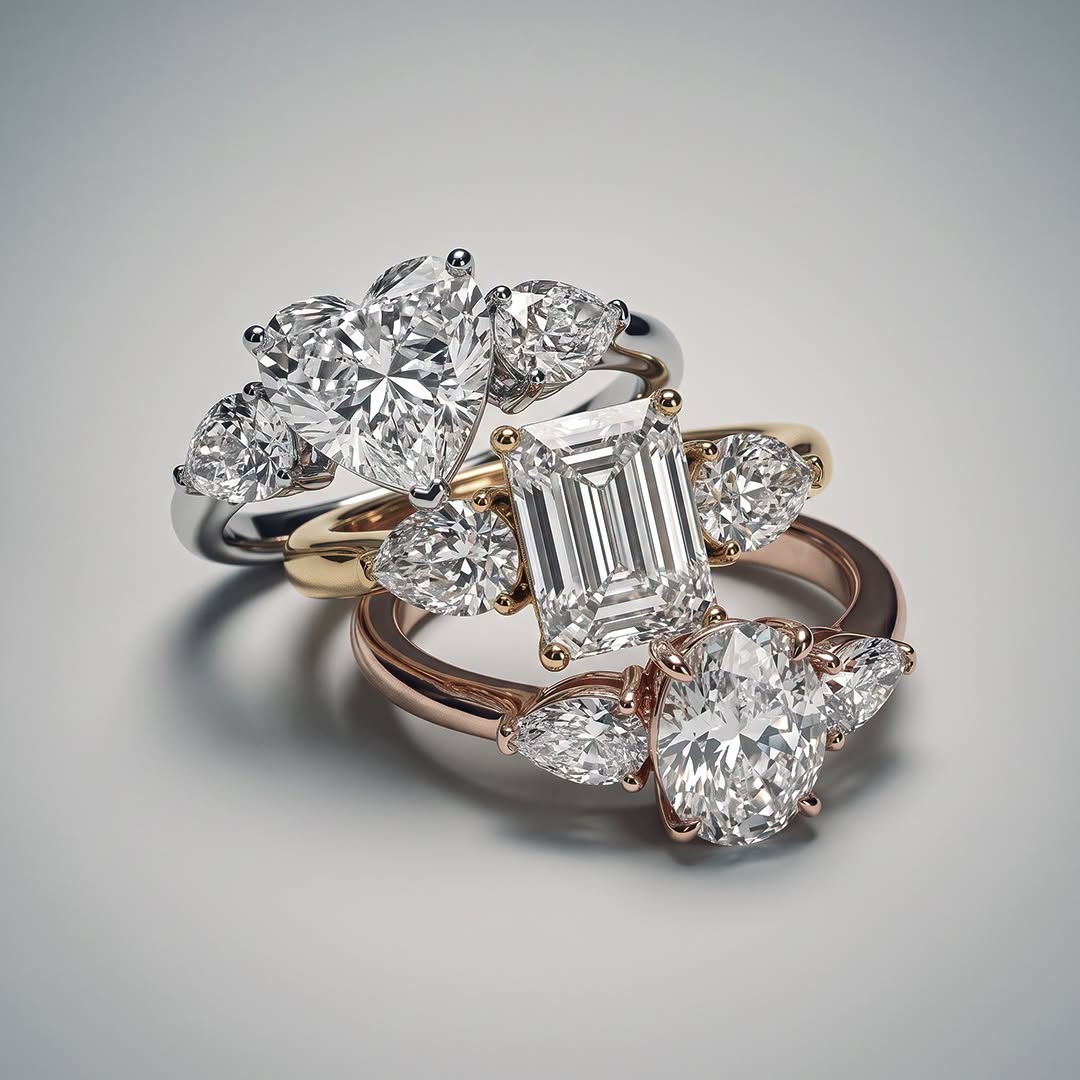
The shapes that read largest. Oval, marquise, and pear lead the pack — their elongated profiles stretch across the finger, giving a generous face-up presence for every carat. Emerald and radiant cuts follow close behind, with broad tables and length that add visual weight. If size is the priority, these are your shapes.
The shapes that read true or smaller. Round brilliant sits right at its carat weight — brilliant and iconic, but depth-heavy rather than spread wide. Cushion and princess cuts run slightly smaller, since their deeper cuts hide weight below the surface. Asscher reads smallest of all, concentrating most of its carat underneath an elegant but modest face.
If maximum visual size is the goal, lean toward oval, marquise, pear, or emerald. If timeless sparkle wins out, round brilliant is the classic for a reason.
Numbers tell you weight. Shape and setting tell you how big it looks.
Settings That Make a Diamond Look Larger
A setting does more than hold a diamond in place — it decides how large that diamond looks on the hand. The right design can add the illusion of half a carat or more, without changing the center stone at all.
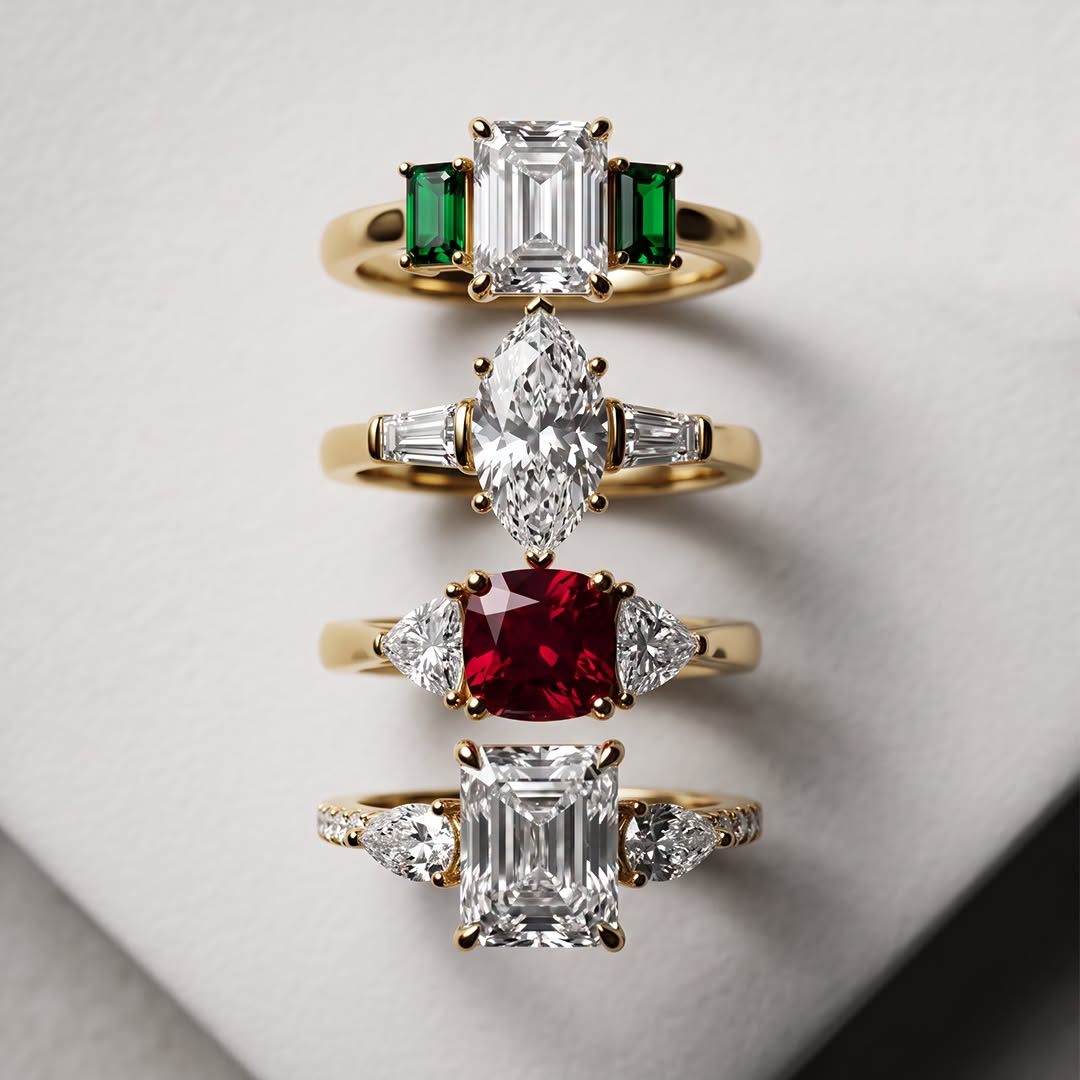
You see this trick at work in a few favorite styles. A halo — that ring of smaller diamonds circling the center — makes the whole piece read as one larger stone. Skinny bands pull off the same illusion by contrast; the less metal on either side, the bigger the center diamond appears. Cathedral settings lift the stone up off the finger, giving it height and presence you notice from across a room. Four-prong settings do more with less, leaving the diamond open to the light instead of bordered by metal. And a pavé band keeps the eye traveling outward in a continuous shimmer, so the center always reads as part of something bigger.
Carat Size by Range
Numbers only get you so far. Here is how each popular carat range actually feels on the hand, and who it suits best.
Under 1 Carat (0.50–0.90 ct)
Under 1 carat diamonds are delicate, effortless, and easy to forget you are wearing. A well-cut 0.90-carat diamond can rival a full carat in sparkle, especially in a solitaire where nothing competes for attention. This range shines on smaller hands and active lifestyles, and it leaves budget for higher clarity and color grades.
Best for: Minimalists, active wearers, and anyone who wants quality over sheer size.
1.00 Carat
The classic, and still the most popular milestone. A 1-carat diamond strikes the balance most people picture when they imagine an engagement ring — noticeable without overpowering, versatile across every setting from solitaire to halo.
Best for: The majority of buyers; the timeless choice that suits nearly every hand.
1.50 Carats
The sweet spot for buyers who want more presence without crossing into statement territory. A 1.5-carat stone feels substantial, especially in elongated shapes like oval or pear, and it photographs beautifully.
Best for: Those who want a noticeably larger look while staying practical for daily wear.
2.00 Carats and Beyond
This is showstopper territory. A 2-carat diamond commands the room and turns the ring into an heirloom. The trade-off is real: larger stones need secure settings, suit broader hands, and come with a price that climbs sharply with every fraction of a carat.
Best for: Statement seekers, formal settings, and rings meant to be passed down through generations.
Carat vs. Quality — The Truth About the 4Cs
Carat weight never travels alone. As a diamond grows, its cut, color, and clarity become easier to read — and any weakness in them becomes more obvious. A poorly cut 1.5-carat stone will look dull next to a brilliantly cut 1.0-carat one. Cut is the single factor that determines whether a diamond actually sparkles.
The smart move is to prioritize cut first, then balance color and clarity. Near-colorless grades (G–H) look identical to higher grades to the naked eye but cost far less, and VS1–VS2 clarity keeps inclusions invisible without paying for perfection.
Here is the value trick almost every jeweler knows: buy just under the “magic” numbers. A 0.90-carat diamond looks nearly identical to a 1.00-carat but costs significantly less, because prices jump sharply at milestone weights. The same logic applies at 1.90 versus 2.00 carats.
How to Choose the Right Carat for You
The right carat is the one that fits three things at once: your partner’s hand, your shared lifestyle, and your budget. Work through these questions and the choice narrows fast.
Set the budget first. Decide your number before you fall in love with a stone, and explore the best balance of size and quality within it.
Match the carat to the hand. Small fingers amplify size, so a 0.90-carat stone can look like a full carat. Larger hands carry bigger stones without feeling overdone.
Spend on quality, not just weight. The best ring is not the biggest you can afford — it is the best-made. A slightly smaller diamond with excellent cut will outshine a heavier, poorly cut one every time.
Honor the lifestyle. If your partner works with their hands, hits the gym, or travels light, a lower-profile setting with a moderate carat wears better than a large stone that catches on everything.
FAQ
What is a good carat size for an engagement ring?
For most buyers in the United States, a center stone between 1.0 and 1.5 carats hits the sweet spot — noticeable on the hand, versatile across settings, and within reach for most budgets.
Is 1 carat the standard for an engagement ring?
While it’s the most commonly chosen carat weight, most Americans typically opt for diamonds in the 1.0–1.2 carat range. Of course, this is only a general benchmark. The best choice is one that fits your budget, reflects your personal taste, and feels right for the way you live.
Is 2 carats too big for an engagement ring?
Not at all — but it is a statement. A 2-carat diamond suits medium to larger hands and makes a clear impression.
Should I choose a lab-grown diamond to get a bigger carat?
For many couples, yes. Lab-grown diamonds are identical to mined in look and durability but cost far less, so the same budget often buys a noticeably larger stone. They are also the more sustainable choice, especially when set in recycled gold.
There’s no perfect carat size—only the one that feels perfect for your relationship. By balancing carat weight, cut quality, finger proportions, and budget, you can find a ring that looks beautiful today and remains meaningful for years to come. Take your time, Explore She Said Yes’s lab-grown diamond engagement rings, to find the size and style that fits your forever.