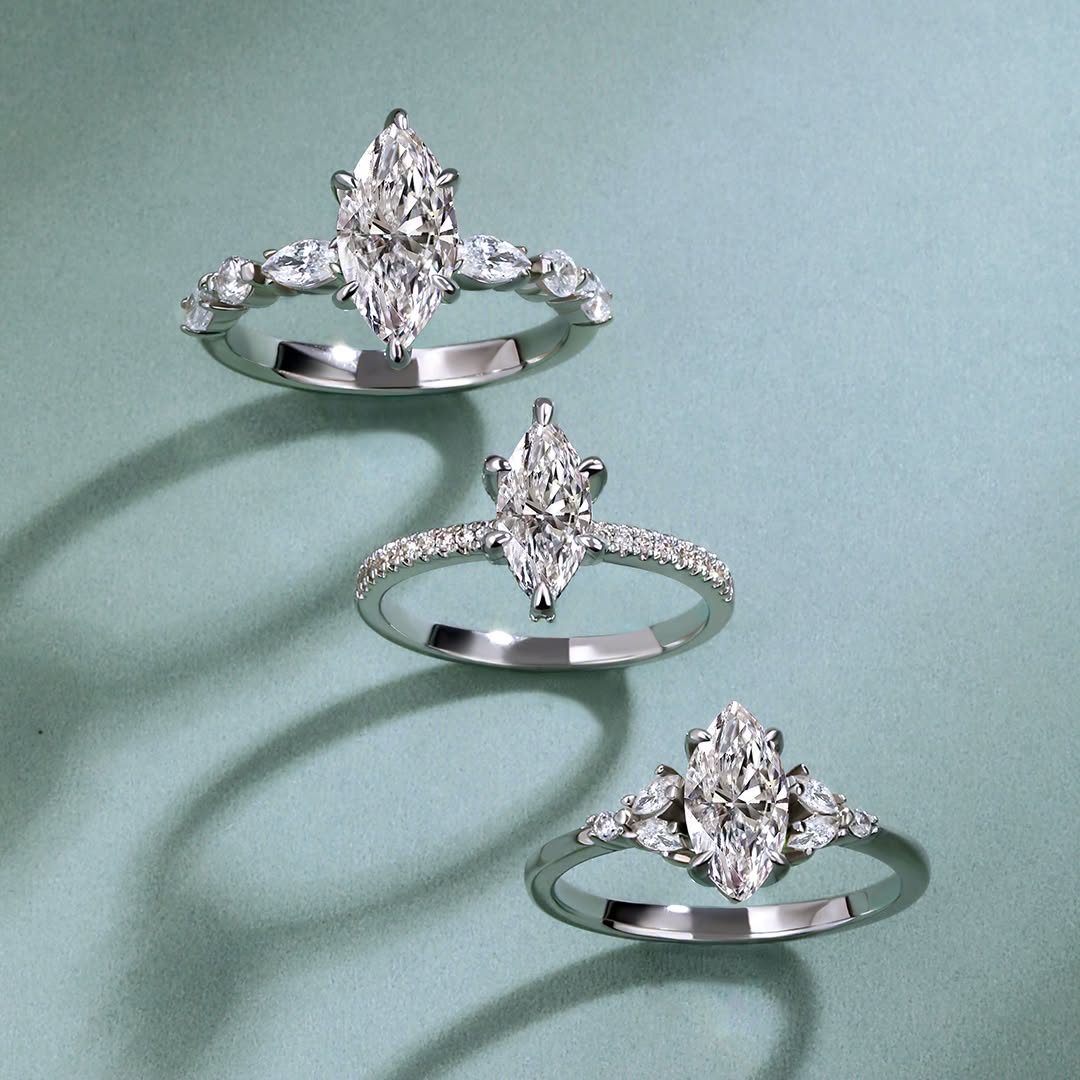
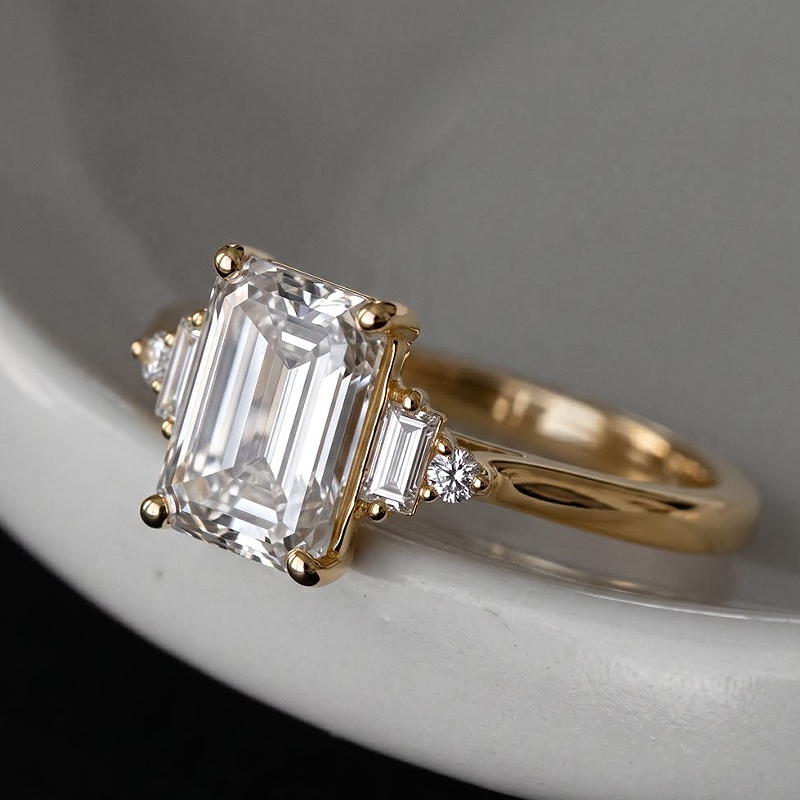
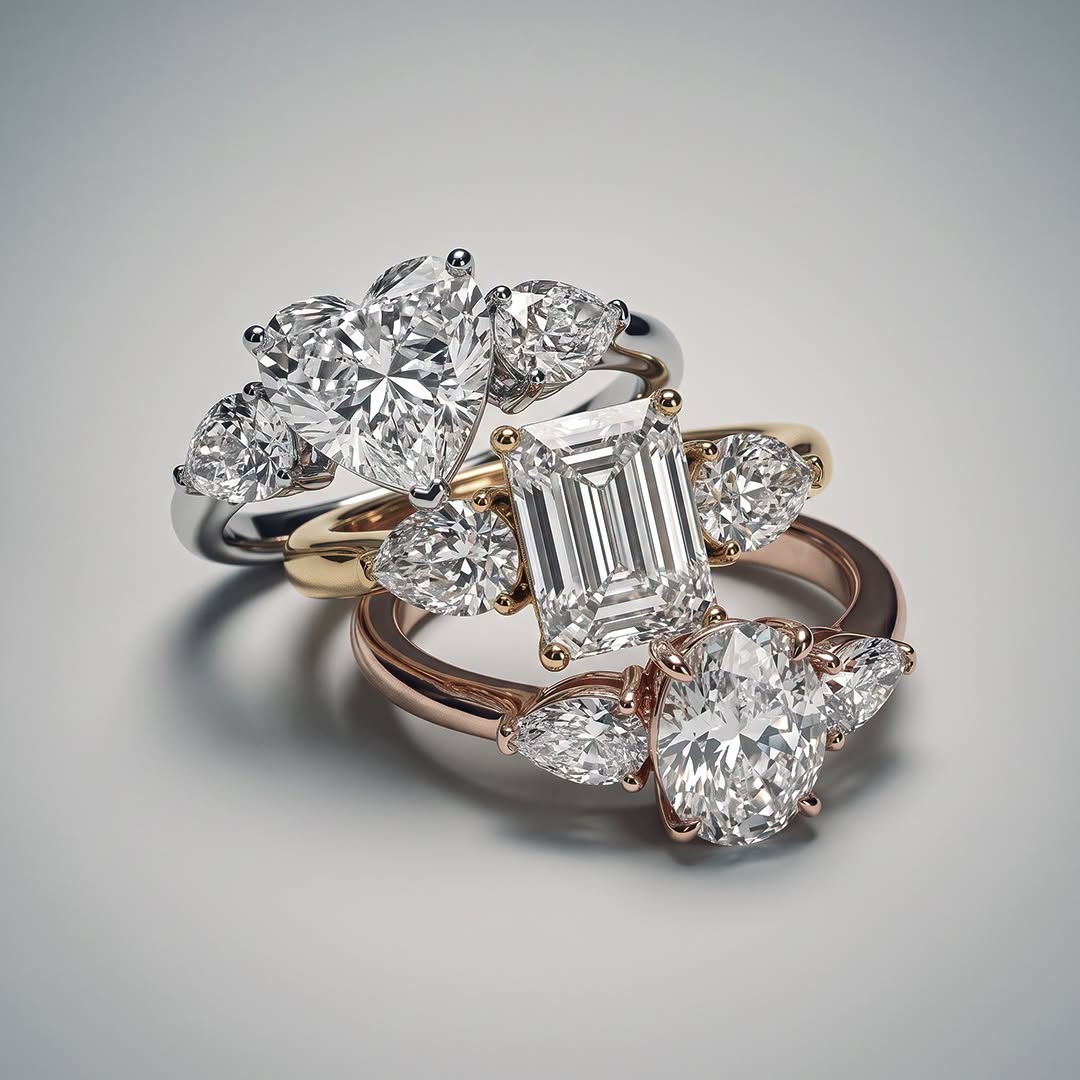
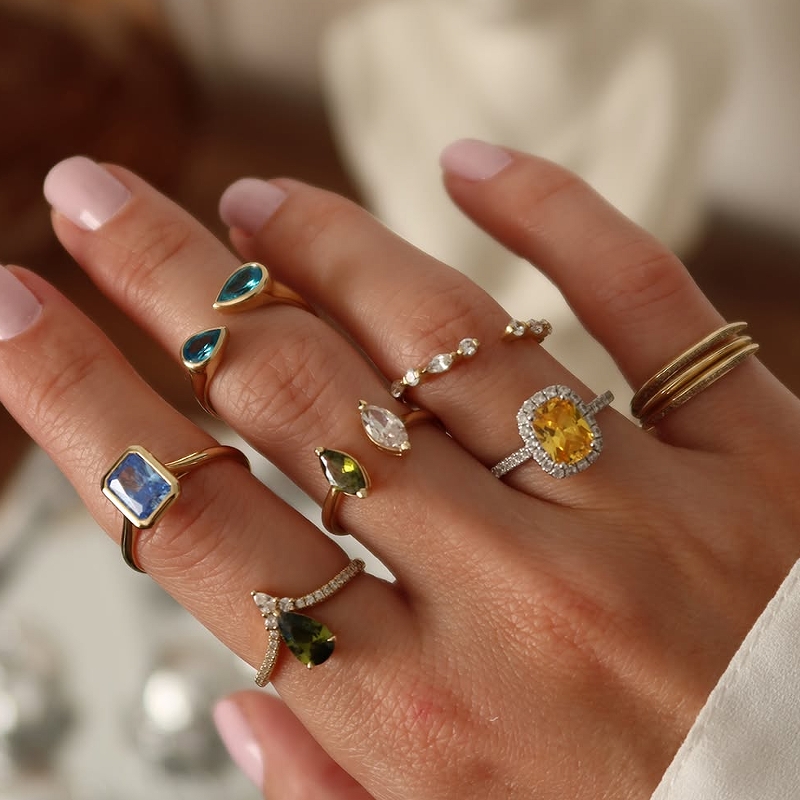
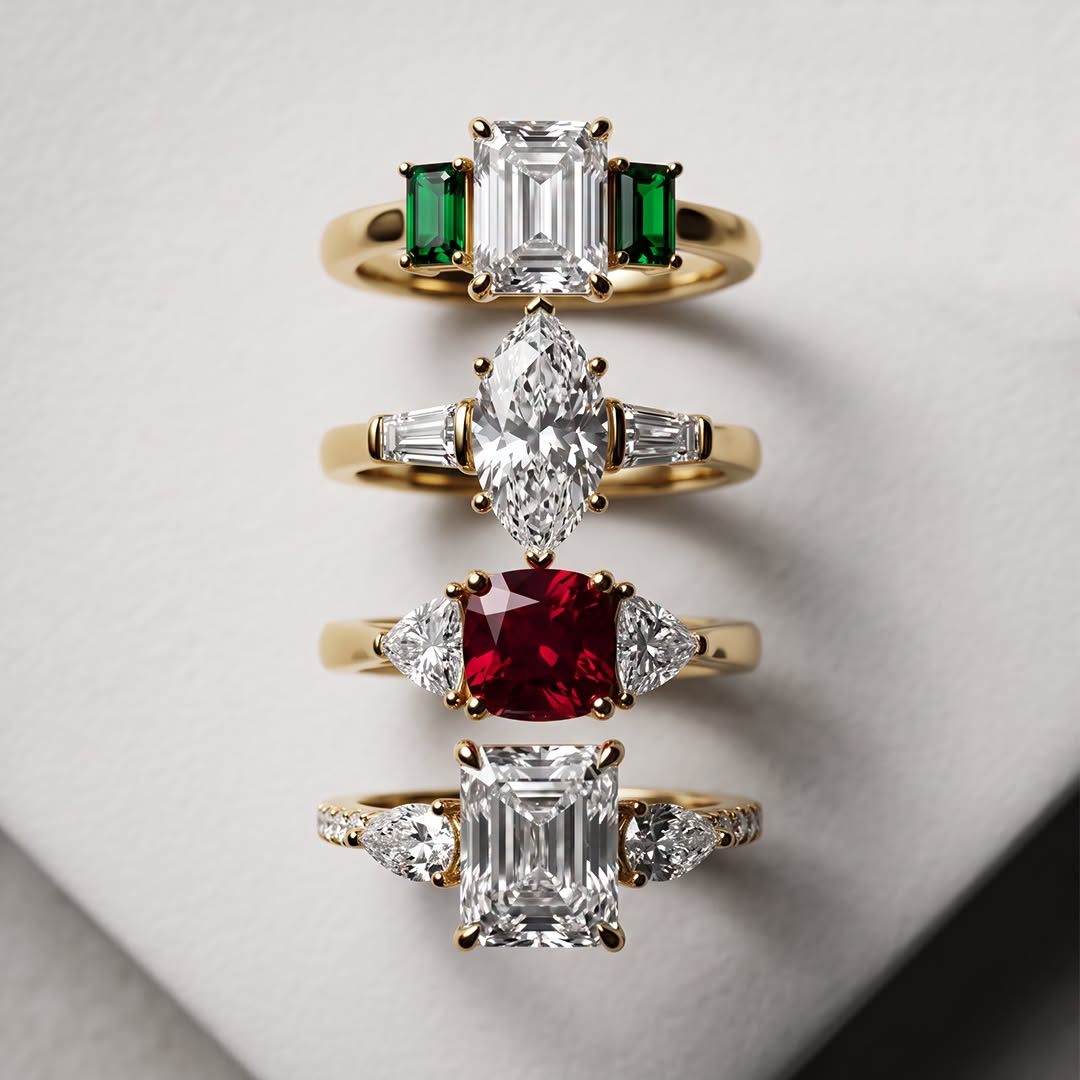
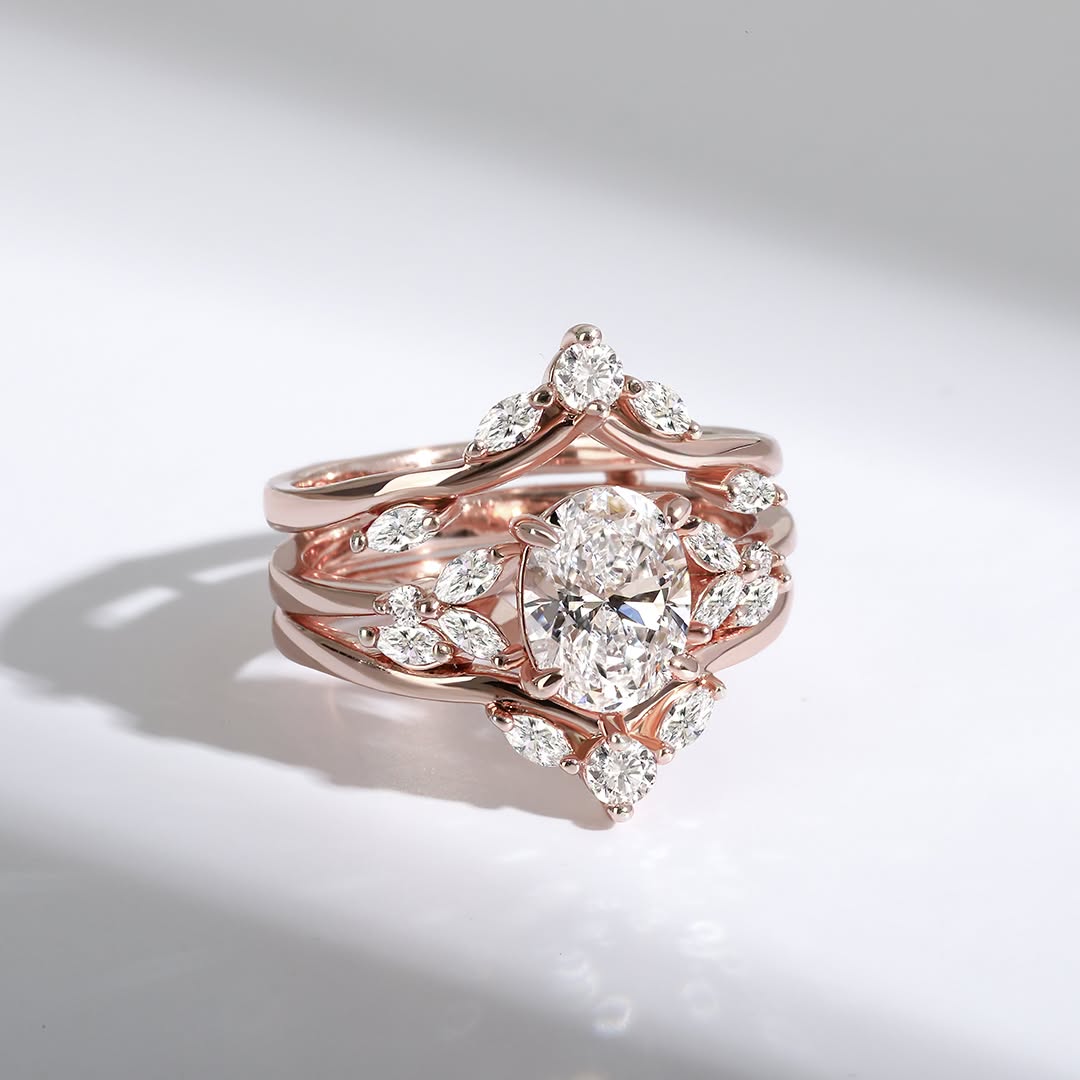
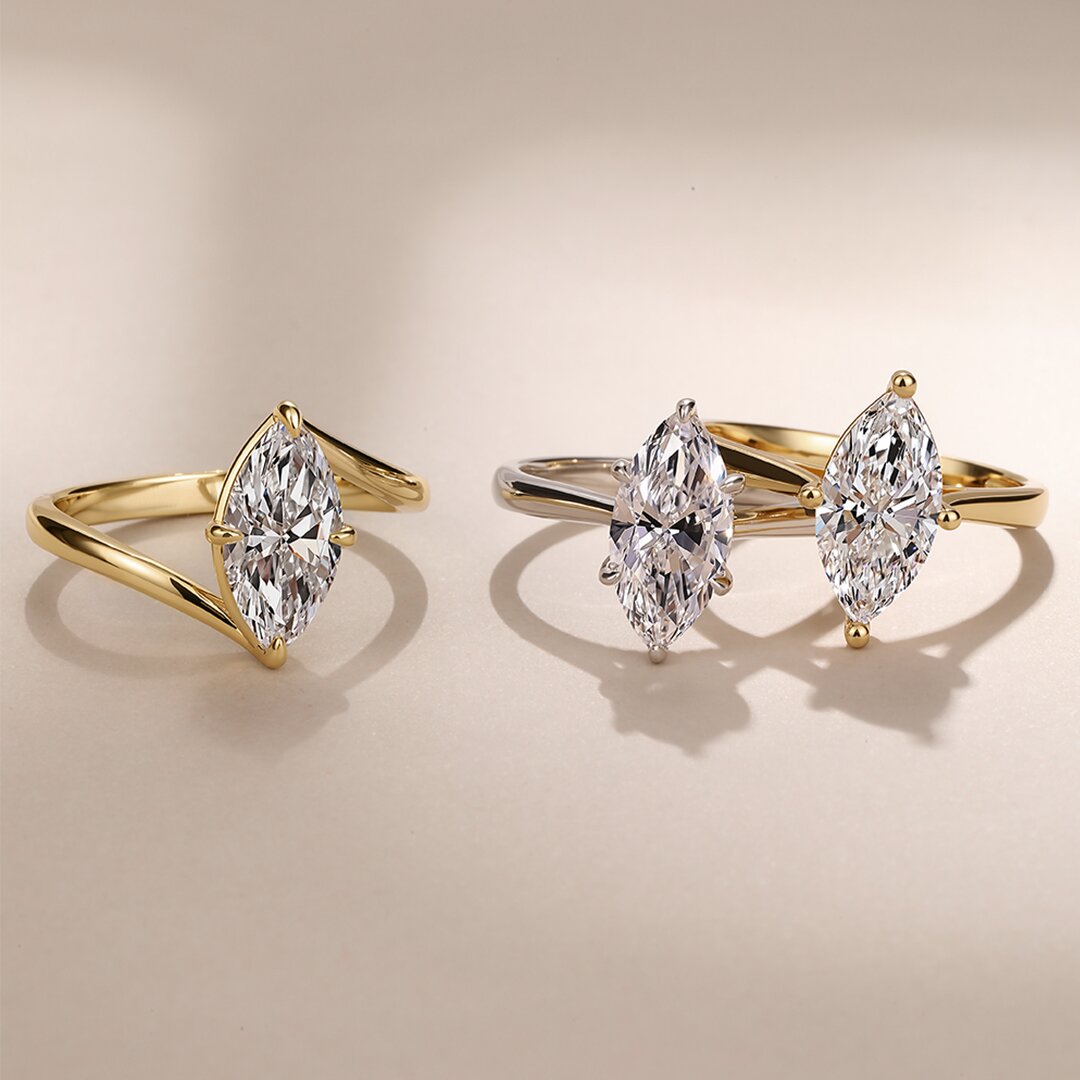
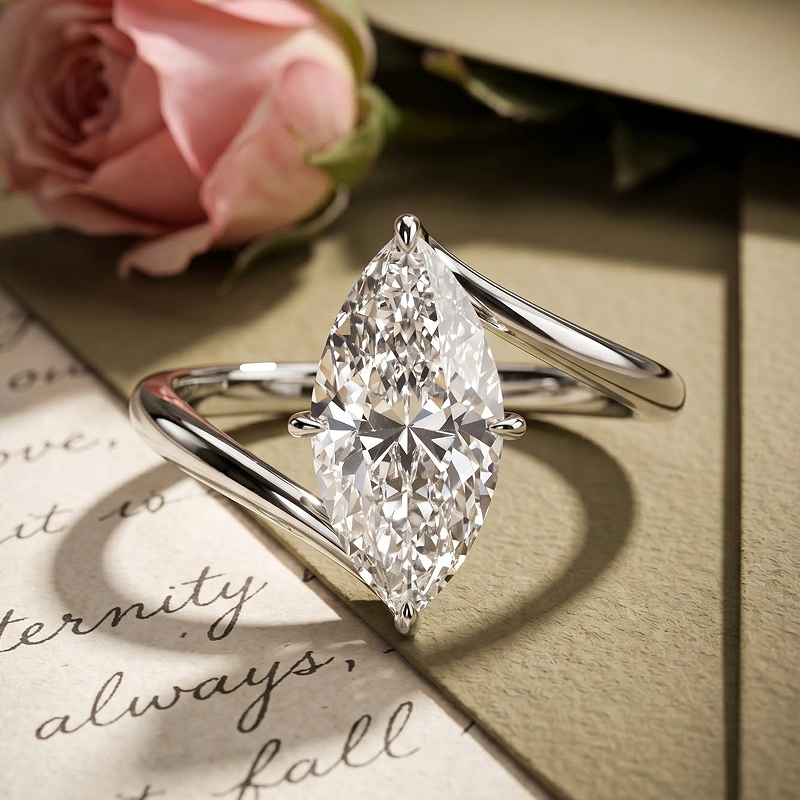
Most people own a jewelry set they never wear. The set isn’t the problem — the buying logic was. They bought for one occasion instead of for their actual life, matched the metal to nothing they already own, or picked a stone that looked right in the box and wrong in daylight.
This guide is a decision path, not a catalog. Work through five choices in order — occasion, pieces, metal, stone, proportions — and you end up with jewelry sets you reach for. Skip to whichever one you’re stuck on.
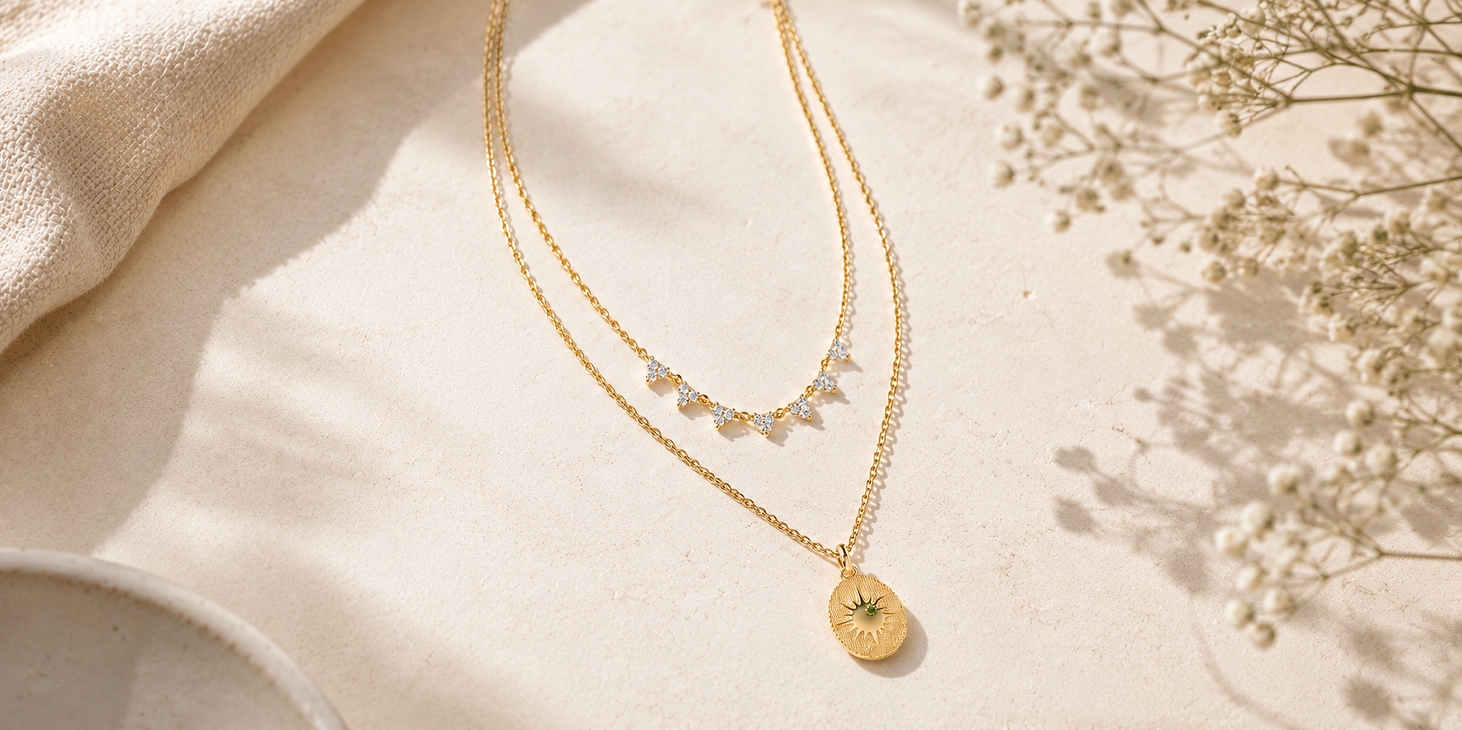
Start with the occasion — it decides almost everything
The occasion tells you three things at once: how many pieces, how formal, and roughly how much to spend. Get this right and the rest gets easier.
- Everyday and work → necklace + earrings. One metal, medium sparkle. This covers most of real life.
- Formal, evening, holiday parties → add a bracelet. Three pieces read dressed-up; that’s the point.
- Bridal or wedding → the dress is in charge, not your taste. Match the necklace to the neckline first, let the earrings frame the face, and tie the metal back to the ring.
- A gift → necklace + earrings in a neutral metal (white or yellow gold). It’s the highest hit-rate combination across ages and styles.
Notice what’s missing: “buy the biggest set you can afford.” A two-piece set you wear weekly beats a four-piece set worn once.
Pick the pieces by occasion
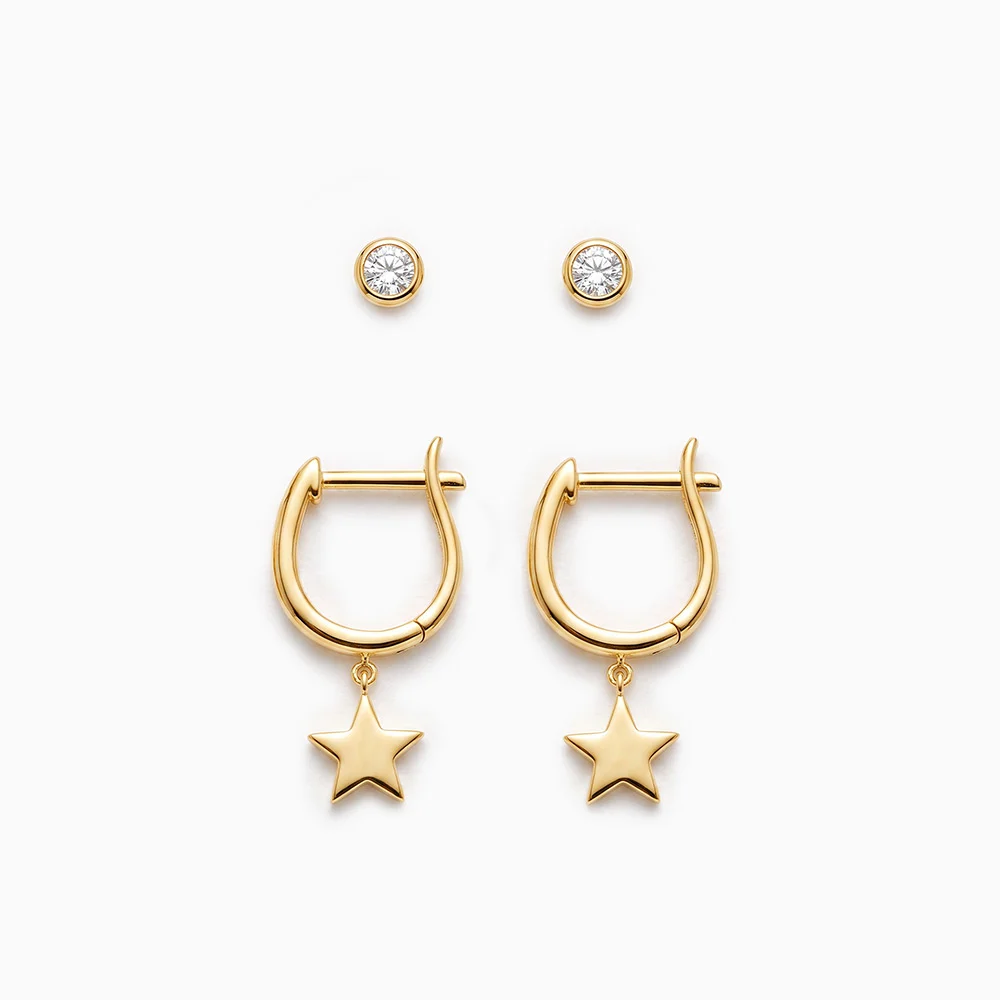
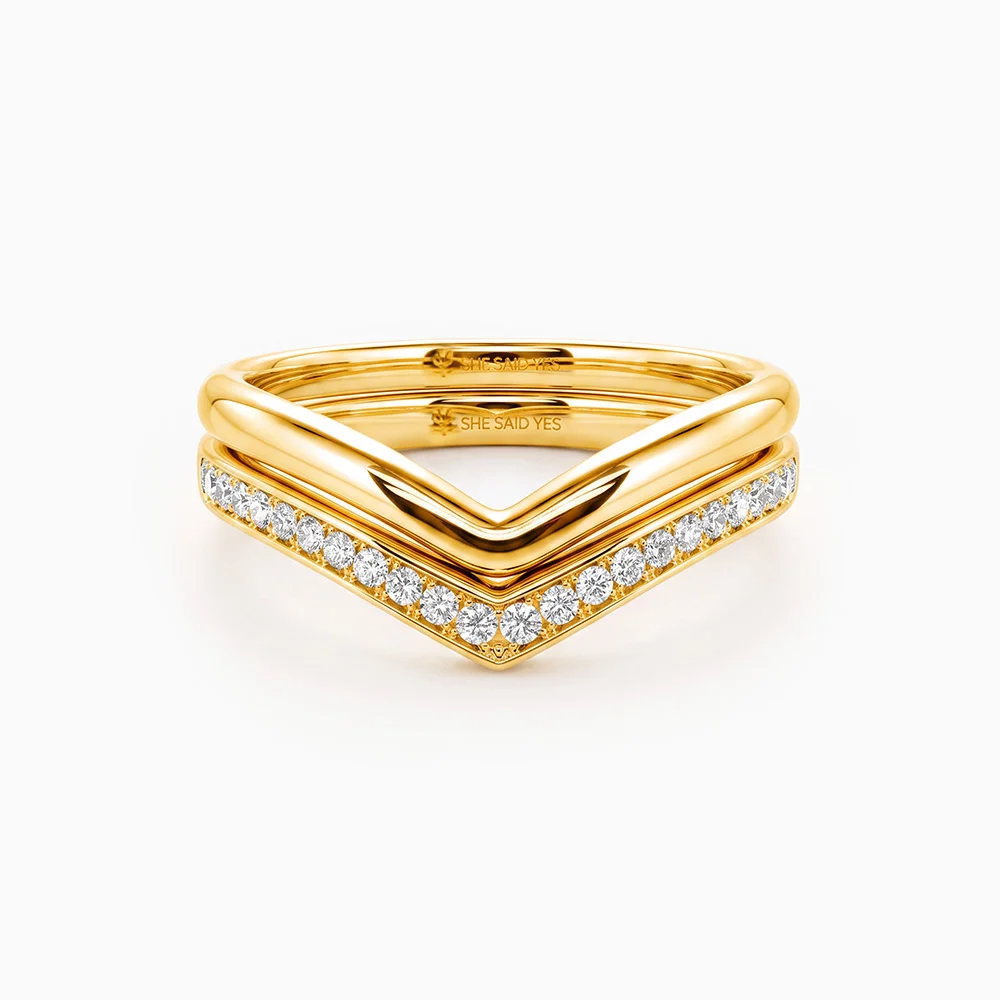
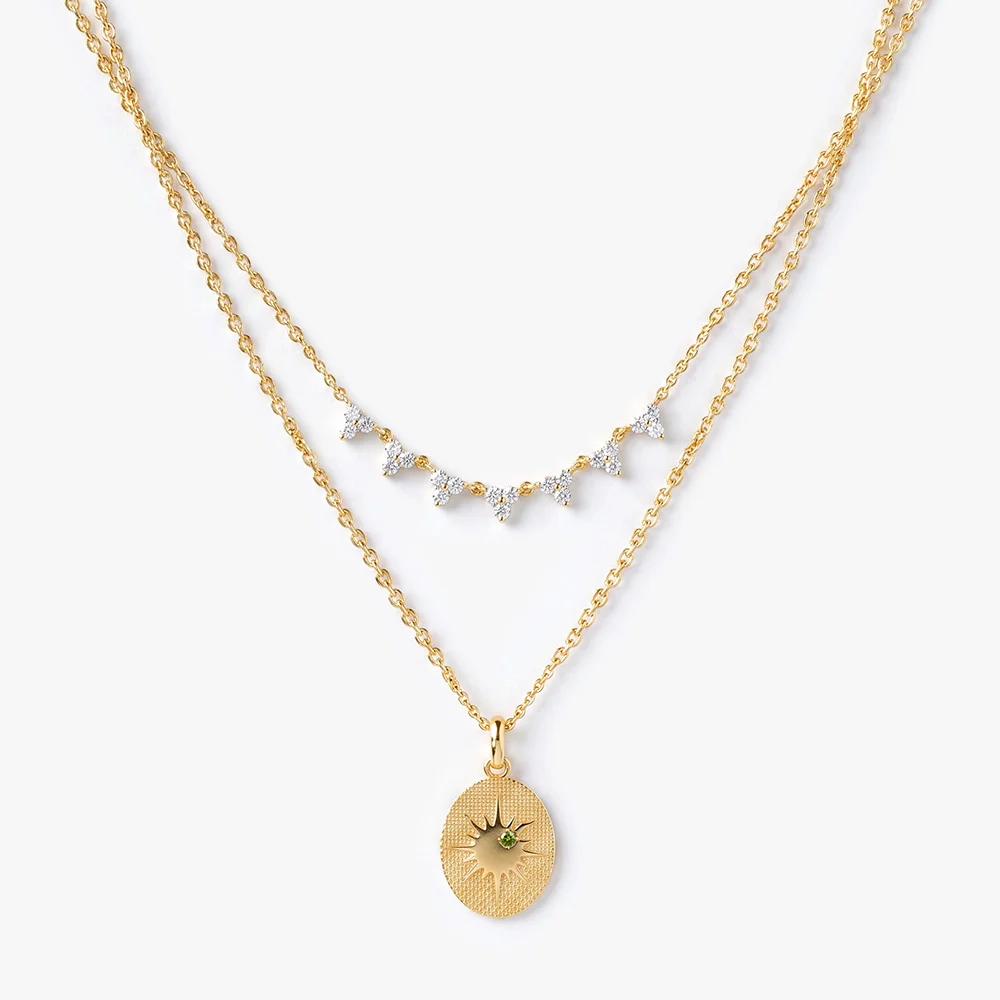
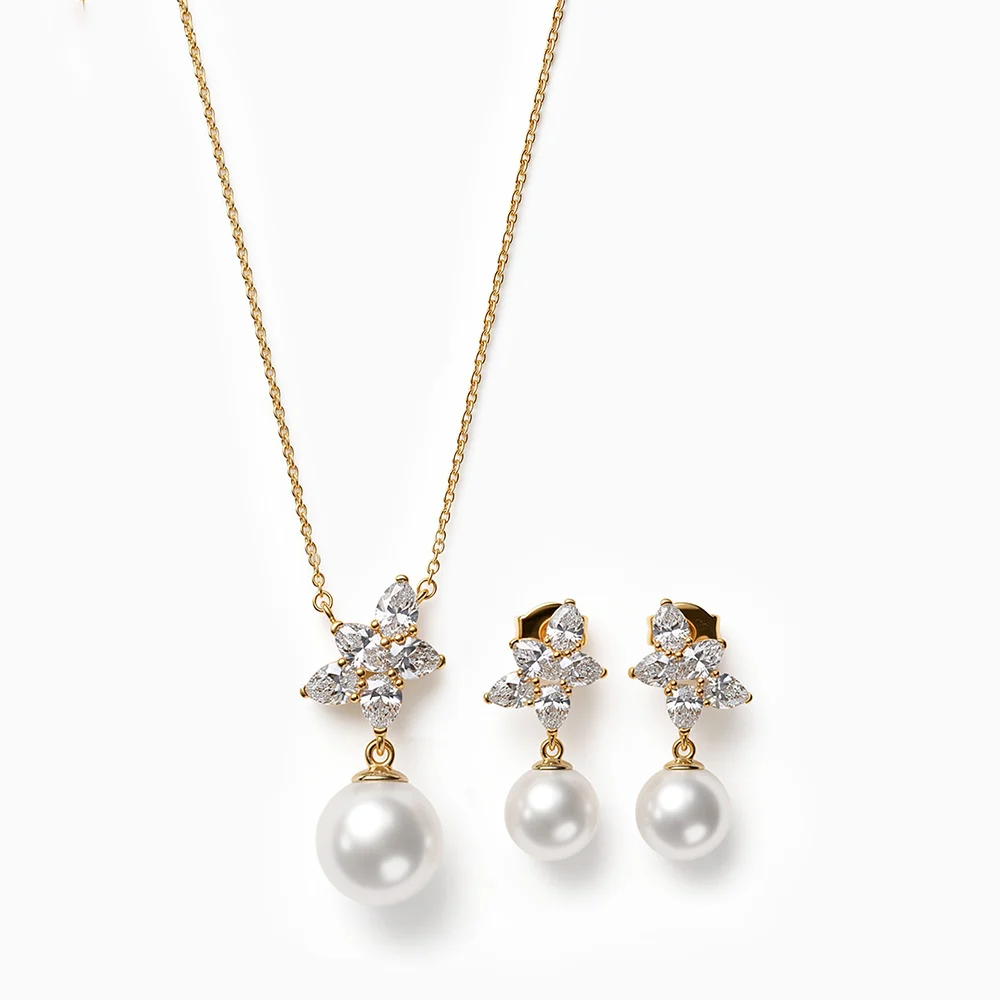
Two-piece sets earn their keep because each solves a different daily problem. A necklace-and-earring set is the all-rounder — work, dinner, a weekend, handled. A necklace-and-bracelet set shifts the sparkle to the wrist and décolletage when your hair covers your ears. A layering necklace set hands you a pre-spaced stack of chains without the tangle, and a stackable ring set builds a coordinated nest of bands that grows with every anniversary. If you’re buying your first set, Two-piece sets is almost always it.
Add a bracelet and you’ve made a deliberate choice to look dressed. Three-piece sets belong at galas, evening weddings, and holiday events, not the office. They read “focal point,” so the rest of your outfit should get quiet.
The underrated option is a ring-and-earring set. No necklace means nothing competes with a high neckline, a turtleneck, or a busy collar — and both pieces sit where they won’t tangle or catch on clothing. If you find chains distracting, this is your set.
Match the metal — and your existing rings
Here’s where most sets go wrong. A yellow-gold set next to a platinum wedding band clashes before anyone can name why. The metal on your hand sets the rule.
First, match the set’s metal to your engagement or wedding ring. That single move prevents the most common mistake.
Then factor in skin tone. Warm skin tends to flatter yellow and rose gold; cool skin reads cleaner against white gold or platinum. Quick test: look at the veins on the inside of your wrist in natural daylight. Greenish suggests warm, bluish suggests cool. It’s a guide, not a verdict — if you love a metal, wear it.
Pick the stone — this is where the money goes
Moissanite throws more fire than diamond. Its refractive index sits at 2.65–2.69, compared with diamond’s 2.42. Most people can’t tell them apart at arm’s length, and moissanite costs a fraction of the price — which is exactly why it shows up in so many well-designed sets.
The stone is the biggest swing in both look and budget, so it’s worth a real comparison.
| Stone | Brilliance (refractive index) | Hardness (Mohs) | Price tier | Best for |
| Lab-grown diamond | 2.42 | 10 | High | The real-diamond feel, graded to the same 4C standard as mined stones |
| Moissanite | 2.65–2.69 | 9.25 | Low | Maximum sparkle per dollar, everyday wear |
| Colored gemstone | Varies | 7.5–9 | Mid | Personal meaning, birthstone, a specific color |
One fact that surprises people: lab-grown diamonds are graded on the same 4C scale — cut, color, clarity, carat — that the GIA uses for mined stones. You give up the origin, not the standard. If budget gets tight, drop clarity to VS2 before you cut carat. Most people can’t tell VS1 from VS2 without a loupe, but everyone notices when a stone gets noticeably smaller.
Get the proportions right
A set can be perfectly matched and still look off if the proportions fight your body. Two checks cover most of it.
Necklace length follows neckline. A V-neck pairs naturally with a pendant or Y-drop that echoes the V. A strapless or scoop neck can carry a collar or a statement piece. A high neckline or turtleneck usually means skip the necklace entirely and let earrings — plus maybe a bracelet — do the work.
Earring scale follows face and hair. A drop earring framed by an updo reads formal; the same drop disappears under loose hair. When a necklace is bold, the matching earrings are usually scaled down on purpose — wear them as a pair so they balance instead of competing.
Buy a matching set, or build your own?
A matching set is coordinated for you. The pieces share a stone, a metal, a motif, so you skip the ten-minute mirror guessing game. A set also usually costs less than buying each piece separately — the bundle saving is real.
The trade-off is flexibility. A designed-to-match pair can feel less personal than something you assembled yourself.
Build-your-own wins when you want pieces that each work across your whole wardrobe, not just with each other — a necklace that goes with everything, earrings you’d wear on their own. You give up the bundle value and the done-for-you coordination, but you gain pieces that don’t need each other to make sense.
Rule of thumb: buy the set for one strong coordinated look — an event, a gift, a bridal party. Build your own for everyday pieces you’ll mix and match all week.
If it’s a gift
Sets dominate anniversaries, Mother’s Day, and birthdays for a reason: they look complete and considered, which reads as effort. The trap is playing it so safe the gift becomes forgettable.
Two moves make a gift set land. Pick a stone that means something — her birthstone, the month you met, a color she wears. And choose a metal you’ve actually seen her wear; guessing is how yellow gold ends up on someone who only wears white. A necklace-and-earring set in white or yellow gold suits almost anyone. Rose gold reads more personal, but only if she already wears it.
What to check on the sourcing
A few facts are worth asking about before you buy any set with a stone.
- Conflict-free. Diamonds should be sourced under the Kimberley Process. If a seller can’t tell you, that’s an answer.
- Lab-grown over mined. A lab-grown diamond produces roughly 0.025 kg of CO₂ per carat; a mined diamond, about 125 kg. Same stone, far lighter footprint.
- Recycled gold. Newly mined gold carries a heavy environmental cost; recycled gold is the same metal with a fraction of the impact.
At SheSaidYes, every set uses lab-grown diamonds or moissanite, set in 100% recycled gold — so this part is handled, and you can spend your attention on the design.
FAQ
No — but the stiff, head-to-toe matching look is. Modern sets share one detail (a stone shape, a metal tone, a motif) and let each piece stand on its own, so they read designed rather than dated.
Yes, and you should. The best sets are built so each piece works alone; breaking them apart across outfits is exactly what keeps them from feeling costume-y.
Let the stone drive it. A moissanite set in 14k gold starts well below a comparable lab-diamond set, and lab-grown diamonds close most of the gap with mined stones.
The one that matches your engagement or wedding ring. After that, follow your skin tone: warm suits yellow and rose gold, cool suits white gold or platinum.
Yes, and you should. The best sets are built so each piece works alone; breaking them apart across outfits is exactly what keeps them from feeling costume-y.
Find your set
When the occasion, metal, stone, and proportions line up, the rest is taste. Browse the jewelry sets at SheSaidYes — lab-grown diamonds and moissanite, set in 100% recycled gold, across everyday and bridal looks.