Finding the symbol of your forever love is a momentous occasion, but many couples feel overwhelmed by the financial decisions involved in such a significant purchase. Learning how to choose an engagement ring based on your budget doesn’t mean compromising on beauty or quality; rather, it’s about making informed, strategic choices that reflect your personal style and values. In this guide, we will walk you through the essential steps of how to choose an engagement ring based on your budget so you can find a masterpiece that radiates luxury and sentiment without unnecessary financial stress.
1. Redefining the “Rules” of Budgeting
The old-fashioned “three months’ salary” rule is a marketing relic, not a financial requirement. Today’s high-end shopper knows that the best budget is one that allows for a significant investment in quality without creating unnecessary debt.
When setting your range, consider your current financial health and your future goals together. It is often helpful to set a “flexible range” (e.g., $7,000–$9,000) rather than a hard number. This gives you the wiggle room to prioritize a slightly higher-quality stone or a more intricate setting if the perfect combination reveals itself.
2. Choosing Your Metal: The Foundation of the Ring
The metal you choose sets the tone for the ring’s aesthetic and its long-term durability. In high-end jewelry, your choice typically comes down to these primary options:
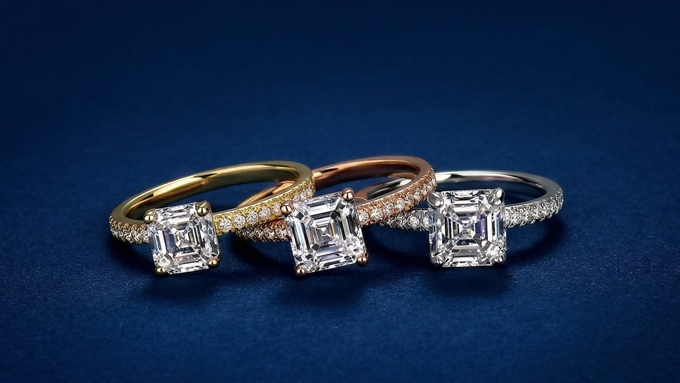
- Platinum: The most prestigious choice. It is naturally white, hypoallergenic, and incredibly dense. While it carries a higher price tag due to its purity (95%) and weight, it is the most secure setting for a valuable diamond.
- 18K Gold: Available in Yellow, White, and Rose. 18K gold is 75% pure gold, offering a rich, luxurious hue and a “heavy” feel that signifies high-end craftsmanship.
- 14K Gold: A popular and practical choice. Because it contains 58.3% gold, it is more scratch-resistant than 18K. To the naked eye, 14K and 18K look virtually identical, but choosing 14K can save you several hundred dollars to put toward the center stone.
- 10K Gold: The ultimate “value and durability” option. Consisting of 41.7% gold, 10K is the most affordable gold tier and also the hardest and most resistant to scratches or bending. It is an excellent choice for those with an active lifestyle who want to maximize their budget for a larger or higher-quality center diamond.
3. Optimizing the “4 Cs” for Your Budget
To get the most out of your investment, you must understand where to prioritize and where to “cheat” slightly. The 4 Cs (Cut, Color, Clarity, and Carat) are the levers you can pull to adjust the price:
- Prioritize Cut Above All: Never compromise here, as it is the most important factor. A “Triple Excellent” or “Ideal” cut ensures the diamond reflects light perfectly. A well-cut diamond will actually look larger and more brilliant than a poorly cut diamond of a higher carat weight.
- The “Eye-Clean” Clarity Hack: Instead of paying a premium for a “Flawless” (FL) or “Internally Flawless” (IF) rating, look for “Eye-Clean” diamonds in the VS1 or VS2 range. These stones have inclusions that are invisible to the naked eye, saving you thousands while looking identical to the highest grades.
- Match Color to Metal: Unless you are setting the stone in platinum or white gold, you don’t necessarily need a colorless (D-F) diamond. If you are choosing a yellow or rose gold setting, you can safely drop to a G, H, or even I color grade. The warmth of the metal will mask any slight tint in the stone, saving you a significant percentage of the cost.
4. Choosing Your Center Stone: Diamonds & Beyond
While natural diamonds are the traditional choice, a comprehensive budget strategy looks at all “center stage” options:
- Natural Diamonds: Ideal for those who value rarity, tradition, and the enduring allure of a stone formed by nature over billions of years. Natural diamonds often hold their value better over time, making them a choice for those who view the ring as a long-term heirloom.
- Lab-Grown Diamonds: These are chemically, physically, and optically identical to natural diamonds—not to be confused with “simulants” like CZ or Moissanite. Choosing a lab-grown stone typically allows you to increase your carat size by 30% to 50% for the same price, or opt for a much higher clarity and color grade within your existing budget, offering a much larger visual impact.
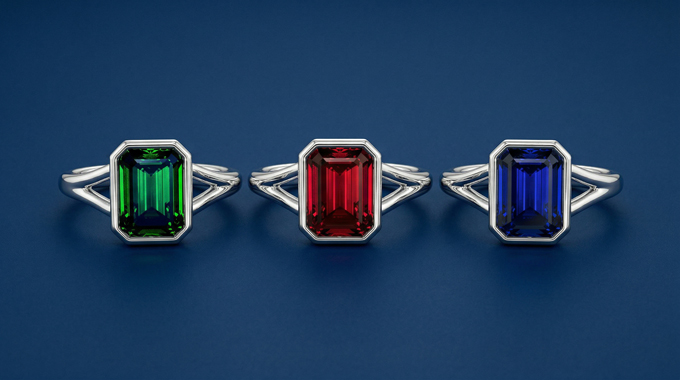
- Alternative Gemstones: High-end sapphires (in blue, teal, or peach), rubies, or emeralds are increasingly popular. They offer a “big look” and unique personality, often at a lower price-per-carat than natural diamonds.
5. Design Tricks to Enhance Visual Size
The setting isn’t just a frame; it is a strategic tool that can make a modest budget look like a significant investment.
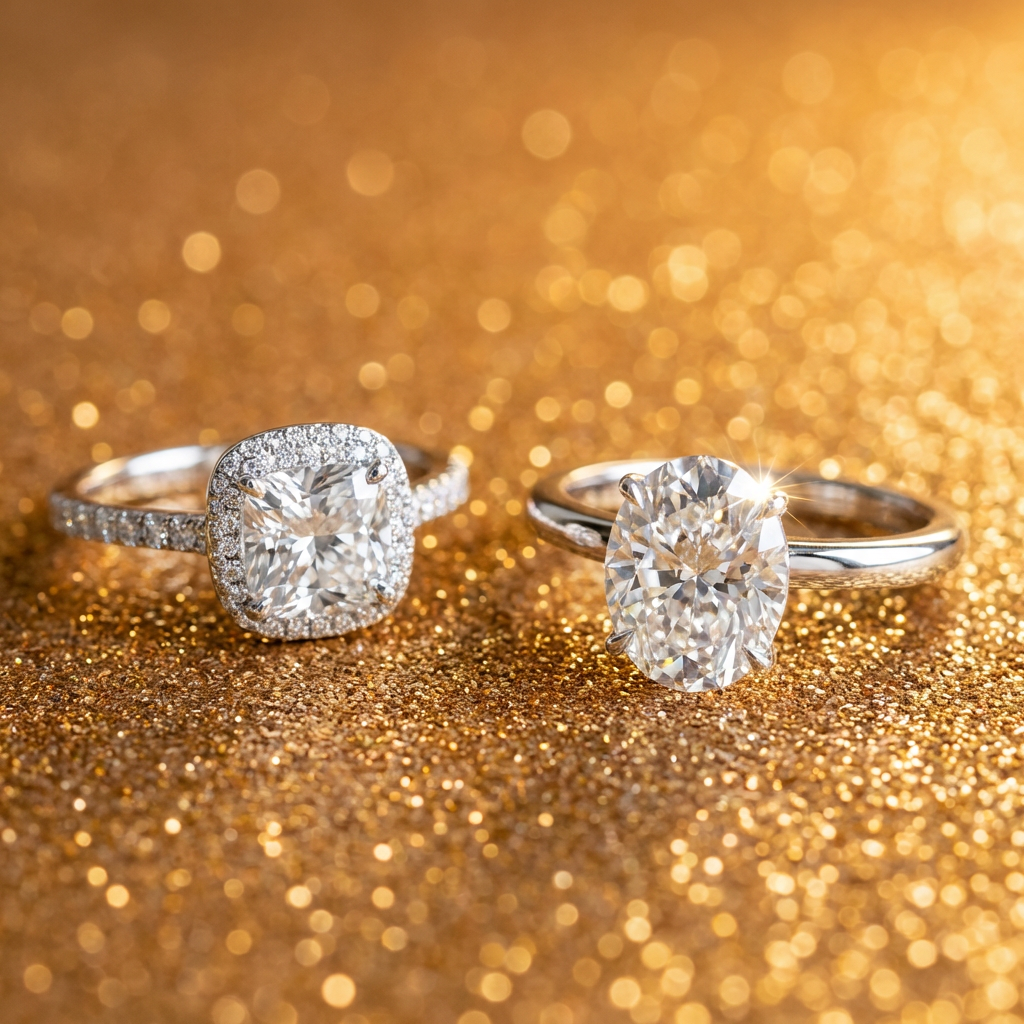
- The Halo Effect: A “Halo” setting surrounds the center stone with a circle of smaller pavé diamonds. This creates the illusion of a much larger center stone; for example, a 1-carat diamond in a halo can appear like a 1.5 or 2-carat ring from a distance.
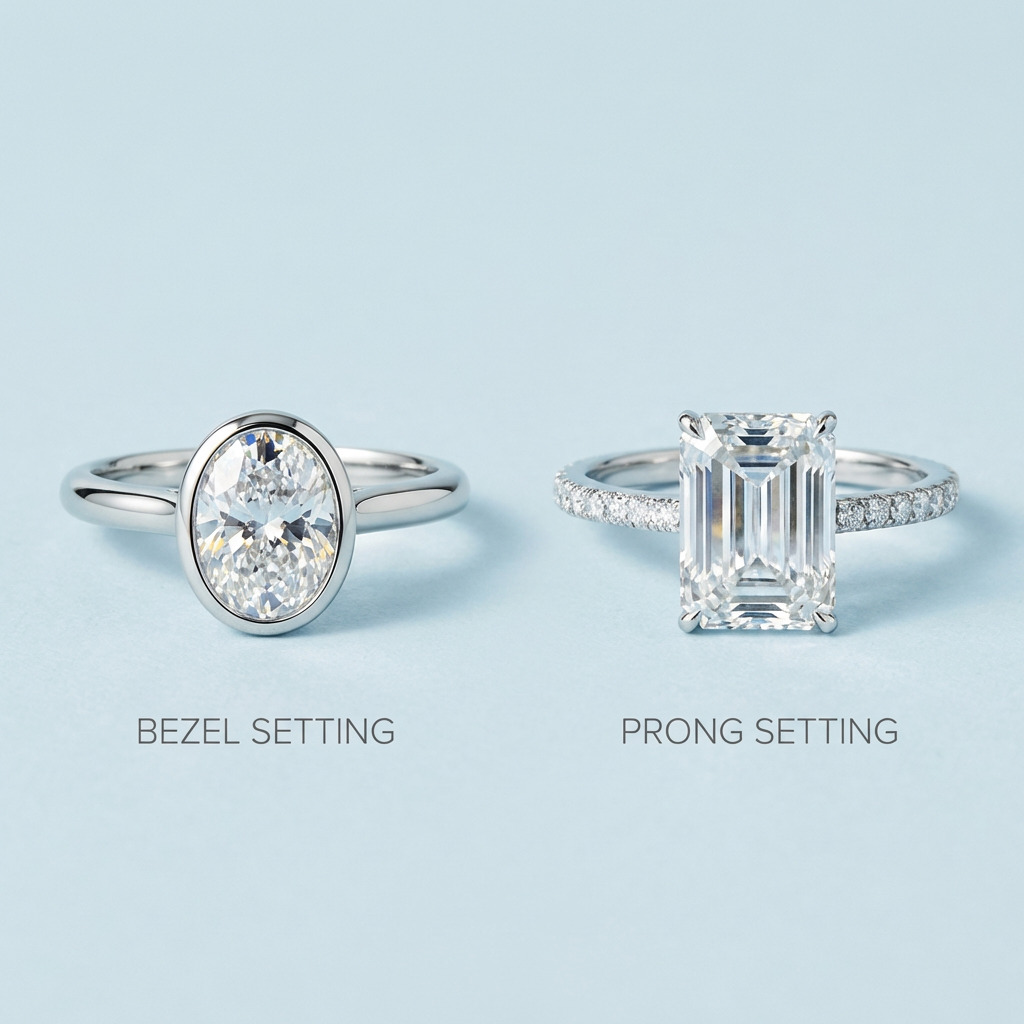
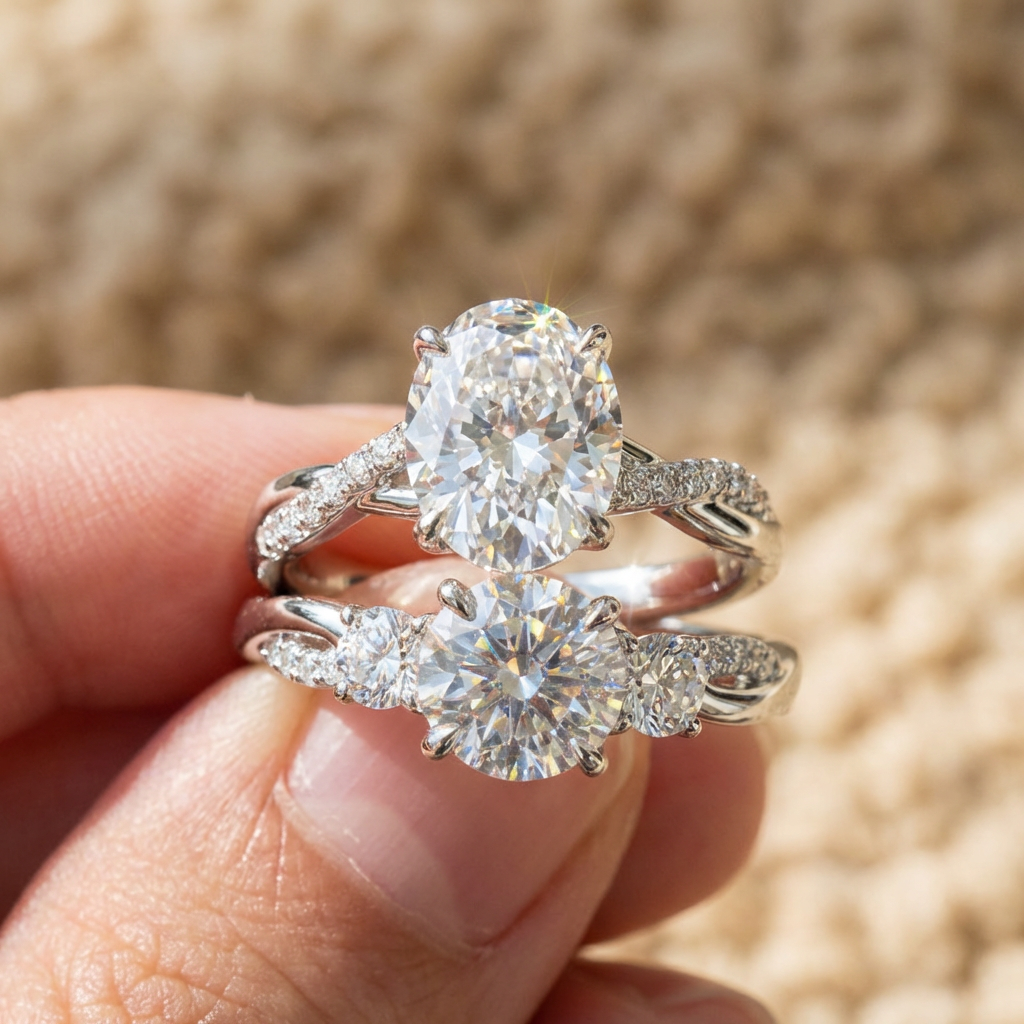
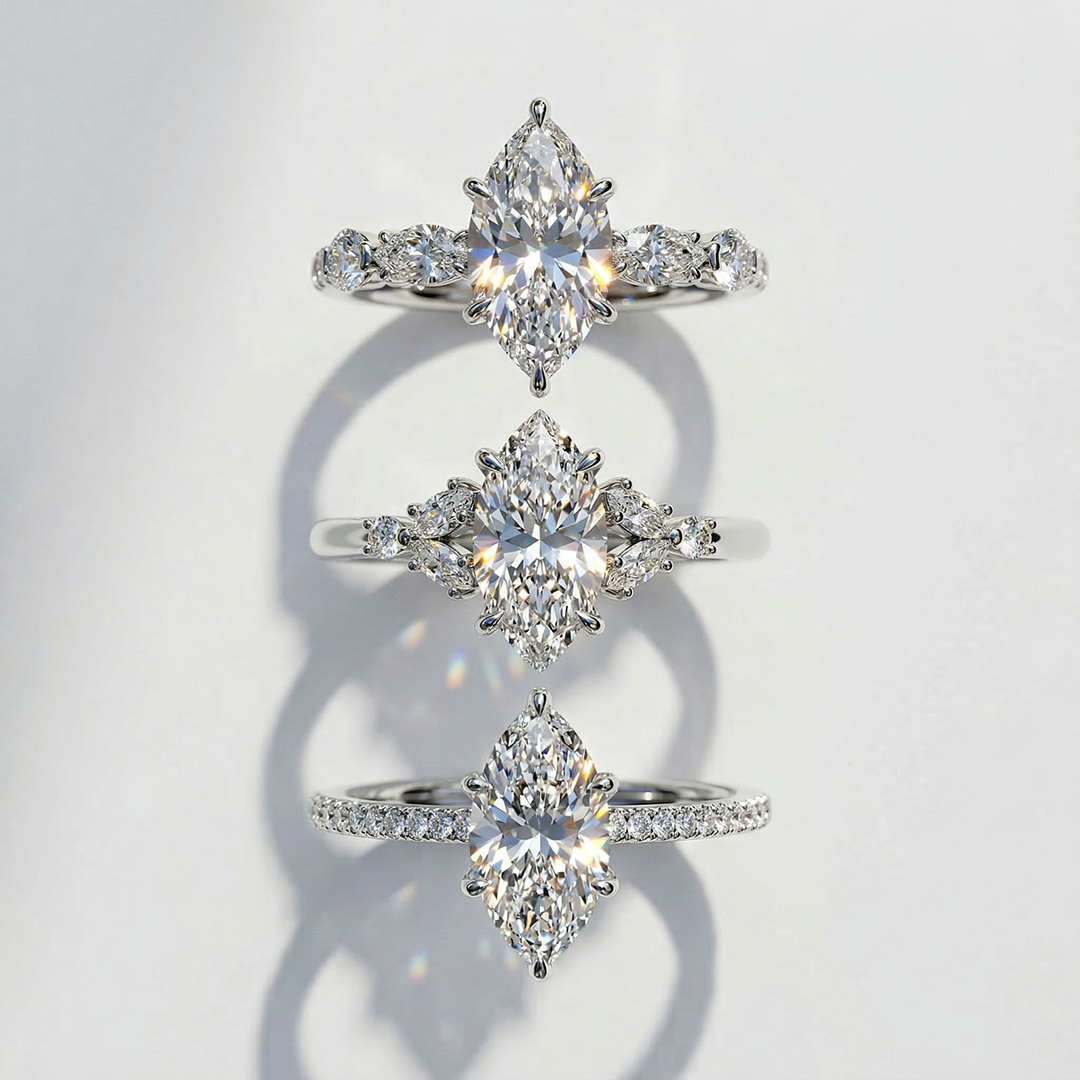
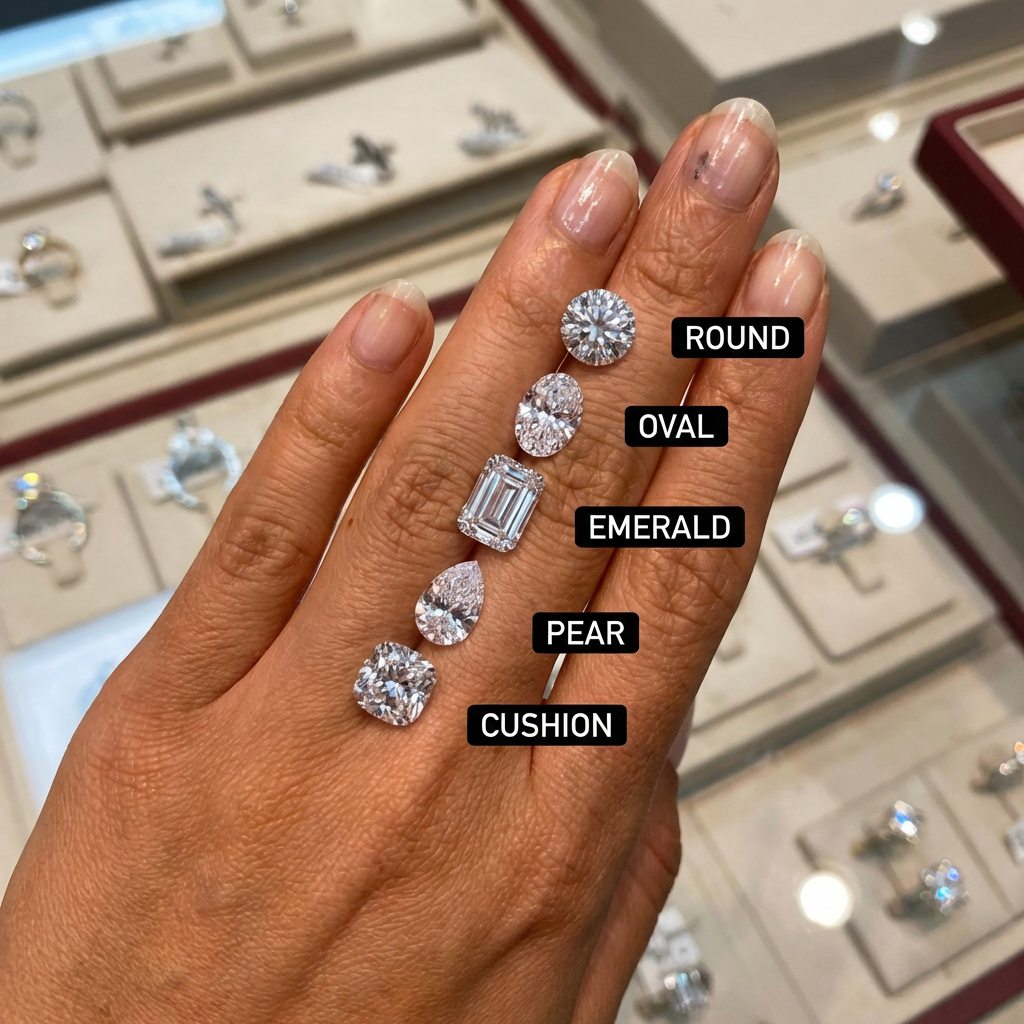
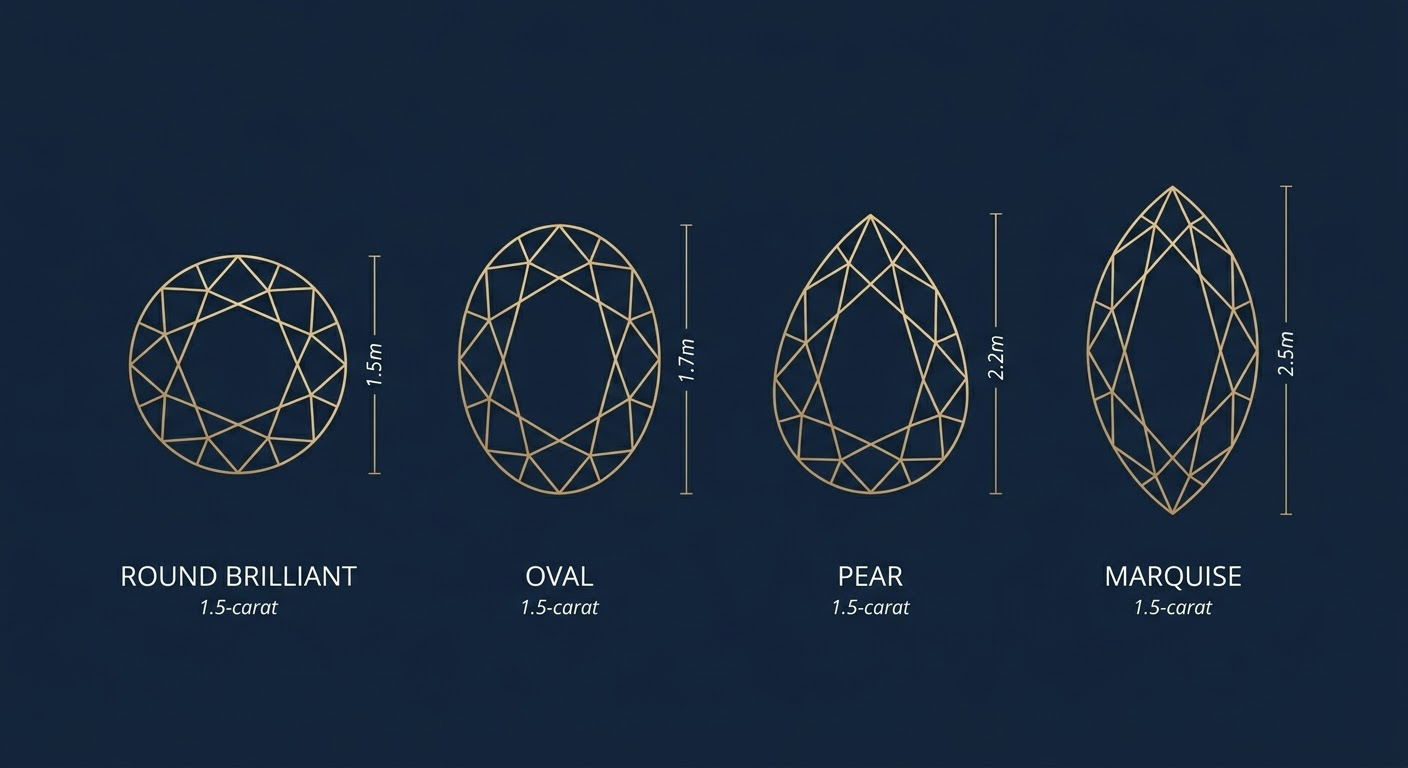
- Fancy Shapes: While Round Brilliant diamonds are the most traditional, they are also the most expensive per carat. “Fancy shapes” like Oval, Pear, or Marquise are not only incredibly trendy but also have elongated surfaces that take up more space on the finger, making them appear larger than a round diamond of the same weight.
- “Buying Shy”: Diamond prices tend to jump significantly at full-carat and half-carat marks (1.0, 1.5, 2.0). By purchasing a 0.90-carat or 1.90-carat stone, you can save a substantial amount. Since diamond weight is distributed in three dimensions, a 0.1mm difference in surface area is virtually imperceptible to the naked eye.
6. Accounting for the “Hidden” Costs
A truly comprehensive budget accounts for the final total at the checkout counter. When planning your purchase, don’t forget to factor in:
- Taxes and Duties: Depending on your location, taxes can add a significant amount to your final price. For our U.S. clients, this includes varying state and local sales taxes. For our international clients, please be mindful of potential import duties, Value Added Tax (VAT), or local consumption taxes that may apply upon the ring’s arrival in your country. Always ask if your jeweler can provide an “out-the-door” estimate or guidance on international shipping costs.
- Insuring Your Investment: High-end jewelry is an asset that should be protected. We recommend insuring your ring immediately upon purchase; expect an annual premium of roughly 1–2% of the ring’s appraised value.
- Wedding Band Compatibility: Consider how a wedding band will sit next to your engagement ring. Ensure the design is “flush-fit” compatible; otherwise, you may be forced to pay for a custom-contoured wedding band later to avoid a gap between the two rings.
Conclusion
At the end of the day, an engagement ring is a beautiful paradox: a physical object that represents an intangible promise. By focusing on quality over technical “perfection” and understanding the nuances of metals and stone grades, you can find a piece that is as enduring as your relationship. Mastering how to choose an engagement ring based on your budget isn’t about spending less—it’s about spending with intention, ensuring that every facet of the ring reflects the brilliance of your future together.