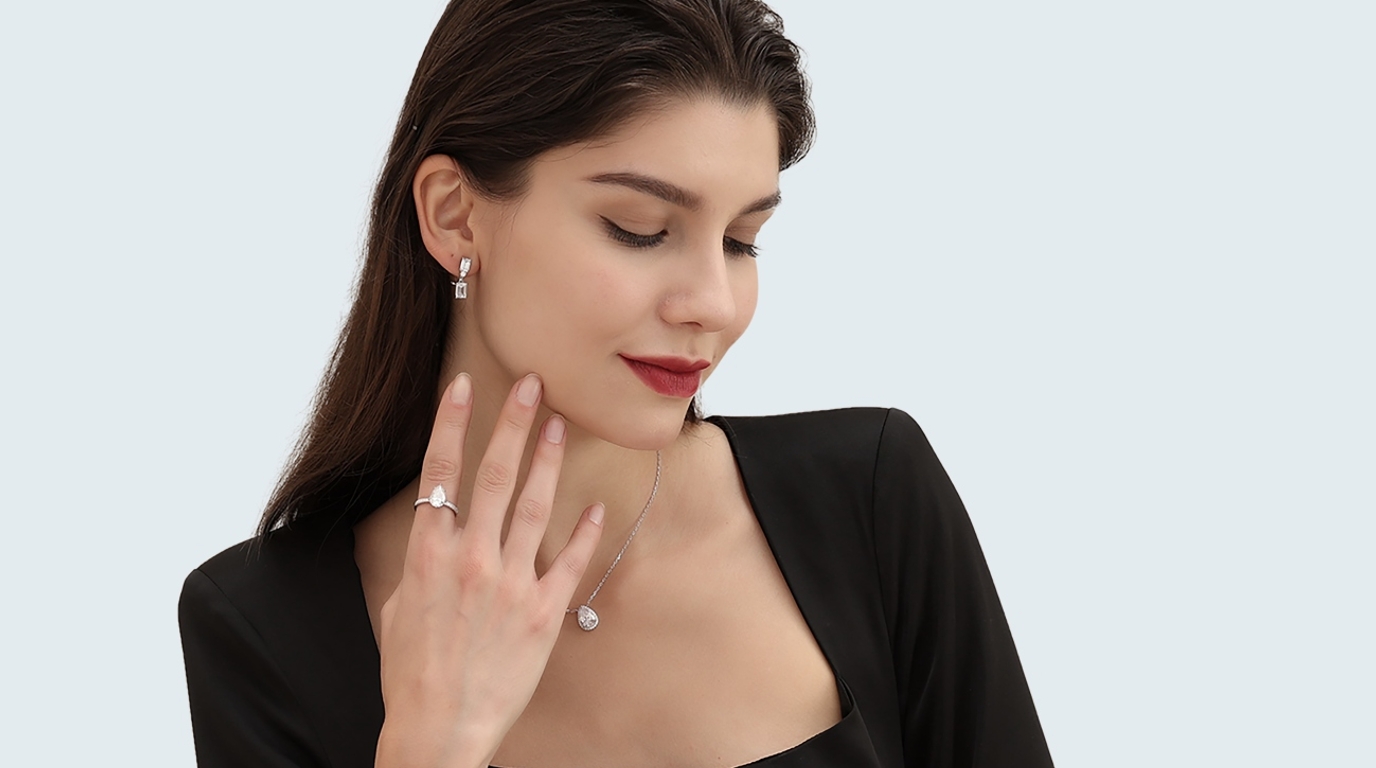
If jewelry leaves your skin itchy, red, or uncomfortable, the metal may be the reason. Choosing hypoallergenic jewelry metals can help reduce the chance of irritation, especially for pieces you wear every day.
But “hypoallergenic” does not mean allergy-proof. The metal itself matters, but so does the alloy, plating, and even small components such as earring posts and clasps. This guide explains which jewelry metals are generally better for sensitive skin, what to look for when shopping, and which materials deserve a closer look.
What Does Hypoallergenic Jewelry Mean?
Hypoallergenic jewelry is made with materials that are less likely to cause an allergic reaction. These pieces are typically crafted from pure metals or carefully formulated alloys that help minimize the risk of irritation for most people. However, no jewelry can be guaranteed to be suitable for everyone.
Nickel, for example, is commonly used in metal alloys and is a common cause of contact allergies. An estimated 15% of the population is allergic to nickel, with the rate reaching around 17% among women.
The Best Hypoallergenic Jewelry Metals
1. Platinum: A Low-Allergen Choice for Fine Jewelry
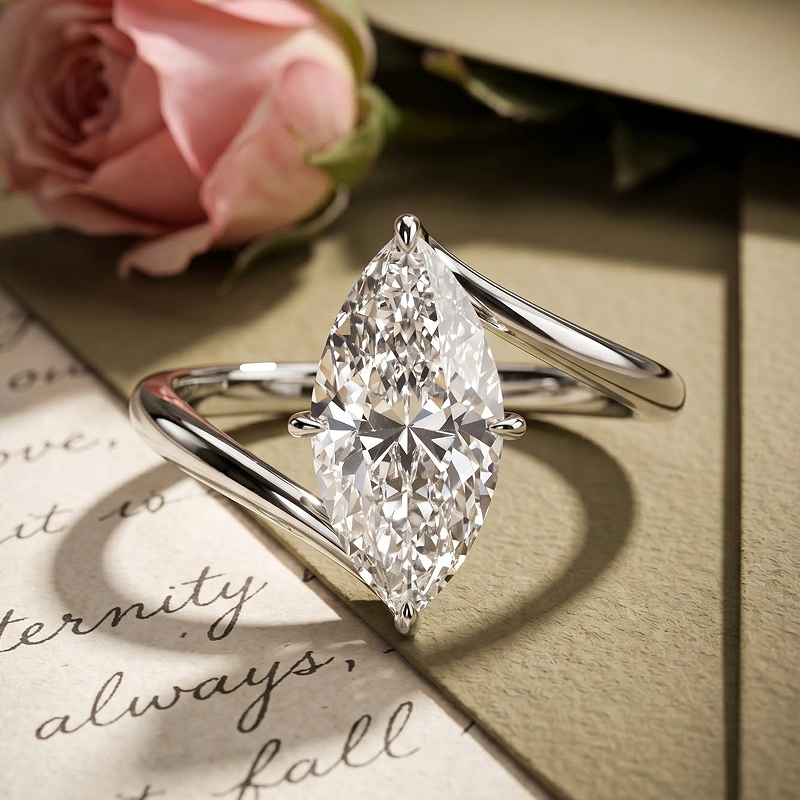
Platinum is one of the most reliable choices for people with sensitive skin. Most platinum jewelry is made from 950 platinum, meaning it contains 95% platinum, with the remaining 5% typically made up of other platinum-group metals such as ruthenium, iridium, or palladium. Nickel is not typically used in high-purity platinum alloys, so platinum can be a good option for people who need to avoid nickel.
2. Titanium: A Practical Choice for Sensitive Skin
Titanium is lightweight and strong, making it especially comfortable for earrings and larger jewelry pieces. It is also a popular choice for people looking for nickel-free jewelry. With its naturally gray or silvery color, titanium has a more modern look than traditional yellow, rose, or white gold.
3. Gold: The Karat and Alloy Composition Matters
Pure 24K gold is soft, so most jewelry combines gold with other metals to improve its strength and durability. Once other metals enter the mix, the karat and alloy composition both become important when considering how well gold jewelry may suit sensitive skin.
The karat tells you how much pure gold the piece contains, while the alloy metals can vary depending on the gold color and the manufacturer. In general, higher-karat gold contains more pure gold and less of the other metals. But karat alone does not tell the whole story. The specific metals in the alloy also matter, especially if you have a known metal allergy.
Here is how the three most common gold colors compare:
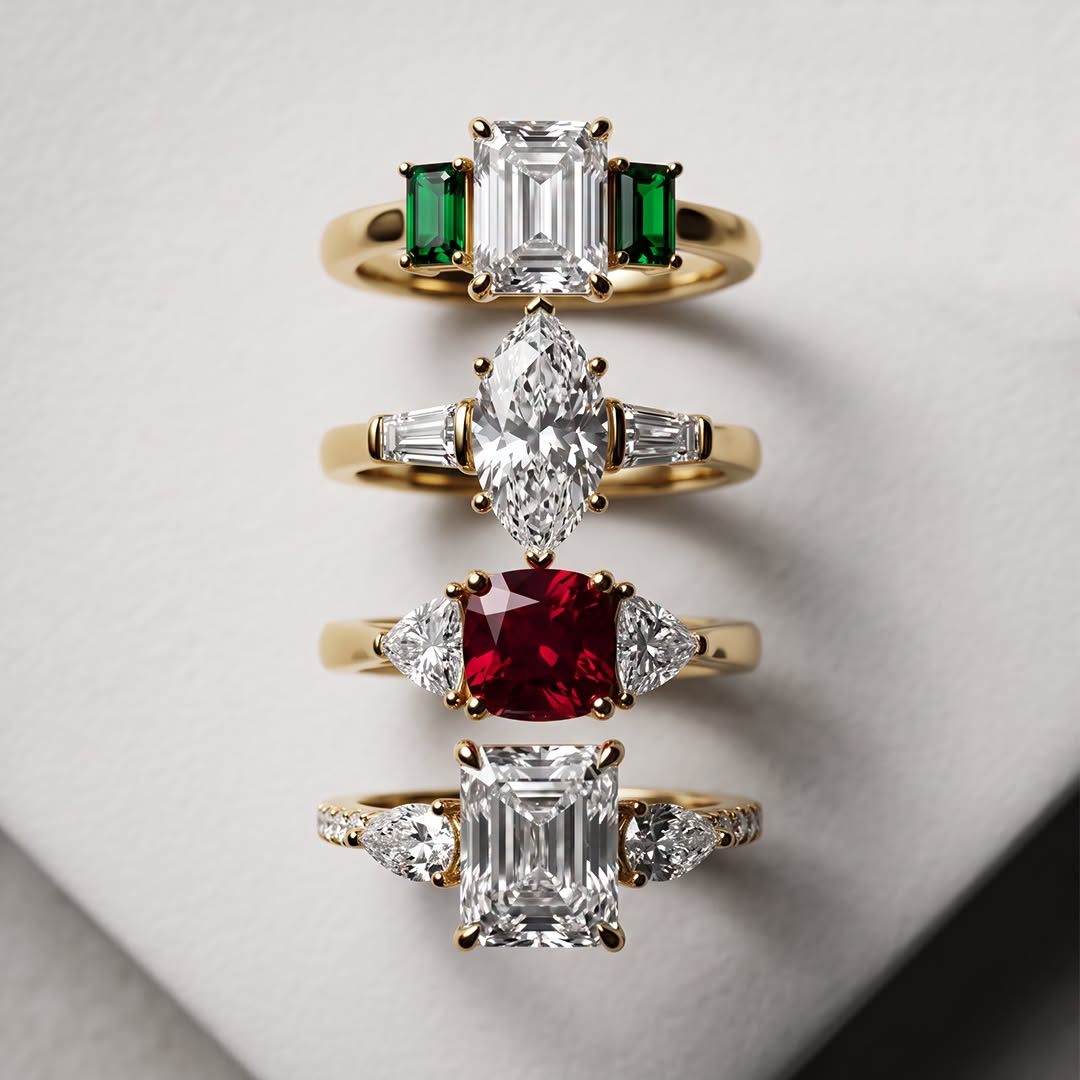
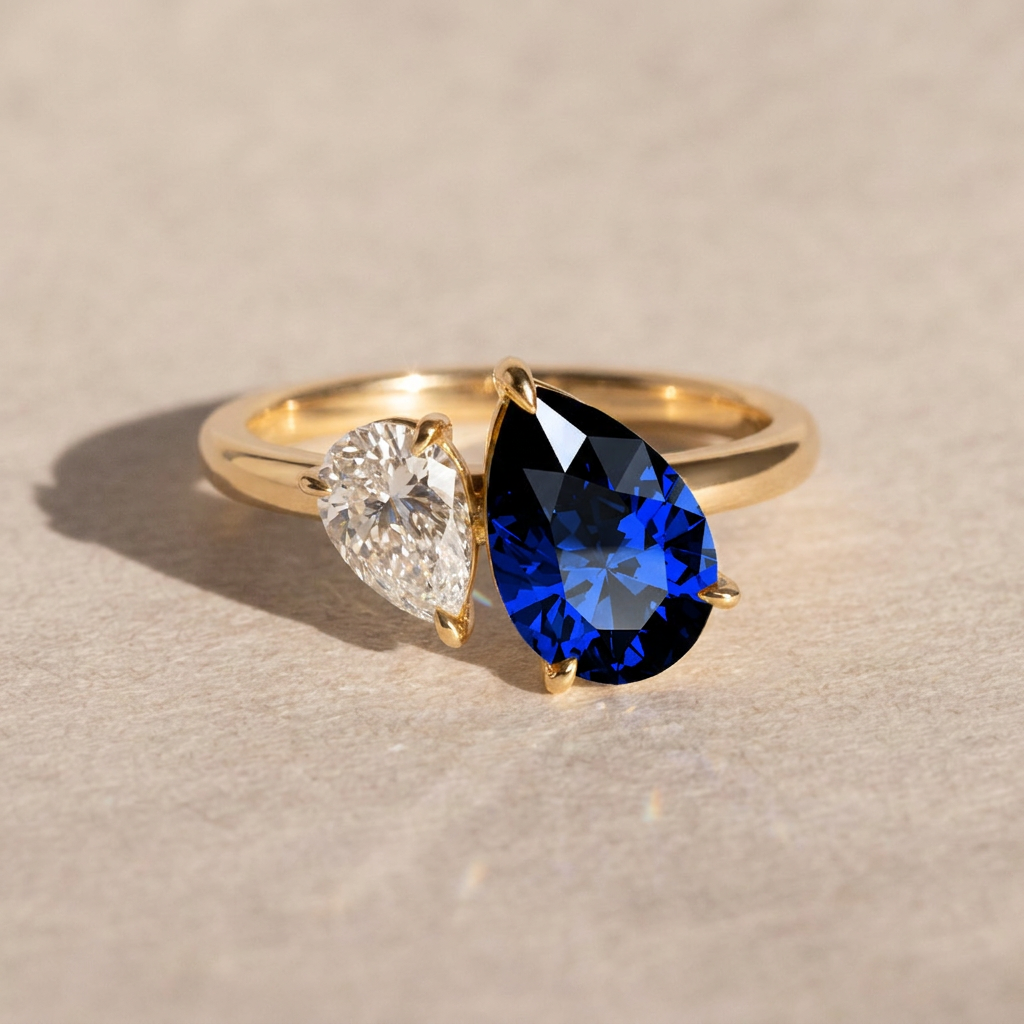
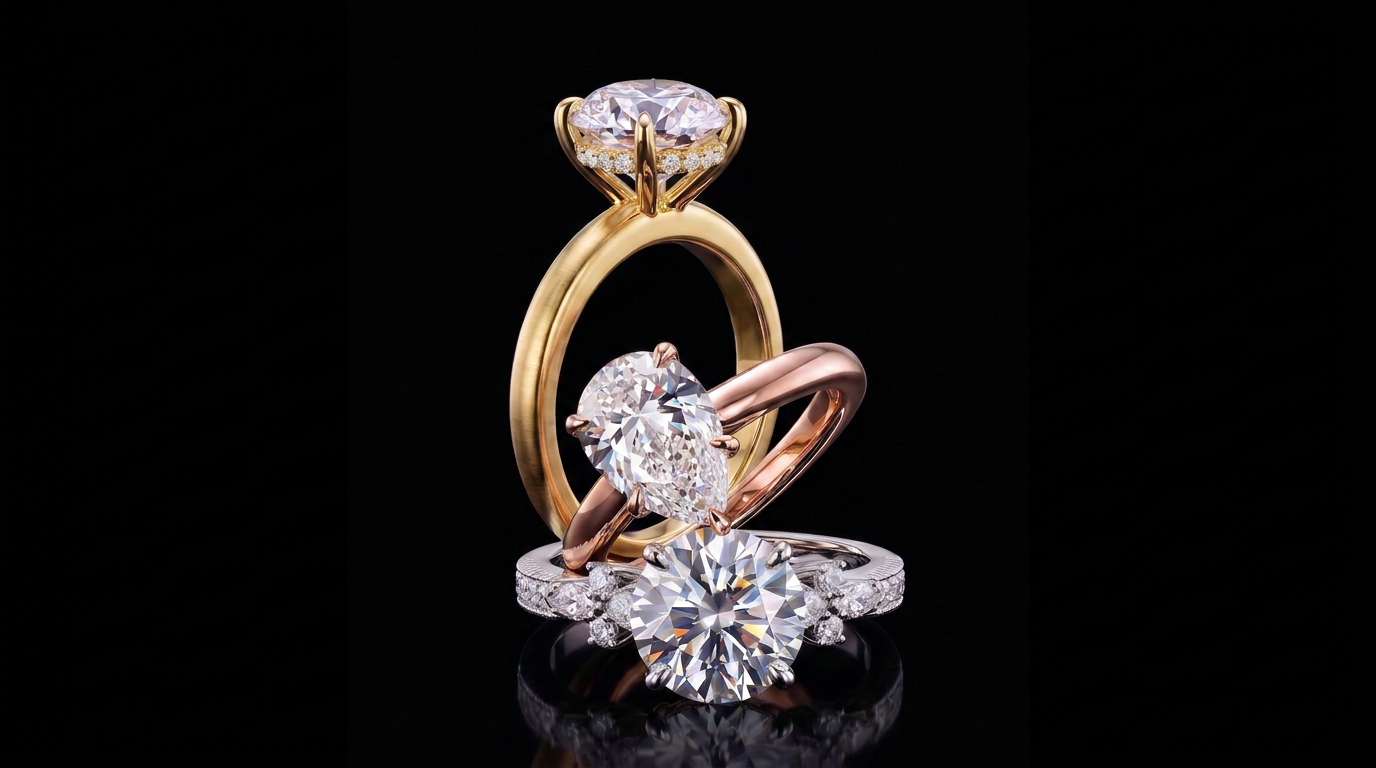
Yellow gold: usually a mix of silver, copper, and zinc, metals your skin tends to ignore. This is why 18K yellow gold is the standard recommendation for sensitive skin: at 75% purity, there’s simply less room for anything problematic, and standard yellow gold alloys don’t rely on nickel. 14K yellow gold is the practical middle. Standard US recipes use copper, silver, and zinc, usually nickel-free, but the alloy space is bigger, so buy from makers who confirm their alloy composition. For a closer look at how 10K, 14K, and 18K gold differ, see our guide to gold karats.
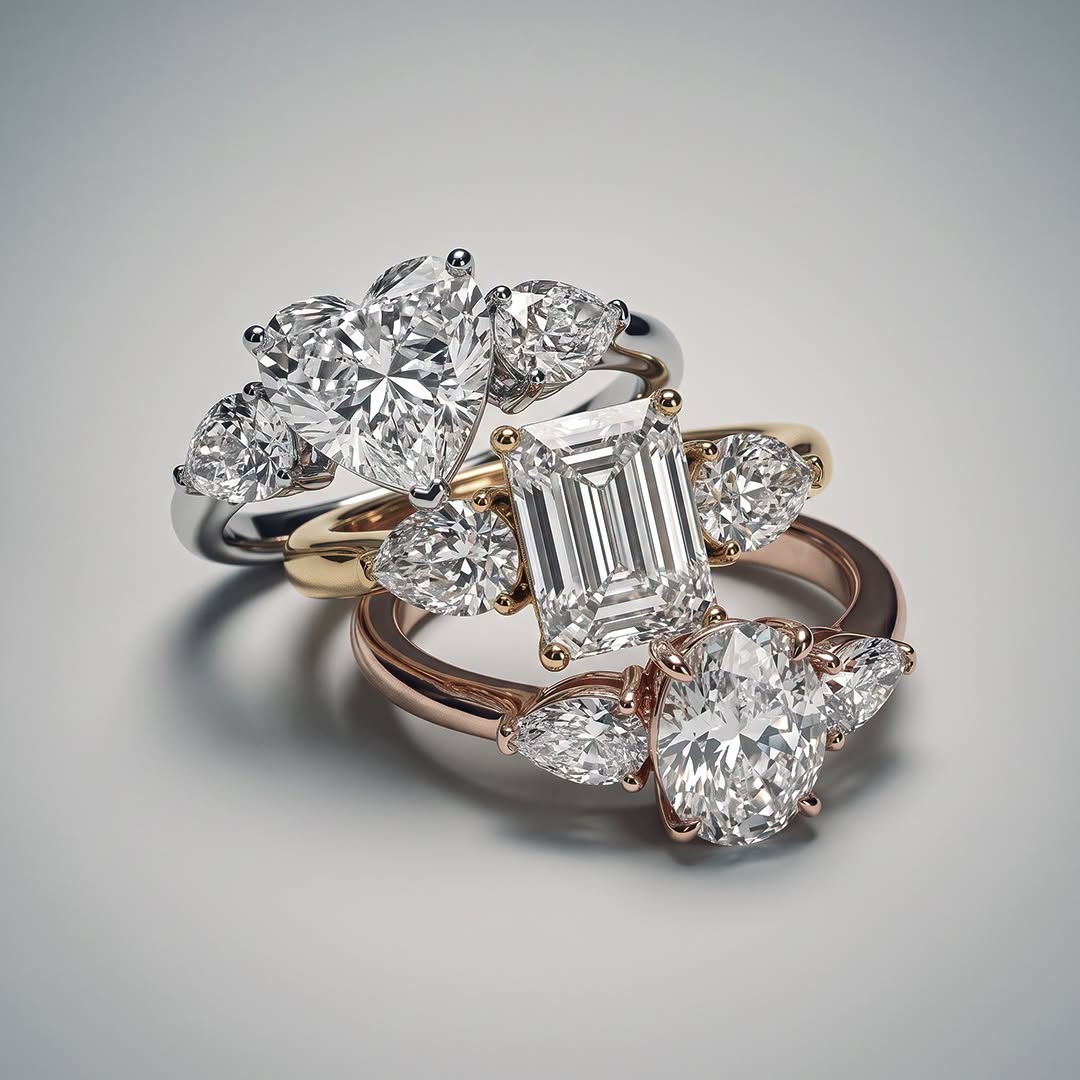
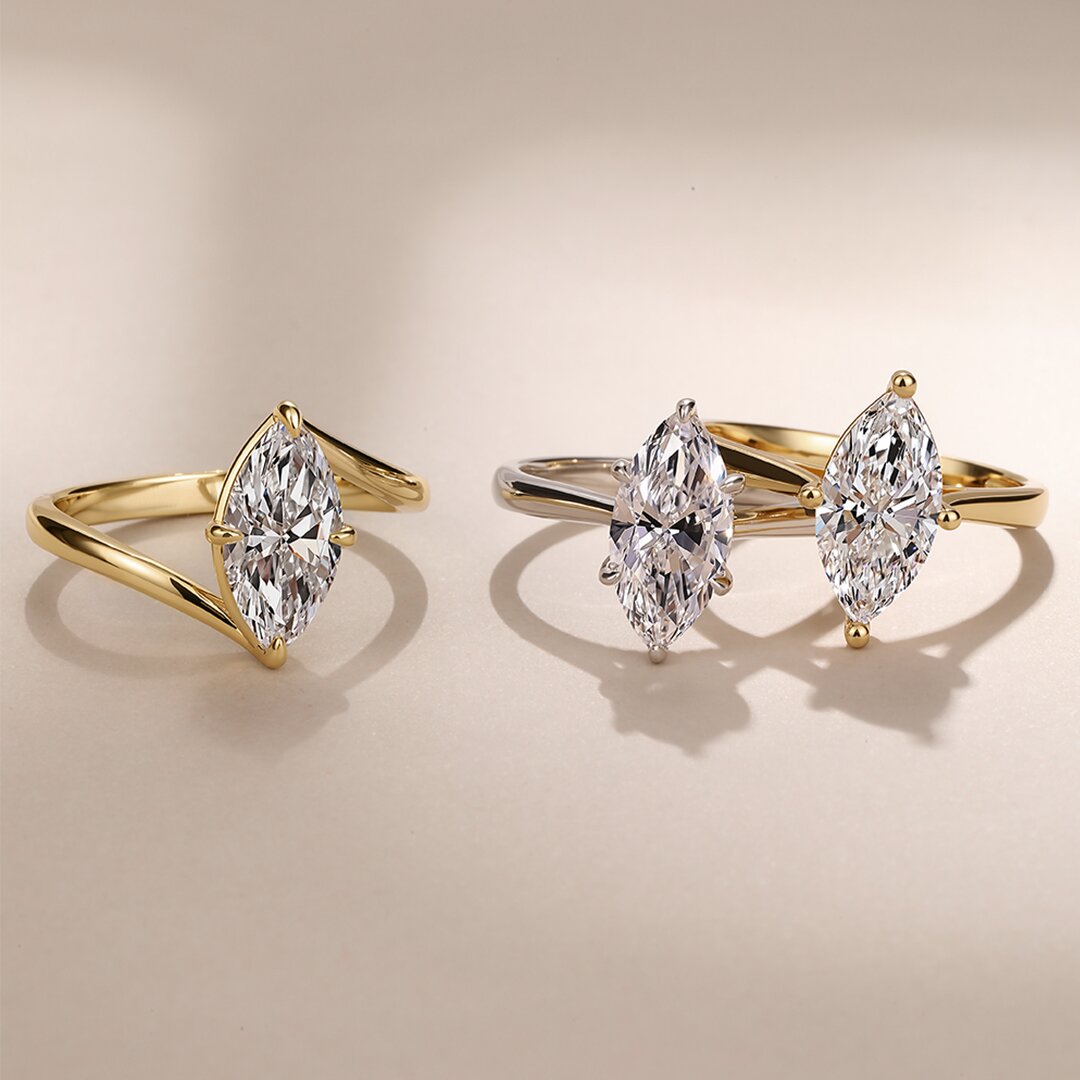
White gold: gold is naturally yellow, so white gold gets its color by alloying gold with other metals. Traditional white gold often uses nickel, while modern nickel-free white gold can use palladium instead. If your skin is reactive and you want white gold, ask whether it’s palladium-alloyed or nickel-alloyed. If the seller can’t confirm the alloy composition, consider another option.
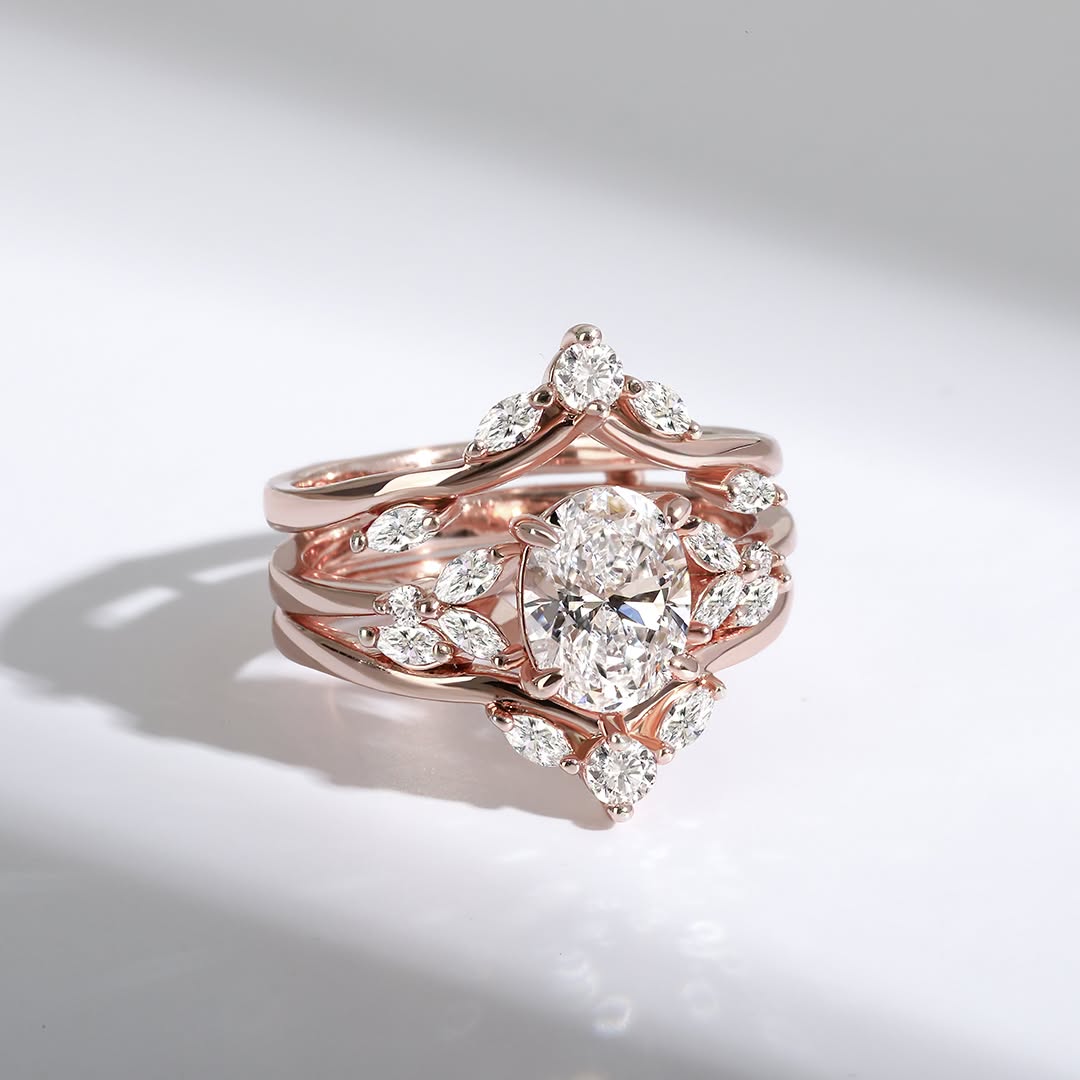
Rose gold: gets its color from copper, which rarely causes true allergic reactions. The green staining that can sometimes appear is a cosmetic reaction, not an allergic one. 18K rose gold follows the same karat logic as yellow gold: more gold means less alloy, leaving less metal that could potentially cause a reaction.
4. Sterling Silver: A Good Option With One Important Check
Genuine sterling silver contains 92.5% silver, with the remaining 7.5% usually made up of other metals, most commonly copper. The “925” hallmark indicates that the piece contains at least 92.5% silver.
If you have sensitive skin, there is one detail worth checking: the 925 mark tells you the silver content, but it does not necessarily tell you every metal used in the remaining alloy. If you have a known nickel allergy, look for jewelry specifically labeled nickel-free or ask the seller about the alloy composition.
One confusing name to watch for is “nickel silver” or “German silver.” Despite the name, these materials do not contain actual silver. They generally refer to copper-based alloys that can contain nickel, so they are not the same as genuine sterling silver.
Metals to Skip When Your Skin Is Sensitive
A short list, and it covers most of the trouble in the market:
- Nickel silver / German silver — zero silver, heavy nickel. The name is a historic misnomer that stuck around because it moves product.
- Brass and “gold-tone” mystery alloys — copper-zinc mixes that oxidize fast, stain skin, and often carry nickel. The default material of costume jewelry.
- Zinc alloy (“fashion metal”) — cheap, brittle, frequently nickel-bearing. If a listing says “alloy” and nothing else, this is usually it.
- Plated pieces over unknown bases — plating is a temporary barrier. Gold plating on brass is a countdown: when the plating thins at the contact points, you’re wearing brass. (Gold vermeil over 925 sterling is the exception — the base is safe too.)
Notice the pattern: the danger isn’t any single named metal. It’s undisclosed composition. Every safe choice above comes with a stamp or a spec you can verify. Every risky one hides behind a vague color word.
How to Choose Hypoallergenic Jewelry
“All metals, ranked” is what everyone gives you. What actually helps is matching the metal to how you wear the piece, because your risk generally goes up with both your sensitivity and how long the metal stays against your skin.
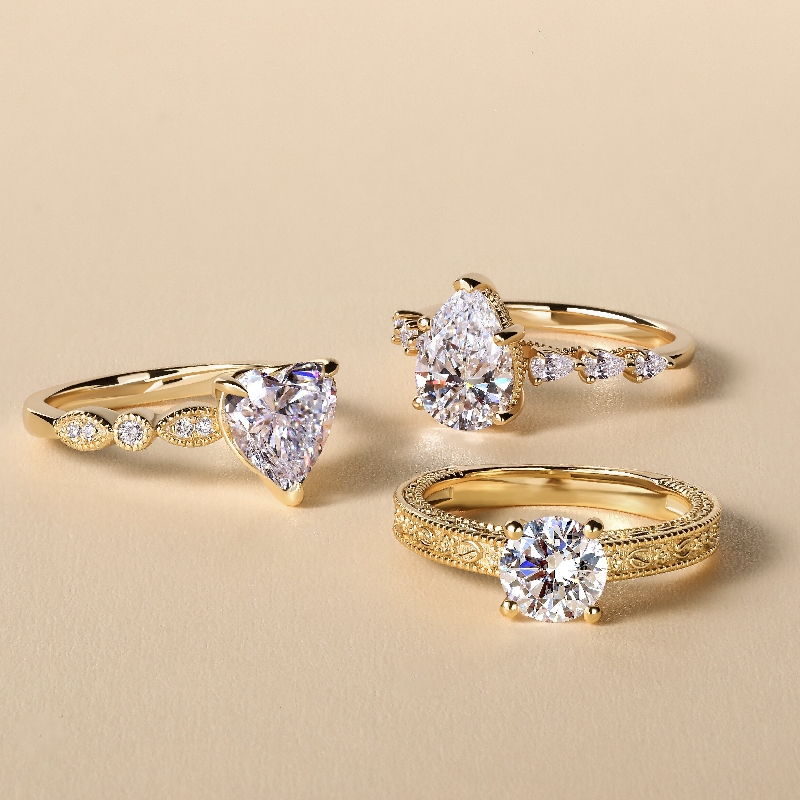
The forever ring (engagement, wedding): Platinum and higher-karat gold are strong choices for a daily ring, especially when you can verify the alloy composition. This is also where it makes sense to match the metals across your engagement ring and wedding band, so both pieces wear and age similarly against your skin.
Earrings, especially for sensitive ears: Piercings can react quickly to irritating metals, so the part that goes through your ear matters more than the decorative part you see. Titanium posts are one of the safest choices for sensitive ears, while 14K+ gold and platinum can work well for healed piercings. Whatever the front of the earring looks like, check the post material specifically. That’s the part in direct contact with your skin.
Everyday necklaces and stacking pieces: Nickel-free sterling silver and 14K yellow gold can work well for everyday wear at more approachable prices. For chains, check the clasp too. A nickel-containing clasp on an otherwise suitable chain is an easy-to-miss source of irritation.
Choosing hypoallergenic jewelry metals is less about finding one universally “safe” metal and more about understanding what is actually in the jewelry. Platinum, titanium, nickel-free sterling silver, and carefully formulated gold alloys can all be useful options. But the karat, alloy composition, plating, and even small components can make a difference. If you have sensitive skin, start with the material information and choose jewelry that suits how you actually wear it.