Platinum sits at the top of most metal menus. It’s the one with the premium reputation, the naturally white shine, the price tag to match. And with white gold sitting right next to it looking nearly identical — for less — the question sorts itself out: is platinum worth it for an engagement ring? So, is platinum worth it for an engagement ring? What does platinum genuinely do better, and what doesn’t it? By the end of this guide, you’ll know which side of that equation you land on. Let’s run it.
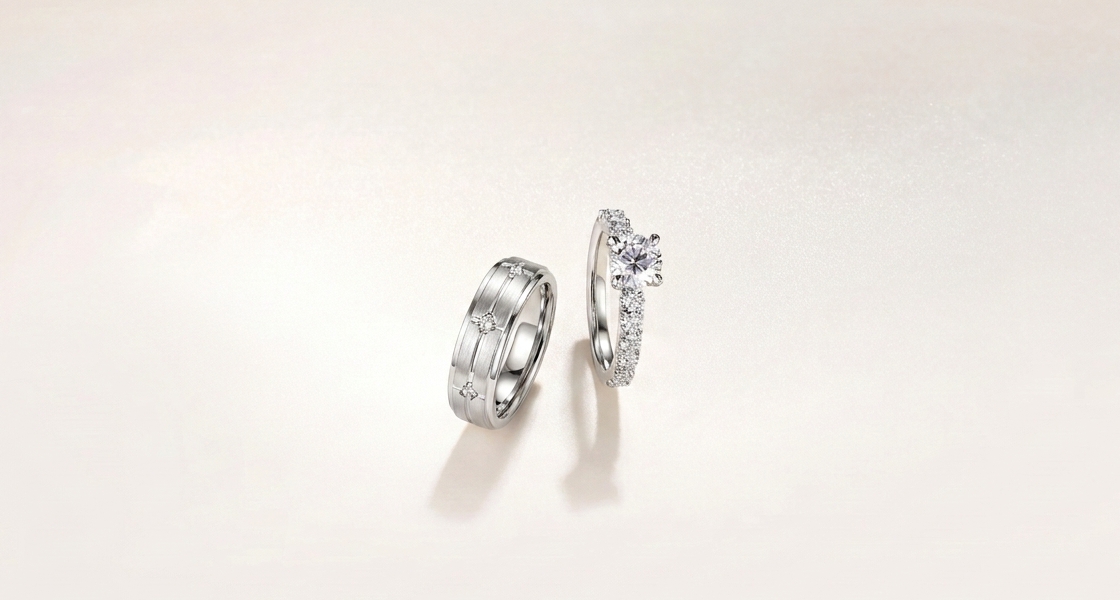
Why Platinum Costs More
Start with why platinum costs more, because the answer is more interesting than “it’s rarer.”
Platinum is genuinely rare — by most mining estimates, roughly 15 to 30 times rarer than gold — but rarity alone doesn’t set the price of your ring. In fact, here’s the part that surprises people: by weight, platinum often costs less than gold. Gold has traded high in recent years while platinum has stayed comparatively steady.
So why does the finished ring cost more — often 10–15% more for the same design, sometimes more? Three reasons:
- Density. Platinum is about a third denser than 14K gold. The same ring takes more grams of metal to build, and you pay for every gram.
- Labor. Platinum is harder to work with. It melts hotter, wears tools faster, and demands more time at the bench — which shows up in the price.
- Purity. Fine jewelry platinum is typically PT950: 95% pure platinum, alloyed with a touch of ruthenium or iridium for strength. You’re buying more precious metal by proportion, not a premium brand name.
That density is also the feel — the thing people notice first when they try a platinum ring on. A platinum band sits noticeably heavier on the finger.
Why Platinum Is Popular for Engagement Rings?
If you do pay the premium, here’s what you’re genuinely buying — no romance-novel padding, just the four things platinum actually does better.
It’s Naturally White, Forever
White gold starts life as yellow gold, alloyed with white metals, then plated with a thin layer of rhodium to look bright silver. That plating wears off — gradually, over a year or three of daily wear — and the ring drifts warm. Platinum needs no plating because it is white, all the way through. What you see on day one is what you have in year thirty.
It’s the Safer Bet for Sensitive Skin
Platinum’s alloy mix (usually just that 5% of ruthenium or iridium) is essentially inert against skin. It’s the standard recommendation for anyone with a nickel allergy — and nickel is a common white gold alloy, though not in every blend. If you or your partner react to cheap earrings or belt buckles, this alone can settle the platinum question.
It Ages by Moving, Not Vanishing
When platinum scratches, the metal displaces — shifts sideways — rather than wearing away. Two consequences. First, a platinum ring loses essentially no metal over decades of wear; a white gold ring worn daily slowly does. Second, all that displaced metal builds a soft, brushed-sheen surface called a patina, which a lot of longtime owners genuinely love — it reads as lived-in, antique, yours.
That same property is why platinum prongs are trusted to hold stones — the metal tends to shift under impact rather than shed.
It Carries Meaning
Not to be dismissed: for plenty of buyers, “95% pure, the rarest metal, the one that doesn’t change” is part of what an engagement ring is for. You’re not wrong to weigh that.
How to Decide: Four Questions
Still torn? Work through these in order:
- Does anyone involved have sensitive skin? Yes → platinum just earned its price. Nickel allergies are common, and platinum is the safest white metal there is.
- Is the budget fixed, with the stone competing for dollars? Yes → put the difference in the stone. A bigger or better diamond outperforms a metal swap every time — that’s visible; the metal mostly isn’t.
- Do you (or they) love the feel of a substantial ring? Yes → platinum’s density is part of the luxury. No, or not sure → try both on; some people actively dislike the weight.
- How do you feel about patina? Love the idea of a ring that ages like leather → platinum. Want mirror-bright forever with occasional replating instead → white gold.
If your answers lean platinum on three or more, it’s probably worth it for you. If they lean the other way — especially on question 2 — you now have official permission to spend the difference on the diamond. Our engagement ring collection and lab-grown diamond rings show both routes in finished pieces, and the modern vs. vintage engagement ring guide covers a related taste decision.
Best Platinum Engagement Rings for Women and Men
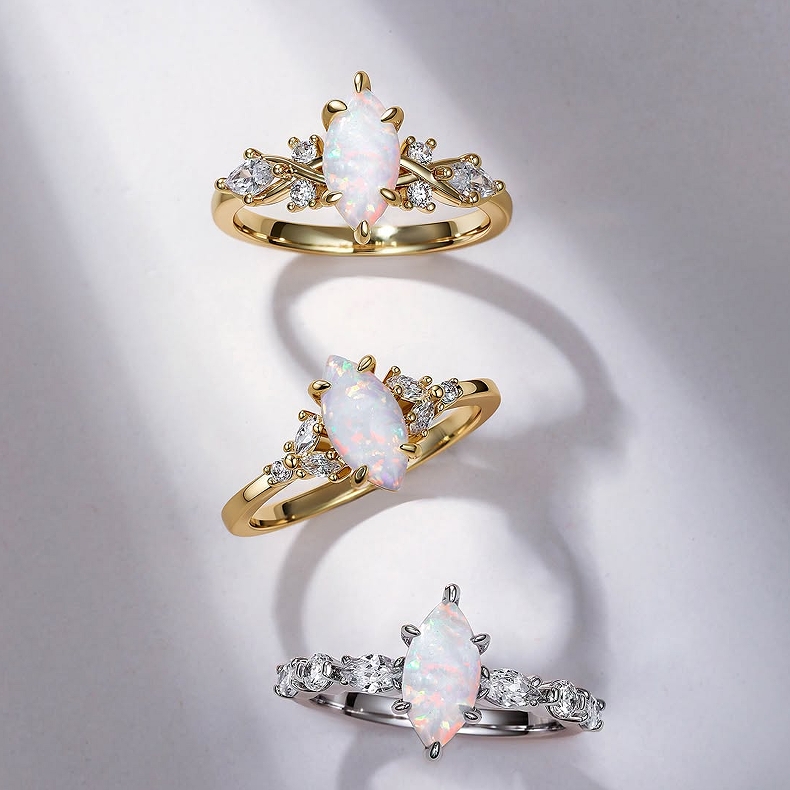
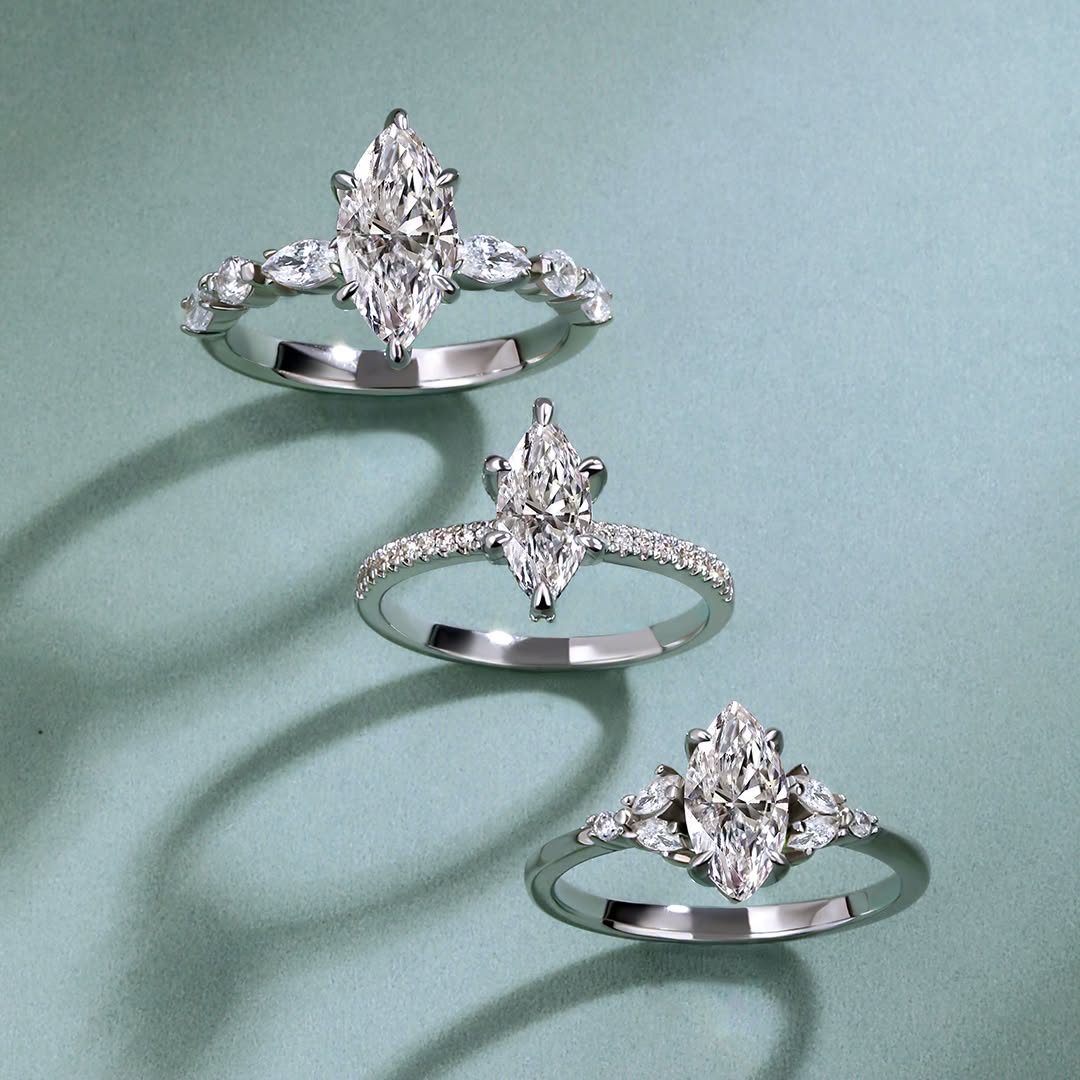
If you’ve made it this far and you’re leaning platinum — good. The styles below are the ones that get the most out of what the metal does best: secure settings, aging grace, and that unmistakable weight.
For Women
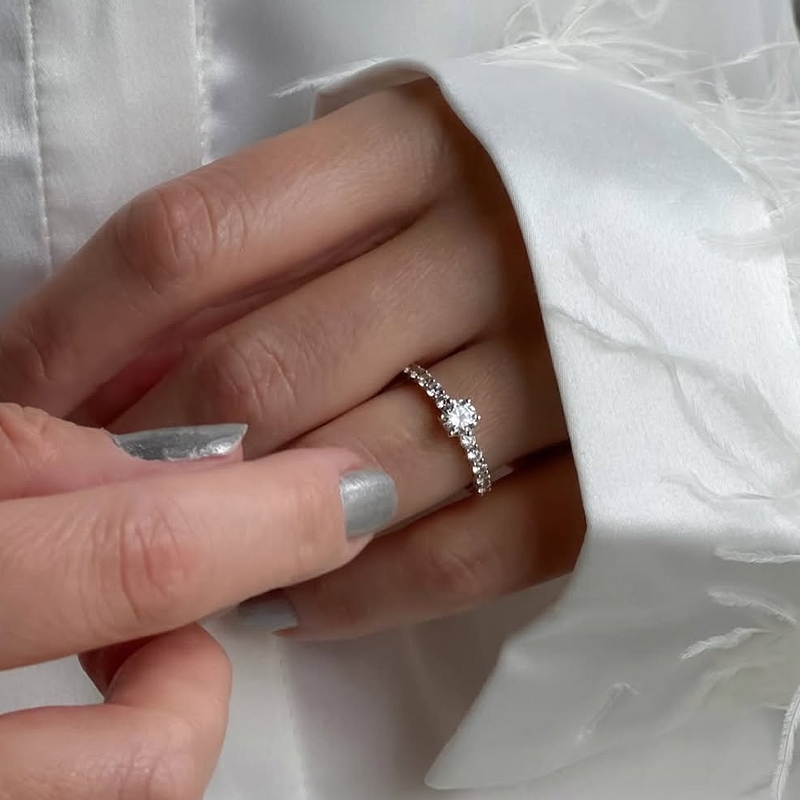
The Classic Solitaire engagement ring. Still the most-chosen platinum engagement ring, and for good reason. A single diamond on a slim platinum band is the purest version of the form — and those slim prongs are exactly where platinum’s strength matters most, holding the stone securely for decades. If you’re going minimal, go platinum.
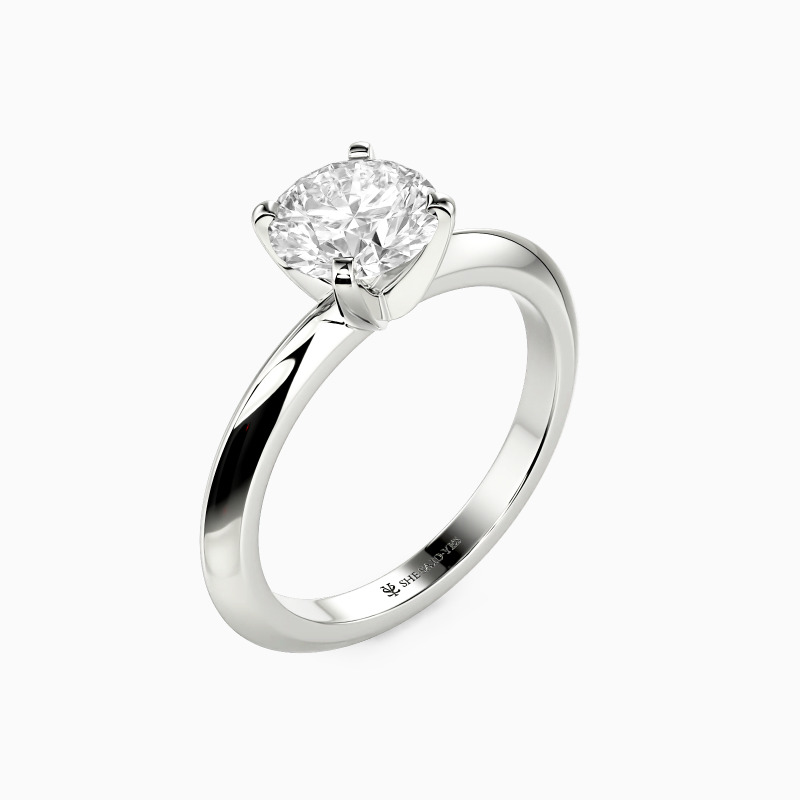
1ct Round Cut Knife Edge Platinum Solitaire Engagement Ring
The Halo Setting Engagement Ring. A ring of pave diamonds around the center stone, all in naturally white metal, reads as one continuous field of sparkle — no warm tint at the edges as the years pass. Halos also flatter smaller center stones, which pairs nicely with platinum’s price premium: modest stone, maximum presence.
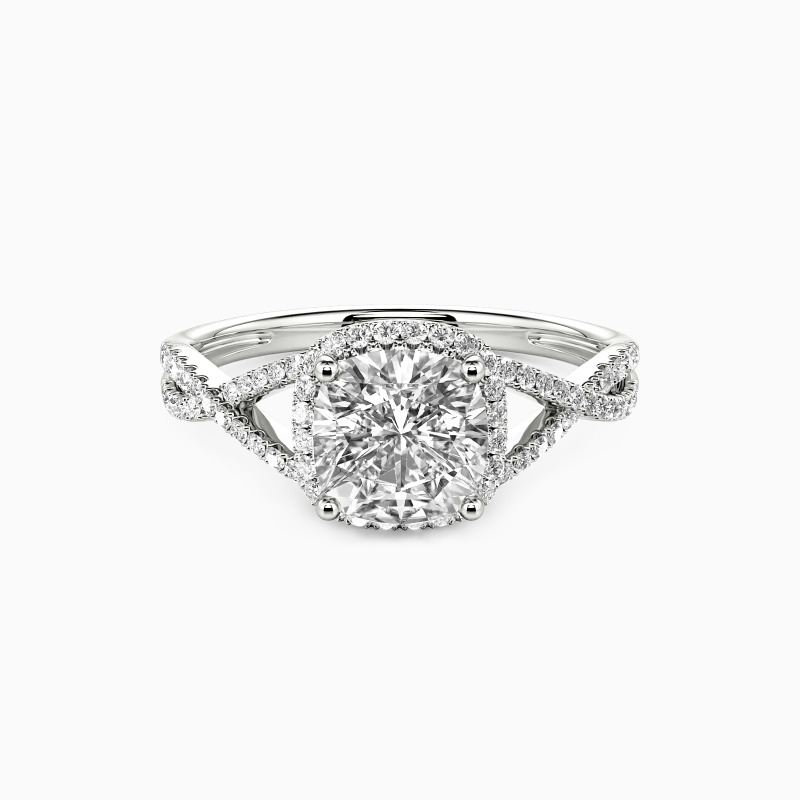
1ct Cushion Cut Platinum Halo Engagement Ring
Vintage and Art Deco Styles Engagement Ring. Filigree, milgrain, geometric lines — vintage-inspired designs and platinum were made for each other, historically and literally (Art Deco platinum originals are a century old and still stunning). Better yet, platinum’s patina moves in the vintage direction on its own. If you’re torn between eras, our modern vs. vintage engagement ring guide walks that choice in detail.
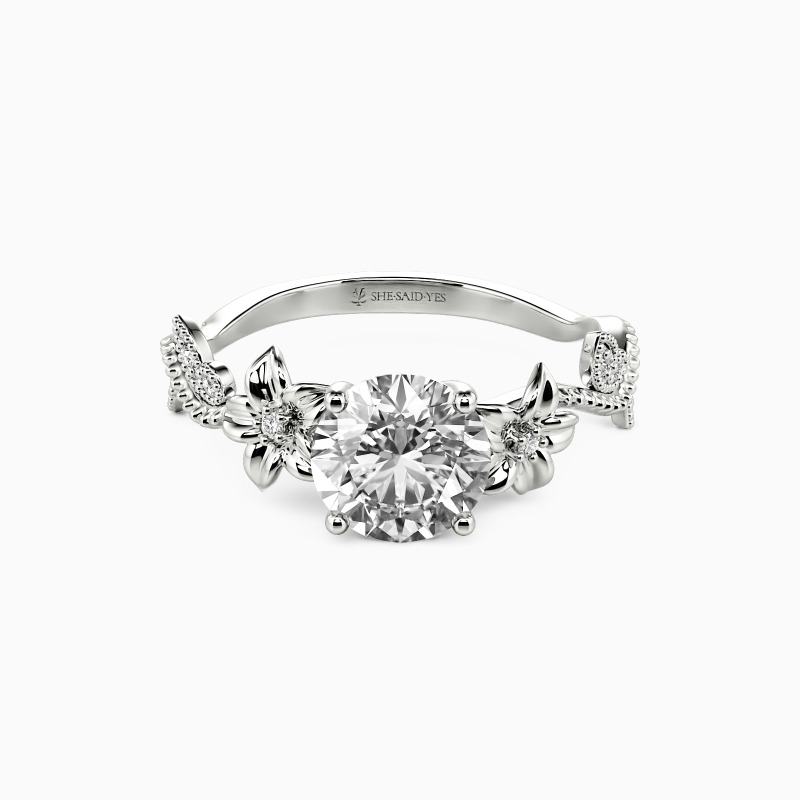
Round Cut Platinum Vintage Style Side Stone Engagement Ring
The Bezel-Set Minimalist Engagement Ring. A thin band of platinum wrapping the diamond’s edge in a clean metal rim. The bezel is the most protective setting there is, and in platinum it’s also the most modern-looking — quiet, architectural, and nearly snag-proof. For anyone who works with their hands, this is usually the pick.
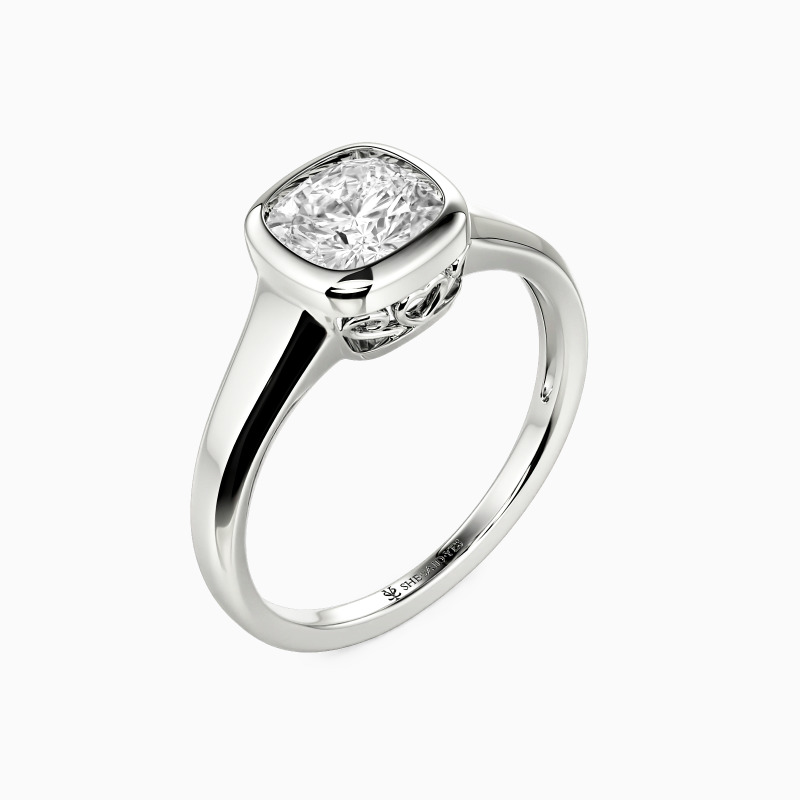
Cushion Cut Platinum Bezel-Set Solitaire Engagement Ring
For Men
The Brushed or Matte Band. The natural pairing. A brushed platinum surface and the developing patina move in the same direction — the ring looks intentional on day one and better in year ten. Low-shine, low-fuss, and it hides daily wear better than any polished finish.
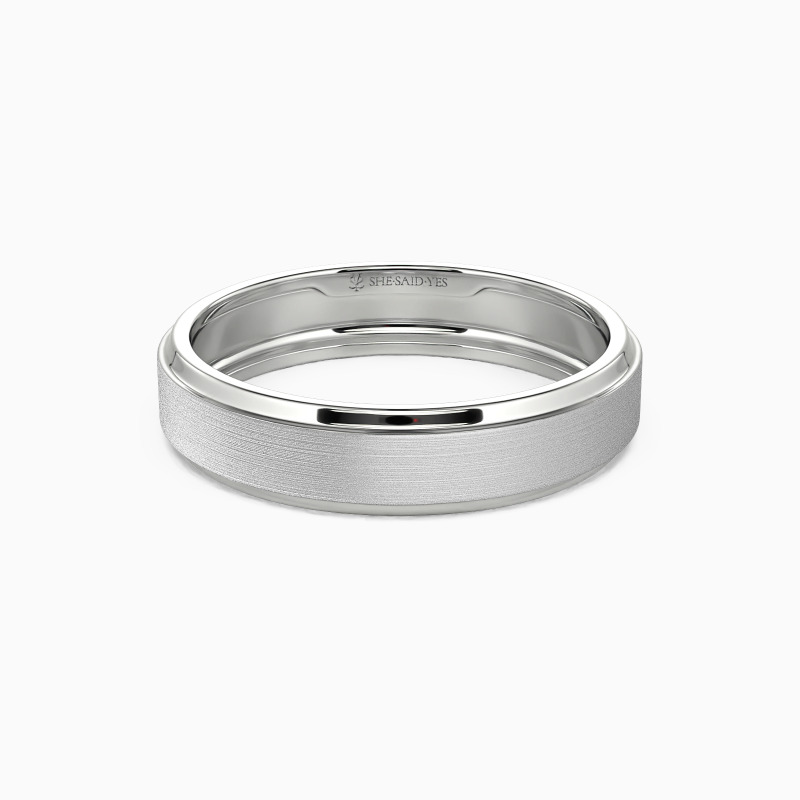
Matte Brushed Men’s Wedding Ring
The Signet-Style Band. A flat-top platinum band, engraved or left blank, brings the signet’s four-thousand-year meaning to a wedding set — and platinum is the traditional metal for the form. Our signet ring guide covers what the style means and how to wear it.
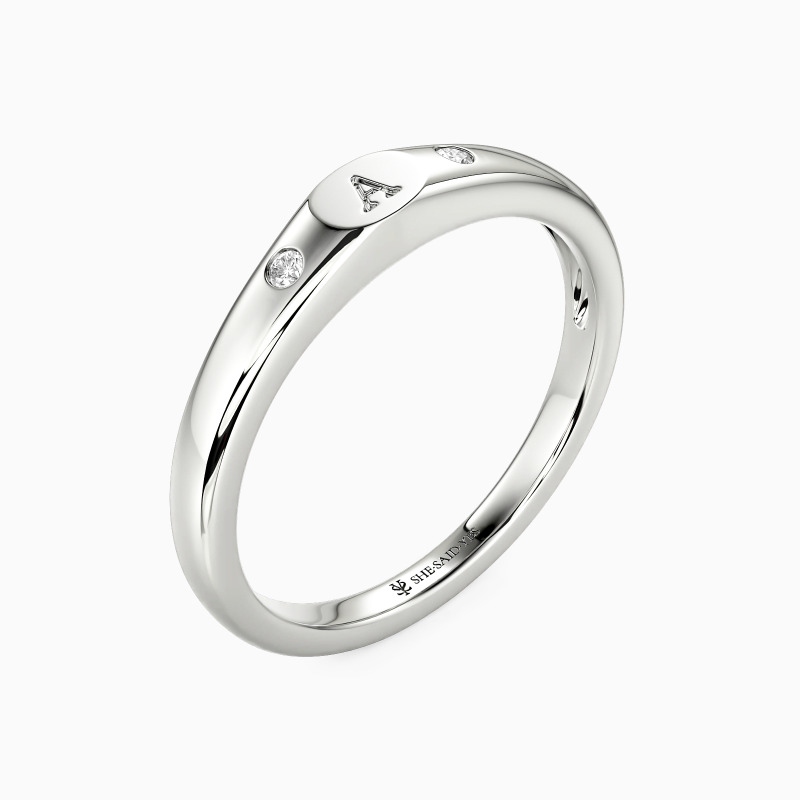
The Diamond Accent Band. A single stone or a thin row set flush into the band — sparkle, understated enough for daily wear. Platinum suits this style twice over: the flush setting takes advantage of the metal’s grip, and the white metal keeps the accent stones reading bright against the band.
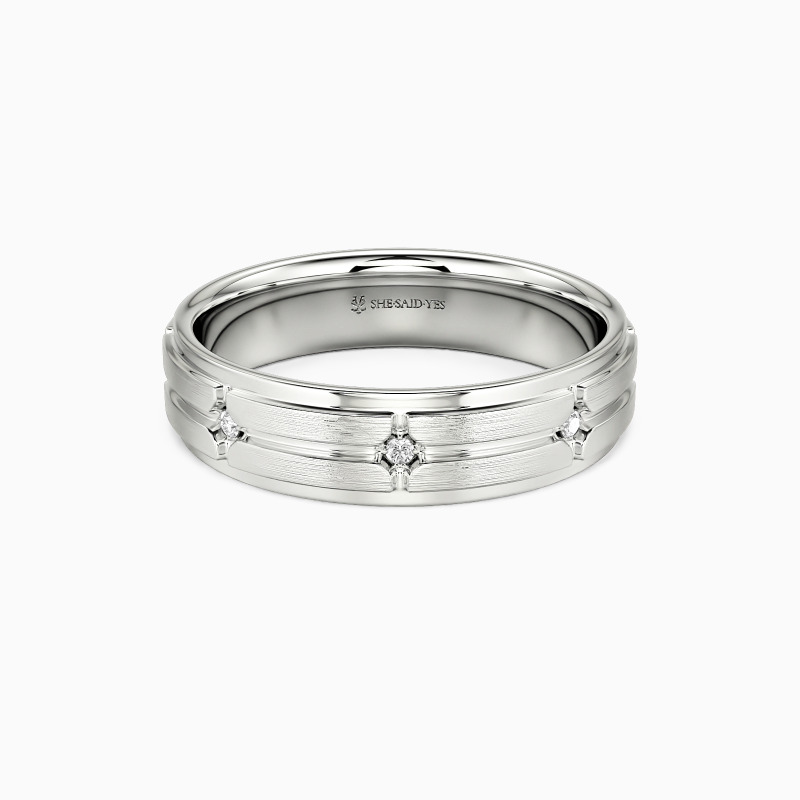
Matte Brushed Gemstone Men’s Engagement/ Wedding Ring
The Comfort-Fit Dome. A classic domed band with a rounded interior, so the ring slides rather than grips. Worth knowing for platinum specifically: the comfort-fit interior takes most of the weight criticism off the table, which makes this the style for anyone who loves platinum but is wary of the heft.
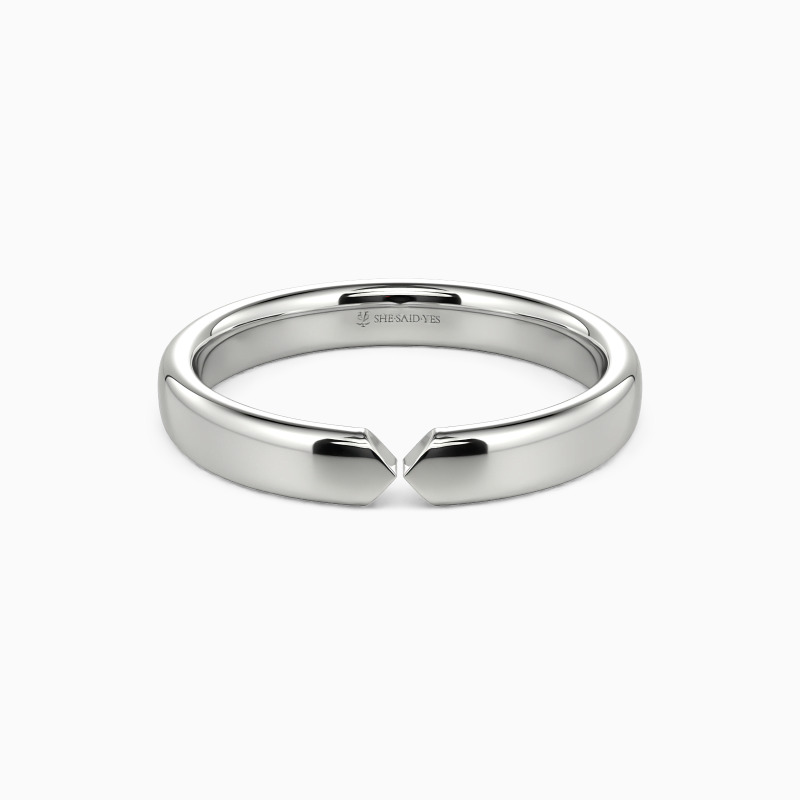
Platinum Comfort-Fit DomeMen’s Wedding Ring
One note before you fall for a photo: within any of these styles, the setting design matters more than the metal name on the tag. Choose the style first, then let the metal argument happen inside that style.
So, Is Platinum Worth It?
Run the same audit the last few sections set up. Sensitive skin, or a preference for zero replating ever, or love for a substantial ring, or a soft spot for the way platinum ages? Then yes — the premium buys you real things, and you’ll notice them for decades. Budget that competes with the diamond, a preference for lighter or brighter, or a heart set on warm gold? Then no — and that’s not settling; that’s an equally good trade, made in the other direction.
Whichever way you land, explore our engagement ring collection and lab-grown diamond rings to see these styles in finished pieces. If you’d like, you can also use our Try at Home service to compare different metals in person.
Frequently Asked Questions
1.Is platinum better than gold for an engagement ring?
Neither is universally better — they’re different trades. Platinum offers natural white color, higher purity, hypoallergenic properties, and no replating. Gold, including white gold, costs less upfront, weighs less, and offers karat and color options.
2.Why does platinum cost more than white gold?
Three main reasons: platinum is denser, so a ring needs more grams of metal; it’s harder to work with, which means higher labor costs; and fine jewelry platinum is 95% pure. Counterintuitively, platinum by weight often costs less than gold.
3.Does platinum scratch easily?
It scratches about as readily as other jewelry metals, but it scratches differently — the metal displaces rather than wears away.
4.How often does white gold need replating?
Typically every one to three years of daily wear, depending on how hard you are on the ring and how bright you want it to stay.
5.Is platinum worth the extra cost?
It depends on your priorities, but the honest test is quick. If anyone has sensitive skin, or you value a maintenance-free metal with a substantial feel and aging patina, platinum tends to justify itself. stone.