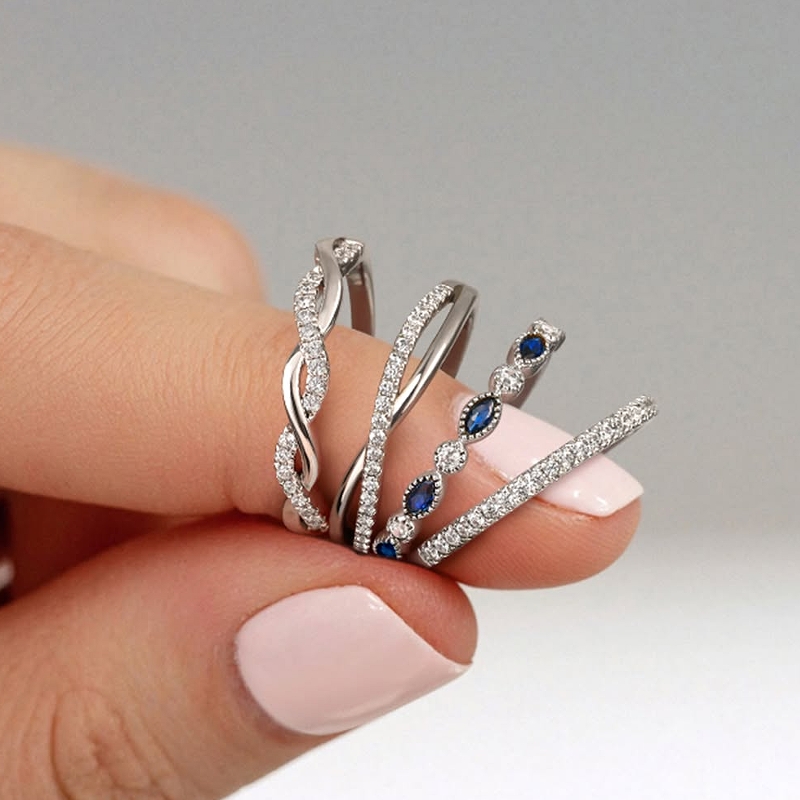
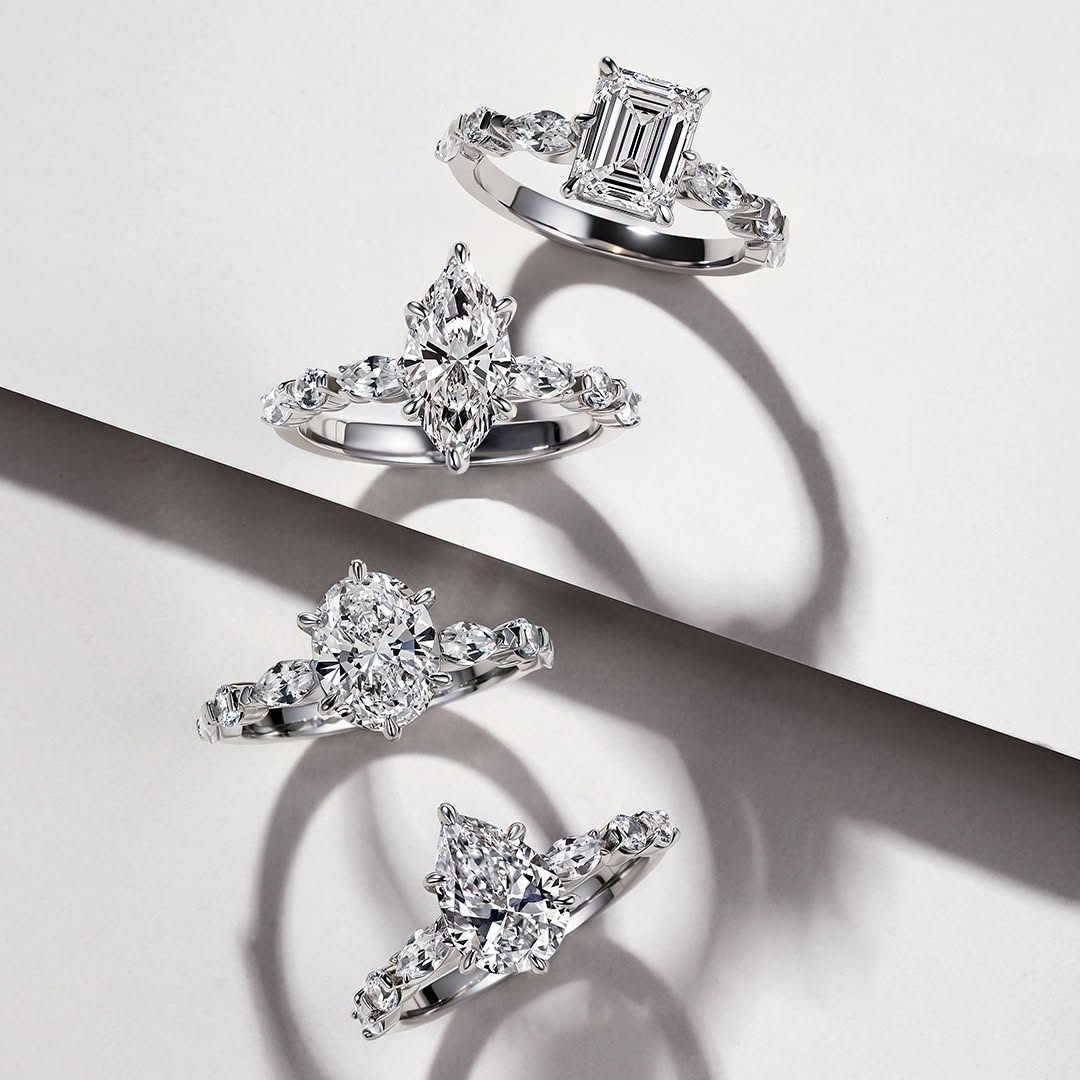
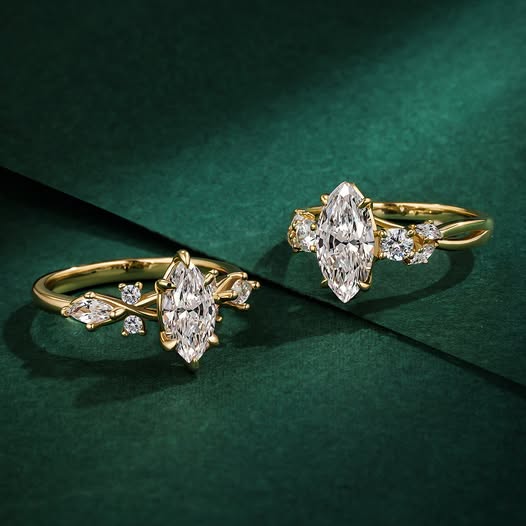
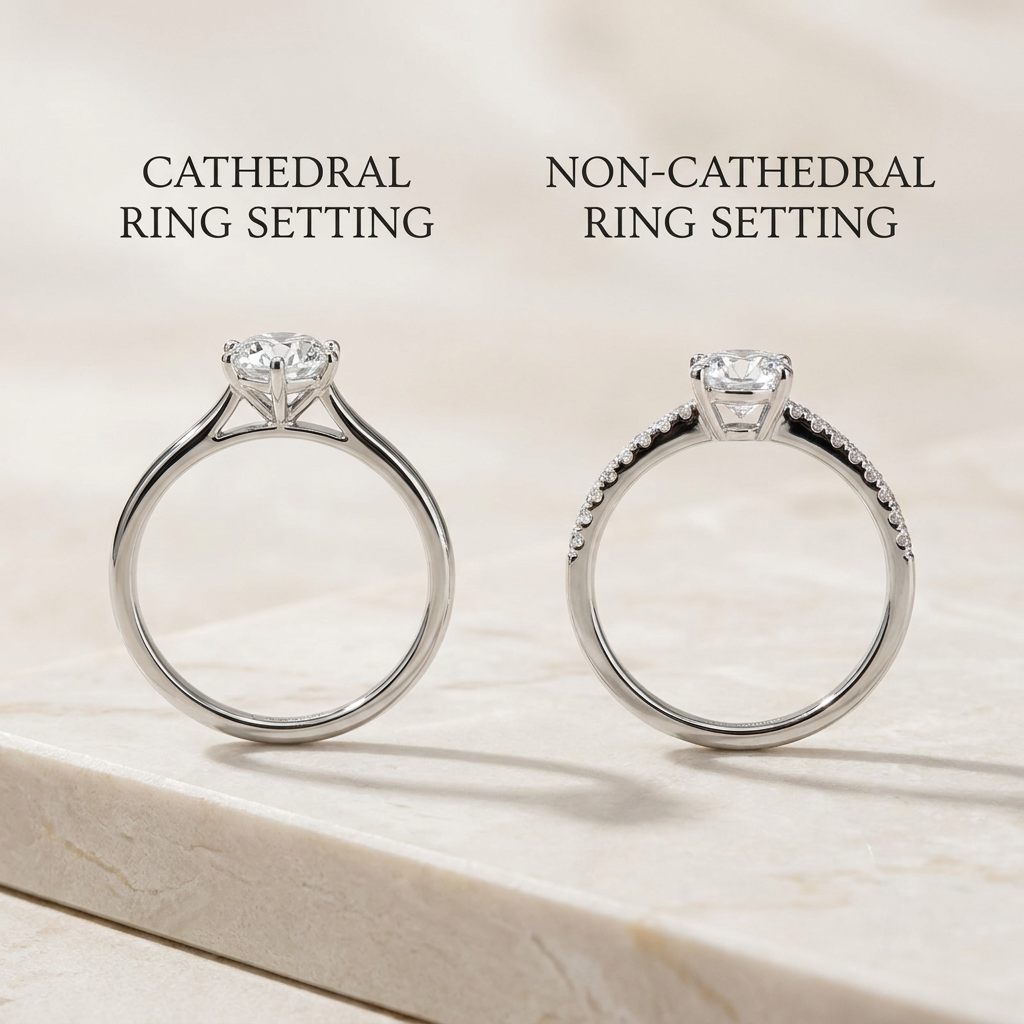
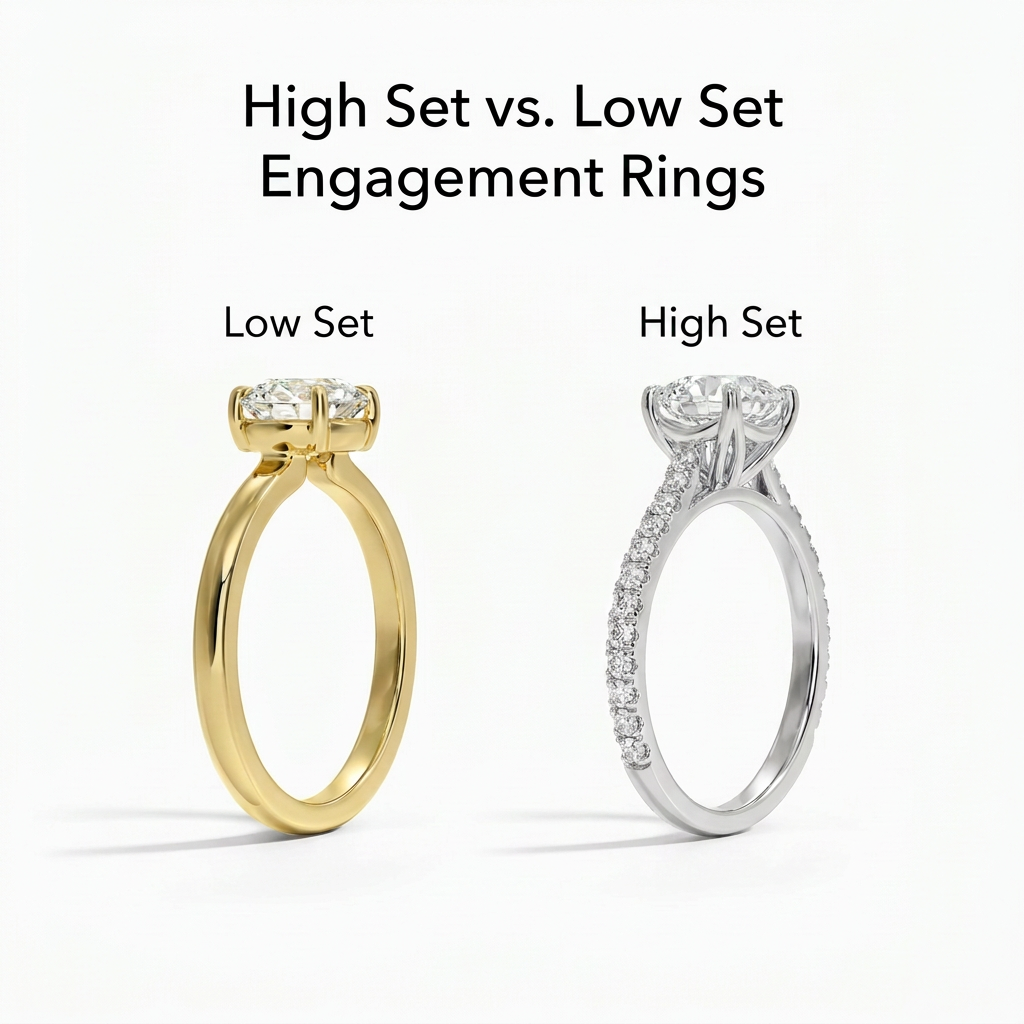
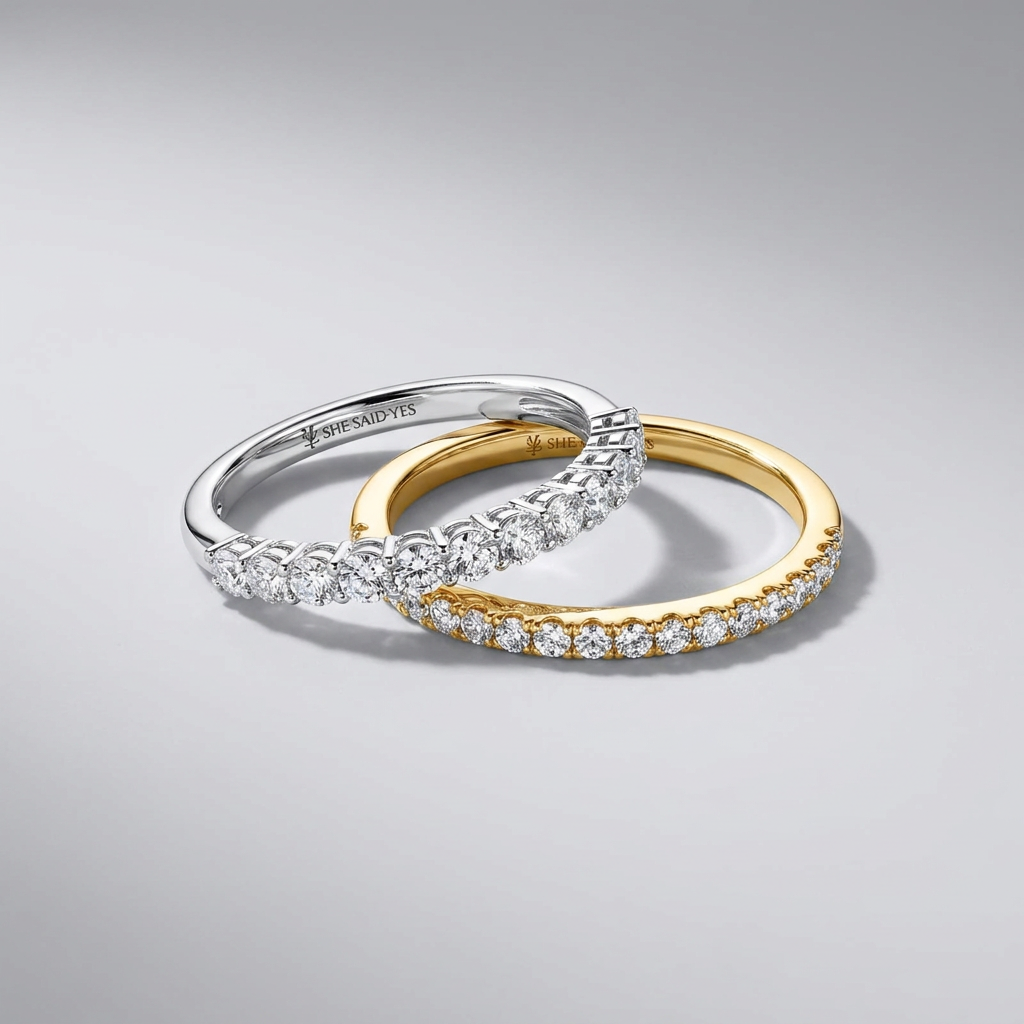
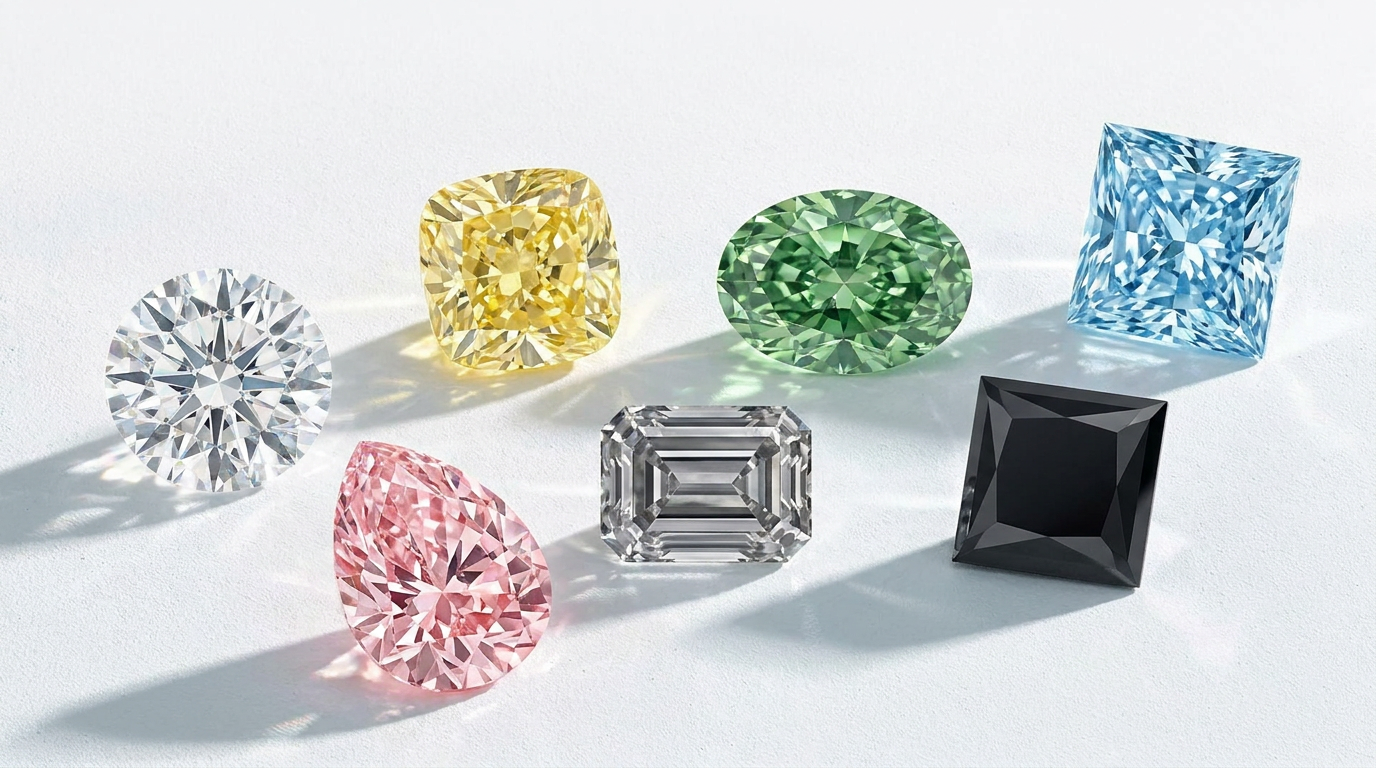
Moissanite is typically colorless or near-colorless, with its body color ranging from crisp white to slightly warm tones. Its optical properties produce both white brilliance and rainbow-colored fire, regardless of its color grade. Moissanite also occurs in a variety of fancy colors, including yellow, green, blue, pink, gray, and black.
What Is Moissanite?
Moissanite is a gemstone composed of silicon carbide (SiC), first discovered by French scientist Henri Moissan in 1893 in rock samples from a meteorite crater in Arizona. Because natural moissanite is extremely rare, virtually all moissanite used in jewelry today is grown in a laboratory.
Although moissanite resembles diamond, the two gemstones have different chemical compositions and optical properties. Moissanite has a Mohs hardness of approximately 9.25 and a higher refractive index and dispersion than diamond, giving it distinctive brilliance and rainbow-colored fire. It is typically colorless or near-colorless but can also be produced in a variety of colors.
What Color Is Moissanite?
Most moissanite used in fine jewelry is colorless or near-colorless, although some stones display subtle yellow, green, or gray undertones. Early lab-grown moissanite often had noticeable body color, but advances in manufacturing have made it possible to produce stones with a much whiter appearance.
Moissanite colors generally fall into three categories:
- Colorless moissanite: Appears bright white with minimal visible body color.
- Near-colorless moissanite: Appears predominantly white but may show slight yellow or warm undertones.
- Fancy-colored moissanite: Displays a distinct hue, such as blue, green, yellow, pink, gray, champagne, or black.
Moissanite Color Chart
Although moissanite has no universally accepted color grading system, many manufacturers use the diamond color scale as a reference. White moissanite is commonly grouped into three color ranges: D–F, G–I, and J–K, reflecting increasing levels of visible body color.
| Color Range | Color Category | Appearance |
|---|---|---|
| D–F | Colorless | Clear, white appearance with minimal visible tint |
| G–I | Near-colorless | Predominantly white with slight warmth |
| J–K | Near-colorless to faint color | More noticeable yellow or warm undertones |
| Fancy colors | Colored | Distinct hues such as blue, green, yellow, or black |
These letter ranges are comparative references rather than standardized moissanite color grades. On the conventional diamond color scale, J belongs to the near-colorless category, while K falls into the faint color category.
How Is Moissanite Color Graded?
Unlike diamonds, moissanite does not have a universally accepted color grading system. The Gemological Institute of America (GIA) developed the D-to-Z color scale for diamonds, and many moissanite manufacturers and retailers use this scale as a reference to describe the color of their stones.
Some moissanite grading reports, such as those issued by the Global Gemological Research Association (GRA), use letter grades to describe color. Others group moissanite into broader categories, such as colorless (D–F), near-colorless (G–I), and warmer grades (J–K). Since grading criteria can vary among manufacturers and laboratories, moissanite stones with the same color grade may display slightly different undertones.
Understanding Moissanite Color Grades
D–F Color Moissanite
Moissanite described as D–F color has little to no visible body color. The differences within this range are generally difficult to distinguish with the naked eye, particularly once the gemstone is set in jewelry.
These stones have a cool, white appearance that works well with white gold and platinum. They also provide a strong contrast against yellow and rose gold settings.
G–I Color Moissanite
G–I color moissanite may display a slight yellow or warm undertone. The color is often more apparent when the gemstone is viewed from the side or placed next to a colorless stone.
In smaller gemstones, these differences can be difficult to notice. Yellow and rose gold settings may also make the warmth less apparent because of the surrounding metal color.
Near-colorless moissanite can offer a balance between a predominantly white appearance and price, depending on the manufacturer’s pricing structure.
J–K Color Moissanite
Moissanite described as J–K color generally has more noticeable warmth than stones in the D–F range. The tint may become particularly apparent in larger gemstones or under certain lighting conditions.
Some people prefer this warmer appearance, especially in vintage-inspired jewelry and yellow gold settings. A lower color grade does not necessarily affect the gemstone’s hardness, durability, or ability to produce brilliance and fire.
What Is the Best Moissanite Color?
D–F is generally the preferred color range if you want a moissanite with minimal visible warmth. However, the best moissanite color also depends on the gemstone’s size, cut, setting, and your personal preference.
Gemstone Size and Cut
Body color is generally easier to notice in larger gemstones. If you’re choosing a large center stone for an engagement ring, the difference between colorless and near-colorless moissanite may be more apparent.
The cut also affects how color is perceived. Brilliant cuts, such as round and oval cuts, produce numerous light reflections that can make subtle body color less noticeable. Step cuts, such as emerald and Asscher cuts, have broader facets that may reveal more of the gemstone’s underlying color.
Metal Color
White gold and platinum provide a cool-toned background that complements colorless moissanite but may also make warm undertones more noticeable.
Yellow gold and rose gold can introduce warm reflections into the gemstone. If you prefer either of these metals, the visual difference between colorless and near-colorless moissanite may be less pronounced.
Personal Preference
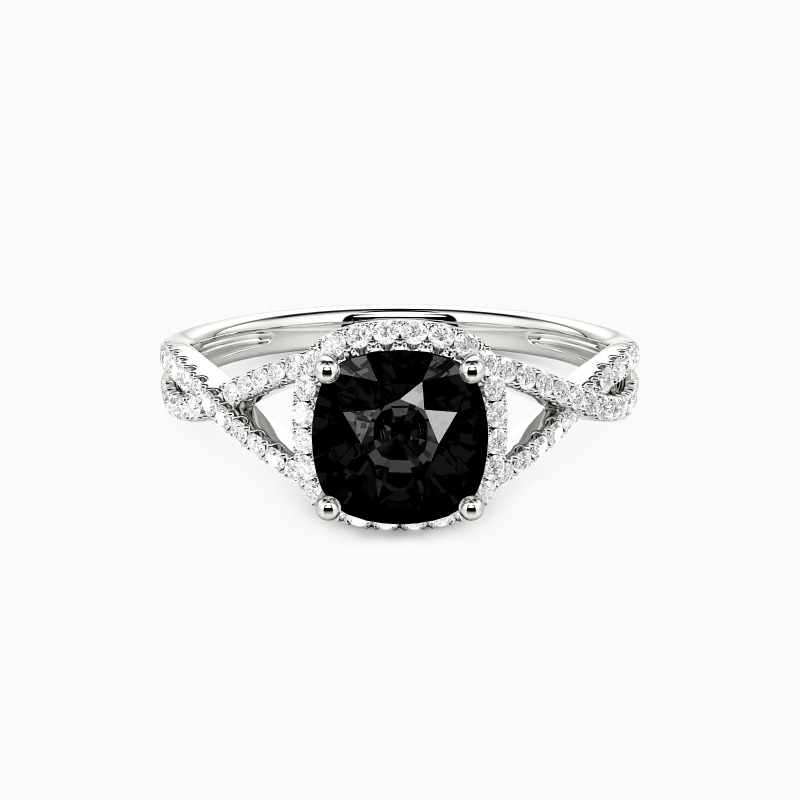
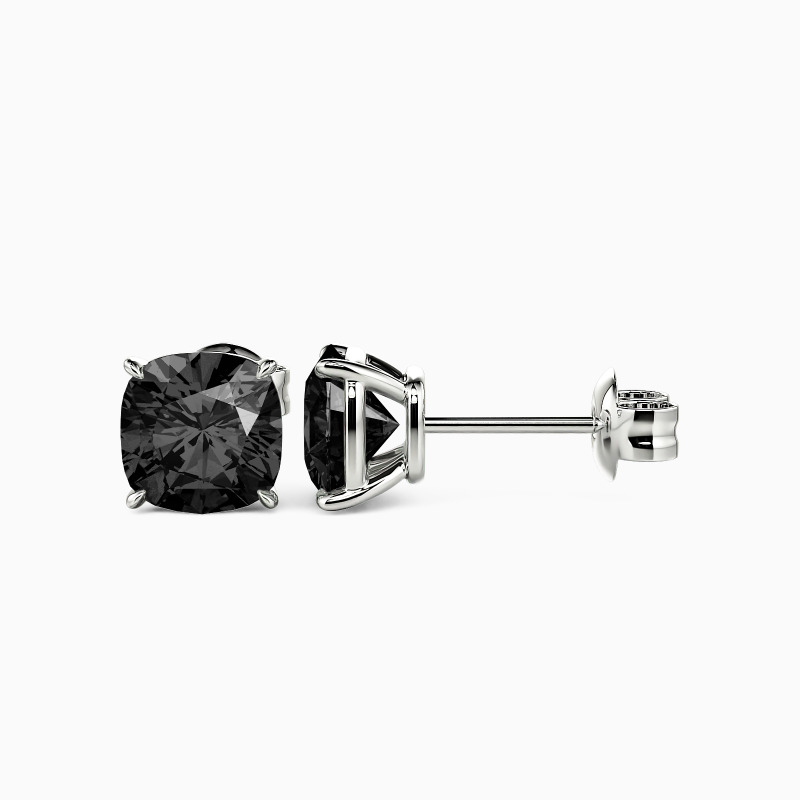
Not everyone prefers the same gemstone appearance. You might like the crisp white look of colorless moissanite, the subtle warmth of a near-colorless stone, or the opaque, dark appearance of black moissanite.
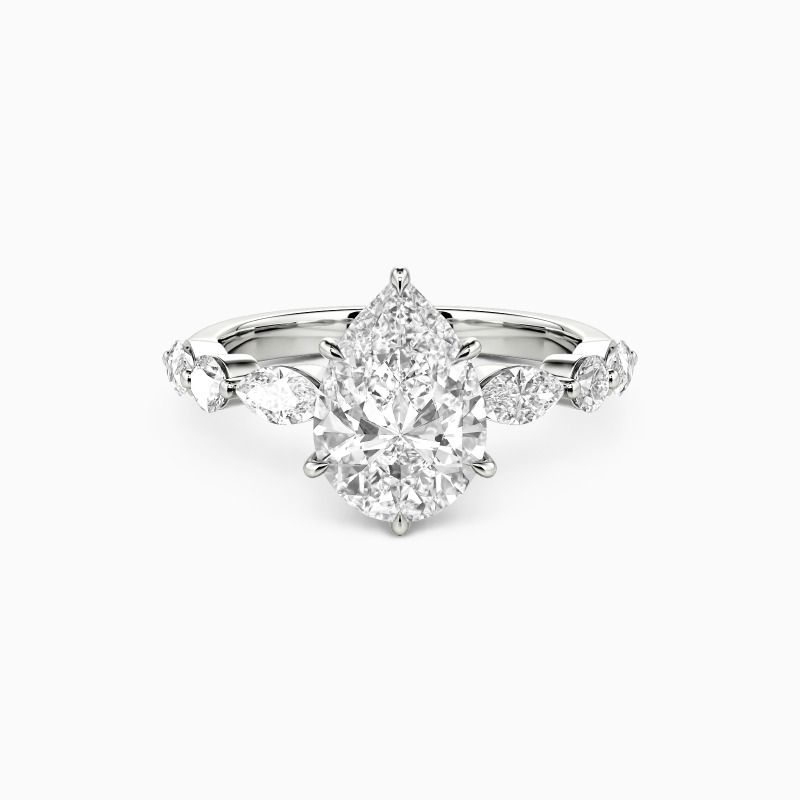
At She Said Yes, moissanite is available in colorless and Onyx Black options, depending on the jewelry design. Colorless moissanite works well with traditional engagement ring styles, while black moissanite offers a distinctly different appearance.
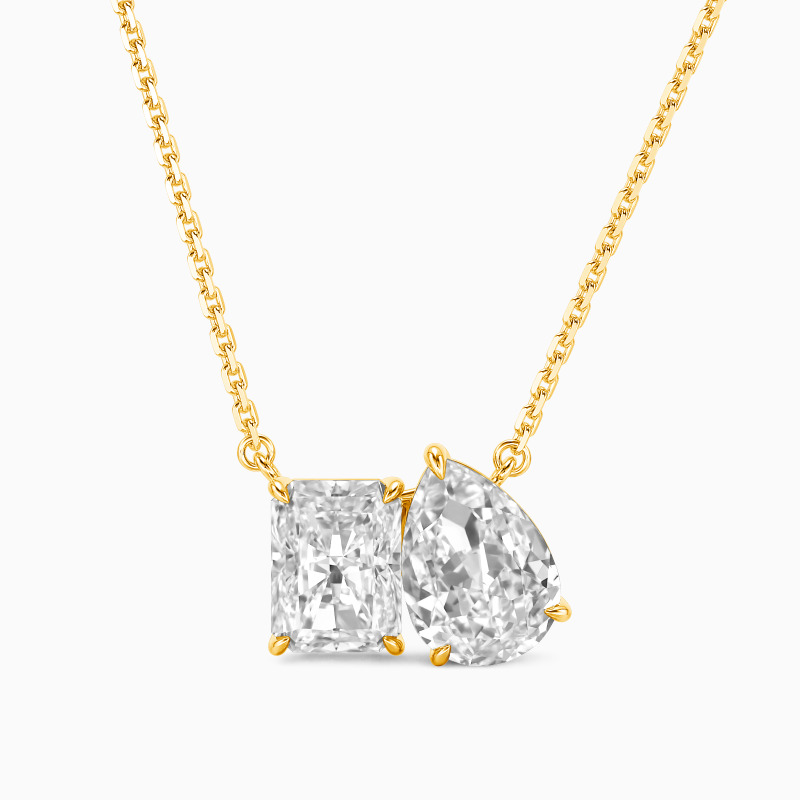
Does Moissanite Turn Colors?
No, the inherent color of moissanite does not normally change over time. Under normal wearing conditions, a colorless moissanite will not permanently turn yellow or lose its original color.
However, several factors can temporarily affect its appearance:
- Lighting: Warm indoor lighting can give moissanite a yellowish appearance.
- Surface buildup: Oils, soap residue, lotions, and cosmetics can make the gemstone appear dull or discolored.
- Metal reflections: Yellow and rose gold may introduce warm tones into the gemstone.
- Color treatments: Some fancy-colored moissanites use surface coatings that may deteriorate over time.
Regular cleaning with warm water, mild dish soap, and a soft-bristled brush can remove most surface buildup and restore the gemstone’s sparkle.
If you’re buying colored moissanite, check whether its color is inherent to the crystal or achieved through a surface treatment, as this can affect its long-term color stability and care requirements.