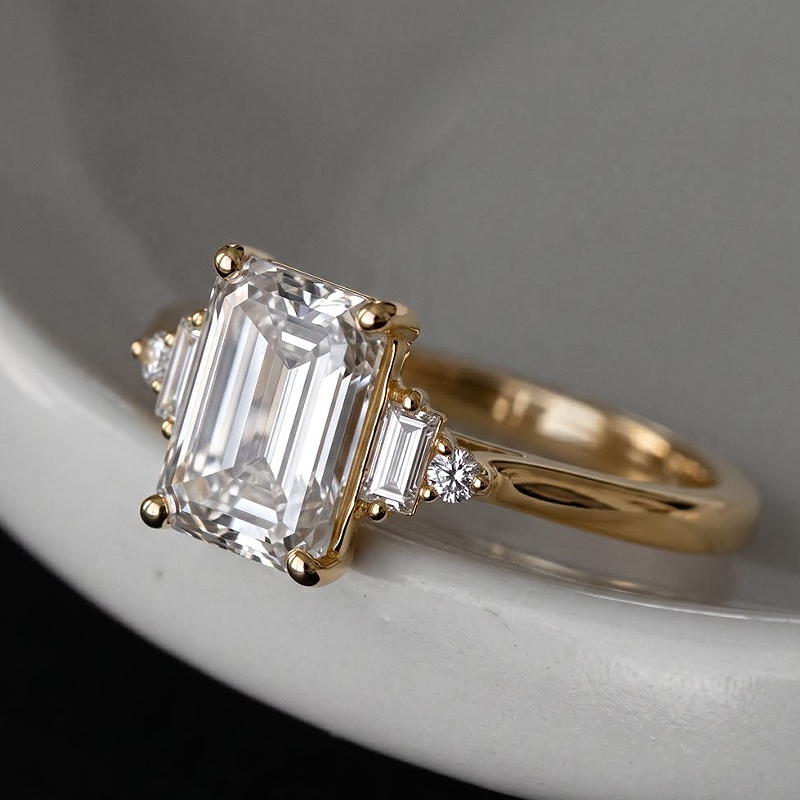
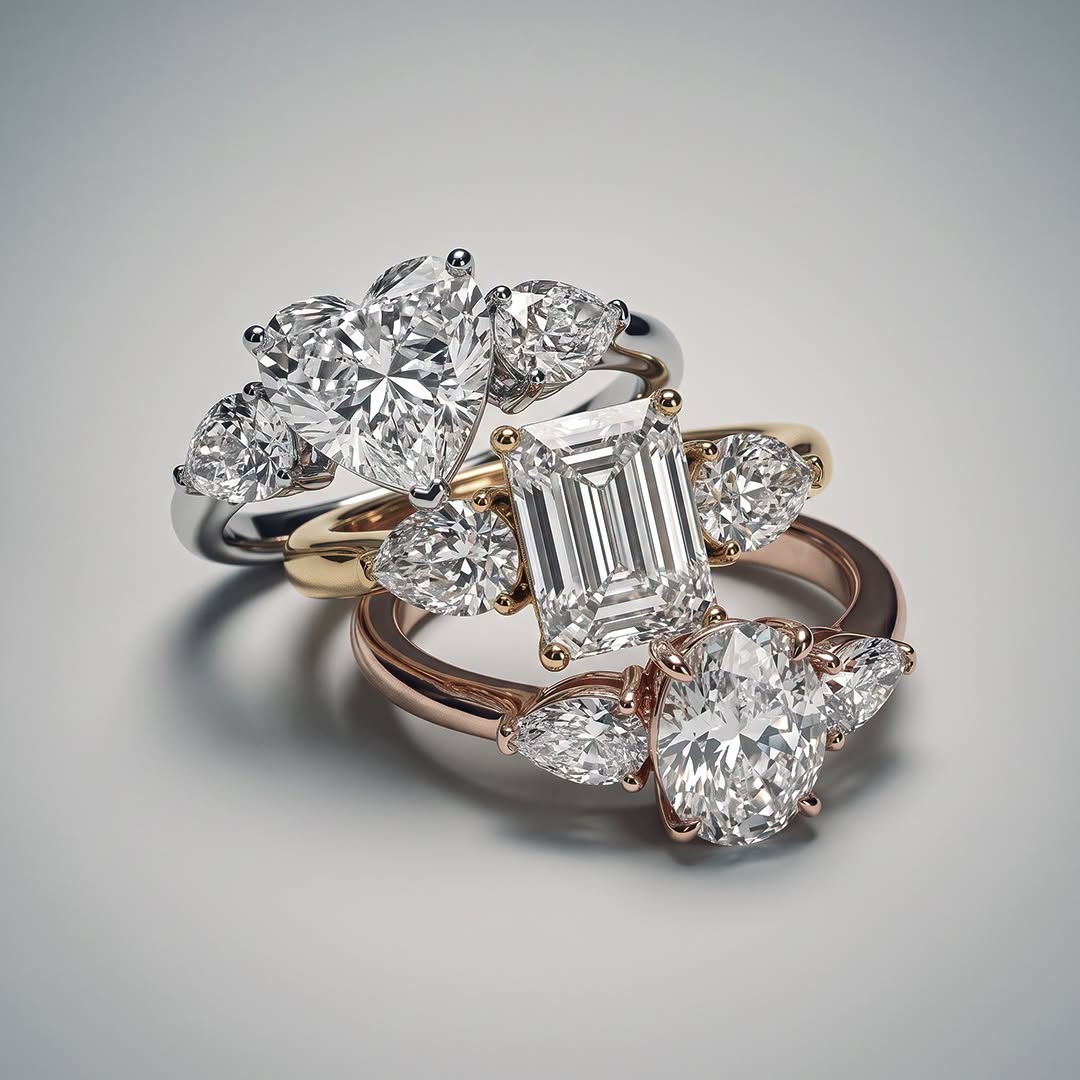
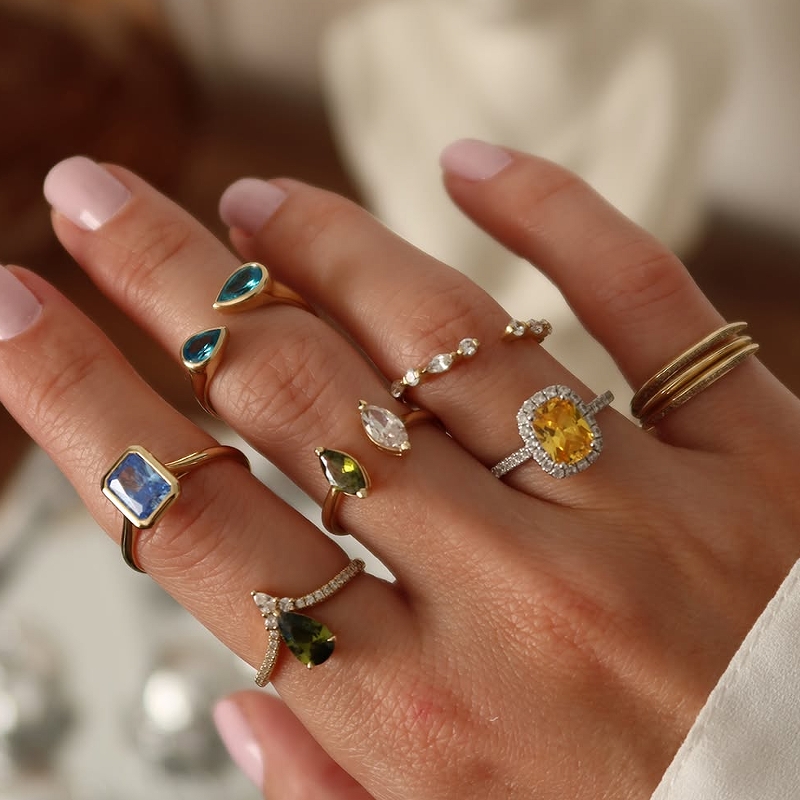
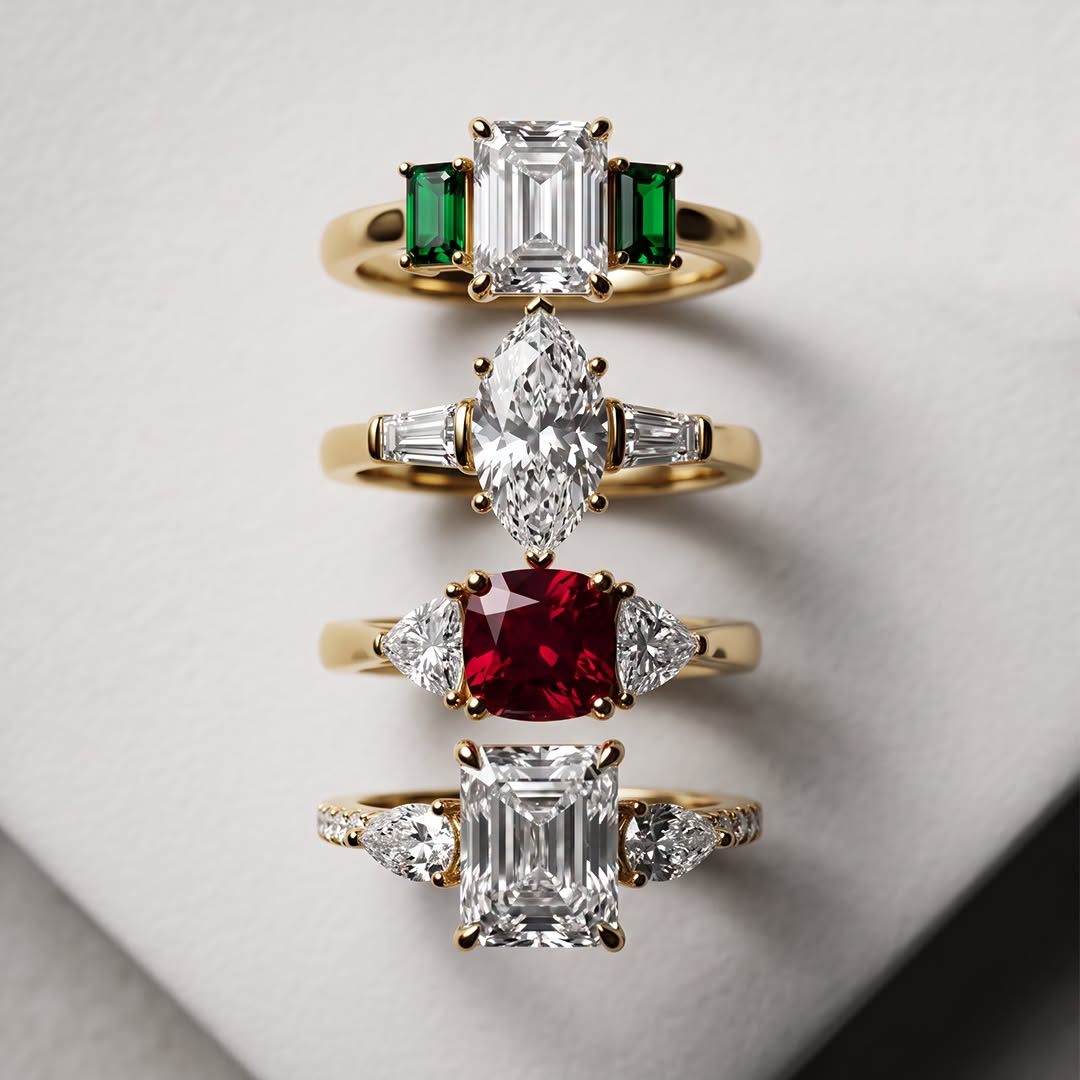
Choosing an engagement ring is exciting, but the setting matters just as much as the diamond itself. A beautiful stone can’t shine if it’s constantly at risk of being chipped or coming loose. If you’re active, work with your hands, or simply want extra peace of mind, selecting a secure setting is one of the smartest decisions you can make. In this guide, we’ll compare the seven most secure engagement ring settings, explain how each one protects your diamond, and help you find the perfect balance between safety, style, and everyday wear.
What Makes an Engagement Ring Setting Secure?
It’s easy to assume the safest ring is simply the one with the most metal, but that’s only part of the story. A secure setting is really about how well the diamond is supported and protected during everyday wear. Two rings can have the same setting style yet perform very differently depending on how they’re made.
When comparing settings, pay attention to these four factors:
- Stone protection: Does the metal shield the edges and corners, or are they exposed?
- Contact points: More prongs or more metal around the diamond usually means better stability.
- Setting height: Lower-profile settings are less likely to catch on clothing or hard surfaces.
- Craftsmanship: Even the best design won’t perform well if the setting isn’t properly made.
7 Most Secure Engagement Ring Settings, Ranked
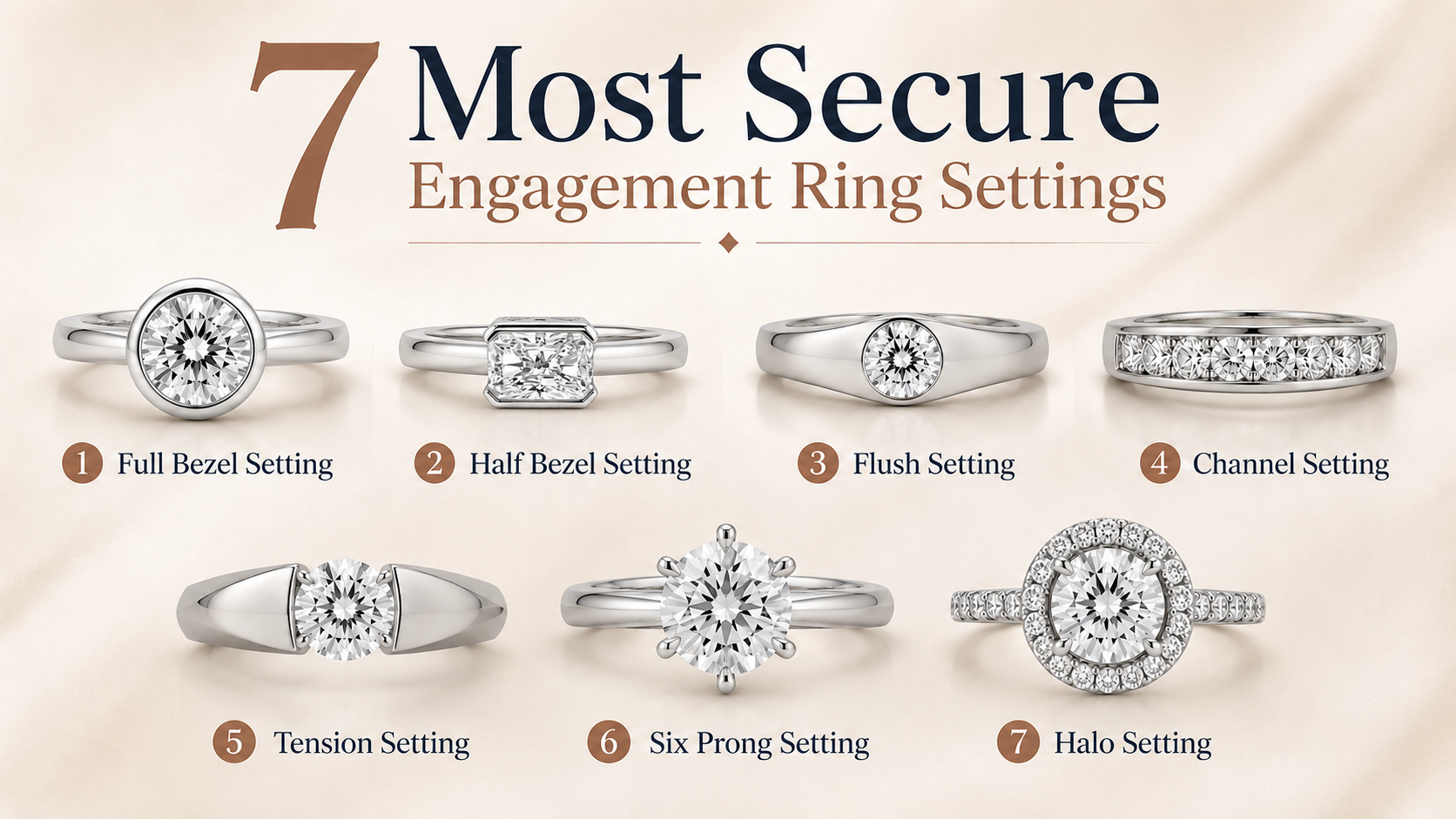
If your biggest concern is keeping your diamond safe, here’s the quick answer: full bezel settings offer the highest level of protection, followed by half bezel and flush settings. Channel and tension settings are also highly secure when they’re well made, while six-prong and halo settings provide excellent protection without giving up the timeless engagement ring look.
What makes one setting more secure than another? It usually comes down to two things: how much metal protects the diamond and how many contact points hold it in place. The more protection around the stone, the less likely it is to chip, loosen, or snag during everyday wear. Let’s look at how each setting compares.
1. Full Bezel Setting
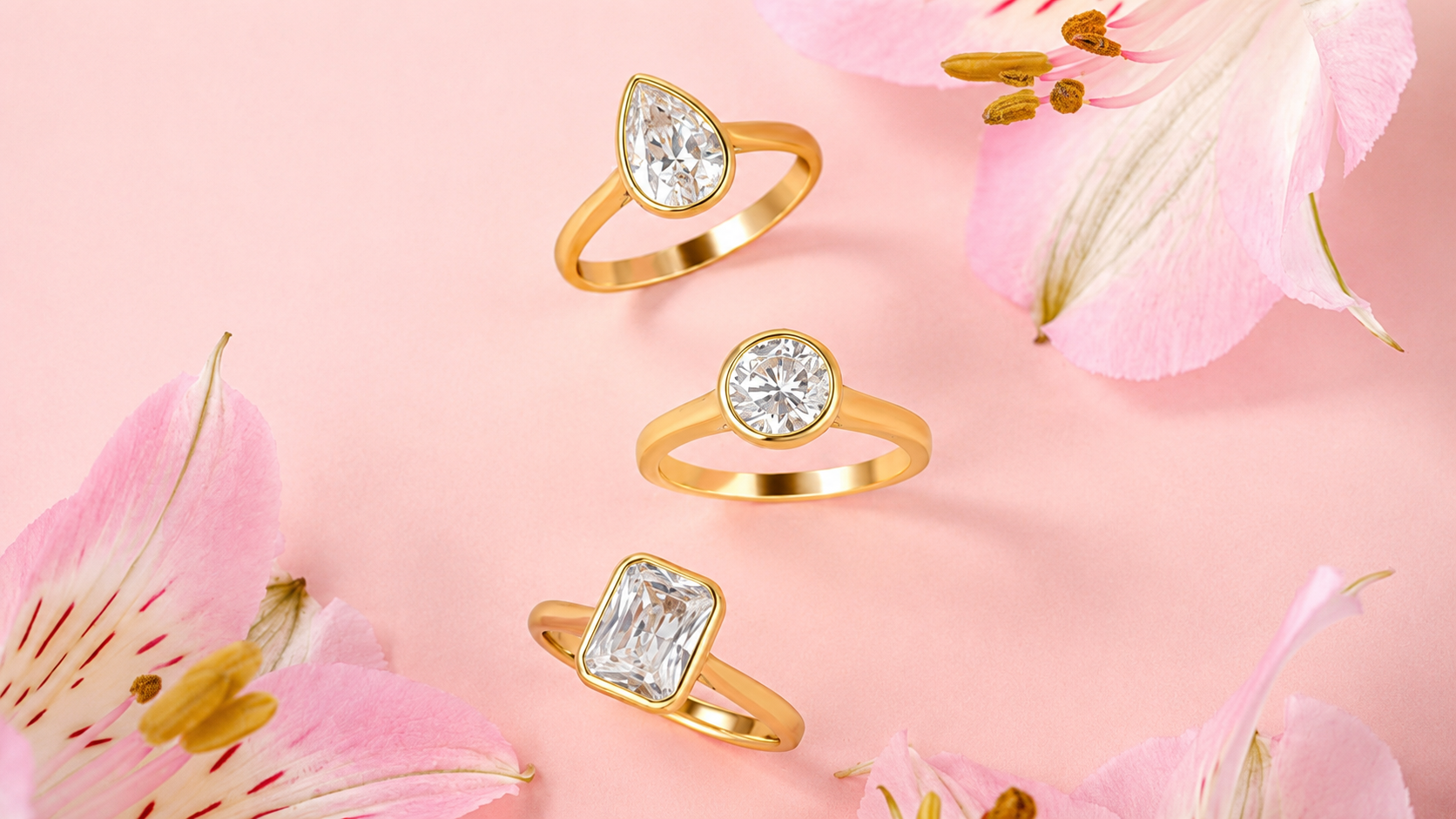
A full bezel surrounds the entire edge of the diamond with a smooth rim of precious metal. Instead of relying on individual prongs, the metal wraps completely around the stone, protecting its most vulnerable area from accidental knocks. If you spend a lot of time typing, lifting, gardening, working out, or using your hands throughout the day, this is about as worry-free as an engagement ring gets.
Another reason people love bezel settings is that they’re incredibly practical. They don’t catch on sweaters, gloves, or hair, and they require less routine maintenance than prong settings. The trade-off is that the metal covers a small portion of the diamond, so you’ll see slightly less light entering from the sides. Most people hardly notice the difference, especially with a well-cut diamond, but it’s worth knowing if maximum sparkle is your top priority.
2. Half Bezel Setting
A half bezel, sometimes called a partial bezel, holds the diamond from two sides while leaving the other sides exposed. It offers much of the security of a full bezel but lets more light enter the stone, creating a brighter and more open appearance. It’s a great option if you like the clean, modern look of bezel settings but don’t want the diamond to feel enclosed.
Many shoppers find the half bezel strikes the perfect balance between beauty and durability. The exposed sides do leave the stone a little more vulnerable than a full bezel, but they’re still far better protected than a traditional prong setting. For oval, emerald, and cushion cuts especially, it’s one of the smartest choices for everyday wear.
3. Flush Setting
A flush setting places the diamond directly into the band so the top of the stone sits almost level with the ring’s surface. Since nothing sticks up, there’s very little chance of catching the ring on clothing, equipment, or furniture. That’s one reason flush settings have become increasingly popular for active lifestyles and men’s wedding bands.
The minimalist appearance is another big draw. If you prefer clean lines over a traditional raised engagement ring, a flush setting delivers both style and practicality. The main limitation is stone size. Larger diamonds require a much thicker band, so this style works best for smaller center stones or accent diamonds.
4. Channel Setting
Channel settings secure a row of diamonds between two solid walls of metal instead of using individual prongs. Because the stones sit below the edges of the metal, they’re protected from bumps that might chip their corners or loosen their settings. It’s one of the reasons channel-set wedding bands remain a favorite for everyday wear.
While channel settings aren’t commonly used for center diamonds, they make an excellent choice for side stones or eternity bands. One thing to keep in mind is future maintenance. If a stone is damaged, repairs can be more involved than replacing a single prong-set diamond. Even so, for wedding bands designed to be worn every day, they’re among the most durable options available.
5. Tension Setting
Few engagement rings look as eye-catching as a true tension setting. The diamond appears to float between the ends of the band, creating a modern, architectural design that immediately stands out. Although it looks delicate, a genuine tension setting relies on carefully engineered pressure to hold the stone securely in place.
The key word, though, is genuine. High-quality tension rings require precision manufacturing and are typically reserved for extremely hard gemstones like diamonds or moissanite. They also leave little room for resizing later, so getting the correct ring size from the start is especially important. If you love contemporary jewelry and appreciate engineering as much as aesthetics, this setting is hard to beat.
6. Six Prong Setting
If you picture a classic engagement ring, chances are you’re imagining a six-prong solitaire. Compared with a four-prong setting, the additional two prongs provide extra support around the diamond. Even if one prong becomes damaged over time, the remaining five continue holding the stone securely until the ring can be repaired.
Six-prong settings are especially popular for round brilliant diamonds because they combine excellent security with timeless style. They do cover a little more of the diamond than four prongs, particularly on smaller stones, but many buyers feel the added peace of mind is well worth it. Choosing platinum prongs can also reduce long-term wear since platinum tends to hold its shape better than white gold.
7. Halo Setting
A halo setting surrounds the center diamond with a circle of smaller accent diamonds, instantly creating the illusion of a larger center stone. Beyond adding sparkle, the halo acts like a protective buffer. If the ring accidentally bumps into a countertop or door frame, the outer halo often absorbs the impact before it reaches the center diamond.
It’s important to remember, though, that the halo doesn’t actually secure the center stone. The center diamond is still held by prongs underneath, so regular inspections remain important. Halo rings also contain many tiny accent diamonds secured with micro prongs, which means there are simply more components to maintain over time. If you love maximum sparkle and don’t mind occasional maintenance, a halo offers both beauty and an extra layer of everyday protection.
Best Secure Settings by Diamond Shape
Not every diamond shape needs the same level of protection. Some shapes have pointed tips or sharp corners that are naturally more vulnerable to chips, while others are durable enough to work with a wider range of settings.
| Diamond Shape | Recommended Secure Settings |
|---|---|
| Round | Full Bezel, Six Prong |
| Oval | Half Bezel, Full Bezel |
| Cushion | Half Bezel, Halo |
| Emerald | Full Bezel, Half Bezel |
| Princess | V-Prongs, Full Bezel |
| Pear | V-Prong, Halo |
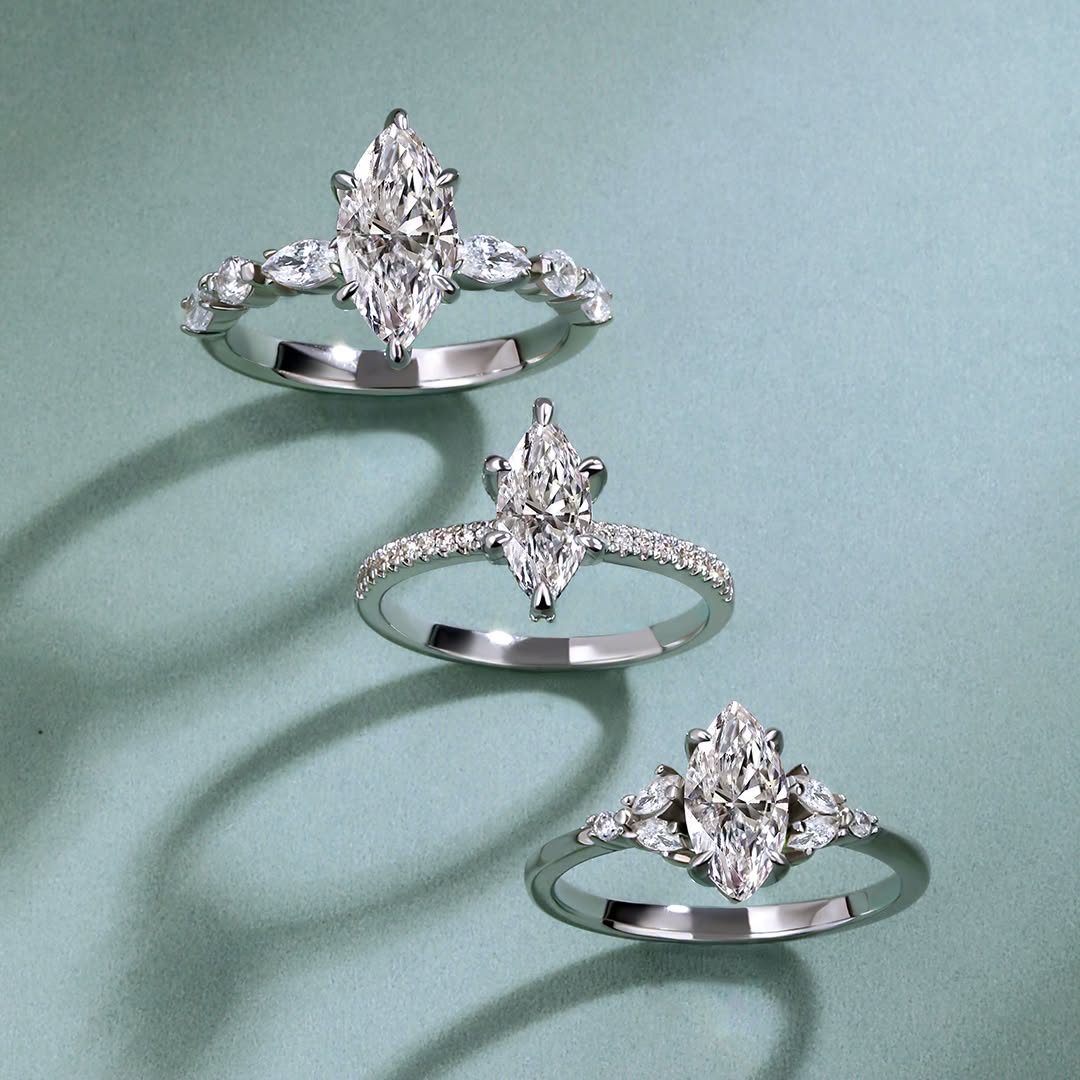
| Marquise | V-Prongs, Full Bezel |
If you’re choosing a shape with pointed ends, like a pear or marquise, make sure those tips are protected. That’s usually where damage happens first. Round diamonds are the most forgiving, which is one reason they’re still the most popular choice for everyday engagement rings.
How to Choose Based on Your Lifestyle
The most secure setting on paper is useless if it doesn’t match how you actually live. Here’s how we usually steer the conversation.
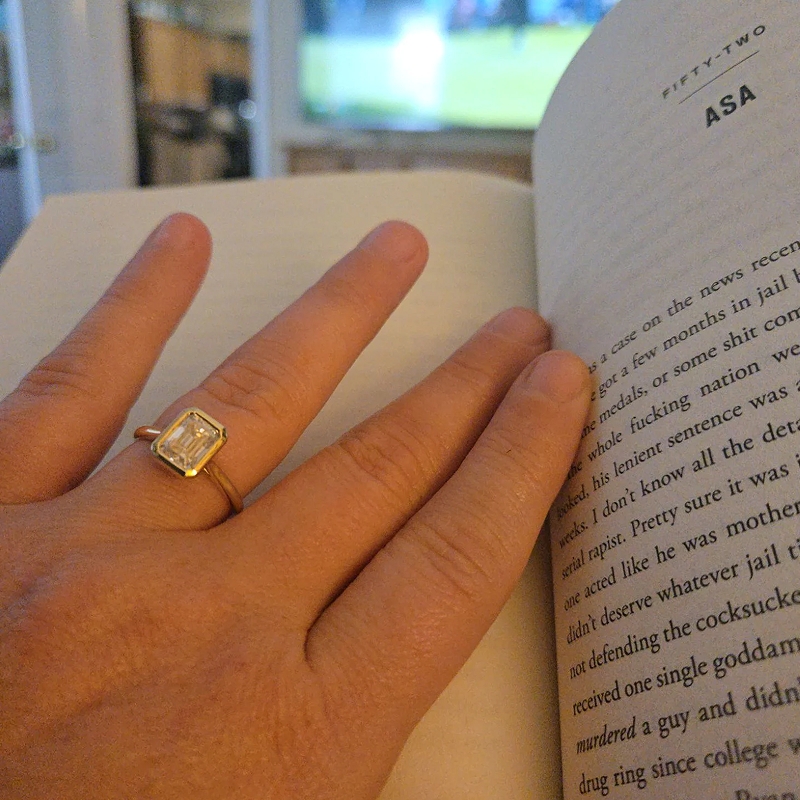
If you work with your hands — healthcare, trades, gardening, the gym, or anything involving gloves — go with a full bezel or a flush setting. Nothing catches, and the metal takes the hit instead of the stone.
If you love the classic solitaire look but keep lying awake worrying about losing the diamond, choose a six-prong in platinum. You keep the silhouette everyone recognizes, with two extra grab points and a metal that holds its shape.
If you want presence on a budget, a halo around a slightly smaller center stone gives you size, sparkle, and a protective rim in one move.
If modern and minimal is your taste, a half-bezel or a true tension setting gives you security without looking like armor.
One rule that applies to every setting above: have the prongs and metal checked every 6 to 12 months. Most lost stones start as a slightly bent prong that went unnoticed for months. A five-minute check catches it.
Frequently Asked Questions
Which engagement ring setting is the most secure?
A full bezel setting is generally considered the most secure. It completely surrounds the diamond with metal, protecting it from bumps while making it much less likely to loosen over time.
Is a bezel setting safer than prongs?
Yes. A bezel protects the entire edge of the diamond, while prongs leave more of the stone exposed. If security is your top priority, a bezel is usually the better choice.
Are prong settings safe for daily wear?
Yes, if you maintain them. A six-prong setting is safer than four because five prongs still hold the stone if one fails.
Can a diamond fall out of an engagement ring?
It can, but it’s not very common. Most diamonds are lost because prongs gradually wear down or become loose over time. Regular inspections can help catch these issues before they become a problem.
What ring setting is best for an active lifestyle?
For everyday activities, sports, or hands-on work, a full bezel or flush setting is usually the safest option. Both protect the diamond well and are less likely to snag on clothing or equipment.
How often should I have my setting checked?
Every 6 to 12 months. A jeweler can spot a bent prong or worn channel long before a stone is at risk. It’s quick, usually free, and the single best thing you can do to keep your ring secure.
Find a Setting You Can Stop Worrying About
The most secure engagement ring setting is the one that suits both your lifestyle and your personal style. Whether you prefer the everyday durability of a bezel setting, the timeless elegance of a six-prong setting, or the extra sparkle of a halo, choosing the right setting lets you enjoy wearing your ring every day without constantly worrying about your center stone becoming loose or getting damaged.
At She Said Yes, every engagement ring is thoughtfully crafted to balance beauty, comfort, and lasting durability. From classic solitaires to modern bezel designs, our collection is made with quality craftsmanship and ethically sourced lab grown diamonds, so you never have to choose between style and peace of mind. Explore our engagement rings today and find a setting that’s designed to shine through every moment of your story.