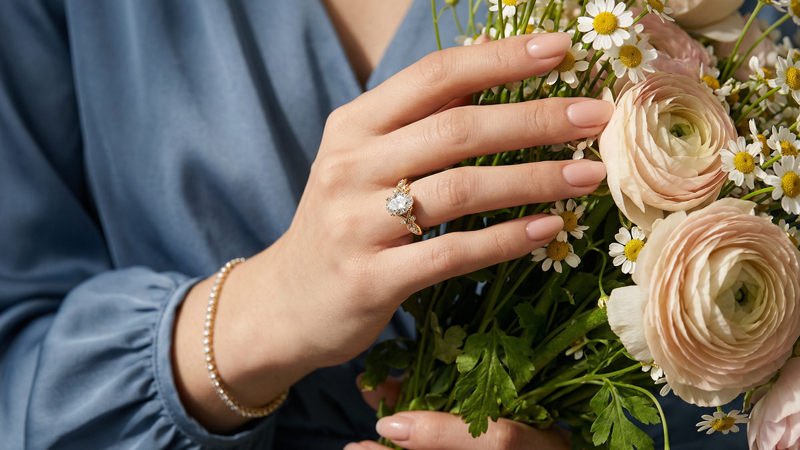
A nature-inspired engagement ring brings organic, timeless beauty to one of life’s most meaningful moments. This style captures the soft lines and delicate details of the outdoors, making a nature-inspired engagement ring a perfect pick for anyone who loves earthy, romantic, and one-of-a-kind jewelry. It moves beyond sharp, traditional shapes to celebrate the effortless charm of flowers, vines, leaves, and natural curves.
What Is a Nature-Inspired Engagement Ring?
A nature-inspired engagement ring draws direct design cues from the natural world. It uses organic shapes, textures, and motifs instead of rigid, geometric patterns. These rings feel soft, tactile, and handcrafted. They blend seamlessly into daily wear while standing out with quiet, distinctive flair.
Core Design Features of Nature-Inspired Engagement Rings
1. Floral Prongs
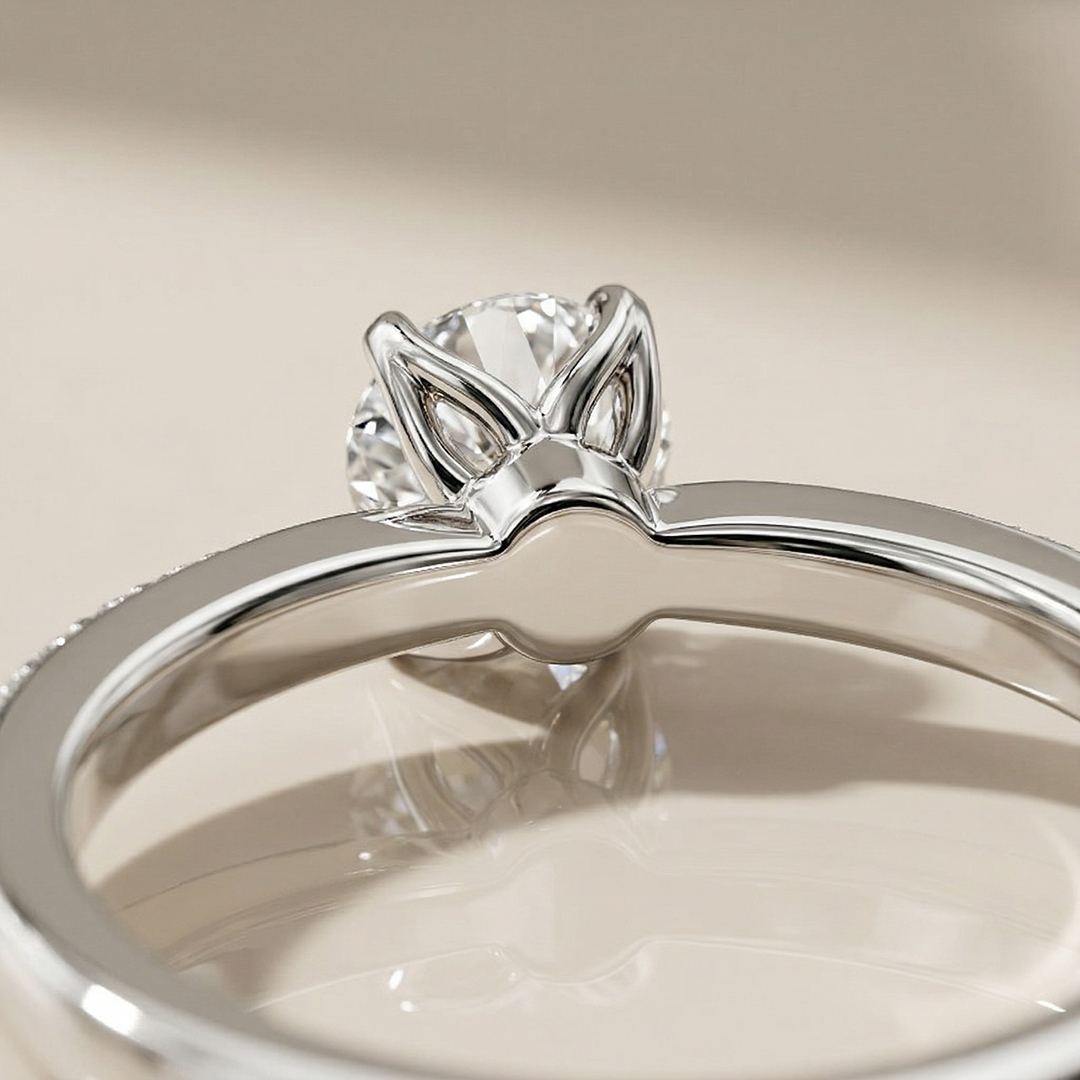
Floral prongs wrap your center stone in petal-like shapes. They secure the diamond gently and add a sweet, sculptural detail. These prongs shine brightest from the side or bottom view. They work with plain metal or tiny accent stones for extra sparkle.
2. Vine & Twig Bands
Vine or twig bands add textured, organic detail to the ring shank. They mimic the look of natural branches but stay smooth and comfortable for all-day wear. This detail pairs beautifully with floral settings for a cohesive botanical look.
3. Delicate Leaf Accents
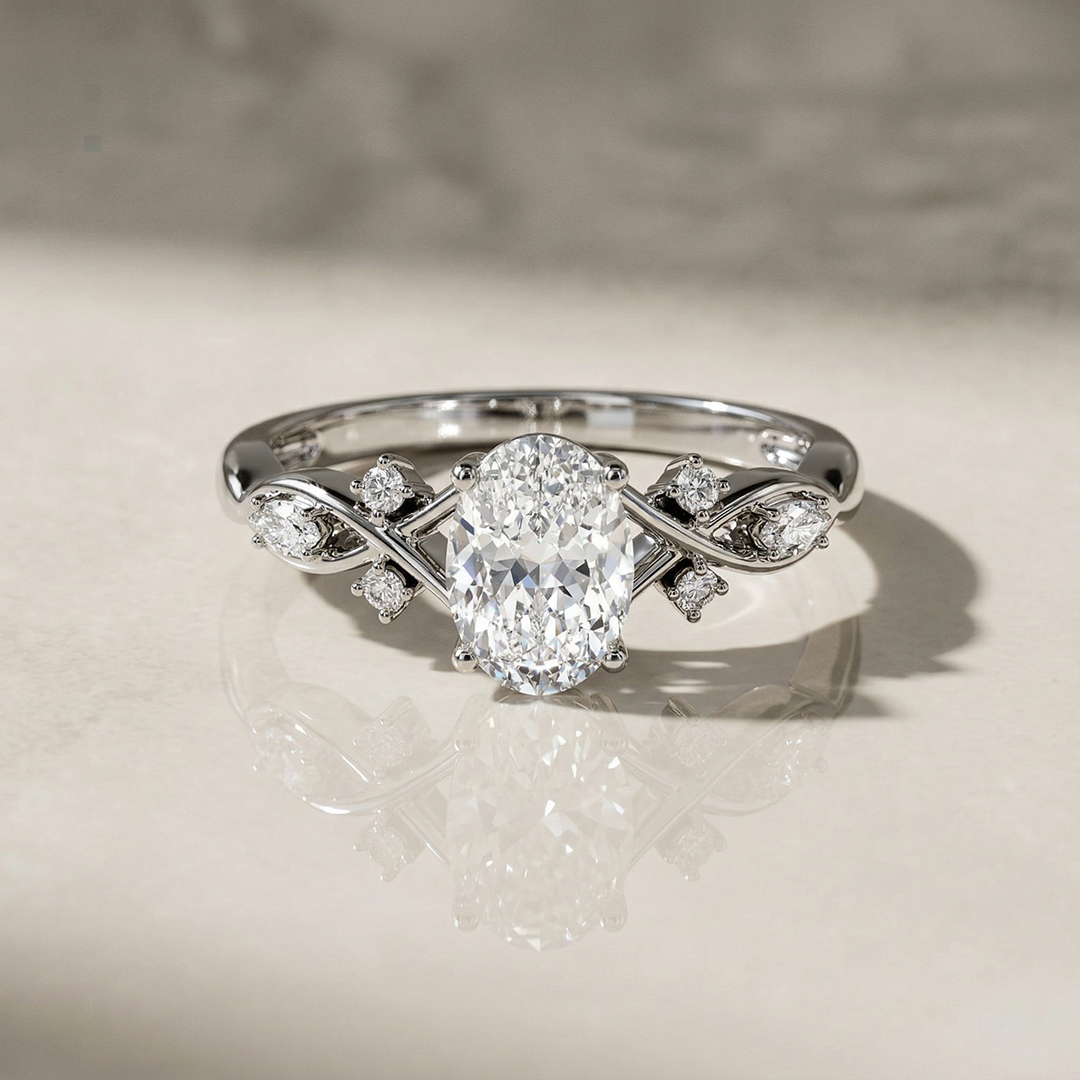
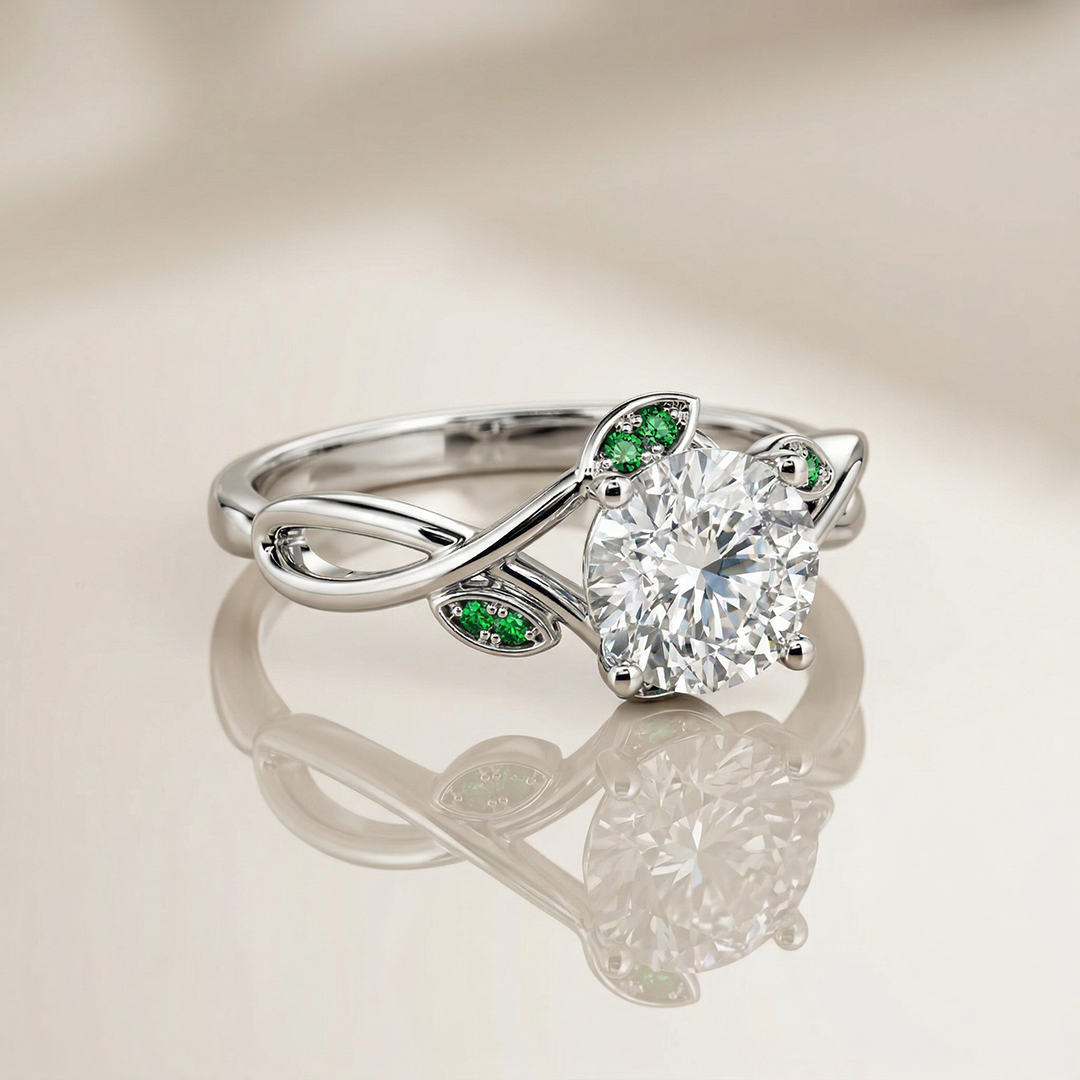
Thin, shaped metal leaves circle the base of your center stone. They turn a simple solitaire into a nature-forward statement. You can also use pear-shaped emeralds or green sapphires as side stones to enhance the leafy theme.
4. Sweeping Natural Curves
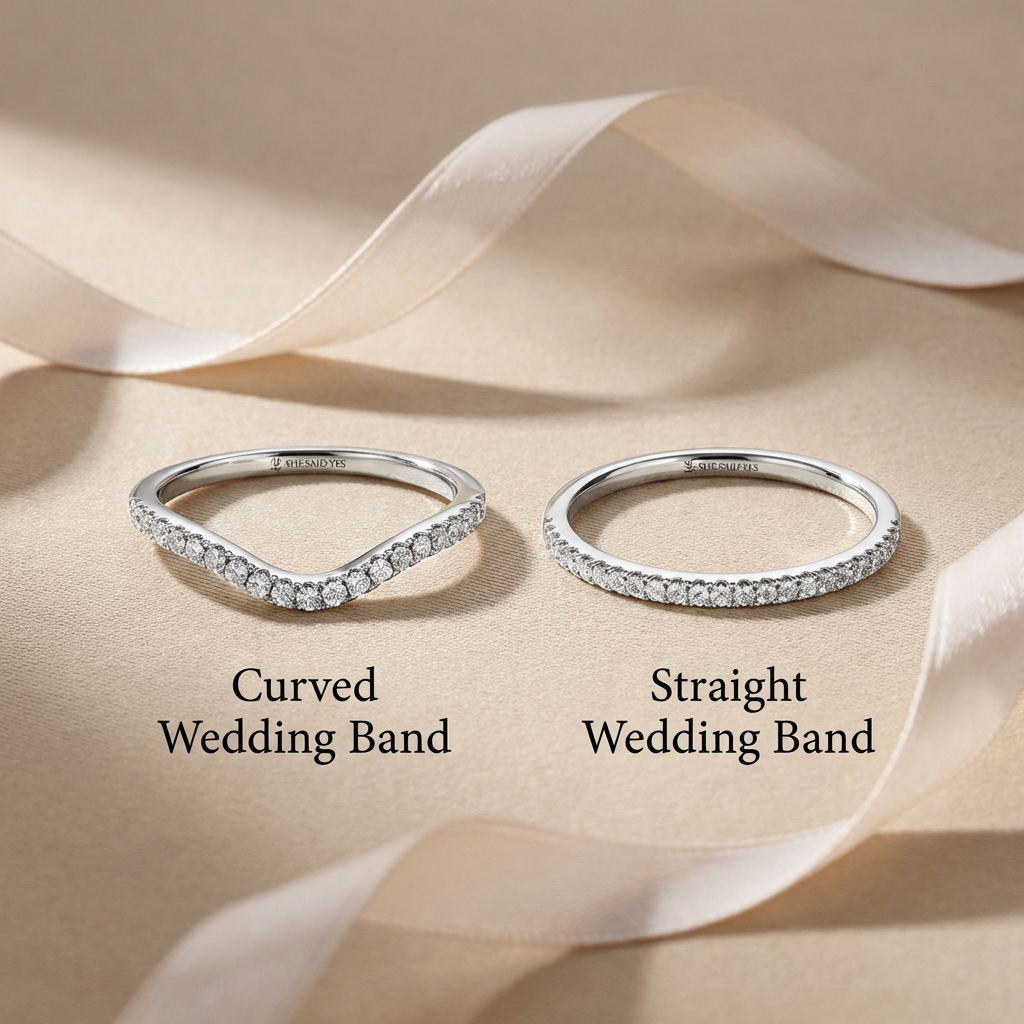
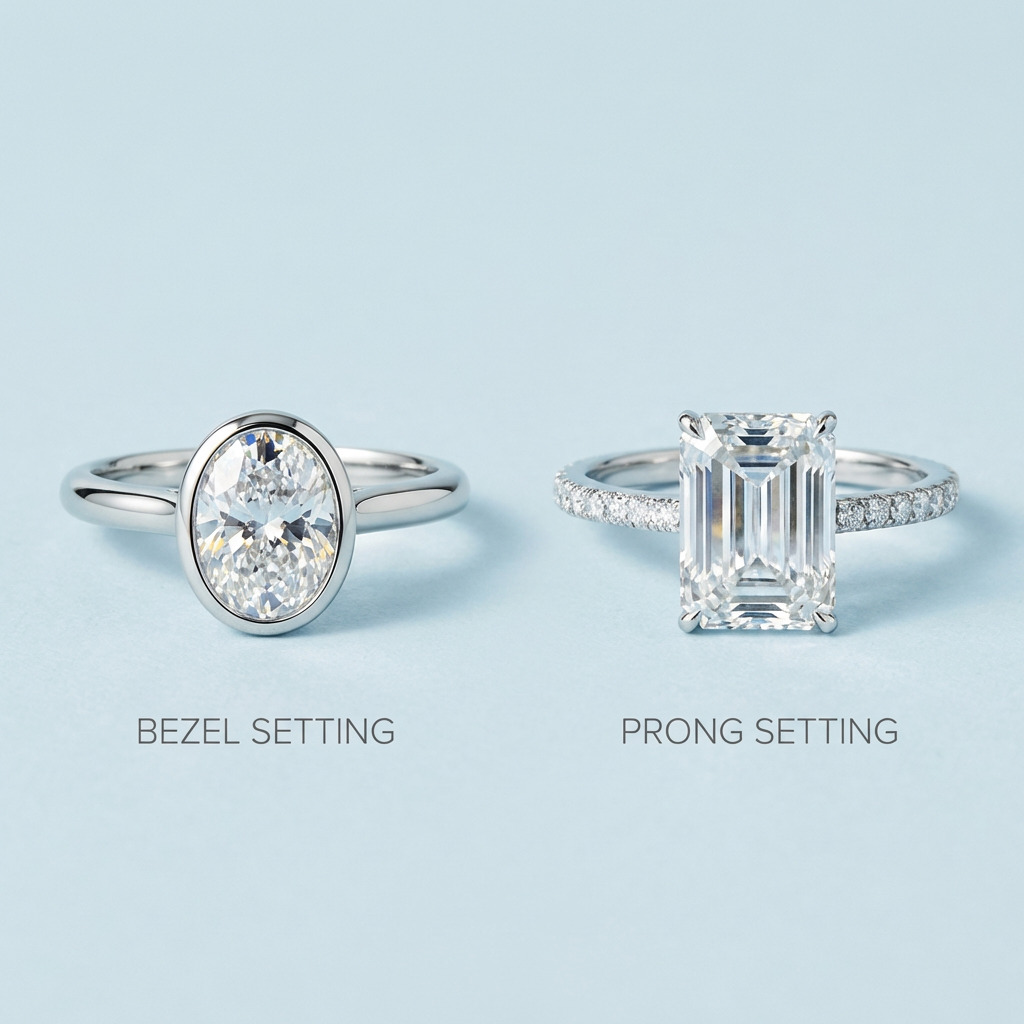
Soft, flowing curves reflect raindrops, petals, or waves. Bezel and half-bezel settings enhance these lines with clean, continuous edges. Curved bands keep the look light and close to the finger.
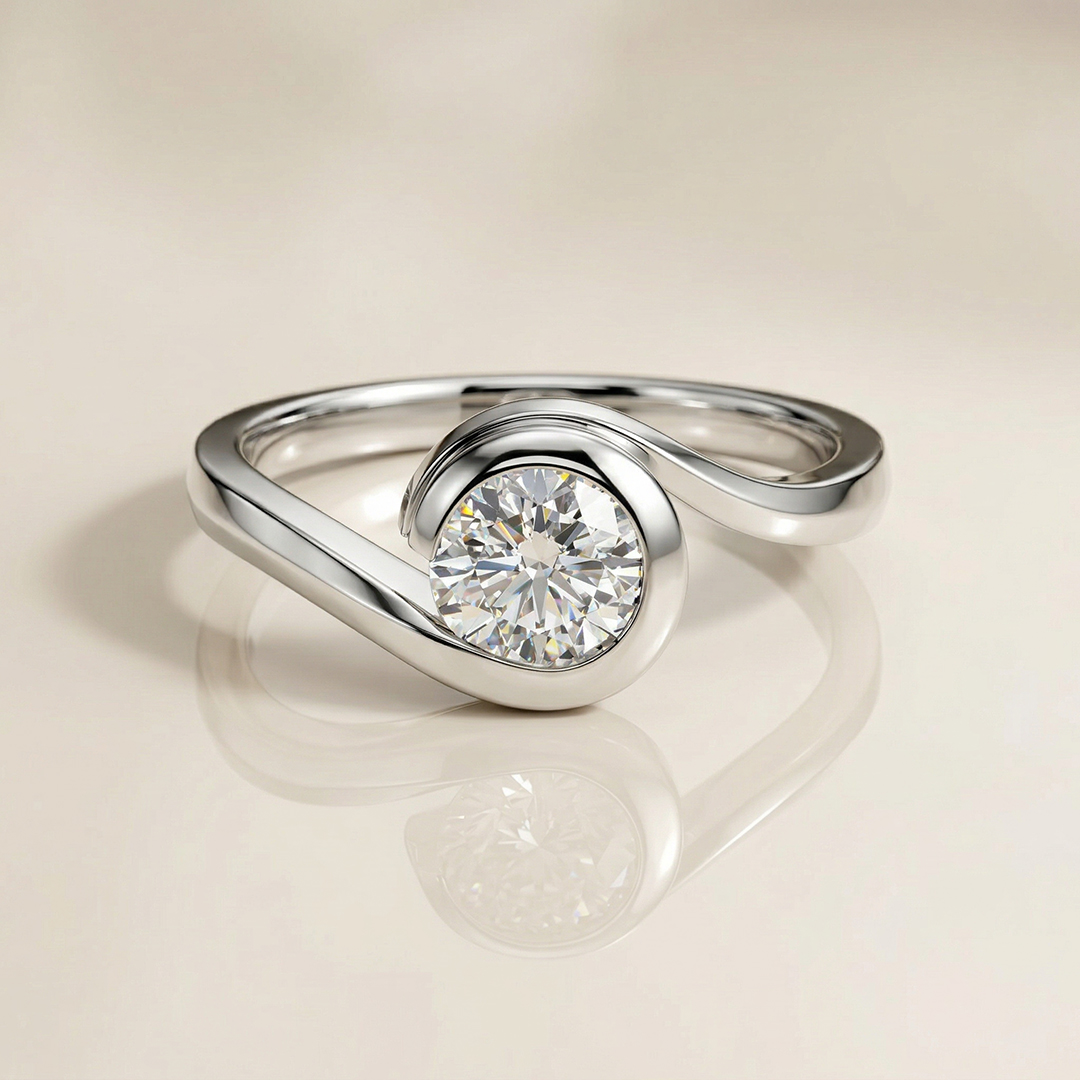
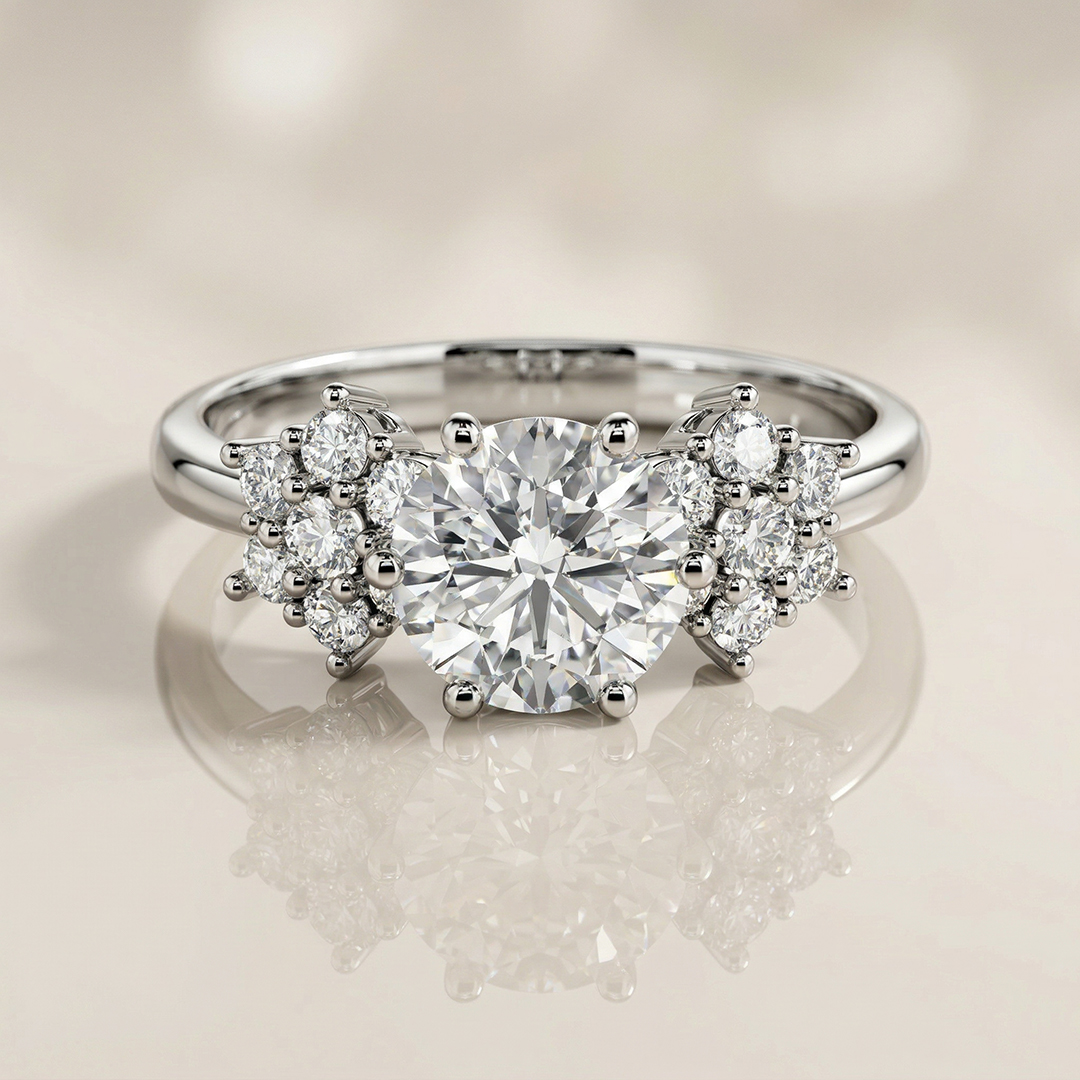
5. Diamond Clusters
Clusters group small diamonds to mimic the fullness of a flower bloom. They look larger and more brilliant than a single solitaire of the same carat weight. Tight or loose arrangements both create a romantic, natural effect.
Nature-Inspired vs. Vintage-Inspired Rings: Key Differences
Many shoppers mix up nature-inspired and vintage-inspired rings, as both feature organic details—but they have key differences. Understanding these helps you choose a ring that fits your style and avoids confusion during shopping.
- Nature-inspired rings focus on organic outdoor motifs (flowers, vines, leaves, curves) and follow an earthy aesthetic, not a specific era—offering flexible, timeless design.
- Vintage-inspired rings tie to specific eras (e.g., Art Deco, Art Nouveau), adhering to era-specific design rules and craftsmanship for a distinct retro charm.
The two styles can overlap, but vintage rings adhere to specific eras (like Art Nouveau filigree), while nature-inspired rings prioritize organic beauty over time-period rules. This means nature-inspired rings can feel modern, classic, or slightly vintage, as long as they center on natural motifs.
How to Choose a Center Stone
Your center stone defines your nature-inspired ring’s soul—it’s the focal point that ties together natural motifs. Choose a stone that complements the organic aesthetic and fits your lifestyle, whether you prefer a classic diamond or colorful gemstone.
1. Diamond Shapes
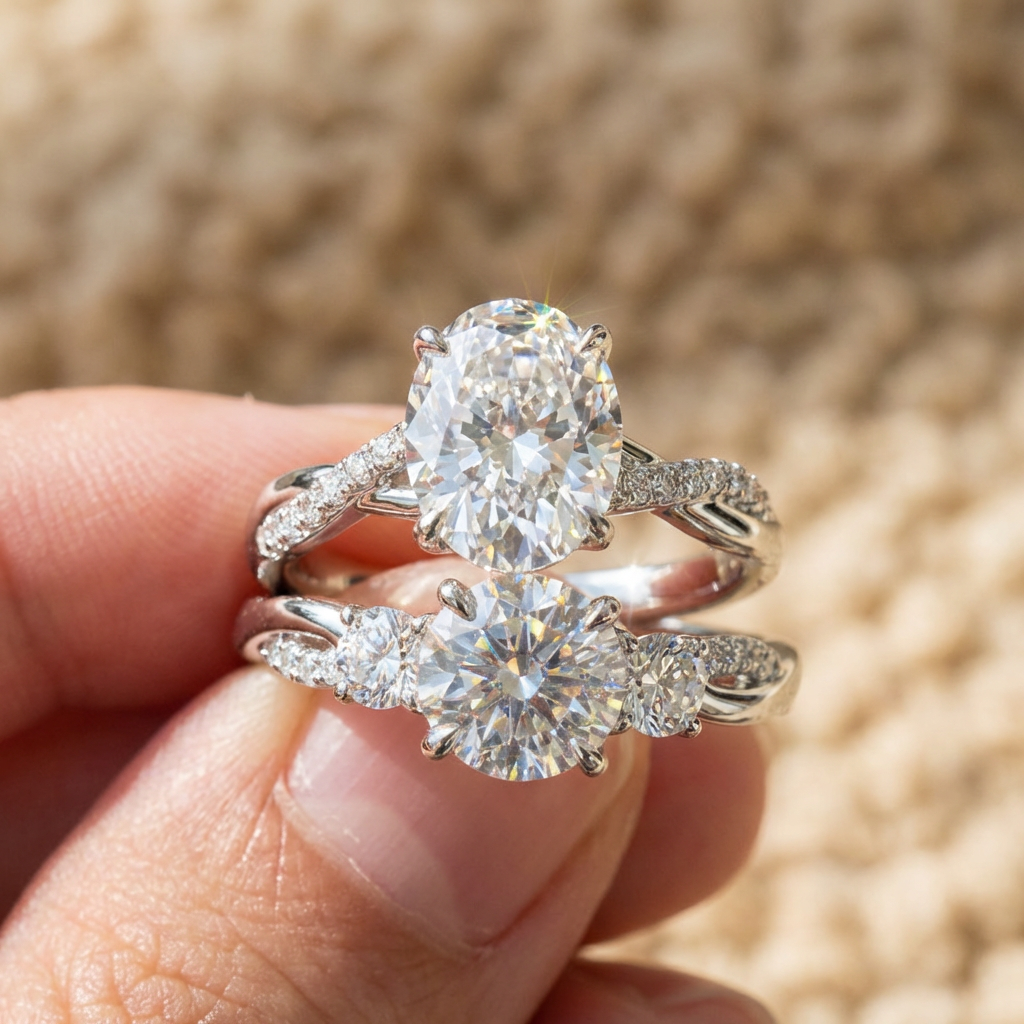
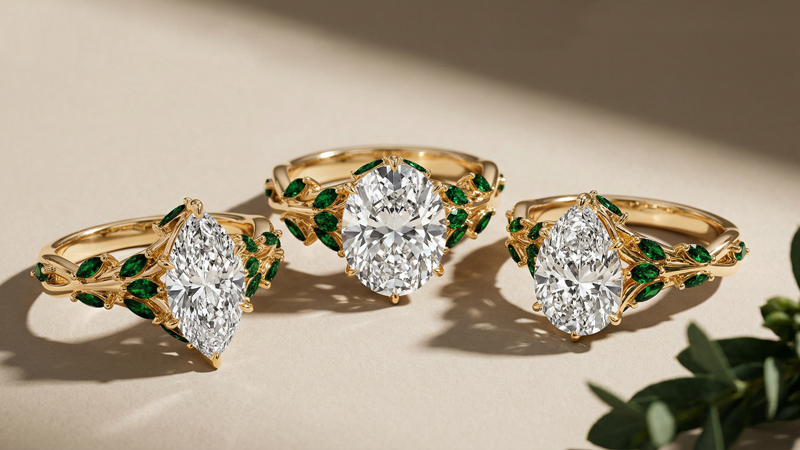
- Pear cut: A teardrop shape that evokes dewdrops or flower petals, with a tapered end that adds delicacy and pairs well with floral or leaf accents.
- Marquise cut: Elongated with pointed ends, mirroring willow leaves or curved petals—flatters the finger and complements vine bands seamlessly.
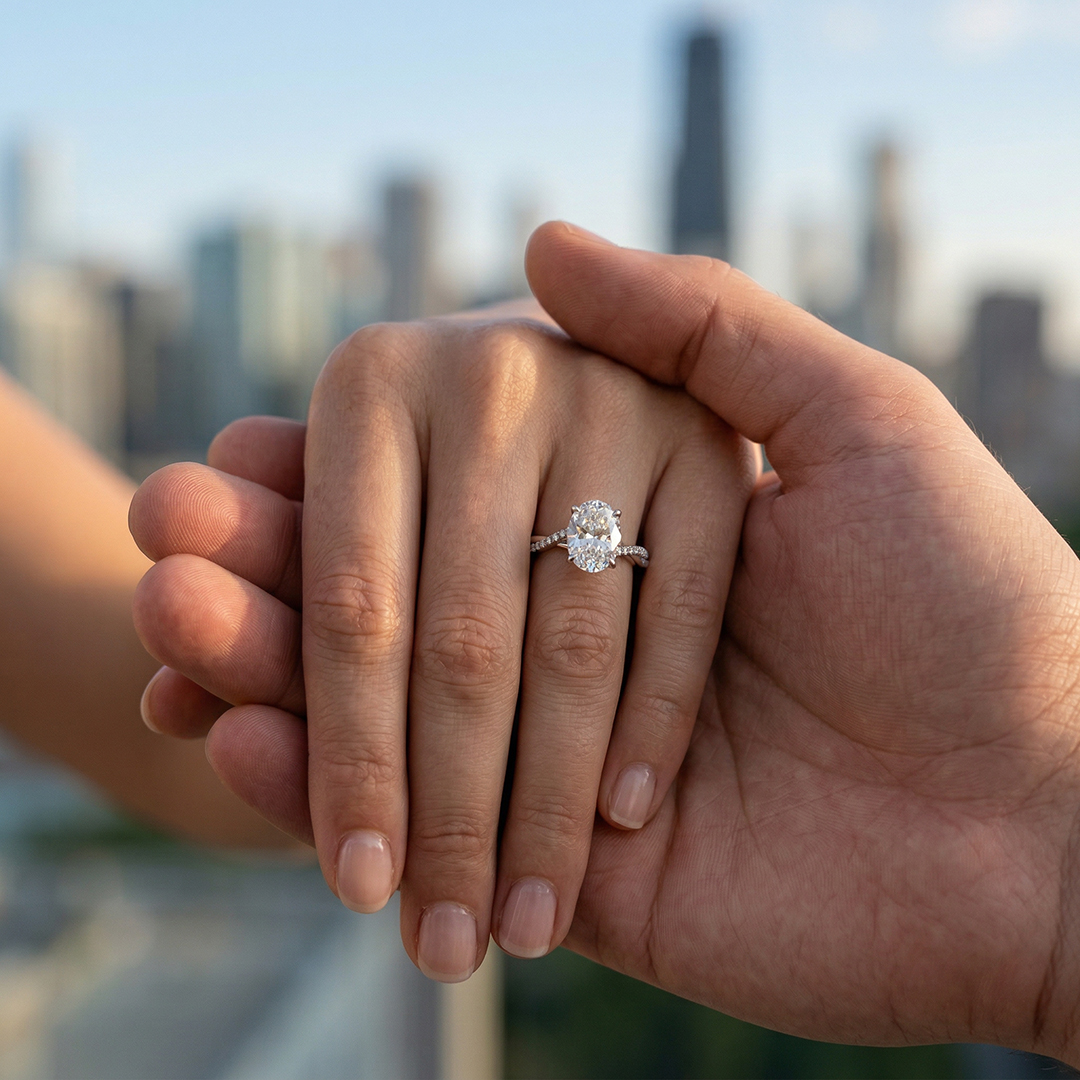
- Oval cut: Features smooth, leaf-like curves and a low profile for comfort, mimicking river stones or flower buds for an earthy charm.
- Round brilliant: Classic yet nature-aligned, with symmetry seen in seed pods or moonlight, pairing effortlessly with any natural motif.
2. Unique Diamond Characteristics
Salt and pepper diamonds add unique, earthy charm with speckled inclusions—no two are identical, just like nature. Antique cuts (Old European, Old Mine, rose cut) also fit, with handcrafted edges that bring warm, organic warmth.
3. Durable Gemstone Options
Choose gems with a Mohs hardness of 7.5+ for daily wear—they resist scratches and keep your ring beautiful for years. Below are top durable options that align with the natural aesthetic.
- Sapphires: Durable (Mohs 9) and versatile for nature-inspired designs, with a wide range of hues that complement organic motifs—perfect for pairing with any nature-themed setting.
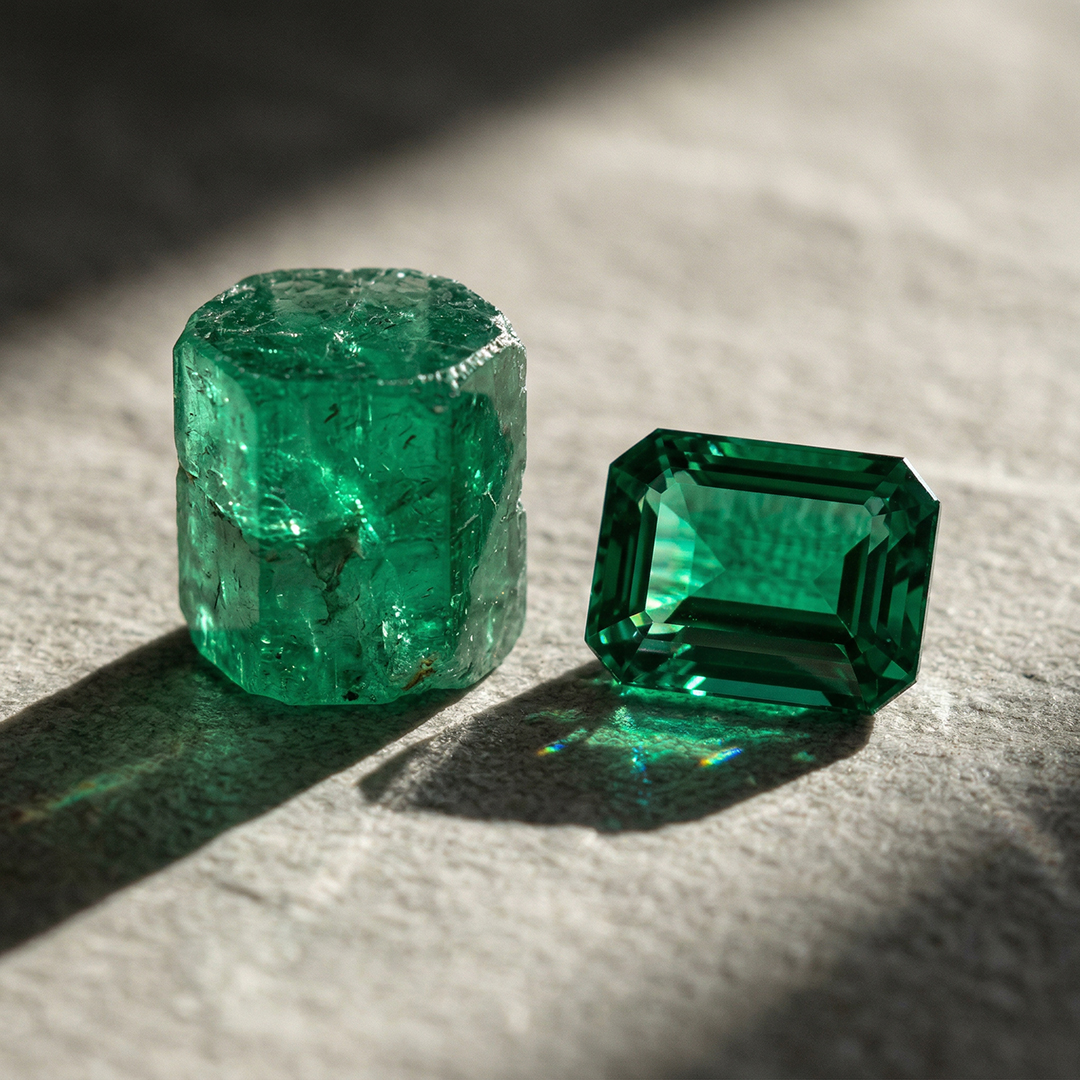
- Emeralds: A popular choice for nature designs, with a Mohs hardness of 7.5-8. Their rich, natural color adds botanical charm, and they hold up well to daily wear with proper care.
- Rubies: Durable (Mohs 9) and eye-catching, making them a great accent or center stone for nature-inspired rings. Their vivid color pairs beautifully with organic metal details like leaves or vines.
- Moissanite: One of the most durable gemstones available (Mohs 9.25), with bright sparkle that rivals diamonds. It’s an affordable, low-maintenance option that fits seamlessly with any nature design.
- Lab-grown and natural diamonds both work well. Lab diamonds are eco-friendly (aligning with nature values) and identical to natural diamonds. Natural diamonds offer an earth-formed connection to the natural world—choose based on your preferences.
Best Metals for Nature-Inspired Engagement Rings
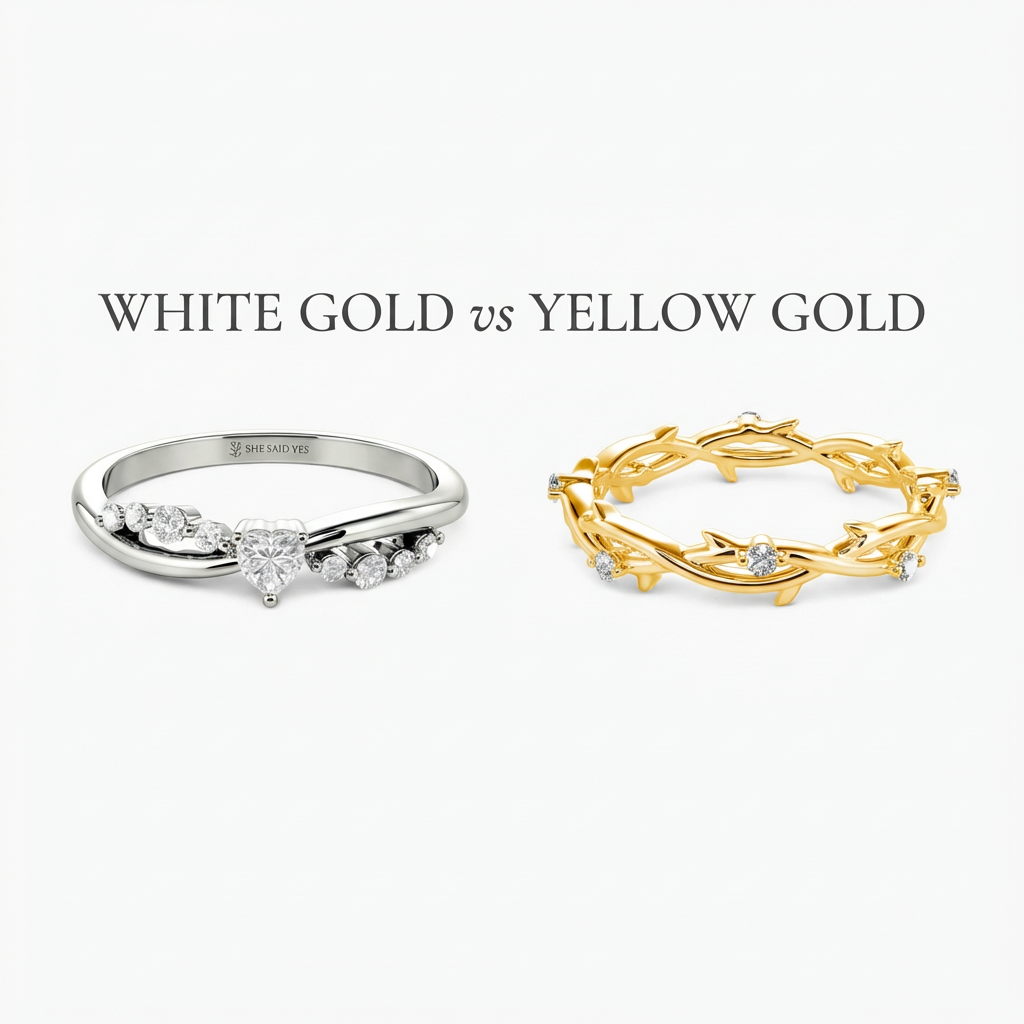
The metal you choose enhances your nature-inspired engagement ring’s organic beauty, complementing your center stone and personal style. All metals work well, but the best choice depends on your preferred tone, lifestyle, and aesthetic—balancing durability with the ring’s natural motifs like leaves or vines.
- Yellow gold: Its warm, earthy tones mimic sunlit leaves or honey, pairing beautifully with warm-colored stones to create a cozy, nature-rooted look.
- Rose gold: Soft pink hues evoke blooming roses or sunsets, complementing floral/vine designs and adding a delicate touch that flatters most skin tones.
- White gold: Icy, crisp glow mimics snow or water, complementing cool-toned gems and letting the ring’s organic details shine.
- Platinum: Durable, tarnish-resistant shine keeps focus on your stone and motifs, ideal for low-maintenance, long-lasting wear.
How to Shop & Style Your Nature-Inspired Ring
- Start with your vision: Begin by listing your favorite natural elements—whether it’s blooming roses, winding vines, ocean waves, or forest foliage. This simple step helps narrow down design options, ensuring your nature-inspired engagement ring feels personal and aligned with the outdoor details you love most.
- Try shapes first: Before committing to a design, test pear, oval, or marquise cuts (the most nature-aligned diamond shapes) to see what flatters your hand. Visit a local jeweler or use online try-on tools to get a sense of how each shape looks with your finger length and width.
- Test metal tones: Take time to view yellow gold, rose gold, white gold, and platinum against your skin to find the tone that complements your undertones best. Warm undertones pair beautifully with yellow or rose gold, while cool undertones shine with white gold or platinum.
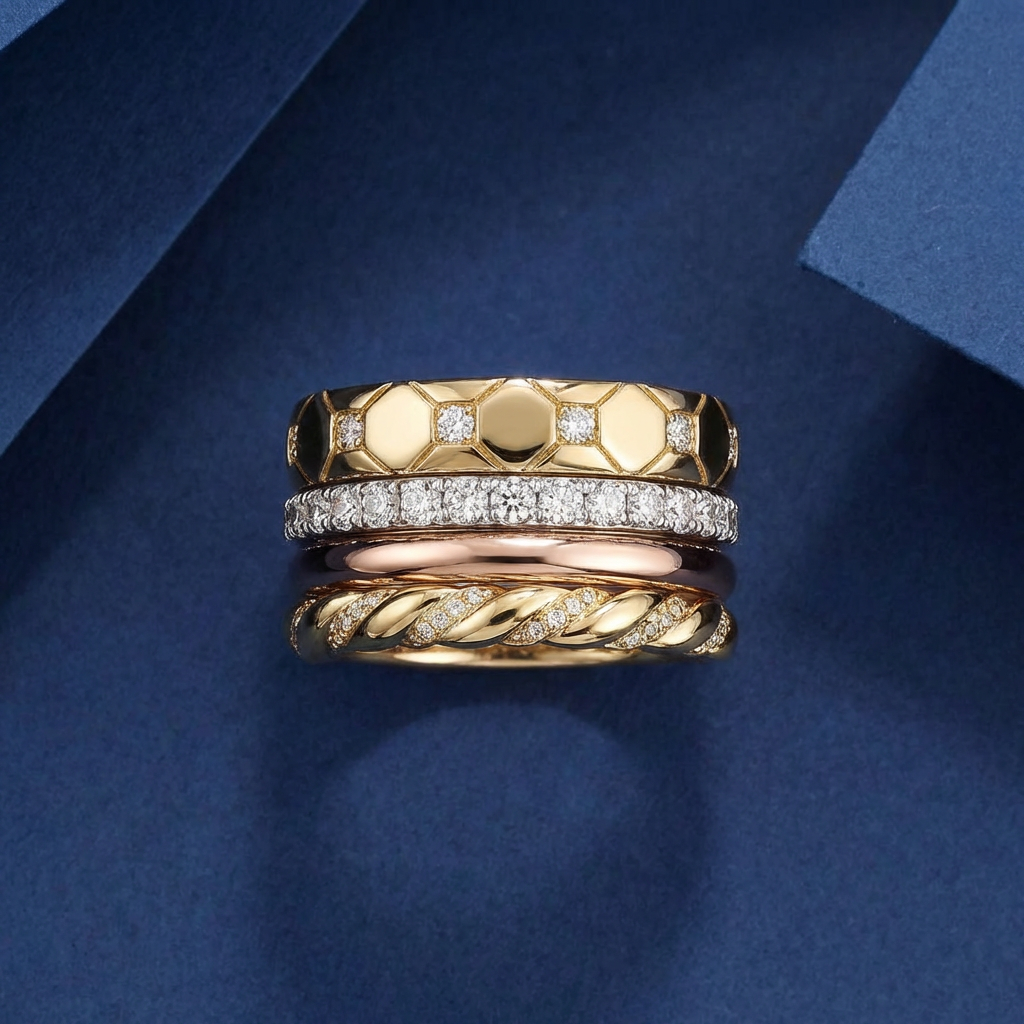
- Stack mindfully: If you plan to wear a wedding band alongside your engagement ring, opt for a band with nature-themed details—like a wave or vine design—to create a cohesive set. Avoid overly bold bands that might overpower the delicate organic details of your engagement ring.
- Use home try-on: Many jewelry brands offer home try-on programs, allowing you to wear your top ring choices for a few days. This lets you test comfort, check how the ring looks with your daily outfits, and ensure it fits seamlessly into your lifestyle.
Final Thoughts
A nature-inspired engagement ring is a love symbol rooted in natural beauty, balancing artistry and durability. Whether you prefer subtle leaves or bold clusters, it’s a timeless choice that connects you to the outdoors and tells your unique story—a nature-inspired engagement ring is both meaningful and on-trend.
FAQs
A ring is nature-inspired if it uses organic motifs (flowers, vines, curves) instead of rigid geometry, prioritizing earthy, handcrafted beauty connected to the natural world.
The best gems are durable (Mohs 7.5+) and nature-aligned: diamonds (any shape), sapphires, emeralds, rubies, and moissanite (affordable sparkle).
Yes, nature-inspired rings are trendy in 2026. Couples prefer unique, nature-connected designs over generic ones, and their timeless beauty ensures they won’t go out of style.
Not necessarily. Cost depends on factors like the metal, gemstone quality, and craftsmanship—just like traditional rings.
Not necessarily. Cost depends on factors like the metal, gemstone quality, and craftsmanship—just like traditional rings.
Absolutely. Most nature-inspired rings are designed with daily wear in mind—they feature durable metals (platinum, gold) and gemstones (Mohs 7.5+), and their organic, low-profile designs hug the finger comfortably, avoiding snags on clothing or daily items.
Care depends on the metal and gemstone, but basic steps include removing the ring during heavy activities (e.g., cleaning, working out), cleaning it regularly with a soft brush and mild soap, and having it inspected annually by a jeweler to check prongs and settings.