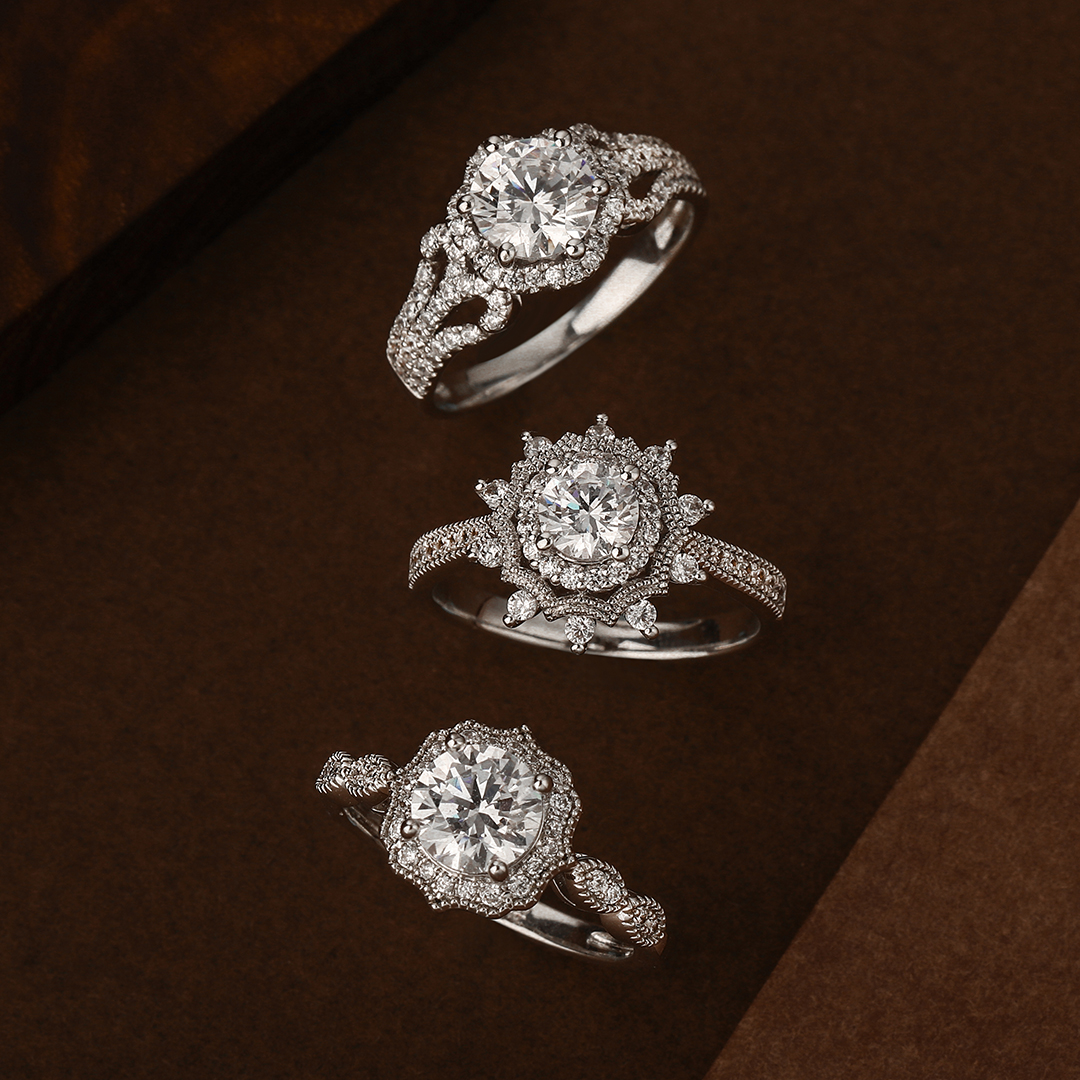
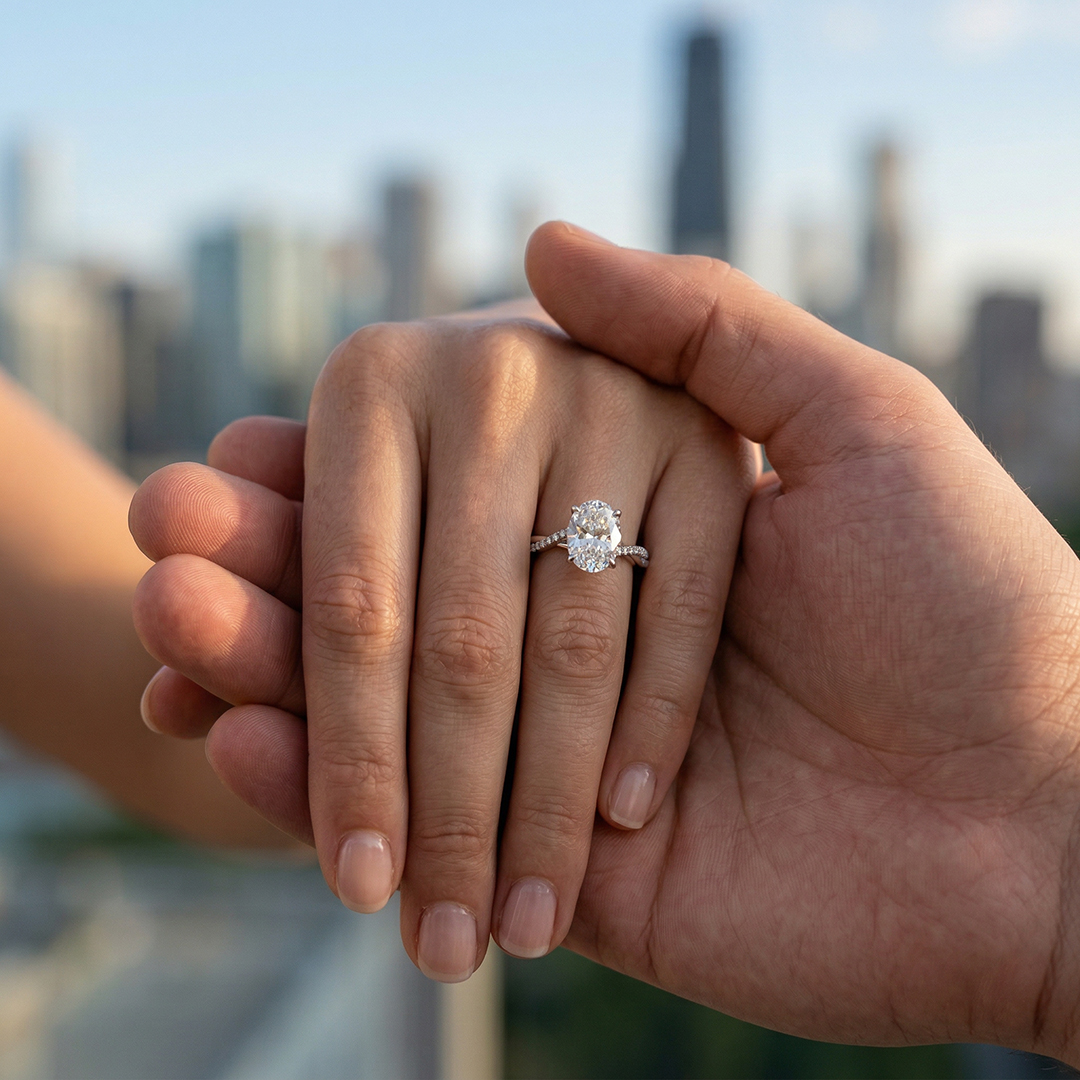
The three month ring rule appears almost everywhere people research engagement rings. It proposes that the correct spending amount equals three months of gross income. The certainty of the rule gives it an authoritative tone. but the rule is neither a tradition nor a cultural standard, It is simply an idea that spread widely over time.

Origins Rooted in Advertising
Three month ring rule begins with a corporate effort to transform public perception of diamonds. During the early twentieth century, diamonds were not a universal expectation for engagement. De Beers designed campaigns that associated diamonds with love, permanence and devotion. Once this connection took hold, the company introduced salary based spending suggestions to increase sales. The guideline evolved over time through repeated use in advertising and popular media, eventually becoming a commonly cited figure.
Why the Rule Became So Sticky
The rule appeals to people because it feels like direction. Engagement rings carry emotional weight and financial uncertainty. In moments of uncertainty, a simple number feels reassuring. Retail environments often reinforce similar ideas. Social media can also intensify comparison, creating a sense of pressure even when the pressure is imaginary.
Modern Couples Challenge Old Ideas
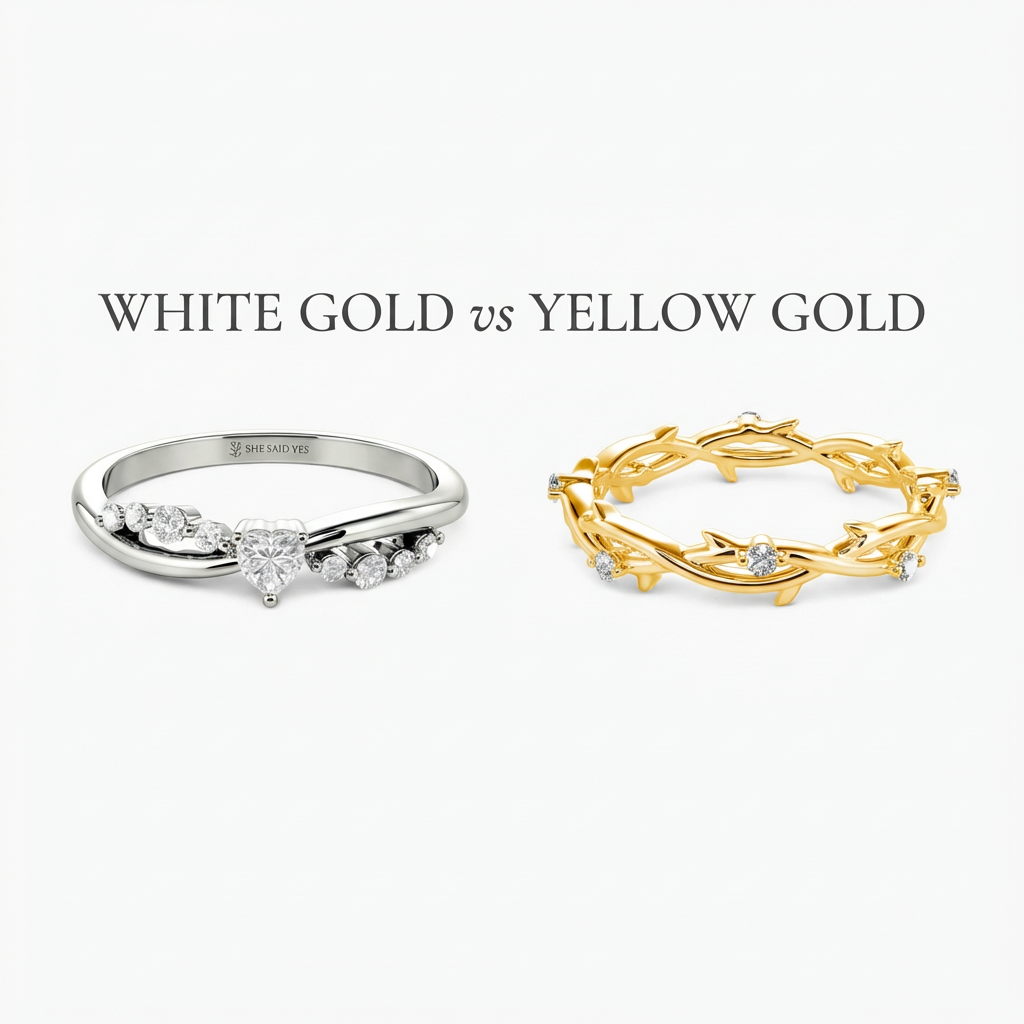
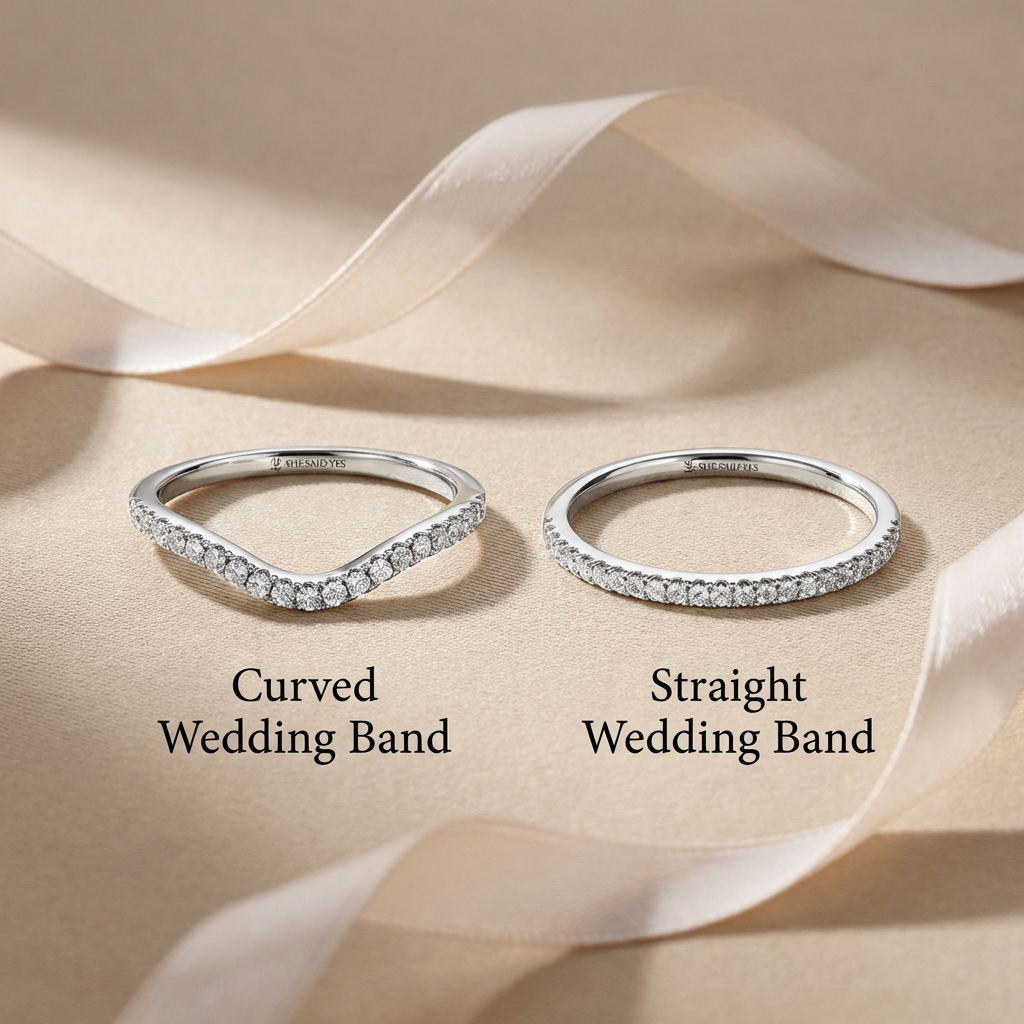
A significant cultural shift is underway. Engagements are becoming more flexible, more personal and more aligned with individual preference. Couples are choosing rings that match their values rather than those dictated by advertising. Many prioritize ethical sourcing, sustainable materials or handcrafted designs. A growing number of couples also choose colored stones or simple bands.
Shared Decision Making As a New Norm
More couples plan the ring together. The proposal may still be a surprise, but the general style and budget often involve both partners. This collaborative approach removes guesswork and reduces social pressure. It also reflects a broader trend toward equality within relationships, where both partners make significant decisions through open communication.
New View on Relationships
A new perspective is emerging that challenges the idea that financial sacrifice equals emotional commitment. Modern couples recognize that a strong relationship relies on emotional maturity, communication and shared values. Spending three months of income does not guarantee a stronger connection. A sustainable financial foundation often supports long term stability more effectively than a high priced ring.
The Influence of Lifestyle Preferences
Lifestyle differences also shape ring choices. Some people work with their hands and prefer a low profile ring. Others travel frequently and want something durable and modest. Some wear minimal jewelry and prefer something subtle. The rule cannot account for these practical considerations. A ring should enhance daily life rather than complicate it.
Creating a Personal Standard
A personal approach works better than a formula. Consider your partner’s taste, your financial situation and your shared goals. Decide what feels meaningful rather than what is expected. An engagement ring chosen with intention carries emotional weight that cannot be measured in months of income.