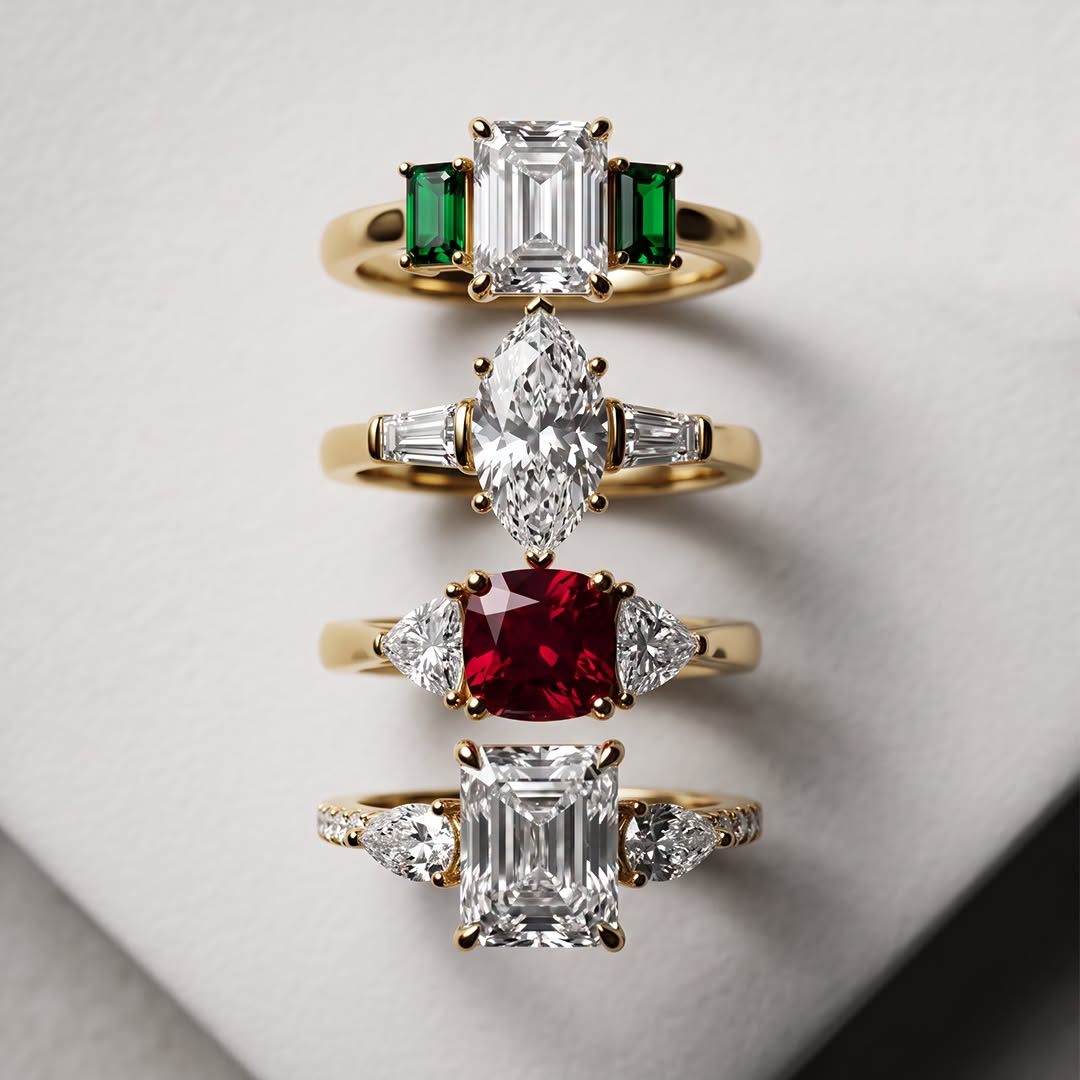
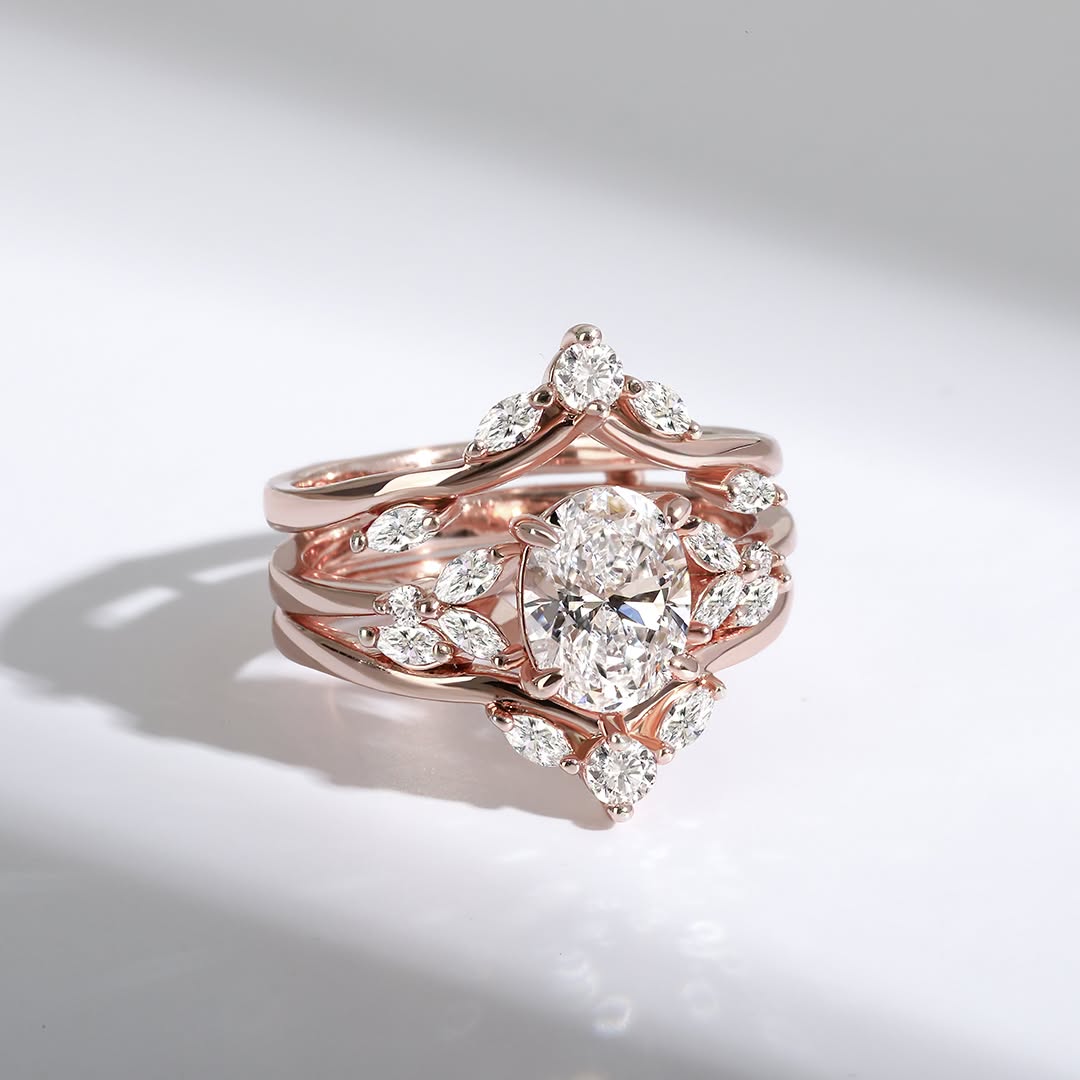
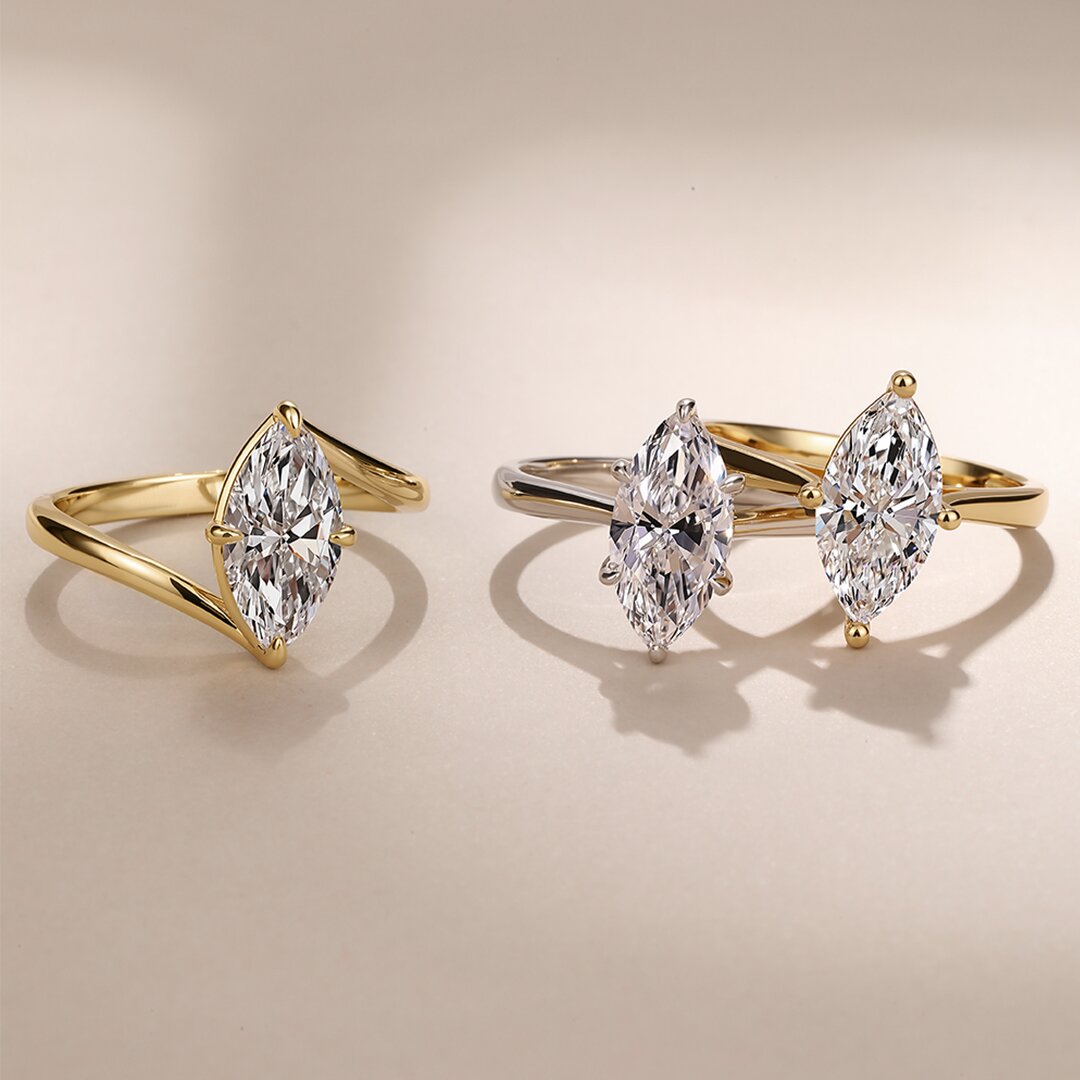
When we talk about the “hardest birthstone to get,” we usually mean its physical hardness, rarity, and how difficult it is to buy. In terms of hardness, diamonds resist scratches far better than other gemstones. In terms of rarity, gems like alexandrite and tanzanite are much less common than diamonds, making them harder to find. As for availability, some birthstones may take you months to track down or require paying a premium. Understanding these differences helps you make smarter choices.
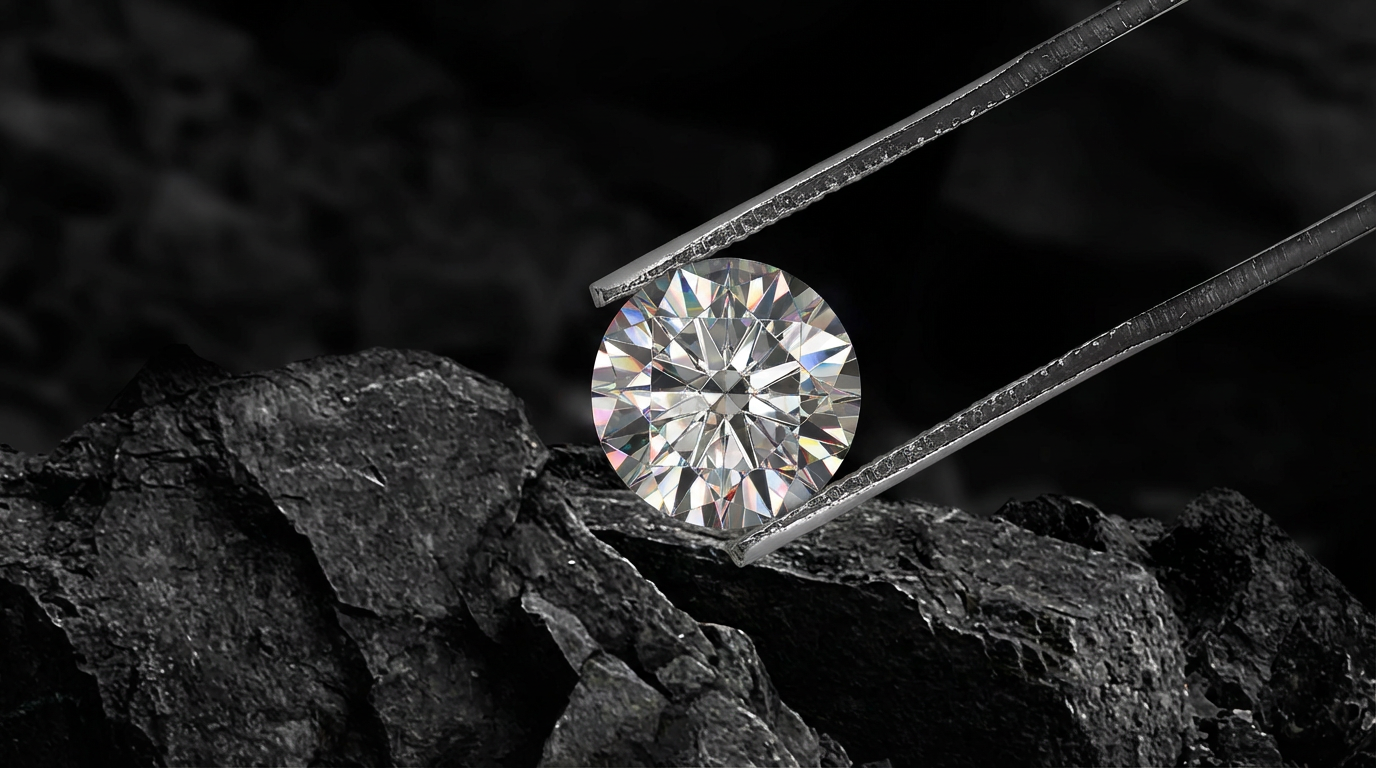
Hardest Birthstone by Physical Hardness: Diamond
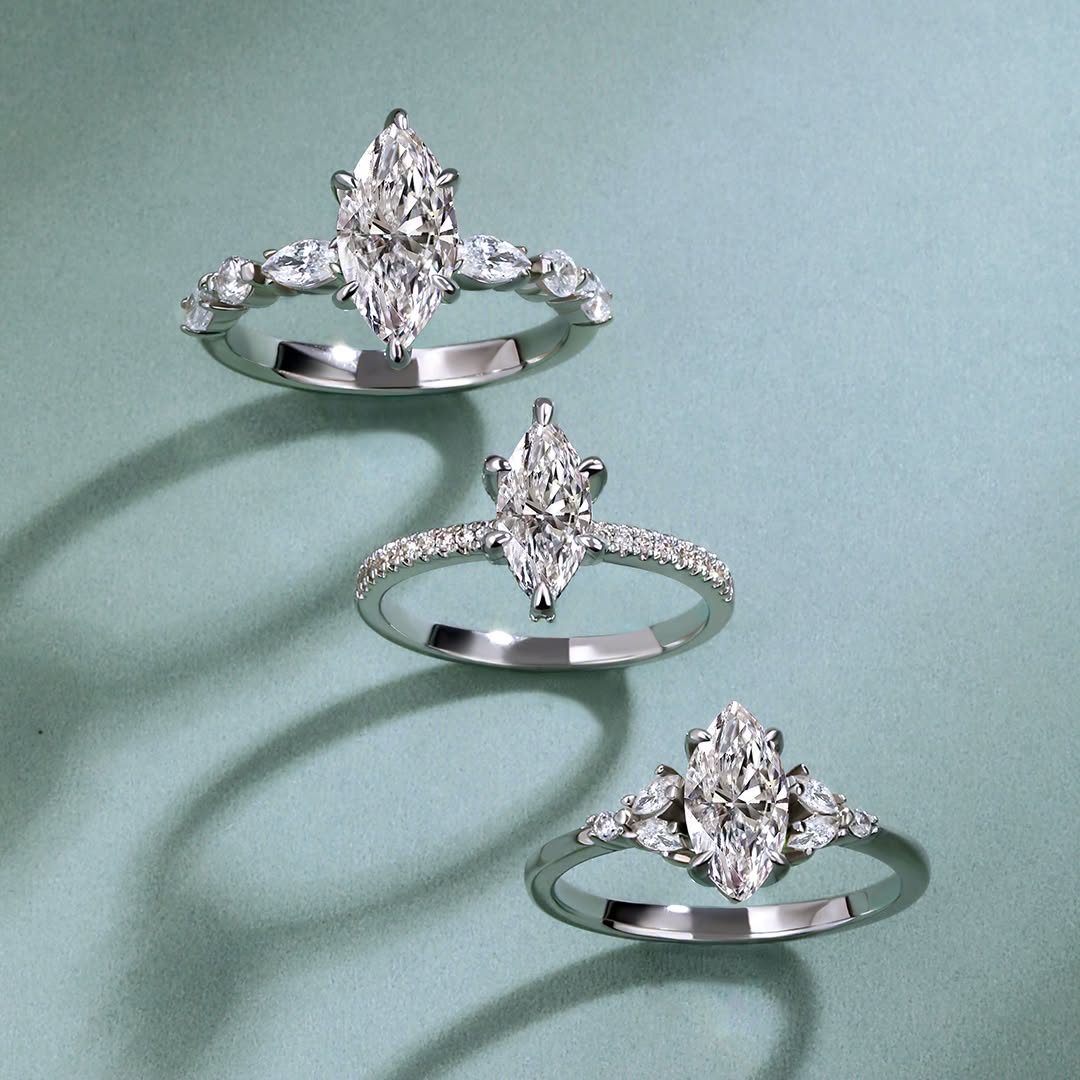
If your priority is scratch resistance, diamond is your safest bet. Using the Mohs hardness scale, which measures how easily a mineral can be scratched, diamonds score a perfect 10.
- Mohs Hardness: 10
- Durability: Extremely high—you won’t find a gemstone that scratches it easily.
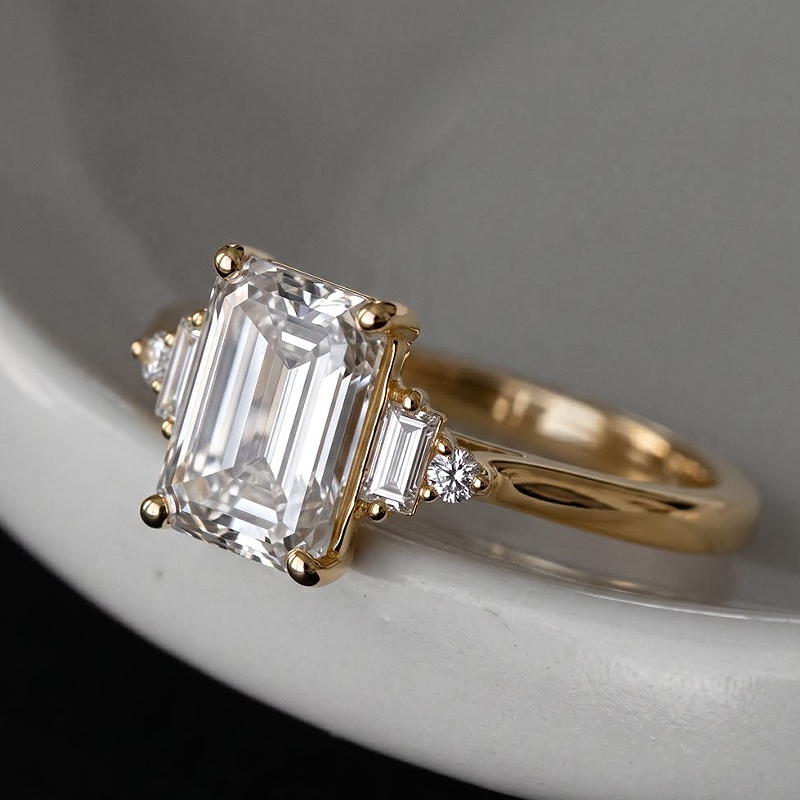
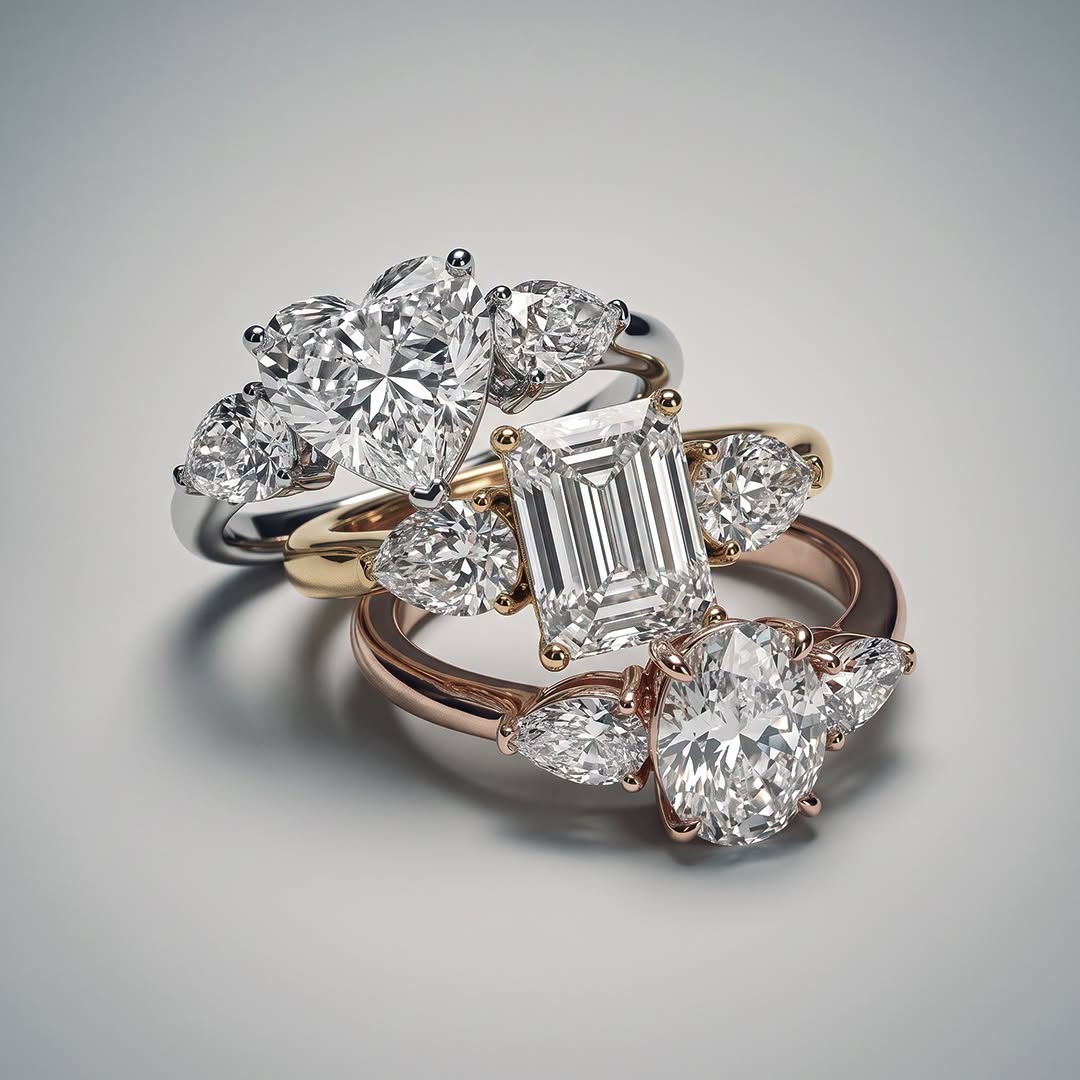
This is why diamonds are so popular in engagement rings and fine jewelry—they can last a lifetime without losing their shine. But keep in mind, high hardness doesn’t always mean rarity. You can find lab-grown diamonds that are chemically and physically identical to natural ones, often at a lower price. Choosing a lab-grown diamond can make it easier for you to own one without breaking the bank.
Top 10 Rarest Birthstones
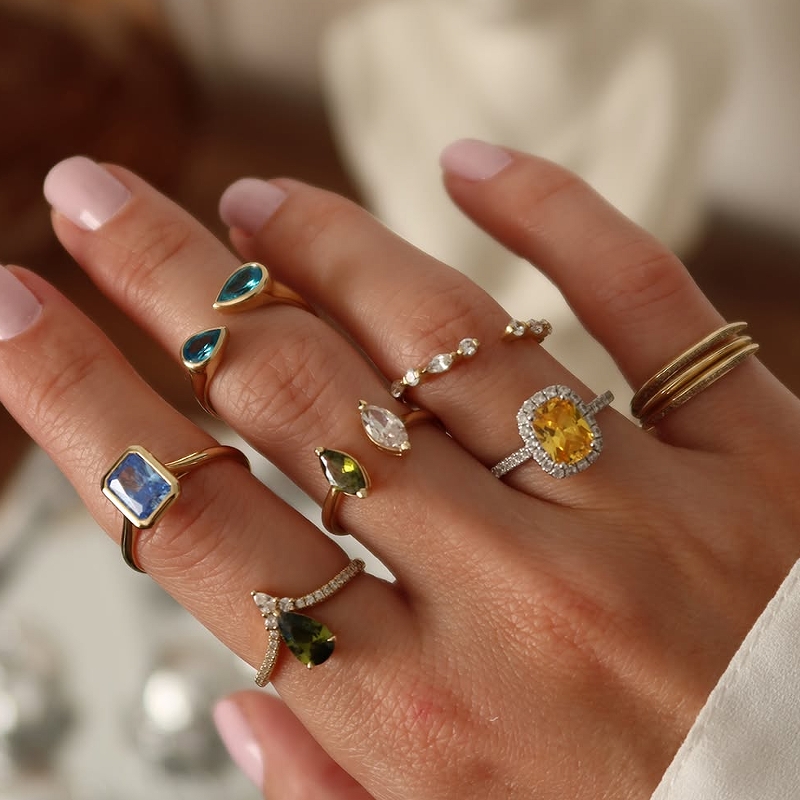
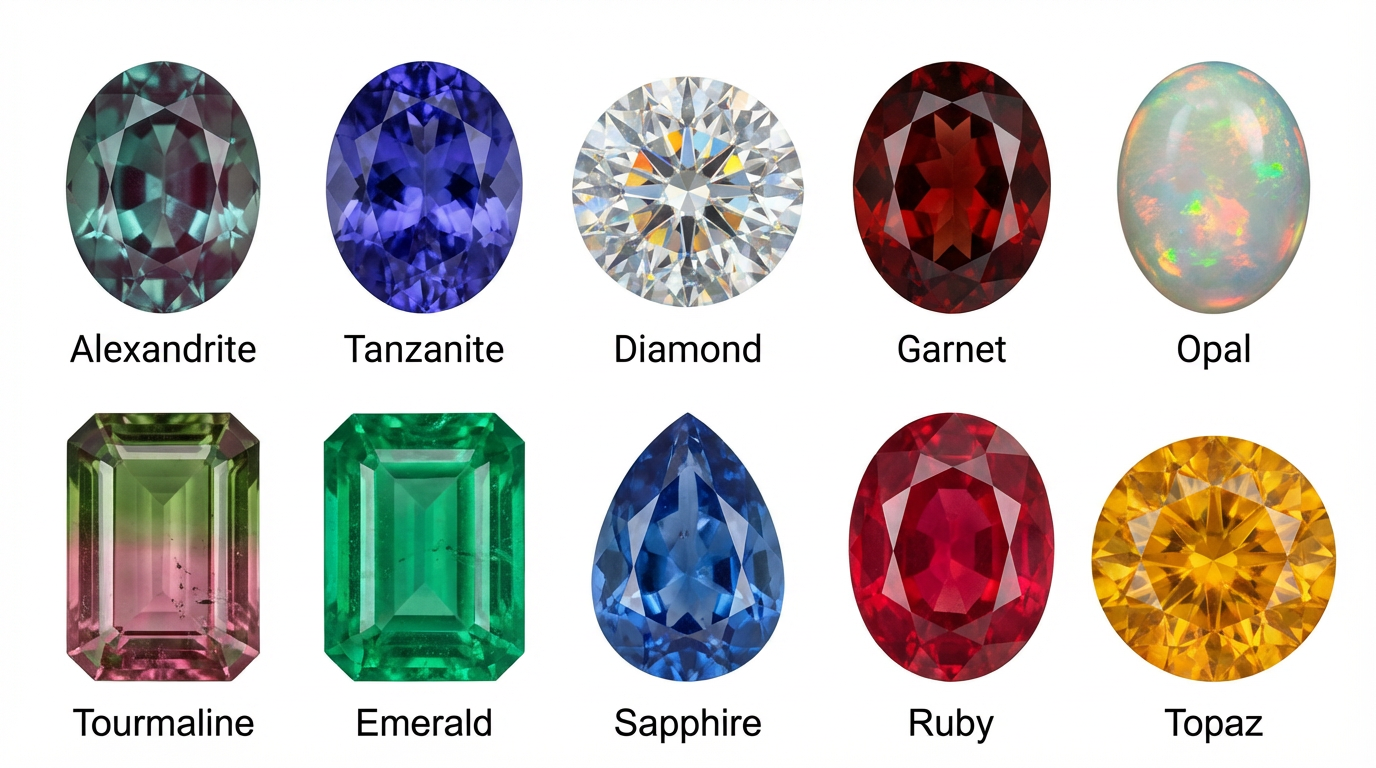
If rarity is what matters most to you, some gemstones are far more difficult to come by than others. Here’s a look at the top 10 rarest birthstones and what makes them special:
1. Alexandrite (June)
Alexandrite is known for its extraordinary color-changing property, appearing green in daylight and red under incandescent light. Its rarity comes from limited sources in Russia, Sri Lanka, and Brazil, and high-quality specimens are extremely scarce.
2. Tanzanite (December)
Tanzanite is only found near Mount Kilimanjaro in Tanzania. Its deep blue to violet hues and very restricted geographic source make it exceptionally rare compared to other gemstones.
3. Diamond (April)
Certain diamond varieties, such as pink or red diamonds, are exceptionally rare. Diamonds are also the hardest natural gemstone, which contributes to their prominence, though color rarity is what makes some diamonds highly sought after.
4. Garnet (January)
Garnet exists in many colors, but rare varieties like demantoid and tsavorite stand out for their vibrant green tones. These specific garnets are scarce and valued for their color and brilliance.
5. Opal (October)
Opals are known for their unique play-of-color. Black opals from Lightning Ridge, Australia, are particularly rare and are distinguished by their intense, shifting colors.
6. Tourmaline (October)
Tourmaline comes in a wide range of colors, but the Paraiba variety with neon blue-green tones is especially rare. Other colors, like rubellite, are also uncommon and valued for their vivid hues.
7. Emerald (May)
Emeralds are prized for their deep green color. High-clarity emeralds are very rare, especially from Colombia, and most stones contain natural inclusions that make each gem unique.
8. Sapphire (September)
Sapphires are mostly blue, but rare varieties like Padparadscha (pink-orange) and Kashmir sapphires are scarce. Their vivid colors and limited sources contribute to their rarity.
9. Ruby (July)
Rubies are known for their rich red color. High-quality rubies with intense, even coloration are rarer than diamonds and are especially prized in gem collections.
10. Topaz (November)
Topaz is usually found in various colors, but imperial topaz and naturally blue topaz are rare. Large, high-quality specimens are uncommon, making these varieties stand out.
Birthstone Availability: Table Overview
Some birthstones are naturally more accessible, while others are hard to find due to limited sources or rarity. The table below summarizes the relative ease of obtaining each of the Top 10 rarest birthstones:
| Birthstone | Availability | Notes |
|---|---|---|
| Diamond | Easy | Widely available, though rare color varieties (pink, red) are scarce. |
| Ruby | Hard | High-quality rubies are rare and mostly sourced from limited locations. |
| Sapphire | Easy | Common blue sapphires are widely found; rare varieties like Padparadscha are scarce. |
| Emerald | Hard | High-clarity Colombian emeralds are rare; most stones contain inclusions. |
| Alexandrite | Hard | Color-changing gems are extremely rare and limited in supply. |
| Tanzanite | Hard | Only found in a small region of Tanzania, making supply limited. |
| Opal | Moderate | Common opals are accessible; black opals from Australia are rare. |
| Garnet | Easy | Common varieties are widely available; rare forms like demantoid and tsavorite are limited. |
| Topaz | Moderate | Common colors are easy to find; imperial or natural blue topaz is rare. |
| Tourmaline | Moderate | Many colors are accessible; Paraiba tourmaline and rubellite are scarce. |
Notes:
Hard: Stones that are globally rare, with limited sources or very low supply.
Easy: Stones you can commonly find in the market.
Moderate: Stones with some rarity; may require searching for high-quality examples.
How to Choose a Rare Birthstone
When you’re looking for a rare or unique birthstone, there are several things you should keep in mind:Considering all these factors together helps you choose a stone that not only looks beautiful but also holds its value.
- Origin and Certification
Knowing where your gem comes from can impact its value. Colombian emeralds or Tanzanian tanzanite, for example, carry a premium. Always ask for certified stones so you can be confident in what you’re buying. - Cut and Clarity
Even rare stones can look dull if they’re poorly cut. Check for clarity and how well the gem reflects light. Small inclusions are sometimes acceptable if they give the stone character. - Color Intensity
Color is often the first thing you’ll notice. Look for deep, vivid hues—Alexandrite’s dramatic color change or Paraiba tourmaline’s neon tones make them stand out. - Carat Weight
Larger stones are much rarer. If you want something truly impressive, you may need to invest more for bigger carat sizes. - Investment Potential
Some rare gems appreciate over time. If you’re buying with future value in mind, stones like alexandrite, red beryl, or high-quality spinel could be a smart choice.
When it comes to “hardest” birthstones, it depends on what you value most. Diamonds win in terms of durability and daily wear, but if rarity is your goal, you’ll want to hunt for alexandrite or tanzanite. Availability also matters—lab-grown diamonds are easy for you to acquire, while rare natural stones may require patience and investment. Understanding hardness, scarcity, and availability will help you select the perfect gem for your needs, whether it’s for jewelry, collection, or investment.