You’ve found the person you want to spend the rest of your life with. As the big day draws near, you glance down at your left hand and realize there’s one small but crucial detail you still need to figure out: the wedding band.
So, how much does a woman’s wedding band actually cost? Most fall somewhere between $300 and $2,000, covering everything from simple metal bands to sparkling, diamond-studded designs. Of course, you can find options under $100 or well above $5,000, but for most couples, the sweet spot lands somewhere in the middle. By the end of this guide, you’ll know exactly where your money goes—and how to get the best value for your ring.
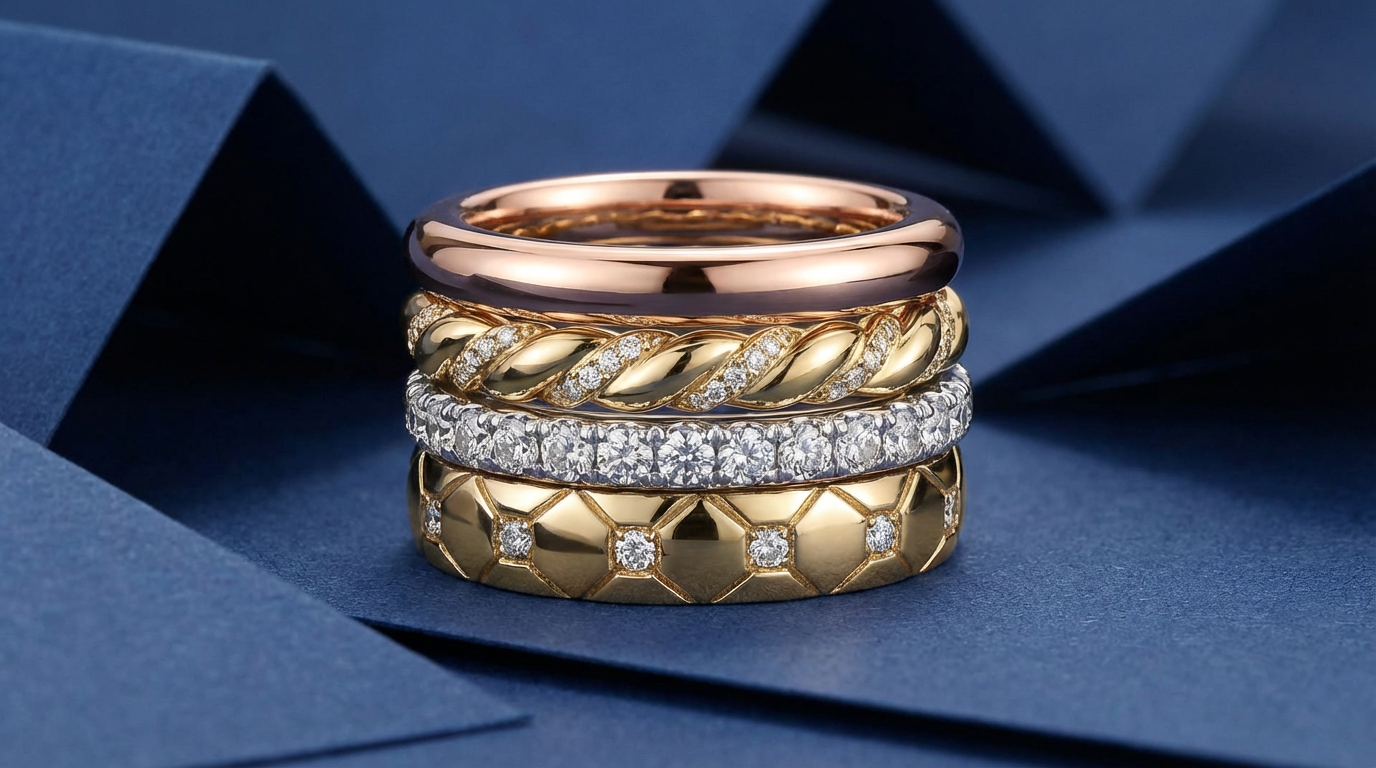
Average Cost of Women’s Wedding Bands
Industry surveys and jewelry reports show that in the United States, the typical amount people spend on a wedding band (for women) generally falls in the ballpark of about $600 to $1,800, with many mid‑range rings clustering around $1,000 to $1,500 depending on metal choice and design complexity.
What Affects the Cost of a Wedding Band?
Several key factors influence how much you’ll pay for a wedding band. The biggest one is material. Precious metals like platinum cost significantly more than stainless steel or silver. Even within gold, the price varies depending on whether you choose 14K or 18K.
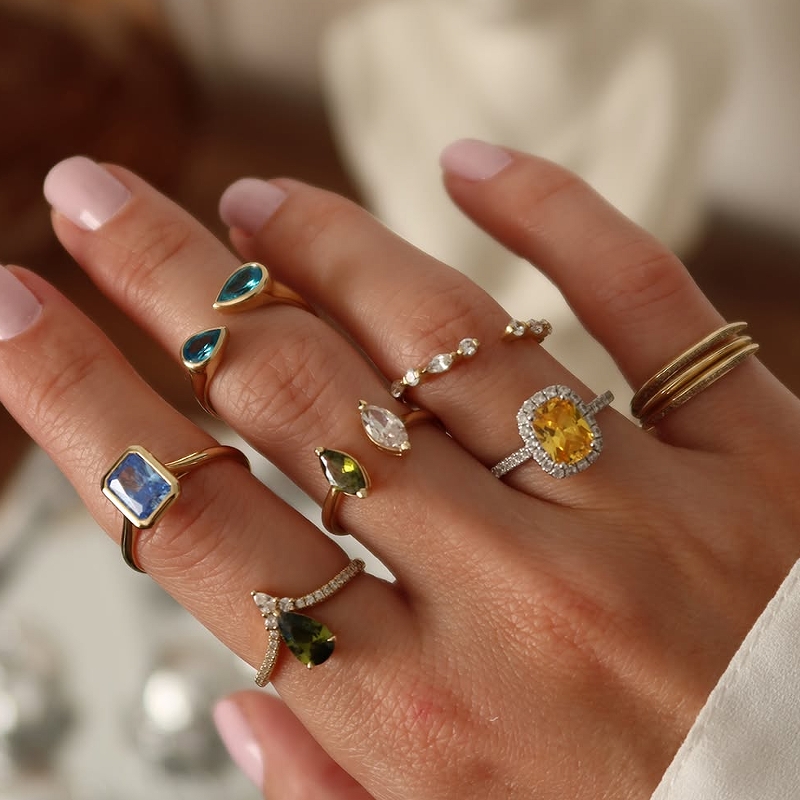
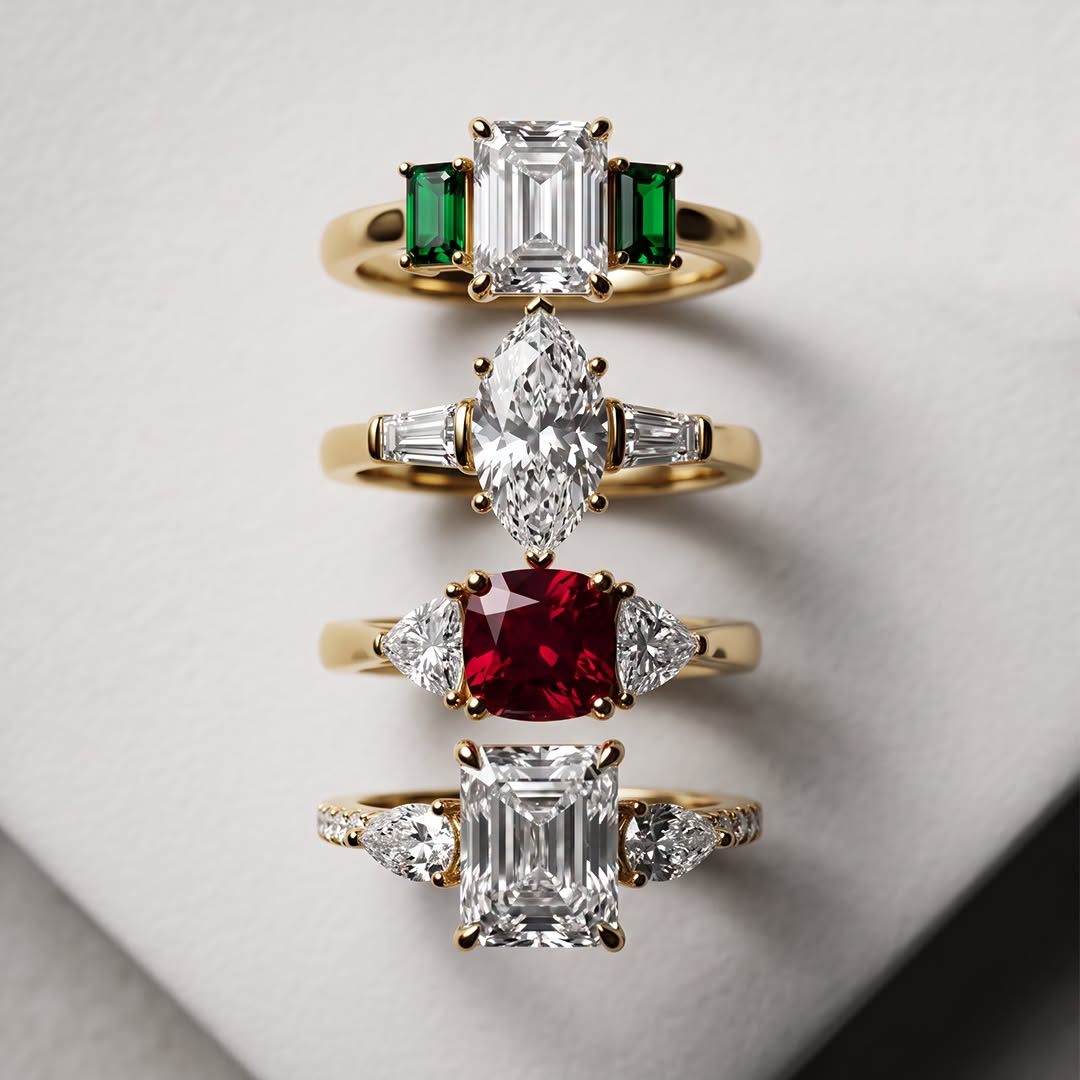
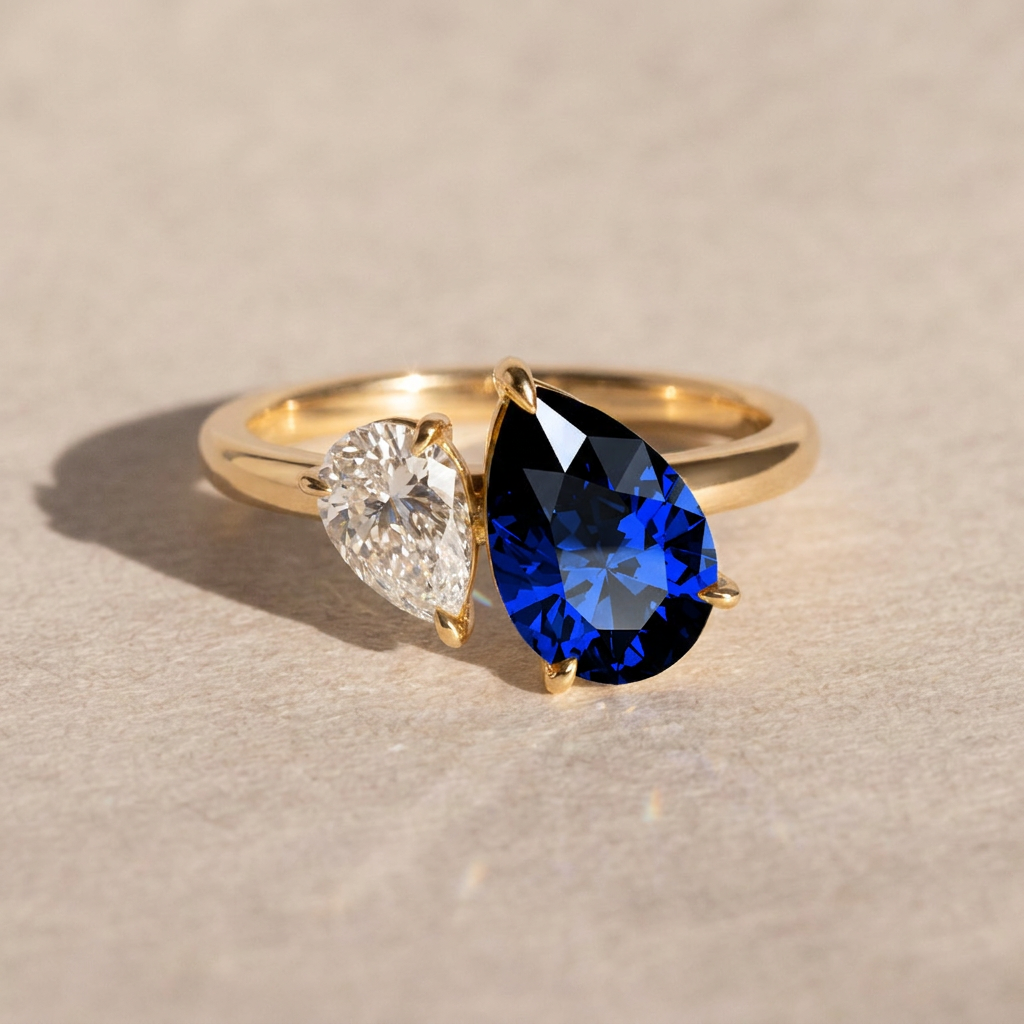
Another major factor is gemstones. Adding diamonds or other stones can quickly increase the price, especially if they are larger, higher quality, or set in intricate patterns like pavé or eternity styles.
Craftsmanship and design complexity also play a role. A simple polished band is much cheaper than a handcrafted vintage-inspired piece. Finally, brand reputation and where you buy the ring—boutique jeweler vs. online store—can influence the price as well.
Wedding Band Styles
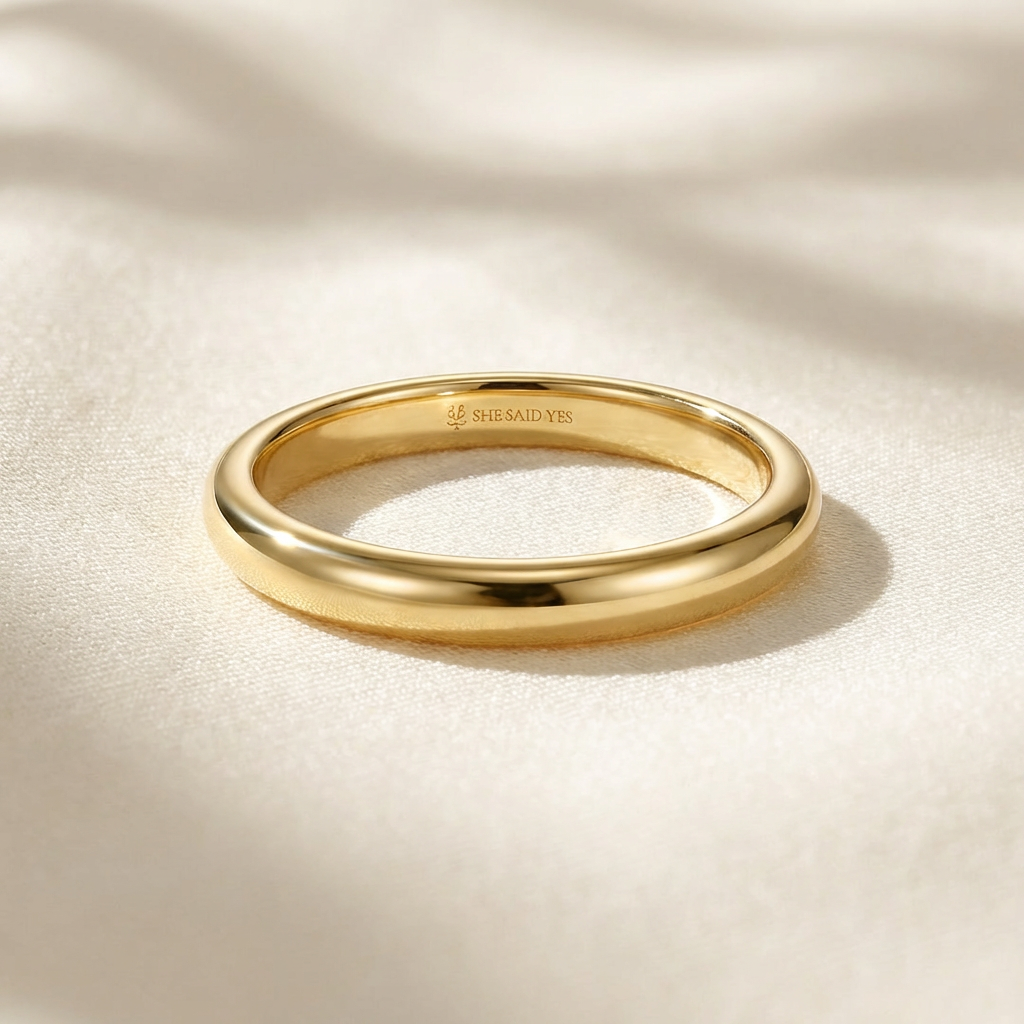
Classic Bands
Classic bands are simple, timeless rings, usually made of gold, silver, or platinum, with no gemstones. Their clean design keeps costs low, often starting around $300.
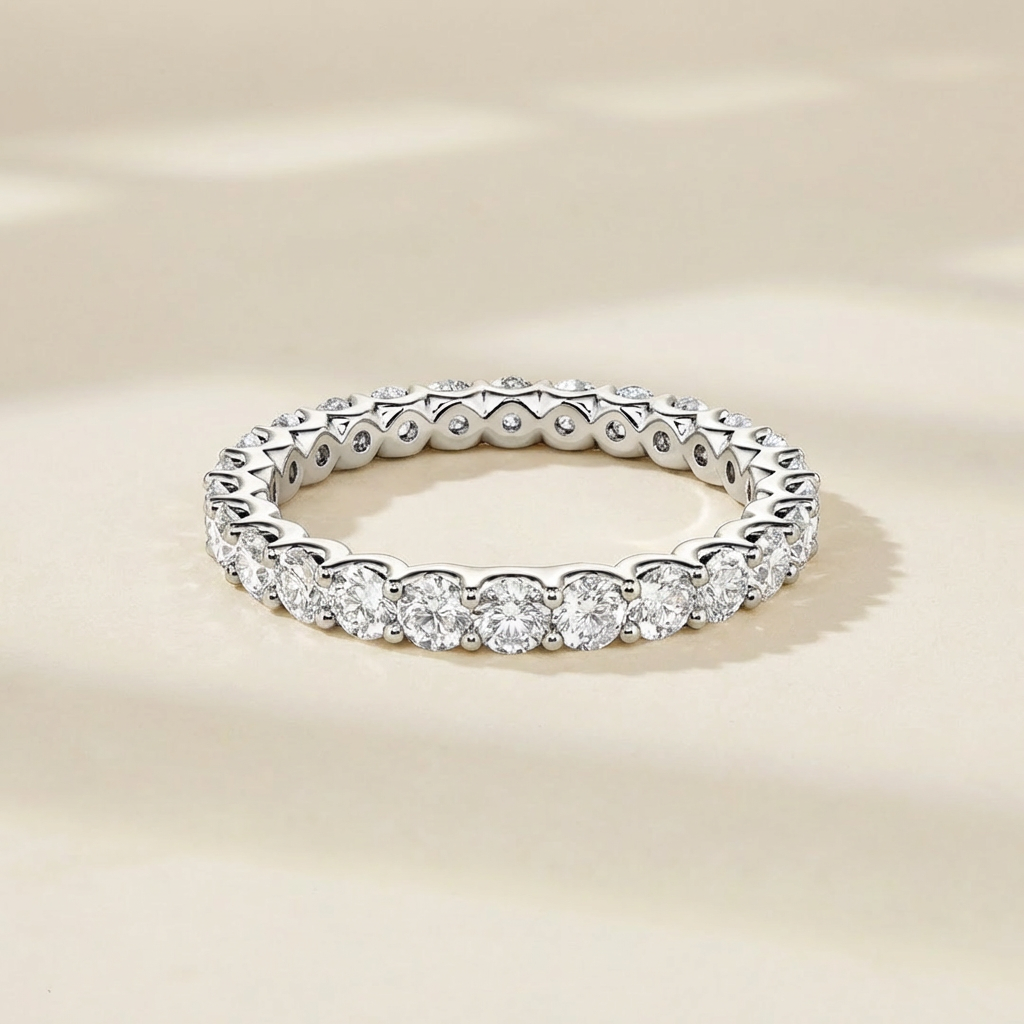
Eternity Bands
Eternity bands feature diamonds all the way around the ring. Because they require more stones and careful setting, they are among the most expensive options. Prices often start at $1,500 and can climb much higher depending on diamond quality.
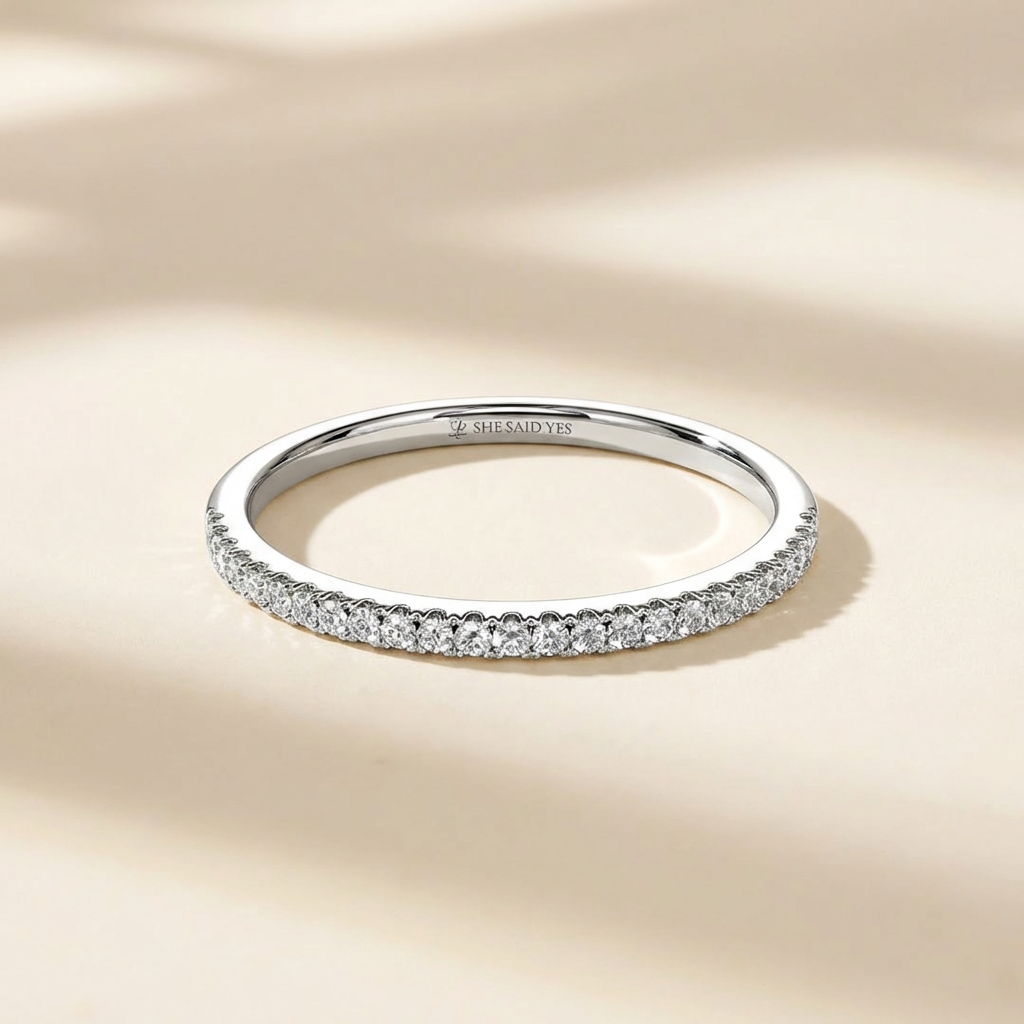
Pavé & Diamond Bands
Pavé bands feature small diamonds set closely together, creating a continuous, sparkling surface. They come in two main styles: full pavé, with stones all the way around the band, and half pavé, where diamonds cover only the front for comfort and easier resizing. Pavé rings offer a balance of luxury and affordability, typically ranging from $800 to $2,500 depending on metal, total diamond carat weight, and craftsmanship.
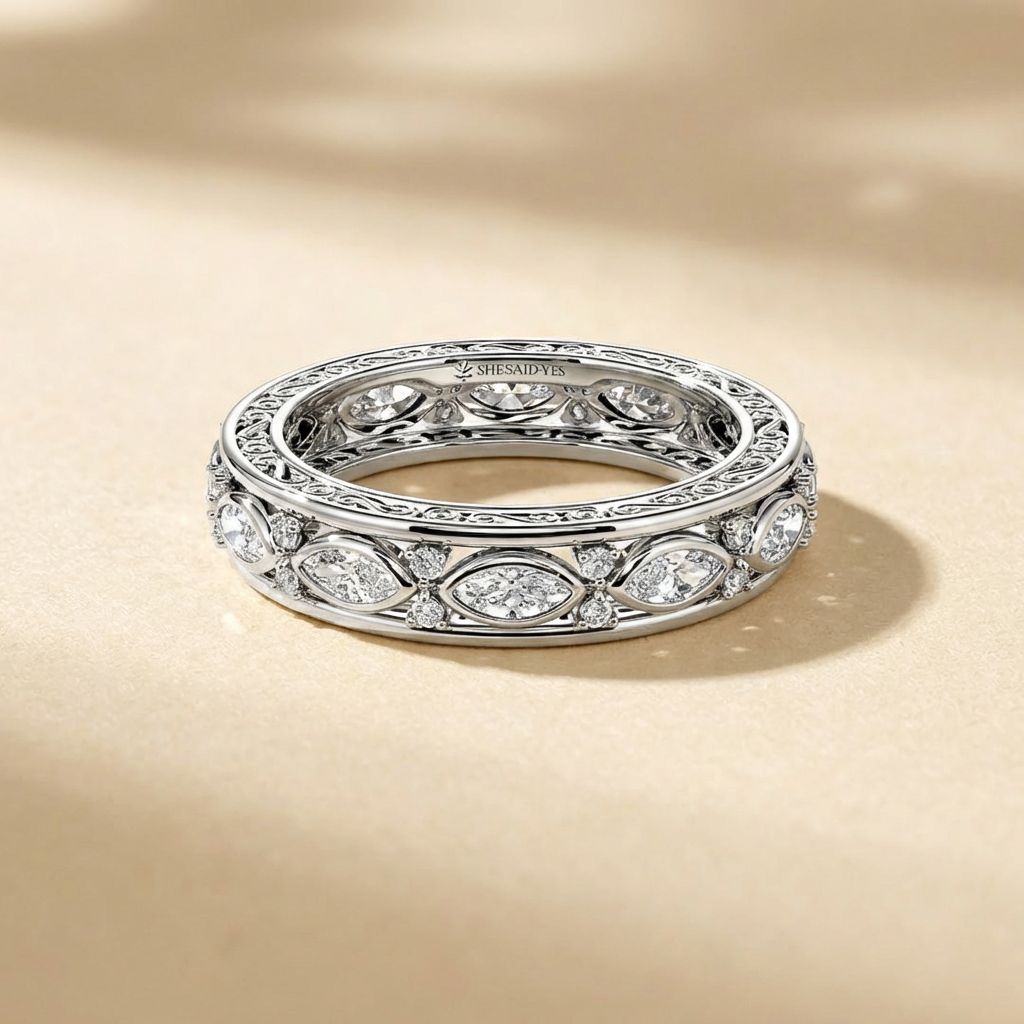
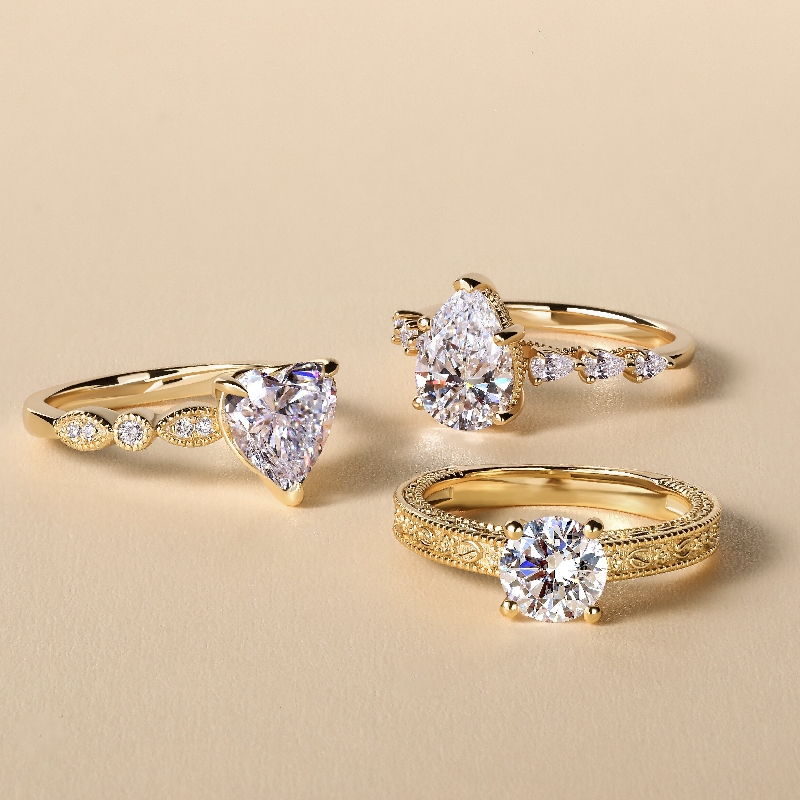
Vintage & Custom Styles Bands
If you want something unique, vintage-inspired or custom designs are appealing. Vintage-style bands often feature intricate details, filigree, or milgrain edges inspired by past eras. These designs usually involve detailed craftsmanship, which increases labor costs. Expect to pay a premium for originality.
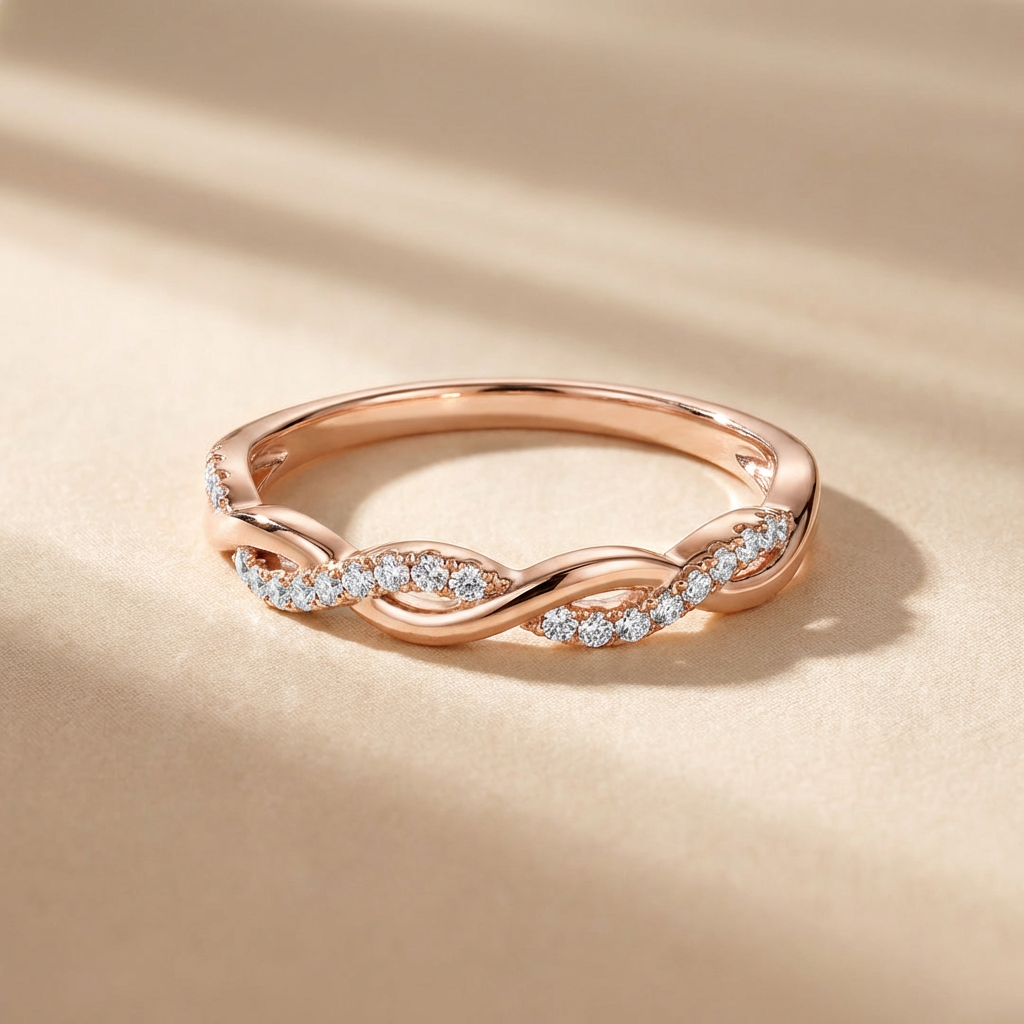
Twisted Bands
Twisted or braided designs add visual interest without necessarily requiring diamonds. Twisted bands feature intertwined or braided metal strands, creating a unique, textured look that stands out from a simple band. Pricing varies, but they’re generally mid-range due to their more complex structure.
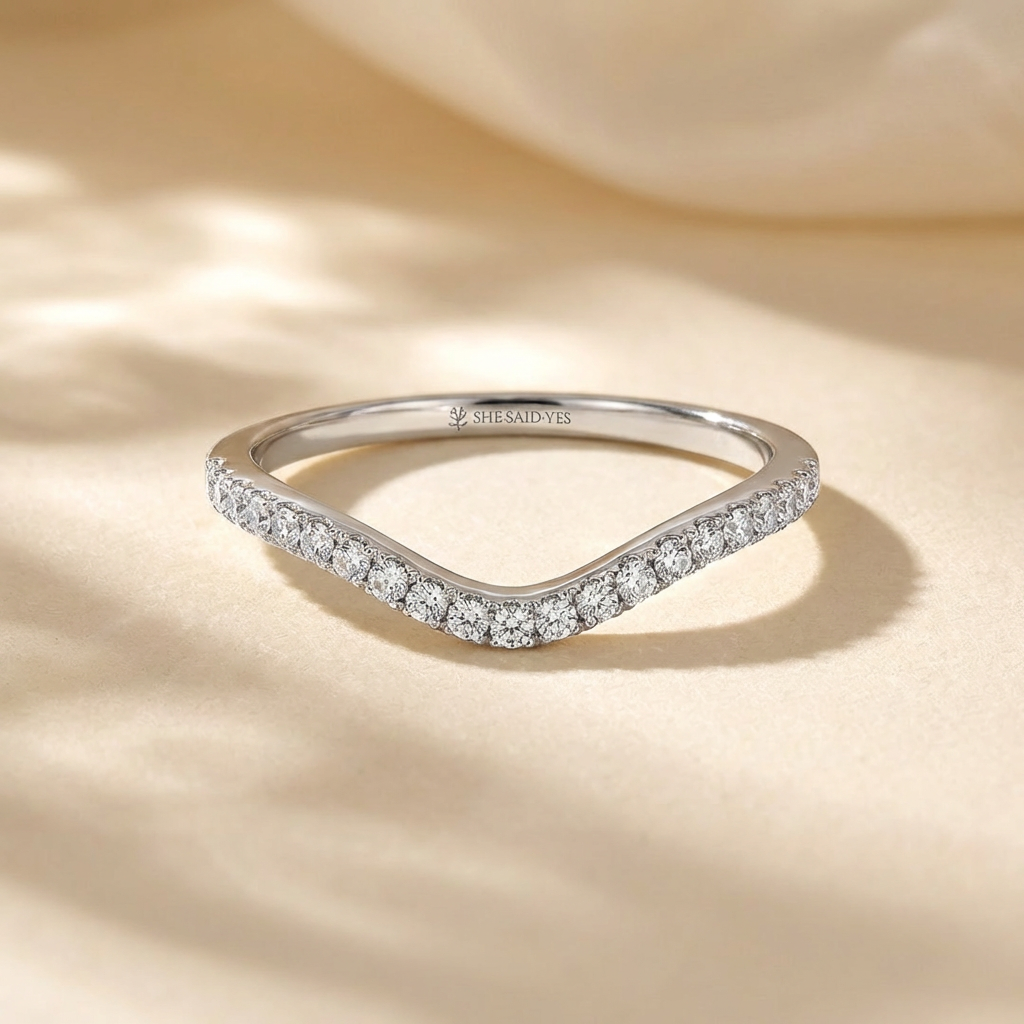
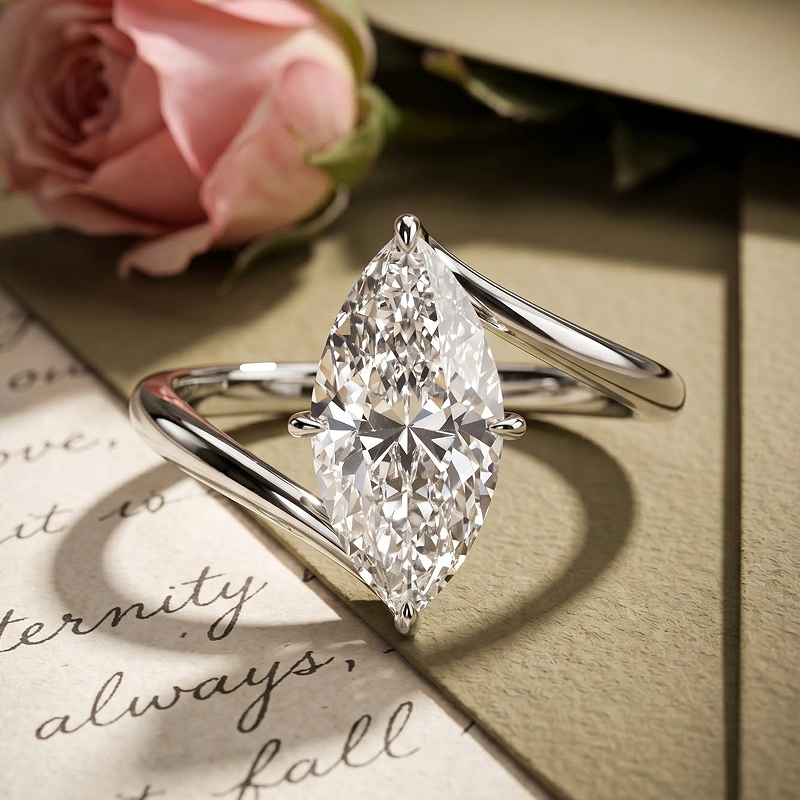
Curved/Open Bands
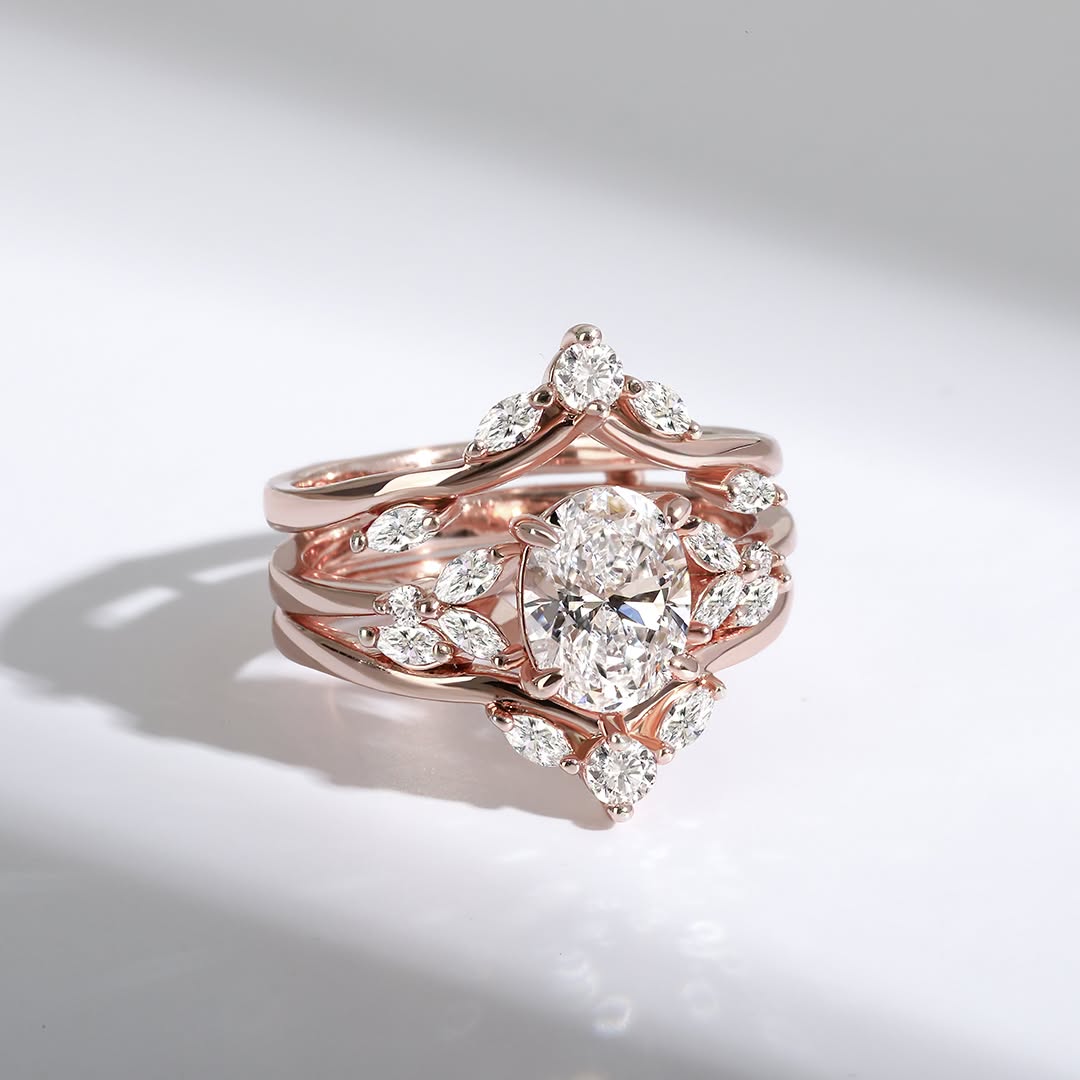
These are designed to fit around your engagement ring. Curved or open bands feature a contoured or split design that hugs the engagement ring, creating a seamless and complementary look. While not always expensive, their specialized shape can add to the cost depending on customization.
Tip: If you love the look of a band but want to keep costs more manageable, consider lab-grown diamonds. They offer the same brilliance and durability as natural diamonds at a fraction of the price, making it easier to get a stunning all-around sparkle without breaking your budget.
Best Metal Options Ranked by Price
The metal you choose for your band is the primary driver of the “base price.” You aren’t just paying for the look; you’re paying for the weight, purity, and durability of the material.
10k vs. 14k vs. 18k Gold
Gold is the most traditional choice, but you have options.
10k Gold: This is about 41% pure gold, making it the most affordable option among the three. It is very durable and resistant to scratches due to its higher alloy content, but it has a paler yellow color compared to higher karat gold.
14k Gold: This is roughly 58% pure gold. It is highly durable and more cost-effective. If you have an active lifestyle, you might actually prefer this because it is harder and more scratch-resistant than 18k.
18k Gold: This is 75% pure gold. It has a richer, more saturated yellow color, but it is softer and more expensive. You’ll typically pay a 20–30% premium for 18k gold over 14k.
Platinum: The Premium Choice
You will notice that platinum bands are significantly more expensive than gold—often double the price. While platinum and white gold look similar to the naked eye, platinum is much denser and heavier. Because jewelry is often priced by weight, the sheer mass of a platinum ring drives the cost up. Additionally, platinum is more durable and hypoallergenic, making it a “forever” metal that won’t wear away over decades.
Alternative Metals
If you are on a strict budget, you might consider alternative metals like titanium or tungsten. While these are more common for men’s bands, many designers are creating sleek, modern options for women. These can often be found for under $200, though they usually cannot be resized.
How to Choose Based on Your Lifestyle
When choosing a wedding band, your daily activities and lifestyle should be the primary considerations. For those who work with their hands, exercise frequently, or lead an active lifestyle, selecting a durable metal such as platinum or titanium is advisable. Avoid delicate settings or protruding stones that can snag or become damaged. Similarly, if you frequently engage in tasks that put pressure on your hands, consider lower-profile designs that are less likely to catch or wear unevenly.
Comfort and practicality are also essential factors. If you rarely remove your ring, look for smooth edges, rounded profiles, or “comfort fit” bands that reduce pressure on the finger. Some individuals prefer pairing a simple, sturdy band for daily wear with a more decorative or diamond-studded option for special occasions. Ultimately, the right wedding band should combine durability, comfort, and personal style, allowing you to wear it confidently every day.
Matching Your Wedding Band with Your Engagement Ring
Many people choose a wedding band that complements their engagement ring. This doesn’t mean they have to match perfectly, but they should look harmonious together.
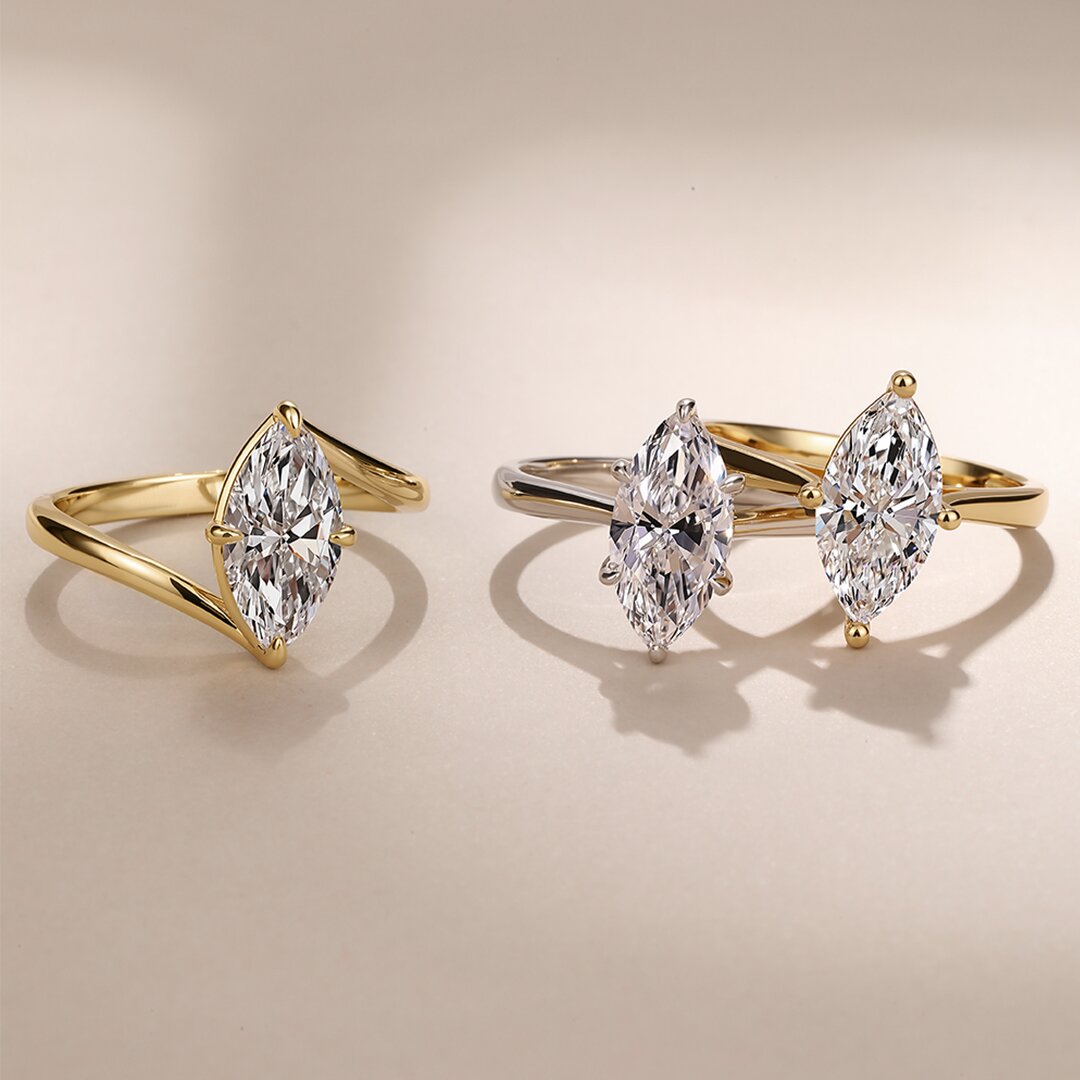
If your engagement ring is elaborate, a simple band can balance it out. If it’s minimal, you might choose a band with diamonds to add contrast. Pay attention to metal color as well—mixing metals can look stylish, but it should be intentional.
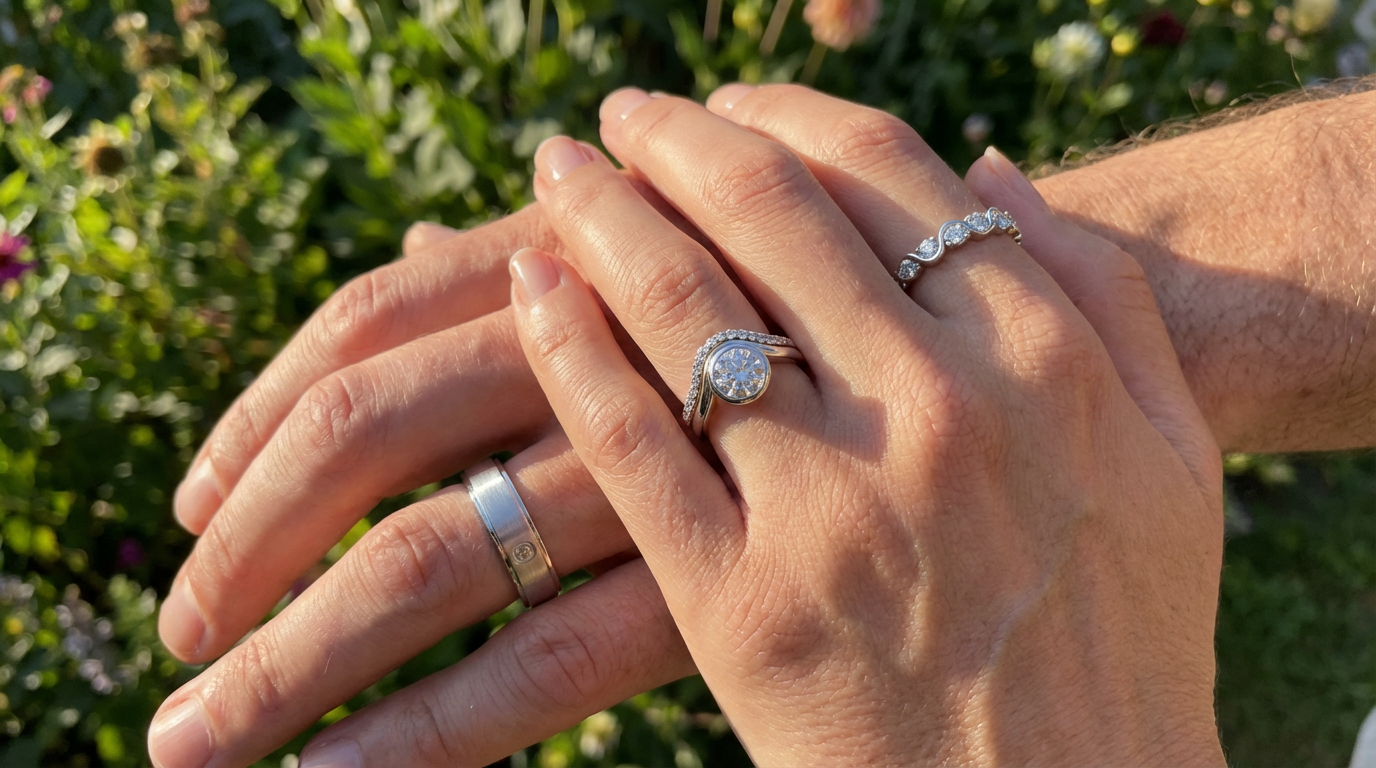
You can also consider buying a matching set or having a custom band designed to fit your engagement ring perfectly.
How to Save Money on a Wedding Band
Saving money doesn’t mean sacrificing style. Here are a few practical ways to stay within budget:
- Choose 10K、14K gold instead of 18K for a similar look at a lower price
- Opt for lab-grown diamonds, which are more affordable than natural ones
- Keep the design simple—minimalist styles are timeless and cost less
- Shop online to compare prices and find better deals
- Buy during sales or promotions, especially around holidays
Small decisions can add up to significant savings without compromising quality.
The Emotional Cost vs. The Financial Cost
At the end of the day, the cost of a wedding band is more than just the sum of its parts. It’s a symbol of your commitment. While it’s smart to be financially savvy, don’t let the hunt for the “best deal” cause you stress.
The most expensive ring isn’t necessarily the best ring. The best ring is one that fits your lifestyle, your aesthetic, and your budget. Whether you choose a simple $300 titanium band or a $3,000 diamond-encrusted platinum ring, the value lies in what it represents—not the price tag.
Your wedding band is a lifelong companion. Make sure it’s one you can afford to love.