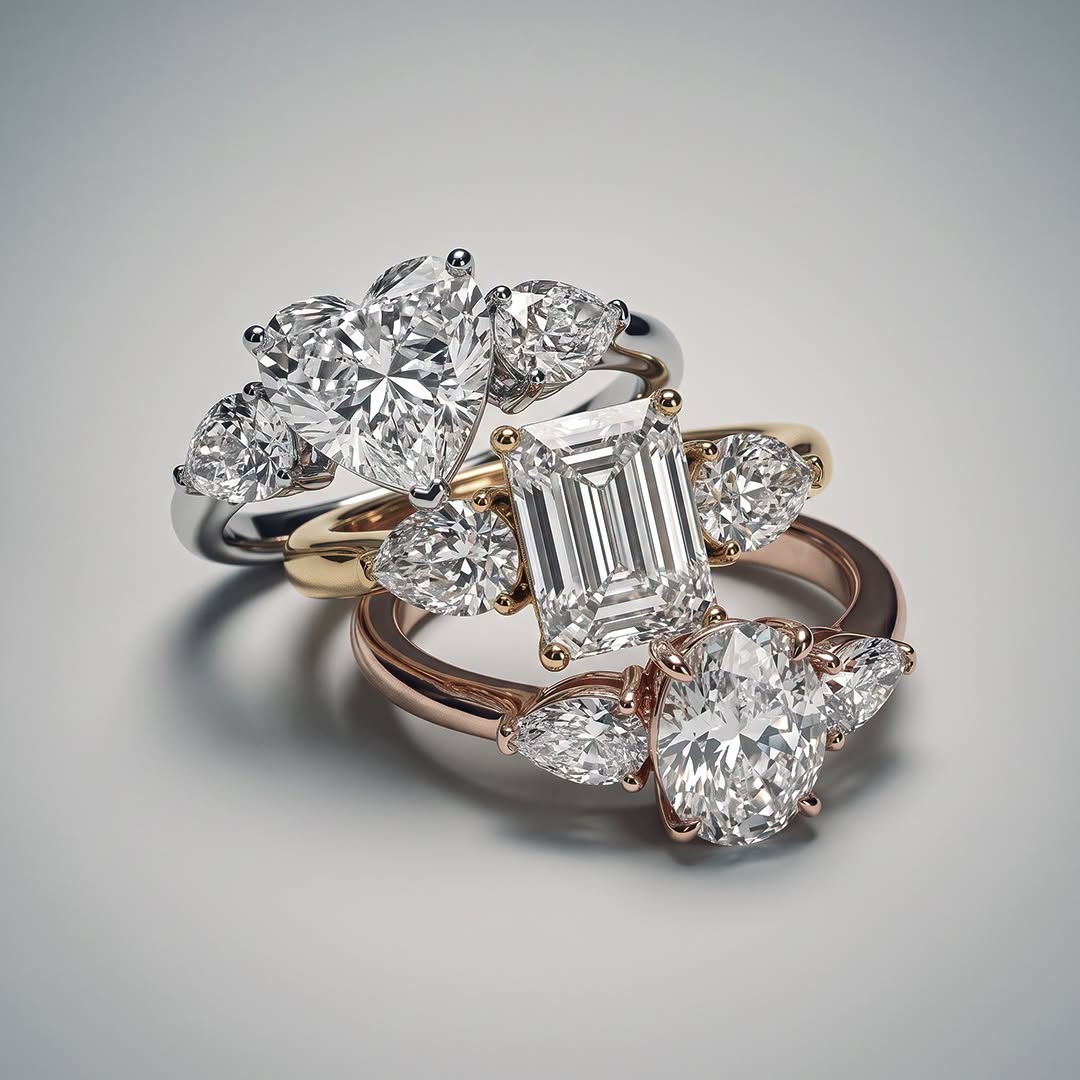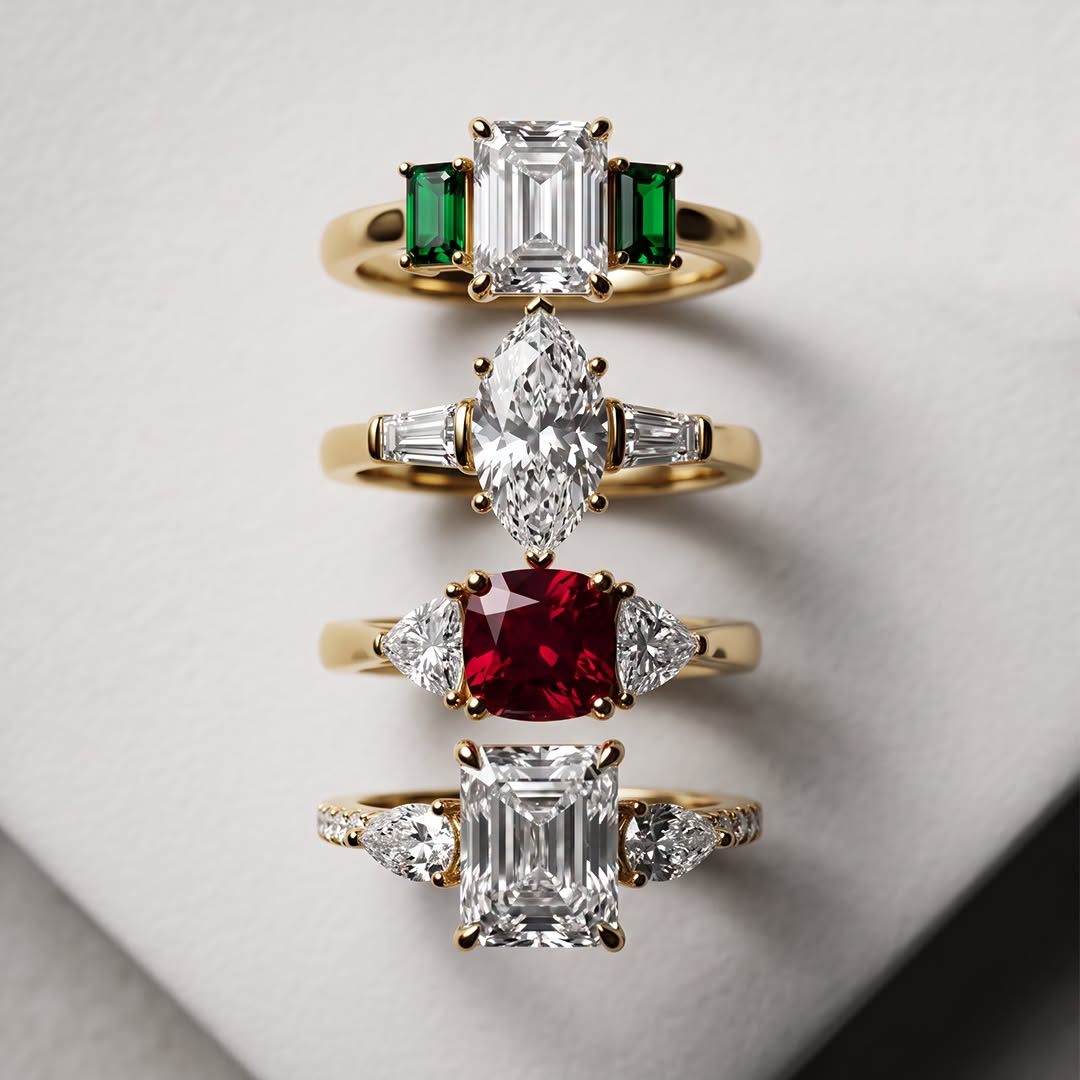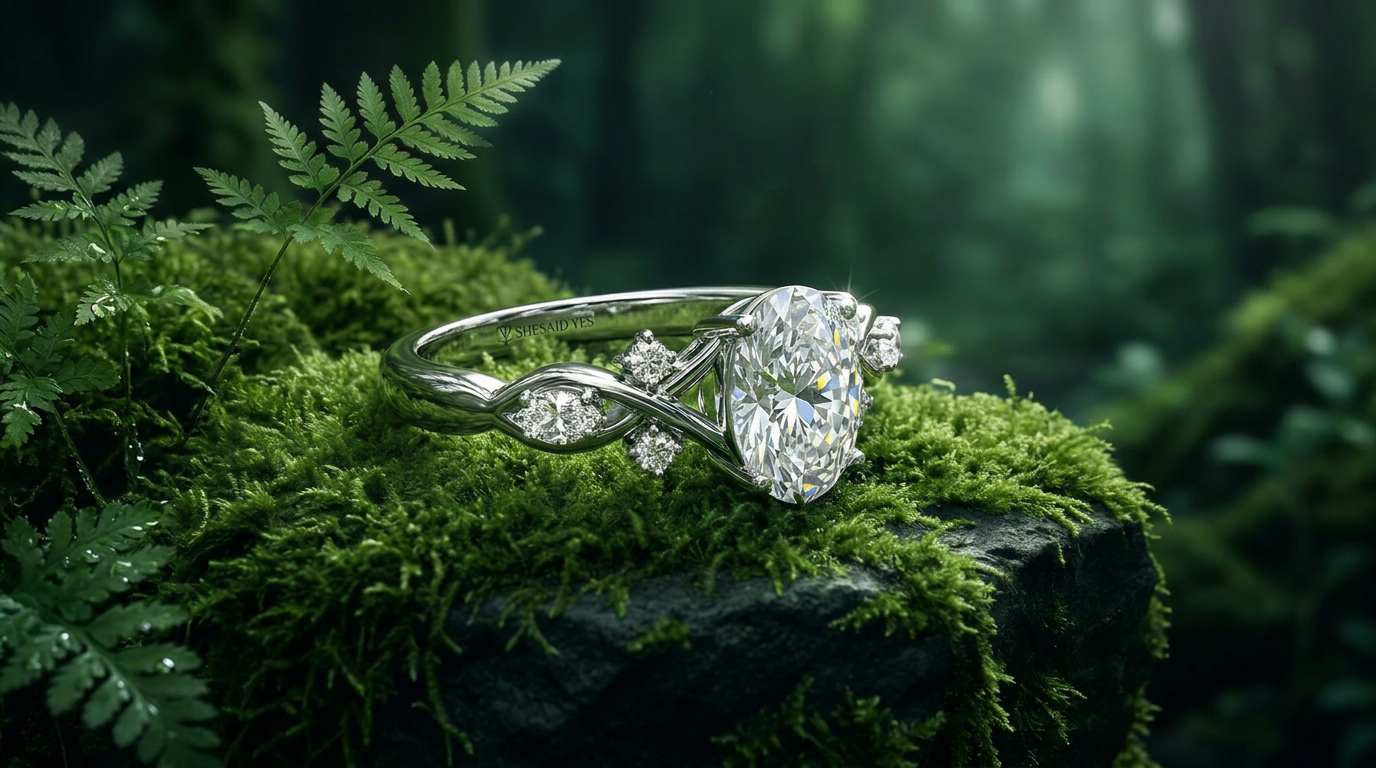
Diamonds have long symbolized love, commitment, and celebration. Their brilliance and durability make them one of the most desired gemstones in the world. Yet alongside their beauty, diamonds have also carried a darker reputation due to the history of so-called “blood diamonds” or “conflict diamonds.”
For today’s buyers, ethical sourcing matters just as much as sparkle. Whether you are shopping for an engagement ring, anniversary gift, or investment piece, understanding how to avoid blood diamonds can help you make a more responsible purchase with confidence.
What Are Blood Diamonds?
Blood diamonds are diamonds mined in conflict areas and sold to finance violence or armed groups. The term has nothing to do with the color of the stone itself. Instead, it refers to the human suffering connected to parts of the diamond trade in the past.
While conflict diamonds now make up only a small portion of the global market, ethical concerns around mining, labor conditions, and sourcing transparency still influence how many people shop for jewelry today.
If you want peace of mind when buying a diamond, taking a few extra steps can help you avoid questionable sourcing and make a more informed decision.
Choose a Jeweler You Can Trust
One of the easiest ways to avoid blood diamonds is to buy from a reputable jeweler with clear sourcing policies.
A trustworthy jeweler should be comfortable answering questions about:
- Where the diamond comes from
- How the stone was sourced
- Whether the diamond is conflict-free
- Which certification standards are used
- Their environmental or labor practices
If the answers feel vague or overly defensive, that’s usually a sign to keep looking.
Before buying, spend some time researching the company online. Customer reviews, sourcing policies, and transparency about suppliers can tell you a lot about how seriously a jeweler takes ethical practices.
Many established jewelers also provide written guarantees confirming compliance with the Kimberley Process and other industry standards designed to reduce the trade of conflict diamonds.rency matters more than ever. Reading customer reviews, researching company policies, and comparing certifications can help you identify retailers with strong reputations for ethical sourcing.
Always Ask for Certification
A diamond should always come with proper certification from an independent grading laboratory.
Organizations like the Gemological Institute of America and the International Gemological Institute are among the most recognized names in the industry.
A grading report confirms important details such as: cut、color、clarity and carat weight. Certification alone does not guarantee ethical sourcing, but it does provide transparency and helps confirm that the diamond matches what you are paying for.
You should also compare the report details with the actual stone to make sure everything is consistent.ave no issue providing documentation and explaining the information included in the certificate.
Be Careful with Vintage and Secondhand Diamonds
Vintage jewelry can be beautiful, unique, and full of character. However, older diamonds are sometimes harder to trace because they entered the market before modern sourcing standards became common.
That does not automatically mean the diamond is unethical, but documentation may be limited or unavailable.
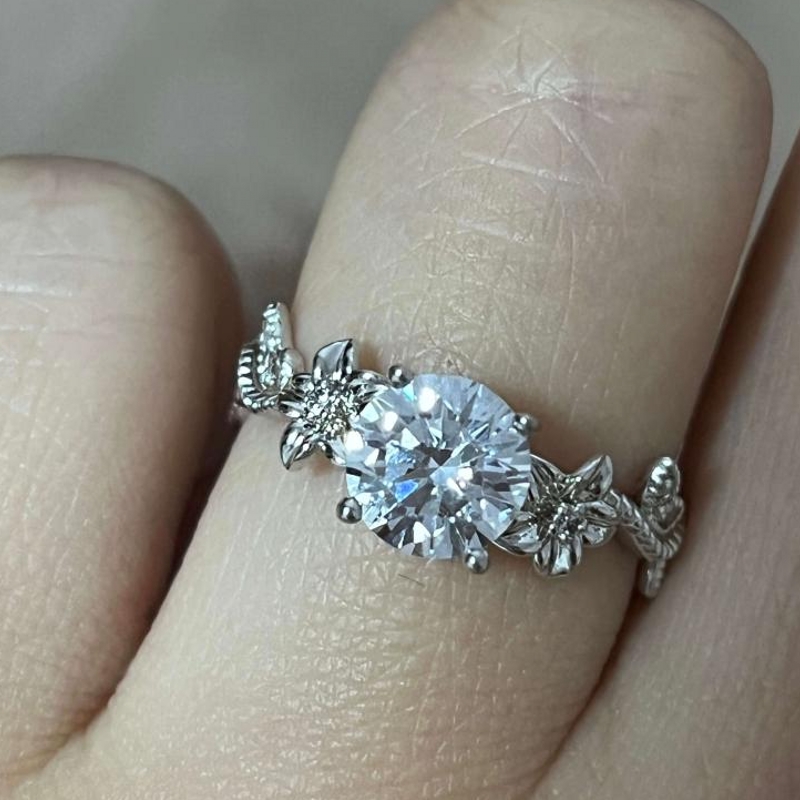
If you love vintage-inspired designs but still want reassurance about sourcing, a good option is to choose a newly sourced conflict-free diamond placed into a vintage-style setting. That way, you can enjoy the classic look without the uncertainty.
Consider Lab-Grown Diamonds
If ethical sourcing is one of your biggest concerns, lab-grown diamonds may be worth considering.
Unlike mined diamonds, lab-created diamonds are produced in controlled laboratory environments instead of being extracted from the earth. Because of this, they are generally viewed as a conflict-free alternative.
Lab-grown diamonds have the same physical and chemical properties as natural diamonds, but they often cost less. That price difference allows you to choose a larger stone or higher quality without stretching your budget as much.
Even so, it’s still important to buy from a reputable seller. Certification, transparency, and quality standards matter whether the diamond is natural or lab-grown.
Consider Moissanite as an Alternative
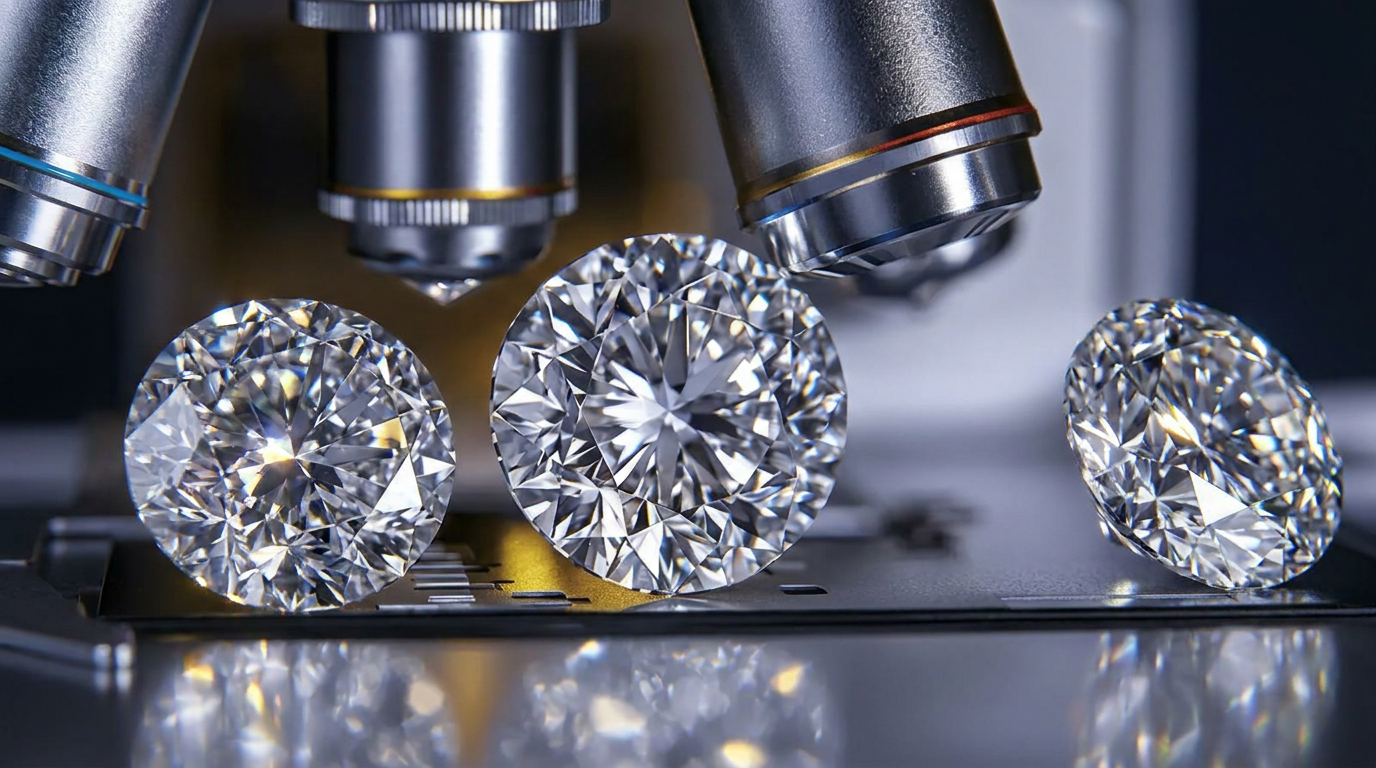
If you want something beautiful, durable, and more budget-friendly, Moissanite is another option worth looking into.
Modern moissanite is created in laboratories, making it a conflict-free choice that avoids many of the concerns tied to traditional diamond mining.
One reason many people choose moissanite is its brilliance. In certain lighting, it can even appear more sparkly than a diamond because of the way it reflects light.
It’s also durable enough for everyday wear, which makes it popular for engagement rings and fine jewelry.
Price is another major advantage. In most cases, moissanite costs significantly less than a comparable diamond, giving you more flexibility with size or setting design while staying within budget.
If your priorities include affordability, sustainability, and ethical sourcing, moissanite can be a strong alternative without sacrificing appearance.
Final Thoughts
Buying a diamond should feel exciting, not stressful. The good news is that avoiding blood diamonds is much easier today than it used to be. Better regulations, stronger certification systems, and more consumer awareness have pushed the jewelry industry toward greater transparency.The most important thing is to take your time, ask the right questions, and choose a piece that truly fits your values and expectations.
Whether you choose a natural diamond, a lab-grown diamond, or moissanite, what matters most is confidence in what you are buying—and knowing it reflects your own standards of beauty and responsibility.
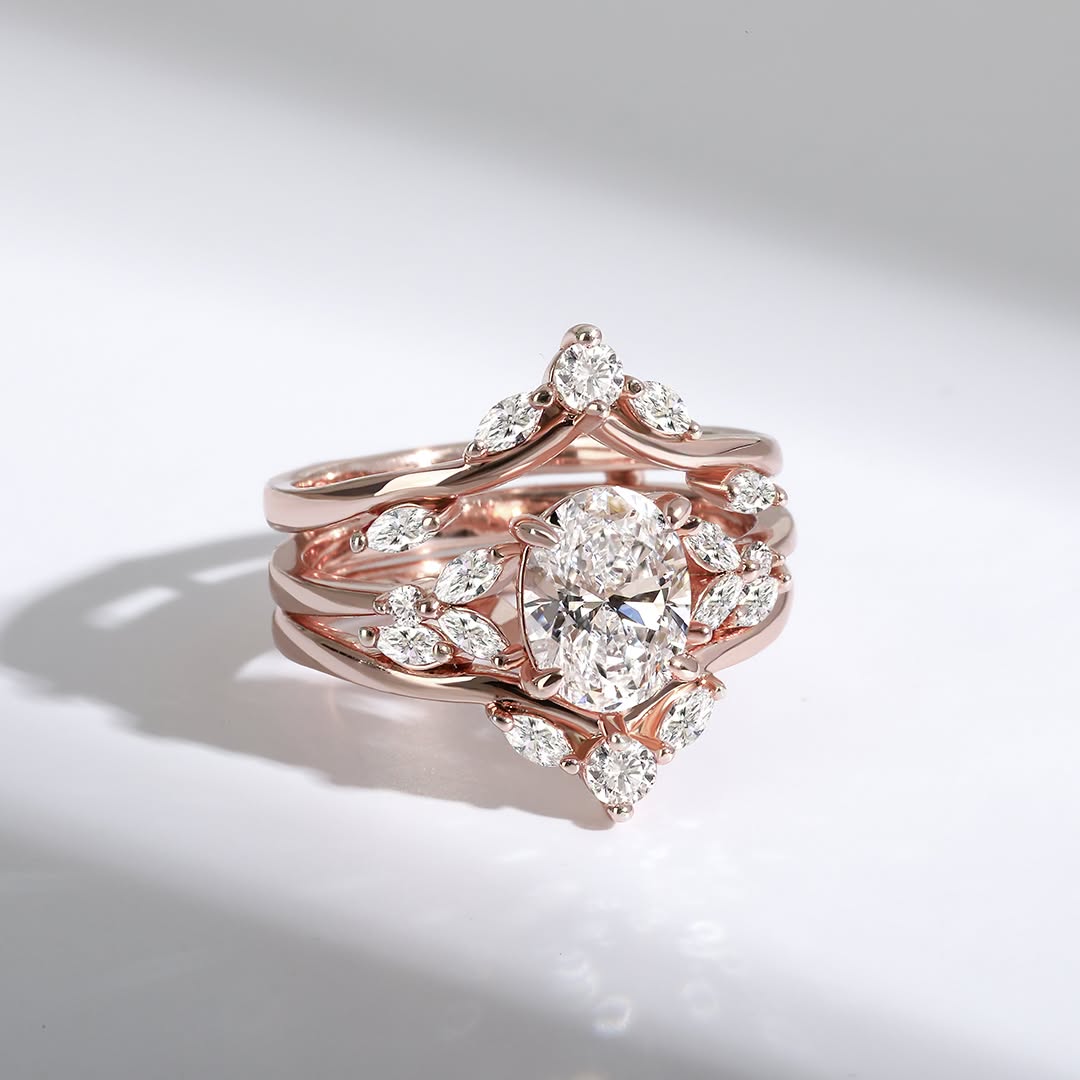
For those who prefer a more sustainable and modern approach, brands like SheSaidYes offer collections centered on lab-grown diamonds and moissanite, giving you more ethical and design-forward options to exploreA truly brilliant piece is not just about how it looks—it’s about how it aligns with the way you choose to buy it.