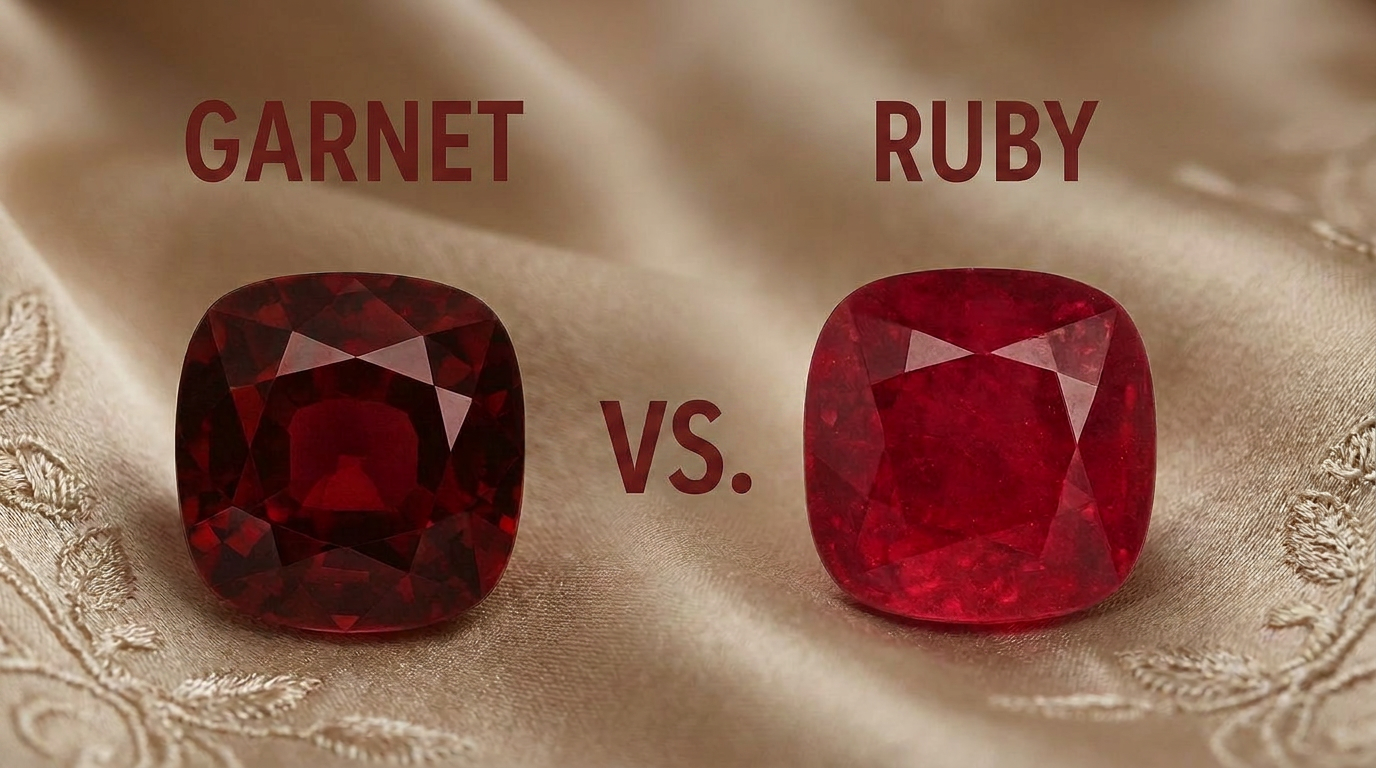
Red gemstones have a timeless appeal. Whether you are shopping for an engagement ring, a birthstone gift, or a piece you can wear every day, two stones often stand out: garnet and ruby. At first glance, they can look surprisingly similar. Both come in rich shades of red, both carry symbolic meaning, and both have been loved for centuries. But once you look closer, the differences become clear.
If you are trying to decide between garnet and ruby, this guide will help you understand how they compare in appearance, durability, value, symbolism, and everyday wear.
What Is a Garnet?
Garnet is more than just a deep red gemstone — it’s a diverse mineral family known for its rich colors and natural brilliance. While red is the most recognized shade, garnets can also appear in green, orange, purple, and even rare blue tones. Used in jewelry for centuries, garnet symbolizes protection, passion, and strength. As the birthstone for January, it remains a favorite for those who appreciate timeless style with a warm, vintage character.
What Is a Ruby?
Ruby is one of the world’s most prized gemstones, celebrated for its vivid red color and exceptional rarity. Belonging to the corundum family, ruby gets its signature hue from traces of chromium, ranging from soft pink-red to deep “pigeon blood” tones. For centuries, it has symbolized passion, power, and prosperity, often worn by royalty and collectors alike. With its rich color and timeless appeal, ruby remains a classic choice in fine jewelry and luxury design.
Garnet vs Ruby: Side-by-Side Comparison
Here is how the two stack up across the factors that matter most when you are shopping.
| Factor | Garnet | Ruby |
| Mineral family | Silicate group | Corundum |
| Hardness (Mohs) | 6.5–7.5 | 9 |
| Color range | Red, green, orange, purple | Red only |
| Typical red tone | Dark red, brownish-red, wine | Vivid red, pinkish-red, pigeon blood |
| Refractive index | 1.72–1.89 | 1.76–1.77 |
| Price per carat | $10–$500 | $1,000–$100,000+ |
| Birthstone month | January | July |
| Treatment | Usually untreated | Commonly heat-treated |
| Daily wear suitability | Moderate | Excellent |
The gap that matters most for most buyers is hardness. Ruby’s 9 on the Mohs scale means it can handle daily wear, bumps against doorframes, and years of normal use without showing scratches. Garnet, at 6.5–7.5, is more vulnerable to surface wear over time. If you are choosing a stone for a ring you will wear every day, that difference is not a detail — it is the deciding factor.
How to Tell Garnet from Ruby
If you are looking at a red stone and wondering which one it is, here are three practical ways to tell them apart.
Check the color tone
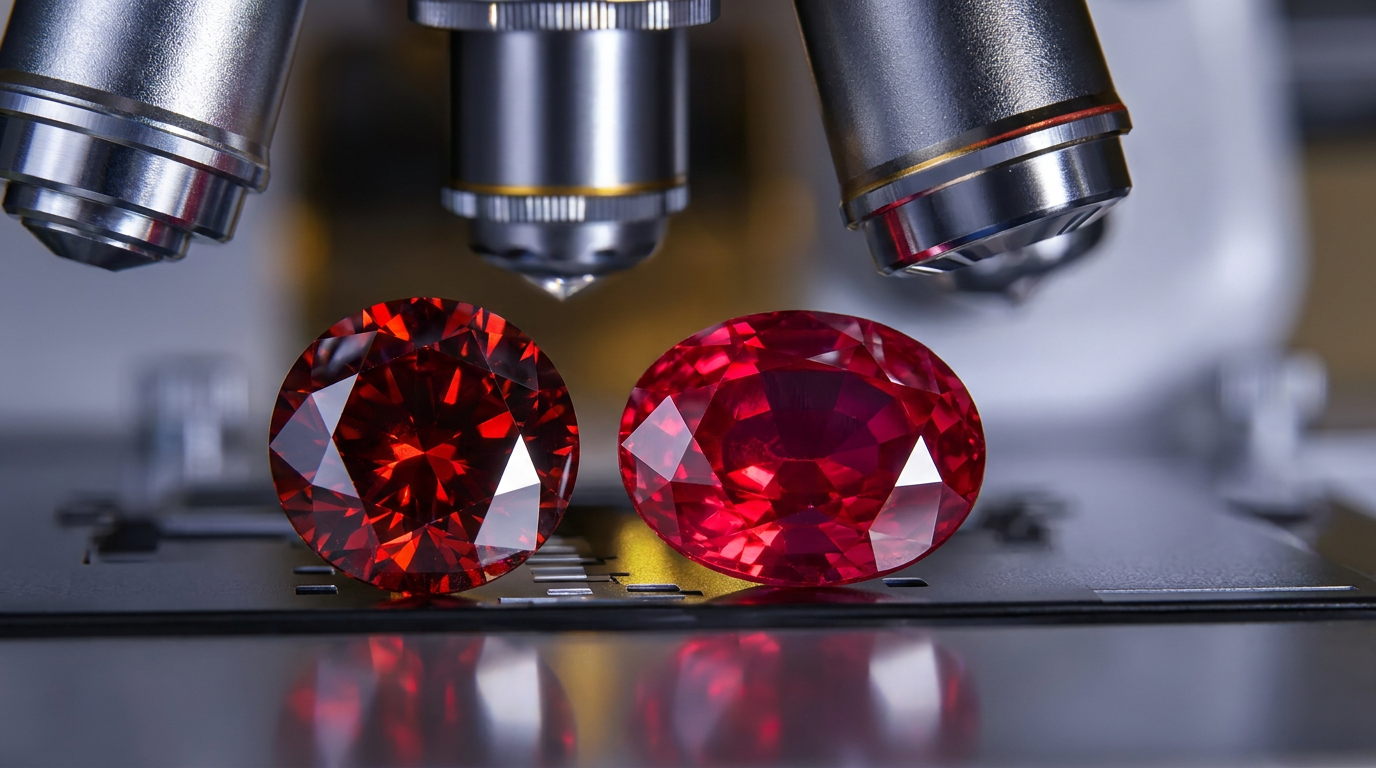
Garnet tends toward darker, warmer reds — think wine, brick, or brownish-red. Ruby leans brighter and more vivid, often with pinkish or slightly bluish undertones. If the stone looks earthy and muted, it is probably garnet. If it looks electric and glowing, it is more likely ruby.
Try the light test
Hold the stone under natural daylight or a bright white light. A garnet will reflect small flashes of yellow and green. A ruby absorbs those wavelengths, so you will not see them. This is a simple trick that works surprisingly well without any special equipment.
Look for fluorescence
Rubies often fluoresce under UV light due to their chromium content — they glow a faint red. Garnets do not fluoresce. If you have access to a UV light (even a flashlight version), this is one of the more reliable at-home tests.
When in doubt, a certified gemologist can give you a definitive answer. Reputable jewelers will also provide certification for rubies above a certain value, which removes any guesswork.
Which One Should You Choose?
The right pick depends on what you need the stone to do.
For an engagement ring or daily-wear ring
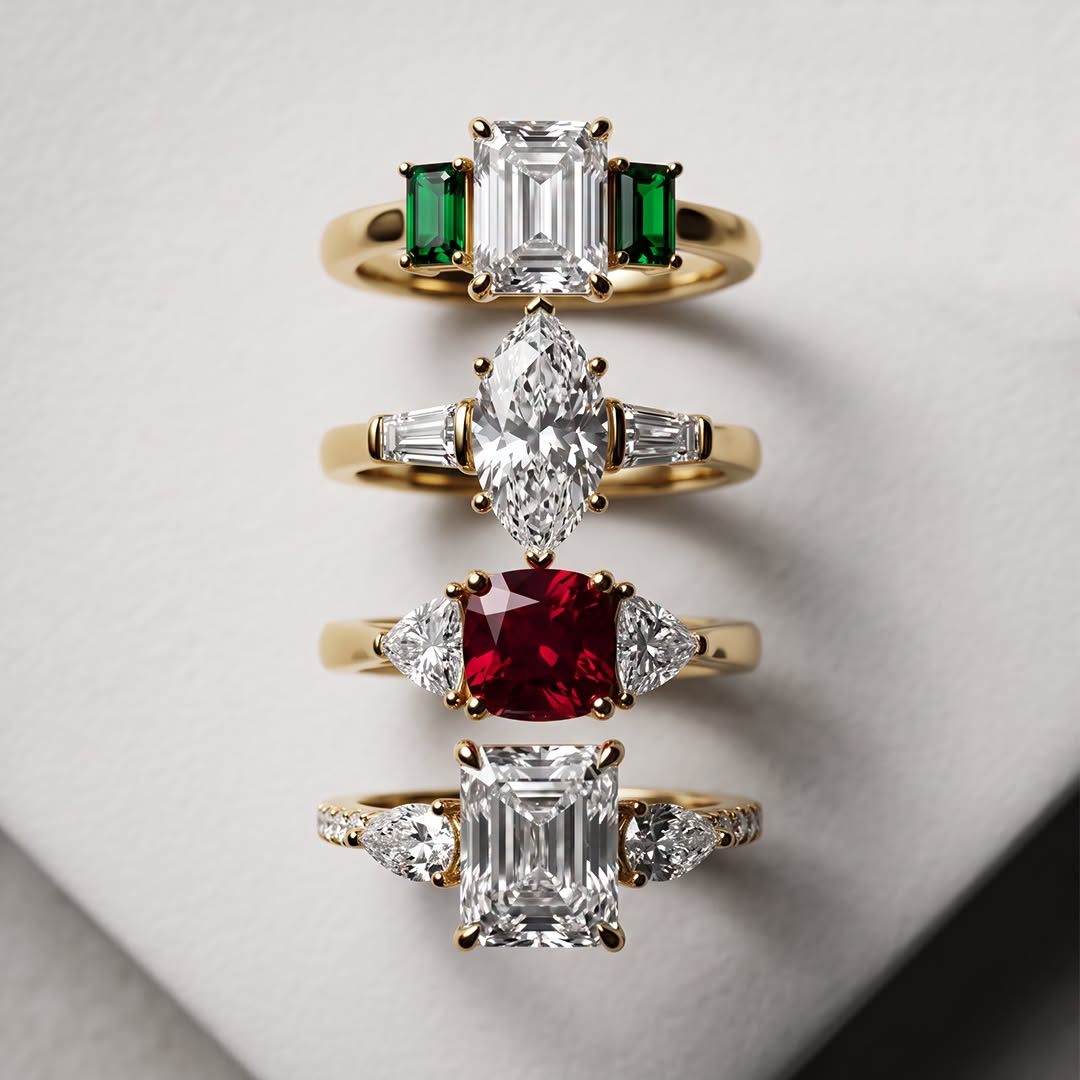
Choose ruby. The hardness advantage is real. A ruby will hold its polish and resist scratches for decades, making it one of the most reliable gemstones for long-term wear, while a garnet ring worn daily will show wear faster—fine for a fashion piece, but less ideal for something you never take off. This is especially important for engagement rings and everyday jewelry, where durability truly matters. Ruby’s strength, vivid color, and timeless symbolism make it a natural choice for ruby engagement rings, especially for pieces designed to be worn daily for a lifetime.
For a bold look on a budget
Choose garnet. You can get a large, eye-catching stone for a fraction of what a comparable ruby would cost. Garnet rings, earrings, and pendants offer rich color that stands out in any setting.
If you love red but want value
Consider a lab-grown ruby. You get the same hardness, the same chemical structure, and the same vivid red appearance as a natural ruby — typically at 20–30% of the price. It is the smartest middle ground if your heart is set on ruby but your budget says otherwise. In everyday wear, both lab-grown ruby and garnet can be chosen more freely based on color preference and personal style.
If you want something genuinely unique
Look into garnet varieties beyond the standard red. Tsavorite garnet (green) and demantoid garnet (green with exceptional fire) are stunning, rare, and still more affordable than most rubies of comparable visual impact.
FAQ
Can garnet and ruby look the same?
They can look similar in photos or from a distance. Up close, ruby appears brighter and more vivid, while garnet looks darker and earthier. If you are unsure, a gemologist can identify the stone in minutes.
Is garnet a good alternative to ruby?
Yes, if daily hardness is not your top priority. Garnet gives you a rich red at a much lower price and works beautifully in earrings, pendants, and occasional rings. For an engagement ring you wear every day, ruby’s durability makes it the better long-term choice.
Which is harder, garnet or ruby?
Ruby is significantly harder. It scores 9 on the Mohs scale compared to garnet’s 6.5–7.5. That gap means ruby resists scratches far better and is more suitable for rings that take daily wear.
Can I use a garnet for an engagement ring?
You can, but it comes with trade-offs. Garnet will show scratches and surface wear faster than ruby or diamond. If you choose garnet for an engagement ring, pick a protective setting like a bezel, and be prepared to have it repolished occasionally.
Is a lab-grown ruby a real ruby?
Yes. Lab-grown rubies have the same chemical composition, crystal structure, and optical properties as natural rubies. The only difference is origin — one formed in the earth over millions of years, the other in a controlled laboratory environment. Most gemologists cannot tell them apart without specialized equipment.
For natural gemstones, the choice between garnet and ruby is ultimately about character versus prestige. Natural ruby stands out for its rarity, durability, and vivid color, making it a long-term investment piece often chosen for engagement rings and heirloom jewelry. Natural garnet, on the other hand, offers a more accessible price point and a wider range of warm, earthy tones, appealing to those who prefer individuality and vintage-inspired charm over rarity.
In the world of lab-grown gemstones, the decision becomes even more flexible. Lab-grown ruby delivers the same chemical structure, hardness, and rich red color as natural ruby, but at a more approachable price, making it a practical option for everyday fine jewelry. Garnet, whether natural or lab-grown, is typically chosen for its color and style rather than technical performance, and both can be comfortably worn in daily jewelry based on personal preference. In this space, the focus shifts away from limitations and more toward aesthetics—allowing you to choose simply the shade and style you love most.