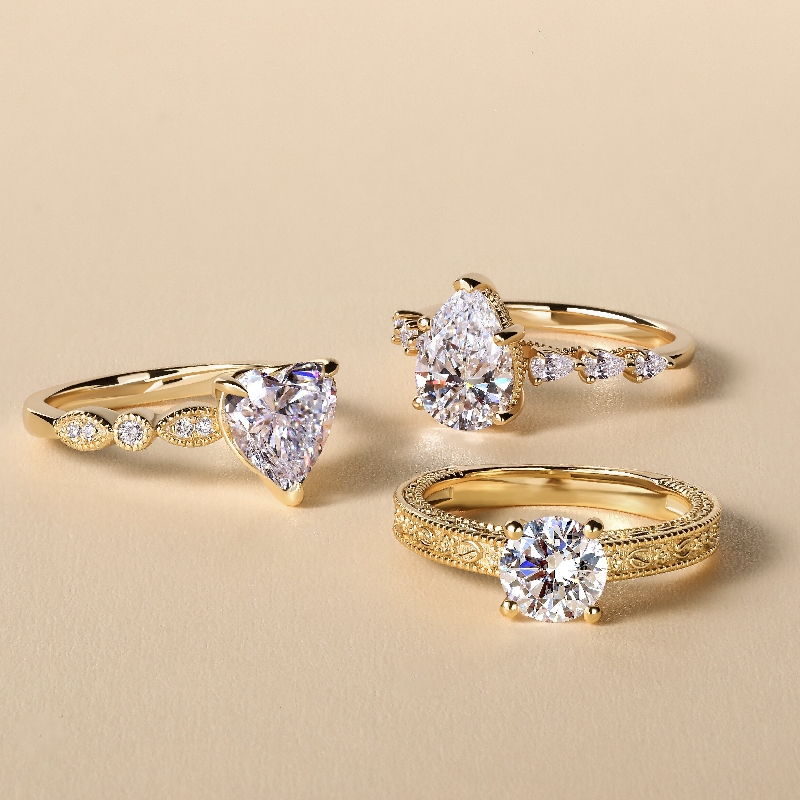
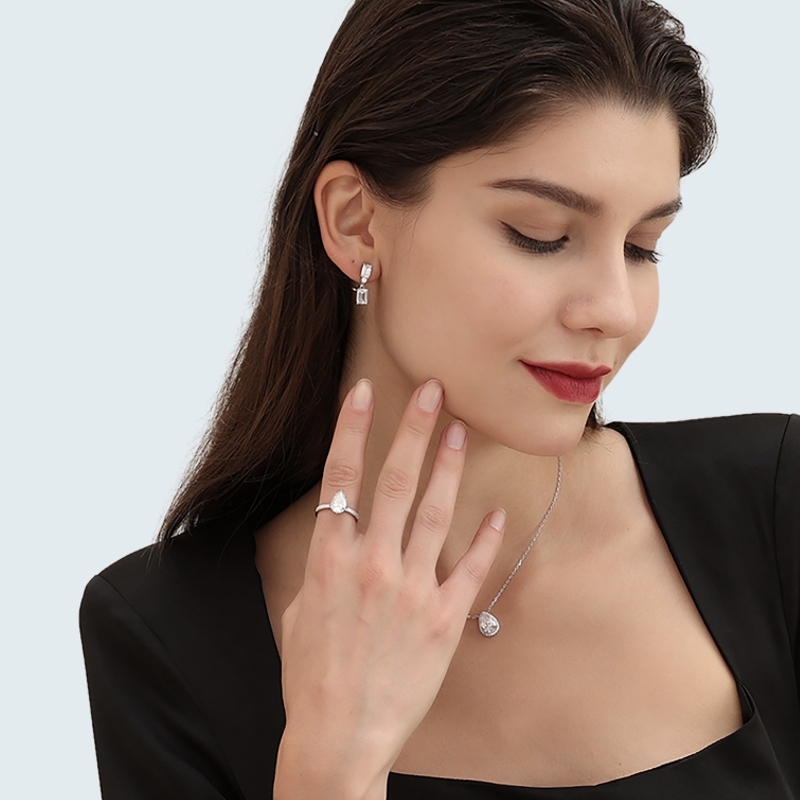
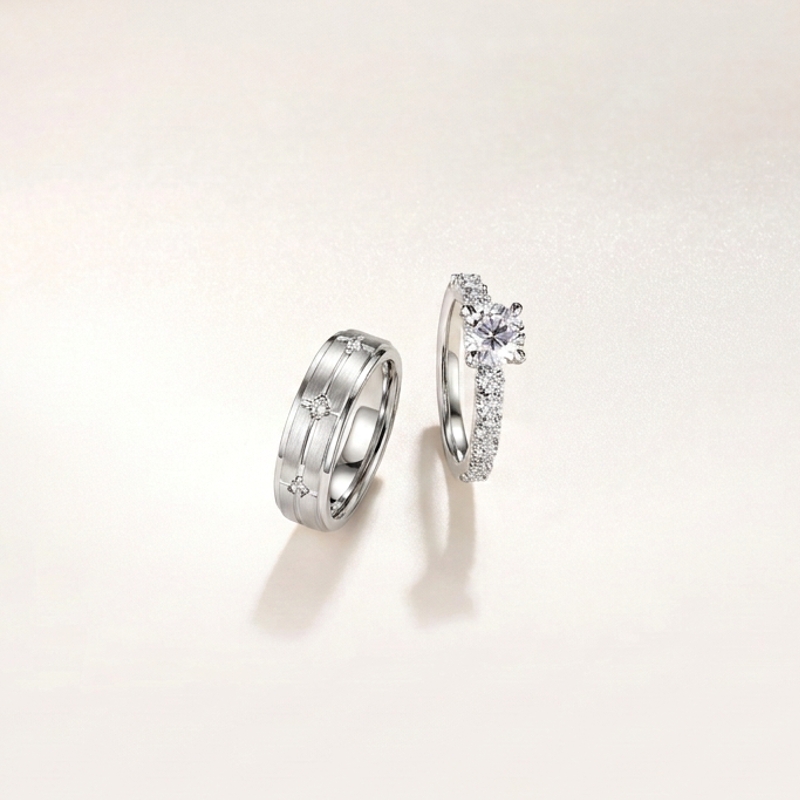
Vintage-inspired engagement rings blend old-world charm with modern wearability, drawing design cues from iconic jewelry eras. A vintage-inspired engagement ring is perfect for couples craving uniqueness and romantic history, prioritizing handcrafted details and era-specific motifs over mass-produced designs.
Unlike exact antique replicas, these timeless rings reimagine golden eras—like Art Nouveau, Art Deco, and Retro—for today’s lifestyles. This guide breaks down core styles, design details, and practical tips to help you choose the perfect vintage-inspired engagement ring.
What Is a Vintage-Inspired Engagement Ring?
Vintage-inspired engagement rings are modern pieces inspired by specific historical jewelry eras, roughly from the late 19th to the late 20th century. They capture the soul of vintage design while adjusting proportions, durability, and gemstone choices for contemporary wear. They avoid the fragility of true antique rings and amplify everyday practicality.
Key Differences Between Vintage-Inspired and Antique Rings
| Comparison Factor | Vintage-Inspired Rings | Antique Vintage Rings |
|---|---|---|
| Creation Type | Modern reproduction or inspiration, handcrafted or semi-handcrafted | Historical antique, fully handcrafted with collectible value |
| Durability | Designed for everyday wear with optimized metal and gemstone structures | Aged, requires professional care, prone to wear and oxidation |
| Price Range | Flexible, covering mid-to-high-end tiers | Priced by era, brand, and craftsmanship, generally higher |
| Shopping Difficulty | Abundant styles, easy to customize, fits modern aesthetics | Rare, hard to authenticate, requires professional knowledge |
Classic Vintage-Inspired Style Eras
Victorian Era (1837-1901)
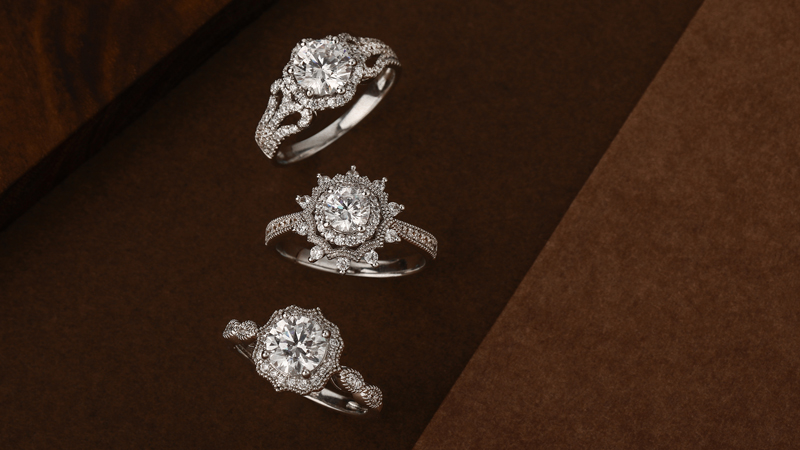
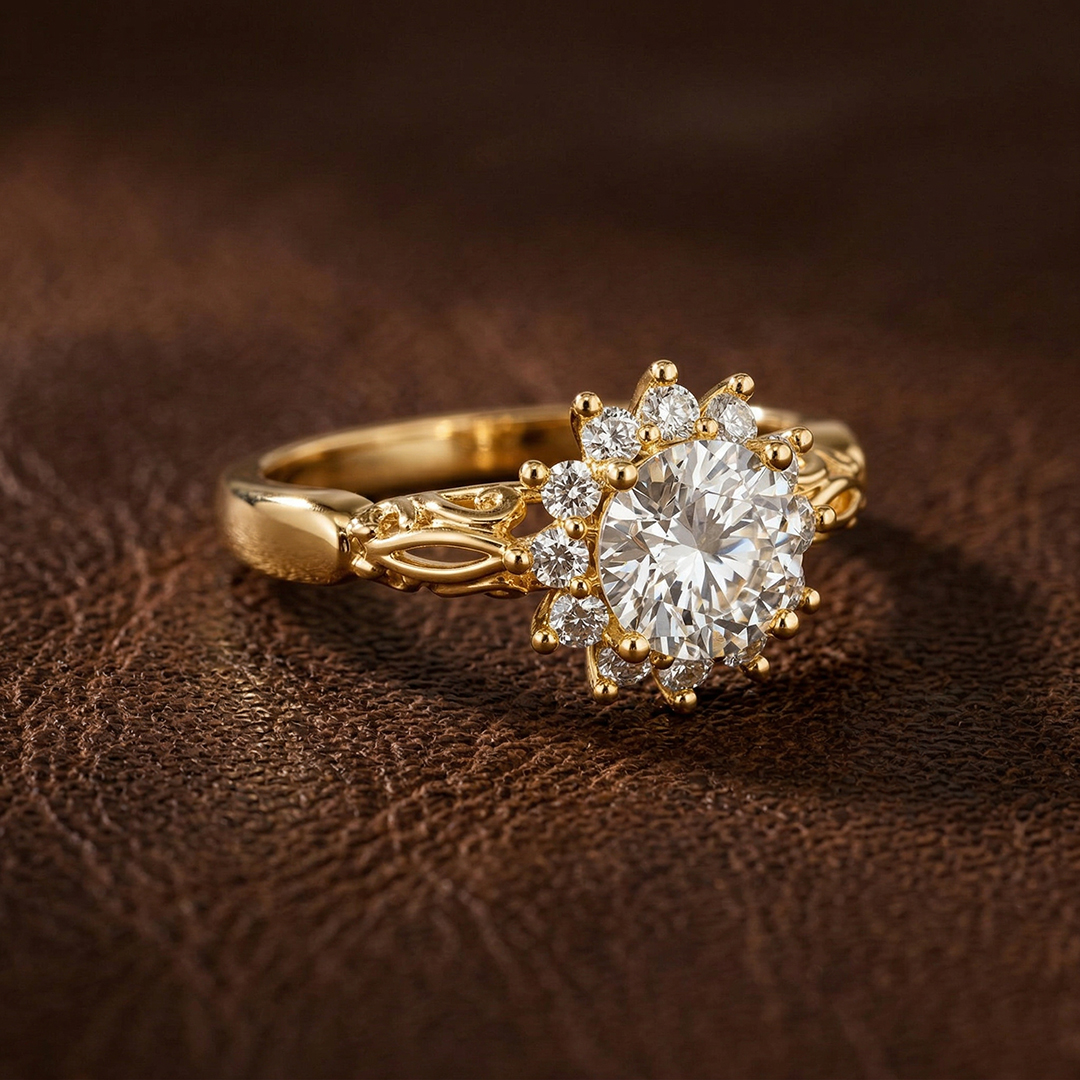
Named after Queen Victoria, the Victorian Era is defined by romantic, ornate designs that reflect the era’s dramatic sentiment, featuring intricate filigree, gemstone clusters, and symbolic motifs like hearts, flowers, and snakes (representing eternal love); early pieces use dark metals and bold colored gems, while later designs lean into brighter diamonds and delicate gold work.
.jpg)
Edwardian Era (1901-1910)
The Edwardian Era embodies elegance and refinement, characterized by delicate, lace-like filigree, platinum settings (a new luxury at the time), and soft pearl or diamond accents; its light, airy designs feature curved lines and intricate metalwork that mimic lace, avoiding the heaviness of Victorian pieces and suiting those who prefer understated, sophisticated vintage style with a touch of glamour.
Art Nouveau (1890-1910)
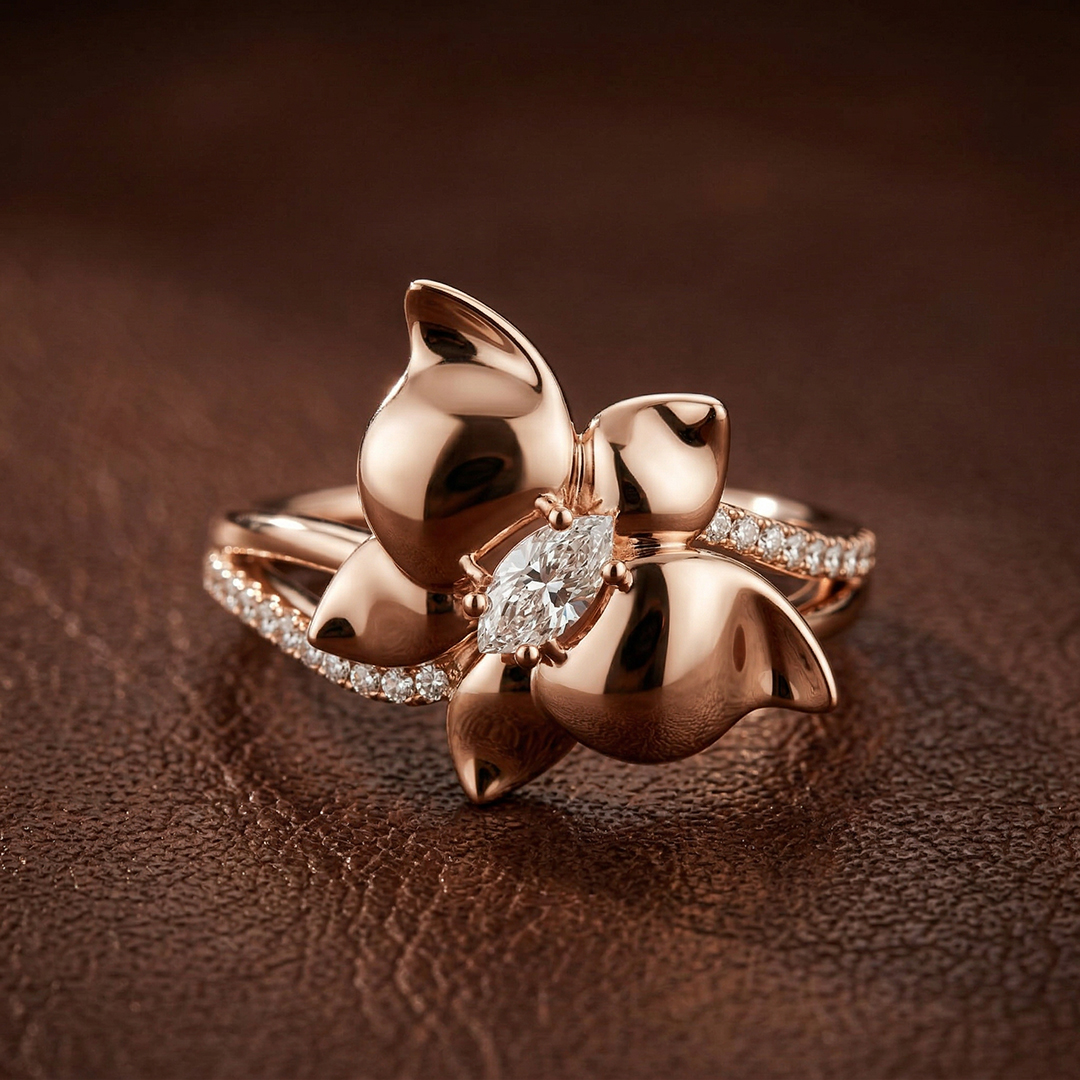
Art Nouveau draws inspiration from nature, focusing on flowing curves, plant vines, flowers, and butterflies while rejecting rigid geometric lines for organic, fluid shapes. Its signature designs include filigree—intricate metal wire weaving for a light, translucent look—twisted bands that mimic vine growth, and pearls, opals, or sapphires that add soft, natural hues, creating romantic, ethereal pieces perfect for lovers of delicate, nature-inspired retro details.
Art Deco (1920-1940)
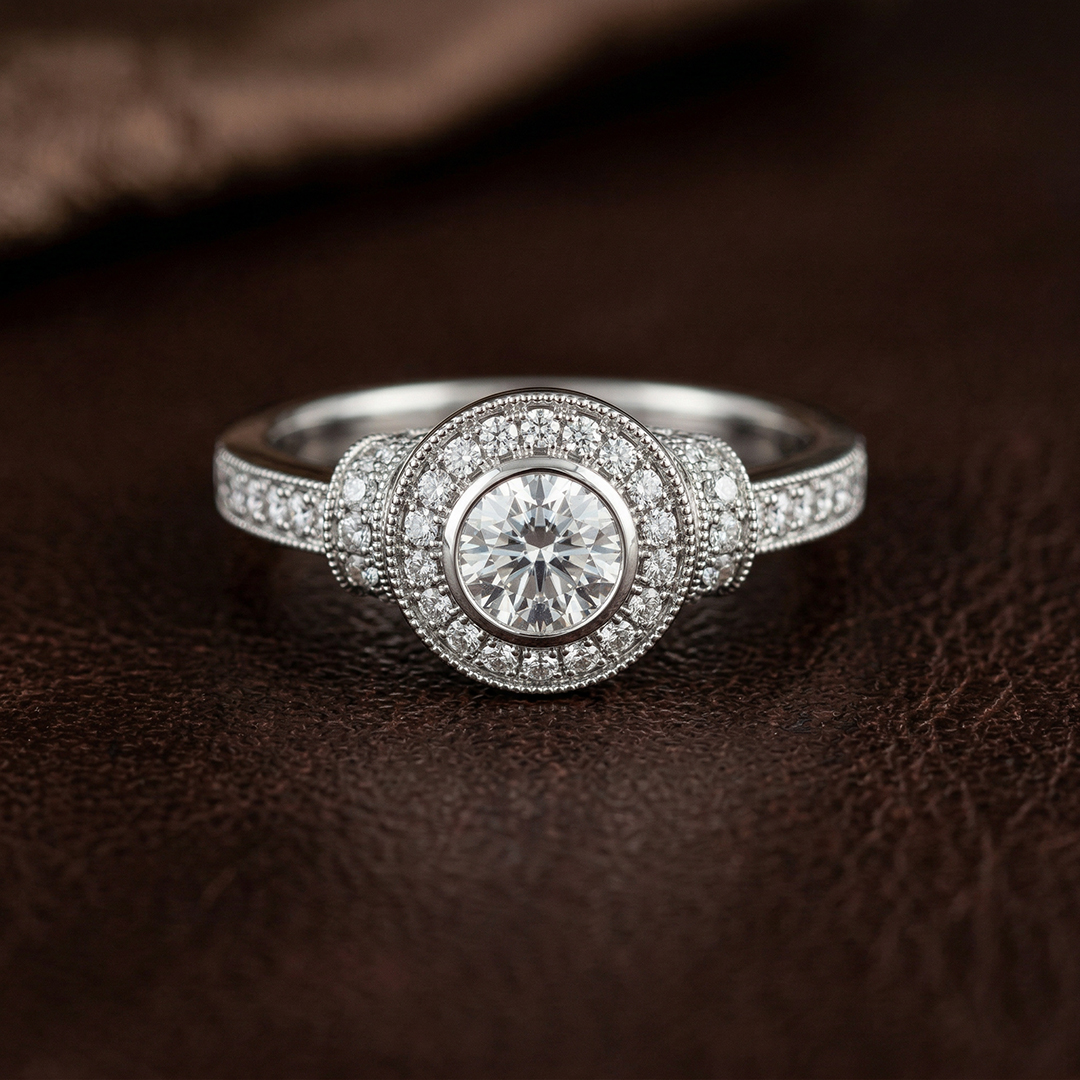
Art Deco is all about bold geometry and symmetry, featuring rectangles, triangles, and radiating patterns that exude luxury and sharpness, with key details includingpavé setting—small diamonds set closely together for maximum sparkle—milgrain edges, and step-cut bands that enhance its modern vintage vibe, balancing old-world charm with contemporary edge for those who love classic, eye-catching retro elegance.
Retro Era (1940-1960)
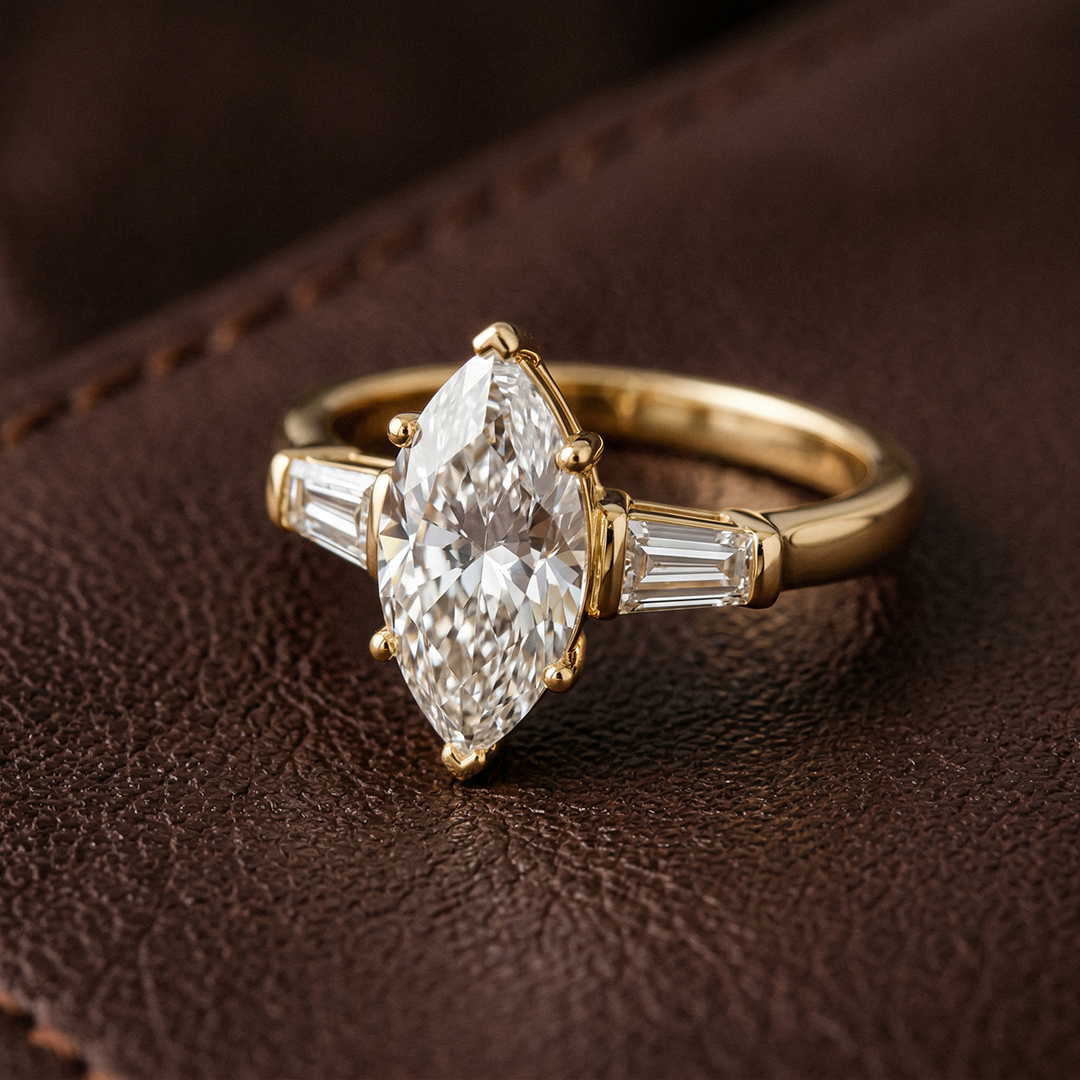
The Retro Era blends elegance and vibrancy with wider bands and fuller gemstone cuts, putting warm metal tones at the center to create a cozy, nostalgic feel that fits seamlessly with everyday wear; its signature elements include round, Old European cut center stones with warm fire, common two-stone or three-stone designs (symbolizing past, present, and future), and preferred yellow or rose gold that adds warmth to its inviting, timeless look.
.jpg)
Mid-Century Modern (1950-1970)
Mid-Century Modern leans into simple retro elegance, minimizing complex patterns to focus on the gemstone’s sparkle and the band’s smooth lines; its key designs include solitaire settings with four or six prongs to highlight the main stone, subtle hidden engravings that add detail without cluttering the look, and thin, sleek bands that keep the focus on the gem, making these rings comfortable and easy to wear daily for those who prefer “less is more” with a vintage twist.
Core Design Elements of Vintage-Inspired Engagement Rings
Must-Have Retro Details
Vintage-inspired engagement rings are defined by several iconic retro details, each tied to specific eras and boasting unique characteristics:
- Filigree: A hallmark of Art Nouveau, Art Deco, Victorian, and Edwardian styles, it features intricate wire weaving and openwork for a delicate, handcrafted look. Pairing it with small accent stones enhances its translucency and soft, romantic vibe.
- Milgrain: Most commonly linked to Art Deco and Mid-Century designs, it adds subtle texture with delicate metal beading along the ring’s edges. It serves as a focal detail without extra ornamentation, highlighting the ring’s retro charm.
- Geometric Symmetry: Especially in Art Deco styles, look for bold lines and repeated patterns. These designs focus on the physical architecture of the setting rather than just the center stone.
- Collet Settings: Popular in Retro and Mid-Century styles, this design fully wraps the gem to add retro roundness. It pairs beautifully with full, round center stones, offering warmth and protection.
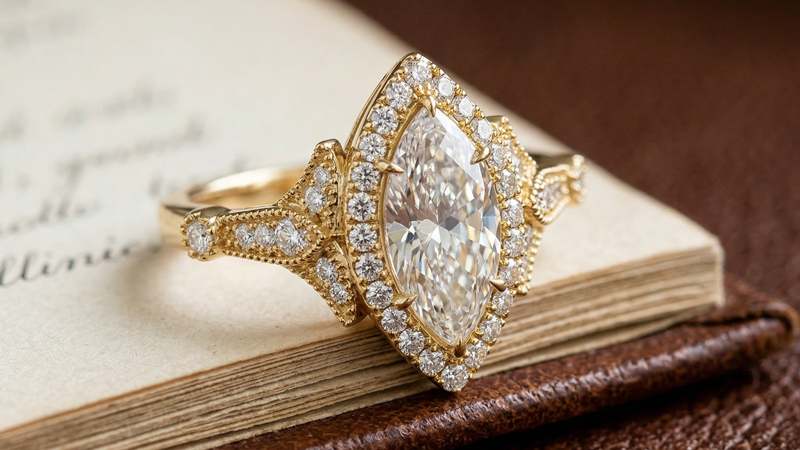
Gemstone Preferences
To capture the vintage charm, gemstone choices follow two core principles: retro cuts and era-appropriate styles, with durability as a key consideration:
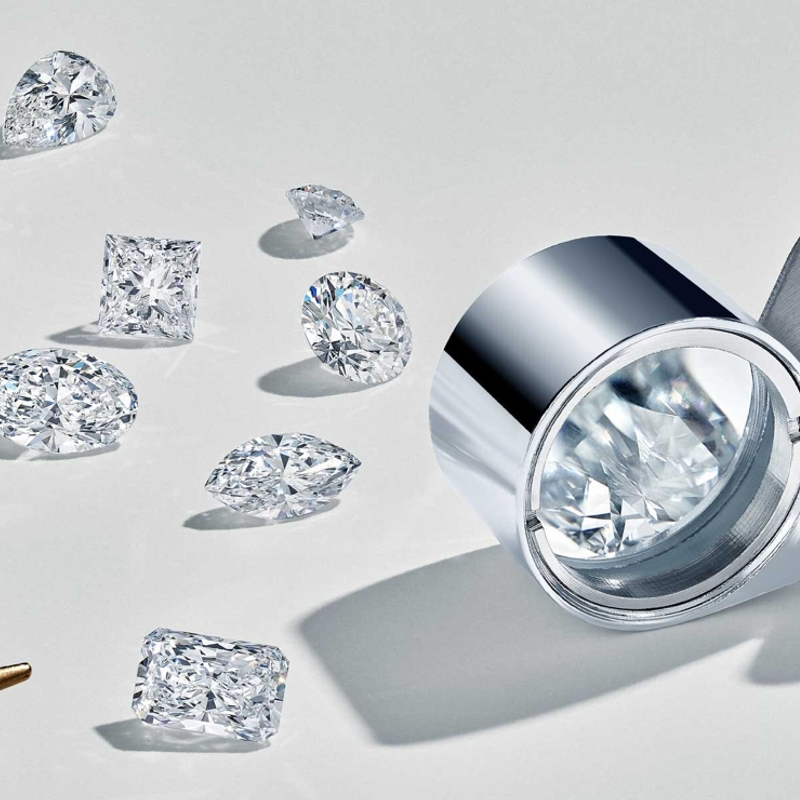
- Retro Cuts: Vintage-inspired rings favor Old European cuts, Old Mine cuts, Rose cuts, and step cuts. These cuts have softer, warmer fire compared to modern bright cuts, aligning perfectly with classic aesthetics.
- Era-Appropriate Gems: Diamonds are a timeless choice, while colored gems add unique character—sapphires complement Art Nouveau designs, rubies shine in Retro styles, and emeralds suit Mid-Century pieces.
- Durability Priority: Opt for gems with a Mohs hardness of 7.5 or higher (diamonds, sapphires, rubies, emeralds) for daily wear. Pearls and opals, with their ethereal look, are ideal for Art Nouveau rings but require more careful care.
Metal Choices
The choice of metal directly enhances the vintage vibe, with a focus on era-matching and texture:
- Gold (Core Choice): Warm yellow gold is versatile, complementing all vintage eras—especially Victorian and Retro styles—adding a cozy, nostalgic feel.
- Rose Gold: Perfect for Art Nouveau designs, it adds a soft, romantic touch that pairs well with delicate filigree and colored gems.
- White Gold/Platinum: Offer a cool contrast, ideal for Art Deco’s bold geometric designs, highlighting the era’s sleek, modern vintage feel.
FAQs
The main difference is structural integrity. Antique rings are over 100 years old and often have worn-down prongs. Vintage-inspired engagement rings are brand-new pieces. They use modern casting to recreate historical aesthetics like Art Deco. This provides a durable, modern framework with a classic look.
Yes. Original vintage rings often have high galleries that snag easily. Since vintage-inspired engagement rings are made to order, we can lower the head. This creates a low-profile design. It stays close to the finger for better comfort while keeping the intricate side details.
Most designs feature milgrain and filigree. Milgrain adds tiny metal beads along the shank for texture. Filigree uses thin metal wires to create lace-like scrolls in the gallery. In a new ring, these details are much crisper and stronger than on a worn antique.
Historical cuts like Old European or Old Mine cuts offer a soft, romantic glow. Geometric Art Deco styles often feature Emerald or Asscher step cuts. These shapes highlight the architecture of the setting. However, modern brilliant cuts also fit perfectly for those who want more sparkle.
It depends on the shank shape. Many vintage-inspired engagement rings have floral or tapered shoulders. A straight band might leave a gap. A “contoured” or “chevron” band is often better. These curved styles nestle against the ring to create a seamless, stacked appearance.
Intricate galleries can trap dust or oils more easily. Soak the ring in warm water with mild dish soap. Use a soft-bristled brush to gently reach into the filigree and milgrain edges. A quick regular cleaning keeps the metalwork sharp and the stone brilliant.
Final Thoughts
A vintage-inspired engagement ring is more than just jewelry—it’s a wearable piece of history that blends old-world charm with modern life. Whether you love Victorian opulence, Edwardian elegance, or Art Deco boldness, a vintage-inspired engagement ring is a timeless symbol of love that will be cherished for years.