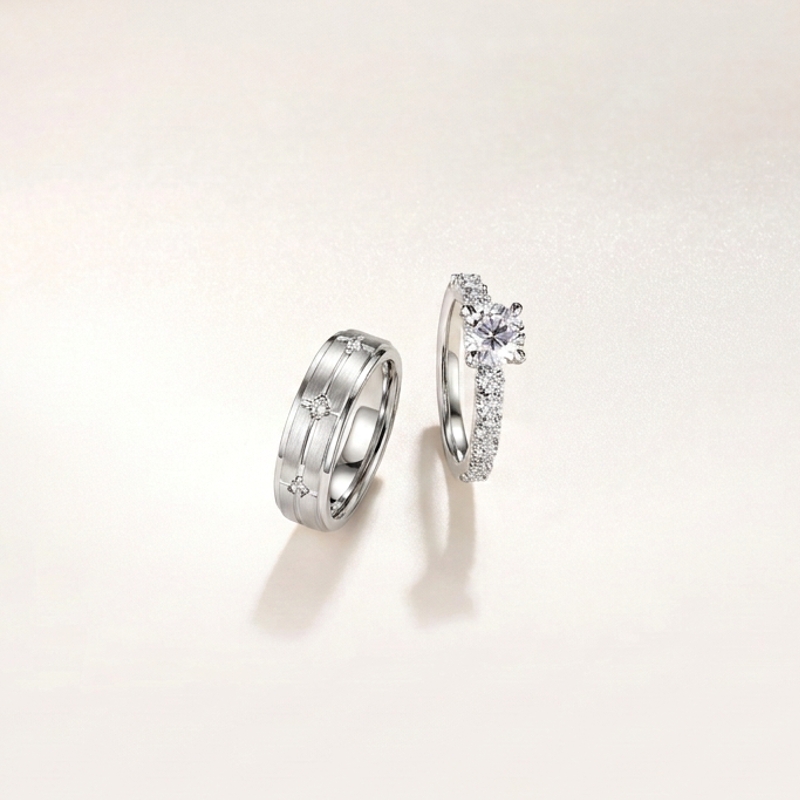
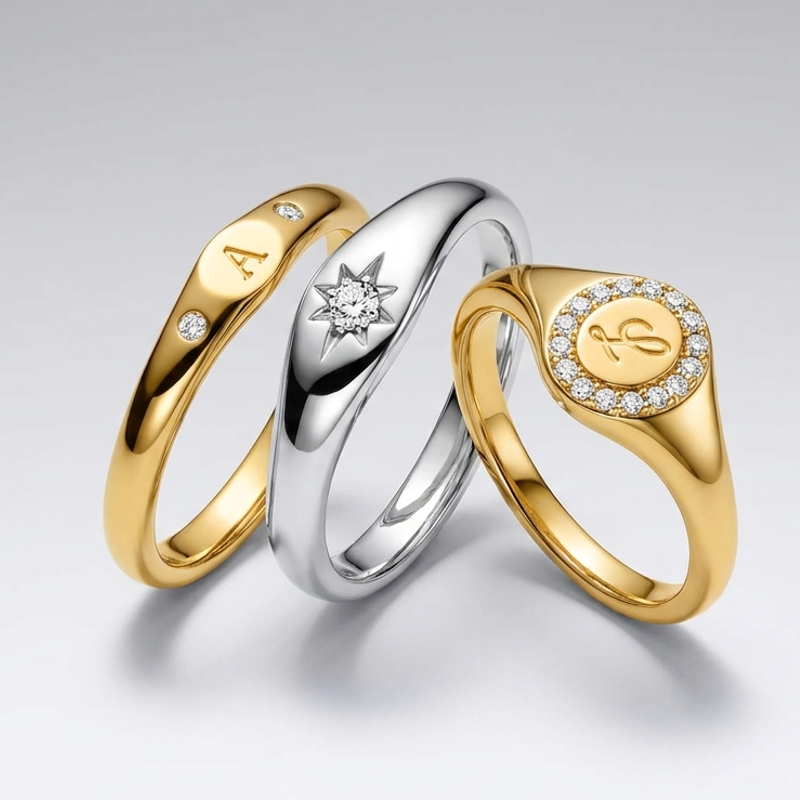
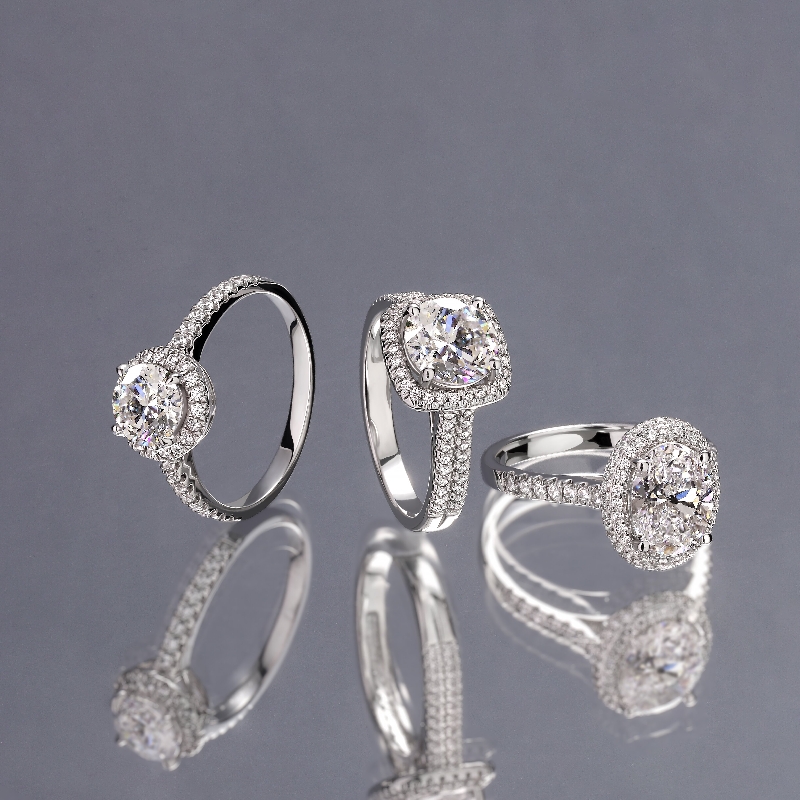
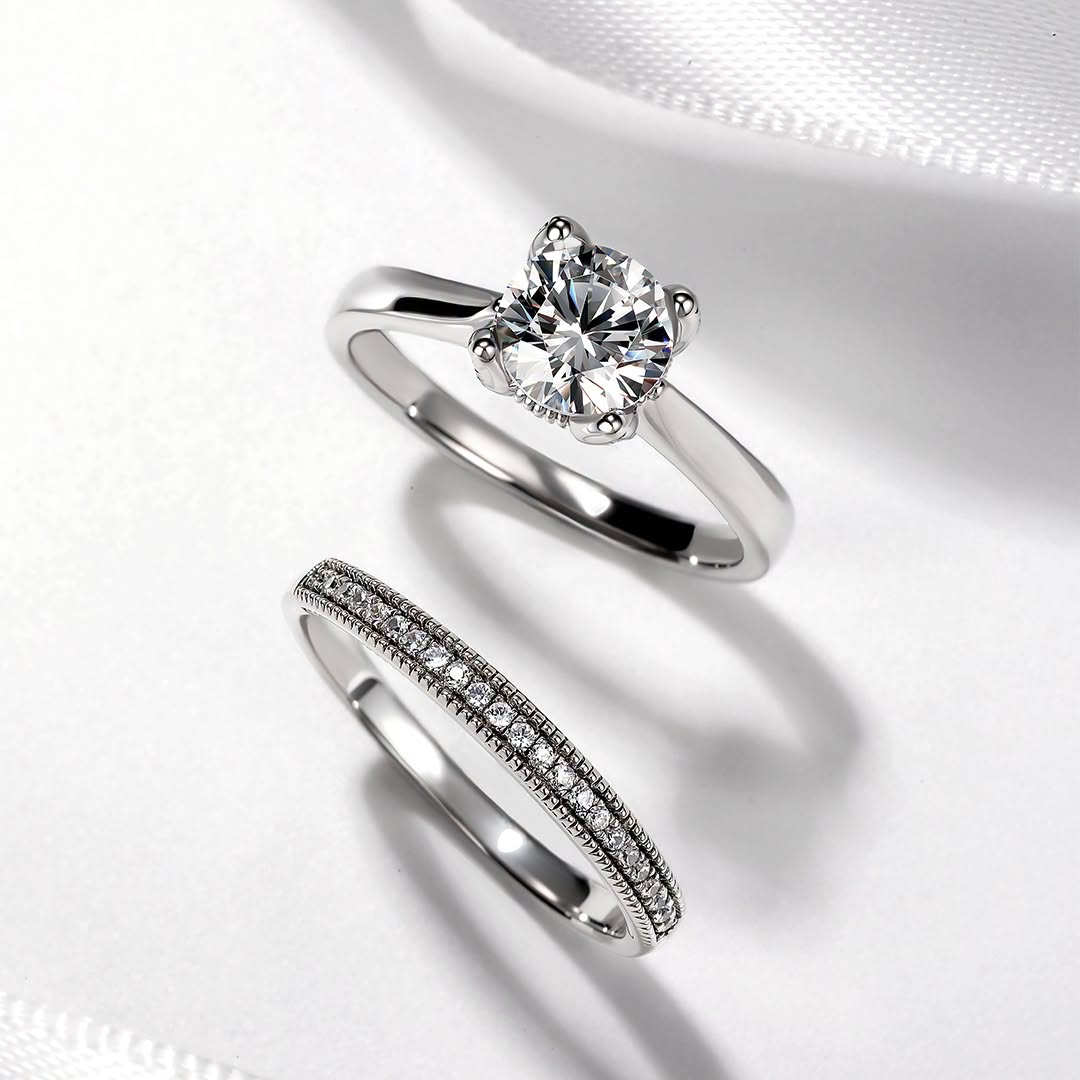
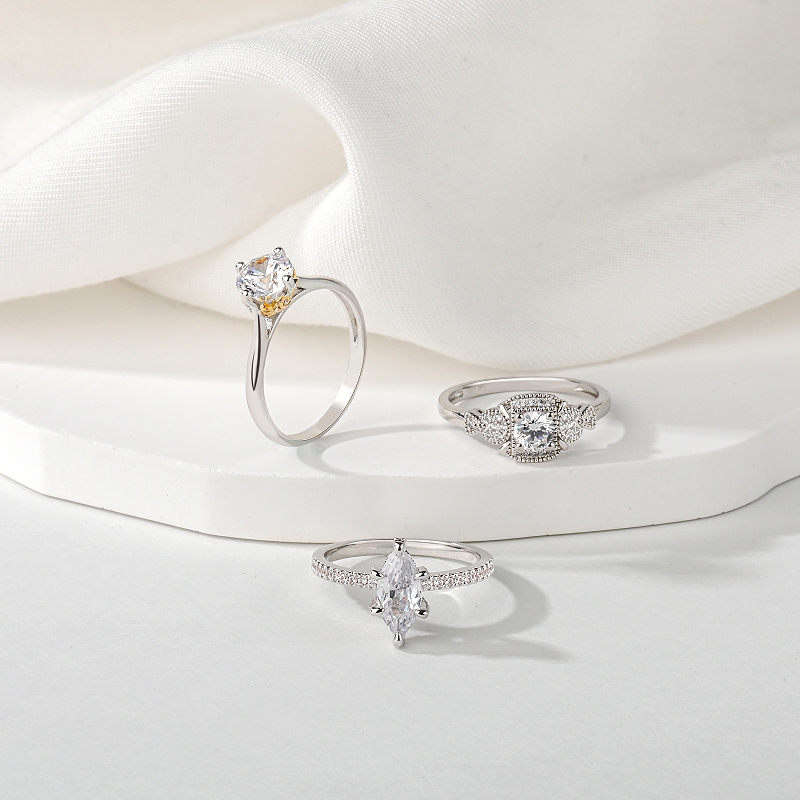
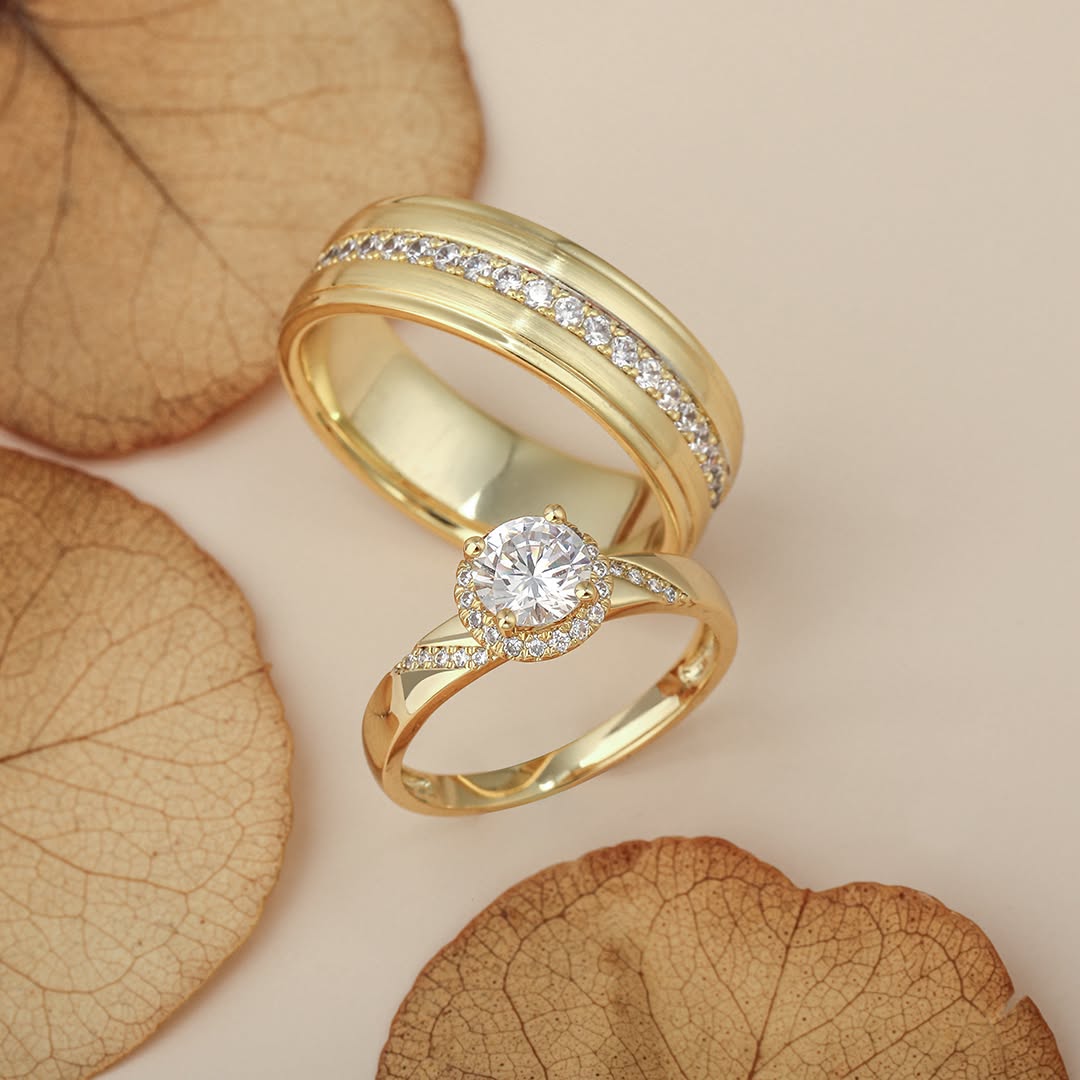
A 1 carat diamond ring is worth between $2,000 and $15,000 at retail, depending on the diamond’s cut, color, clarity, and whether it’s natural or lab-grown. Most buyers spend $3,500 to $6,000 on a natural diamond ring or $1,200 to $3,000 on a lab-grown equivalent.
At a Glance
1. To buy: A 1 carat diamond ring costs $2,000 to $15,000+ depending on the diamond's quality, whether it's natural or lab-grown, and the setting.

2. To sell: That same ring typically resells for 20–60% of what you paid. A $6,000 natural diamond ring might fetch $1,800–$3,500 on the secondary market.

3. Lab-grown changes everything. A 1 carat lab-grown diamond ring starts around $1,200. Same sparkle, same hardness, roughly 60–80% less than natural.

4.What drives value: The 4Cs (Cut, Color, Clarity, Carat) matter most. Cut has the biggest visual impact, while clarity and color often affect price more than what the eye can actually see.
This is the single biggest source of confusion when people ask “what is my diamond ring worth?” Before breaking down the details, it’s important to clarify a key idea: a diamond ring’s “value” isn’t a single number, but is shaped by both the buying context and the resale market. To understand the true value of a 1-carat diamond ring, we need to look at both sides.
Purchase Price vs. Resale Value: Know the Difference
Retail price is what you pay at a jewelry store or online. It includes the diamond, the setting, the jeweler’s overhead, marketing costs, and profit margin. For a 1 carat natural diamond ring, this typically runs $4,000 to $8,000 at mid-range quality.
Resale value is what someone will actually pay you for it. This is the lowest number, and it shocks most first-time sellers. Natural diamonds typically resell for 30–60% of retail.
The gap between these numbers is not a scam — it’s how the diamond market works. Retail includes overhead that disappears the moment you walk out of the store. The secondary market only cares about the stone’s specs and current demand.
1 Carat Diamond Ring Prices in 2026
Let’s start with the number most people are looking for: what does it actually cost to buy a 1 carat diamond ring?
The Diamond Itself
The center stone typically accounts for 50–70% of your total ring budget, making it the biggest factor in overall cost. In 2026, natural diamonds range from about $1,500–$3,000 for budget-quality stones with slightly warmer color and visible inclusions, to $3,500–$6,000 for the best-value range that appears white, eye-clean, and highly brilliant. Premium-quality diamonds generally cost $6,500–$12,000 and offer near-flawless clarity and exceptional sparkle, while top-tier stones can exceed $20,000, although most buyers cannot distinguish them from premium diamonds without magnification.
Lab-grown diamonds are a game changer for budget-conscious buyers. They have the same physical, chemical, and optical properties as natural diamonds, with the only difference being their origin. This distinction, however, has a dramatic impact on price. Lab-grown diamonds typically cost 60–80% less than their natural counterparts, making them the single biggest opportunity to maximize your budget. For example, a lab-grown diamond with G color, VS1 clarity, and an Excellent cut generally costs around $1,000–$1,500, while a natural diamond with the same specifications can cost anywhere from $4,500–$6,000.
The Setting: Add $500–$3,000
Simple solitaire in 14K gold: $400–$800. Halo or pave setting in 14K gold: $800–$1,500. 18K gold or platinum with accent diamonds: $1,200–$2,500. Custom or designer setting: $2,000–$5,000+.
Total Ring Cost: Real-World Scenarios
Budget build ($1,200–$2,500): Lab-grown diamond (G color, VS2 clarity) + simple 14K gold solitaire. A beautiful ring that looks far more expensive than it is.
Sweet spot ($3,000–$5,000): Lab-grown diamond (E color, VS1 clarity) + halo or three-stone setting in 14K or 18K gold. Or a natural diamond (H color, SI1 clarity) in a simpler setting.
Premium ($5,000–$10,000): Natural diamond (G color, VS2 clarity, Excellent cut) + platinum or 18K gold setting with accent diamonds. The classic “nice engagement ring” benchmark.
No-compromise ($10,000+): Natural diamond (D-E color, VVS clarity) + platinum designer setting. For buyers who want top-tier specs and aren’t budget-constrained.
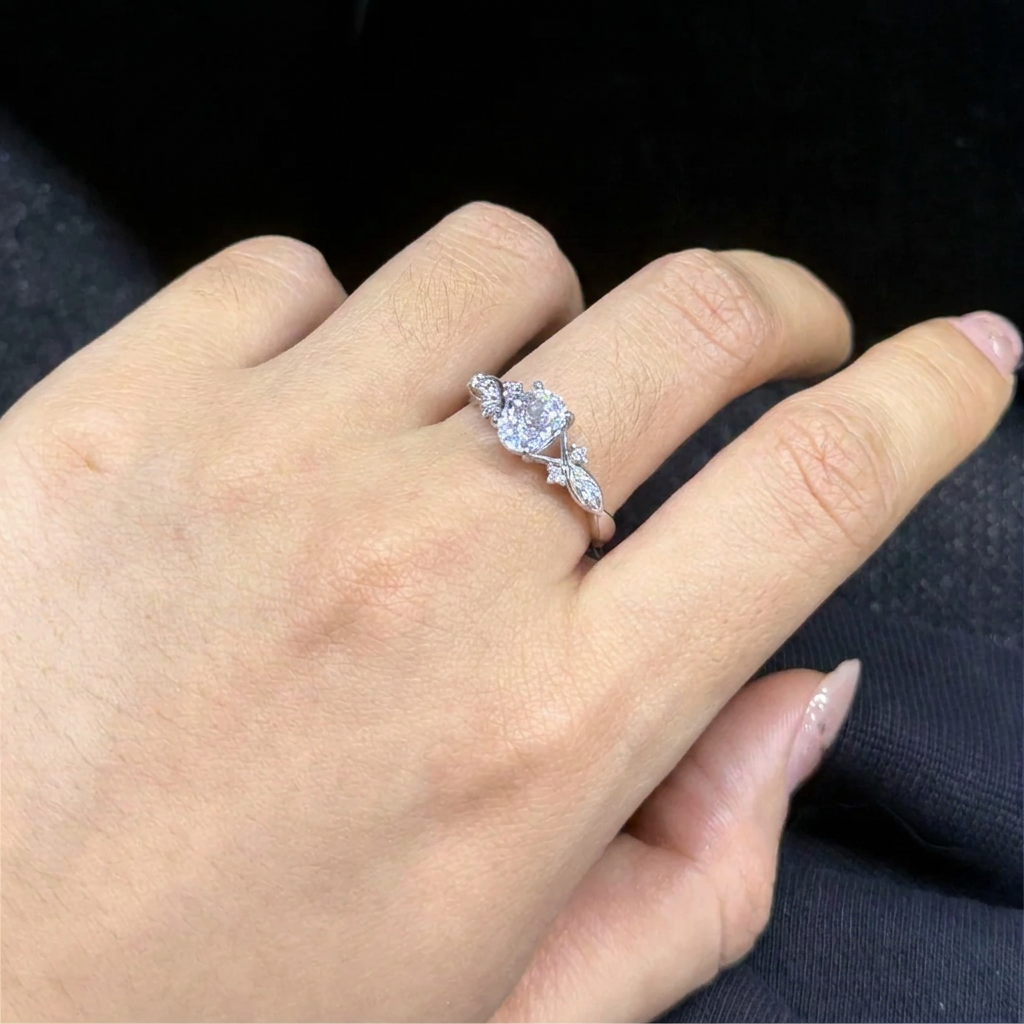
What Actually Drives the Value: The 4Cs That Matter
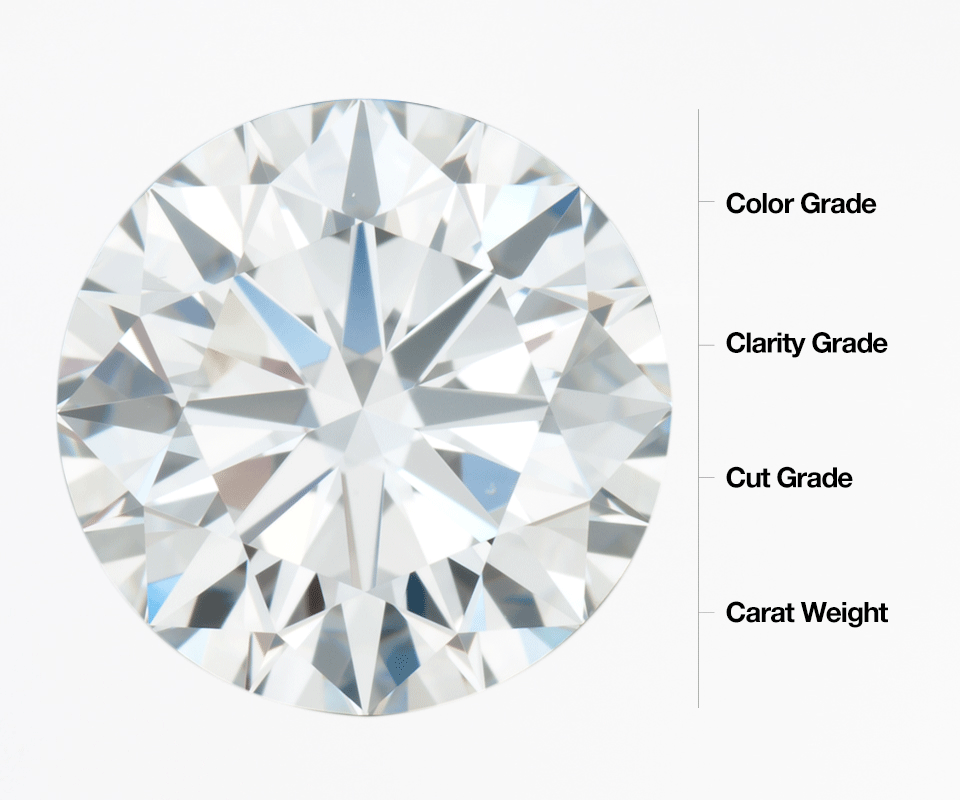
Every diamond is graded on four criteria. Here’s how each one affects what you pay — and what you get back.
Cut: The One Thing You Shouldn’t Compromise On
Cut is not about shape (round, oval, princess). It’s about how well the diamond’s facets interact with light. A well-cut diamond sparkles. A poorly cut one looks flat and lifeless, regardless of its other grades.
This is where you should spend your money. An Excellent-cut diamond with slightly lower color and clarity will always look better than a poorly cut stone with perfect specs on paper. Cut accounts for up to 40% of the visual difference between diamonds — and it’s the one factor you can actually see.
Color: The Second Most Visible Factor
Diamond color is graded D (colorless) through J (near-colorless). Below J, you start seeing a yellow or brown tint.
For most buyers, G-H color is the sweet spot. These stones look white in normal lighting but cost significantly less than D-F grades. If you’re setting the diamond in yellow or rose gold, you can safely go to H-I because the metal masks any slight warmth.
Clarity: Don’t Overpay for What You Can’t See
Clarity grades run from Flawless (FL) to Included (I3). Here’s the practical version: VS1, VS2, and SI1 are all “eye-clean” — meaning you can’t see any inclusions without magnification. That’s what matters for wearability and beauty.
VVS and IF grades are beautiful on paper, but the difference is invisible to the naked eye. You’re paying for microscopic perfection that no one will ever notice. Save the money and put it toward cut quality or carat weight.
Carat: Why 1 Carat Commands a Premium
One carat equals 0.2 grams. The 1.00-carat mark is a major pricing threshold — a 1.01-carat diamond costs meaningfully more than a 0.99-carat stone, even though the visual difference is undetectable.
This threshold premium is why buying “just under” is one of the smartest moves in diamond shopping. A 0.90–0.95 carat diamond looks virtually identical to a 1.00 carat but costs 20–30% less.
Lab-Grown vs. Natural: Which Holds More Value?
Lab-grown and natural diamonds serve different value purposes depending on intent. For buyers focused on wearing and enjoyment, lab-grown diamonds offer far better value, delivering the same sparkle, hardness, durability, and certification at a much lower price—typically $800–$1,500 for a 1 carat stone versus $4,000–$6,000 for a natural equivalent.
They are also significantly more environmentally efficient, with roughly 0.025 kg of CO₂ per carat compared to about 125 kg for mined diamonds. However, when it comes to resale, natural diamonds tend to retain value better, typically holding around 30–60% of retail value, while lab-grown diamonds generally see a more limited resale market as production costs continue to decline.
For a deeper breakdown of how these pricing differences work and what drives them, see this guide: lab-grown vs natural diamond price guide.
FAQ
How much is a 1 carat diamond ring?
It typically costs between $2,000 and $15,000, depending on cut, color, clarity, and whether the diamond is natural or lab-grown.
Is a 1 carat diamond big enough for an engagement ring?
Yes. In the U.S., 1 carat is considered a classic and popular engagement ring size. It is noticeable yet still elegant and suitable for everyday wear.
What affects the price of a 1 carat diamond?
The 4Cs: Cut, Color, Clarity, and Carat weight. Cut usually has the biggest impact on visual beauty.
Is it better to buy a 0.9 carat or 1 carat diamond?
0.9–0.95 carat stones often look nearly identical to 1 carat but can cost 20%–30% less due to pricing thresholds.
Are lab-grown 1 carat diamonds worth buying?
Yes. Lab-grown 1 carat diamonds are worth buying for most people because they offer the same look and quality as natural diamonds at a much lower price
A 1 carat diamond ring is worth $2,000–$15,000 at retail, 20–60% of that on resale. For most buyers in 2026, the smartest move is a lab-grown diamond in the G-H color, VS2-SI1 clarity range with an Excellent cut grade. You get a stunning stone at a fraction of the natural diamond price, with the option to invest the savings in a better setting or keep your budget comfortable.
If you’re exploring your options, She Said Yes offers 1 carat lab grown diamond rings set in 100% recycled gold. Browse the collection to compare prices and styles side by side.