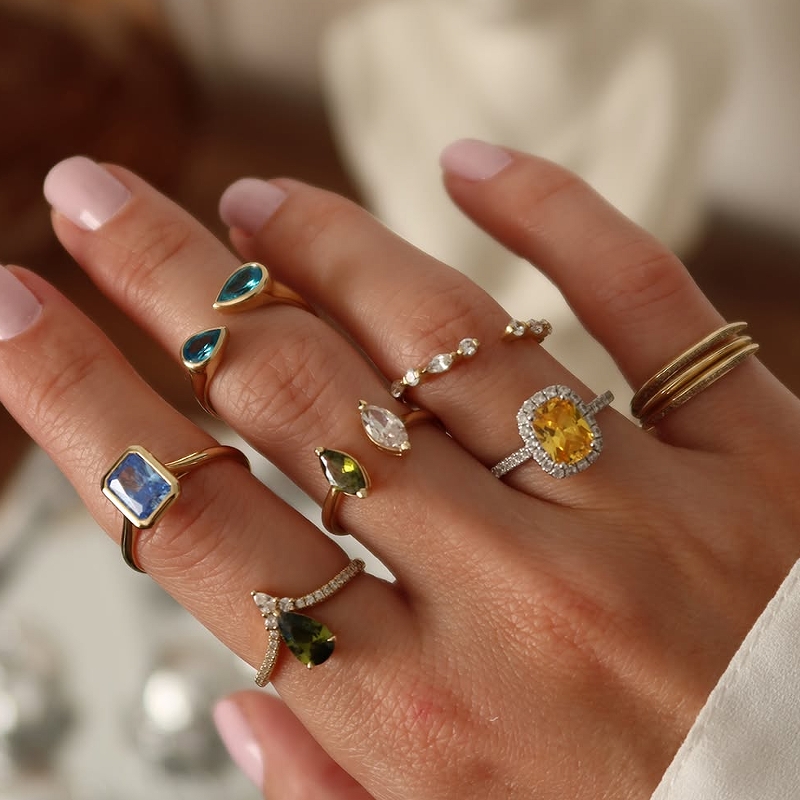
Diamonds get the press, but color is where jewelry gets personal. Colored gemstone jewelry says something a white stone can’t. It ties a ring to a birth month, a favorite hue, a memory of a place you’ve been. And because color carries meaning — loyalty in a sapphire, passion in a ruby — a colored gemstone piece often feels more personal than a white stone ever could. This guide walks through the colored gemstones that wear best, what each one means, how to pair them with metal, and how to keep them looking new for decades.
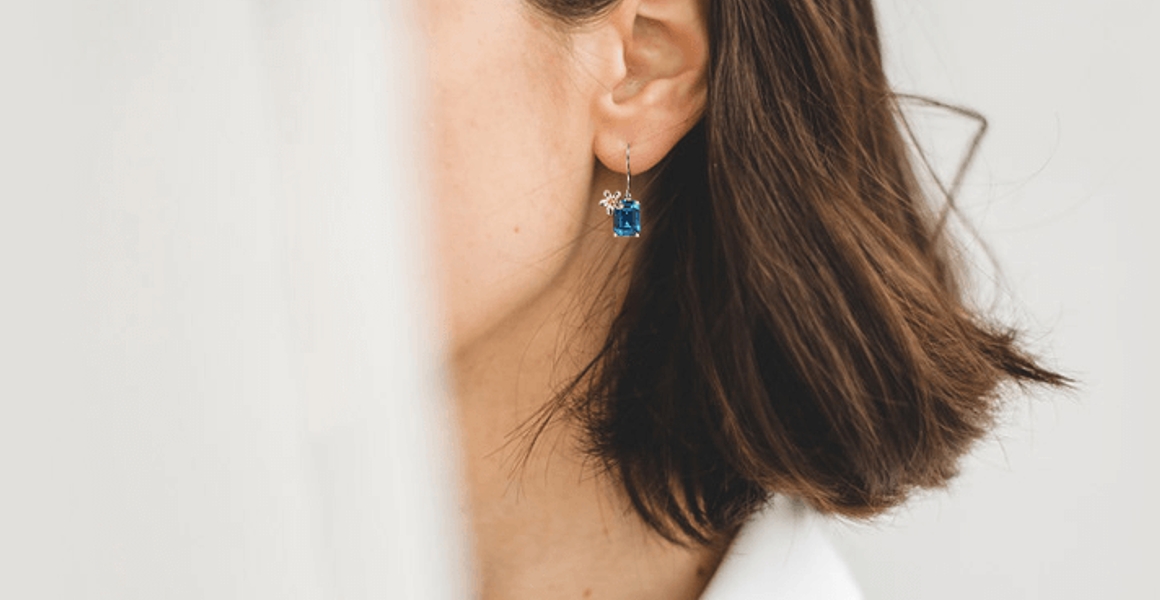
At a glance: Popular Colored Gemstones
| Gemstone | Color | Mohs hardness | Meaning | Best for |
| Sapphire | Blue (also pink, yellow) | 9 | Loyalty, wisdom | Everyday wear, engagement |
| Ruby | Red | 9 | Passion, courage | Statement, July birthstone |
| Emerald | Green | 7.5–8 | Rebirth, growth | Occasional wear, May birthstone |
| Morganite | Peachy pink | 7.5–8 | Love, compassion | Romantic, diamond alternative |
| Aquamarine | Pale blue | 7.5–8 | Calm, courage | Everyday, March birthstone |
| Amethyst | Purple | 7 | Clarity, calm | Affordable everyday, February |
Why Choose Colored Gemstone Jewelry
A colored stone does something a diamond can’t — it carries a color, and with it a mood. Blue reads calm and steady, red reads bold and warm, and green feels grounded and sure, so the gemstone you pick sets the whole tone before anyone notices the cut or the carat. That’s why colored gemstone jewelry has climbed for years: people want a ring or necklace that feels like theirs, not like everyone else’s.
Color also unlocks meaning. Birthstones tie a piece to a month. Anniversary stones mark a year. A gemstone from a place you love turns jewelry into a story you can wear. And practically, color stretches a budget — a vivid morganite or amethyst costs a fraction of a diamond the same size, so you can go bigger for less.
Popular Colored Gemstones For Jewelry
Sapphire
Sapphire is the workhorse of colored stones. At 9 on the Mohs scale, it’s nearly as hard as diamond, which makes it one of the few colored gems tough enough for an everyday ring. Most people picture sapphire blue, but sapphires run pink, yellow, peach, and white too. The color reads deep and steady under any light.
Best for: everyday rings and sapphire engagement rings that need to take a beating.
Styling tip: white gold or platinum keeps the blue crisp; yellow gold warms it toward royal.
Ruby
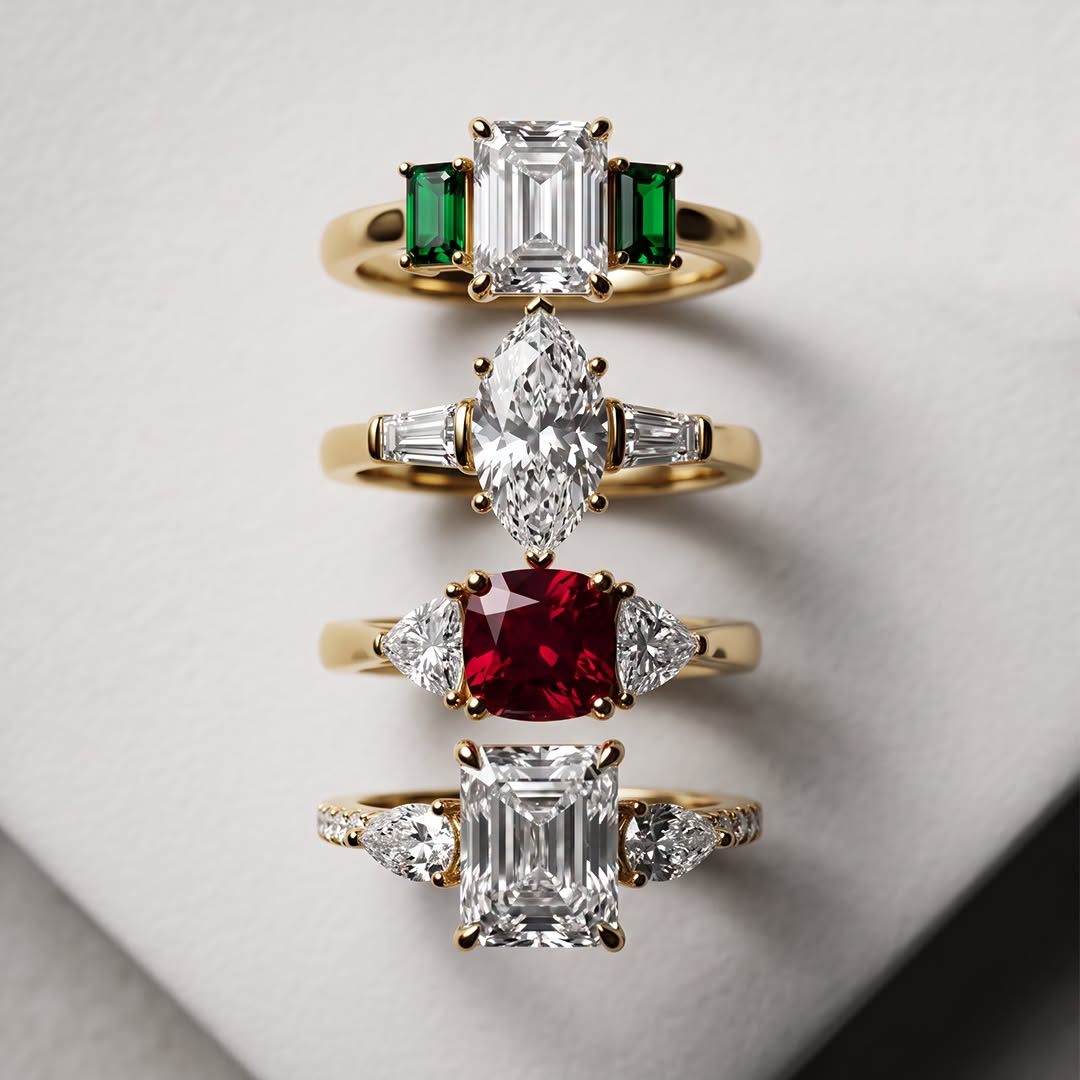
Ruby is sapphire’s fiery cousin — literally, since both are the mineral corundum, with chromium giving ruby its red. At 9 on the Mohs scale, it’s just as tough, and the best stones glow like a lit coal. Ruby has always meant passion, and a fine one holds its value better than almost any colored gem.
Best for: a bold, romantic statement and July birthstones.
Styling tip: yellow gold amplifies the warmth; a ruby halo reads old-Hollywood luxe.
Emerald
Emerald is the king of green, but it comes with a catch. At 7.5 to 8 on the Mohs scale and almost always full of natural inclusions, emerald is more brittle than sapphire or ruby — it chips and scratches more easily, so it’s better for occasional wear than a ring you never take off. Treat it gently and the color is unmatched: a deep velvet green nothing else reproduces.
Best for: occasional pieces, statement rings, May birthstones.
Styling tip: the classic emerald cut protects the corners; pair with yellow gold for vintage warmth.
Morganite
Morganite is the peachy-pink member of the beryl family, and it’s become a go-to diamond alternative for people who want soft, romantic color without a ruby price tag. At 7.5 to 8 on the Mohs scale, it’s durable enough for everyday wear with reasonable care, and the blush pink reads warmer and more unusual than a white stone. Set in rose gold, morganite nearly glows. It’s also one of the most popular diamond alternatives of the last few years, especially for engagement rings, because the soft color feels fresh without straying too far from tradition.
Best for: engagement rings and a warm, feminine look.
Styling tip: pair it with rose gold; the metal echoes the pink and deepens it.
Aquamarine
Aquamarine is beryl’s pale-blue stone, named for seawater, and it carries the calm the name suggests. At 7.5 to 8 on the Mohs scale it’s reasonably tough, and the watery blue flatters almost every skin tone. The color is subtle rather than loud, which makes aquamarine an easy everyday colored gemstone that flatters without shouting.
Best for: everyday wear and March birthstones.
Styling tip: white gold or platinum keeps the stone looking crisp and icy.
Amethyst
Amethyst is purple quartz, and it’s the most affordable colored gemstone on this list by a wide margin. At 7 on the Mohs scale it’s softer than the others, so treat it with some care — but the price means you can go big. A chunky amethyst ring often costs less than a small sapphire, and the color runs from lilac to deep royal purple.
Best for: bold color on a budget, February birthstones.
Styling tip: yellow gold makes the purple pop with a regal contrast.
How To Choose Colored Gemstone Jewelry
Start with how you’ll wear it. In our experience, a ring you never take off needs a hard stone — sapphire or ruby at 9 on the Mohs scale — or at least a protective bezel setting to shield a softer gem from daily knocks. Occasional pieces open up the whole softer range, from emerald to amethyst, since they take far less abuse. Beyond hardness, the real choice comes down to color, cut, and the metal you set the stone in.
- Match hardness to lifestyle. Everyday ring? Go sapphire or ruby. Occasional piece? Emerald or amethyst is fair game.
- Pick color by feel, not rules. Warm stones like ruby and morganite glow; cool stones like sapphire and aquamarine stay crisp. Choose the hue you keep reaching for.
- Watch the cut. A great cut makes a colored gemstone glow with saturation and life; a poor one leaves it flat and dark.
- Set the metal to the stone. Yellow gold warms, white gold cools, rose gold softens — let the metal echo or contrast the gem.
Caring For Colored Gemstone Jewelry
We tell every customer the same thing: hardness decides how you care for a colored stone. Sapphire and ruby, at 9, clean easily with warm water, mild soap, and a soft brush, and they handle ultrasonic cleaners without trouble. Emerald is the exception: its natural inclusions mean you should skip ultrasonic and steam cleaners and never soak it — a damp cloth is far safer for a stone this brittle. Morganite, aquamarine, and amethyst fall in between, so stick to gentle soap and water, no harsh chemicals, and store each piece away from harder stones that could scratch it.
One rule covers all of them: take colored gemstone jewelry off before swimming, cleaning, or heavy lifting. Chlorine and household chemicals dull stones and weaken settings over the years.
Final Thoughts
Once you know how different gemstones wear, choosing the right colored gemstone jewelry becomes much simpler. Pick a color that feels like you, match it with a setting that suits your lifestyle, and you’ll end up with a piece that’s just as enjoyable to wear ten years from now as it is on day one.
Every She Said Yes piece is handcrafted from recycled gold or platinum and set with a colored gemstone you choose — sapphire, ruby, emerald, morganite, and more. Explore our collection of colored gemstone jewelry to find the stone, color, and design that feels uniquely yours.