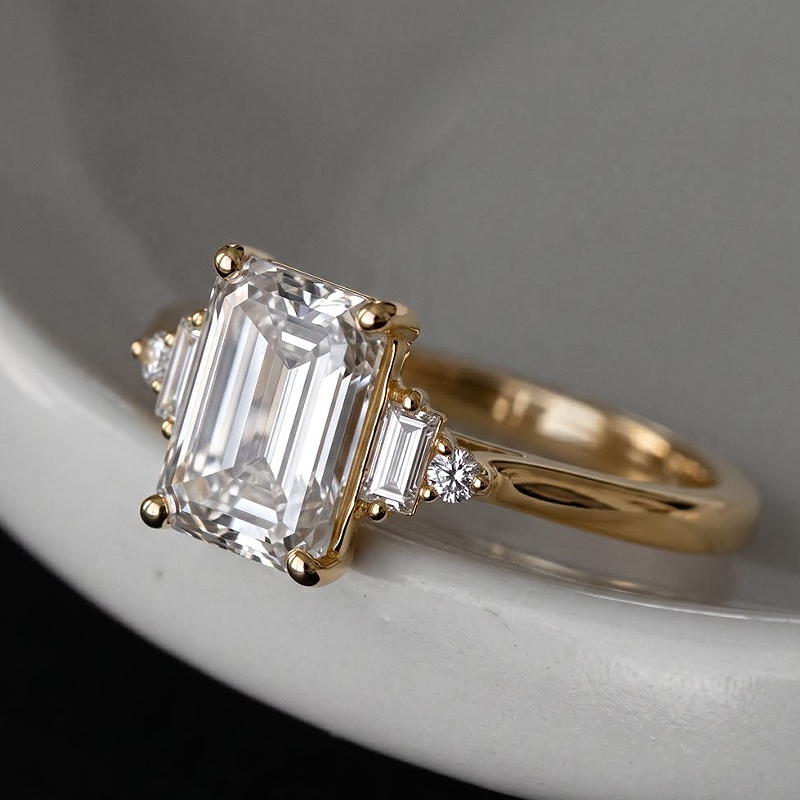
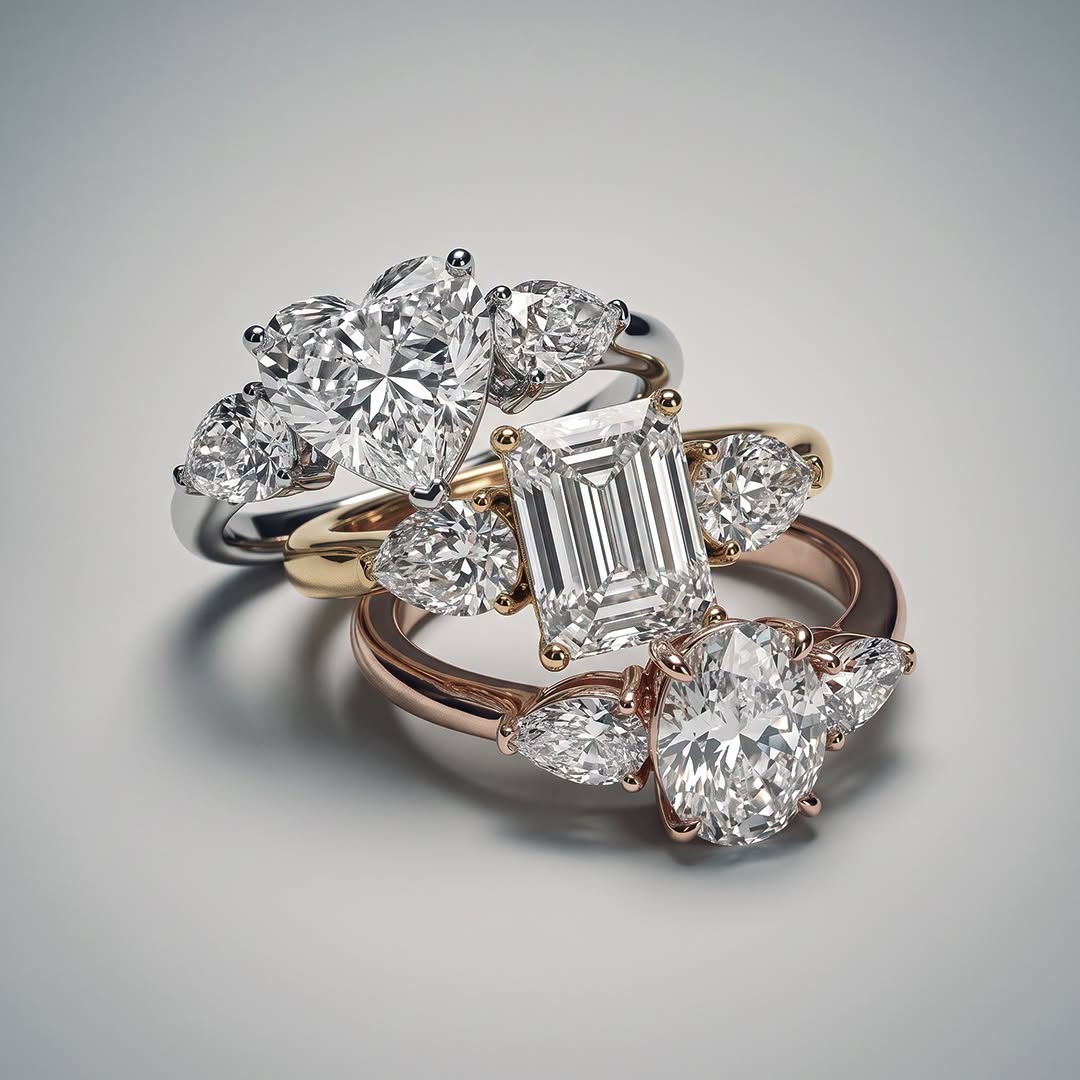
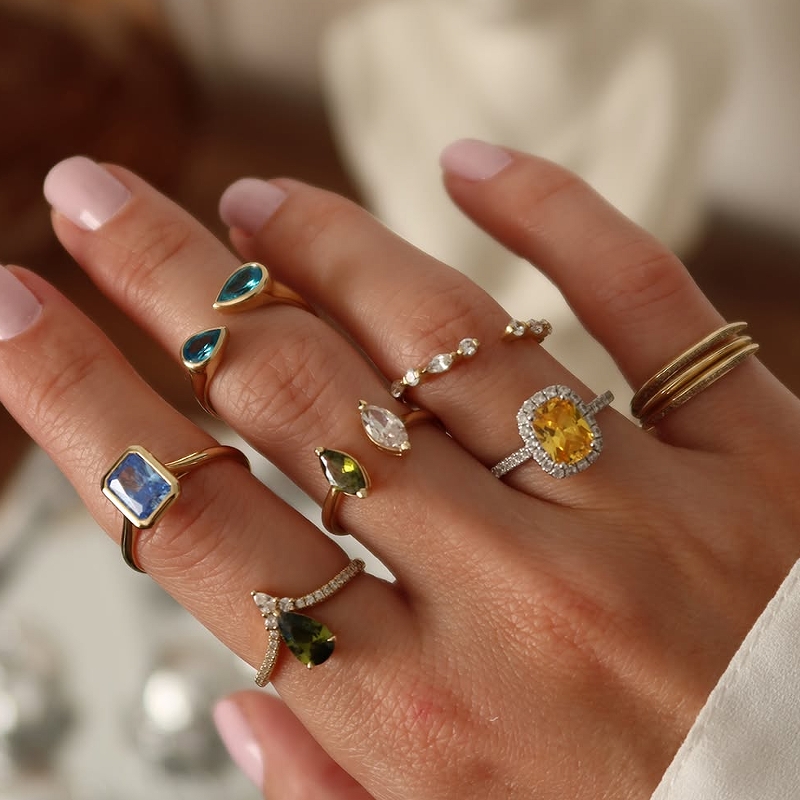
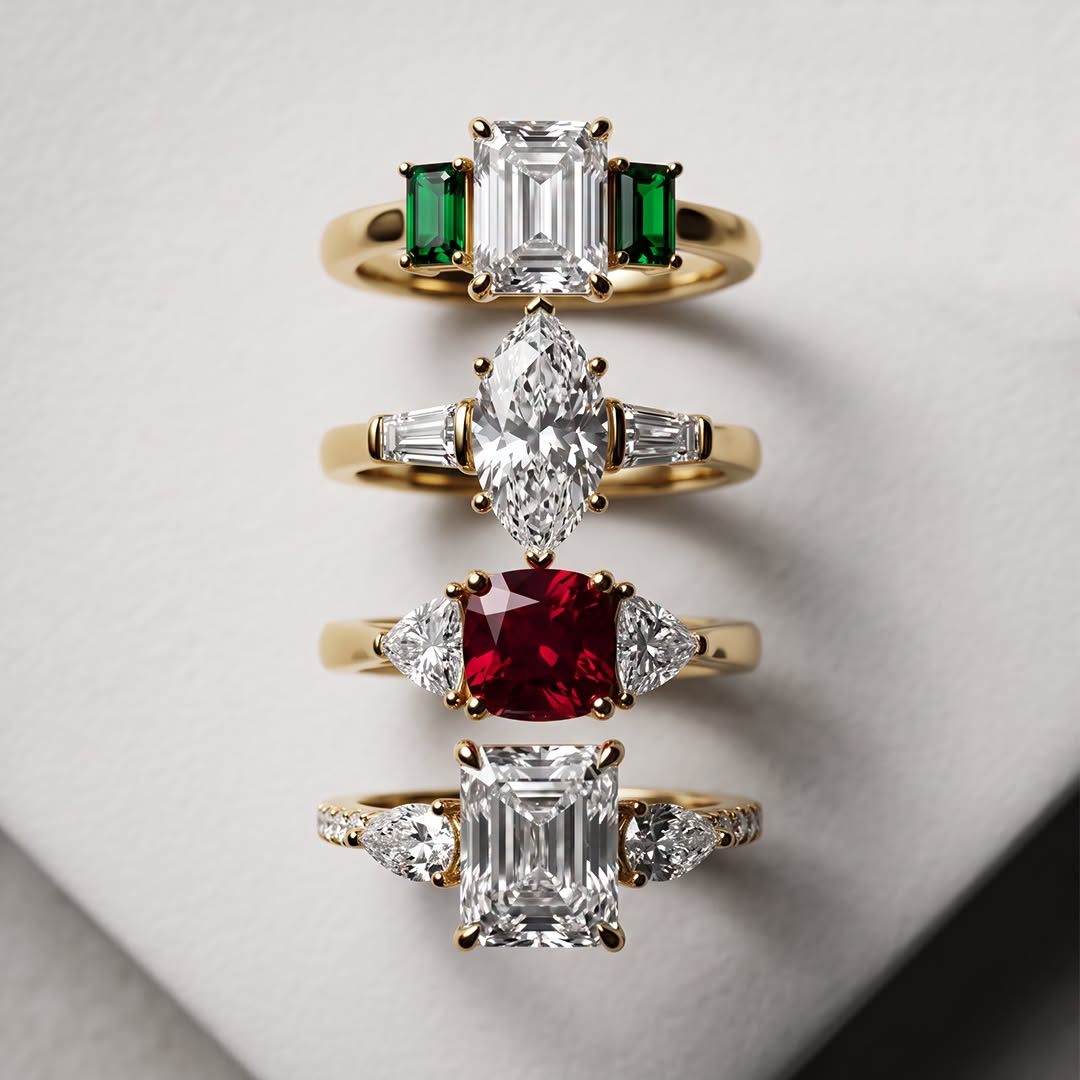
Diamonds have long been cherished as symbols of love, commitment, and luxury. But today, buyers have more options than ever—natural diamonds formed deep within the Earth over billions of years, or lab-grown diamonds that offer the same brilliance at a more accessible price. Both are real diamonds, but they differ in origin, cost, and environmental impact. This guide will compare the two, helping you make an informed choice that aligns with your values, budget, and preferences.
What Are Natural Diamonds?
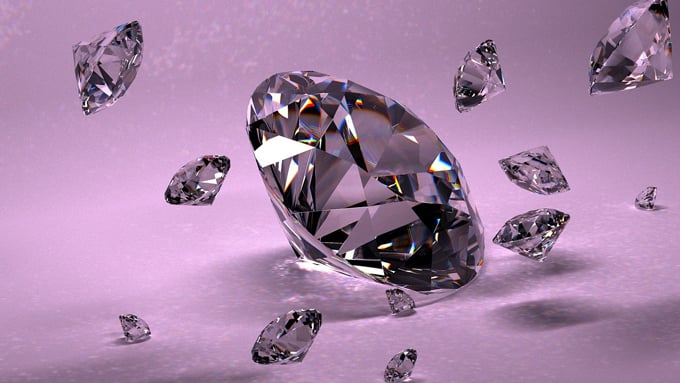
Natural diamonds are Earth’s original treasures—formed over billions of years under extreme heat and pressure deep within the planet. Carried to the surface by volcanic eruptions, each diamond is a unique piece of geological history, often containing tiny imperfections that make it one-of-a-kind. Mined from remote locations worldwide, they’ve long symbolized rarity, endurance, and timeless beauty. Today, ethically sourced natural diamonds (certified by systems like the Kimberley Process) offer a connection to Earth’s natural artistry—perfect for those who value heritage as much as brilliance.
What Are Lab-Grown Diamonds?
Lab-grown diamonds are real diamonds—identical in composition to natural ones—but created in high-tech labs instead of mined from the Earth. Using cutting-edge methods like High Pressure-High Temperature (HPHT) or Chemical Vapor Deposition (CVD), scientists replicate the natural conditions that form diamonds, producing stunning stones in weeks rather than millennia.
These diamonds offer exceptional clarity and quality, often at a more accessible price than their natural counterparts. With lower environmental impact and ethical transparency, they’re a compelling choice for buyers who want sustainability without sacrificing beauty or authenticity.
Lab-Grown vs Natural Diamonds: Key Differences
While identical in chemical makeup and brilliance, natural and lab-grown diamonds differ in origin, value, and environmental impact. Here’s a clear breakdown:
| Factor | Natural Diamonds | Lab-Grown Diamonds |
|---|---|---|
Formation | Created over billions of years under Earth’s crust. | Grown in weeks using HPHT or CVD technology. |
| Price | Typically 30–50% more expensive due to rarity and mining costs. | More affordable (often 40–60% less for comparable quality). |
| Sustainability | Mining has a higher environmental impact (land disruption, water use). | Lower carbon footprint; no mining required. |
| Rarity | Unique imperfections; finite supply. | Identical quality, virtually unlimited supply. |
| Certification | Graded by GIA, IGI, etc. (marked as natural). | Same labs certify them (clearly labeled “lab-grown”). |
Natural diamonds appeal to those valuing geological rarity and tradition, while lab-grown diamonds attract buyers prioritizing sustainability, affordability, and identical quality.
Lab-Grown vs Natural Diamonds: How to Choose?
Both natural and lab-grown diamonds offer beauty and durability—but key differences might make one a better fit for you. Here’s how to decide:
1. Budget & Size
- Lab-grown advantage: Save 40–60% for the same quality, allowing for a larger or higher-grade stone (e.g., a 2-carat lab diamond for the price of a 1-carat natural).
- Natural diamonds: You pay for geological rarity, not just the diamond itself.
2. Ethics & Sustainability
- Lab-grown advantage: Zero mining impact, smaller carbon footprint, and guaranteed conflict-free origins.
- Natural diamonds: Some mines adhere to ethical standards, but supply chains can be complex to trace.
3. Quality & Selection
- Lab-grown advantage: Fewer inclusions (due to controlled growth) and more color options (like vivid blues/pinks) without rarity markups.
- Natural diamonds: Unique imperfections can add character, but flawless stones are rare and costly.
4. Resale Value vs. Long-Term Wear
- Natural diamonds: May retain 20–40% resale value (though rarely as much as buyers hope).
- Lab-grown diamonds: Depreciate more, but if you’re buying to wear forever (not resell), this matters less.
5. The Visual Test
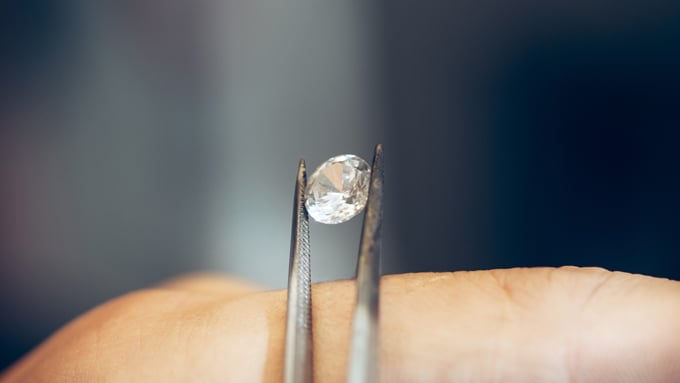
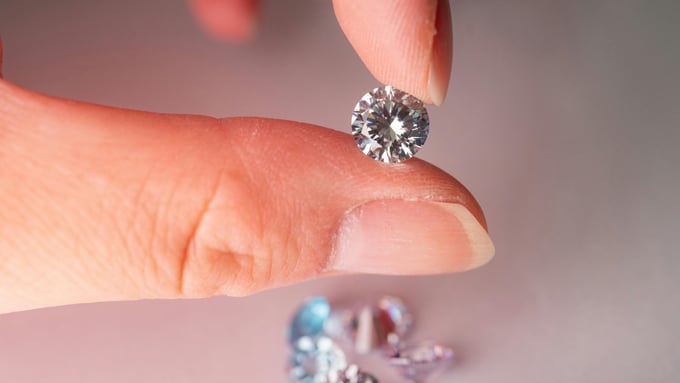
- They’re identical! Even experts need lab equipment to tell them apart—so your choice comes down to personal values and priorities.
Common Myths About Lab-Grown vs. Natural Diamonds
Misinformation clouds the diamond debate. Let’s separate fact from fiction so you can decide confidently.
Myth 1: “Lab-Grown Diamonds Are Fake”
❌ False.
- Truth: Lab-grown diamonds are real diamonds—just created in a lab instead of the earth.
- Proof: They have the same chemical (carbon), physical, and optical properties as natural diamonds. Even jewelers need specialized equipment to tell them apart.
Myth 2: “Lab Diamonds Don’t Sparkle as Much”
❌ False.
- Truth: Cut quality determines sparkle, not origin. A well-cut lab diamond outshines a poorly cut natural one.
- Bonus: Lab-grown diamonds often have fewer inclusions (since they’re grown in controlled conditions), maximizing brilliance.
Myth 3: “Natural Diamonds Are a Better Investment”
⚠ Misleading.
- Truth: Most natural diamonds lose value after purchase (resale averages 30–50% of retail).
- Lab-grown diamonds depreciate faster, but if you’re buying for sentimental value (not resale), this doesn’t matter.
- Reality: Neither is an “investment”—buy for love, not ROI.
Myth 4: “Lab-Grown Diamonds Are Bad for the Environment”
❌ Oversimplified.
- Truth: Lab-grown diamonds use less water, land, and energy than mining (which displaces 250 tons of earth per carat).
- But some labs rely on fossil fuels—so ask for renewable-energy-certified stones if sustainability matters.
Myth 5: “Natural Diamonds Are More Durable”
❌ False.
- Truth: Both rate 10/10 on the Mohs hardness scale—they’re equally scratch-resistant.
- Fun fact: NASA uses lab diamonds in cutting-edge tech because of their strength and purity.