Rubies and sapphires are both precious varieties of the mineral corundum. Their key difference lies in their color and coloring elements. Rubies are defined by their vibrant red hue, which is caused by trace amounts of chromium in the corundum structure. Sapphires, on the other hand, encompass all other colors of corundum. These range from classic royal blue—colored by iron and titanium—to pink, yellow, and lavender, but specifically exclude red.
Both rank 9 on the Mohs scale, making them durable for jewelry, but their market value, color standards, and symbolic meanings vary significantly. We’ll break down these key differences, focusing on what matters most to you. This includes how their traits suit everyday wear or special pieces, and how color and origin impact style and value as you build your jewelry collection.
The Mineral Foundation: Same Core, Different Hues
At a geological level, rubies and sapphires share identical mineral composition—they are both aluminum oxide (corundum) crystals. The only factor that separates them is the presence of specific trace elements during formation:
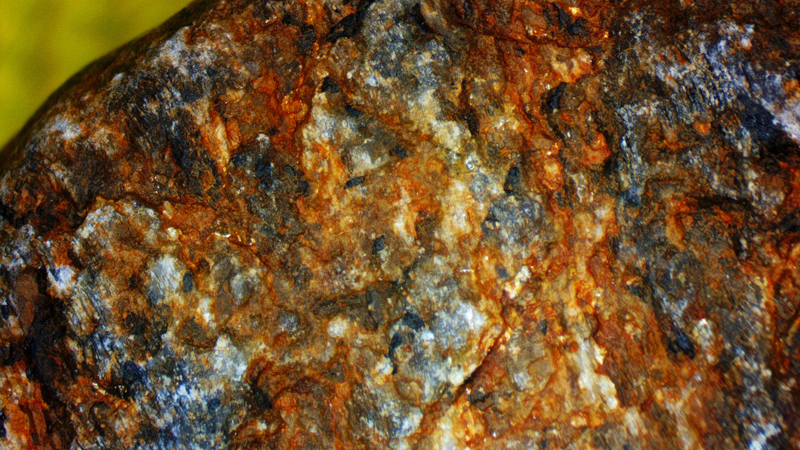
- Rubies: Chromium is the magic ingredient, accounting for their iconic red color. Even minute amounts (0.5% to 1%) of chromium create the rich, fiery tones that define rubies. The most valuable rubies exhibit a “pigeon blood red” hue—an intense, vivid red with subtle blue undertones—that remains the gold standard in the market.
- Sapphires: Their color diversity stems from different trace elements. Iron and titanium combine to produce classic blue sapphires, while iron alone creates yellow or green sapphires, and chromium (in smaller amounts than rubies) yields pink sapphires. Lavender sapphires have maintained high popularity for two consecutive years, and padparadscha sapphires (a delicate blend of pink and orange) are particularly sought-after.
Notably, corundum that lacks trace elements is colorless (called “white sapphire”), but it’s far less valuable than its colored counterparts. Both gemstones form in metamorphic and igneous rocks, with core origins in Myanmar, Mozambique (for rubies), and Sri Lanka, Myanmar (for sapphires).
Color Standards & Market Value: What Drives Price Differences
For both rubies and sapphires, color is the primary driver of value, but the standards for “ideal” color differ dramatically:
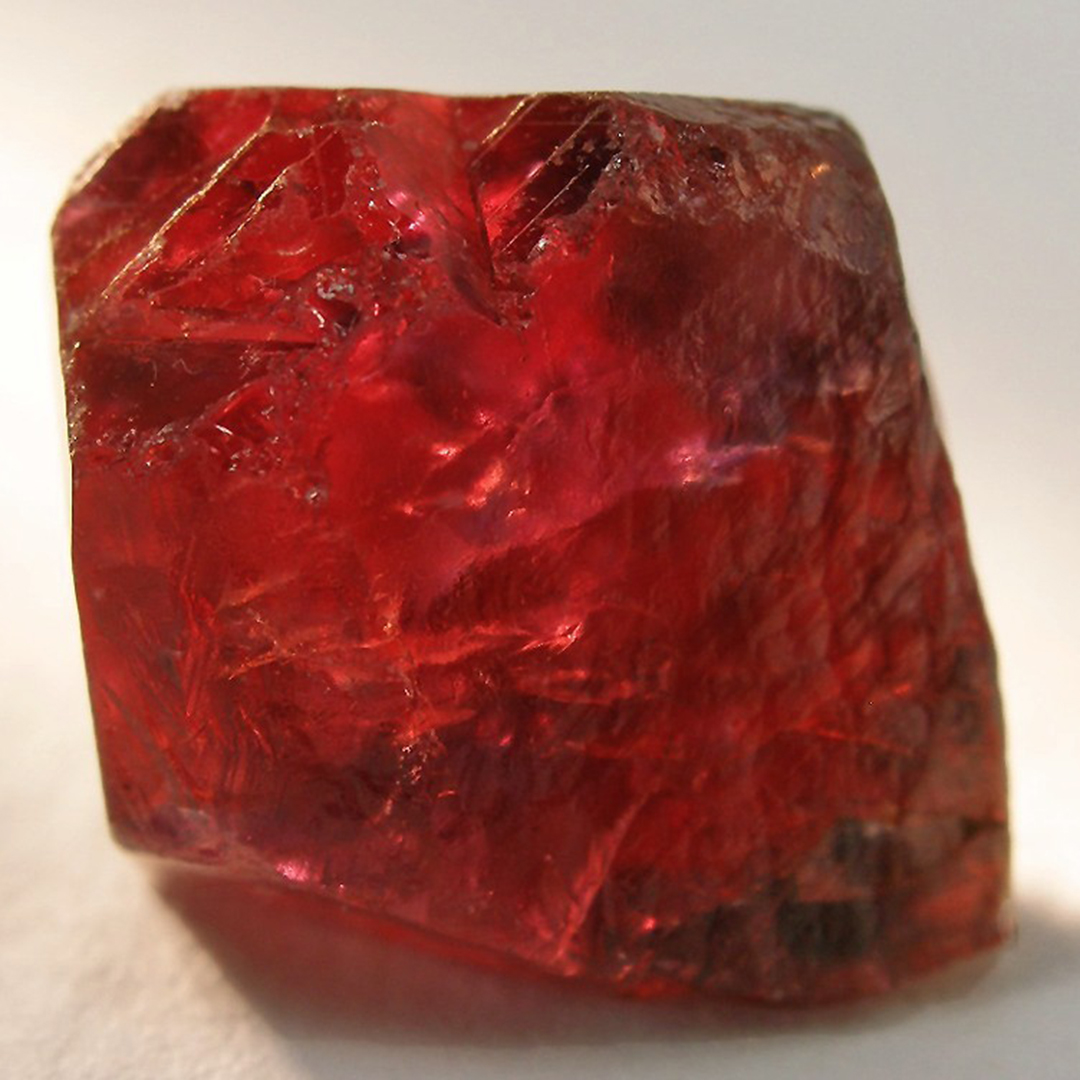
Rubies: Rarity of Intense Red
Ruby supply remains scarce, with raw material prices rising due to reduced auction volumes. The most valuable rubies are those with “pigeon blood red” color, certified by leading labs like GIA, GRS, or GUILD. While 2-carat and smaller rubies dominate the market, high-quality rubies over 2 carats retain stable value and are considered investment-grade. Heated rubies (a common, accepted treatment) are more accessible, while unheated (“no-heat”) rubies command a significant premium due to their rarity.
Sapphires: Diversity in Color & Accessibility
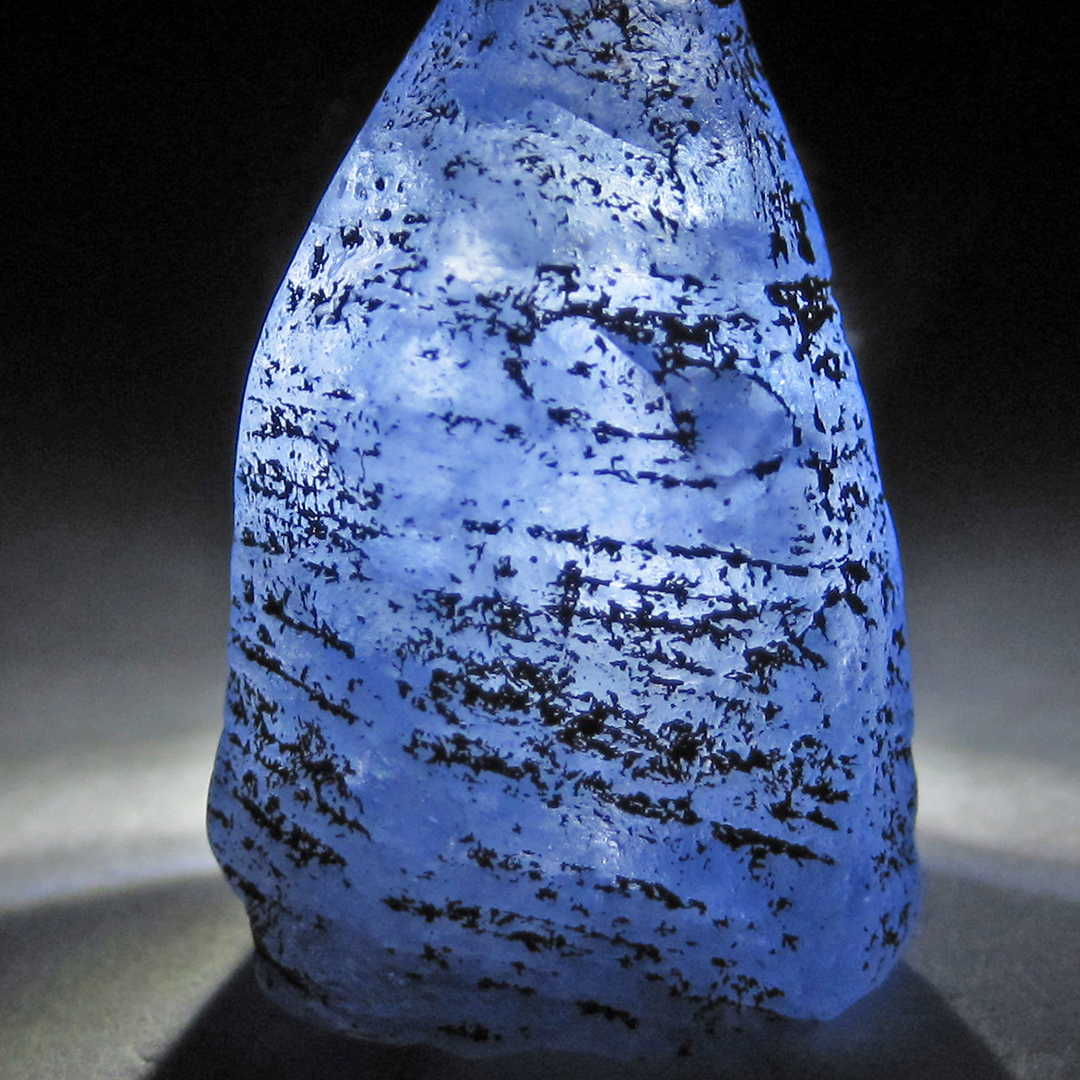
Sapphires offer broader accessibility, with classic blue varieties (royal blue and cornflower blue) being the most recognizable. However, the market is seeing strong demand for padparadscha and lavender sapphires, reflecting a shift toward diverse aesthetics. Unlike rubies, sapphires tend to be more affordable at smaller carat sizes. This makes them a popular choice for everyday jewelry and engagement rings. While top-tier sapphires—such as the Kashmir cornflower blue variety—still command high prices, sapphires overall offer greater flexibility across different budgets.
Durability & Wearability: Suitable for Everyday Use?
Both rubies and sapphires rank 9 on the Mohs scale, second only to diamonds. This high hardness makes them highly durable for daily wear. Their toughness—that is, their ability to resist chipping or cracking—is also excellent. However, we still advise clients to avoid exposing them to harsh chemicals and to store them separately to prevent scratches.
For practical reasons, sapphires are often the preferred choice for daily jewelry. Their wider range of colors and generally more accessible price point allow for greater versatility in styling. Rubies, with their bold red hue, are ideal for statement pieces or special occasions. Their exceptional durability also makes them well-suited to be cherished and passed down as heirlooms.
Symbolism & Styling Tips
Beyond their physical differences, rubies and sapphires carry distinct symbolic meanings:
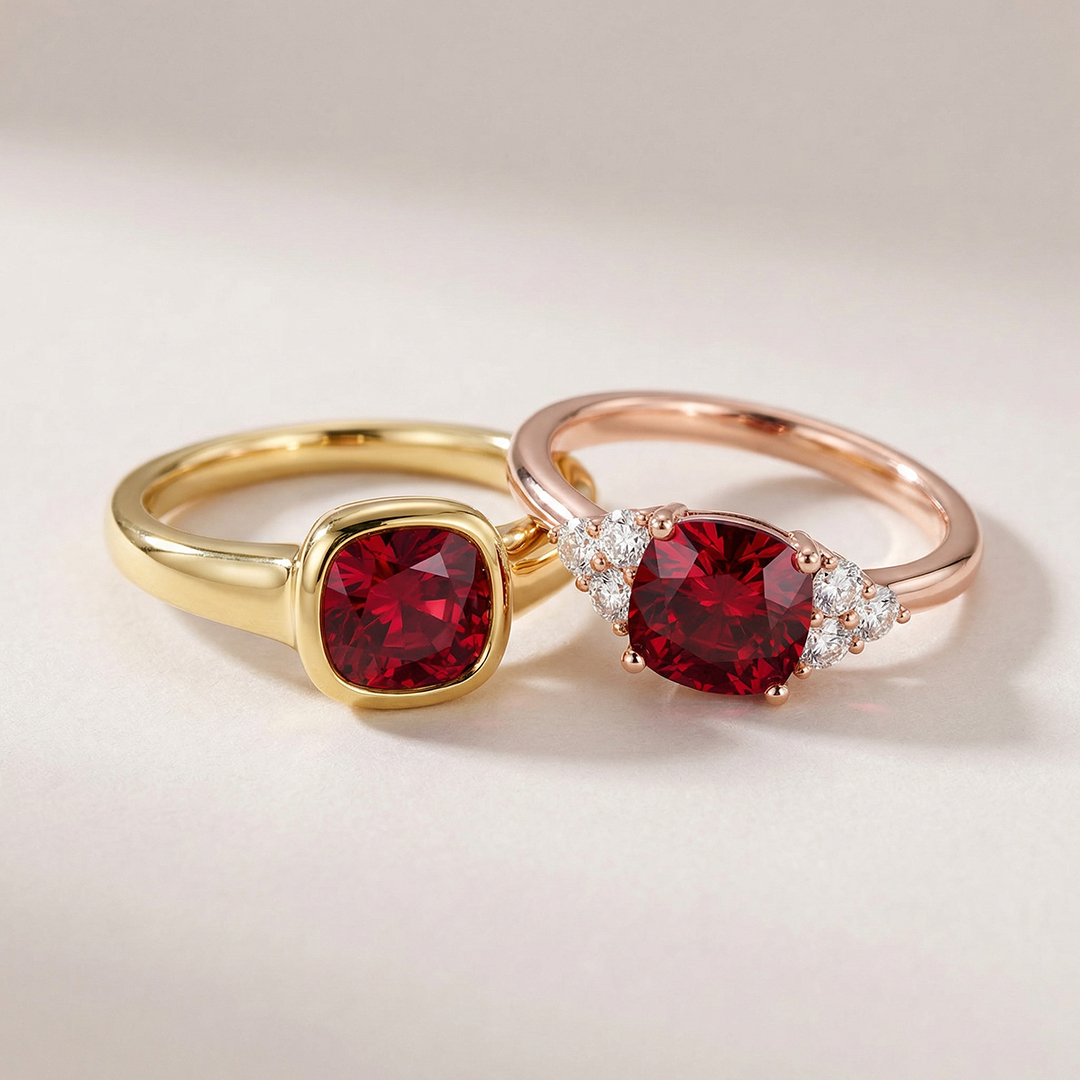
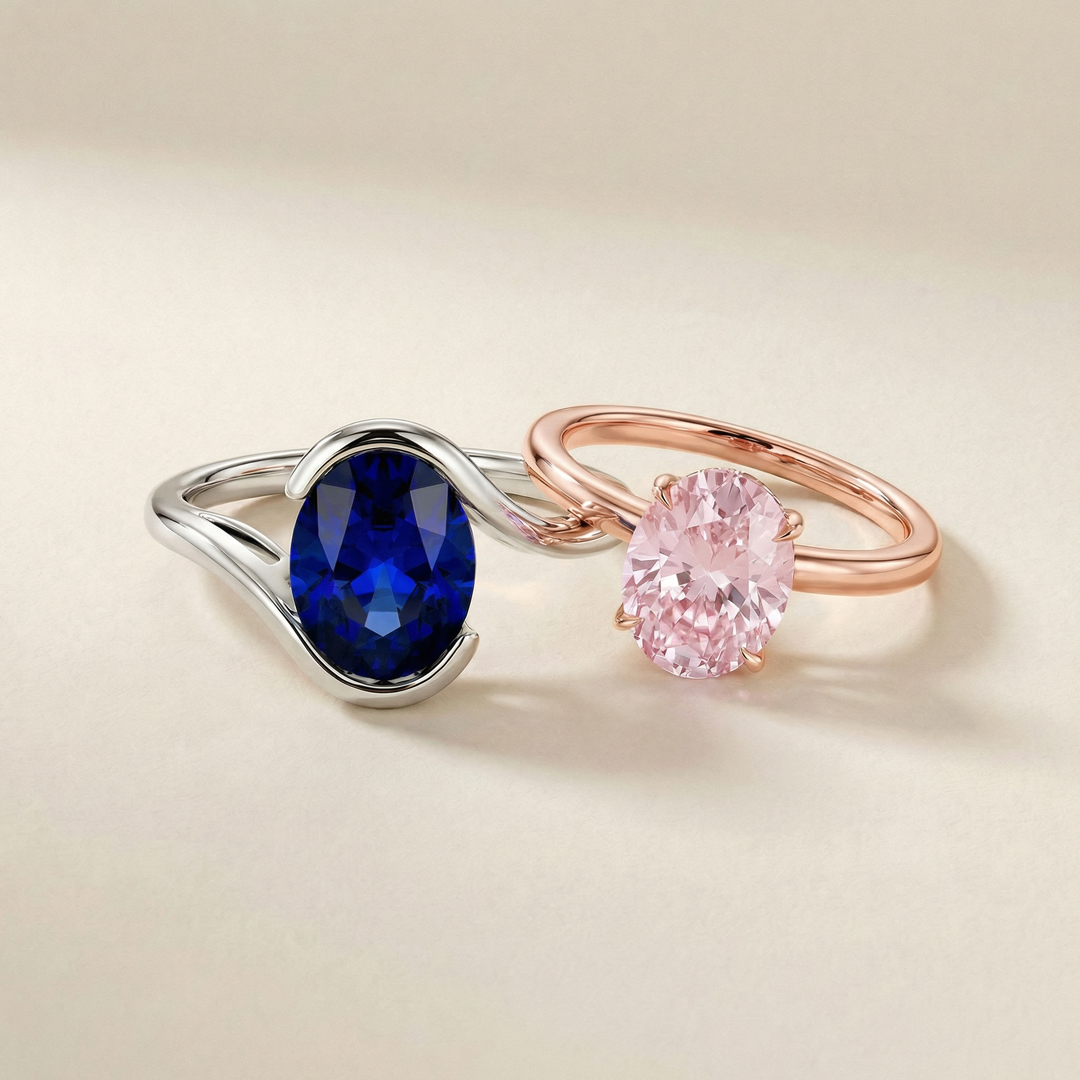
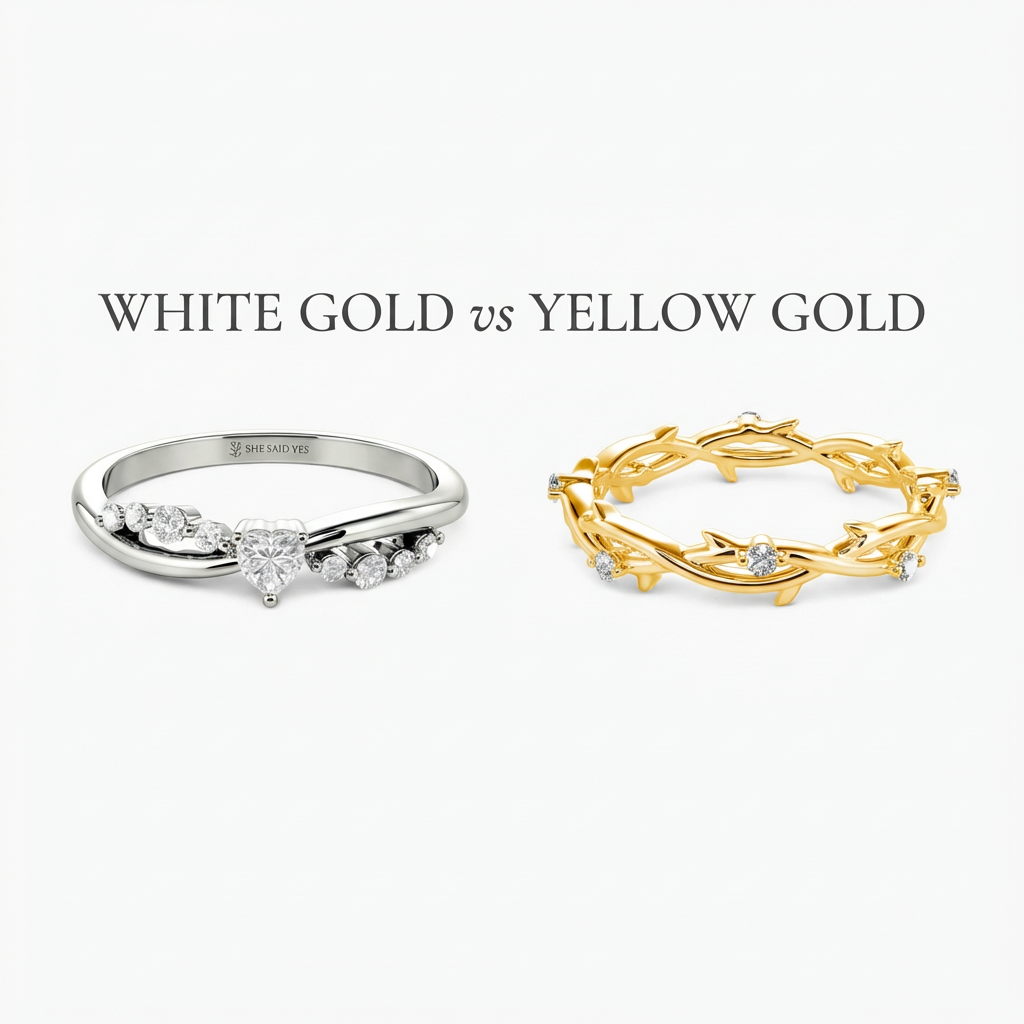
- Rubies: Symbols of passion, love, and vitality, rubies have long been associated with heart and courage. This makes them a meaningful choice for anniversary gifts, engagement rings, or even self-love pieces. For styling, yellow gold settings remain a classic match. They help amplify the gem’s warm red tones. For everyday wear, consider a delicate solitaire pendant or a thin band. For formal occasions, a larger, faceted ruby—perhaps accented with subtle stones like small diamonds—makes a striking statement. Rubies also pair beautifully with neutral metals like rose gold, and they complement earthy outfits (think cream, tan, or deep green) to add a pop of color without overwhelming the look.
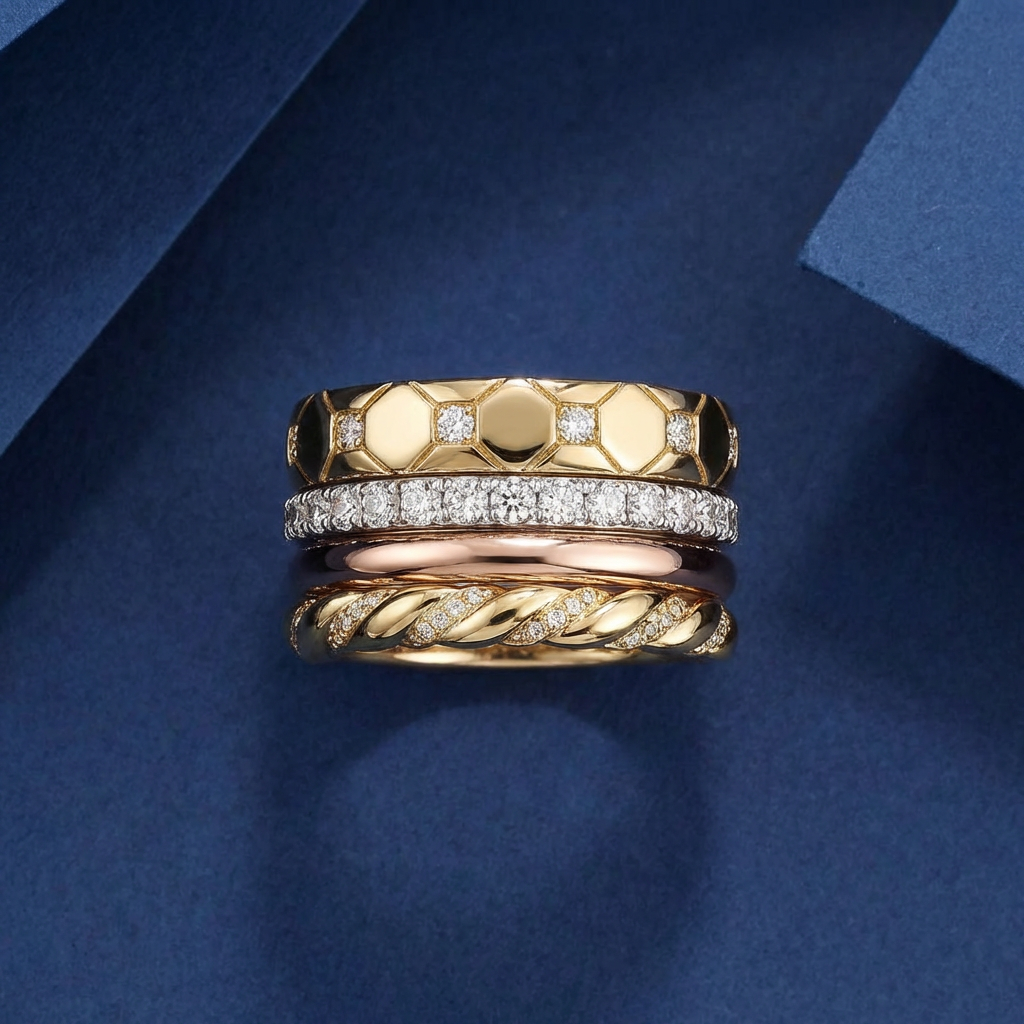
- Sapphires: Represent loyalty, wisdom, and elegance, with their versatile colors making them adaptable to nearly any style. Blue sapphires (made famous by royal figures) are a timeless engagement ring choice, and white gold or platinum settings highlight their cool, rich hue. Lavender and pink sapphires work beautifully with silver or rose gold, ideal for layered necklaces or stackable rings for everyday wear. For padparadscha sapphires (pink-orange), rose gold is a perfect complement, adding warmth that enhances the gem’s unique tone. Sapphires also pair well with both casual and formal attire: a small blue sapphire stud earring elevates jeans and a blouse, while a statement sapphire bracelet adds elegance to evening wear.
Key Tips for Buying Rubies & Sapphires
When purchasing these gemstones—including both natural and lab-grown varieties—there are three non-negotiables to keep in mind:
- Certification: Always ask for a lab report from reputable, established labs—including GIA, GRS, GUILD, etc.—to verify origin (natural or lab-grown), treatment (heated vs. unheated for natural stones), and color grade. Lab-grown rubies and sapphires have the same physical and optical properties as natural ones but are often more accessible. Certification from any of these trusted labs helps clearly distinguish between the two—ensuring transparency and protecting your investment.
- Ethical Sourcing: For natural gemstones, choose options from responsible origins—Mozambique rubies and Sri Lankan sapphires are ethical alternatives to high-risk regions. Lab-grown rubies and sapphires are also a fantastic ethical choice, as they are conflict-free, environmentally friendly, and eliminate concerns about unethical mining practices.
- Personal Preference: Let your style and intent guide you. If you want a bold, investment-worthy piece, a high-quality ruby is ideal. For versatility and everyday wear, a sapphire offers endless options.
Whether you’re drawn to the fiery allure of natural or lab-grown rubies, or the timeless elegance of sapphires, keeping these tips in mind will help you find a piece that aligns with your style, values, and budget. Both natural and lab-grown options offer unique benefits, making it easy to find a gemstone that feels perfect for you.