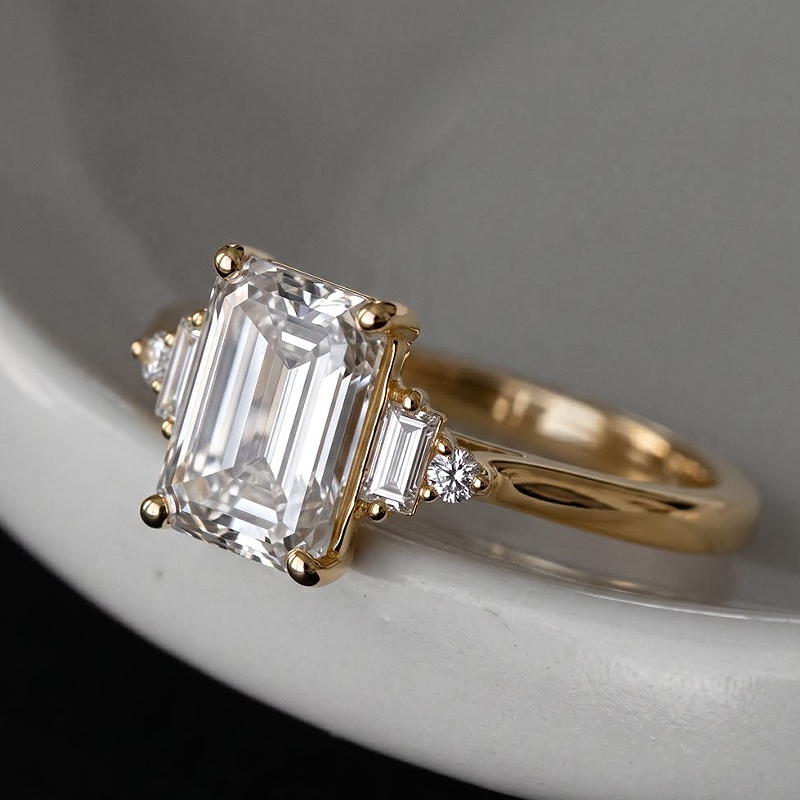
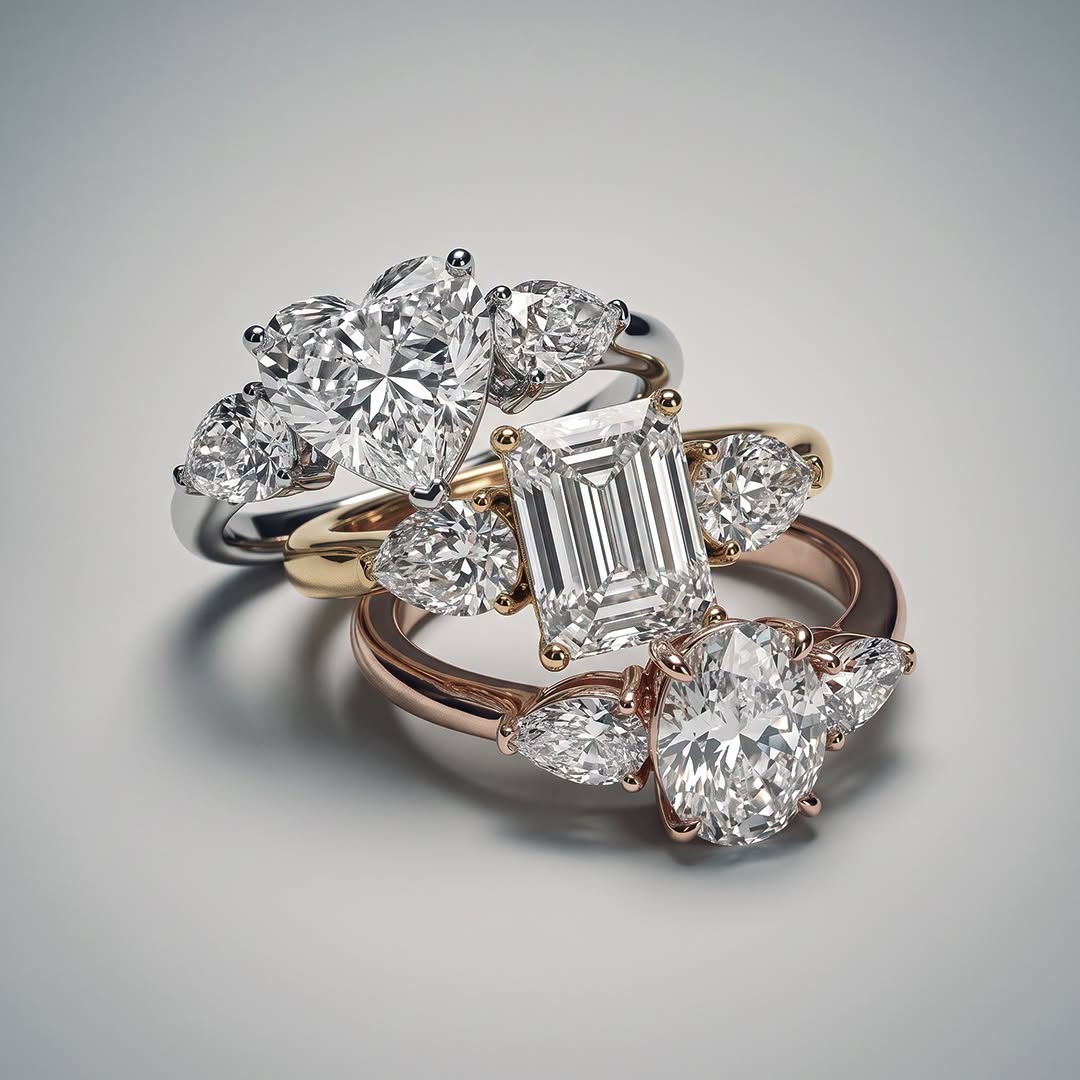
If you have recently started looking for an engagement ring or a piece of jewelry for a special occasion, you’ve undoubtedly heard the term “lab grown diamond.” It’s a phrase appearing on store shelves and online marketplaces with increasing frequency.
Even as lab grown diamonds gain popularity, they still feel mysterious. You might stare at a sparkling gem and ask, like many others do, Is this really a diamond? And if it is, how do they make it? The answer comes from a fascinating mix of geology and modern technology: natural diamonds form over billions of years deep within the Earth, while scientists can create identical diamonds in just a few weeks using carefully controlled processes.
The Basics: What Makes a Diamond
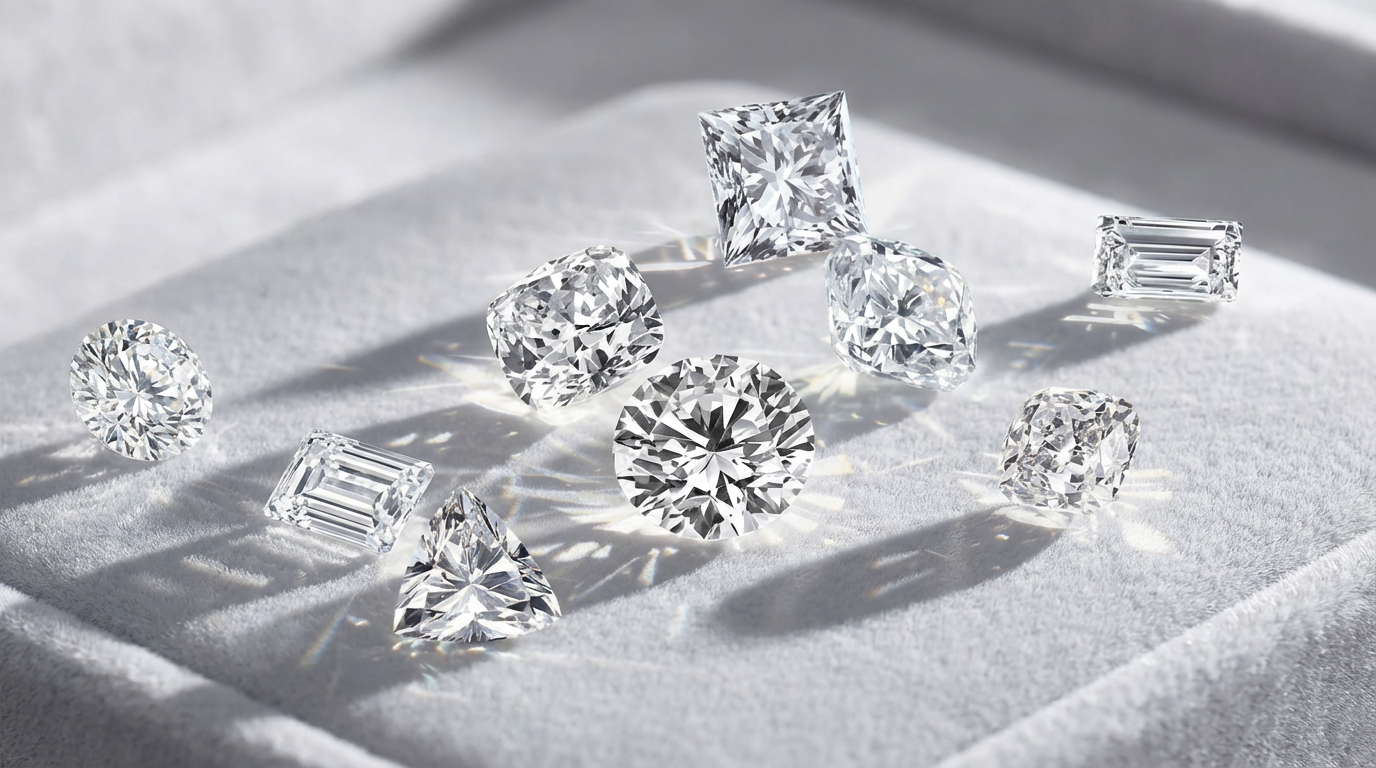
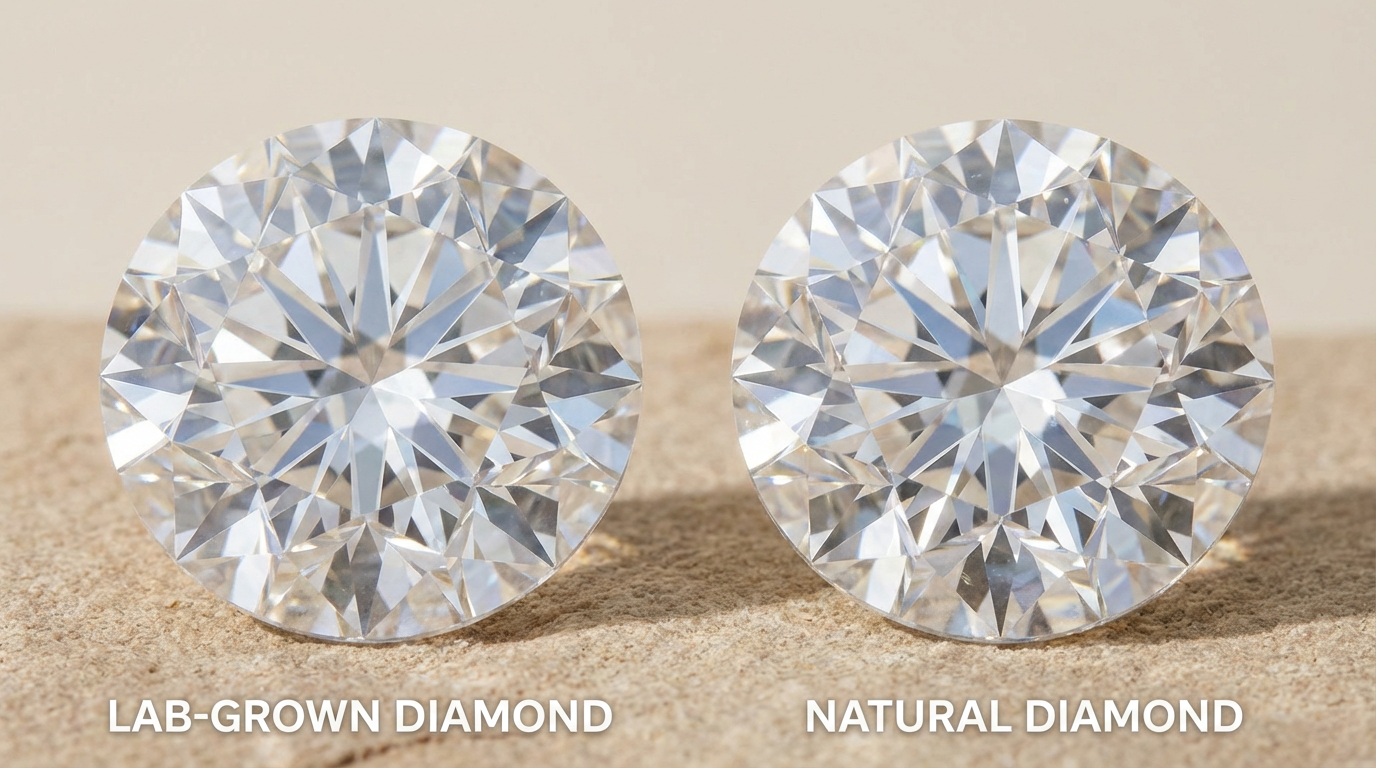
Before diving into production methods, it helps to understand a key fact: a lab grown diamond is a real diamond.It’s not an imitation. Lab grown diamonds share the same chemical, physical, and optical properties as mined diamonds.
A diamond consists entirely of carbon. That’s the same element found in graphite, but arranged differently. In a diamond, carbon atoms form a rigid tetrahedral lattice, giving the stone its legendary hardness and ability to bend and reflect light beautifully.Whether formed by Earth’s heat and pressure or by scientists in a lab, a diamond’s building blocks remain the same. The difference lies only in the environment where it grows.
Know more about lab diamonds vs natural diamonds.
Two Ways to Grow a Diamond: HPHT and CVD
Scientists use two main methods to create diamonds in a lab. Both methods replicate natural processes, but they work much faster.
Method 1: High Pressure, High Temperature (HPHT)
HPHT became the first successful method for growing diamonds in the 1950s. As the name suggests, it recreates the extreme pressure and heat found deep inside the Earth.
The Setup: The process begins with a “growth chamber” filled with carbon. Usually, this chamber contains a metal catalyst (like iron, nickel, or cobalt) and a tiny seed. This seed is a microscopic fragment of a diamond, often a flake from a previous lab growth or a crushed diamond. Think of this seed as the blueprint—the starting point from which the new diamond will grow.
The Pressure Cooker: This chamber is placed inside a massive hydraulic press. This isn’t just any press; it’s a machine capable of applying immense force. The press squeezes the chamber, subjecting it to pressures of around 80,000 times the atmospheric pressure at sea level. That’s the pressure of the weight of the entire planet resting on a small area.
The Heat: Simultaneously, temperatures are cranked up to a staggering 1,500 degrees Celsius (2,732 degrees Fahrenheit). Under these extreme conditions, the metal catalyst melts and the carbon source dissolves. The carbon atoms then begin to migrate towards the diamond seed. They attach themselves to the seed, slowly crystallizing and building upon it, layer by layer.
The Result: Over a period of a few weeks, the carbon crystallizes into a diamond. When the process is complete, the press is opened, and the result is a rough lab grown diamond, ready to be cut and polished. The HPHT method is known for producing high-quality diamonds, but the machinery involved is incredibly powerful and expensive.
Method 2:Chemical Vapor Deposition (CVD)
If HPHT is like using a massive hydraulic press to squeeze a diamond into existence, CVD is more like building a diamond one layer at a time in a high-tech greenhouse. This is a more modern method, developed in the 1980s, and it’s responsible for the vast majority of lab grown diamonds you see on the market today.
The Seed:Like with HPHT, the process starts with a seed. However, for CVD, this is often a flat, wafer-thin slice of a diamond. This seed plate is placed inside a vacuum chamber.
The Gas Chamber: The chamber is then filled with a carbon-rich gas. The most common gas used is methane (the same gas that powers your stove). The chamber is heated to around 800-1,000 degrees Celsius, and the gas is ionized into a plasma.
The Deposition: Here’s the most amazing part: Super-hot, ionized gas is blasted at the diamond seed. The energy from this plasma breaks the methane molecules apart. The carbon atoms are then released and rain down onto the diamond seed.
Because the seed’s crystal structure is already established, the incoming carbon atoms have a perfect pattern to follow. They latch onto the seed, stacking themselves in the correct diamond lattice. It’s like painting a wall—one incredibly thin layer at a time.
The Result: Over the course of several weeks, these layers build up, growing a rough diamond crystal (which looks a bit like a hockey puck). Once the diamond reaches the desired size, the chamber is opened, and the rough is extracted. The CVD method is very precise and allows for the creation of very pure, high-quality diamonds.
From Rough Crystal to Brilliant Gem
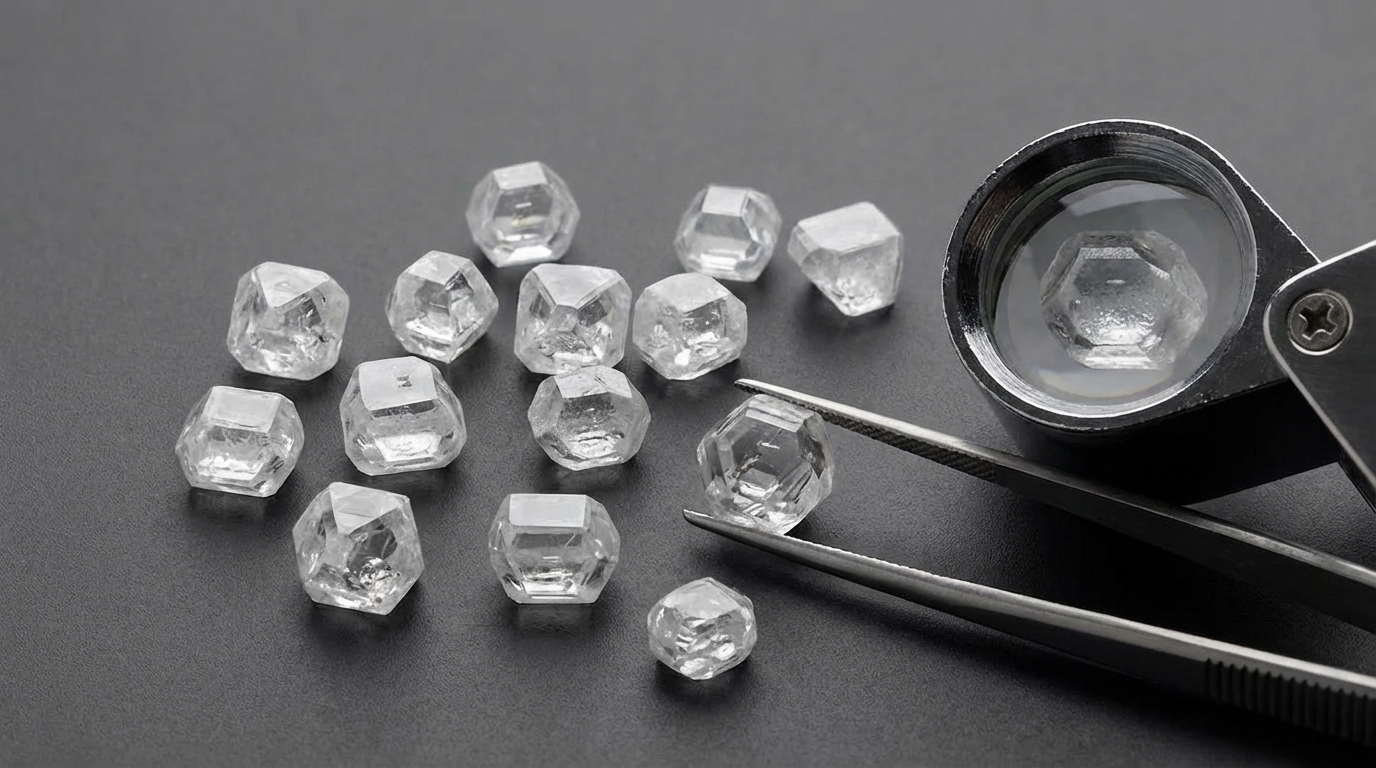
No matter the growth method, diamonds leave the lab as rough, opaque crystals. They won’t sparkle until a cutter unlocks their potential.
Cutting a diamond combines science and art. First, cutters scan the rough stone to plan the best shape and maximize brilliance. Then they carefully cleave and shape it, followed by polishing the facets. The angles of these facets control how light reflects and refracts, creating the diamond’s signature sparkle. When the final polish is complete, a lab grown diamond looks just like a mined one.
Should You Choose a Lab Grown Diamond?
Understanding the science behind these stones can help you make an informed choice. The choice ultimately comes down to personal values. Some people prefer the natural history of mined diamonds, while others value the precision and sustainability of lab grown stones.
Cost: Lab grown diamonds usually cost 30–50% less than comparable mined diamonds, letting you choose a larger or higher-quality stone.
Ethics: Because labs create these diamonds in controlled environments, you avoid issues with conflict sourcing or unsafe labor.
Environmental impact: Growing diamonds requires energy, but many producers now rely on renewable sources. Compared to mining, lab growth generally causes less land disruption and water usage.
What to Look For When Buying a Lab-Grown Diamond
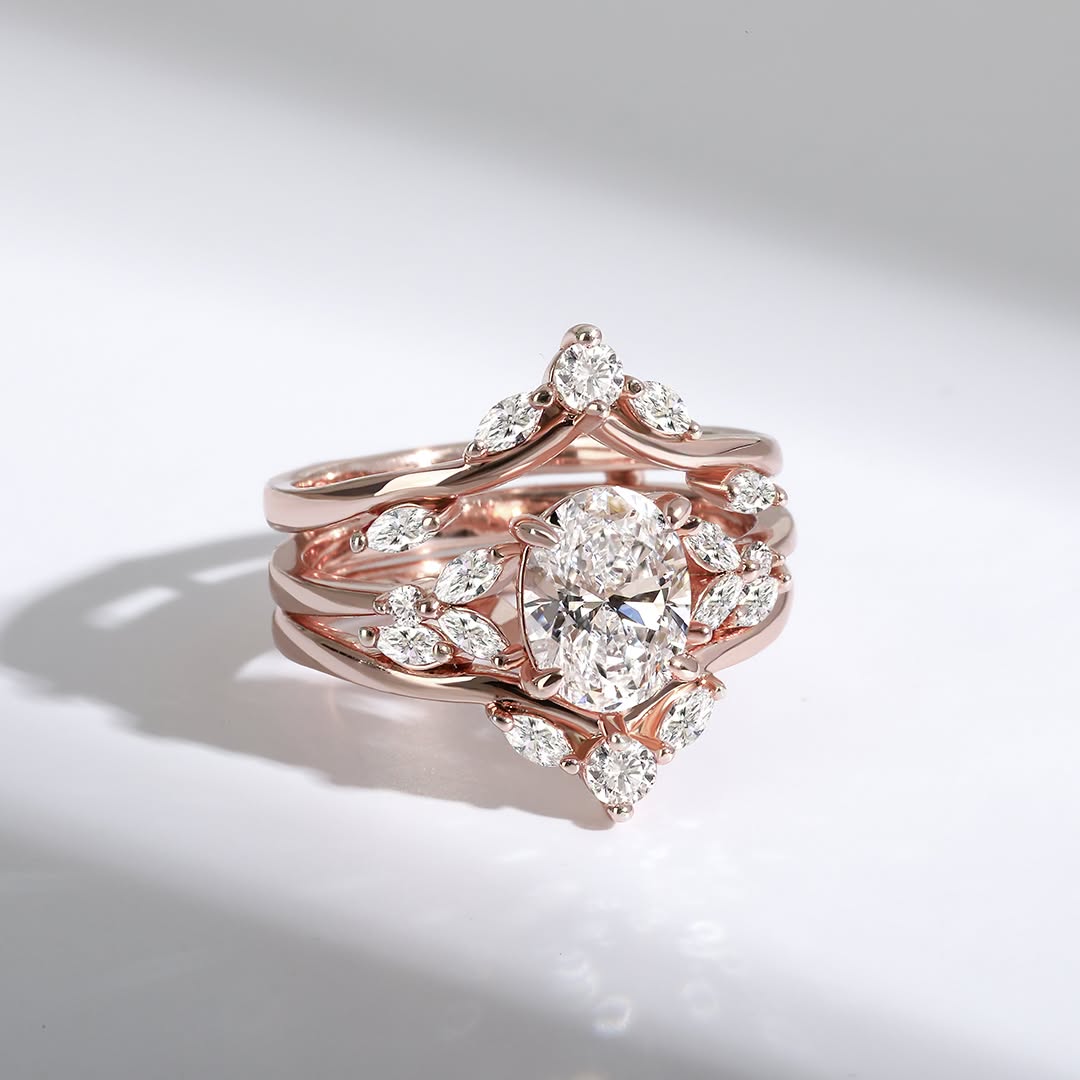
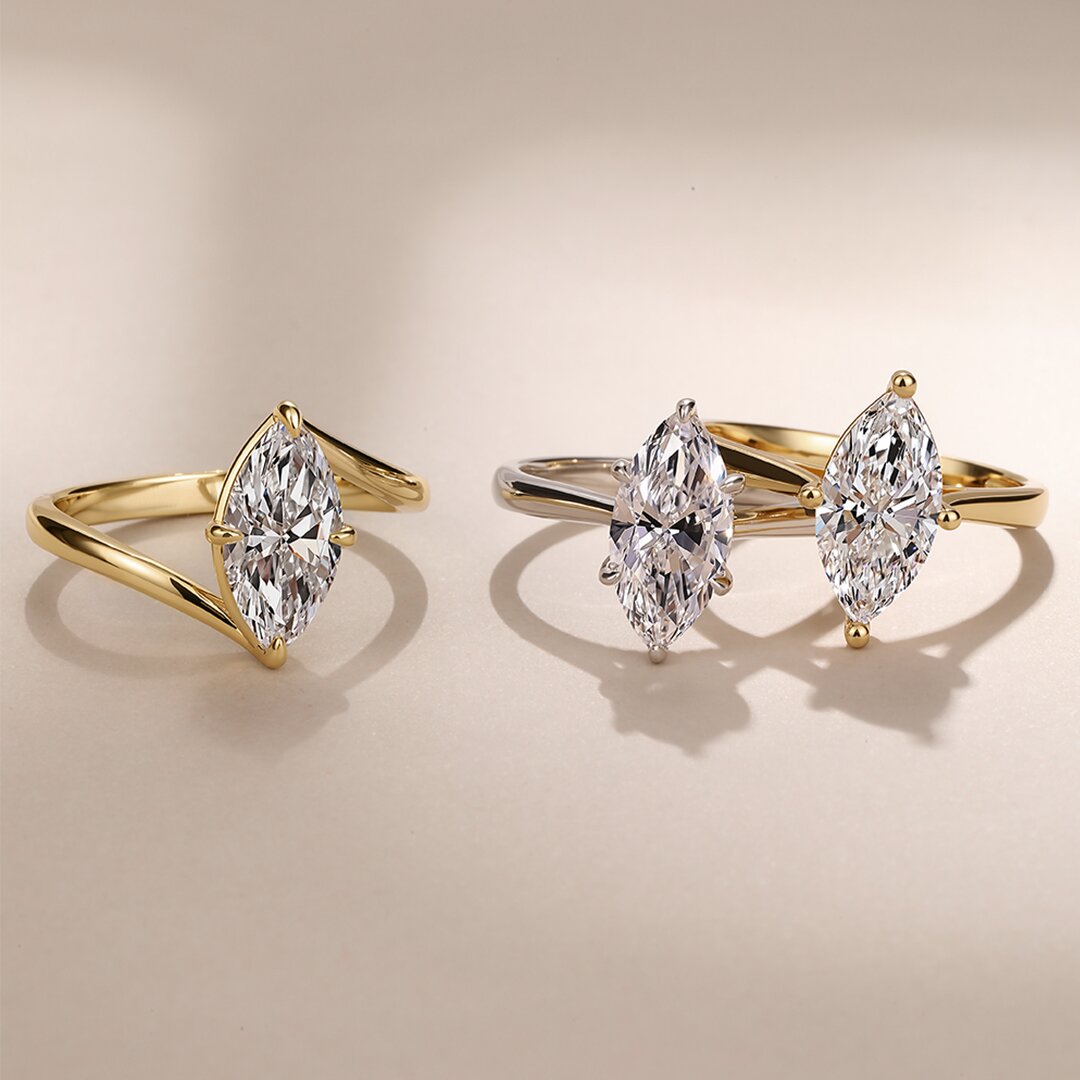
Consider the Mounting: Remember that the setting for your diamond is just as important. A well-chosen setting will protect the stone and enhance its beauty.
Ask for a Certificate: Never buy a significant lab-grown diamond without an independent grading report from a reputable lab like IGI or GIA. This is your guarantee of quality.
Prioritize Cut: To ensure maximum sparkle, aim for an Excellent or Ideal cut grade. A well-cut diamond will look larger and more brilliant than a poorly cut one of the same carat weight.
Find Your Sweet Spot: For color, anything in the G-J range will appear white to the naked eye and offers great value. For clarity, look for grades like VS1 or VS2 (Very Slightly Included), where inclusions are not visible without magnification.
Verify the Source: Always buy from a trusted and transparent retailer who can clearly explain the difference between lab-grown and natural diamonds and provide all the necessary documentation.
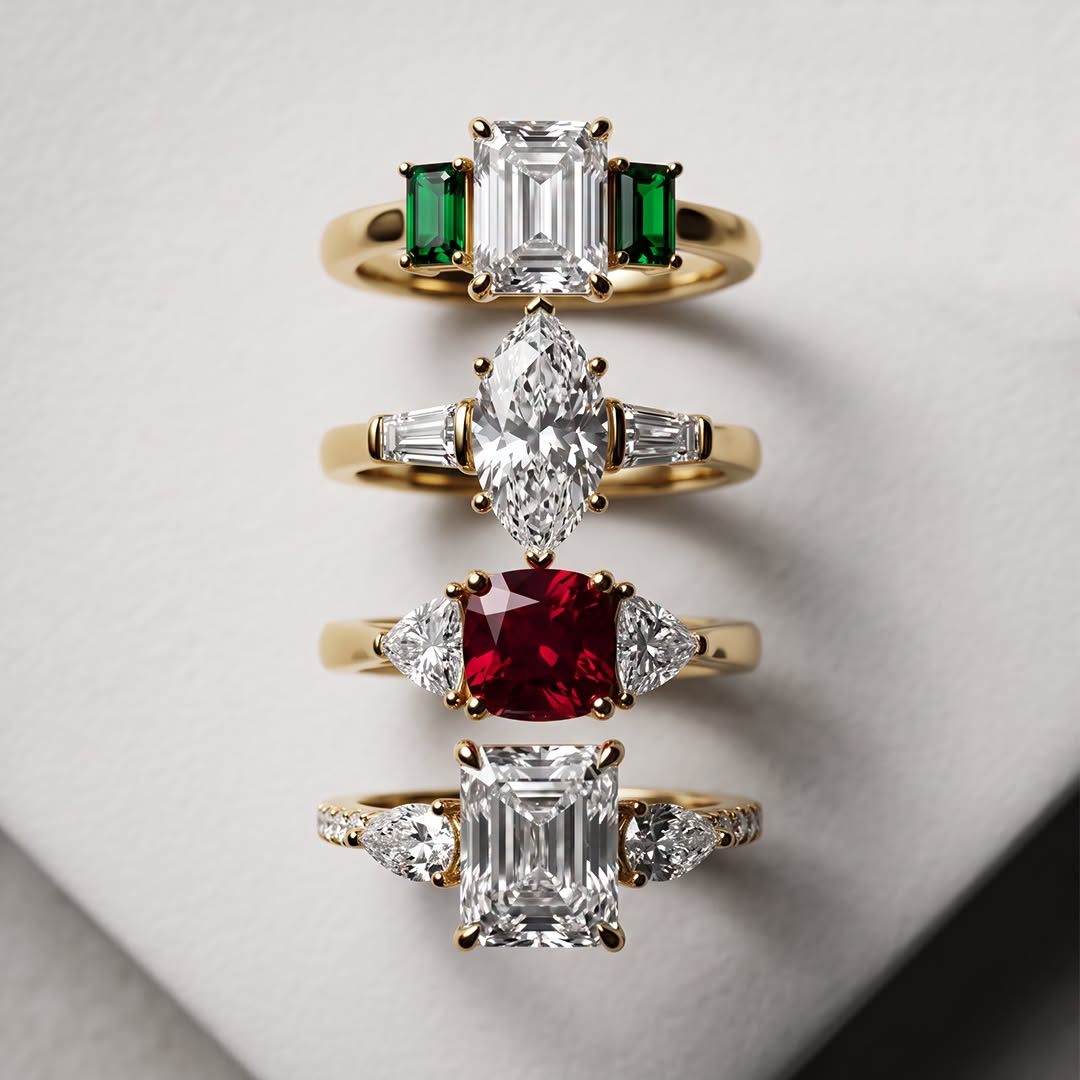
In the end, the diamond you choose is as much about your personal story as it is about the stone itself. Understanding the science and standards behind lab-grown diamonds empowers you to make a choice that is right for you. Take the time to explore your options and find a diamond that truly reflects your style and values. Check out our engagement rings to see what resonates with you.