A sparkling diamond sits on a simple band, known as a “solitaire ring.” But what does it actually mean for an engagement ring? Is it just about having one diamond? Or is there something more, a deeper significance to this deceptively simple design?Let’s move past the case and explore the story behind the solitaire.
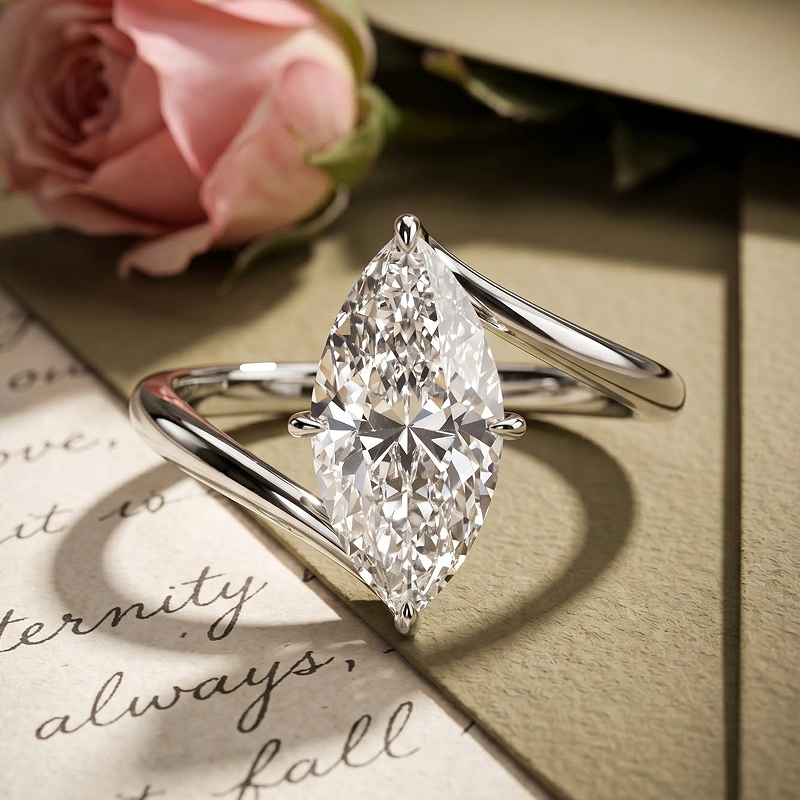
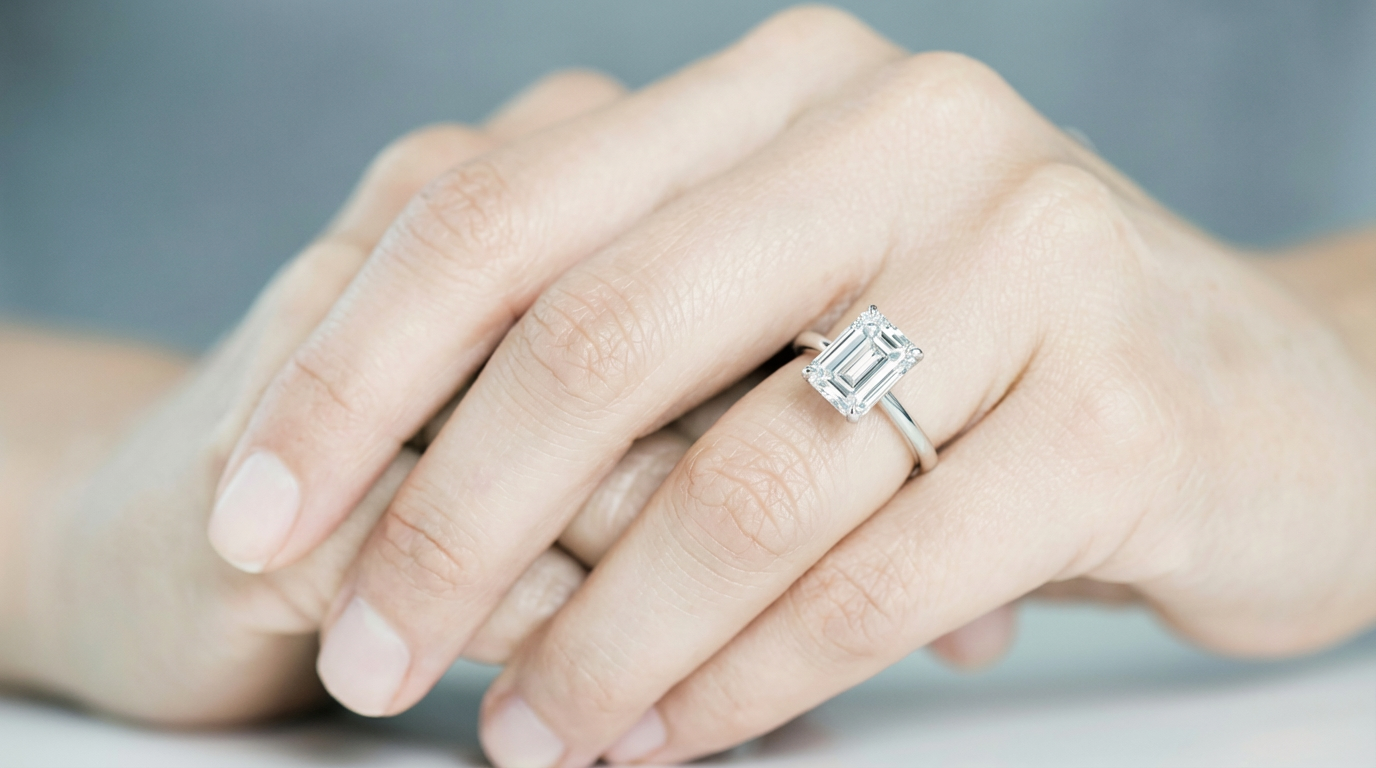
A solitaire engagement ring is a design built around a single gemstone, usually a diamond, which takes center stage. Its name comes from the idea of solitude, highlighting the beauty and uniqueness of the stone. Beyond aesthetics, a solitaire symbolizes focused love and commitment, as if saying that all attention is on one person alone. Choosing a solitaire is not just about style; it’s a statement of clarity, elegance, and enduring devotion.
What Is a Solitaire Engagement Ring?
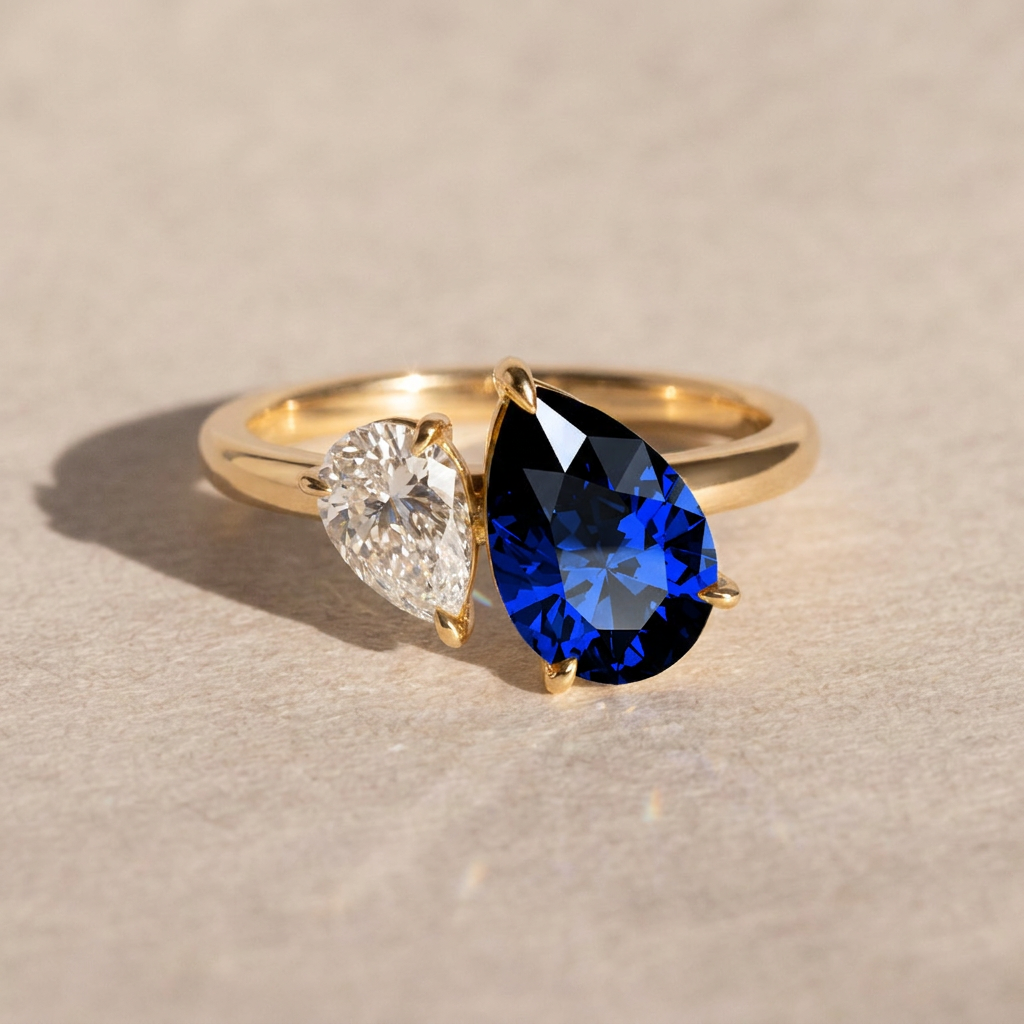
A solitaire engagement ring is defined by its single gemstone, which is typically a diamond but can also be other precious stones like sapphires, rubies, or emeralds. The term “solitaire” originates from the Latin word solitarius, meaning alone or solitary. This reflects the main characteristic of the ring: one central stone that stands out on a plain, unadorned band.
Unlike rings with multiple stones, intricate side designs, or decorative accents, the solitaire focuses entirely on the quality and brilliance of the main gemstone. This makes it an ideal choice for couples who want a ring that emphasizes purity, elegance, and the enduring beauty of a single, exceptional stone. The simplicity of the design also allows for versatility, making it suitable for a wide range of personal styles and finger shapes.
Why Solitaire Rings Are So Popular
Solitaire rings have remained popular for decades because they combine beauty, simplicity, and meaningful symbolism. Their minimalist design ensures that the gemstone is the star, making even a modestly sized diamond look dazzling. Beyond aesthetics, solitaire rings are versatile and practical. They pair beautifully with any wedding band, whether a plain metal band or one accented with smaller stones, allowing for flexibility in styling.
The practical benefits also contribute to their popularity. Solitaire rings are easier to clean and maintain than multi-stone designs, making them ideal for people with active lifestyles who still want their ring to sparkle every day. They are also timeless, so couples can be confident that their ring will remain stylish and meaningful for decades. The enduring appeal lies in the combination of elegance, versatility, and symbolism, which makes solitaire rings a go-to choice for engagements around the world.
Symbolism of Solitaire Engagement Rings
The solitaire ring carries deep symbolic meaning. Whether for an engagement, anniversary, or milestone gift, a solitaire ring communicates profound significance without saying a word.
- Eternal Love: The single stone represents the singularity and uniqueness of the love between two people.
- Purity: Diamonds are often associated with purity, trust, and loyalty, which makes them perfect for expressing sincere intentions.
- Strength: As one of the hardest substances in the world, a diamond symbolizes resilience, reflecting the ability to overcome challenges together.
- Commitment: A solitaire embodies unity and long-lasting devotion, reinforcing the promise to cherish one another forever.
Choosing the Right Solitaire Ring
Even though solitaire rings are simple in design, selecting the perfect one involves several important factors.
Choosing the Right Gemstone Shape
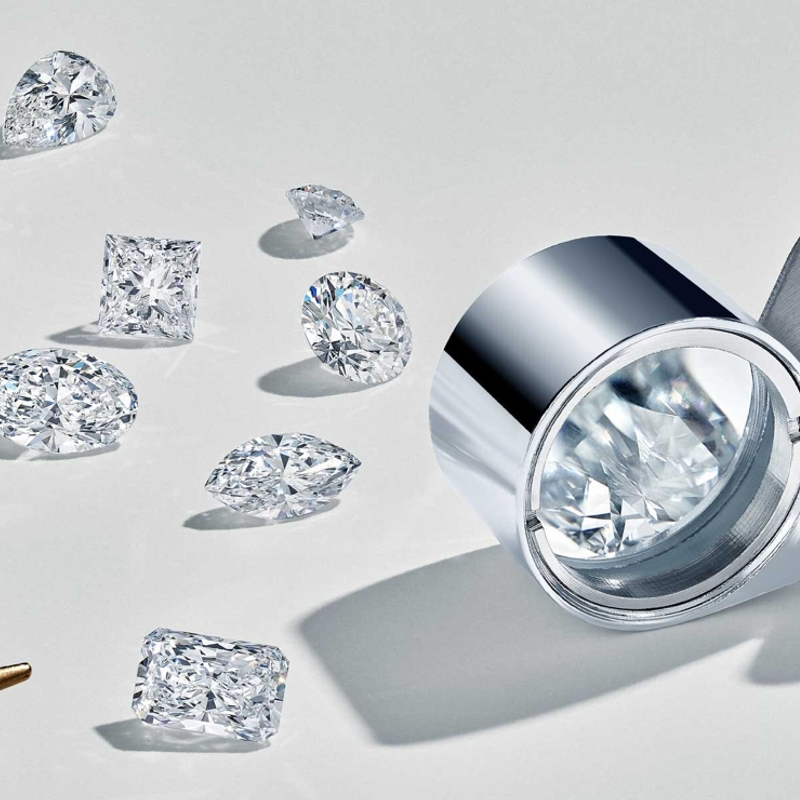
The shape of the center stone dramatically influences the overall appearance of the ring. Each shape has its own character and appeal.
- Round Brilliant Cut: This classic cut features precisely arranged facets that maximize sparkle. It is universally flattering and remains the most popular choice for engagement rings.
- Princess Cut: Square-shaped with sharp edges, the princess cut has a modern, bold appearance and often looks larger than other shapes of the same carat weight.
- Oval Cut: Elongated and elegant, the oval shape creates the illusion of longer, slender fingers while offering impressive brilliance.
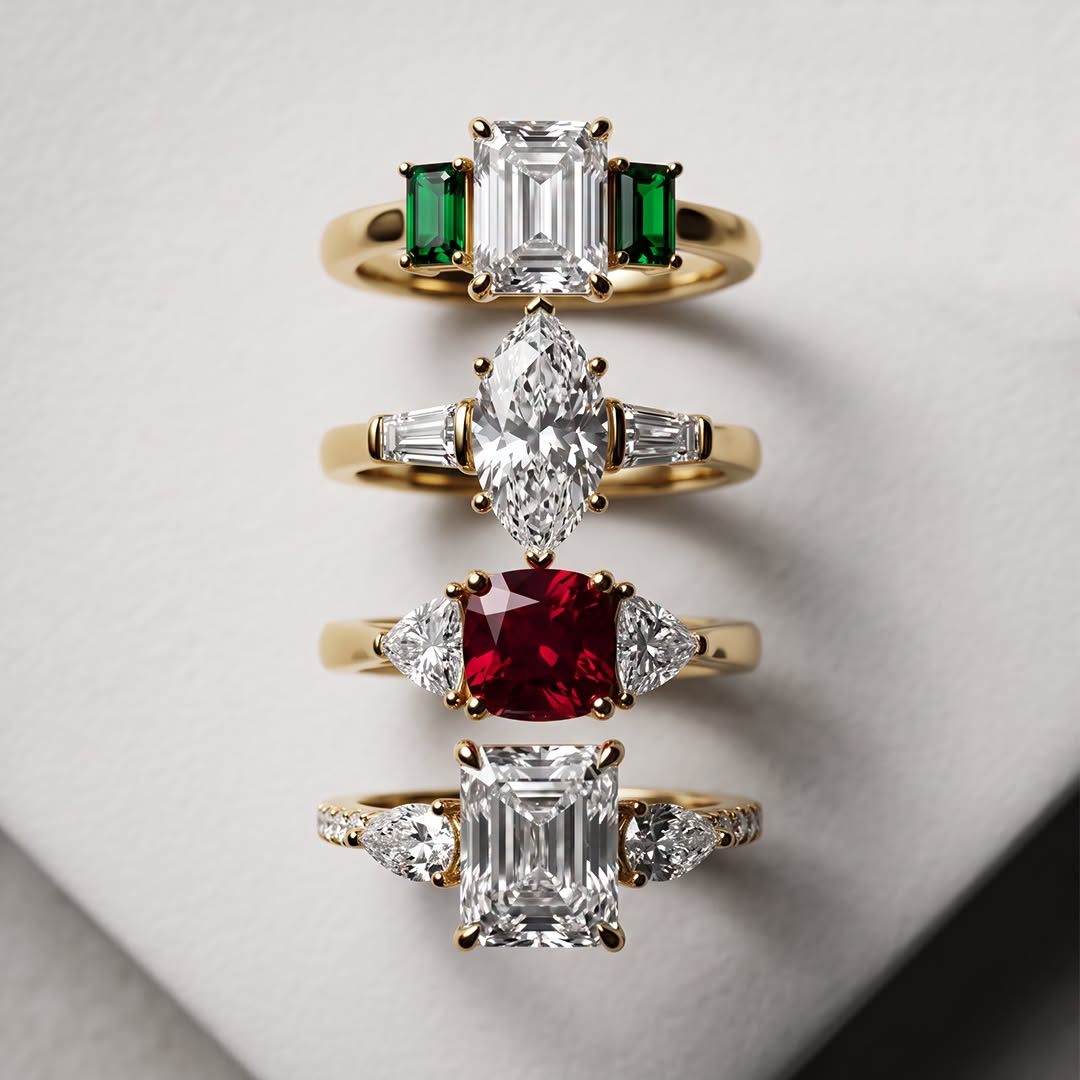
- Emerald Cut: Rectangular with step-cut facets, the emerald cut emphasizes clarity and elegance rather than sparkle, giving it a sophisticated, understated look.
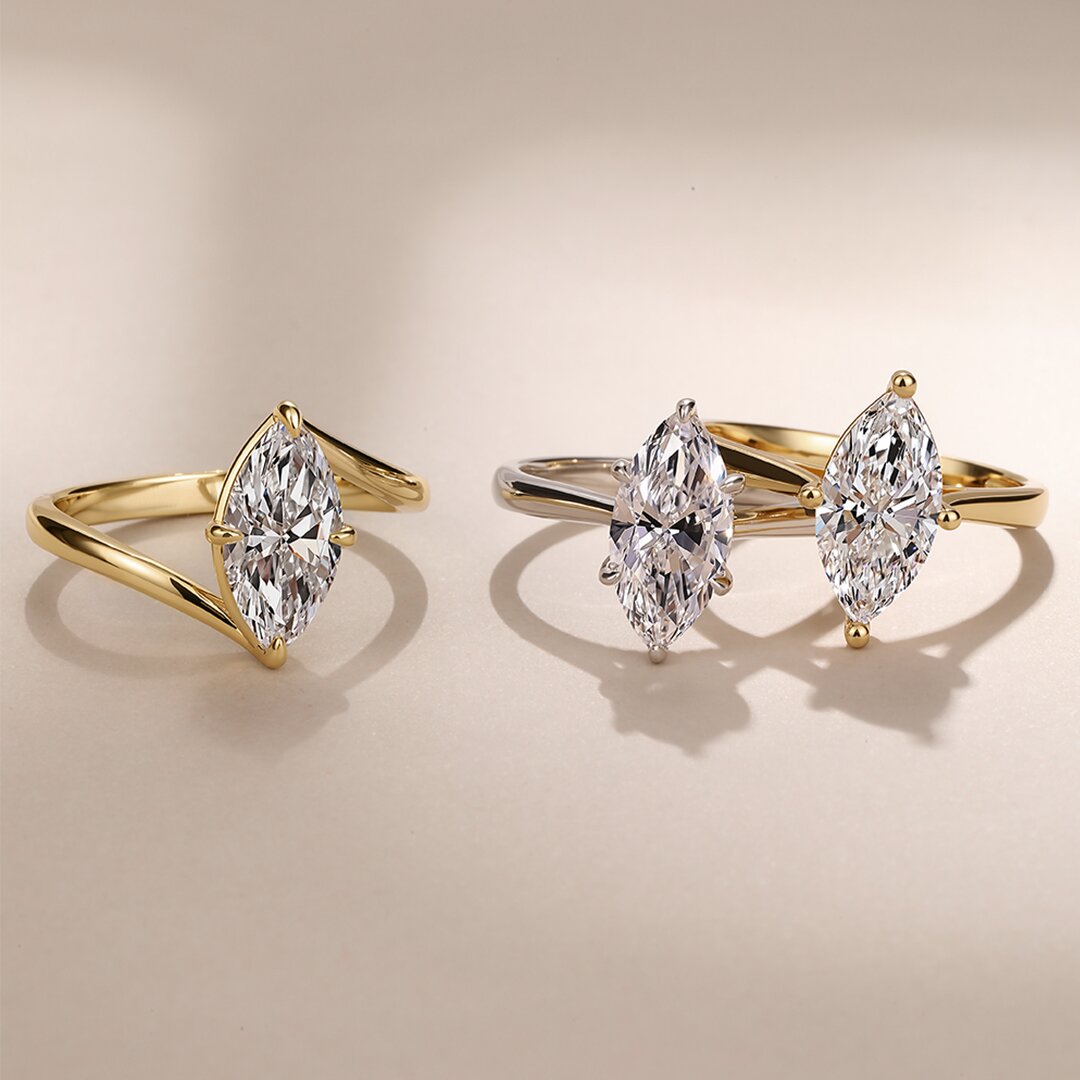
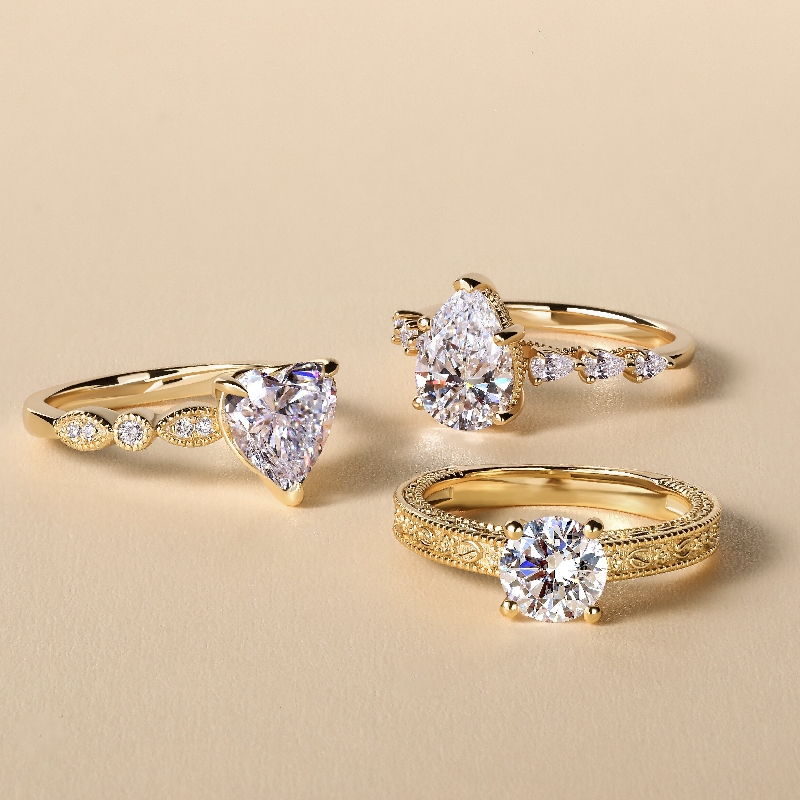
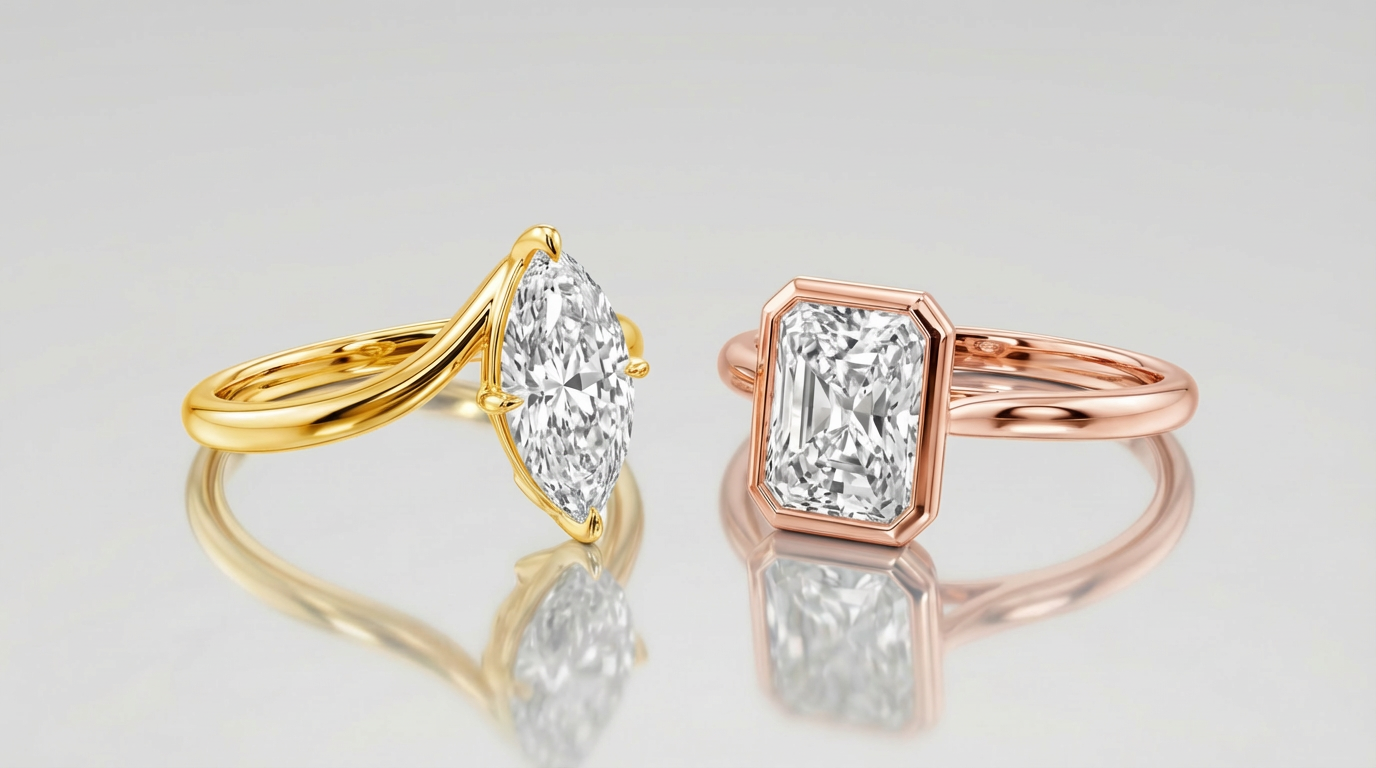
- Marquise, Pear, Asscher, and Cushion Cuts: Each of these cuts offers a distinctive aesthetic, from romantic and vintage to unique and modern.
Selecting the Solitaire Rings Metal
The metal of the band also affects the appearance of the ring and how it complements the center stone. Some couples combine metals for a two-tone effect, adding a contemporary twist while maintaining the solitaire’s elegance.
- Platinum: Known for durability and a natural silvery-white color, platinum is hypoallergenic and maintains its shine over time.
- White Gold: A popular alternative to platinum, white gold offers a sleek, modern look at a lower price, though it may require periodic rhodium plating.
- Yellow Gold: Warm and classic, yellow gold adds a traditional touch and enhances the appearance of diamonds with slight color tints.
- Rose Gold: This romantic metal has a pinkish hue that adds softness and uniqueness, making it ideal for couples seeking a non-traditional look.
Choosing the Solitaire Rings Setting
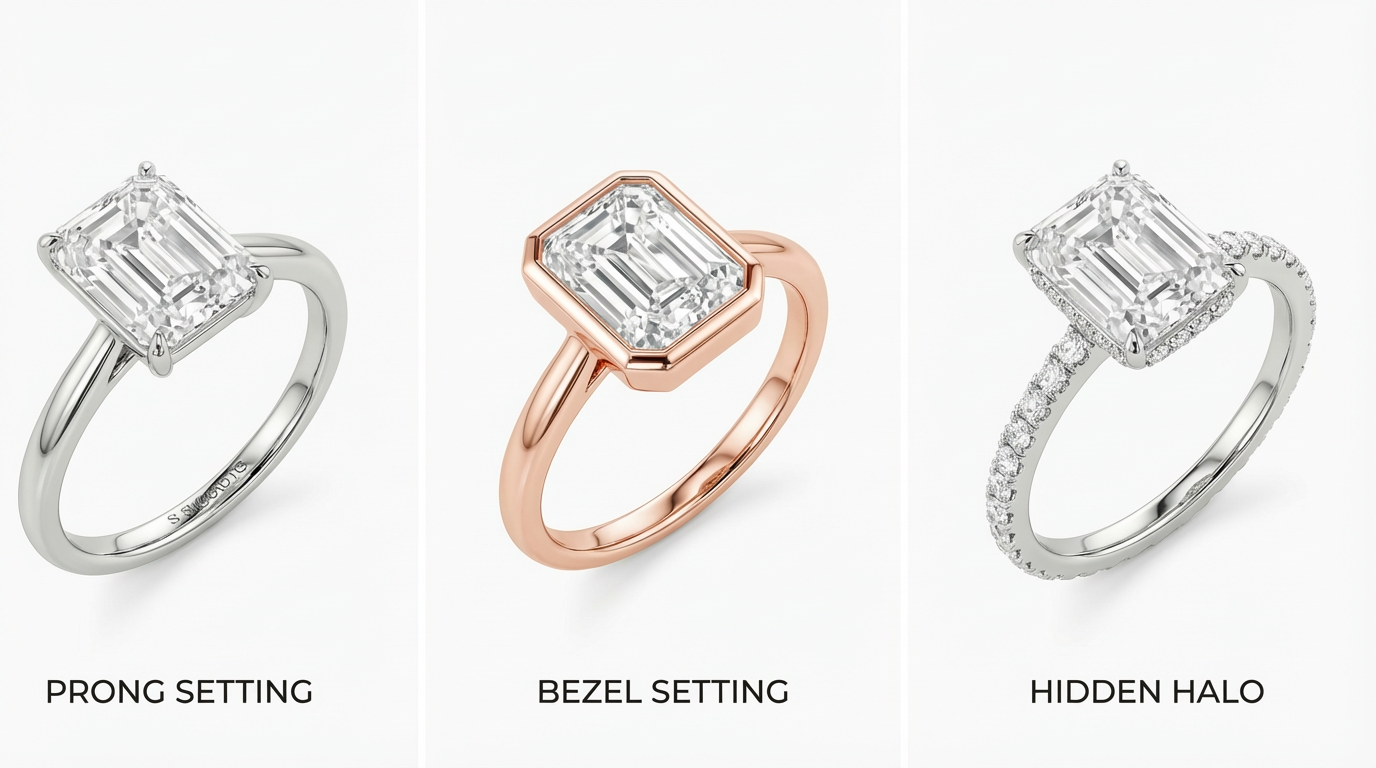
The setting determines how the gemstone is secured and how much it will catch the light.The right setting enhances the stone’s beauty, provides security, and complements your personal style.
- Prong Setting: Elevates the diamond above the band, allowing maximum light to enhance sparkle. The most classic choice for solitaire rings.
- Bezel Setting: Encases the diamond in metal, providing a modern, sleek appearance and extra protection.
- Hidden Halo or Peekaboo Diamonds: Subtle accents add brilliance without overwhelming the solitaire’s simplicity.
Considering the Four Cs
When choosing a solitaire diamond, the quality of the stone is crucial. The Four Cs—cut, color, clarity, and carat weight—determine how beautiful and valuable the diamond will be.
- Cut: Influences brilliance and sparkle more than any other factor.
- Color: Measures how colorless the diamond appears; less color often equals higher value.
- Clarity: Indicates the presence of inclusions or imperfections.
- Carat Weight: Determines the size of the diamond but should be balanced with cut and clarity for optimal appearance.
Lab-Grown vs. Natural Diamonds
In recent years, lab-grown diamonds have become a popular choice for solitaire rings. They offer the same sparkle as natural diamonds but are more affordable and ethical. Lab-grown diamonds are conflict-free, environmentally friendly, and allow buyers to allocate more of their budget toward cut and carat size, making them a practical and modern alternative.
Caring for Your Solitaire Ring
A solitaire ring may be simple, but proper care is essential to maintain its brilliance:
- Clean regularly with warm water, mild soap, and a soft brush.
- Avoid exposure to harsh chemicals.
- Remove during activities that could damage the stone or band.
- Have it professionally inspected and cleaned annually to ensure the setting remains secure.
Conclusion
A solitaire engagement ring is more than just jewelry. It is a symbol of love, strength, and commitment. Its singular gemstone embodies focus, purity, and elegance, making it a timeless choice that never goes out of style. From the classic round brilliant cut to unique shapes and modern metal options, a solitaire ring offers endless possibilities for personal expression. Whether for a proposal, anniversary, or milestone celebration, a solitaire engagement ring communicates a love that is singular, lasting, and deeply meaningful.