The cushion cut diamond is a beloved and timeless choice in fine jewelry, celebrated for its unique blend of classic elegance and subtle modern appeal. Unlike sharp-edged or overly trendy diamond cuts, it exudes warmth and approachability, making it a popular option for those who value both tradition and individuality.
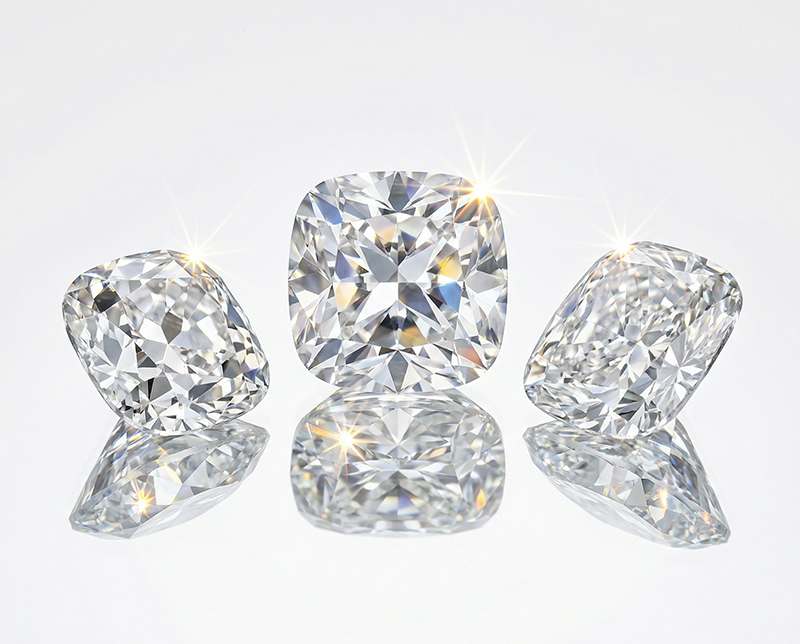
Defined by its soft, rounded corners and square or rectangular shape—resembling a plush cushion, which gives it its name—the cushion cut diamond has stood the test of time. This timeless style showcases a diamond’s natural brilliance and fire in a way that feels both familiar and distinctive, earning its place as a staple in jewelry collections for centuries.
A Brief History of the Cushion Cut
The cushion cut dates back to the 18th century, emerging from the “old mine cut” popular in Brazil at the time. Initially known as the old mine cushion cut, this style featured larger, chunkier facets and a more pronounced depth, designed to maximize the size of the diamond from rough stone to finished gem. By the 19th century, it grew popular among European nobility, gracing royal crowns and prominent jewelry pieces.
One of the most famous examples of a cushion cut diamond is the Cullinan II, a 317.4-carat gemstone set in the Imperial State Crown and worn by British monarchs for over a century. Another iconic cushion cut is the Hope Diamond, a 45.52-carat blue diamond renowned for its rich color and storied past. These legendary stones solidified the cushion cut’s reputation as a symbol of luxury and timelessness, a legacy that continues to this day.
Key Characteristics of the Cushion Cut
The defining feature of a cushion cut is its shape: a square or rectangular outline with softly rounded corners, creating a gentle, inviting silhouette. Unlike sharp-edged square cuts like the princess cut, its rounded edges lend a warm, approachable feel—making it a popular choice for engagement rings and everyday jewelry.
Its versatility stems from its ability to adapt to different proportions and facet styles, catering to both vintage and modern tastes. Cushion cuts typically have 58 facets, though variations exist, all designed to enhance the diamond’s brilliance and fire. The cut’s large table (the flat top surface) and deep pavilion (the lower portion) work together to reflect light internally, creating a dazzling display.
Types of Cushion Cut
While the cushion cut is defined by its rounded corners and rectangular/square shape, it has several distinct variations—each with unique characteristics that cater to different aesthetic preferences.
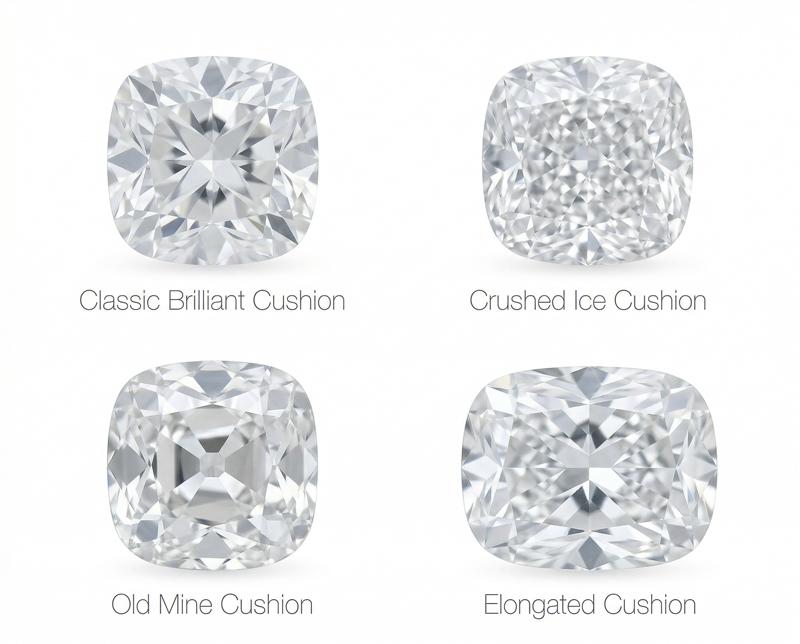
- Classic Brilliant Cushion: The most traditional variation, featuring large, broad facets that maximize brilliance and fire. This style has a balanced square or slightly rectangular shape (length-to-width ratio 1.00–1.05) and a timeless, romantic glow—perfect for those who prefer a classic look.
- Crushed Ice Cushion: Characterized by smaller, more numerous facets (often more than 58) that create a glittering, “crushed ice” effect. This variation has a more modern feel, with intense sparkle that masks inclusions better than the classic brilliant cut. It works well with both square and elongated shapes.
- Old Mine Cushion: A vintage-inspired variation, modeled after the 18th-century old mine cut. It features larger, chunkier facets, a deeper pavilion, and a more asymmetrical shape, with a warm, understated glow that feels nostalgic and unique. This style is ideal for those drawn to antique or heirloom-inspired jewelry.
- Elongated Cushion: The fastest-growing variation, defined by a longer rectangular shape with rounded corners (length-to-width ratio 1.15–1.30, though some extend to 1.40). The elongated cushion creates a slimming, elongating effect on the finger (for engagement rings) and offers a more modern, sleek alternative to the classic square cushion. Many choose this cut for its ability to appear larger than its actual carat weight, thanks to its extended length.
Cushion Cut vs. Other Popular Diamond Cuts
| Diamond Cut | Shape & Silhouette | Sparkle & Aesthetic | Practicality |
|---|---|---|---|
| Cushion Cut | Square/rectangular with rounded corners; available in classic (1.00–1.05 L/W) and elongated (1.15–1.30 L/W) variations | Warm, balanced brilliance; options for classic (broad facets) or modern (crushed ice) sparkle | High—rounded corners reduce chipping risk; durable for daily wear |
| Round Brilliant Cut | Perfectly round, symmetrical | Maximum light reflection; most brilliant of all cuts | High—no sharp edges, but smaller table makes it appear smaller than cushion of same carat |
| Princess Cut | Square with sharp, angular corners | Modern, bold sparkle; geometric, edgy aesthetic | Medium—sharp corners prone to chipping; requires protective setting |
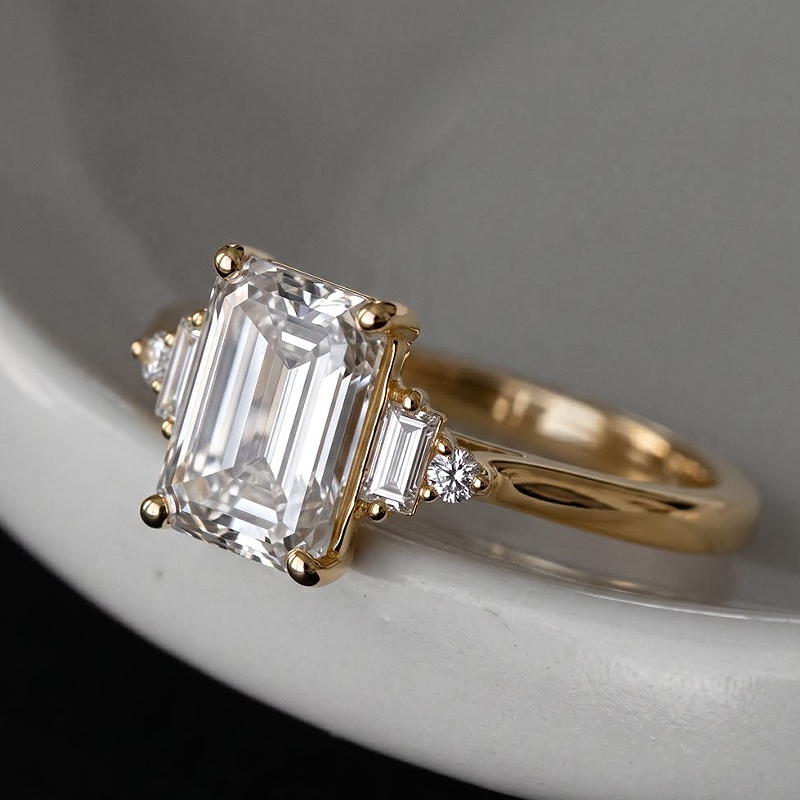
| Emerald Cut | Rectangular with stepped facets and sharp corners | Understated, elegant “hall of mirrors” effect; less sparkle, more clarity focus | Medium—sharp corners prone to chipping; inclusions more visible |
| Oval Cut | Elongated, rounded oval; no corners | Brilliant sparkle; elongating effect on the finger | High—no sharp edges; very durable |
How to Choose a Cushion Cut Diamond
While the 4Cs (cut, color, clarity, carat) provide a basic framework, selecting a cushion cut calls for guidance that accounts for its unique traits. Below are key tips to help you find a stone that suits your style and offers lasting value.
- Pick the Right Length-to-Width Ratio (L/W) for Your Goal:
The ratio determines if your cushion is classic or elongated. For a timeless square, stick to 1.00–1.05 L/W; for a modern, elongating look, choose 1.15–1.30 L/W (avoid over 1.40, as it may look too narrow). Elongated cushions flatter shorter fingers, while square ones complement longer ones.
- Choose Facet Style Based on Your Sparkle Preference:
Want warm, romantic sparkle? Go with a classic brilliant cushion—it’s best for colorless diamonds. Prefer intense, modern glitter? Choose a crushed ice cushion, which masks inclusions well. For a vintage vibe, opt for the old mine cushion’s soft, understated glow.
- Don’t Obsess Over Color:
Cushion cuts show color slightly more than round cuts, but this works to your advantage. For warm tones, choose G–J grades—they have subtle warmth without looking yellow. For colorless diamonds, D–F grades are ideal but premium. Pro tip: Pair G–H color with yellow gold for warmth, or white gold/platinum for a neutral look.
- Clarity: Prioritize “Eye-Clean” Over Perfect Grades:
Larger-facet cushions (classic, old mine) show inclusions more, but you don’t need a flawless stone. Aim for SI1/SI2 (eye-clean) to save money. Crushed ice cushions hide inclusions better, so SI2–I1 works for them. Avoid VS2+ unless buying 2+ carats—the difference is barely noticeable.
- Carat Weight: Opt for “Under-Sized” Carats for Better Value:
Cushion cuts appear larger than round cuts of the same carat. A 0.90-carat cushion looks nearly identical to a 1.00-carat one but costs 10–15% less. Elongated cushions also appear larger than square ones, great for maximum visual impact on a budget.
- Check the Girdle and Culet for Durability:
A medium-to-slightly-thick girdle is best—too thin risks chipping, and too thick wastes carat weight. The culet (bottom point) should be none or very small; a large culet creates a dark center spot.
Styling the Cushion Cut Diamond
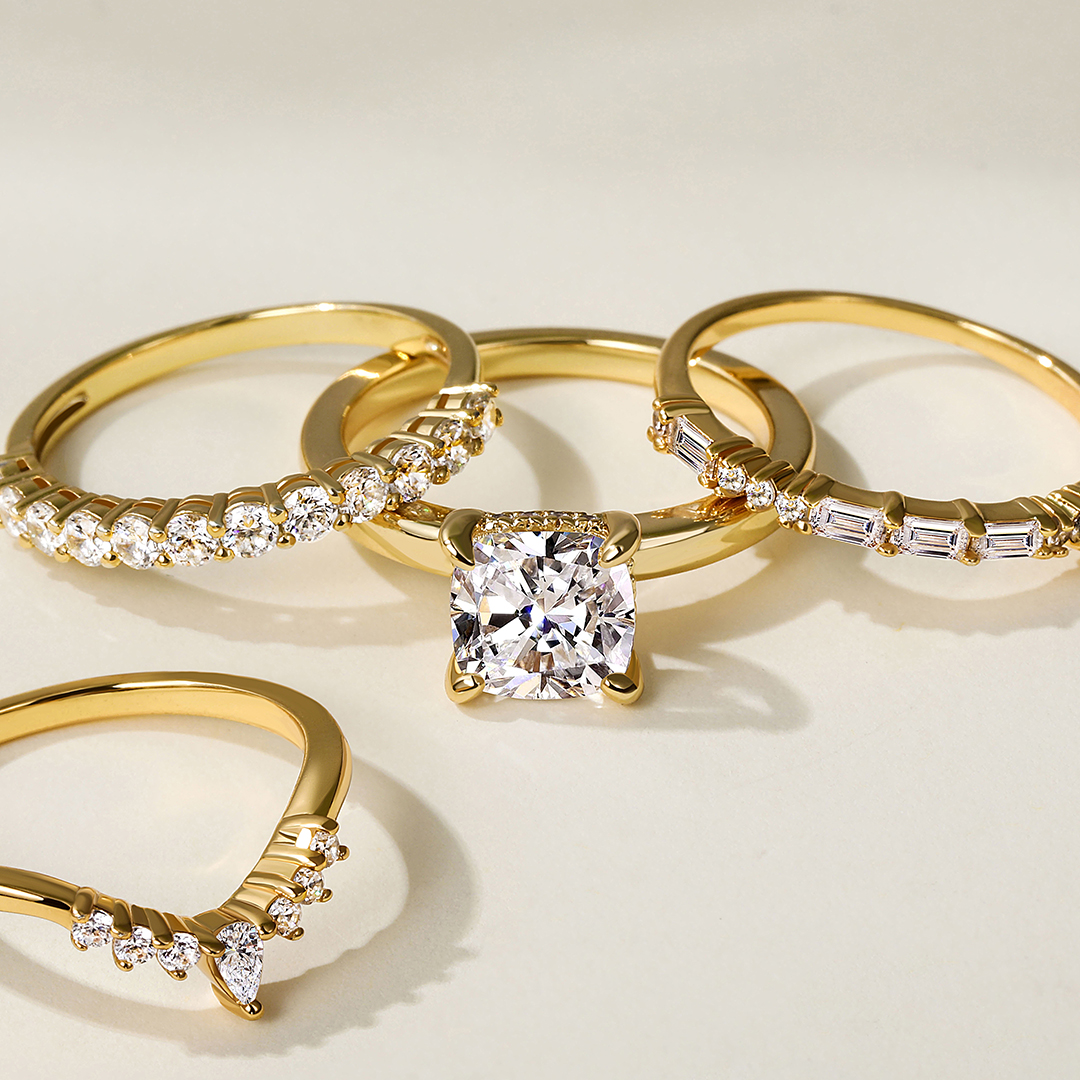
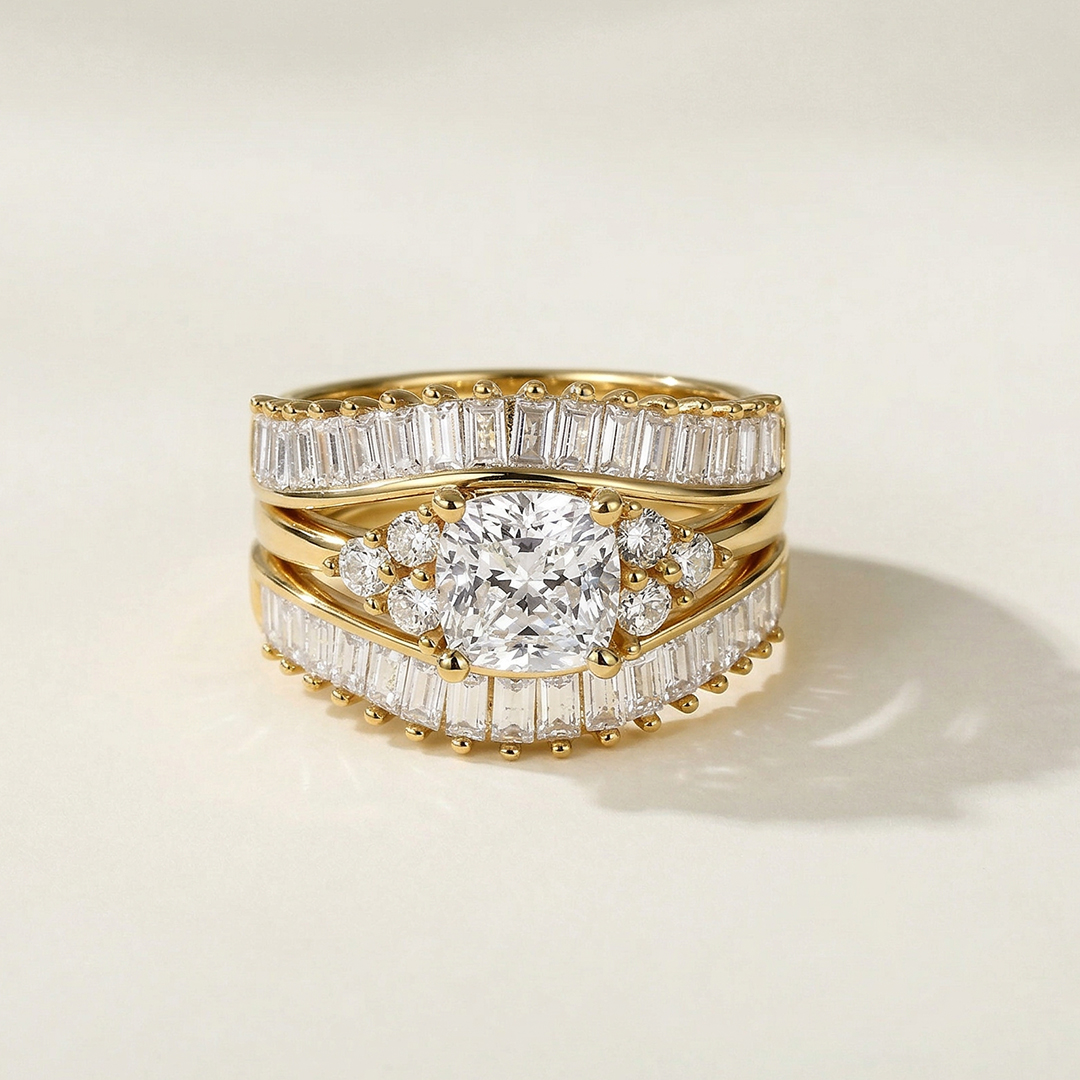
- The cushion cut’s versatility makes it easy to style with a variety of jewelry settings. For a classic look, a solitaire setting lets the diamond take center stage, highlighting its shape and brilliance.
- Halo settings—with the center cushion surrounded by smaller accent diamonds—add extra sparkle and make the center stone appear larger. This is perfect for those wanting a more dramatic look.
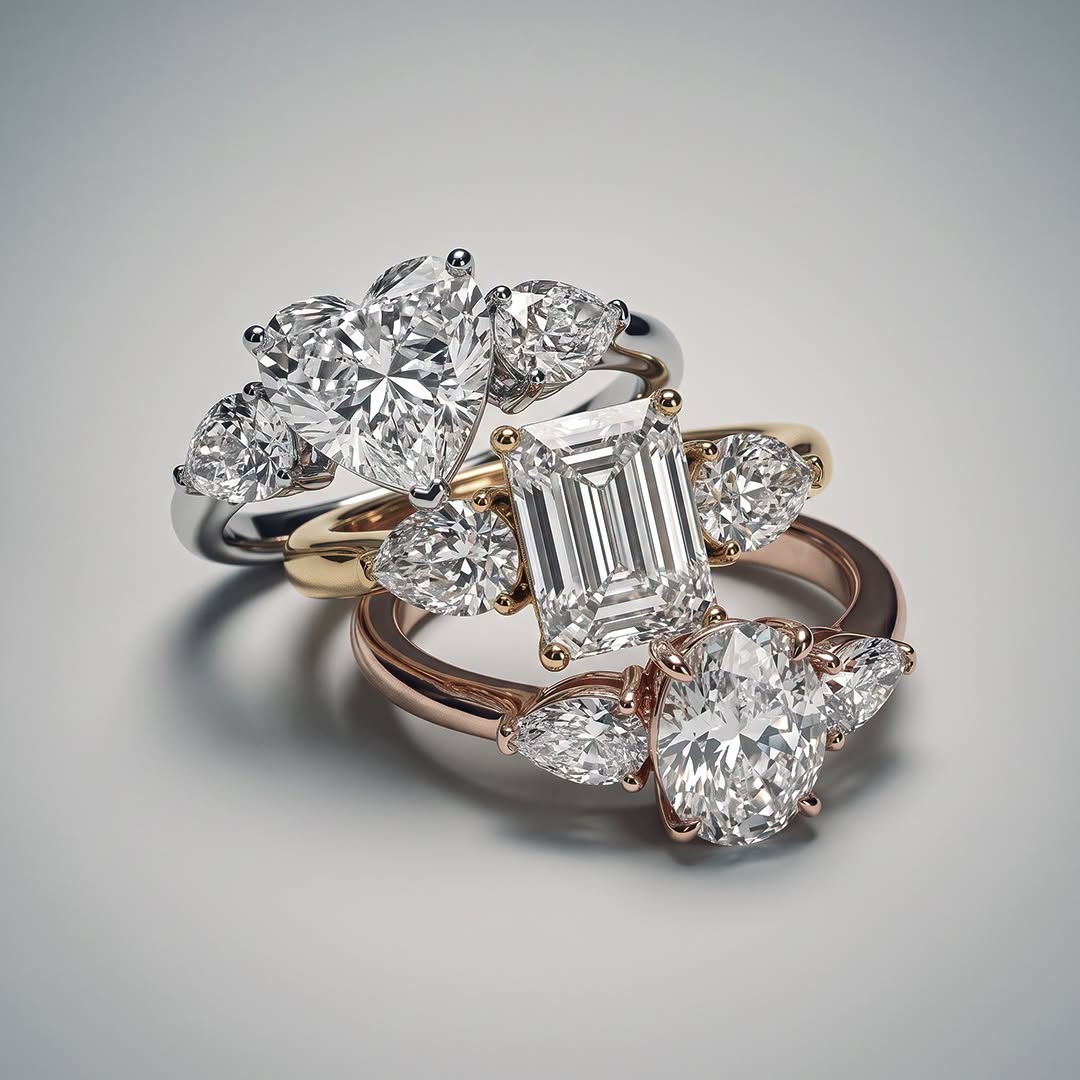
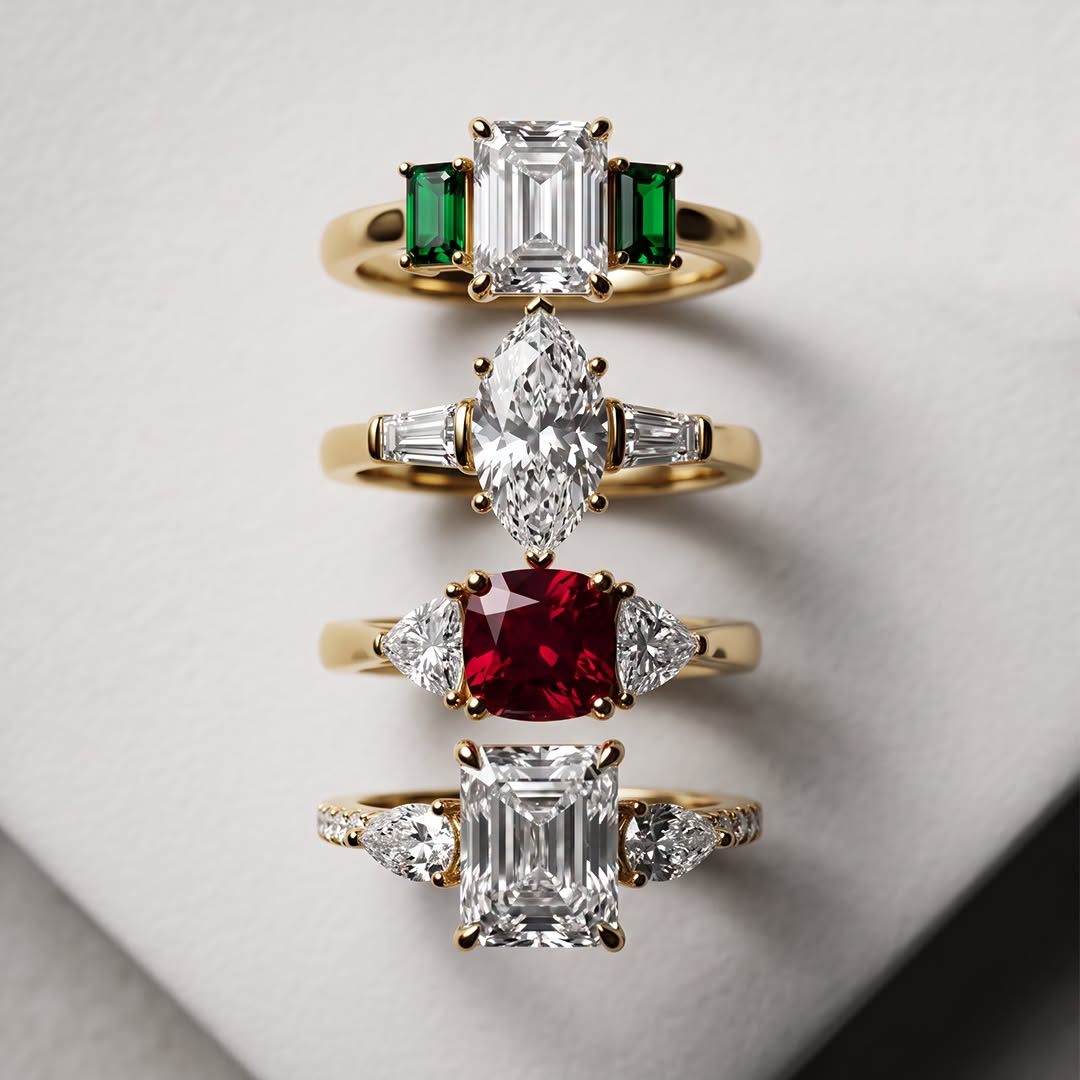
- Three-stone settings, with a cushion center flanked by smaller diamonds or colored gemstones, add symmetry and meaning—popular for engagement rings and anniversary bands.
- The cushion cut pairs beautifully with both modern and vintage settings: sleek platinum bands or intricate gold designs with filigree. For elongated cushions, tapered baguette side stones enhance the elongating effect; square cushions shine with round accents. It brings timeless elegance to rings, necklaces, earrings, or bracelets.
Conclusion
In summary, this diamond style owes its popularity to tradition and versatility. It has remained a favorite for over two centuries, evolving with tastes while keeping its core charm. Its soft, rounded shape exudes warmth and approachability, fitting both everyday wear and special occasions. The elongated variation expands its appeal to modern tastes without losing classic roots. It balances sparkle, shape, and practicality for those seeking a classic yet personal diamond. Whether drawn to vintage, modern, or sleek styles, the cushion cut diamond is a cherished lifetime choice.