If you have spent any time researching engagement rings, you have almost certainly encountered the “three months’ salary” rule. In 2026, however, the conversation has shifted. Couples are now thinking about engagement ring budgets the same way they approach any major purchase: what they can actually afford, and how to get the most value from that amount. Our guide is built around these two questions.
What Couples Are Actually Spending
Let’s start with the data, According to The Knot Jewelry and Engagement Study, the average engagement ring cost in the United States in 2025 was approximately $4,600. Other industry surveys place the average between $5,000 and $6,000. But averages can be misleading because they are pulled up by a small percentage of very high-end purchases.
The median, which better reflects what most people actually spend, is closer to $3,000 to $3,500. Roughly one in four couples spends under $2,000. About one in ten spends over $10,000.
What this means: there is no “normal” amount. Your budget should reflect your financial situation, not someone else’s benchmark.
How to Set Your Budget Without Stress
Before you start browsing engagement rings, take a clear look at your finances by considering your monthly take-home income, fixed expenses, and savings goals. The amount left after covering these essentials is your discretionary income, which determines what you can comfortably spend without affecting your financial stability.
Financial advisors generally suggest spending no more than 5 to 10 percent of your annual gross income on an engagement ring. For someone earning $60,000 per year, that is $3,000 to $6,000. For someone earning $100,000, it is $5,000 to $10,000. These are guidelines, not rules. The right number is whatever you can spend without going into high-interest debt or draining your emergency savings.
Set a comfort zone for your engagement ring. For some people, that is $1,500; for others, it is $8,000—both are valid. Do not let social media, family expectations, or a jeweler’s upselling push you past what feels right. You are the one paying for this ring, so make sure the number works for your life, not just for the moment.
Where Your Money Goes: The Budget Breakdown
Understanding how an engagement ring’s price is composed helps you spend strategically rather than blindly.
The Center Stone: 60 to 70 percent of your budget
This is the single biggest cost driver. The price depends on the stone type (natural diamond, lab-grown diamond, or gemstone), the carat weight, and the quality grades.
The Setting: 20 to 25 percent of your budget
The setting includes the metal band and any accent stones. A simple solitaire in 14k gold costs less than a halo setting with pavé diamonds in platinum. The more intricate the design, the higher the labor cost.
Extras: 5 to 10 percent of your budget
This category covers engraving, resizing, insurance, and appraisal. Many people forget to factor these in. A typical insurance policy runs $50 to $150 per year. A professional appraisal costs $100 to $200. Budget for these upfront so there are no surprises.
What You Get at Each Budget Level
Under $2,000
A modest solitaire with a smaller diamond or gemstone. This budget works well with lab-grown diamonds or alternative stones like moissanite, where you can get a 0.5 to 1 carat stone with excellent cut in a simple 14k gold setting. Focus on cut quality over size. A well-cut smaller stone will always outshine a poorly cut larger one.
$2,000 to $4,000
The sweet spot for many couples in 2026. With lab-grown diamonds, this budget can deliver a 1 to 2 carat center stone in a quality setting. You have room to choose between popular styles like solitaire, halo, or three-stone designs. With natural diamonds, expect a smaller center stone or a simpler setting.
$4,000 to $7,000
More flexibility across the board. Lab-grown diamonds in this range can reach 2 to 3 carats with high color and clarity grades. Natural diamond buyers can find a well-cut 1 carat stone in a premium setting. This tier also opens up custom design options.
$7,000 to $10,000
Premium territory. High-quality natural diamonds above 1 carat, designer settings, or fully custom designs with intricate metalwork. Lab-grown diamond buyers in this range can access exceptional stones with significant carat weight and top-tier grades.
$10,000 and Above
Investment-grade pieces with large, rare stones, bespoke designs, or luxury brand settings. At this level, most of the budget goes into the center stone’s carat weight and rarity.
How to Get More for Your Money
You do not need to spend more to get a beautiful ring. You just need to spend smarter.
Choose Lab-Grown Diamonds
This is the single most effective way to stretch your budget. Lab-grown diamonds are chemically, physically, and optically identical to natural diamonds. They are certified by the same labs (GIA, IGI, AGS). The only difference is origin: one grew in the earth over millions of years, the other in a controlled environment.
The price difference is significant. A lab-grown diamond typically costs 30 to 60 percent less than a natural diamond of the same quality. That means a $4,000 budget that buys a 0.75 carat natural diamond can deliver a 1.5 to 2 carat lab-grown diamond with equal or better specs.
Prioritize Cut Above Everything Else
Cut is the only “C” that directly affects how much a diamond sparkles. A well-cut 0.8 carat diamond will look more brilliant than a poorly cut 1.2 carat stone. Always choose “Excellent” or “Ideal” cut grade. This is not the place to save money.
Buy Slightly Under Key Carat Weights
Diamond prices jump significantly at popular milestones: 1.00 carat, 1.50 carat, 2.00 carat. A 0.95 carat diamond can look nearly identical to a 1.00 carat diamond but cost 15 to 20 percent less. Most people cannot see the difference without a side-by-side comparison.
Choose Near-Colorless Instead of Colorless
Diamonds graded D, E, and F are “colorless” and carry a premium. Diamonds graded G, H, and I are “near-colorless” and look virtually identical to the naked eye once set in a ring. Choosing G or H instead of D or E can save you hundreds to thousands of dollars with no visible difference in everyday wear.
Go for Eye-Clean Clarity, Not Flawless
Flawless and Internally Flawless diamonds are extremely rare and priced accordingly. Most people will never see the difference between a VS1 and an IF stone. Look for “eye-clean” diamonds in the VS2 to SI1 range. These have tiny inclusions visible only under magnification. On your hand, they look exactly the same as higher-graded stones.
Consider the Metal Carefully
Platinum is the most durable metal for engagement rings, but it costs significantly more than gold. White gold offers a very similar look at a lower price, though it will need re-plating every 12 to 18 months. Yellow gold and rose gold require less maintenance and cost less than both platinum and white gold. Match the metal to your partner’s preference and your budget.
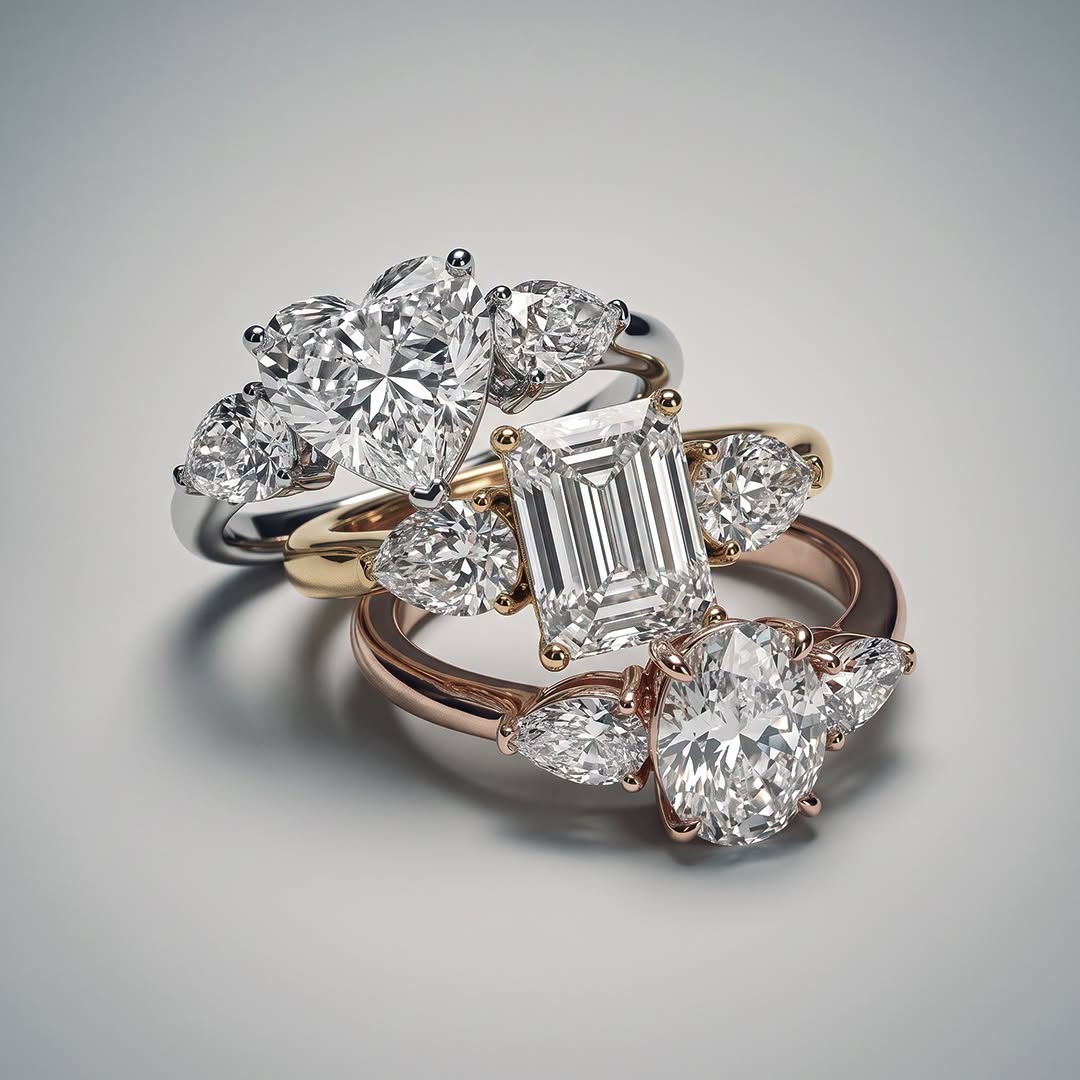
Use a Halo or Three-Stone Setting
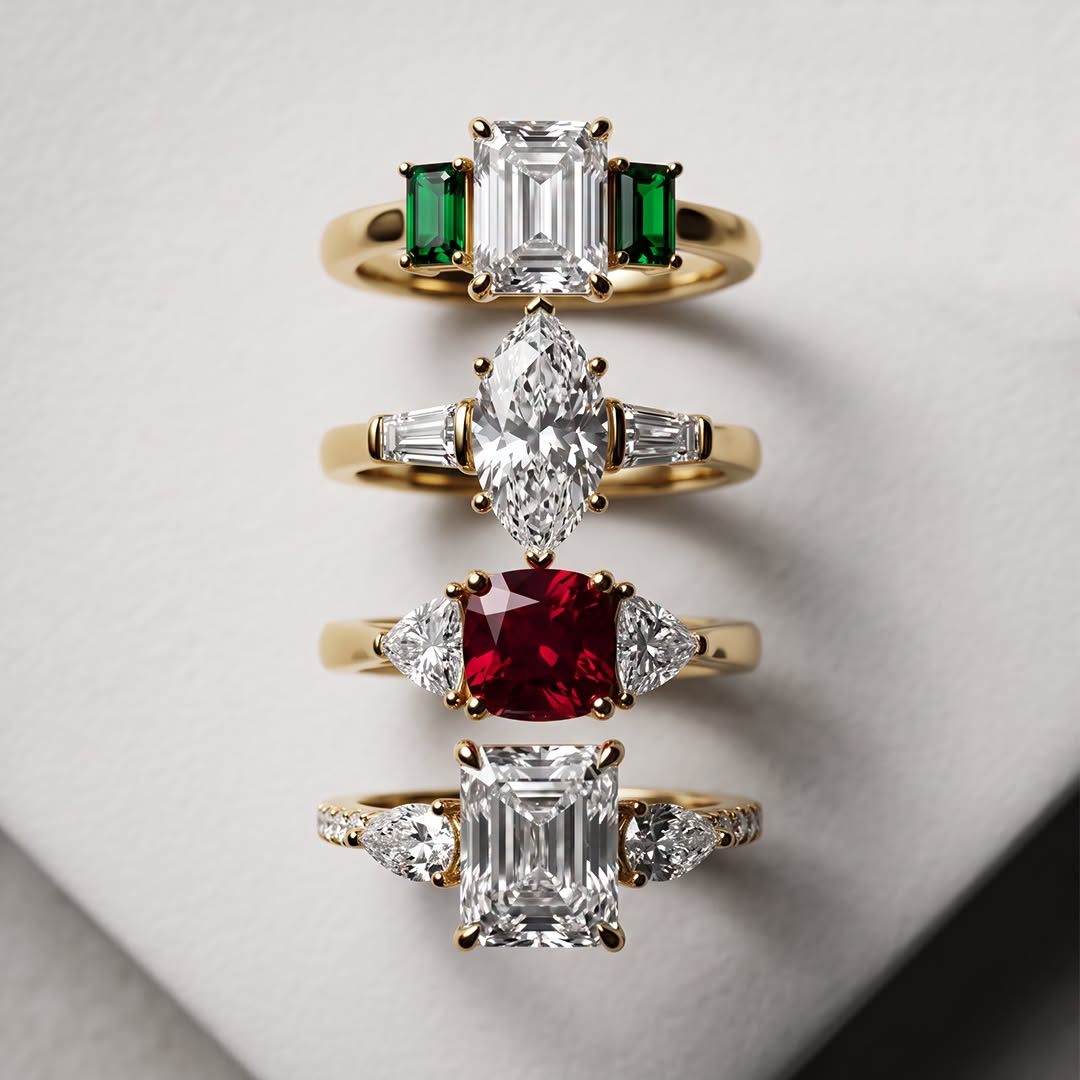
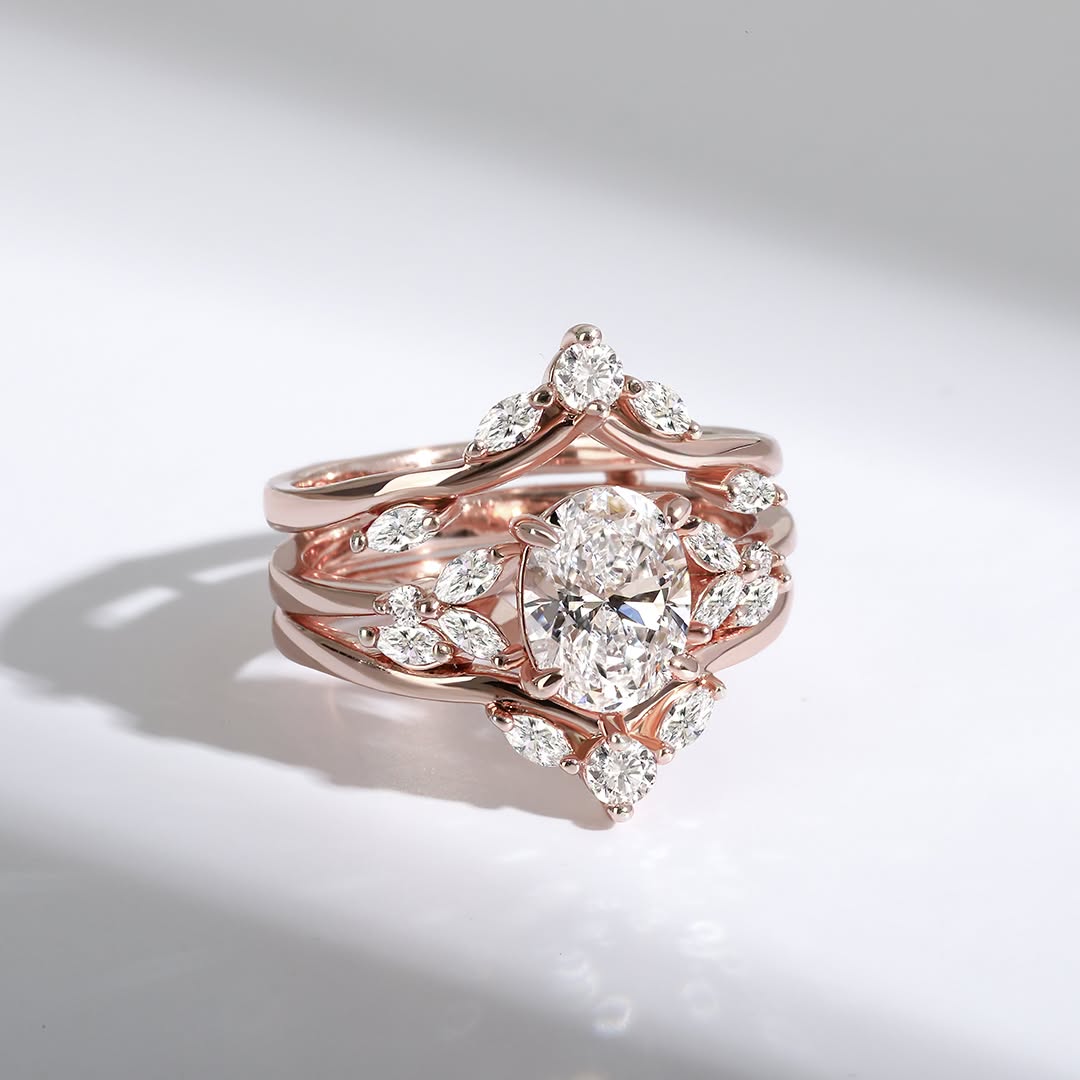
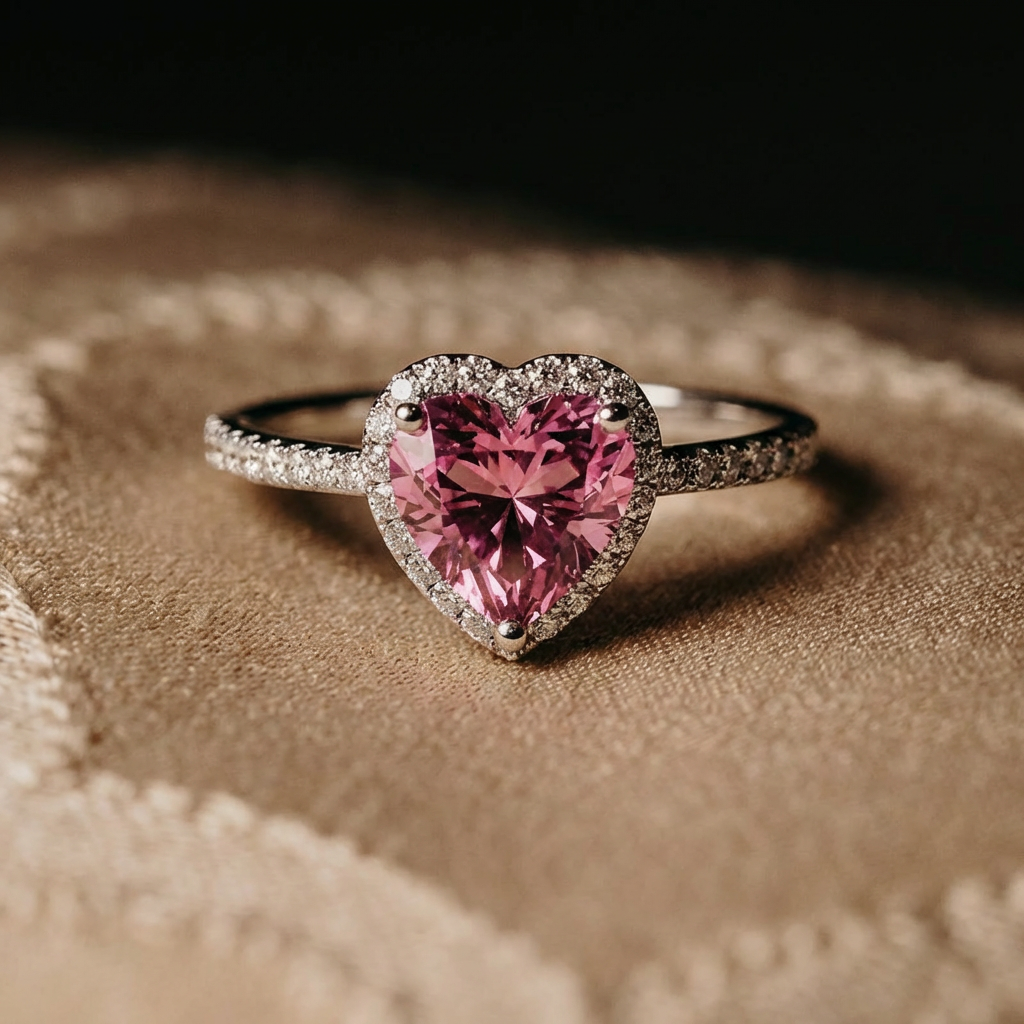
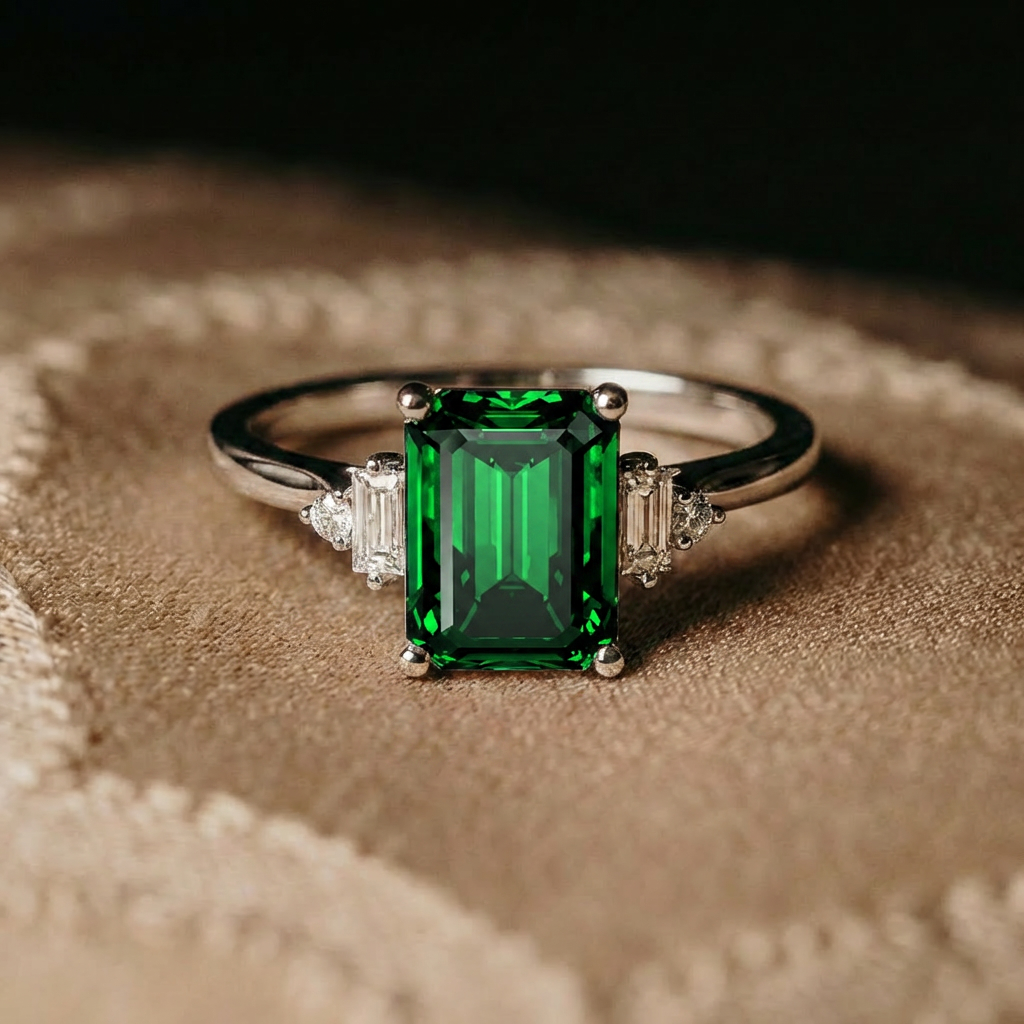
A halo setting surrounds the center stone with a ring of smaller diamonds, making it appear larger and adding sparkle without requiring a bigger center stone. A three-stone design distributes your budget across multiple stones, creating visual impact at a lower per-stone cost.
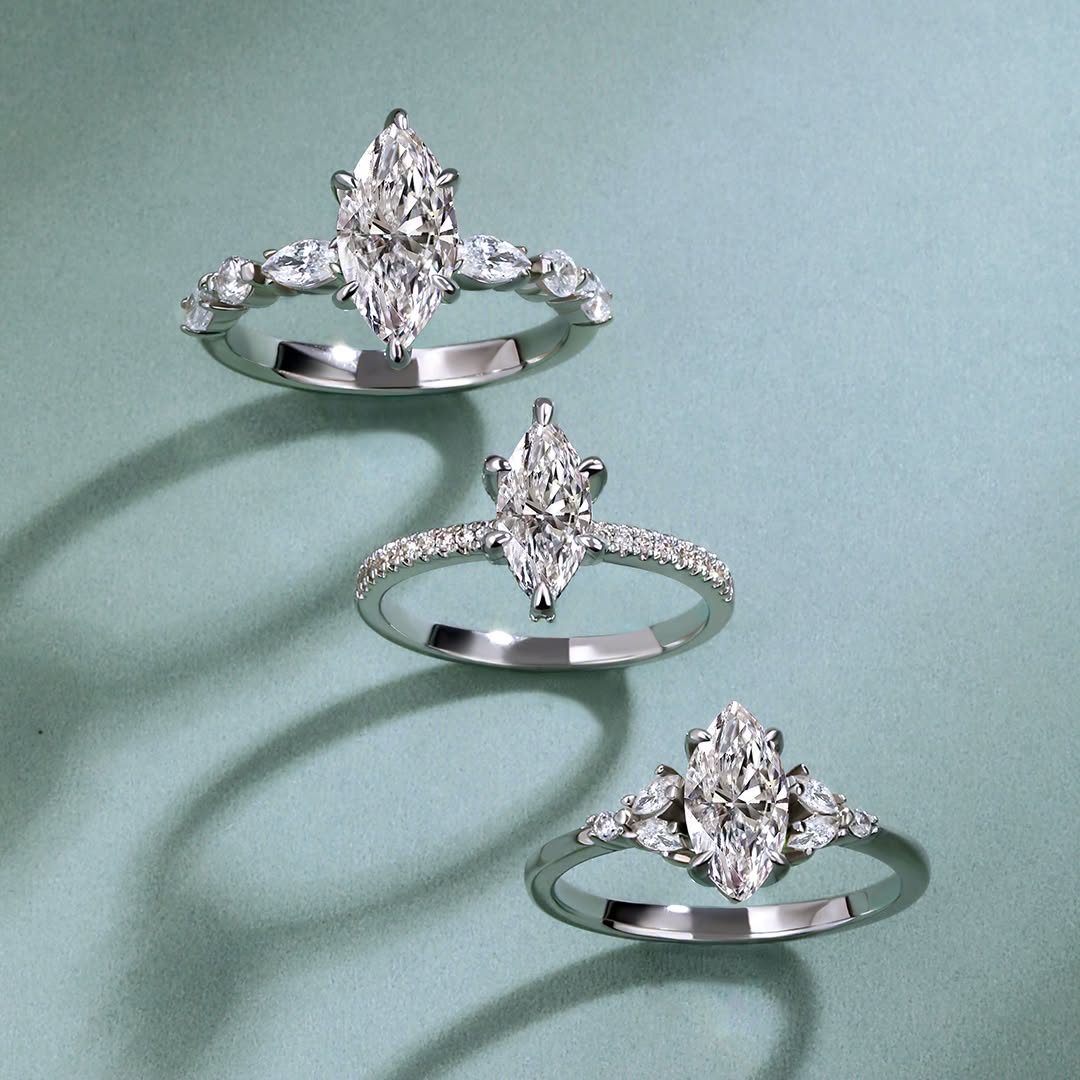
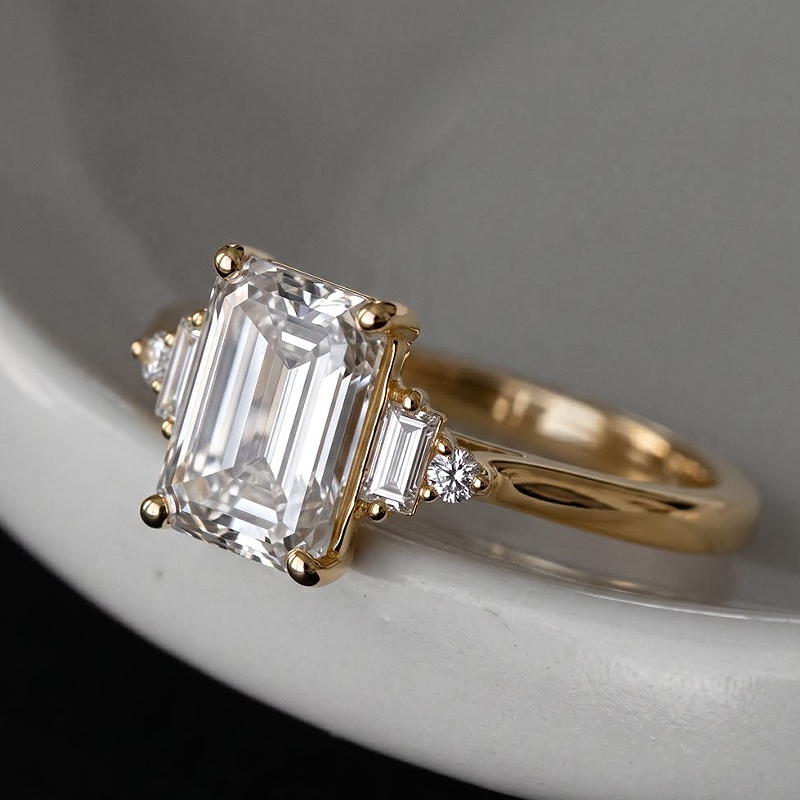
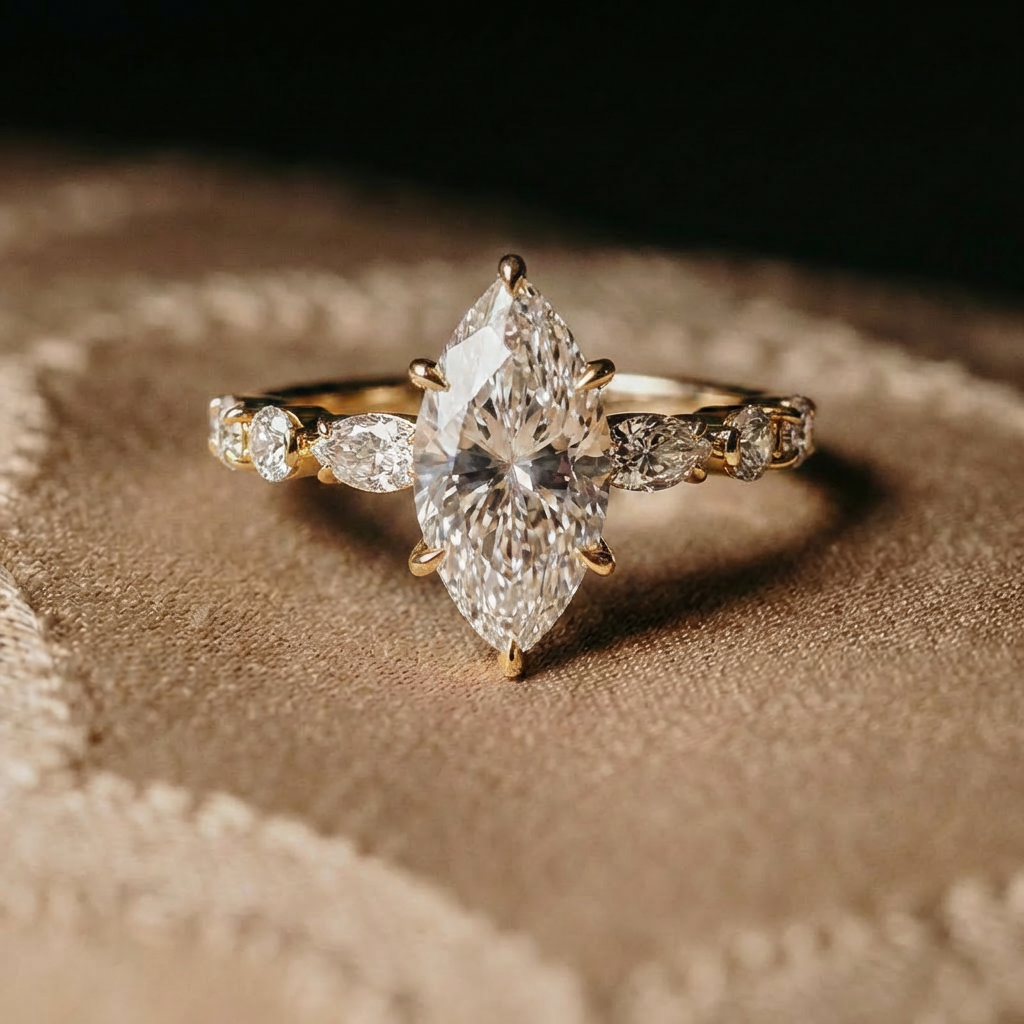
Popular Engagement Rings
Budget Conversations: How to Talk About Money With Your Partner
If you are shopping together, budget conversations happen naturally. If you are planning a surprise proposal, these conversations require more tact.
Browse casually together. Look at rings online or in store windows and pay attention to what your partner likes. Their reactions will tell you more about style, but the prices they consider reasonable will tell you about expectations too.
Ask indirectly. A friend or sibling can ask about ring preferences without raising suspicion. This is a good way to learn about stone type, metal preference, and whether a surprise matters more than shopping together.
Be honest about your finances. If your partner wants a ring beyond your current budget, talk about it openly. Many couples agree on a starting ring now and plan to upgrade on a future anniversary. The ring does not have to be perfect on day one. It has to be honest.
Remember the bigger picture. The engagement ring is one expense in a series that includes the wedding, a potential home, and shared financial goals. Spending more on the ring should not mean sacrificing stability elsewhere.
The Bottom Line
At the end of the day, how much an engagement ring costs comes down to what makes sense for you—your finances, your priorities, and your shared plans for the future. There is no perfect number and no universal standard, just a balance between affordability and meaning. Whether you spend $2,000 or $10,000, the right choice is the one you can feel confident about without putting pressure on your financial well-being. Trends will come and go, but what truly matters is the commitment behind the ring, because in the end, the ring is simply where the story begins.
FAQ
Is the “three months’ salary” rule real?
No. The three months’ salary guideline originated from a diamond marketing campaign in the 1930s designed to increase consumer spending. It was never a financial best practice. Modern financial advisors and couples alike agree that your engagement ring budget should reflect your actual financial situation, not an outdated advertising slogan.
How much does the average engagement ring cost?
According to The Knot Jewelry and Engagement Study, the average cost in 2025 was approximately $4,600. Other industry surveys place it between $5,000 and $6,000. However, the median is lower, around $3,000 to $3,500, which better represents what most couples actually spend. Roughly one in four couples spends under $2,000.
Can I get a good engagement ring for under $3,000?
Yes. A $3,000 budget can deliver a beautiful ring, especially with lab-grown diamonds. At this price point, you can find a 1 to 1.5 carat lab-grown diamond with excellent cut in a quality 14k gold setting. Focus on cut quality first, choose near-colorless grades (G-H), and look for eye-clean clarity (VS2-SI1) to maximize what your budget buys.
Are lab-grown diamonds a good way to save on an engagement ring?
Lab-grown diamonds are the most effective way to stretch an engagement ring budget. They are chemically, physically, and optically identical to natural diamonds and certified by the same labs (GIA, IGI). The typical savings range from 30 to 60 percent, meaning a $4,000 budget can often buy a lab-grown diamond twice the size of a natural diamond at the same quality.
Does a more expensive ring mean better quality?
Not always. Price is driven by rarity factors like carat weight and colorless grades that may not be visible in daily wear. A well-cut, eye-clean diamond in the $2,000 to $4,000 range can look just as stunning as one that costs twice as much. Where you spend matters more than how much. Prioritize cut quality, choose smart grades, and buy from a transparent jeweler without brand markup.