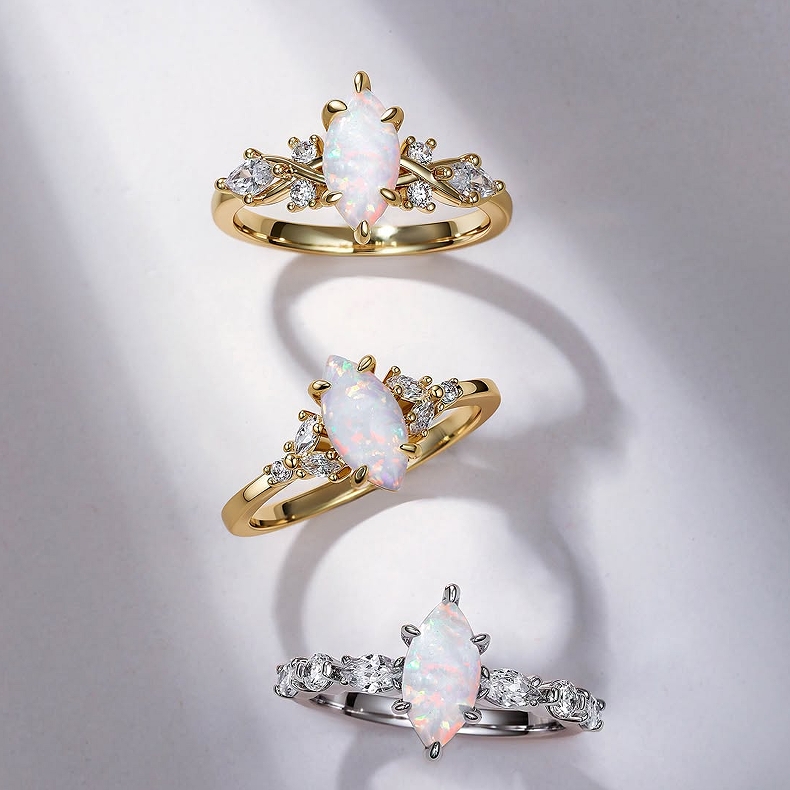
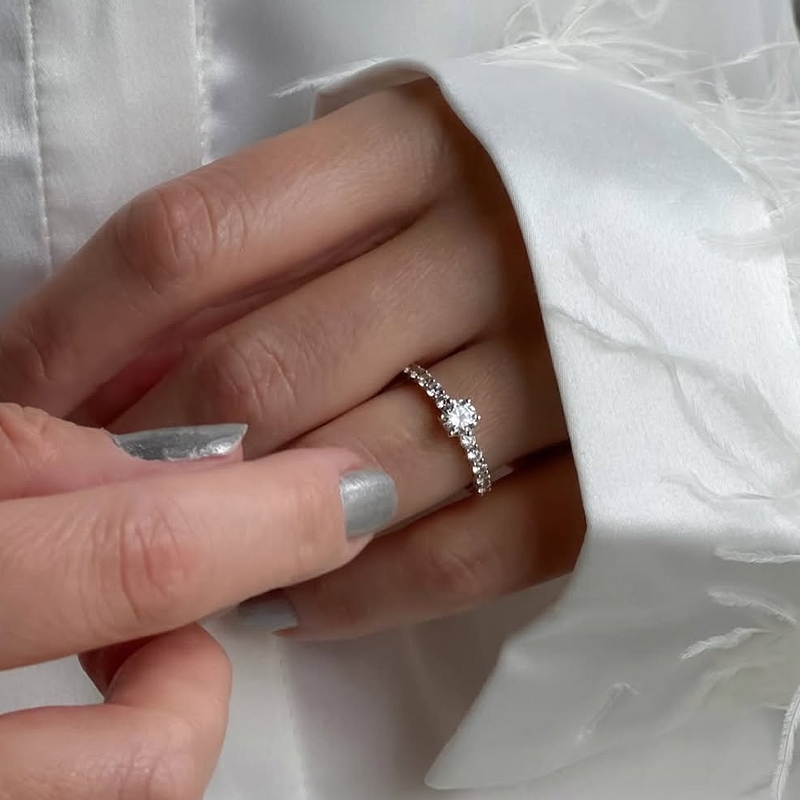
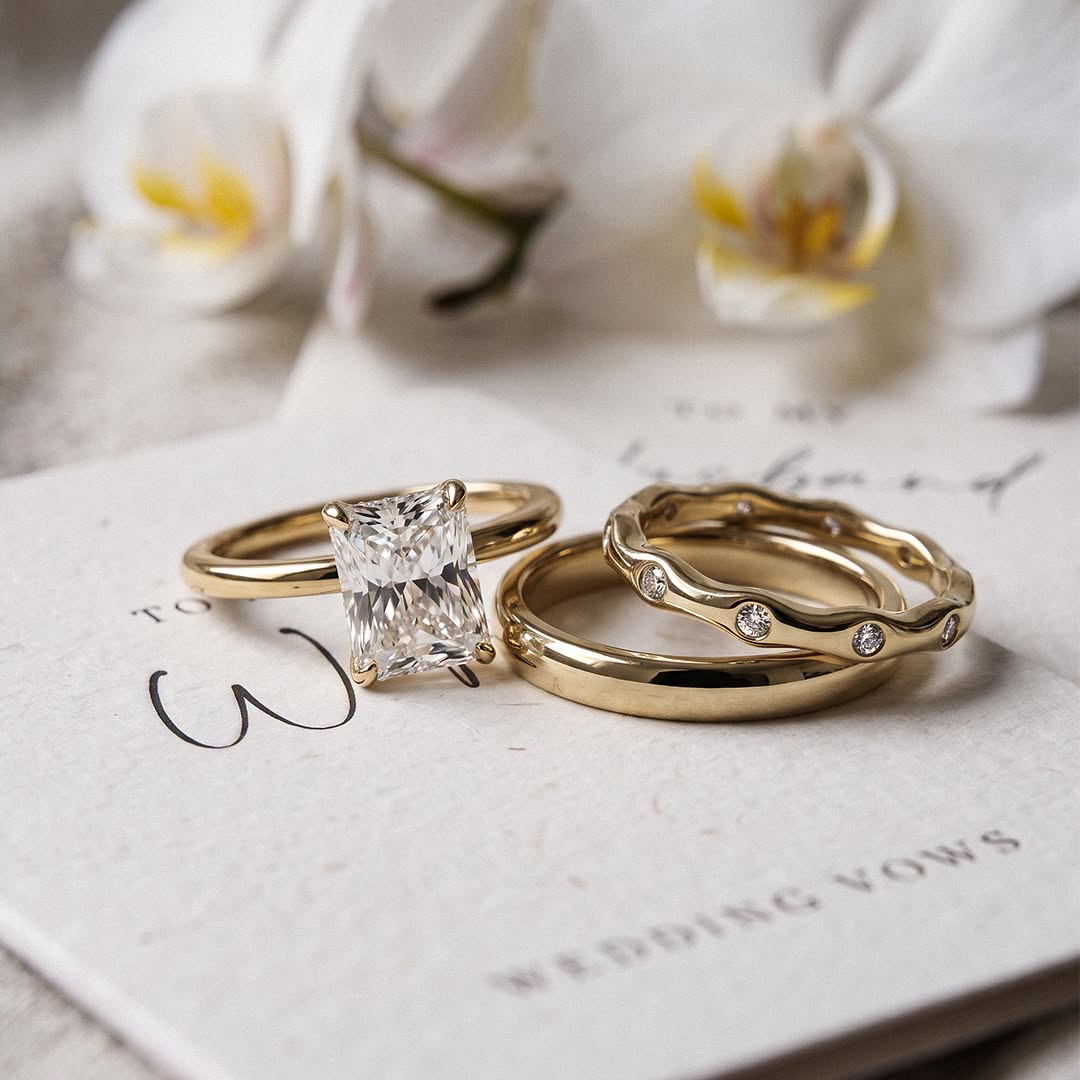
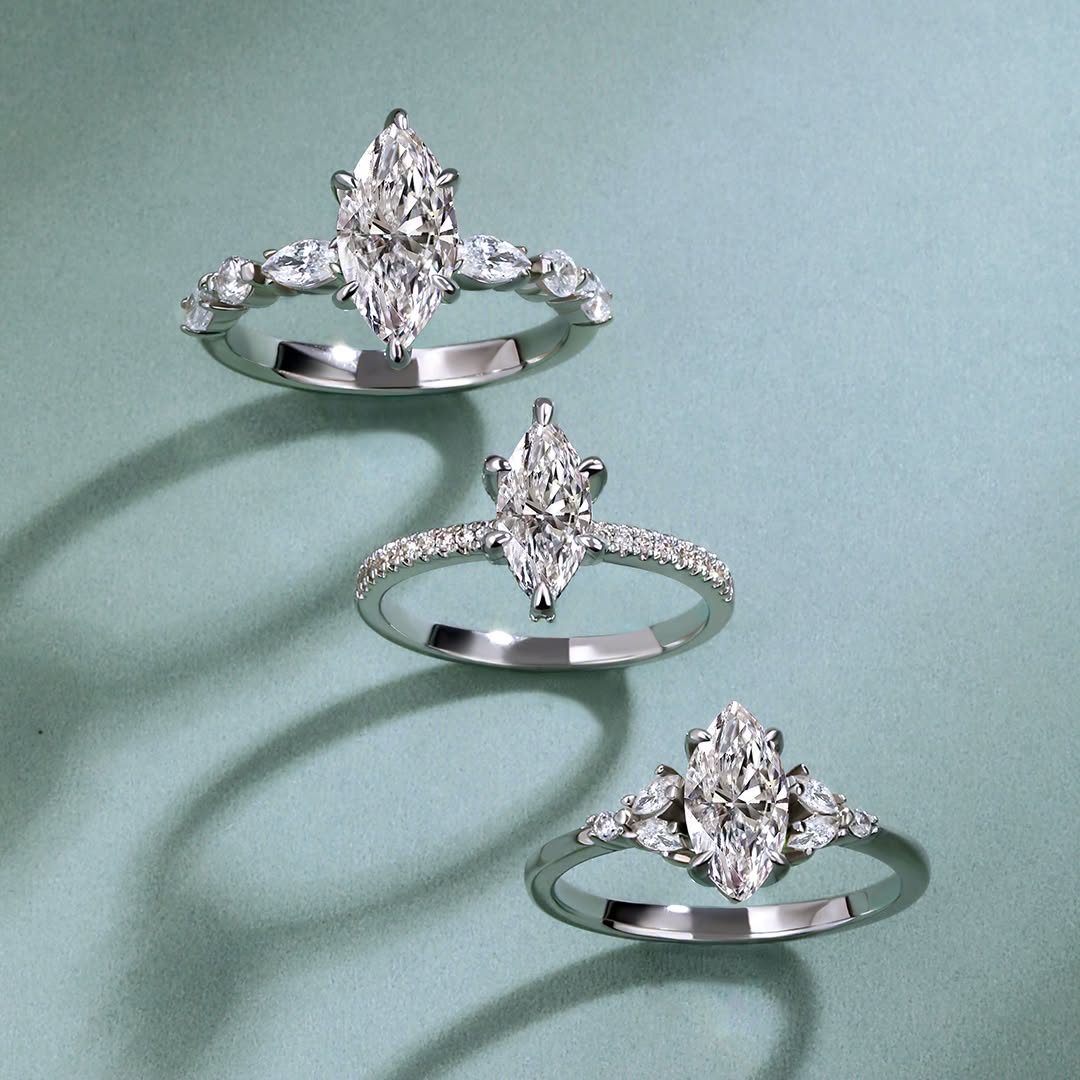
Round engagement rings are the shape most people picture when they think of a diamond. They symbolize endless love and have remained the most popular and classic diamond cut for generations. However, symbolism alone doesn’t make the decision easier. If you’re deciding between a round, oval, cushion, or princess cut, understanding the differences can help you choose with confidence. This guide explores the key characteristics of each shape and highlights what to consider before making your purchase.
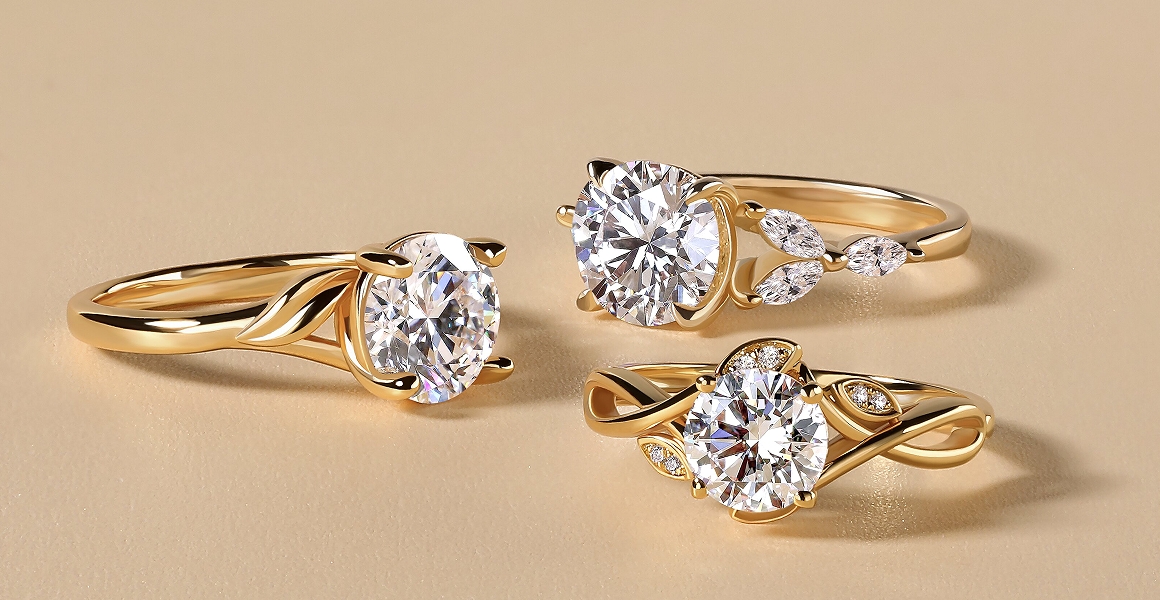
What Is a Round Engagement Ring?
A round engagement ring features a round brilliant cut diamond — a symmetrical stone cut with 57 or 58 facets, each angled to bounce light back toward your eye. That facet arrangement is what gives the round its signature sparkle, and it’s the cut jewelers have spent over a century refining.
Here’s something worth knowing early: “shape” and “cut” are not the same thing. Shape is the outline — round, oval, square. Cut is how well those facets are angled and aligned. A round stone can still be poorly cut, and a poorly cut round looks lifeless no matter the carat. For round brilliants, cut matters more than any other C, and we’ll come back to that.
Why Round Is the Most Popular Cut?
The round brilliant delivers exceptional sparkle, but its popularity comes from more than light performance alone. For over a century, it has remained the most sought-after diamond shape thanks to its balanced proportions and timeless appearance. While other shapes move in and out of fashion, the round cut continues to appeal to buyers who value a classic look.
Its symmetrical outline pairs naturally with nearly every engagement ring style, from traditional solitaires to vintage-inspired and contemporary settings. That versatility gives buyers greater freedom when choosing a design and helps explain why the round brilliant remains the industry standard. For many couples, it offers a combination of elegance, flexibility, and lasting appeal that few other shapes can match.
Round Brilliant vs Other Shapes
Not sure round is for you? Here’s how it compares to the shapes it’s most often weighed against.
Round vs Princess: Princess cuts feature sharp corners and clean lines that create a distinctly modern look. Their square shape appeals to buyers who prefer bold, geometric styling, while round diamonds offer a softer and more traditional appearance.
Round vs Oval: Oval diamonds create a longer silhouette and bring a contemporary feel to an engagement ring. Their elegant shape draws attention with a distinctive profile, while round diamonds emphasize symmetry and balance.
Round vs Cushion: Cushion cuts combine soft curves with vintage-inspired character, making them a popular choice for romantic ring styles. Their rounded shape adds warmth and charm, while round diamonds deliver a more traditional aesthetic.
How to Choose a Round Engagement Ring
This is where most buyers lose money — on grades they can’t see. Here’s how to spend where it counts and save where it doesn’t.
Prioritize cut above everything. For round brilliants, cut grade is the one C you shouldn’t compromise. A GIA “Excellent” or AGS “Ideal” cut returns the light you’re paying for; drop to “Good” or below and the stone goes dull. We usually tell customers to spend on cut first, then decide where to save.
Go slightly below colorless. A round hides color well, so an H or I grade typically faces up white once it’s set. The jump from G up to D is expensive, and most people can’t tell the difference side by side.
Buy clarity with your eyes, not the certificate. Aim for eye-clean — usually VS2 or SI1 in a round — instead of chasing Flawless. An inclusion you can’t see without magnification doesn’t change how the ring looks on the hand.
Make peace with carat last. Round is the priciest shape per carat because cutting it wastes more of the rough stone — about half is lost in the process. If budget is tight, stepping down from 1.0 to 0.9 carat saves a surprising amount with almost no visible difference.
Match the metal to the stone. A near-colorless round (G–H) reads brightest in white gold or platinum, which won’t throw warm tones into the stone. Lower-color rounds (I–J) pair beautifully with yellow or rose gold, which masks faint warmth. If your heart is set on yellow gold, you can comfortably drop a color grade and put the savings toward cut.
A well-cut round looks larger than a heavier, poorly cut one. This is the trick most buyers miss — light return creates the impression of size. A 0.9-carat Excellent cut often outshines a 1.1-carat Good cut, and costs less.
Round Engagement Ring Settings
The setting shapes the whole look, so it’s worth choosing with the wearer in mind. Here’s how the most popular settings compare.
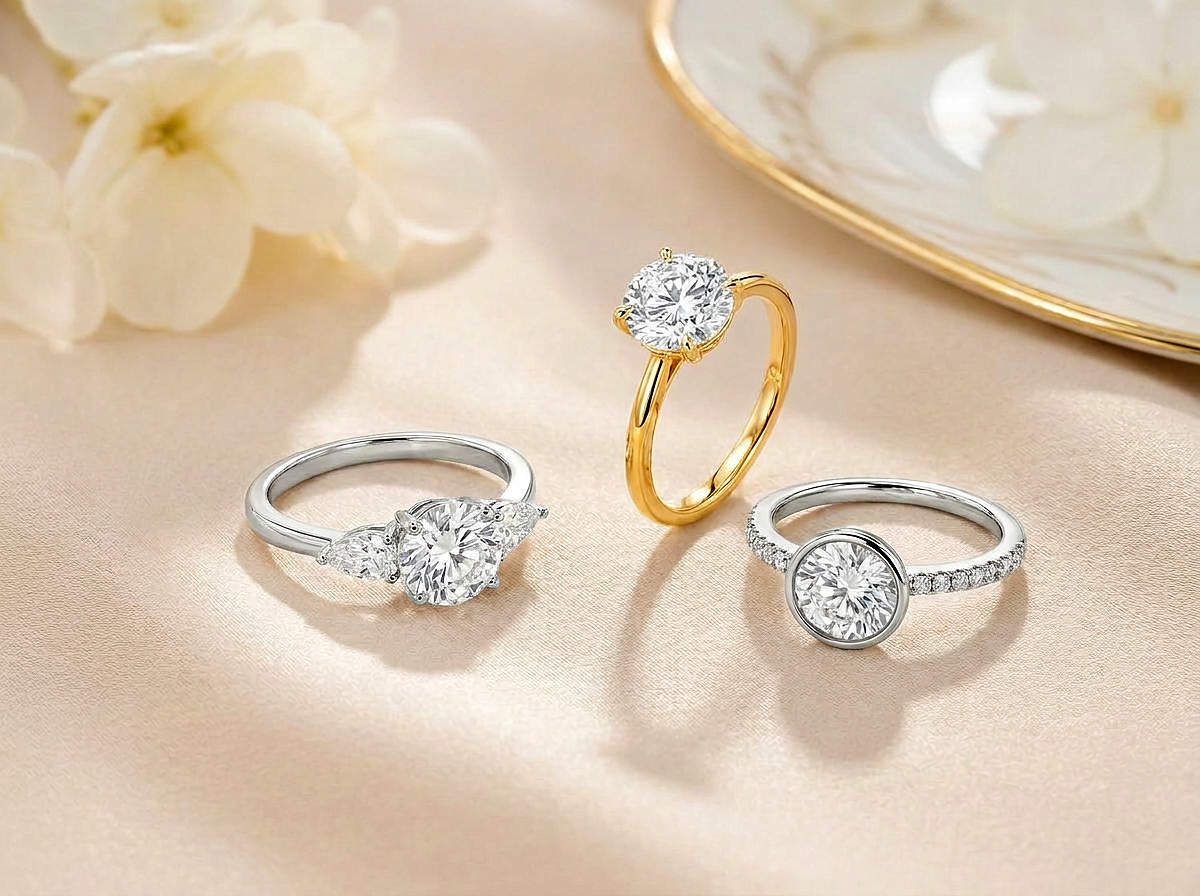
Solitaire keeps the focus on a single round stone — the safest pick if you want something classic that never goes out of style.
Pavé lines the band with tiny diamonds for a continuous shimmer, an affordable way to add brilliance around the center stone.
Halo surrounds the center with a ring of smaller stones, which makes the round diamond look noticeably larger from a distance.
Three-stone settings add two side stones for a more substantial feel, often styled to represent past, present, and future.
Bezel wraps a metal rim around the stone for a modern look that also protects it — a smart pick for anyone who works with their hands.
Lab-Grown Round Engagement Rings
Round brilliant is the most expensive shape per carat, and that’s exactly where lab-grown diamonds change the math. A lab-grown round lets you reach a larger carat or a higher cut grade for a fraction of the mined-stone price.
It’s the same stone chemically, physically, and optically. Graded by IGI on the same 4C scale GIA uses for mined diamonds, a lab-grown round is, by every measurable standard, a diamond — a gemologist can’t separate the two without specialized equipment.
Frequently Asked Questions
Is round the best cut for an engagement ring?
Yes, the round brilliant cut is often considered the best choice for an engagement ring because it delivers the most sparkle and pairs well with virtually any setting style.
Why are round diamonds more expensive?
Round diamonds cost more because cutters sacrifice more rough diamond to achieve their precise proportions and exceptional brilliance. Their long-standing popularity also keeps demand high, which further increases their price per carat.
What carat size looks best in a round engagement ring?
The best carat size depends on finger size, setting style, and budget. Popular choices range from 1 to 2 carats.
Do lab-grown round diamonds look different?
No — they’re physically and optically identical to mined rounds. Only the grading certificate and the origin story differ.
Does a halo make a round diamond look bigger?
Yes, noticeably. The ring of small stones around the center adds visual diameter, which is why halos are popular when you want a larger look on a tighter budget.
A round engagement ring isn’t popular because it’s the safe choice. It’s popular because it consistently delivers what most buyers want from a diamond: exceptional brilliance, flexibility across settings, and a look that never feels outdated. Once you understand how cut, color, clarity, and setting work together, choosing a round diamond becomes much less about following tradition and much more about finding a ring that feels right for the person wearing it.
A round engagement ring is a choice you’ll rarely regret — the hard part is narrowing down the setting. Explore She Said Yes’s round engagement rings, or start a custom design from a hand-drawn sketch.