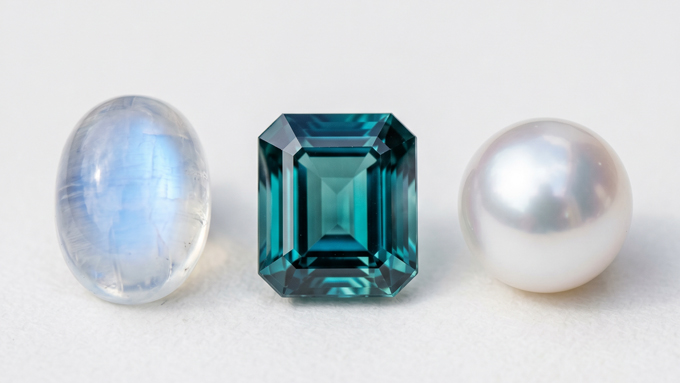
June birthstones are anything but ordinary. The month brings three of them—pearl, alexandrite, and moonstone—which is a lot even by birthstone standards. Pearls come from the sea, alexandrite changes color like a magic trick, and moonstone glows with a soft, dreamy light. They couldn’t be more different, but that’s exactly what makes June birthstones so interesting. Whether you’re shopping for a June birthday or just love learning about gems, here’s everything you need to know about this unusual trio.
Why Does June Have Three Birthstones?
The modern birthstone list wasn’t written once and forgotten. When the National Association of Jewelers standardized it in 1912, June had just one birthstone: pearl. That made sense—pearls had been treasured for thousands of years and fit June beautifully. But in 1952, the list got an update. The Jewelry Industry Council added alexandrite, a rare color-changing gem discovered in 1830s Russia, as a second official option for June.
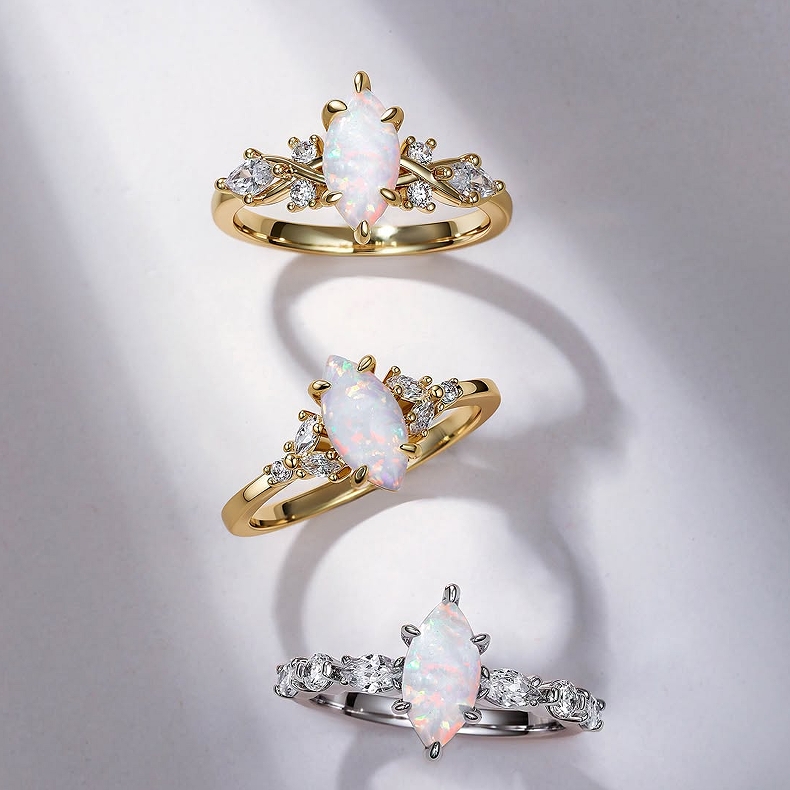
So why three? Moonstone never got an official “added” date like alexandrite. It simply became accepted over time as a beautiful, affordable, and widely available alternative. Unlike pearl’s classic elegance or alexandrite’s dramatic rarity, moonstone offers a soft, ethereal glow that many people love. Today, all three are recognized as June’s birthday gems—giving anyone born in this month a real choice between three completely different looks, histories, and price points.
The History Behind June’s Birthstones
1. Pearl: The Ocean’s Ancient Treasure
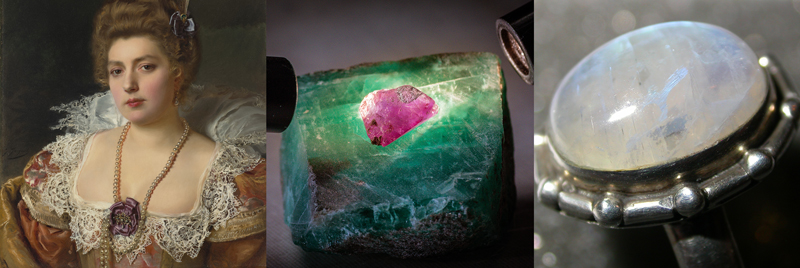
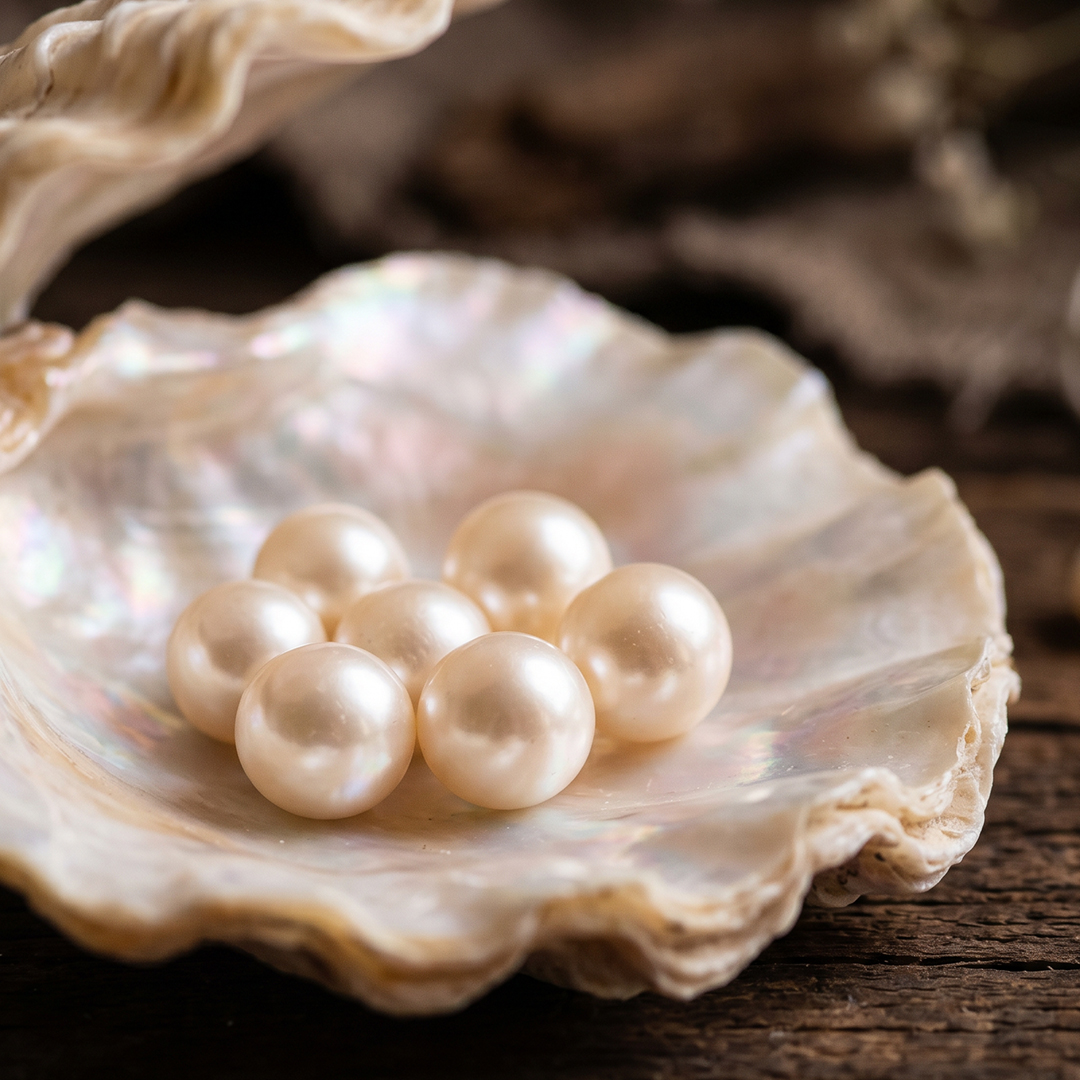
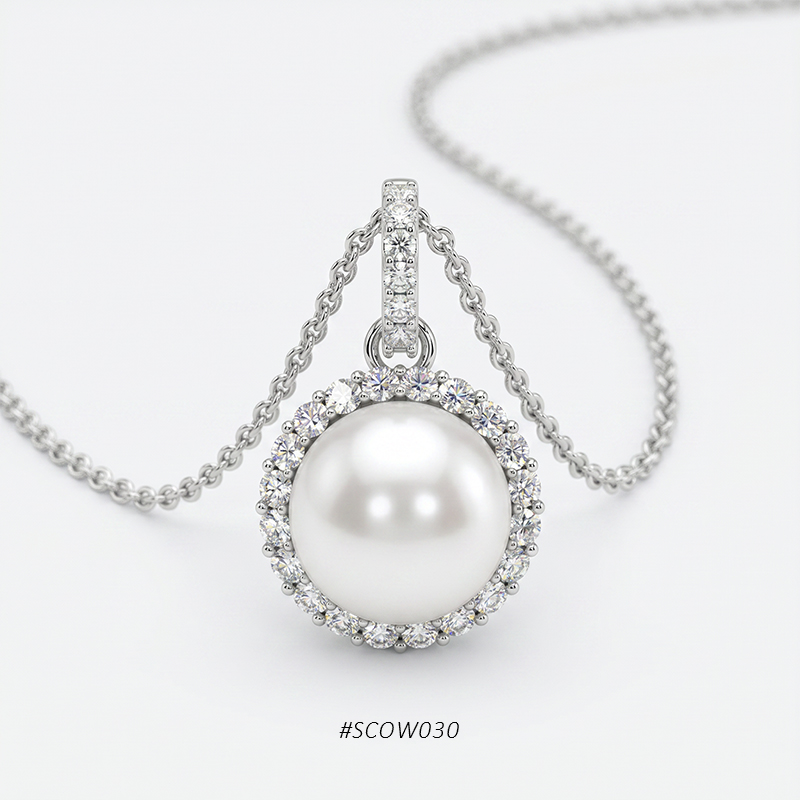
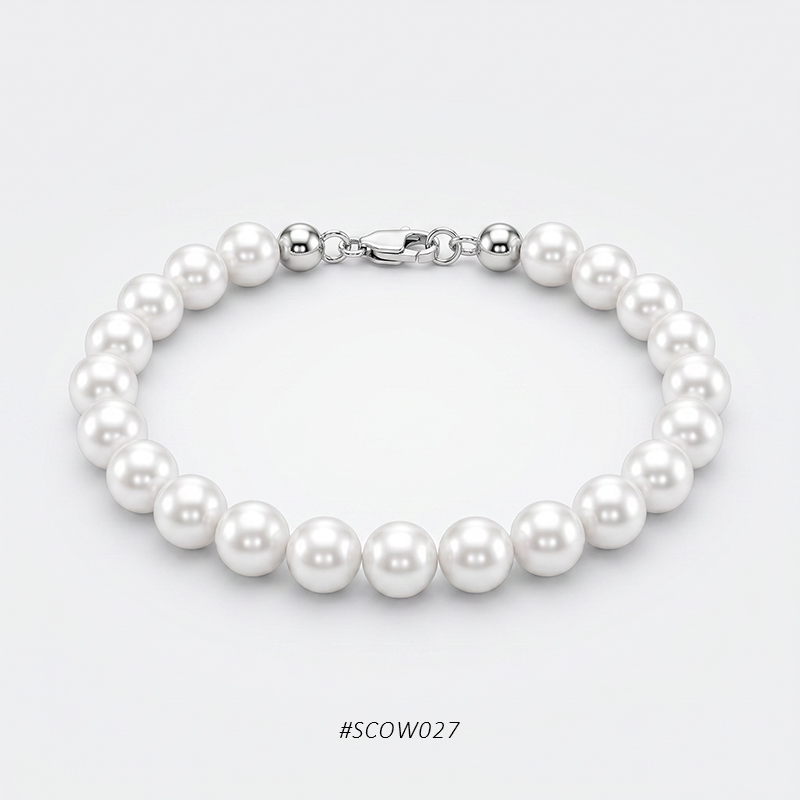
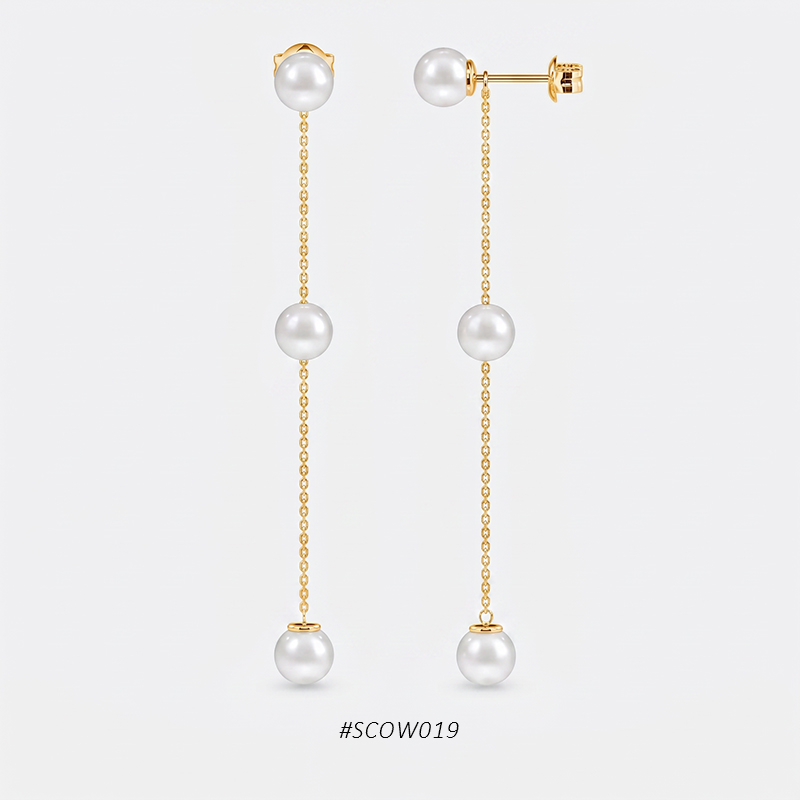
Pearls stand alone as the only gemstone born from a living creature. Mollusks like oysters produce them by coating an irritant with layers of nacre, the lustrous substance that gives pearls their glow. Ancient Romans treasured pearls as the ultimate status symbol—Julius Caesar even passed a law restricting who could wear them. Greek myth called them tears of joy from Aphrodite, tying them to love and marriage.
For most of history, natural pearls remained so rare that only royalty could afford them. That changed in the early 20th century when Kokichi Mikimoto perfected the cultured pearl technique. Today, cultured pearls dominate the market, available in Akoya, South Sea, Tahitian, and freshwater varieties, making pearl jewelry accessible to far more people.
2. Alexandrite: The Tsar’s Color-Changing Gem
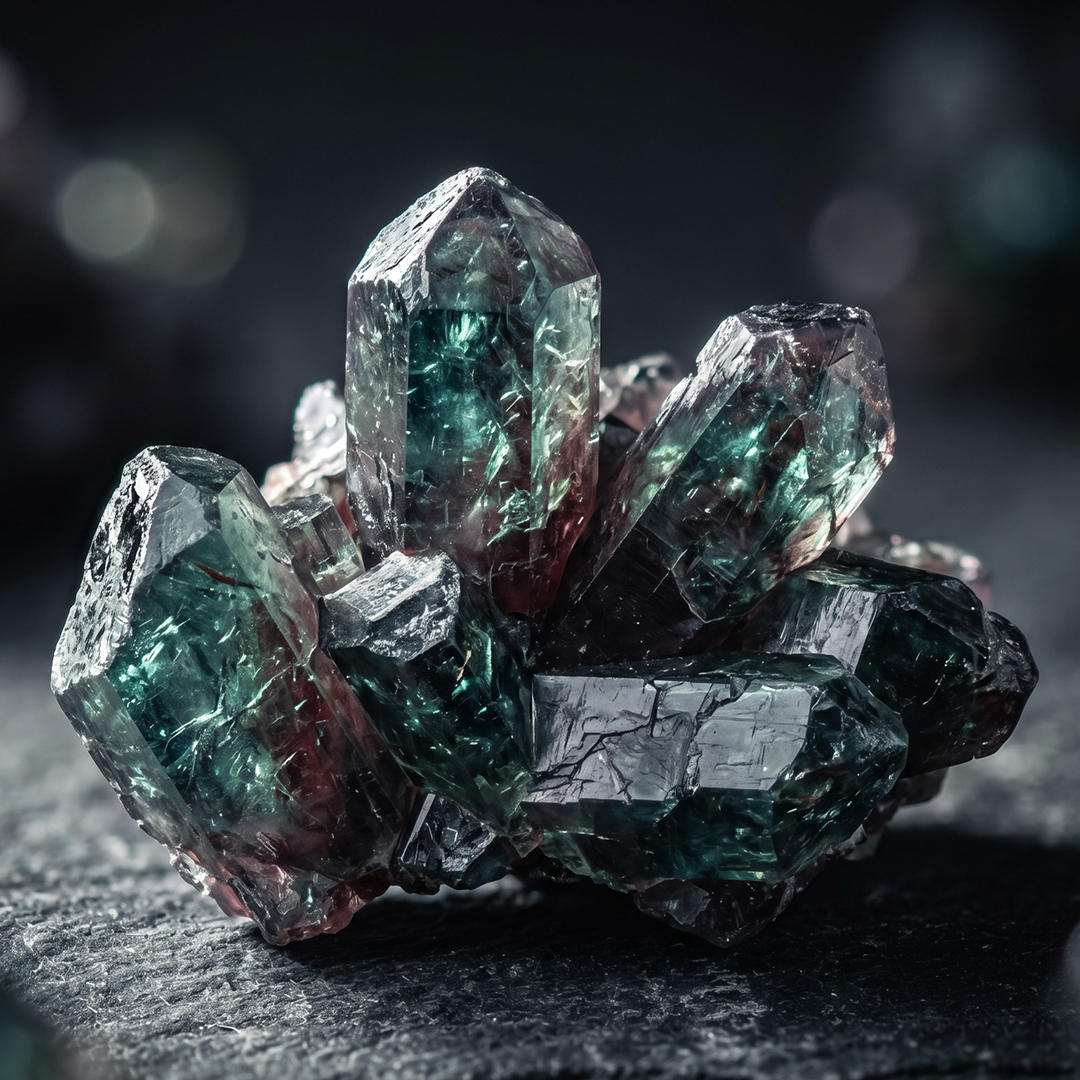
Alexandrite first appeared in 1830 in Russia’s Ural Mountains, discovered on the same day the future Tsar Alexander II came of age. Mineralogist Nils Gustaf Nordenskiöld initially thought he’d found an emerald—until he saw the stone turn from green to raspberry-red under candlelight. Count Perovskii renamed it “alexandrite” and presented it to the Tsar, and the gem’s green-and-red colors conveniently matched imperial Russia’s military palette.
The “alexandrite effect” happens because trace amounts of chromium in the crystal structure absorb and transmit light differently. In daylight, fine alexandrite looks green to bluish-green; under incandescent light, it shifts to red or purplish-red. The original Russian mines ran out long ago, but today Sri Lanka, Brazil, and East Africa produce alexandrite. Fine alexandrite remains exceptionally rare and valuable—often costing more per carat than diamond.
3. Moonstone: The Celestial Glow
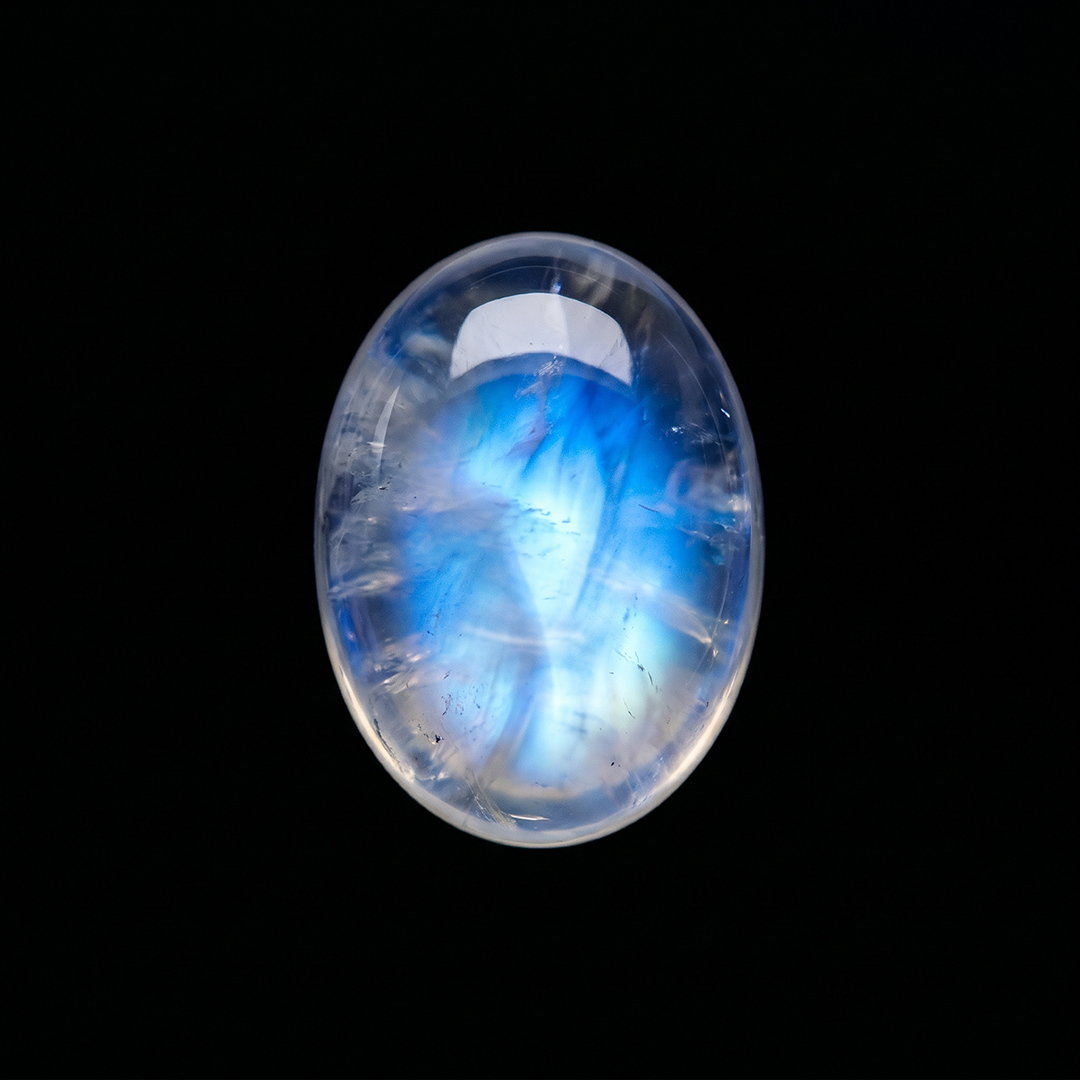
Moonstone belongs to the feldspar family, and its magic comes from a phenomenon called adularescence—a soft, floating blue glow that seems to move across the stone’s surface. This happens when light scatters between thin, alternating layers of feldspar inside the gem. The Romans believed moonstone was made of solidified moonbeams and tied it to their moon goddess Diana. Pliny even thought its appearance changed with the moon’s phases, a belief that lasted until the 1500s.
The stone saw a major revival during the Art Nouveau era (1890s–1910s). Masters like René Lalique and Louis Comfort Tiffany used moonstone in their nature-inspired pieces, drawn to its dreamy, fluid quality. The finest moonstones come from Sri Lanka and southern India, with other sources in Brazil, Myanmar, and Madagascar. Its affordable price and mystical look keep it popular for bohemian and spiritual jewelry.
The Symbolism of June’s Birthstones
1. Pearl: The Stone of Purity and Innocence
Across centuries and cultures, pearls have symbolized purity, humility, and innocence. Brides have worn them on their wedding day to represent a pure heart and enduring love. In Greek mythology, pearls were Aphrodite’s tears of joy, which is why they became so deeply tied to romance.
Eastern traditions see pearls as carriers of wisdom gained through experience. Many Asian cultures also believe pearls bring prosperity, long life, and good health. A gift of pearls carries a wish for grace, inner calm, and lasting love.
2. Alexandrite: The Stone of Transformation
Few gems fit their symbolism as perfectly as alexandrite. Its remarkable color change—green in daylight, red under lamplight—makes it a natural symbol of transformation, balance, and joy. People believe alexandrite brings good luck and helps harmonize the physical and spiritual worlds.
Alexandrite encourages personal growth and adapts to new phases of life. That’s why it makes an ideal gift for a milestone birthday, an anniversary, or anyone entering a new chapter. It reminds us that change can be beautiful.
3. Moonstone: The Stone of New Beginnings
Moonstone connects deeply to the moon’s cycles—waxing, full, waning, new. That link gives it strong associations with new beginnings, feminine energy, and intuition. Many consider it a stone of the goddess, tied to emotional balance and life’s natural rhythms.
In India, families still give moonstone as a traditional wedding gift to bring harmony to the marriage. The stone also promotes calm and happiness, so it suits someone starting a fresh journey or needing a touch of inner peace.
How to Choose Between Pearl, Alexandrite, and Moonstone
With three distinct options, your choice can beautifully reflect personal style, lifestyle, and meaning.
- Choose Pearl if you are drawn to timeless elegance and classic beauty. Pearl is the perfect choice for formal occasions, bridal jewelry, or anyone who appreciates understated sophistication. It makes a meaningful gift for a bride, a milestone birthday, or a 30th wedding anniversary.
- Choose Alexandrite if you love rarity, drama, and true investment value. If you want a stone that changes with the lighting and sparks conversation wherever you go, Alexandrite is unmatched. Its exceptional durability (8.5 on the Mohs scale) also makes it ideal for daily-wear rings and engagement rings.
- Choose Moonstone if you have a free-spirited, mystical personality and adore ethereal beauty. Moonstone is perfect for whimsical pendants, earrings, and Art Nouveau-inspired designs. It’s an ideal gift for someone starting a new chapter—a new job, a new home, a marriage, or a pregnancy—or for anyone needing a touch of calm and intuition in their life.
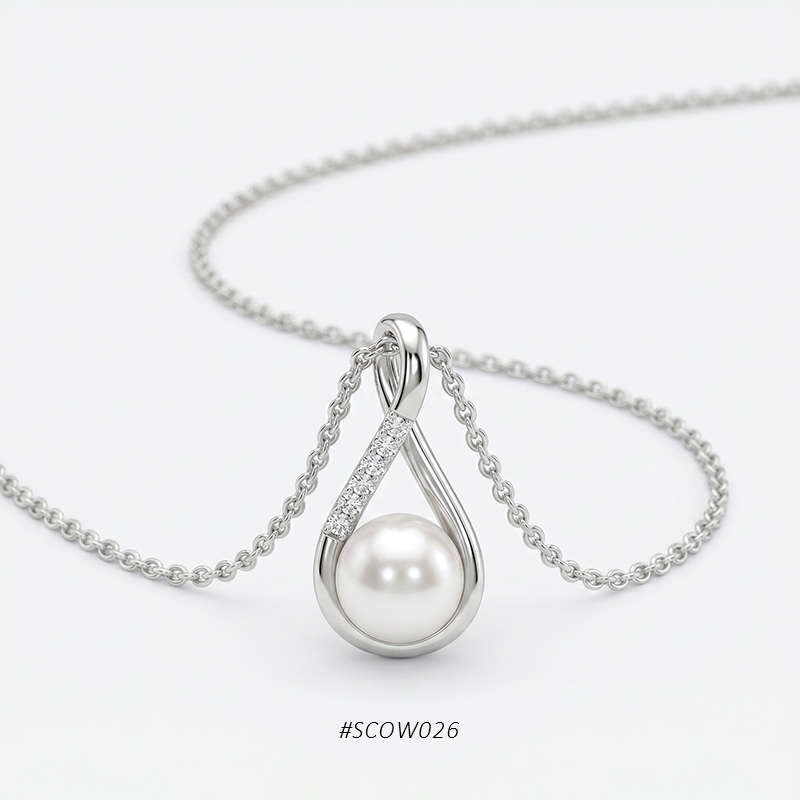
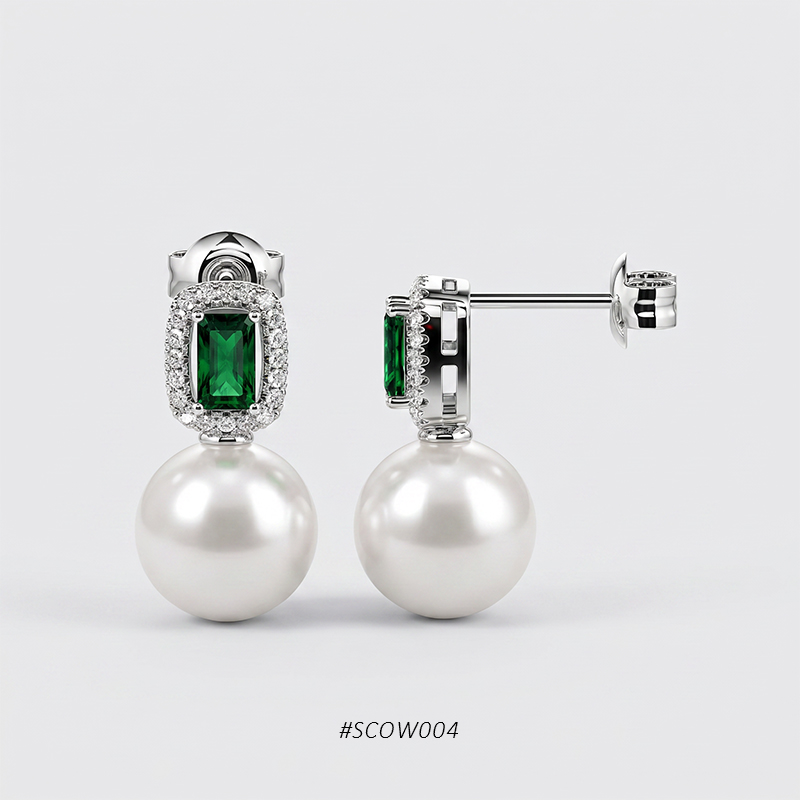
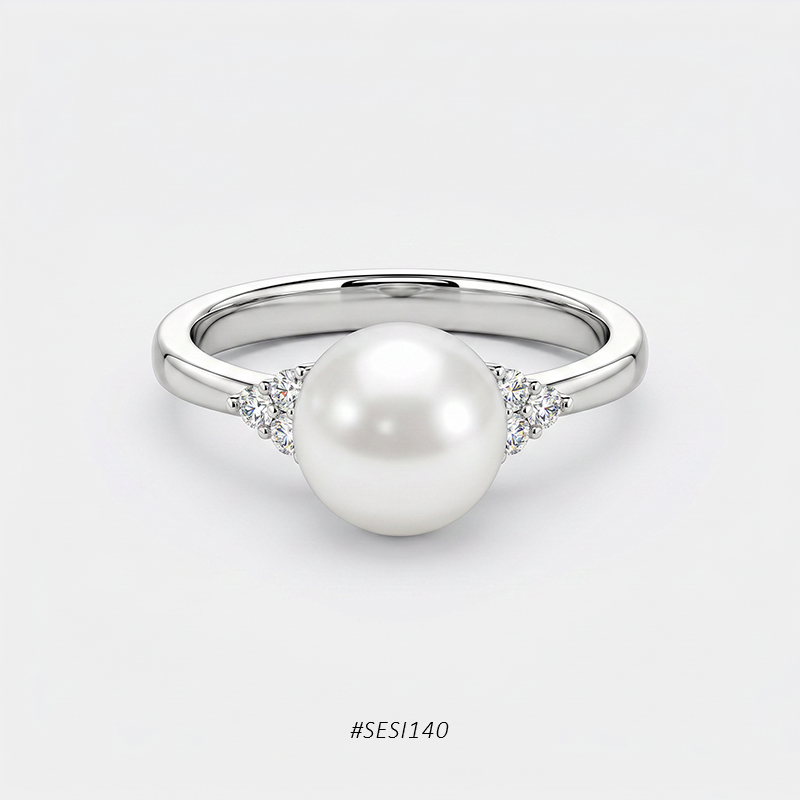
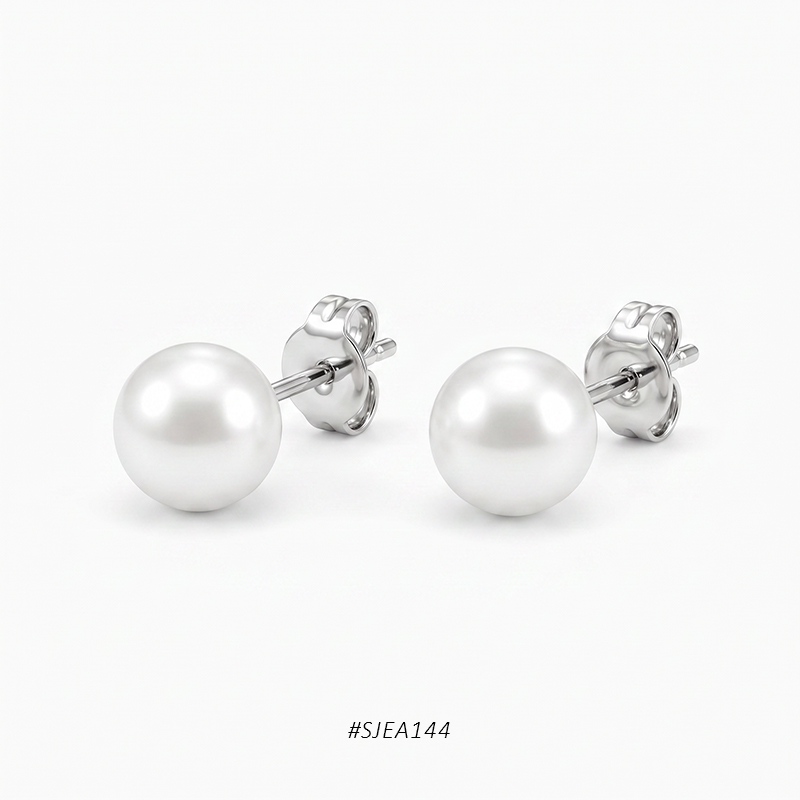
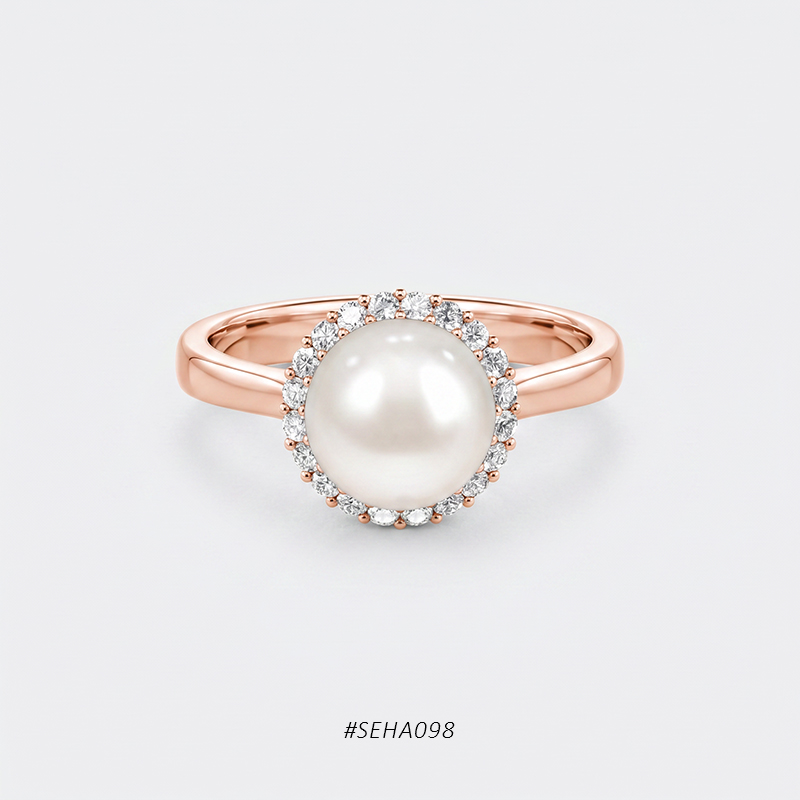
Popular Pearl Jewelry Styles

A Side-by-Side Comparison
| Feature | Pearl | Alexandrite | Moonstone |
|---|---|---|---|
| Type | Organic (formed inside mollusks) | Mineral (chrysoberyl) | Mineral (feldspar) |
| Primary Color | White, cream, pink, silver, black | Green (daylight) to Red (incandescent) | Colorless/white with blue sheen; also peach, gray, rainbow |
| Durability (Mohs Scale) | 2.5–4.5 (delicate) | 8.5 (excellent) | 6–6.5 (moderate) |
| Key Trait | Organic origin & timeless luster | Dramatic color-change phenomenon | Adularescence (floating blue glow) |
| Value Range | Cultured: affordable to moderate; natural: extremely high | Very high; rare stones can exceed diamond prices | Affordable to moderate |
| Best For | Classic elegance, bridal jewelry, formal occasions | Daily wear, investment pieces, collectors | Boho style, pendants, earrings, spiritual connection |
| Main Sources | Japan, China, Australia, French Polynesia | Sri Lanka, Brazil, East Africa, Russia (historic) | Sri Lanka, India, Brazil, Madagascar |
Pearl, alexandrite, and moonstone each offer something completely different—organic elegance, color-changing drama, and dreamy celestial glow. That variety is exactly what makes June birthstones so special. Few months give you such a wide range of looks, histories, and price points to choose from. Whether you’re shopping for a June birthday or just love learning about gems, this trio proves that sometimes more really is better.
June Birthstone FAQs
A: Pearls are soft and porous. Put them on after applying perfume and makeup, and wipe them gently with a damp cloth after each wear. Store them separately from other jewelry to avoid scratches.
A: Alexandrite ranks highest at 8.5 on the Mohs scale—tough enough for daily wear or an engagement ring. Moonstone is moderate (6–6.5), while pearls are soft (2.5–4.5) and best for special occasions.
A: No. Alexandrite is a natural gemstone, famous for its color change. Cubic zirconia is a lab-created diamond simulant with a different composition.
A: Yes. It looks green to bluish-green in daylight and turns red to purplish-red under incandescent light. Gem lovers call it “emerald by day, ruby by night.”
A: That floating blue shimmer is adularescence. It happens when light scatters between thin layers of feldspar inside the stone.
A: Moonstone has moderate durability (6–6.5 on the Mohs scale), making it suitable for earrings, pendants, and occasional rings. For daily-wear rings, a protective setting (like a bezel) is recommended to shield the stone from impacts.