Promise ring vs engagement ring—it’s a comparison that often sparks confusion among couples. Both rings symbolize love, commitment, and meaningful milestones in a relationship, yet they represent very different intentions and stages of a couple’s journey. Understanding the differences between the two can help you choose a piece of jewelry that truly reflects your relationship and future plans.
What a Promise Ring Actually Means
A promise ring is exactly what it sounds like: a ring that stands for a promise. What that promise is? That part is up to you. For some couples, it means “I’m yours and I’m not going anywhere.” For others, it is a way to say “I see a future with you, even if we’re not ready to plan a wedding yet.” Long-distance partners sometimes exchange them as a reminder that the miles don’t weaken what they have.
The flexibility is what makes a promise ring special. It does not come with a script. You decide what it means, and because of that, it tends to feel incredibly personal.
This is not a new idea, either. Back in 16th-century England, couples exchanged “posy rings” — simple bands engraved with short love poems. Victorian-era lovers went a step further with “acrostic rings,” arranging gemstones so their first letters spelled out words like “LOVE” or “ADORE.” The impulse behind a promise ring — the desire to give love something tangible to hold onto — has been around for hundreds of years.
What an Engagement Ring Means
An engagement ring carries one specific, unmistakable meaning: you are asking someone to marry you. There is no ambiguity. When someone sees an engagement ring on a left hand, they know exactly what it represents.
That clarity has a long history, too. The first recorded diamond engagement ring dates back to 1477, when Archduke Maximilian of Austria gave one to Mary of Burgundy. It caught on among European nobility, and by the mid-20th century — fueled in no small part by De Beers’ famous “A diamond is forever” campaign — the diamond engagement ring became the cultural standard it is today.
But beyond the history, what really separates an engagement ring from a promise ring is the question it comes with. An engagement ring arrives alongside “Will you marry me?” That question changes everything. It moves a relationship from “we’re serious” to “we’re planning a life together.”
Key Differences Between Promise Rings and Engagement Rings
Definitions are fine, but what you probably want to know is: how do these rings differ in the real world? Here are the four areas where the gap is the widest.
What They Look Like
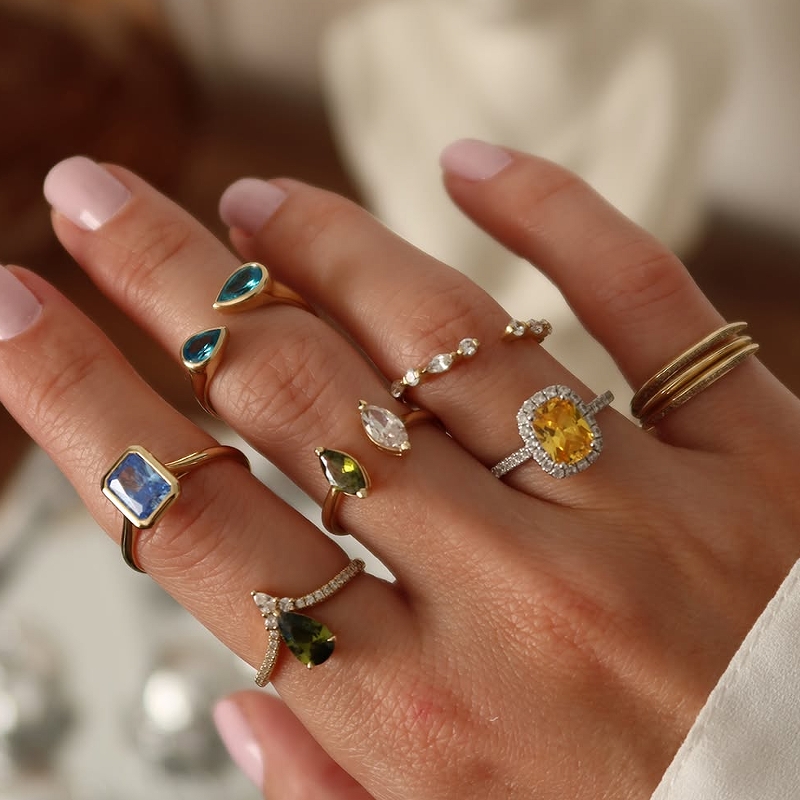
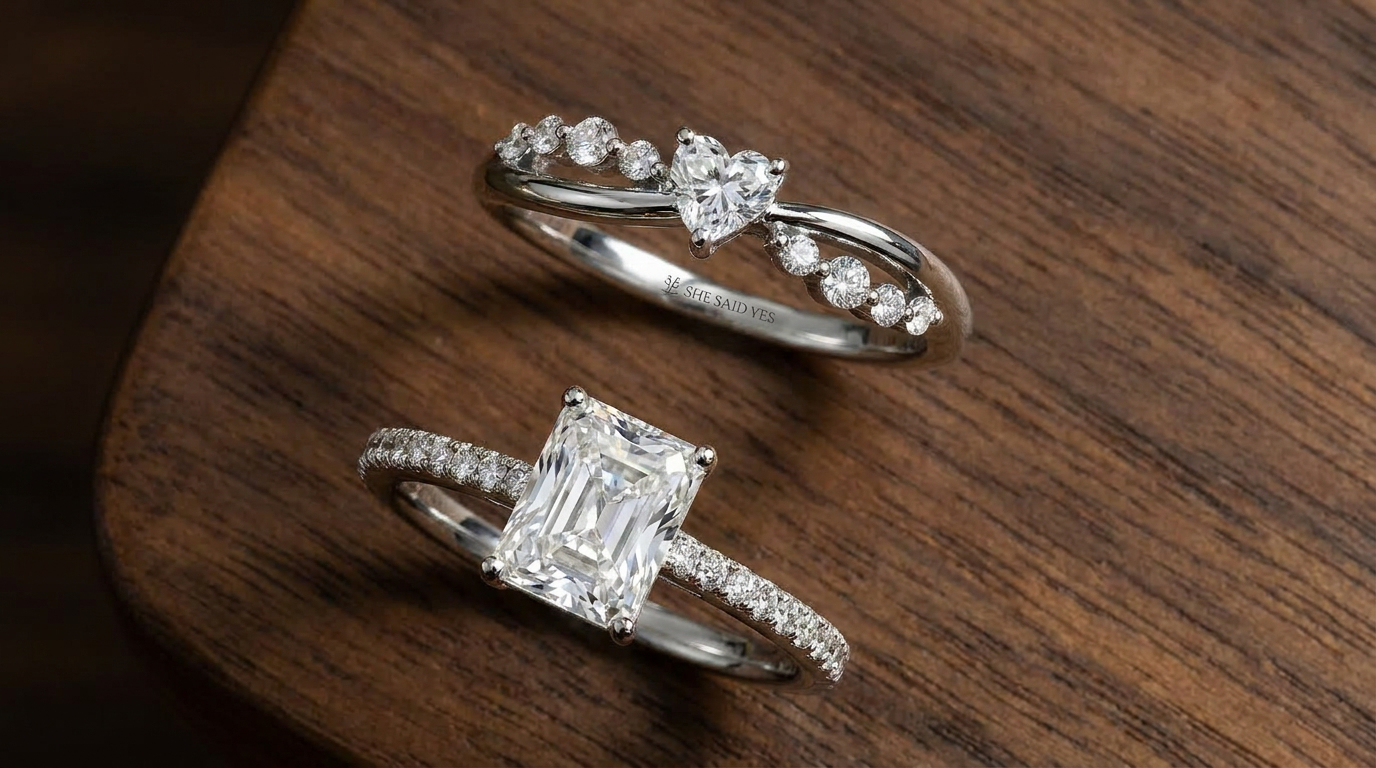
Promise rings tend to be subtle. A thin band. A small gemstone or birthstone. Maybe a heart motif, an infinity symbol, or a few tiny accent stones. The design is meant to be personal, not showy.
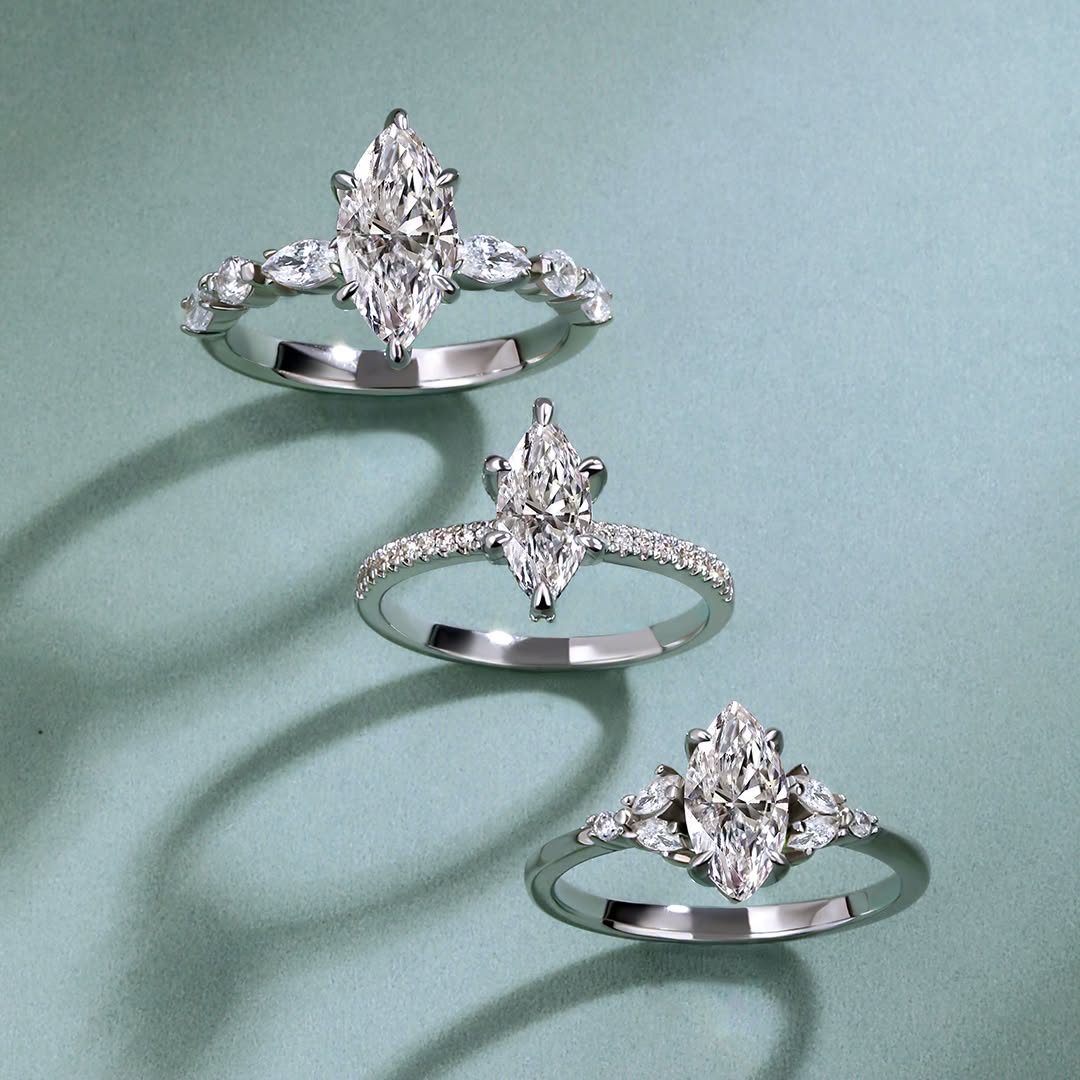
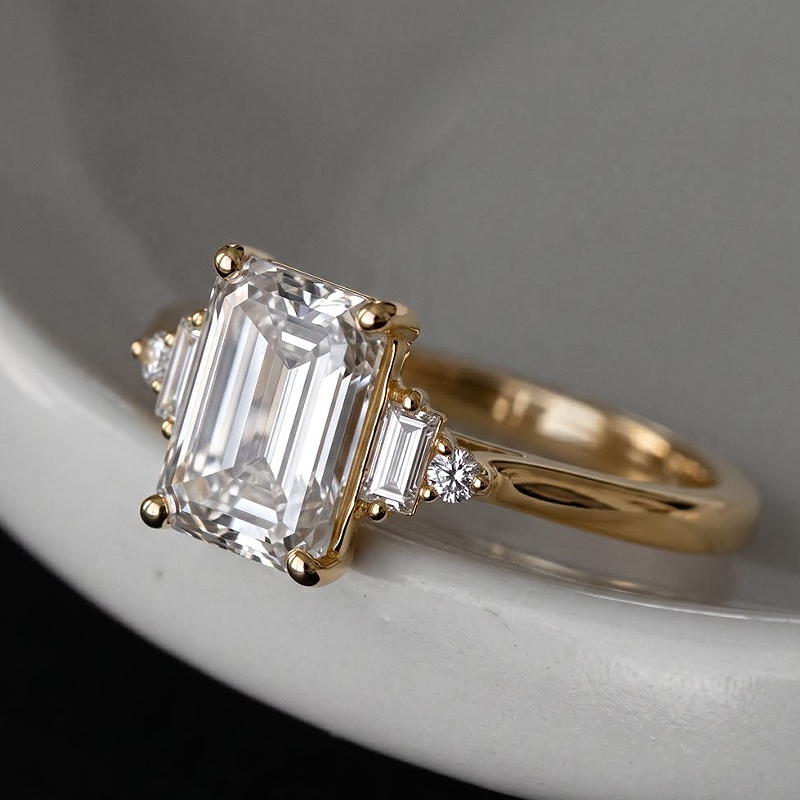
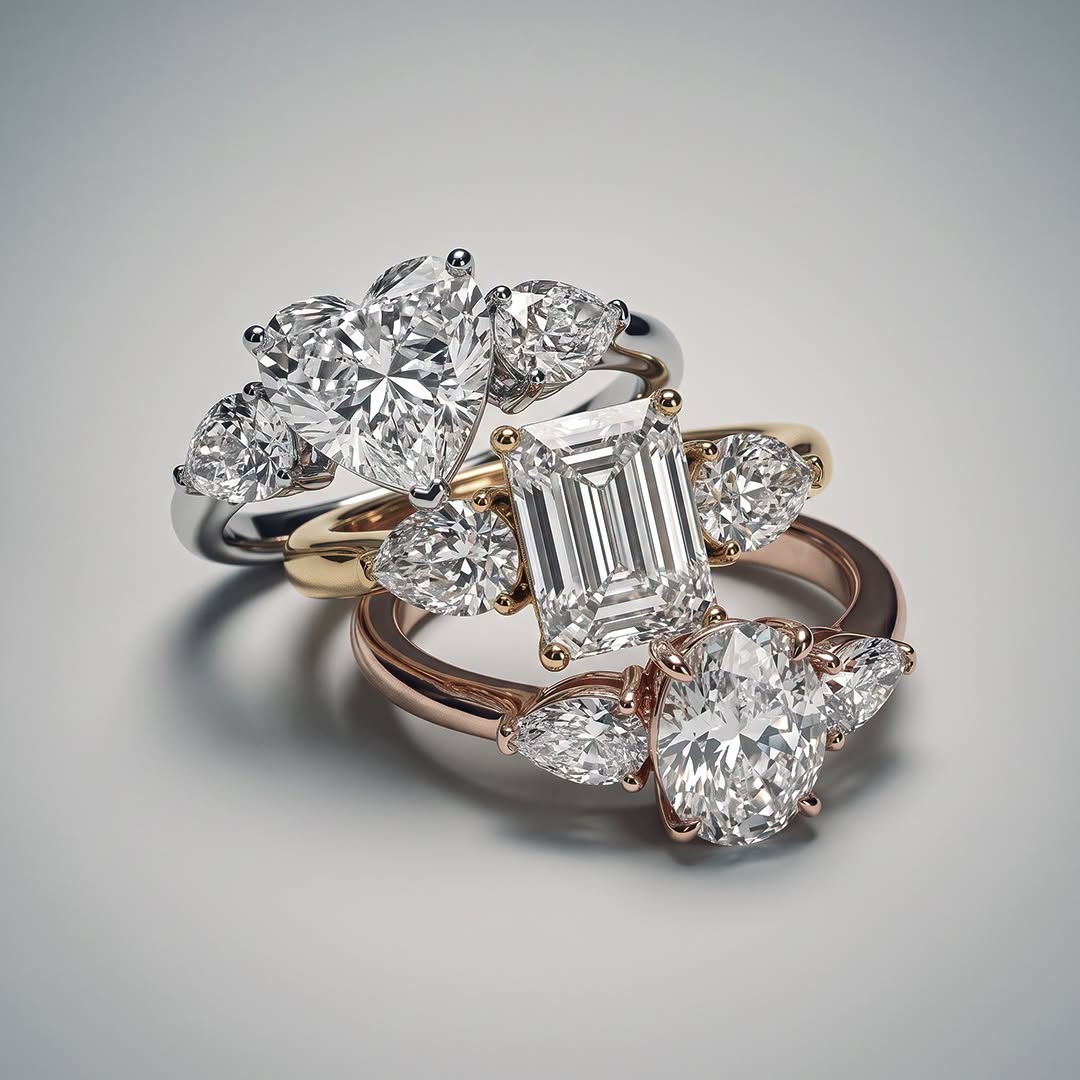
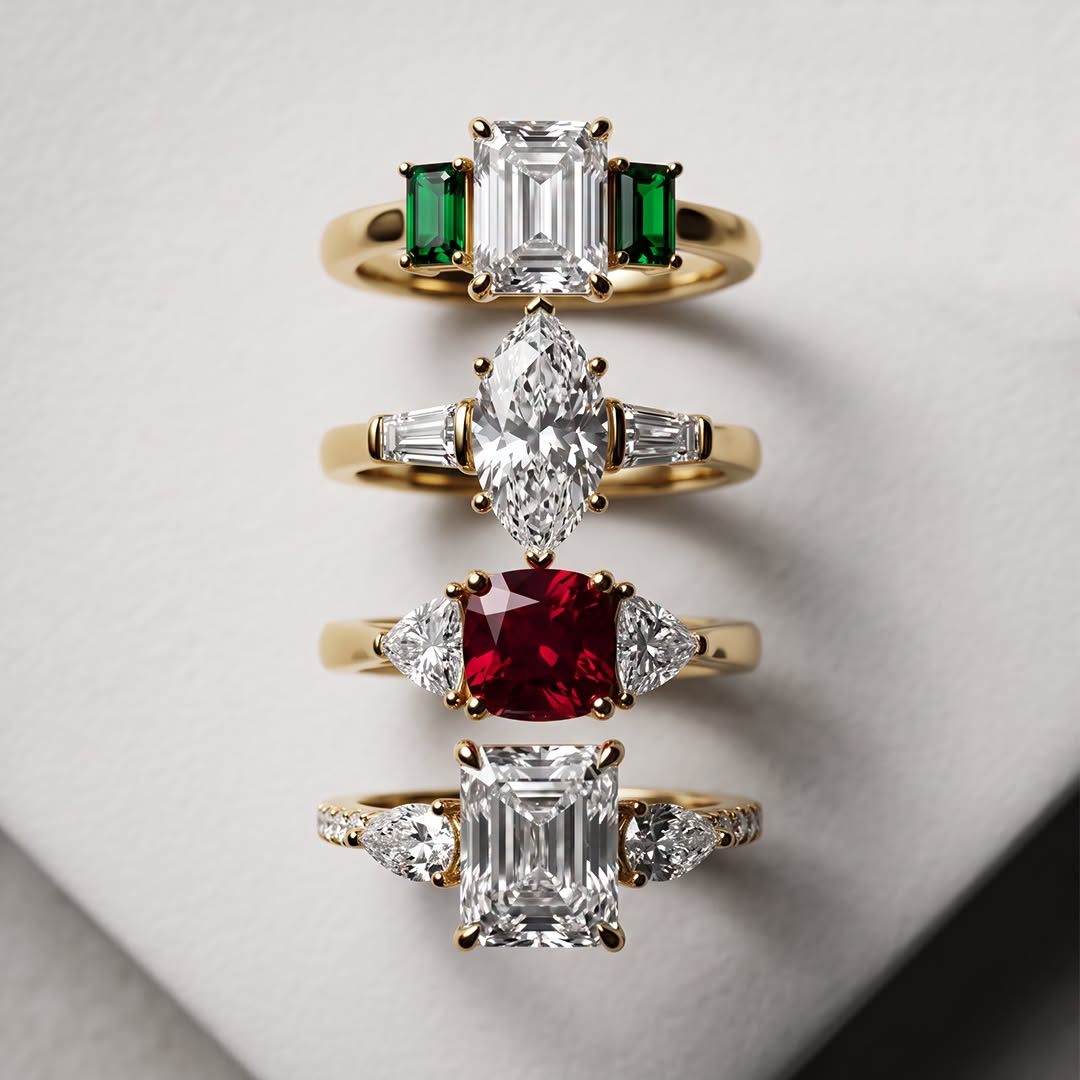
Engagement rings are built around a center stone. Usually a diamond, though moissanite and colored gemstones are catching on fast. The setting — solitaire, halo, three-stone — exists to make that center stone the focal point. The overall look is bolder, more structured, designed to catch light and attention.
What They Cost
This is where the practical difference hits hardest. Promise rings typically run somewhere between $100 and $800. Sterling silver, 10K gold, small moissanite or gemstones — the materials keep costs down because the gesture matters more than the karats.
Engagement rings occupy a completely different price bracket. The US national average sits around $3,000 to $6,000, though that number swings wildly depending on the stone, the metal, and the setting. A 1-carat natural diamond solitaire in white gold starts around $2,500 and climbs quickly. Lab-grown diamonds and moissanite have changed the game, though — you can get the same visual impact for a fraction of the price. A 1-carat lab-grown diamond solitaire in 14K gold? Often under $1,500. Same sparkle, very different price tag.
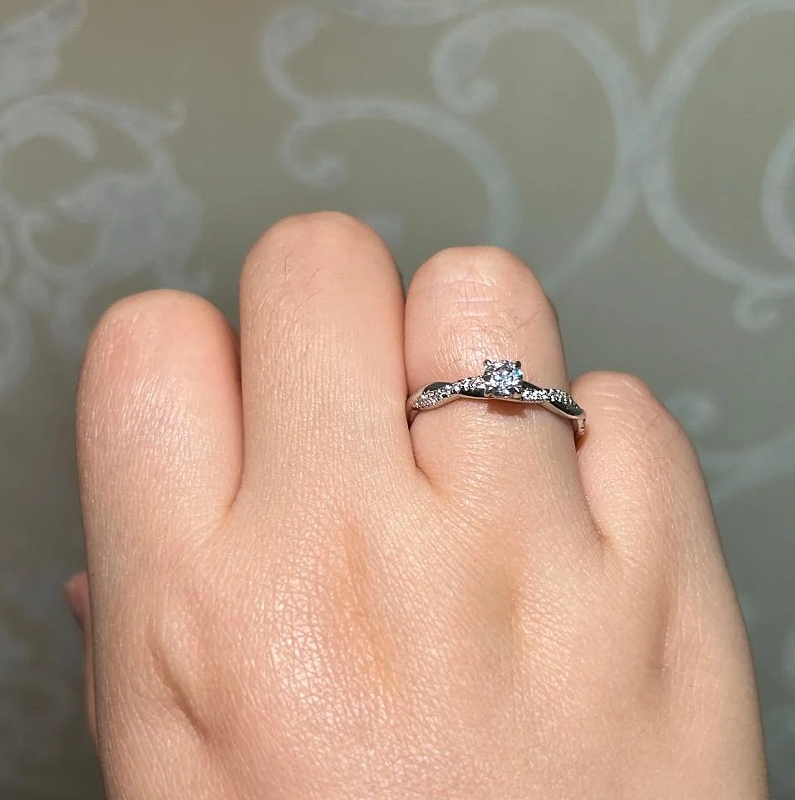
One practical tip: if you plan to give both a promise ring and an engagement ring within a year or two, keep the promise ring budget modest. The engagement ring is where the financial planning kicks in.
When They’re Given
Promise rings show up when a relationship feels serious but marriage isn’t on the calendar yet. College couples exchange them before graduation. Long-distance partners trade them before a stretch of time apart. Some couples use them to mark a one-year anniversary — a physical way to say “this matters to me” without jumping to the next level.
Engagement rings come later, when both people have talked about marriage and are ready to make it official. The proposal itself tends to be planned — a meaningful location, a special date, maybe family waiting nearby. Not always, but often.
How They’re Given
This is the part people underestimate. A promise ring works best in a casual, honest moment. Over dinner. On a walk. Curled up on the couch on a random Tuesday. The words can be simple: “This is my promise to you. I’m all in.”
An engagement ring is a different production. It carries ceremony. Getting down on one knee isn’t required, but it is a tradition for a reason — it signals that this moment is the one where everything changes. The words are simpler still: “Will you marry me?” But the weight behind them is enormous.
One important note: if you give someone a ring while kneeling, they will assume it's a proposal. Save that gesture for the real thing.
Which Finger Does Each Ring Go On?
Promise rings are flexible. Right hand, left hand, ring finger, middle finger. Many people start on the left ring finger and move the promise ring to the right hand once an engagement ring shows up. Others never put a promise ring on the ring finger at all, precisely to avoid the “wait, are we engaged?” conversation with relatives.
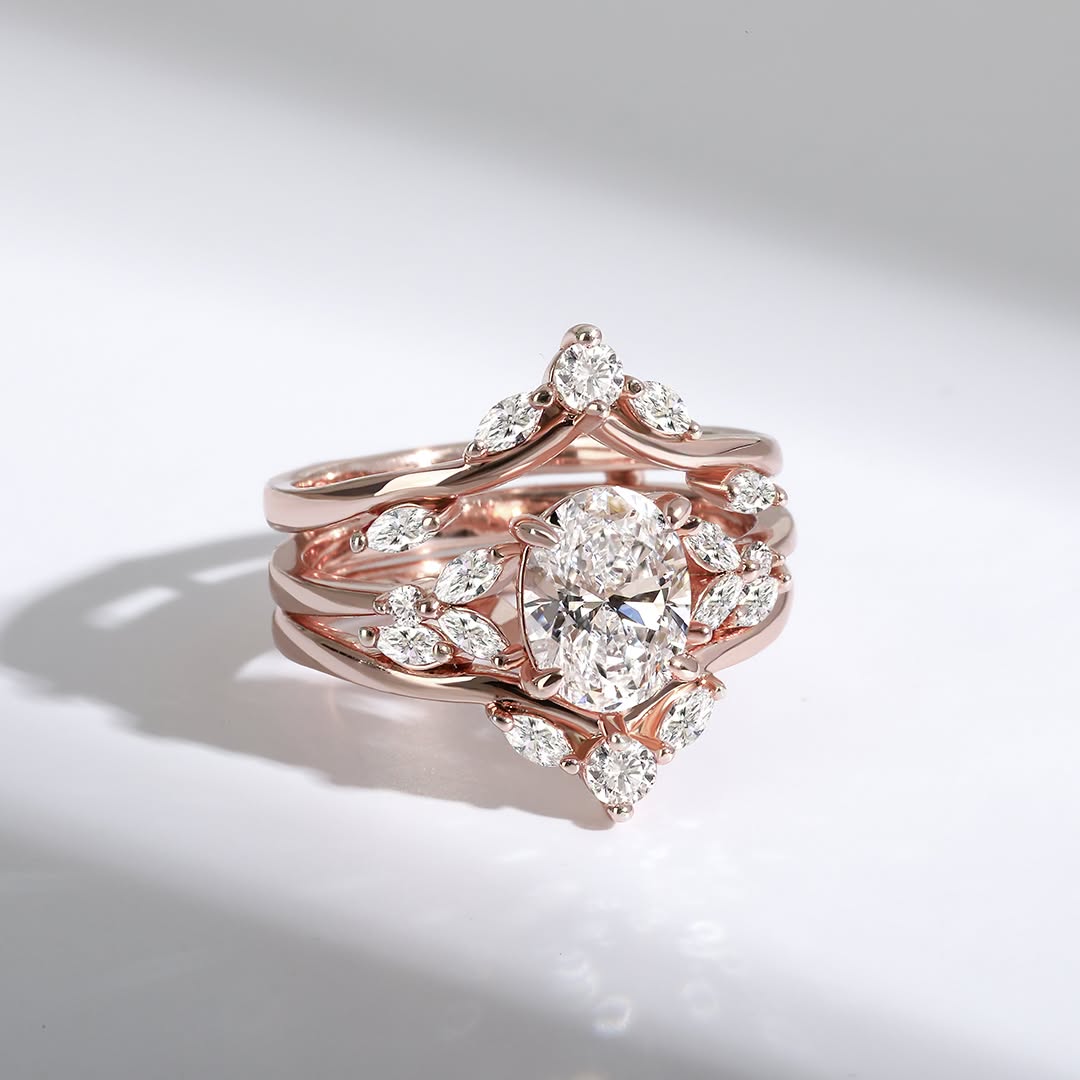
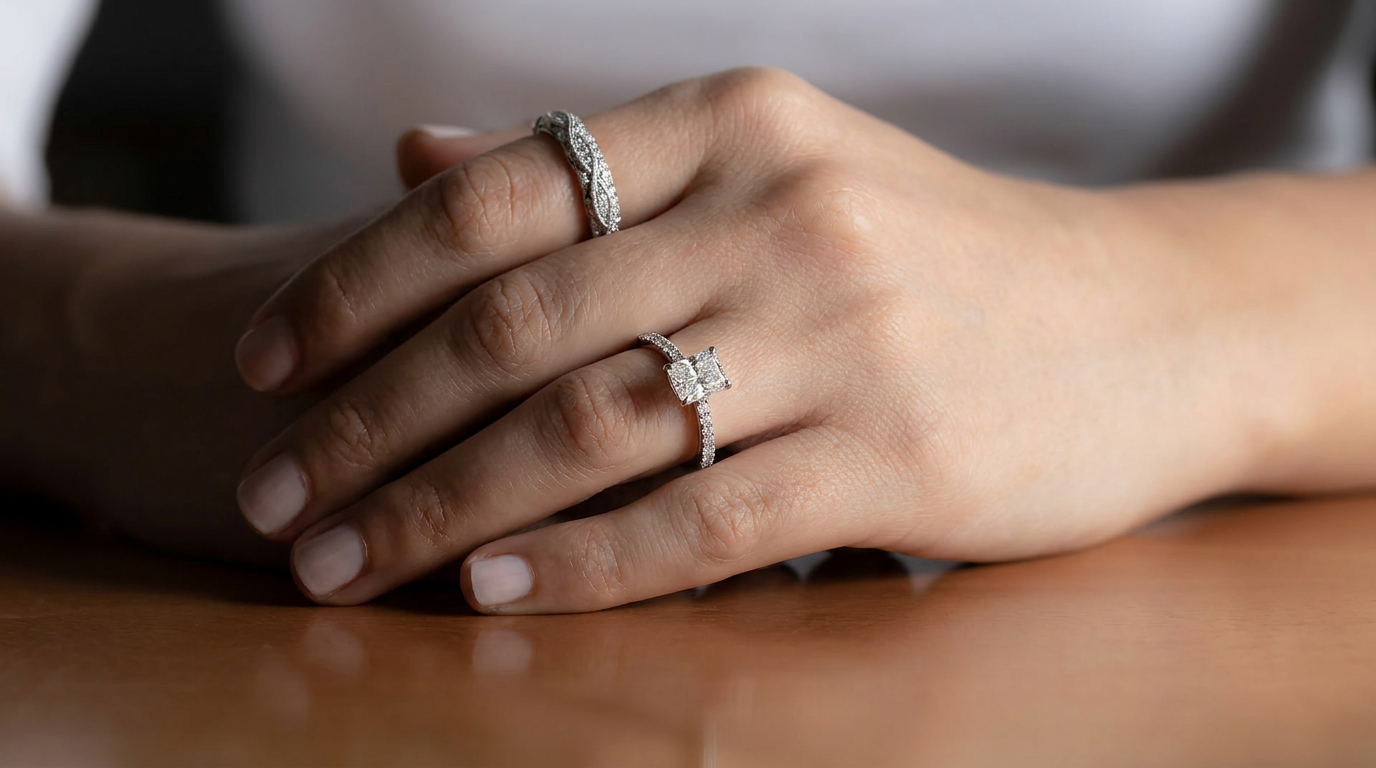
Engagement rings go on the left ring finger. That is the tradition, rooted in the ancient Roman belief that the “vena amoris”— a vein running directly from that finger to the heart — connected the ring to love itself. Modern anatomy disagrees, but the tradition stuck. After the wedding, the engagement ring gets stacked with a wedding band on the same finger.The following image shows a common way to wear it.
What Happens to a Promise Ring After You Get Engaged?
Most people forget to think about until they’re standing there with two rings and ten fingers.
A few options: move it to your right hand. Stack it with your engagement ring if the widths work together. Thread it onto a necklace chain and wear it close to your heart. Tuck it in a jewelry box as a keepsake. Or — and this is what some couples love most — incorporate the promise ring into the engagement itself.
“I gave you this ring as a promise. Now I want it to mean something bigger.” That line hits harder than any diamond ever could.
How to Know Which One Is Right for You
Ask yourself three questions. The answers will point you in the right direction.
Are you ready to get married — or ready to show commitment?
If you and your partner have talked about marriage and you’re both on the same page, an engagement ring is probably where you’re headed. If marriage feels right but the timing doesn’t — school, career, distance — a promise ring lets you honor what you have without rushing what comes next.
What does your budget look like?
Promise rings: $100 to $800. Engagement rings: $500 to $10,000 and beyond. Knowing your number before you start shopping saves you from falling in love with something you can’t afford — or underspending on a moment that deserves more. Lab-grown diamonds and moissanite have made the engagement ring price range far more accessible than it used to be.
Will the other person understand what the ring means?
This is the one that catches people off guard. If you give a ring in a velvet box at a candlelit dinner, the other person will expect a proposal. If you’re giving a promise ring, make the moment match the meaning. Hand it over at a casual dinner. Skip the fancy box if that helps. Say clearly what the ring represents and what it doesn’t. Clarity now prevents confusion later.
A Quick Word on Something Nobody Talks About
You do not have to choose just one. Plenty of couples start with a promise ring, wear it for a year or two, and then upgrade to an engagement ring when the time feels right. Some keep wearing the promise ring on a different finger after the proposal — a physical reminder of the chapter that came before.
The rings aren’t in competition with each other. They’re chapters in the same story. One says “I’m yours.” The other says “I want forever with you.” Both are worth getting right.
FAQ
Is a promise ring the same as an engagement ring?
No. A promise ring symbolizes commitment without a specific plan to marry. An engagement ring is given during a proposal and means you plan to get married. They differ in meaning, cost, design, and how they’re presented.
Can you wear a promise ring and an engagement ring at the same time?
Absolutely. Move the promise ring to your right hand, stack it with the engagement ring if the widths work, or turn it into a pendant. There’s no wrong way to wear both — as long as they feel right to you.
How long after a promise ring should you give an engagement ring?
There is no standard timeline. Some couples wait a few months, others wait years. The engagement ring comes when you’re ready to propose, not on a schedule. What matters is that both of you understand where the relationship is headed.
What finger does a promise ring go on?
The right ring finger is the most common choice, but many people wear a promise ring on whichever finger feels right. Some start on the left ring finger and switch to the right hand once an engagement ring enters the picture.
Can a promise ring be used as an engagement ring later?
Yes. Many couples later use a promise ring as an engagement ring, especially if it already holds special meaning in their relationship.
Conclusion
A promise ring says “I’m committed to you.” An engagement ring says “I want to spend my life with you.” Both matter. Both deserve to be given at the right time, in the right way, with words that match.
Pick the ring that fits where your relationship actually is — not where you think it should be. The right piece of jewelry at the right moment means more than the most expensive ring given at the wrong one.
When you’re ready — whether it’s a delicate promise ring or an engagement solitaire with a lab-grown diamond set in recycled gold — She Said Yes has options at every price point, all customizable to your story.