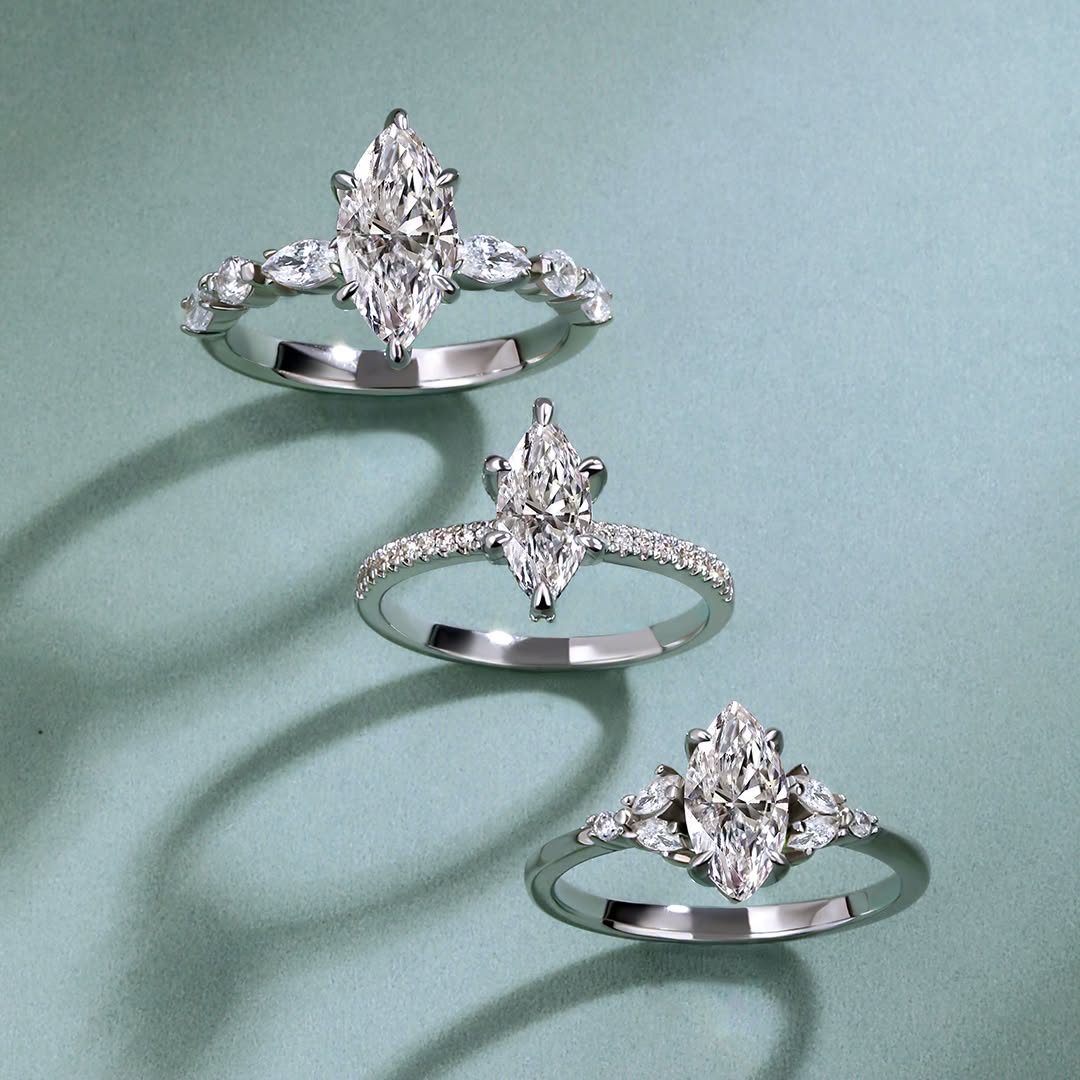
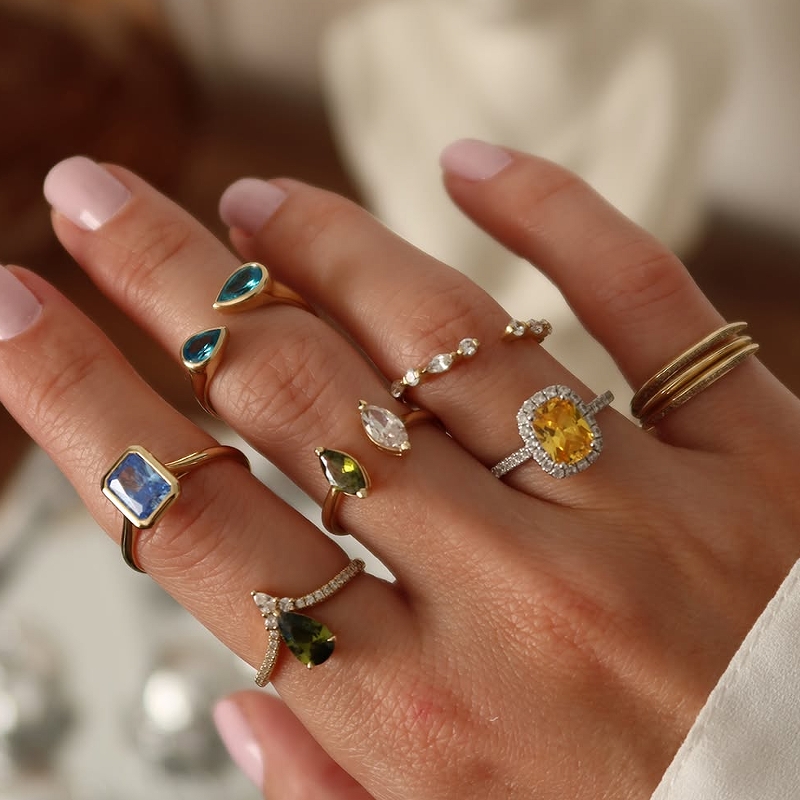
An engagement ring isn’t a piece you save for Sundays. You wear it everywhere for the next few decades. So the style has to hold up as well as the stone. After years of helping couples choose, we’ve found the answer almost always comes down to two things: profile and setting. This guide walks through the engagement ring styles that take everyday wear best, what actually makes a ring practical, and how to choose one that fits your life without giving up the look you love.
What Makes an Engagement Ring Good for Everyday Wear?
Before the styles, the logic. A ring built for daily wear comes down to four things: how high the stone sits, how well it’s held, how hard the stone is, and how the band feels on your finger. Get these right and almost any look can work for everyday wear. Get them wrong and even a beautiful ring ends up back at the jeweler’s bench.
Band comfort. Rounded, comfort-fit bands sit easier on the hand than sharp-edged ones.
Profile height. The higher the stone, the more it catches on clothes, doors, and gloves.
Setting security. Bezel and multi-prong holds beat thin four-prongs for active hands.
Stone hardness. Diamond (10), moissanite (9.25), and sapphire (9) take daily knocks; softer stones don’t.
The Best Engagement Ring Styles for Everyday Wear
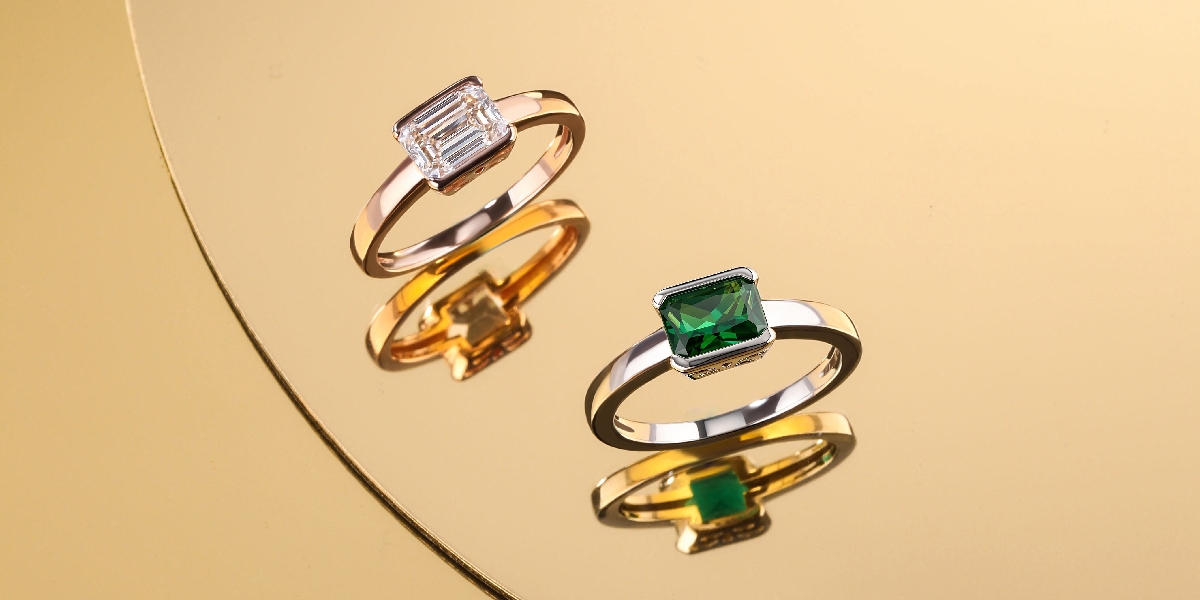
Bezel solitaire
A bezel setting wraps a thin rim of metal all the way around the stone’s edge instead of holding it with prongs. Think of it as armor for the stone. That makes it the most secure everyday setting there is — no prongs to bend back, no exposed corners to chip, almost nothing for a sweater to snag on. The trade-off is sparkle: the rim covers part of the stone’s side, so it reads slightly smaller and throws a touch less light than a prong-set ring.
Best for: active hands, healthcare and gym work, anyone who can’t stand snagging.
Skip if: you want maximum brilliance and that classic prong-set silhouette.
Styling tip: a yellow gold bezel around a lab-grown diamond reads warm and modern at once.
Low-profile halo
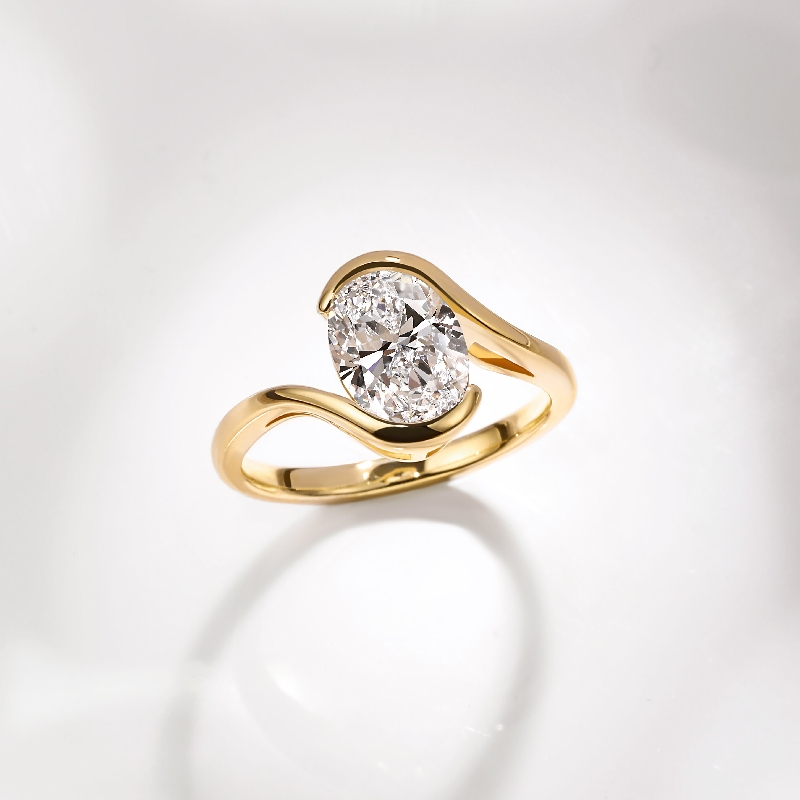
A halo surrounds the center stone with a ring of smaller stones, adding sparkle and the look of a larger center. Done right, it’s the best of both worlds. For everyday wear the magic word is low-profile — a halo that sits close to the finger rather than standing tall. Kept low, the halo gets protected by the band itself and catches on far less. A tall halo, by contrast, has edges and tiny stones just asking to get dinged against a doorframe.
Best for: maximum sparkle without giving up practicality.
Skip if: your hands take a real beating at work — even low, a halo has more edges than a solitaire.
Styling tip: pair it with a curved contour band so the halo sits flush against your wedding ring.
Classic six-prong round solitaire
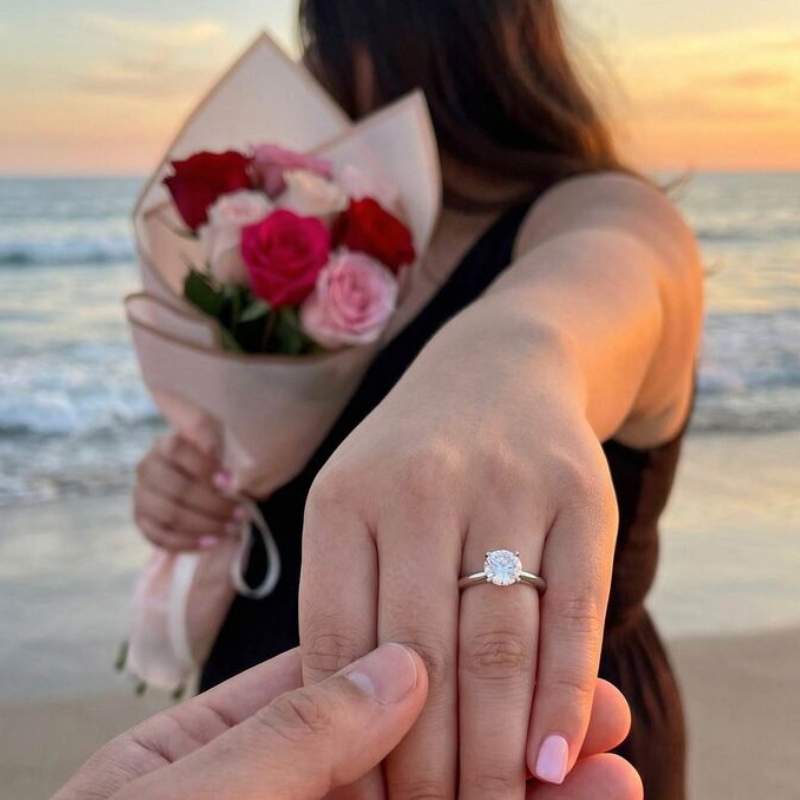
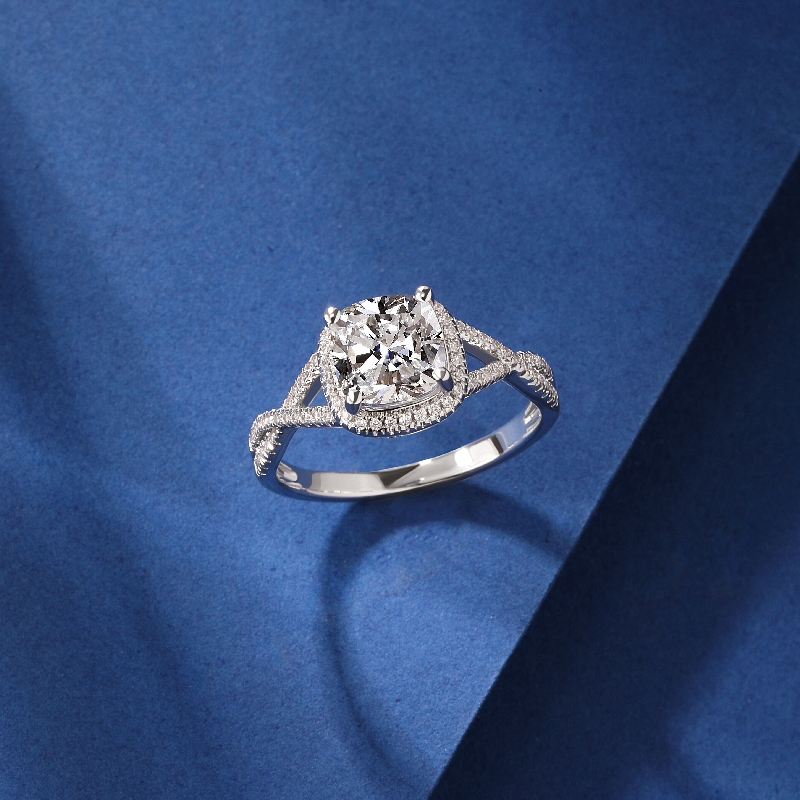
Six prongs hold the center stone from more angles than four — that’s the whole pitch. More prongs, more grip. The six-prong round solitaire is the most recognized engagement ring on the planet, and the design has lasted a century because it works. A round brilliant has no pointed corners to chip, and the open prong setting lets light flood in from every side. The one catch is height: a tall head snags more than a low one.
Best for: a timeless look with strong brilliance and solid security.
Skip if: you want the ring to sit completely flush to your finger.
Styling tip: ask for a low-set head to bring the stone closer to the band.
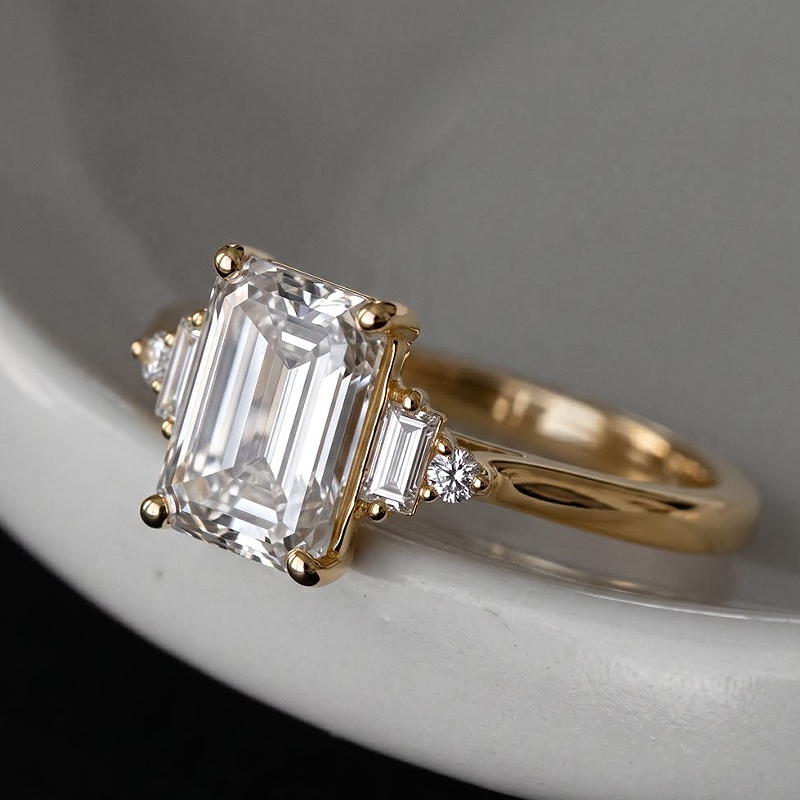
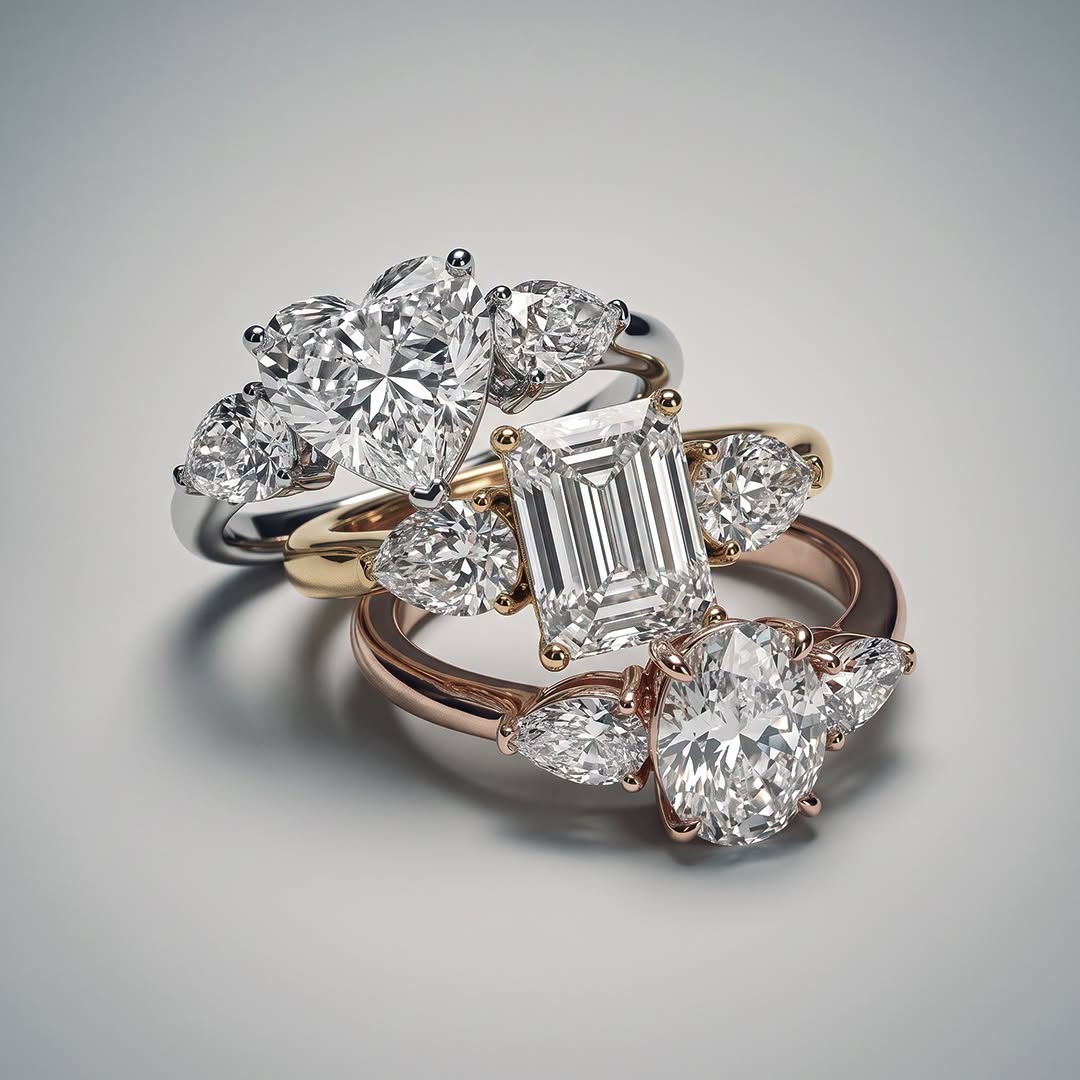
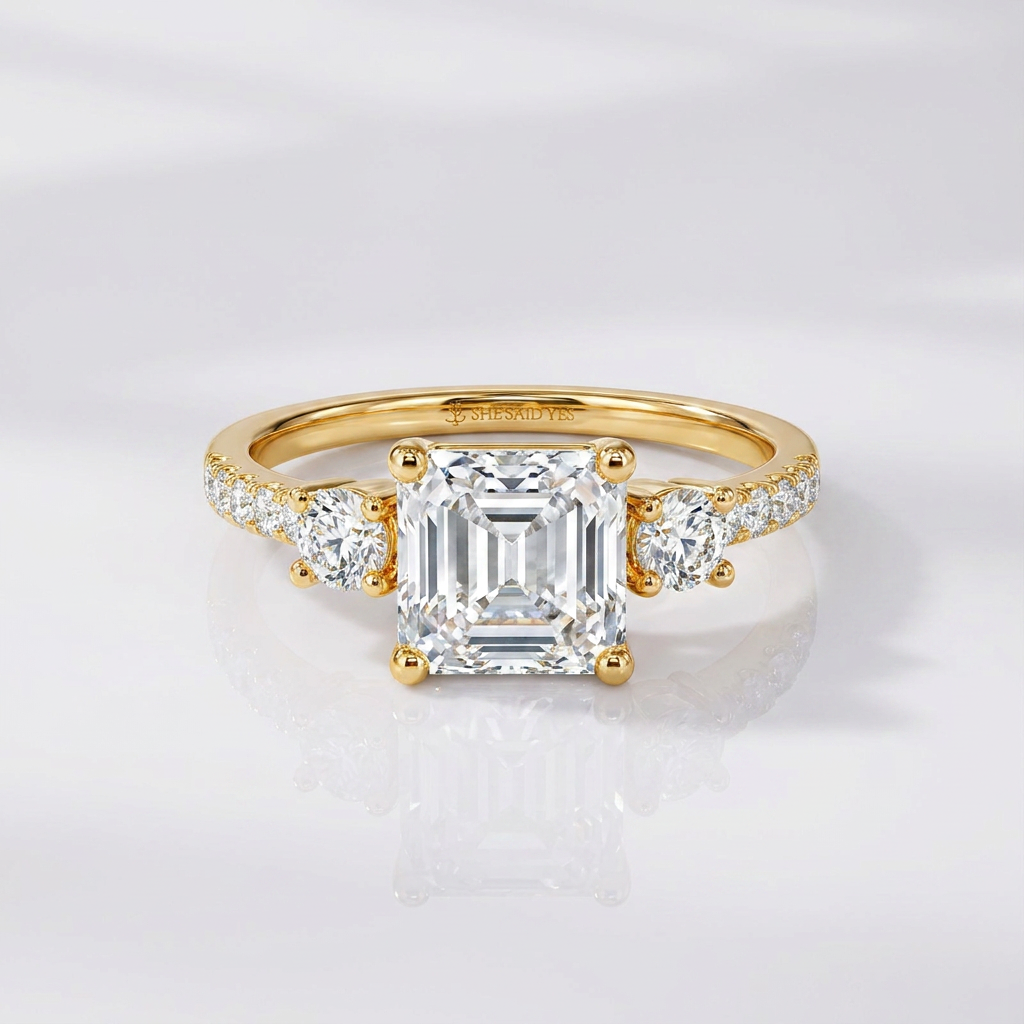
Three-stone ring (protected setting)
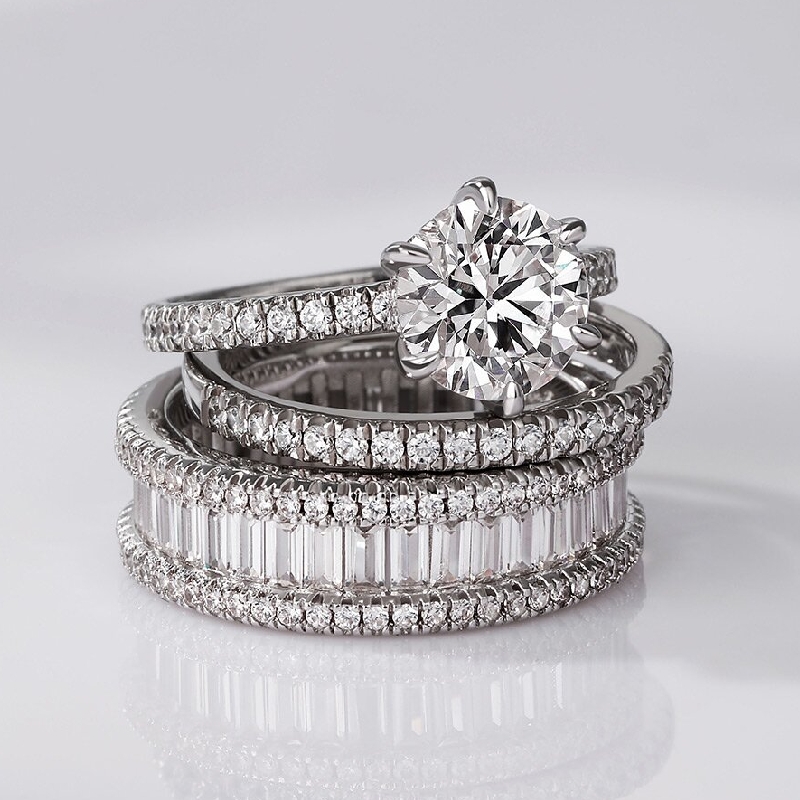
Three-stone rings carry a center stone flanked by two smaller ones — past, present, and future, as the line goes. The symbolism sells itself. For daily wear the details decide everything: side stones held with bezels or heavy prongs, and a center that doesn’t ride too high. Built well, a three-stone feels substantial and wears tough. Built cheaply, it’s a ring full of edges just waiting to catch on a knit cuff.
Best for: symbolic meaning with real presence on the hand.
Skip if: you want the easiest possible ring to clean at the sink.
Styling tip: baguette or trapezoid side stones sit lower than round ones and read more architectural.
Channel-set accent ring
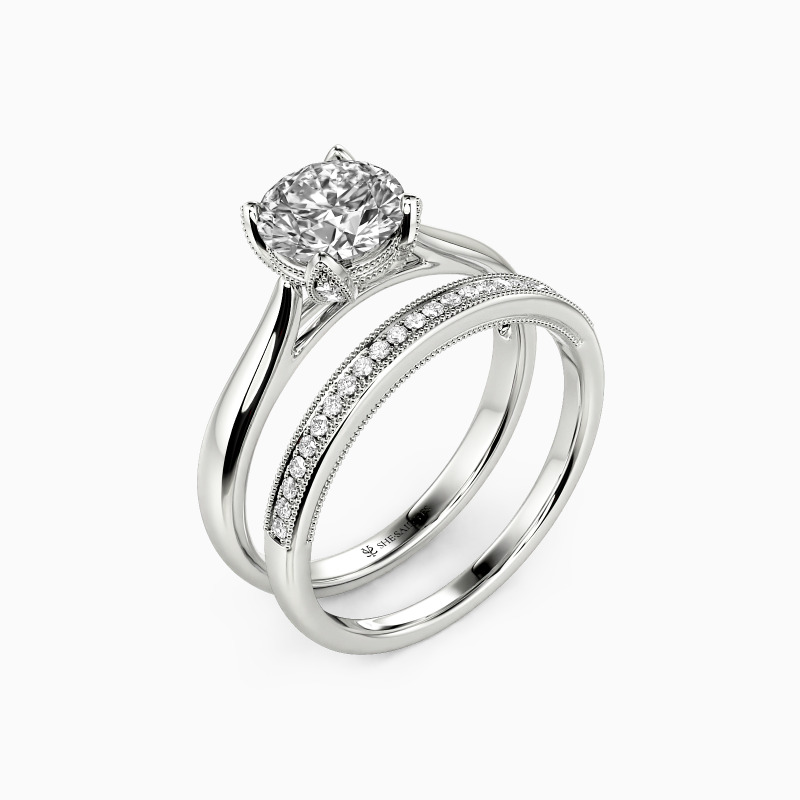
In a channel setting, a row of small stones sits inside two rails of metal, flush with the band — no prongs, nothing raised. No prongs, no snagging. It’s one of the most snag-proof ways to add sparkle, which is exactly why channel-set wedding bands show up everywhere. As an engagement ring, or as a set, it brings everyday-friendly shine with almost nothing to catch. Run a finger along the edge before you buy; a well-made channel band feels smooth and continuous under the hand, and that smoothness is the whole point for daily wear.
Best for: sparkle with near-zero snag risk, and easy cleaning.
Skip if: you want a single prominent center stone as the focus.
Styling tip: a channel-set band pairs cleanly with almost any solitaire.
Stones and Metals That Take Daily Wear
The stone does a lot of the everyday work. Hardness decides everything. Diamond sits at 10 on the Mohs scale and shrugs off almost anything daily life throws at it. Lab-grown diamonds have the same hardness, durability, and chemical composition as natural diamonds, offering the same everyday performance at a lower price. Moissanite, at 9.25, comes close — it throws even more colorful fire than diamond and costs a fraction of the price. Sapphire (9) is the tough colorful option for everyday wear with a pop of color. Softer stones like emerald, opal, pearl, and tanzanite are stunning, but they’re better saved for occasional pieces than a ring you never take off.
On the metal side, platinum is the most durable and slowly develops a soft patina; 14k gold hits the sweet spot between toughness and price; 18k gold is richer in color but a little softer. If you wear your ring every day and lead an active lifestyle, platinum or 14k gold are generally the most practical choices
How to Choose The Right Everyday Ring for You
Start with your hands, not the catalog. In our experience, people who work with their hands — healthcare, the gym, manual work, even heavy typing — end up happiest with a bezel or low solitaire set with a hard stone like diamond, moissanite, or sapphire. If your days are gentler, you can stretch to a halo or three-stone; just keep the profile reasonable. Metal comes down to budget and color: platinum for max durability, 14k gold for the practical middle, and the metal color — white, yellow, or rose — you’ll actually want to look at every morning. The best everyday wear engagement ring is the one you forget you’re wearing until someone reaches for your hand.
Everyday wear engagement ring FAQs
What metal is best for an everyday ring?
Platinum is the most durable choice, while 14K gold offers an excellent balance of strength, beauty, and affordability for everyday use.
How much does an everyday engagement ring cost?
It depends on stone, metal, and setting you choose, but practical everyday styles commonly land between $800 and $2,500
Can you wear an engagement ring every day?
Yes — most are built for exactly that. The real question is whether the style suits your everyday wear. A low-profile bezel or solitaire handles almost anything; a tall, delicate ring may need more care. Match the setting to what your hands actually do.
What is the best engagement ring setting for everyday wear?
Low-profile, bezel, and six-prong settings are considered the best options for daily wear because they provide better protection and security for the center stone.
Can I shower, sleep, or exercise with my engagement ring on?
It’s best to remove your engagement ring before showering, sleeping, or exercising. Soap residue, pressure, and impact can reduce its sparkle or damage the setting over time.
Your engagement ring should complement your lifestyle, not dictate it. At She Said Yes, we believe everyday wear shouldn’t mean compromising on beauty. That’s why every ring is handcrafted in recycled gold or platinum and available with your choice of lab-grown diamond, moissanite, sapphire, or other gemstones—so you can find a ring that’s as practical as it is personal.
Ready to find an engagement ring you’ll love wearing every day? Explore our collection of everyday-friendly engagement rings and discover a design that’s made to last a lifetime.